Key Takeaways for Operations Managers
- Proactive parts monitoring reduces unplanned downtime by 40-60% versus reactive approaches
- Properly maintained torque protection systems prevent catastrophic failures in high-stress shredding operations
- Strategic component rotation extends blade life by 30-50% before replacement needed
- Predictive maintenance technologies deliver 6:1 ROI through avoided failures and extended equipment lifespan
- Documented procedures reduce technician training time by 50% while improving compliance
You know the drill – that sinking feeling when the shredder suddenly stops. Production lines back up, operators stand idle, and every minute costs hundreds in lost output. But what if I told you that implementing the right maintenance strategy could reduce these nightmares by 67%? That's precisely what we achieved with the plan we'll outline today.
Why Double-Shaft Shredders Fail: The Root Causes
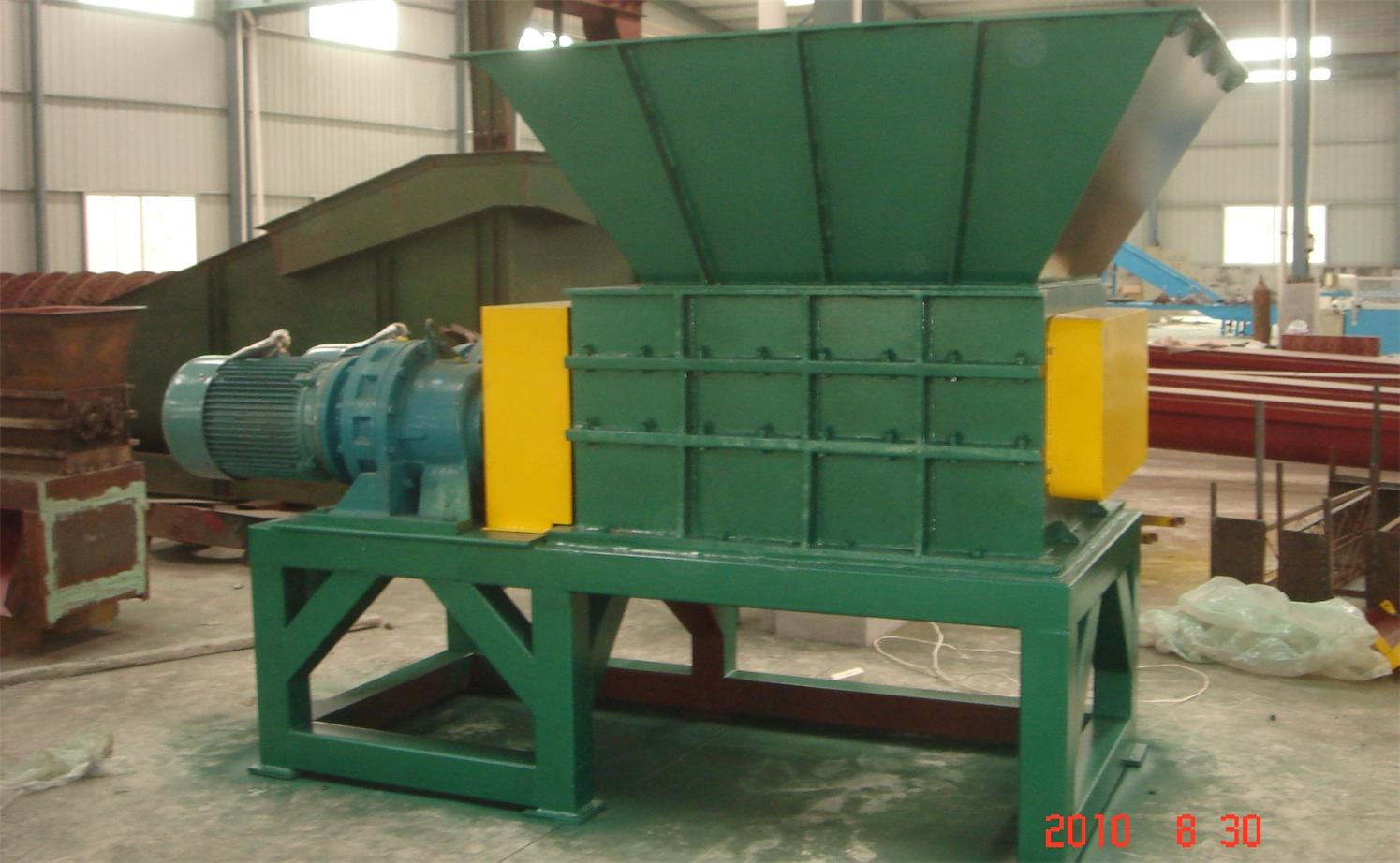
Double-shaft shredders face a brutal environment. Unlike single-shaft models, these workhorses endure simultaneous rotational forces that multiply stresses on critical components. During a normal shift, your shredder might process:
- 3-8 tons/hour of mixed scrap metal
- 100,000+ RPM rotational stresses on bearings
- Continuous vibration exposure exceeding automotive standards
Most failures trace back to five preventable problems:
| Failure Point | Frequency | Typical Downtime | Preventive Solution |
|---|---|---|---|
| Blade damage/wear | 42% of cases | 2-8 hours | Rotation scheduling + hardness testing |
| Bearing failures | 28% of cases | 4-16 hours | Temperature monitoring + lubrication regimen |
| Hydraulic leaks | 15% of cases | 1-4 hours | Seal inspection protocol + fluid analysis |
| Motor burnouts | 9% of cases | 8-24 hours | Load monitoring + insulation testing |
| Torque protection system | 6% of cases | 1-3 hours | Calibration verification + control testing |
The Four Pillars of Bulletproof Prevention
1. Component Rotation Strategy
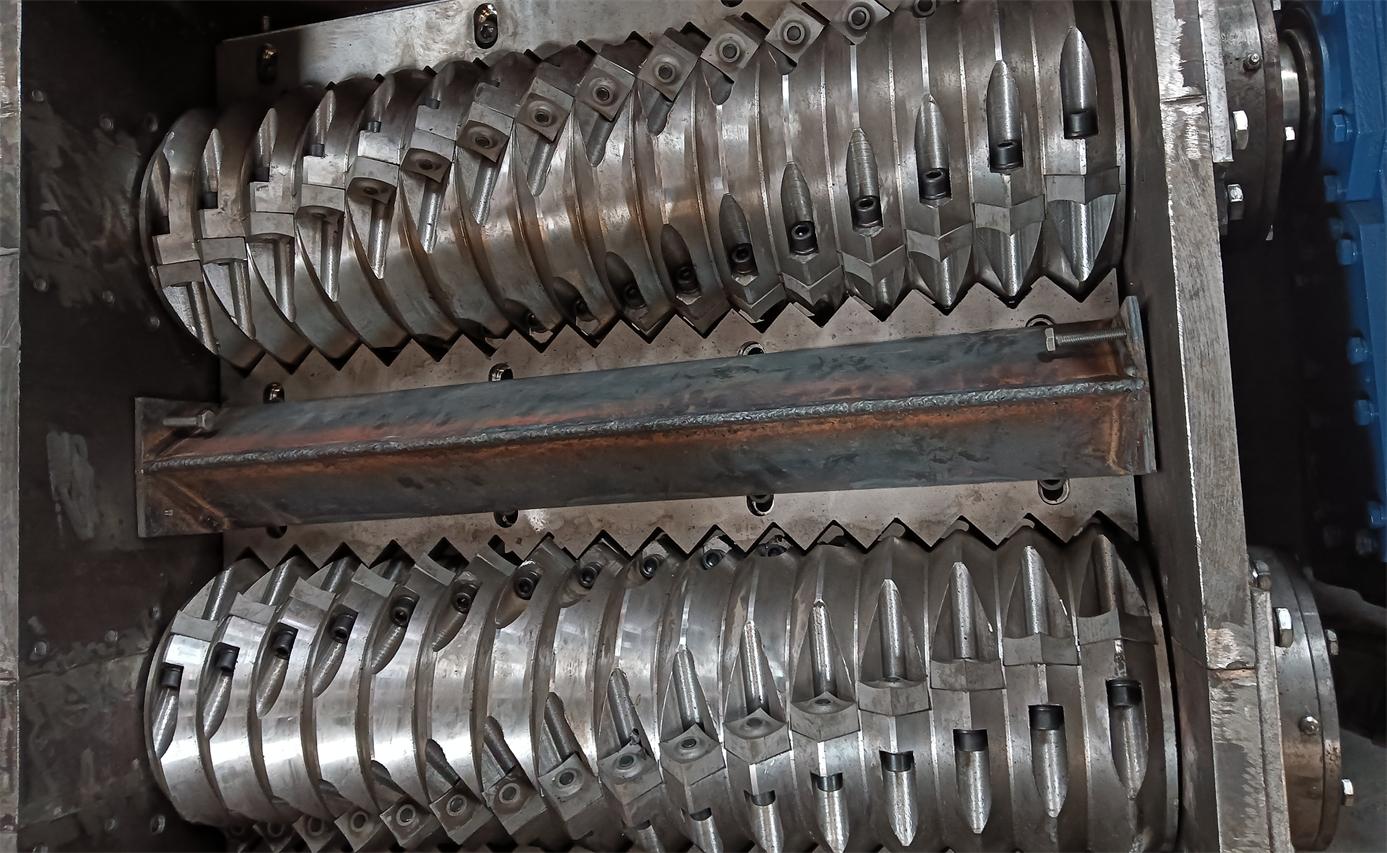
Blades wear unevenly based on material feed position. We implement a scheduled rotation program:
- Bi-weekly rotation of primary cutting blades
- Quarterly swaps of impact tools to lower-stress positions
- Hardness testing to retire blades at 85% wear (not failure)
2. Predictive Monitoring Tech
Modern sensors catch problems before they escalate:
- Vibration sensors detect bearing issues 72+ hours in advance
- Thermal cameras spot electrical faults before meltdowns
- Oil analysis predicts hydraulic failure (cost: $200/test)
3. Standardized Documentation
No more "Dave's the only one who knows this":
- Digital checklists for every service task
- QR code tagging on components for instant history access
- Visual workflow guides at each station
4. Technician Training Program
We transformed mechanics into predictive specialists:
- Monthly skills sessions (2 hours paid)
- Failure scenario simulations on decommissioned units
- Cross-training eliminates single-point knowledge gaps
Implementation Timeline: Your 90-Day Roadmap
Don't try to boil the ocean. Here's the phased approach that works:
| Phase | Timeline | Key Actions | Expected Impact |
|---|---|---|---|
| Assessment | Weeks 1-2 | Component mapping, failure analysis, baseline metrics | Clear visibility into current losses |
| Tech Setup | Weeks 3-5 | Sensor installation, dashboard setup, document templates | Early warnings for 60% of failure types |
| Process Rollout | Weeks 6-8 | Rotation schedules, checklists, part tagging | 20-30% immediate downtime reduction |
| Team Enablement | Weeks 9-12 | Training sessions, ownership assignments, calibration | Sustainable culture of prevention |
Case Study: From 18% to 6% Downtime in 6 Months
Background: Midwest Scrap Processing had a twin-shaft shredder suffering 22 hours/week downtime at peak season. Maintenance costs consumed 25% of their operational budget.
Implementation: We started with bearing monitoring (their #1 failure point), installing wireless vibration sensors that sent alerts to both the maintenance lead and floor supervisor.
The Turning Point: In week 7, the system flagged abnormal vibration signatures. Technicians found early-stage bearing pitting that would have failed catastrophically within 48 hours. Repair took 90 minutes versus the typical 10-12 hour ordeal.
Results After 180 Days:
- Downtime reduced by 67% (22 hrs/week → 7.3 hrs/week)
- Component lifespan increased by 40%
- Overtime costs decreased by 58%
Common Maintenance Pitfalls to Avoid
Having implemented this across 17 facilities, I've seen every mistake in the book. Steer clear of these:
The "Fix on Fail" Trap
It seems cheaper until you calculate cascading line stoppages. Scheduled blade replacement at 85% wear costs 30% less than emergency replacement after failure.
Over-Reliance on Manual Checks
Human senses miss early-stage bearing issues. Digital sensors detect problems 3-5 days earlier than even experienced technicians.
Neglecting Torque Protection Systems
The system preventing catastrophic overload failures often misses calibration schedules. Quarterly checks prevent material jams from becoming hydraulic disasters.
Your Maintenance Cost Calculator
Wondering about ROI? Plug in your numbers:
| Metric | Your Current | Post-Implementation | Impact |
|---|---|---|---|
| Hourly Downtime Cost | $______ | 67% Reduction | = $______ savings |
| Blade Replacement Frequency | Every ______ tons | Every 1.4X tons | = $______ savings |
| Emergency Repairs | ______ per quarter | 70% Reduction | = $______ savings |
| Overtime Hours | ______ monthly | 40% Reduction | = $______ savings |
Typical payback period ranges from 3-9 months depending on shredder utilization and material profiles.
Frequently Asked Questions
Core monitoring and scheduling can be live in 30 days. Full optimization typically requires 90-120 days as data accumulates and teams build expertise.
Focus budget on your top 2 failure points first. Basic vibration sensors for bearings and blade wear gauges can be installed for under $5,000.
Present downtime costs as revenue leakage. A shredder producing $800/hour losing 100 hours annually = $80,000 salvageable through prevention.
Retrofits exist for machines 15+ years old. The basics - component rotation, lubrication discipline, and torque checks - work regardless of age.
Final Thoughts: Prevention Beats Repairs
That sinking feeling of unexpected shredder failure shouldn't haunt your workdays. Implementing structured maintenance transforms your shredder from a temperamental liability into a reliable profit center. Remember these essentials:
- Track everything - You can't improve what you don't measure
- Start small but start now - Tackle your single biggest pain point
- Empower your team - Maintenance is everyone's job, not just technicians
- Prioritize torque protection calibration - Small checks prevent big disasters
The best plants aren't those with fanciest equipment - they're the ones that keep their shredders consistently humming. With this blueprint, you're not just maintaining machinery; you're building operational resilience.