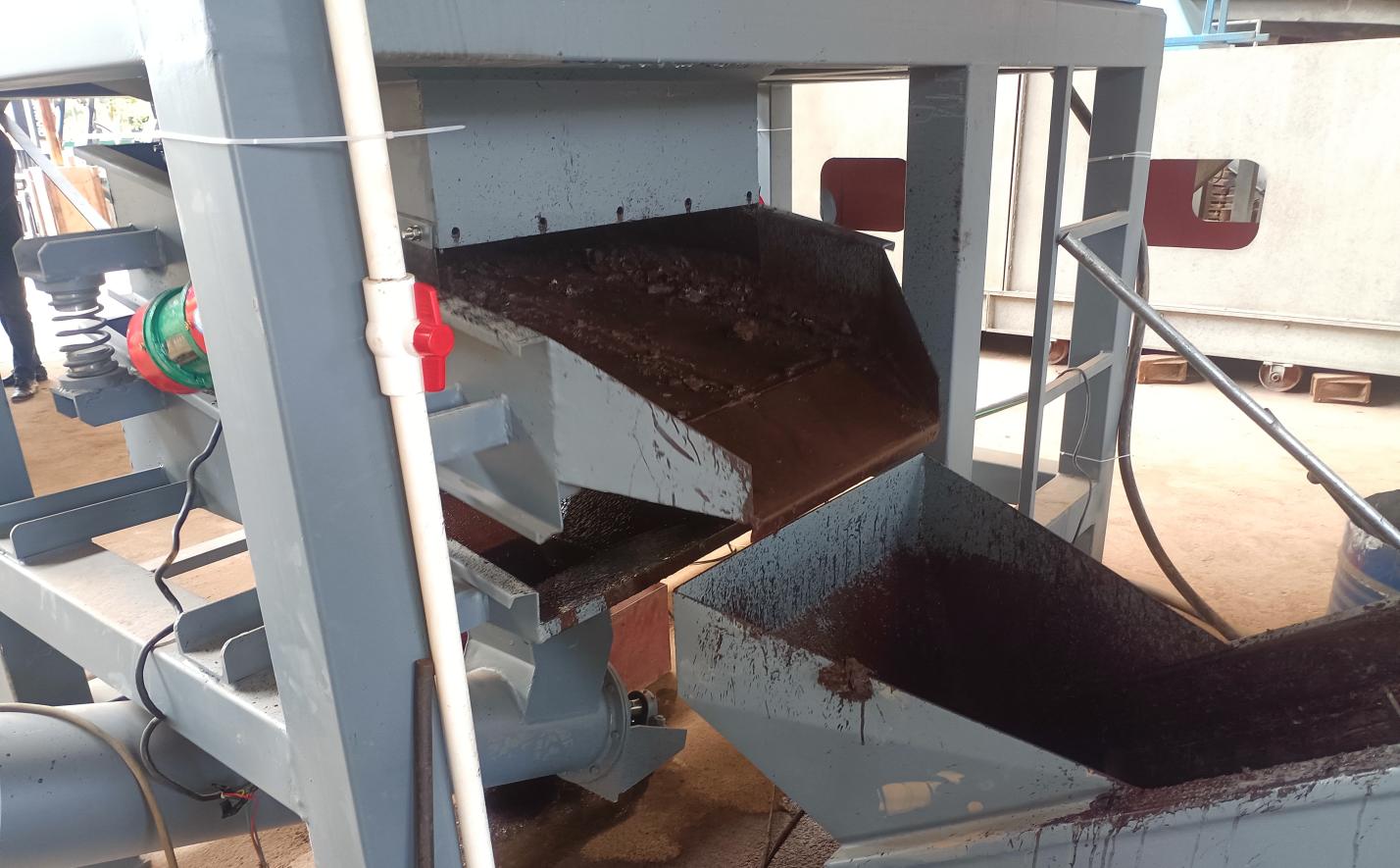
Every year, millions of tons of discarded electronics pile up in landfills, yet hidden inside those discarded phones, computers, and industrial controllers lies a concentrated stream of recoverable copper, aluminum, lead, and precious metals. For investors and plant operators looking to enter this space, choosing the right e-waste recycling equipment is the single decision that determines whether an operation turns a profit or becomes a costly liability.
The Market Reality Driving Investment
Environmental regulations worldwide are tightening, and informal processing methods such as open burning and acid leaching are being banned across Southeast Asia, Africa, and Latin America. This regulatory shift is pushing legitimate recycling plants to adopt mechanized, emission-compliant systems. At the same time, the supply of scrap electronics continues to grow as consumer upgrade cycles shorten and electric vehicle adoption increases demand for battery recycling infrastructure.
Buyers entering this market today are not just purchasing machines; they are buying into a long-term position in the circular economy. The plants that succeed are those built around reliable hardware, clear process flows, and suppliers who understand how to integrate equipment into a working production line from day one.
Core Equipment Categories You Should Know
Before contacting any supplier, it helps to understand which equipment categories match your raw material supply. Most formal e-waste recycling plants specialize in one or more of the following streams:
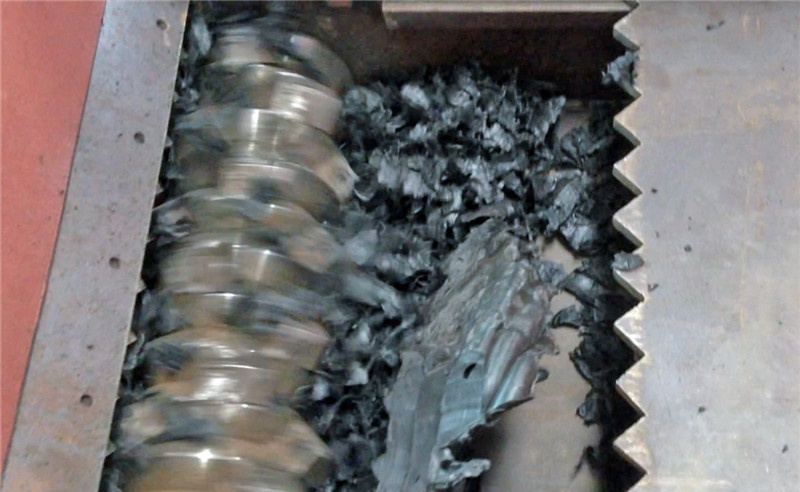
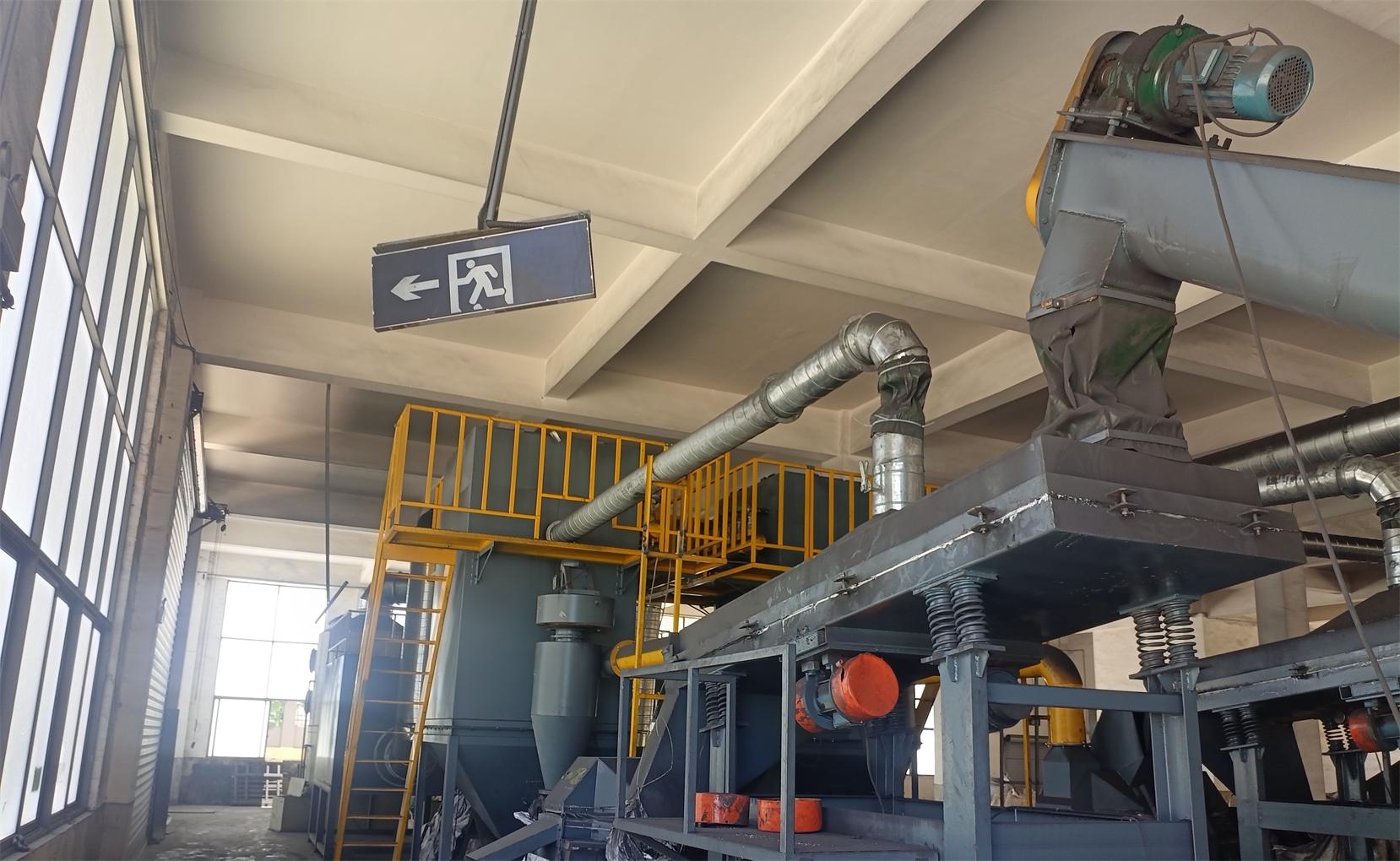
Printed circuit boards contain copper, gold, silver, and palladium, but they also carry hazardous resin and flame retardants. Modern circuit board recycling equipment uses dry crushing, air separation, and electrostatic sorting to recover metal powder without chemical baths. Processing capacities typically range from 300 kg/hour for compact units up to 2,000 kg/hour for industrial lines.
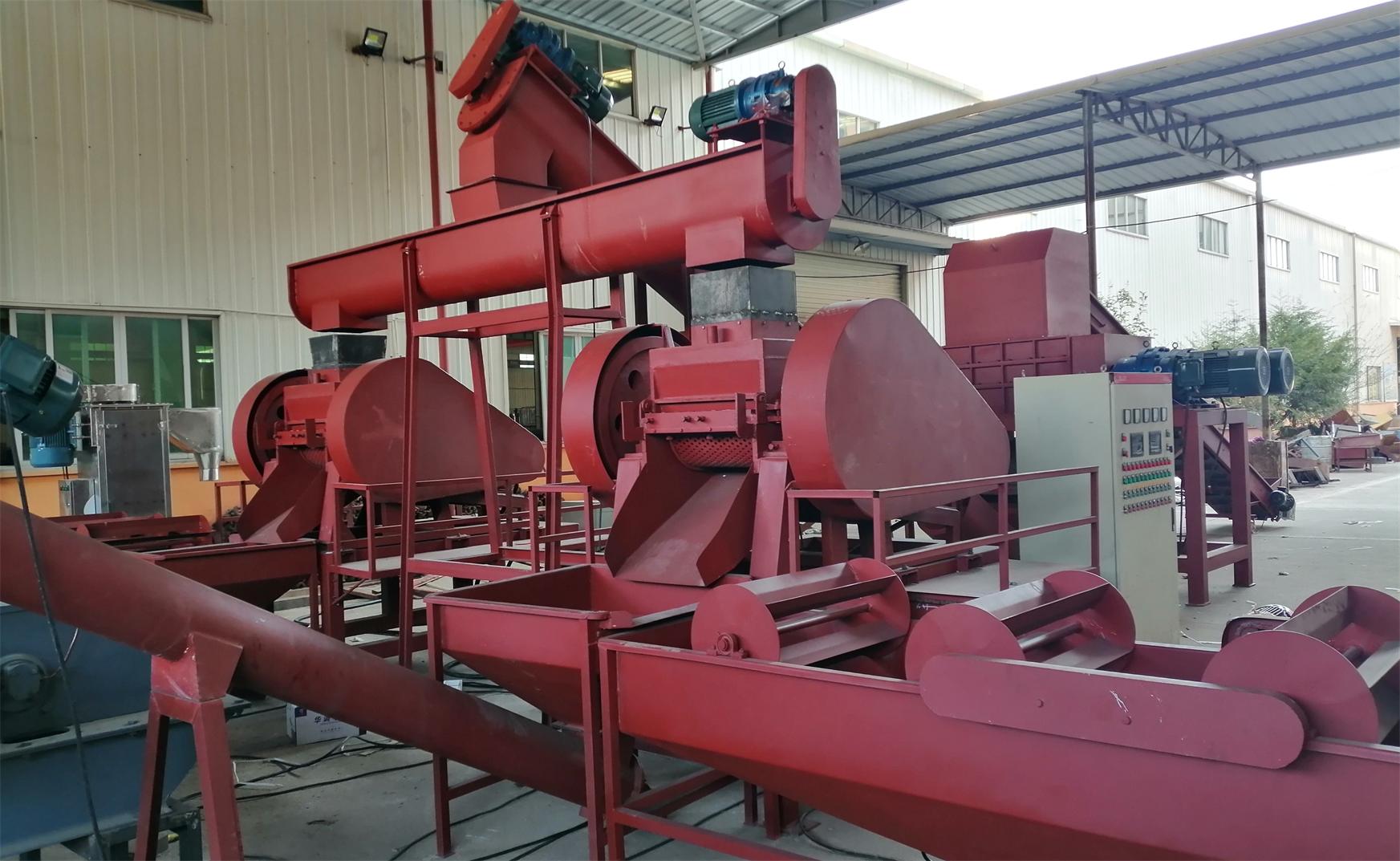
Scrap copper and aluminum cable represents one of the most straightforward recycling propositions because the metal value is high and the separation physics are simple. Cable recycling equipment typically includes stripping machines for thick-diameter wire and granulator-separator systems for mixed cable scrap. Granulators with dry separators can process 200–1,200 kg/hour depending on model and cable type.
Used lead-acid batteries and lithium-ion batteries require completely different processing lines. Lead acid battery recycling equipment breaks batteries to recover lead paste, lead grids, plastic shells, and acid, followed by smelting and refining to produce ingots. Lithium battery recycling, on the other hand, focuses on discharging, pre-crushing, and separating black mass from copper, aluminum, and plastic film. Capacity for lithium lines generally falls between 500–2,500 kg/hour.
Beyond these three core categories, many plants also handle refrigerator and air-conditioner recycling, CRT monitor cutting, motor stator dismantling, and lamp crushing. The key is to match your equipment mix to the waste stream you can reliably source.
Five Criteria for Selecting the Right Supplier
Not every manufacturer that advertises recycling machines can deliver a plant that runs profitably for ten years. When evaluating suppliers, look past the brochure and dig into the following areas:
1. Technical depth of the engineering team. Recycling machinery involves mechanical crushing, pneumatic separation, high-voltage electrostatics, dust containment, and emission control. A supplier whose core engineers hold advanced degrees in mechanical engineering and have spent years in the field will design more reliable systems than a trading company that outsources drawings.
2. EPC and turnkey capability. Buying a single machine is easy; building an integrated plant that moves material from inbound scrap to sorted product without bottlenecks is hard. Suppliers with solid EPC experience can handle layout design, utility planning, installation, and commissioning as one contract, saving you from coordinating ten different vendors.
3. Customization for local conditions. Power standards, ambient humidity, available workshop height, and local emission limits vary by country. A supplier that only offers fixed catalog models may leave you with mismatched voltage, insufficient dust control, or a line that cannot fit through your factory door. Look for manufacturers that size motors, design dust collectors, and adapt control panels to your local codes.
4. Pre-shipment verification. Load testing, dust-leak inspection, and voltage adaptation debugging should be standard procedure, not optional extras. A supplier unwilling to run your actual material through the machine before crating it is a supplier cutting corners.
5. After-sales support and spare parts availability. Blades wear out, bearings need replacement, and control sensors occasionally fail. Ask prospective suppliers where their spare parts warehouse is located and how quickly they can dispatch a technician if your line stops.
Why Experience Matters: San Lan's Track Record
San Lan Technologies Co., Ltd has been manufacturing WEEE recycling machines and mining equipment since 2007. Over nearly two decades, the company has shipped plants to buyers in more than twenty-one countries, including Singapore, Colombia, Vietnam, Mexico, Argentina, South Africa, India, Saudi Arabia, and Zambia.
The engineering team includes mechanical engineering masters with over fifteen years of hands-on experience specifically in e-waste recycling equipment. This depth shows up in practical details: dust-proof sealing around crushing chambers, modular frames that let owners expand capacity later, and control interfaces that can be translated to match local operators.
San Lan's service model goes beyond machine sales. The team assists with EPC project execution, customized plant design, one-stop purchasing for auxiliary equipment, installation and commissioning, and even guidance on sourcing scrap material and marketing recovered products such as copper rice and lead ingots. For buyers who need financing or joint-venture partners to build a recycling plant, San Lan can also introduce investment connections.
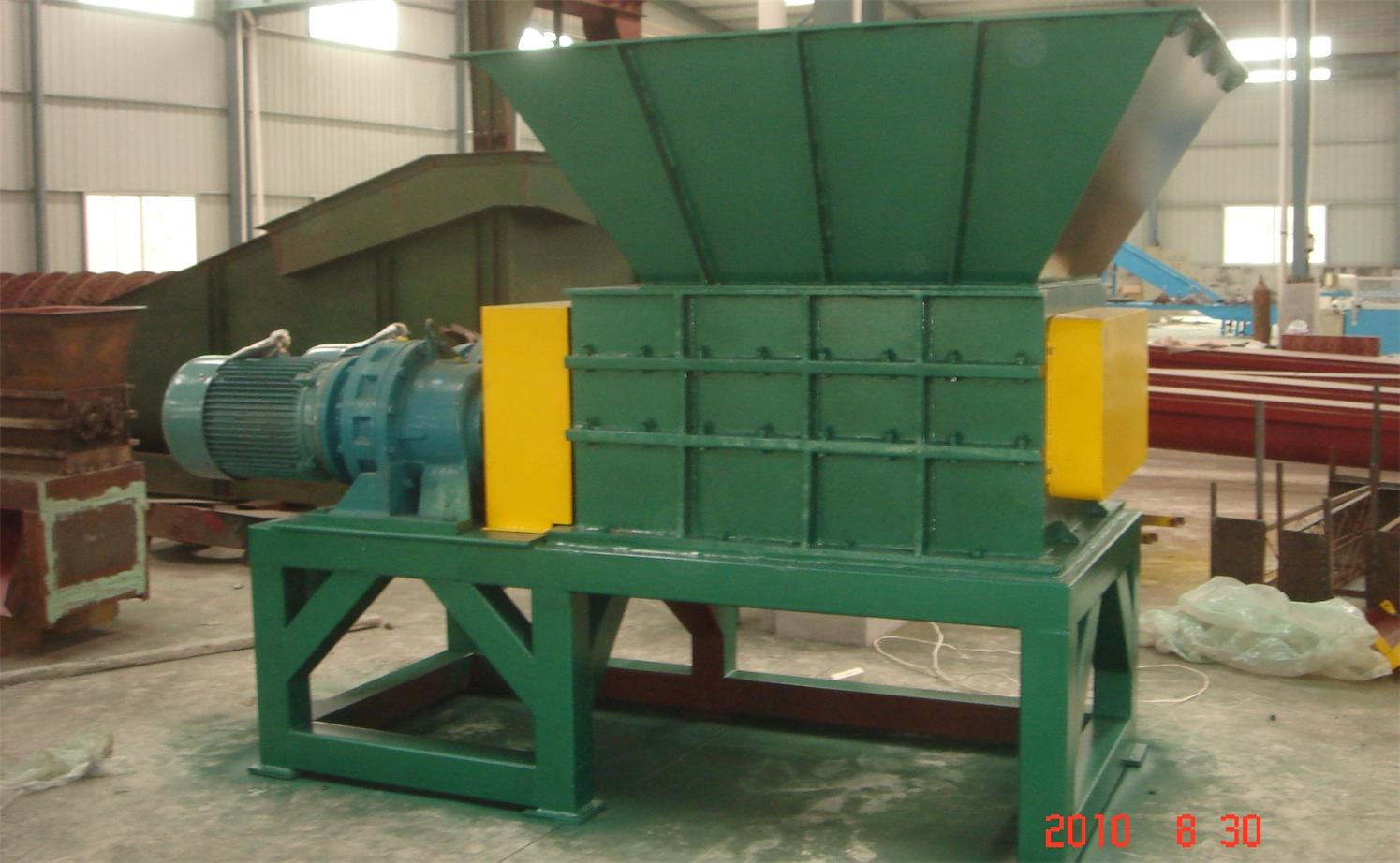
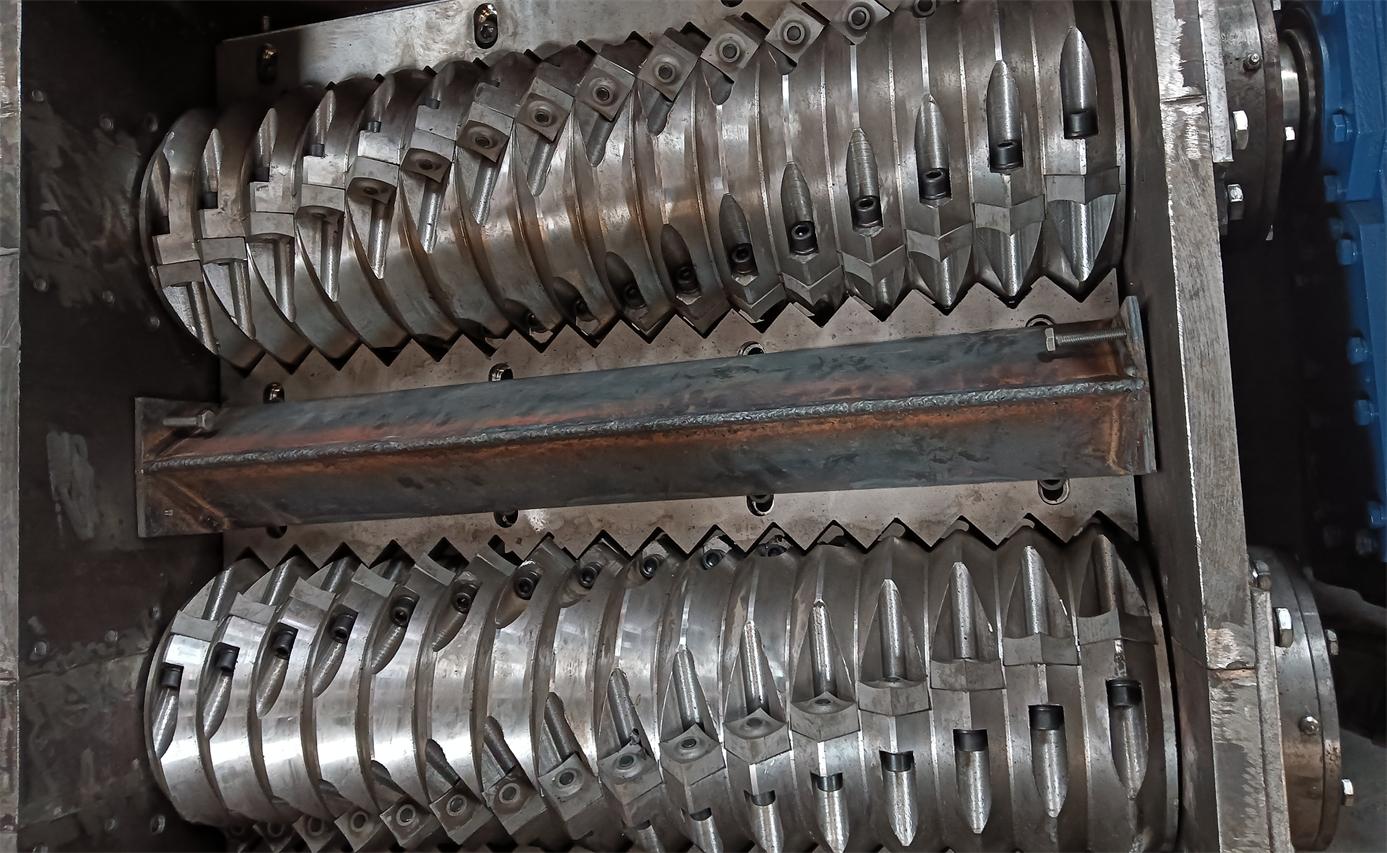
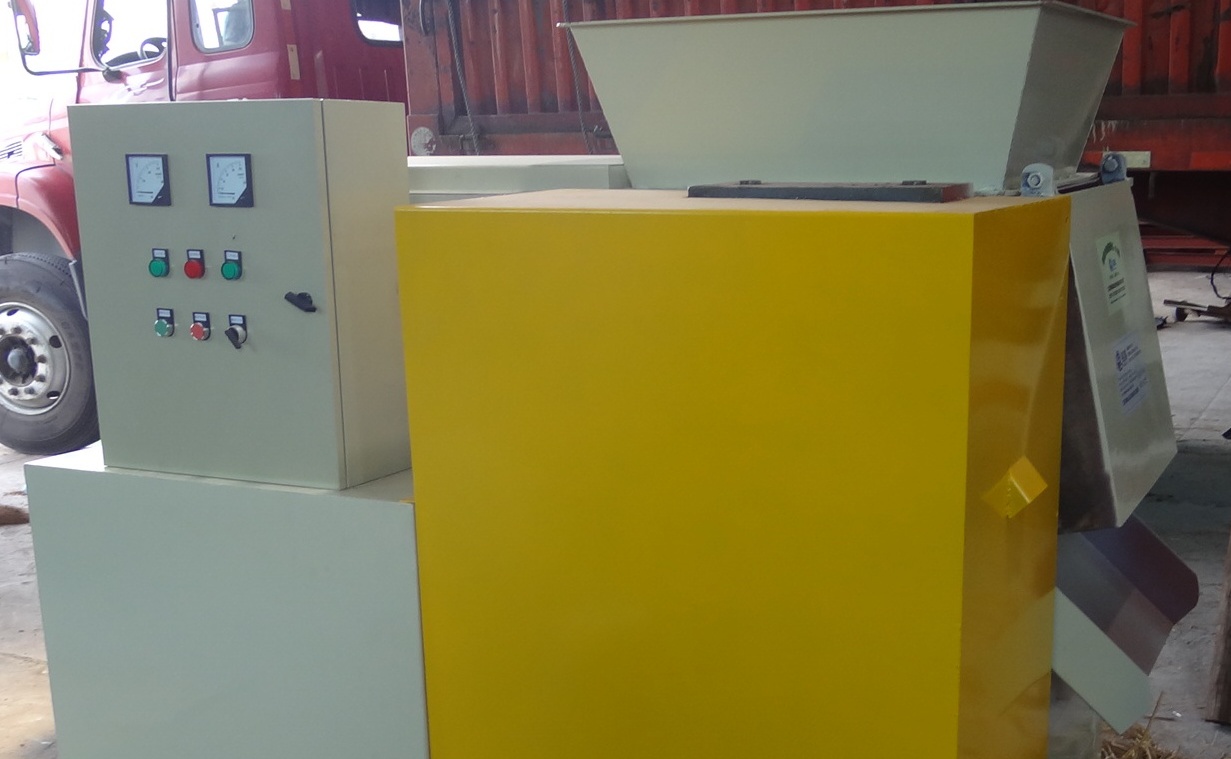
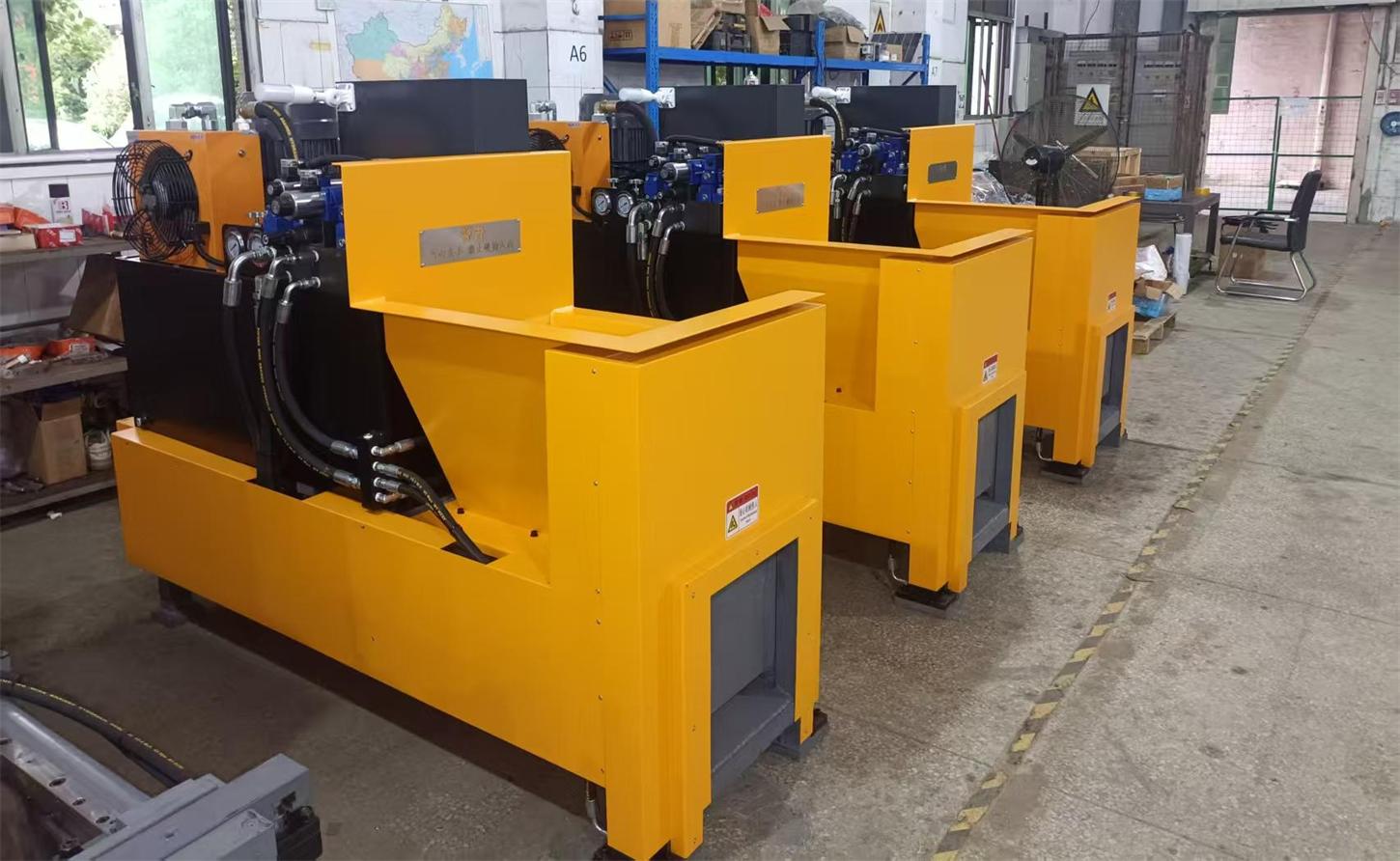
Product coverage spans lead-acid battery recycling lines, lithium battery breaking and separation systems, circuit board recovery plants, cable granulators, refrigerator shredding lines, CRT cutters, motor dismantling machines, shredders, hydraulic briquetters, and induction melting furnaces. Whether you are starting with a single compact granulator or planning a multi-line industrial park, the product range allows you to scale without switching suppliers.
Making the Investment Decision
Entering the e-waste recycling business is not a speculative gamble if you approach it with the right equipment partner. The plants that struggle are usually those built around cheap, untested machinery with no technical support. The plants that thrive treat equipment selection as a strategic supply-chain decision, choosing manufacturers that understand process engineering, stand behind their machines with load testing, and remain reachable when questions arise two years after startup.
If you are evaluating your first recycling line or expanding an existing plant, map your incoming waste stream to the appropriate equipment category, verify the supplier's engineering credentials, and insist on seeing your material processed during factory acceptance testing. These three steps will eliminate most of the risk before you ever sign a purchase order.
Ready to plan your recycling plant? San Lan Technologies offers customized e-waste recycling equipment ranging from single machines to complete turnkey plants. With nearly two decades of manufacturing experience and installations across twenty-one countries, the team can help you match equipment to your material supply, budget, and local environmental requirements.
Contact San Lan Technologies to discuss your project, request a quotation, or arrange a factory visit.
Email: info@san-lan.com | WhatsApp: +86 139 2377 4083
Website: www.san-lan.com