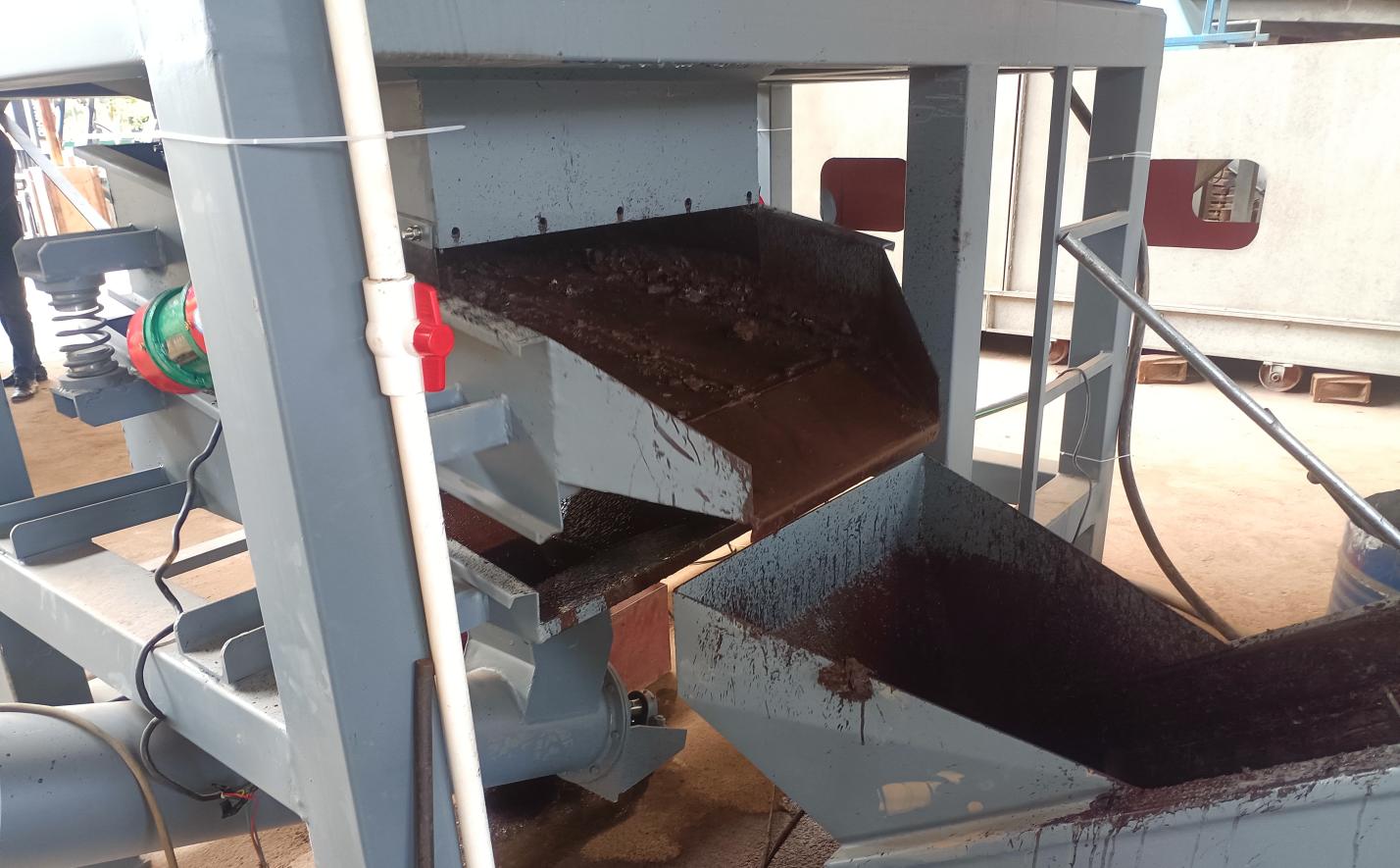
Every year, the world generates over 60 million tonnes of electronic waste, yet less than 20% is formally recycled. The rest sits in landfills or informal workshops, leaking heavy metals and losing billions of dollars in recoverable materials. For entrepreneurs and plant operators looking at this gap, the opportunity is clear — but the equipment decision is where most projects succeed or fail.
Buying the right recycling machinery is not about picking the lowest quote. It is about matching your feedstock, capacity targets, and end-product quality to equipment that can run reliably for ten to fifteen years. This guide walks through the core equipment categories, what to evaluate before purchase, and how experienced suppliers reduce risk during commissioning.
The Core Equipment Lines Every Recycler Needs
Electronic waste is not a single material. A typical lot contains printed circuit boards, copper cables, mixed plastics, ferrous housings, and hazardous components like batteries. A profitable operation usually starts with one or two focused lines and expands as cash flow stabilizes.
Circuit Board Recovery
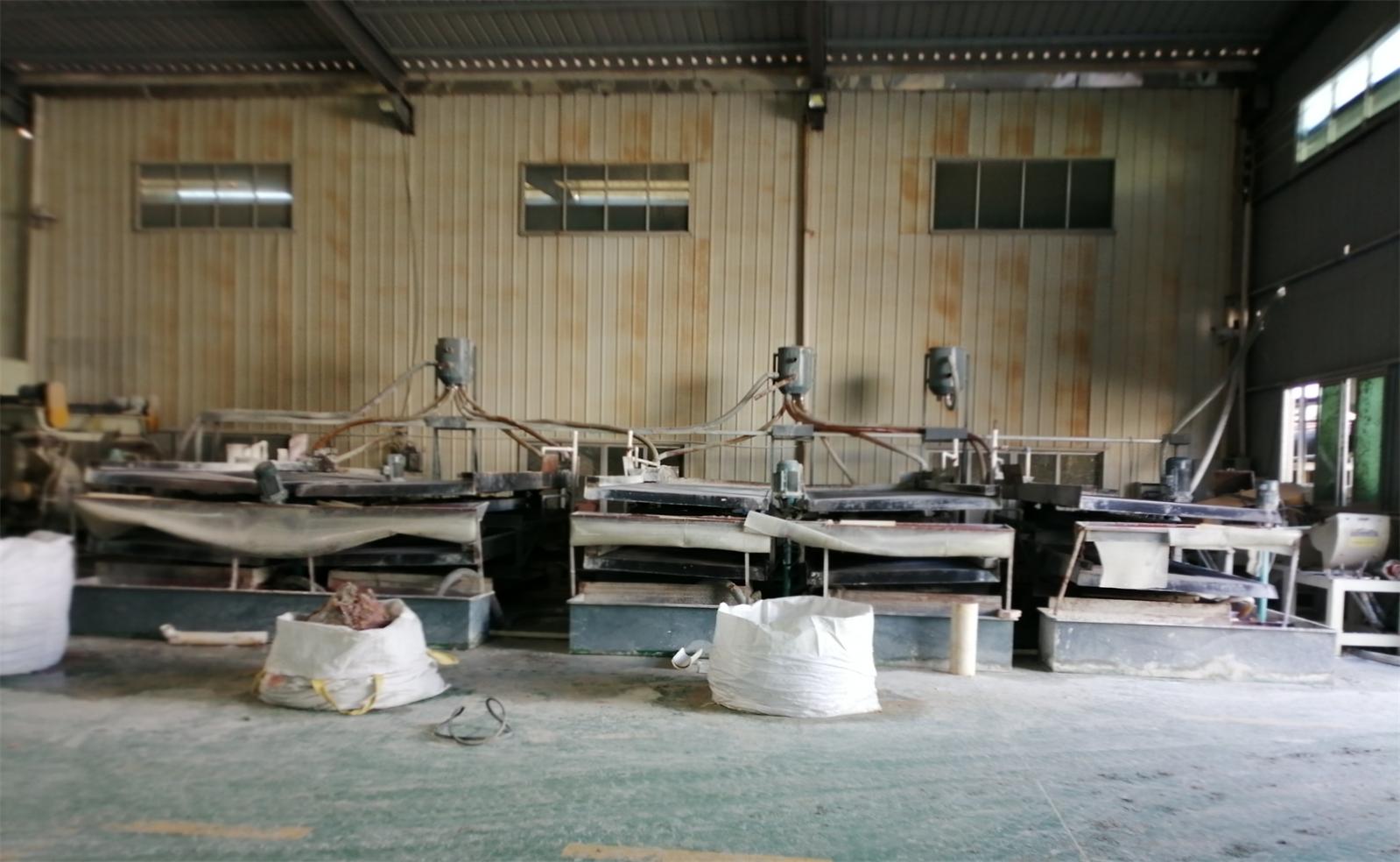
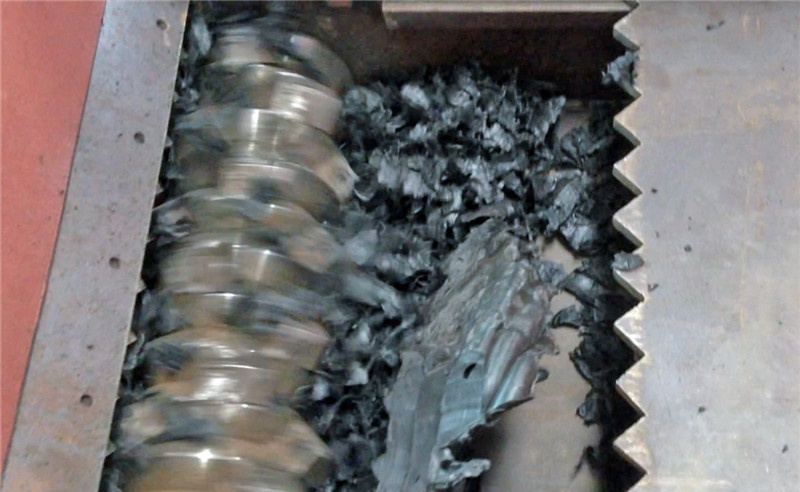
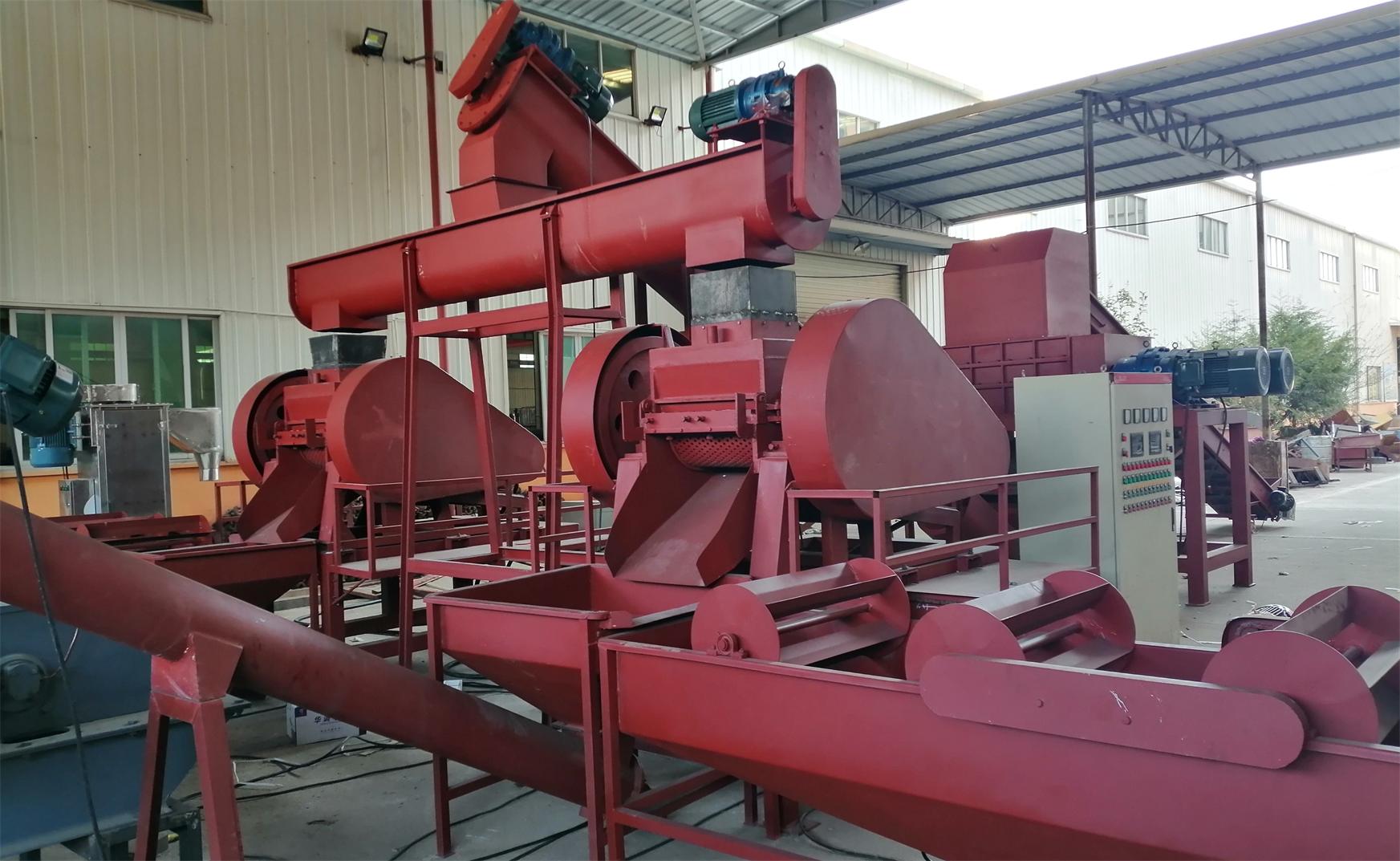
Printed circuit boards (PCBs) carry the highest concentration of non-ferrous and precious metals in the e-waste stream. A well-designed circuit board recycling equipment line typically combines crushing, grinding, and electrostatic or air separation to recover copper powder with 96–98% purity. Dry separation systems avoid wastewater entirely, while wet separation lines can handle boards with components still attached. Capacity ranges from 300 kg/hour for pilot plants up to 2,000 kg/hour for industrial operations.
Cable and Wire Processing
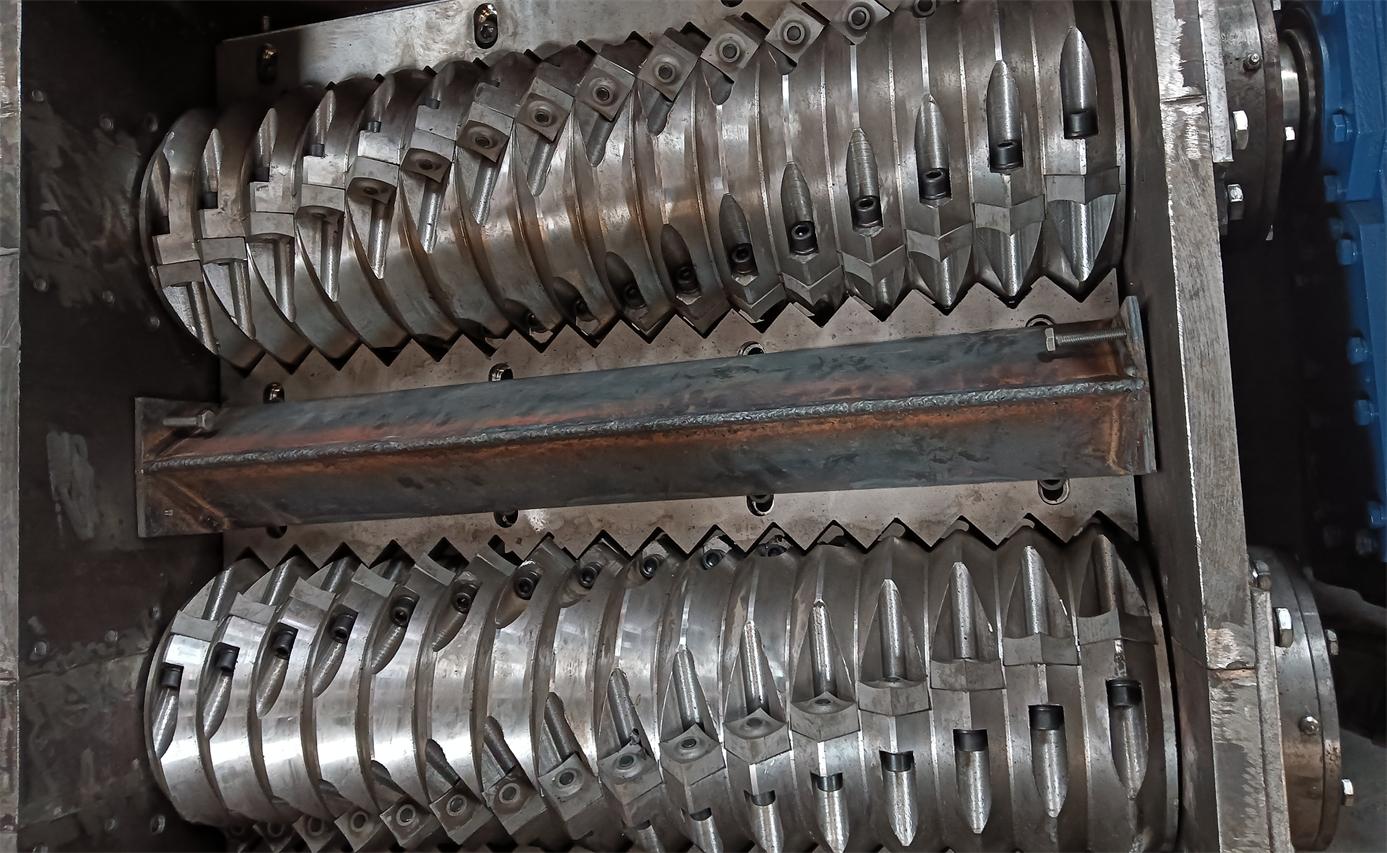
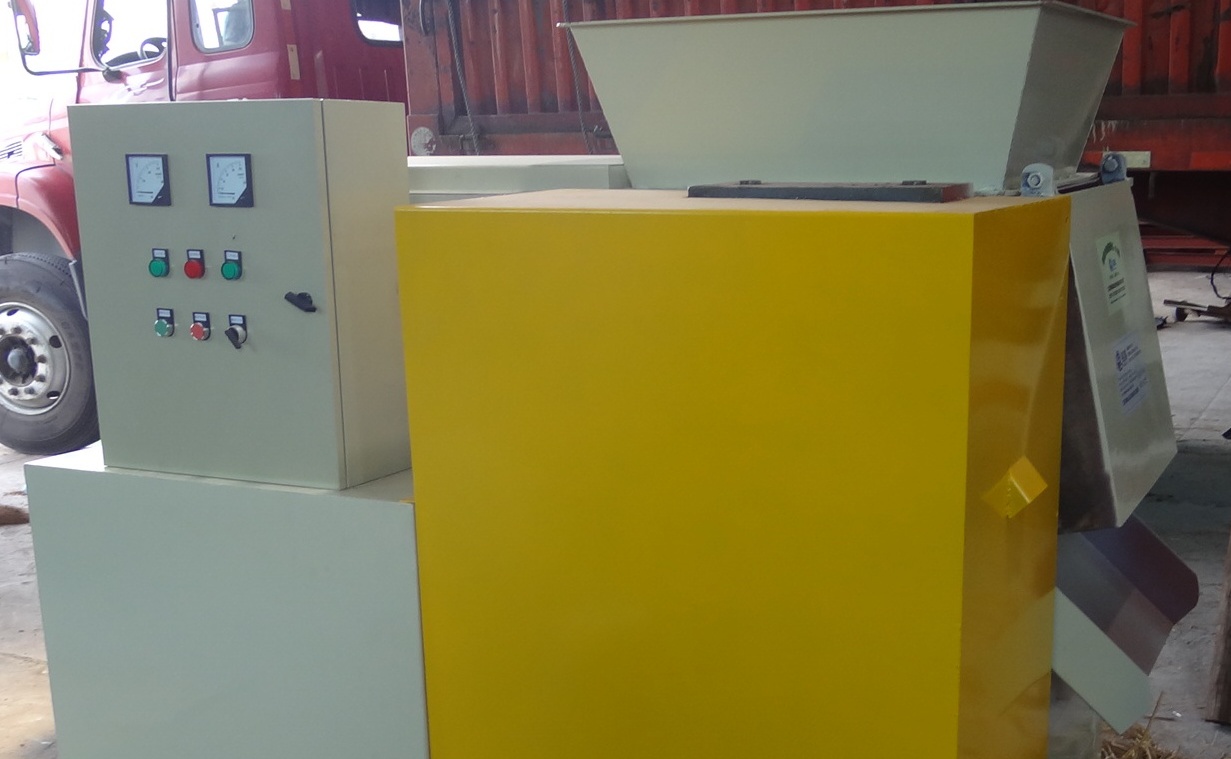
Scrap cable is one of the easiest feedstocks to source and one of the fastest to turn into cash. Cable recycling equipment separates copper or aluminum from plastic insulation through granulation and air separation. Compact granulators process 100–600 kg/hour and fit into small workshops, while larger lines reach 1,200 kg/hour with pre-shredders and magnetic separators. The key metric is copper recovery rate: anything above 98% keeps margins healthy even when metal prices dip.
Battery Recycling — Lead Acid and Lithium
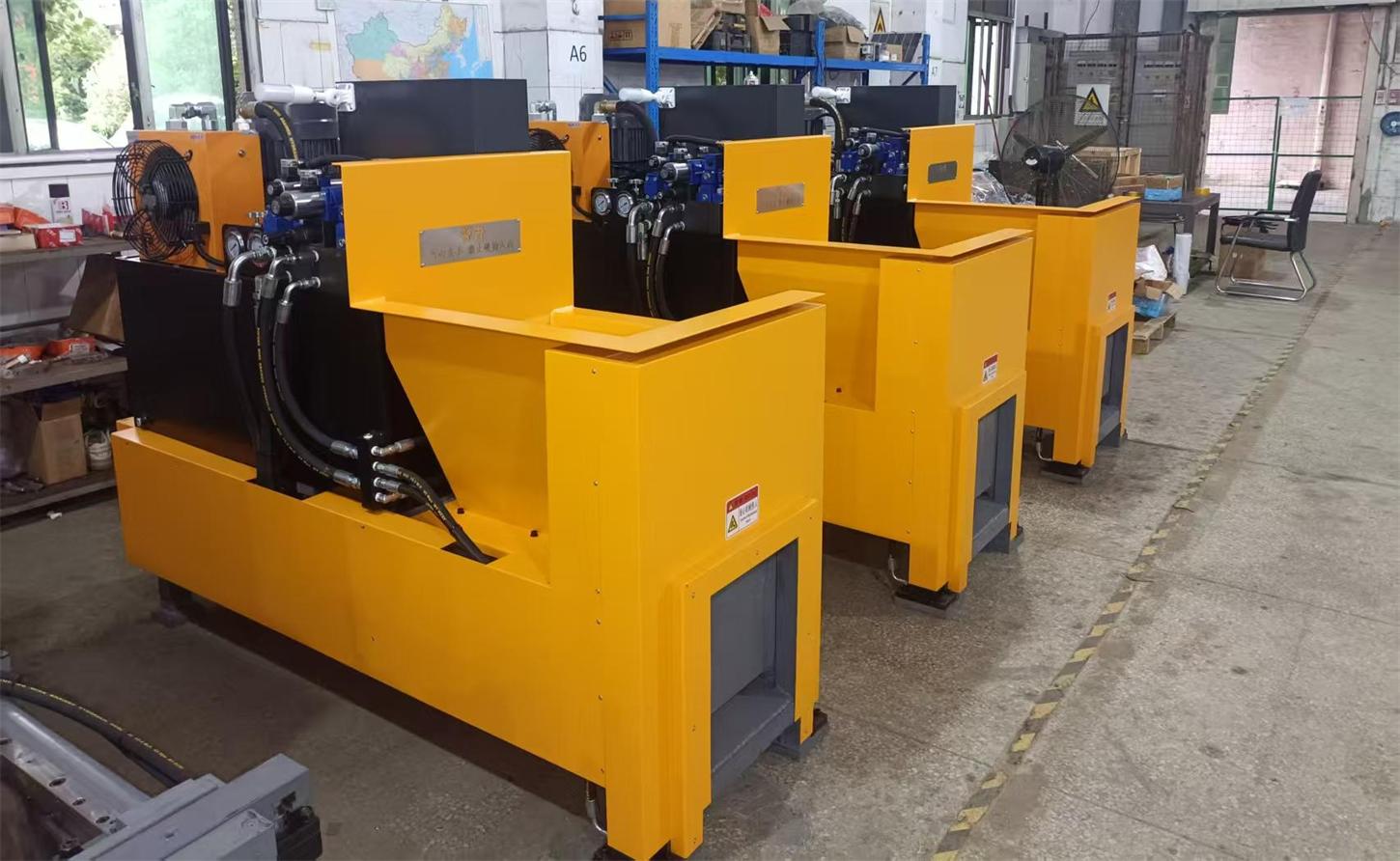
Batteries represent both a hazard and a high-value stream. Used lead acid batteries (ULAB) contain lead paste, lead grids, plastic cases, and sulfuric acid. A complete lead acid battery recycling equipment line includes battery cutters, breaking and separation systems, de-sulfurization units, smelting furnaces, and air pollution control. Recovery rates for lead can exceed 95% when the process is properly integrated.
On the lithium side, spent lithium-ion batteries from EVs and consumer electronics are becoming the fastest-growing e-waste category. Mechanical lines break cells and separate black mass (containing nickel, cobalt, and graphite), copper, aluminum, and plastic film. Because lithium batteries carry fire and thermal runaway risks, the line must include discharge stations, inert gas protection, and dedicated dust and gas collection systems.
What to Look for in a Recycling Equipment Supplier
Machinery catalogs look similar on paper. The difference shows up six months after installation, when spare parts are hard to find and technical support is slow. Before signing a contract, verify these four areas:
1. Process Integration Experience
Does the supplier design standalone machines, or do they engineer complete process flows? A crusher that outputs uneven particle sizes will choke your separator. A furnace without proper fume hooding will trigger environmental shutdowns. Look for suppliers who have built turnkey plants and can simulate your full process before manufacturing.
2. Material Testing and Customization
Your feedstock is unique — cable diameters vary by region, PCB grades differ by source, and battery chemistries evolve. A competent supplier should test your actual materials, adjust blade geometries, screen apertures, and separation parameters, then guarantee recovery rates in writing.
3. After-Sales Parts and Technical Support
Cutting tools, screens, bearings, and conveyor belts wear out. Ask for a two-year spare parts list with pricing upfront. Confirm whether engineers can be dispatched for installation, commissioning, and operator training. Remote diagnostic capability is a plus.
4. Environmental Compliance Design
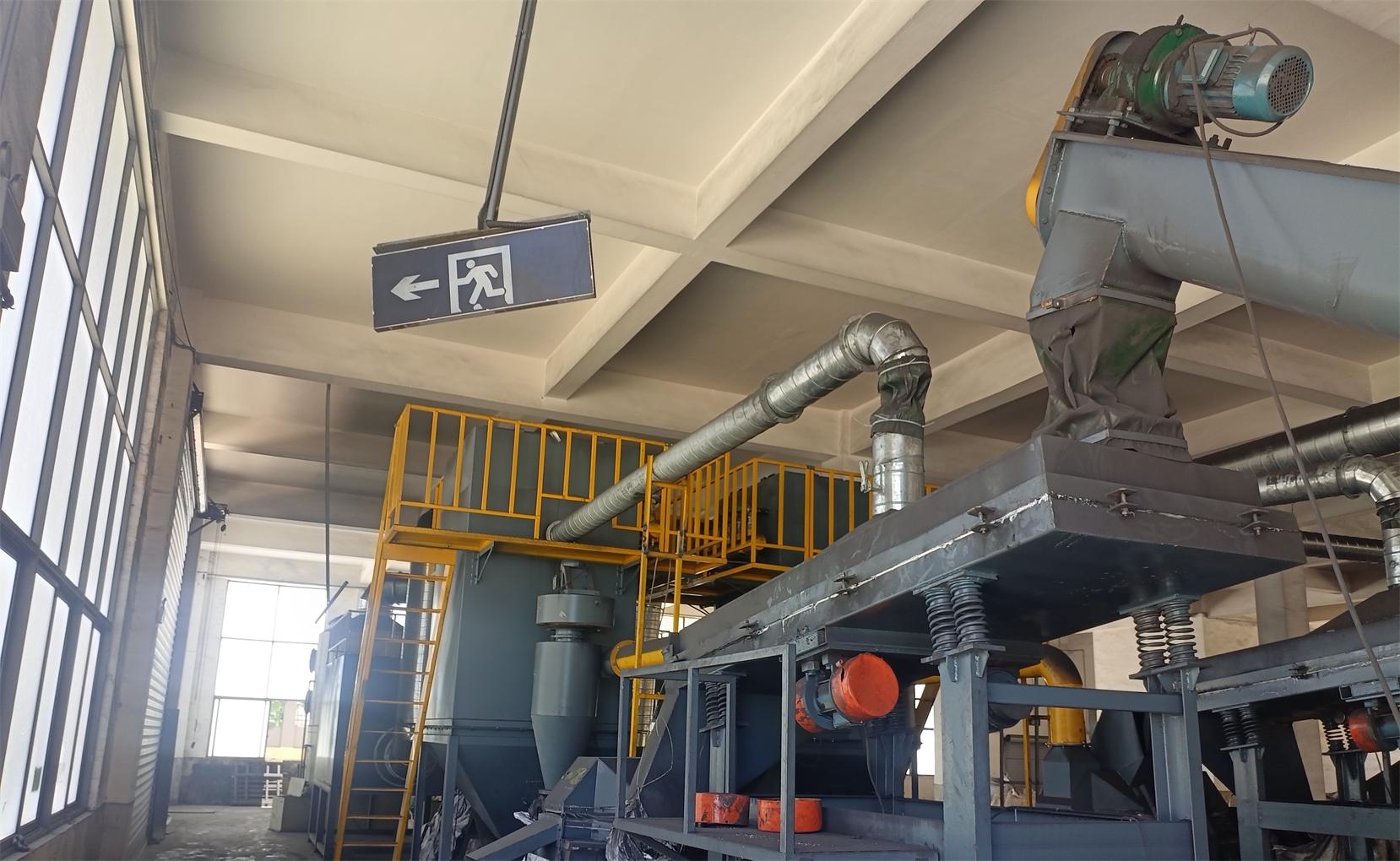
Recycling should not create new pollution. Check that dust collection, effluent treatment, and exhaust gas scrubbing are integrated into the plant design, not added as afterthoughts. This protects both your operating license and your community relations.
Why EPC Capability Matters for First-Time Plant Builders
Engineering, Procurement, and Construction (EPC) is not just a buzzword in recycling — it is a risk reduction strategy. First-time operators often underestimate civil works, utility connections, material handling logistics, and regulatory permitting. An EPC-capable supplier handles these interfaces so that mechanical installation does not sit idle waiting for electrical panels or foundation curing.
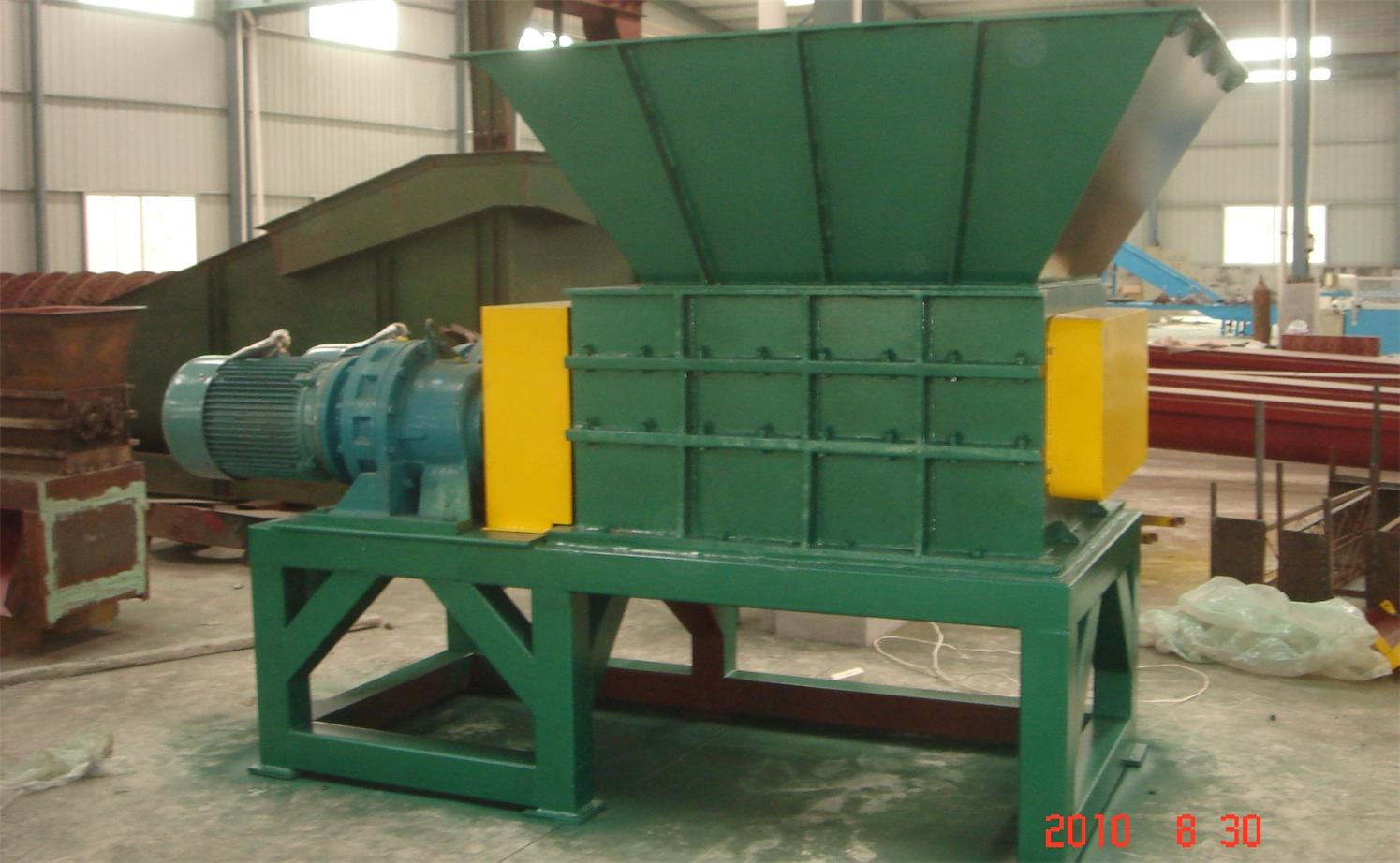
San Lan Technologies, established in 2007, has delivered recycling plants and mining equipment to clients in more than 21 countries including Singapore, Mexico, Colombia, Vietnam, South Africa, India, and Saudi Arabia. The product range covers recycling equipment supplier categories from circuit board and cable lines through lead acid and lithium battery systems, shredders, CRT cutters, refrigerator recycling plants, and downstream smelting equipment. The engineering team includes mechanical engineers with over 15 years of field experience in e-waste recycling machine design.
Beyond equipment supply, San Lan assists with waste material sourcing (cable scrap, PCB scrap, used lead acid batteries), plant construction partnership, and even offtake connections for recovered products such as copper rice, lead ingots, and aluminum fractions. This ecosystem approach matters because a recycling plant is only profitable when both input and output channels are secure.
Making the First Move
If you are evaluating a recycling investment, start with a clear feedstock assessment and a realistic capacity target. A 500 kg/hour cable line requires a different budget, space, and labor plan than a 2-ton-per-hour integrated e-waste plant. Request material testing from your short-listed suppliers, visit running installations if possible, and demand written performance guarantees before final payment.
The e-waste recycling market is growing at double-digit rates globally, driven by shorter product lifecycles, stricter extended producer responsibility laws, and rising metal prices. The winners in this space will not be the operators who buy the cheapest machines, but those who partner with suppliers capable of optimizing recovery rates, minimizing downtime, and scaling with their growth.
Ready to spec out your recycling line? San Lan Technologies offers process design, material testing, and turnkey plant delivery for circuit board, cable, battery, and mixed e-waste operations. Contact the team at info@san-lan.com or via WhatsApp at +86 139 2377 4083 to discuss your project.