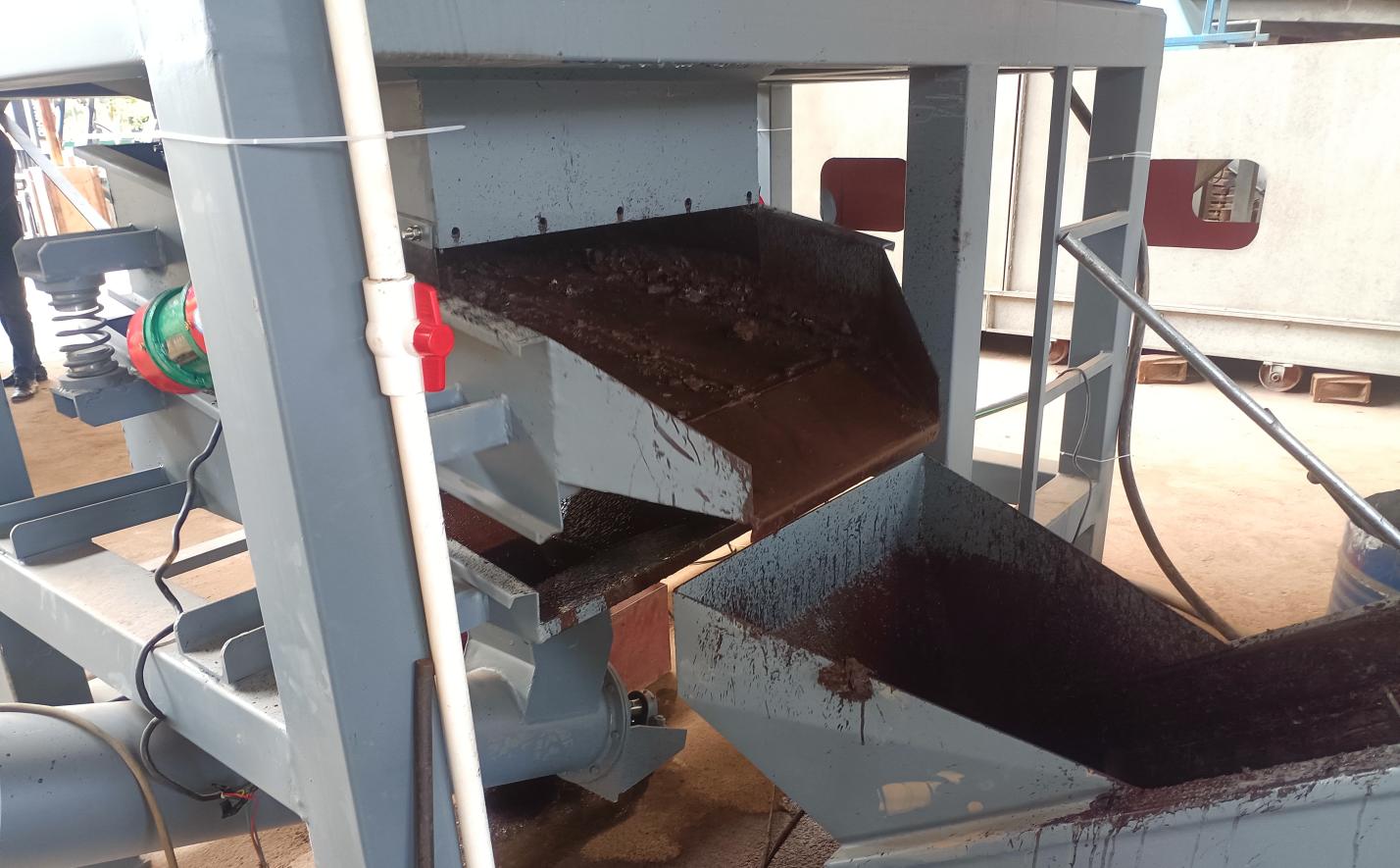
A recycler in Colombia recently doubled his monthly output without doubling his workforce. The change was not a new marketing strategy or a bigger warehouse. It was simply the right processing line for the scrap he already had arriving at his gate.
This is the quiet reality of the e-waste recycling business: profit margins depend less on volume and more on how efficiently you convert discarded materials into salable commodities. Choose the wrong equipment, and you burn labor hours and lose metal to inefficient separation. Choose the right line, and every ton of input yields more copper, lead, or precious metal than your competitor down the road.
The Four High-Value Streams in E-Waste Recycling
Not all e-waste is processed the same way. Each material stream demands different breaking, separating, and refining technology. Below are the four most common high-value categories and what to look for in each processing line.
1. Used Lead Acid Batteries
Used lead acid batteries remain one of the most profitable recycling streams because nearly every component has a buyer. Acid can be neutralized, plastic shells become regrind for new battery cases, lead grids melt directly into ingots, and lead paste converts back to metallic lead through smelting.
A complete lead acid battery recycling equipment line typically includes:
- A battery cutter to safely open cases and drain acid
- A breaking and separation system to classify lead paste, lead grids, plastic, and hard rubber
- A de-sulfurization unit to reduce sulfur content before smelting
- A rotary furnace or blast furnace for paste reduction
- A refinery kettle to purify crude lead to 99.999%
- An air pollution control system to meet environmental requirements
- A water treatment plant for effluent management
Capacity generally ranges from 1 to 10 metric tons per hour. Lead recovery rates vary by furnace type, with blast furnaces typically achieving 95% recovery.
2. Scrap Cable and Wire
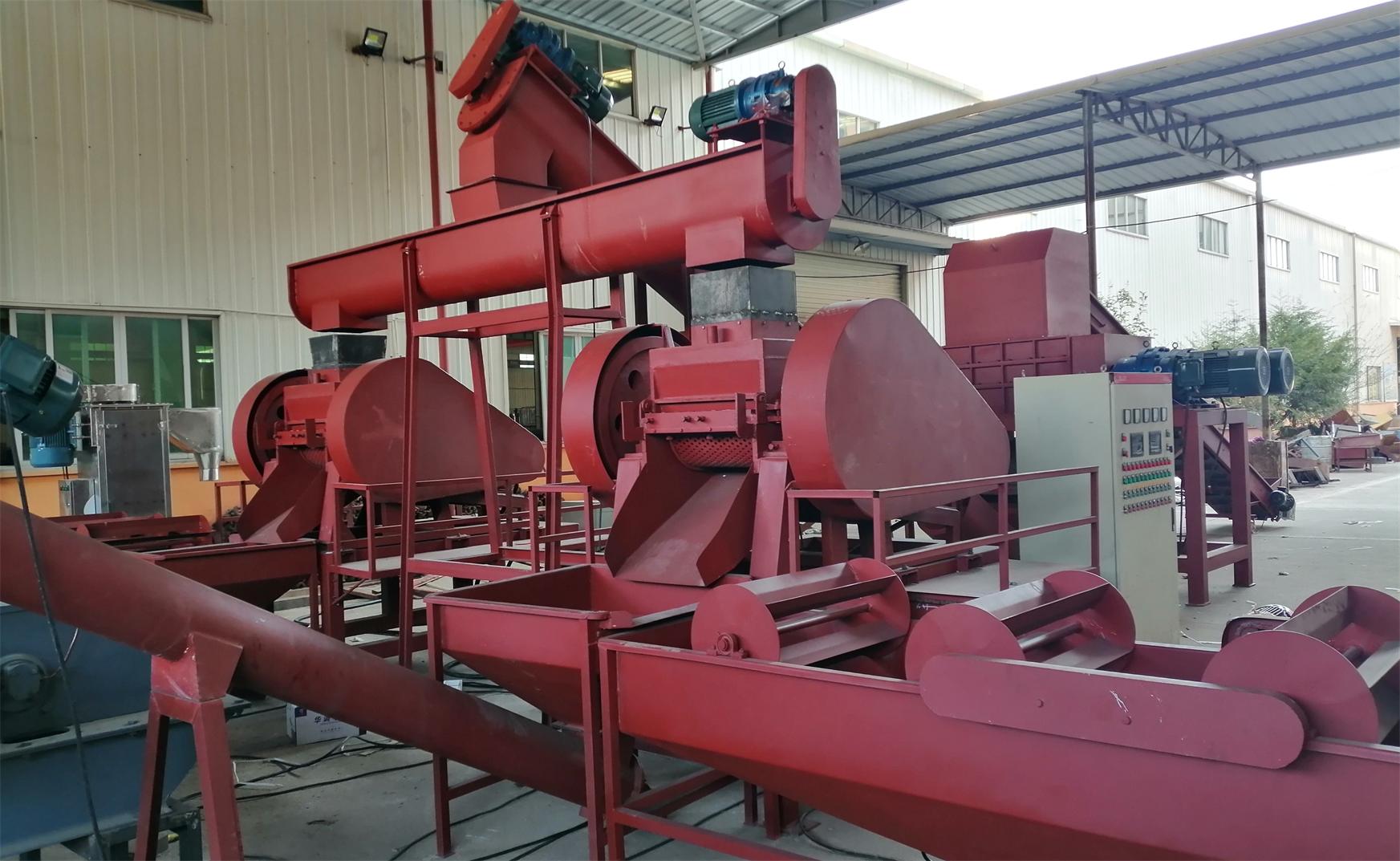
Copper and aluminum inside discarded cables retain nearly the full metal value if separated cleanly from plastic insulation. The core machine here is the cable granulator, which chops wire into small pieces and then separates metal from plastic through dry air separation or wet water separation.
When evaluating cable recycling equipment, consider three factors:
Cable diameter range: Stripping machines handle thick armored cables before granulation, while granulators process the finer material. Some strippers handle diameters from 1.5 mm up to 150 mm.
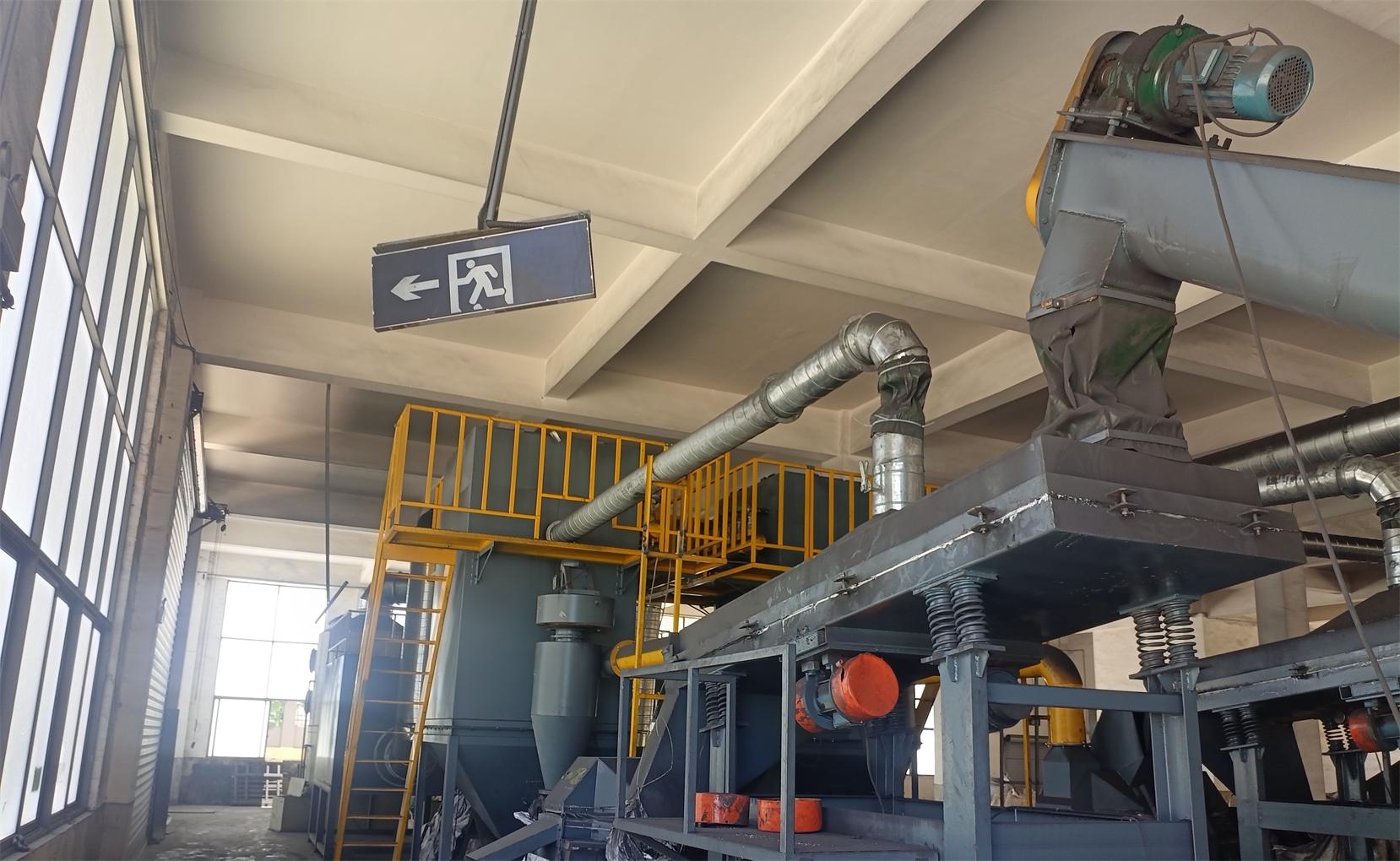
Separation method: Dry separation uses air classifiers and vibrating screens. Wet separation uses water to separate metal from plastic, often yielding higher purity but requiring water treatment.
Throughput: Compact granulators start around 100 kg per hour. Industrial lines reach 1,200 kg per hour or more.
Dry separation lines today can achieve copper powder purity of 96–98% with no dust pollution when equipped with pulse bag dust collectors.
3. Printed Circuit Boards (PCBs)
PCBs contain copper, precious metals, and resin fiber. The challenge is recovering the metal without losing value to mixed contamination.
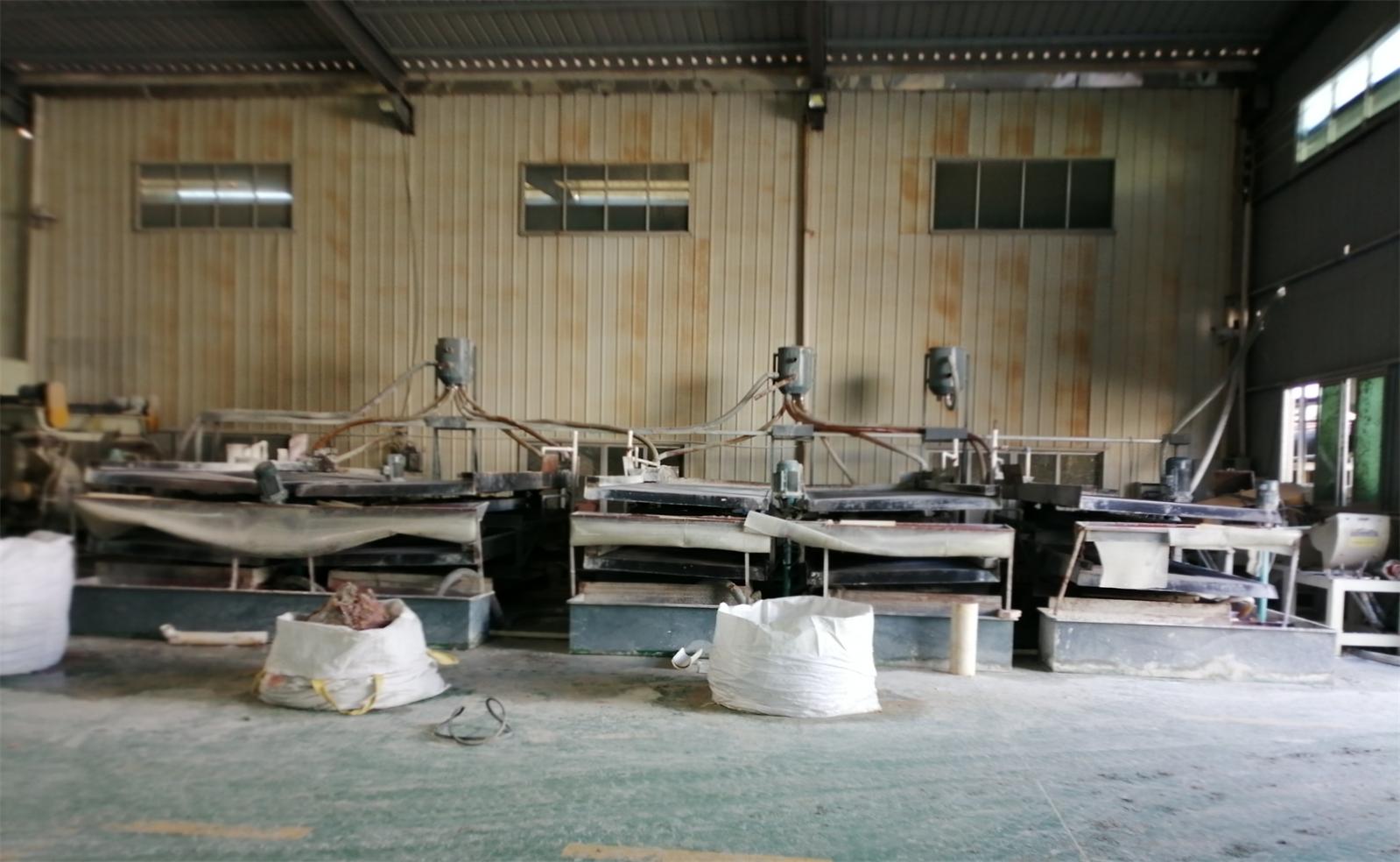
A standard circuit board recycling equipment line includes pre-crushing, secondary grinding, and then separation via air classifiers, electrostatic separators, or wet water-metal separators. Wet processes can handle PCBs still loaded with electronic components, while dry lines work best for bare boards.
Capacity ranges from 300 kg per hour for entry-level dry lines up to 2,000 kg per hour for industrial wet or air-separation plants. Recovery rates of 95% are achievable with proper configuration.
4. Lithium-Ion Batteries
With the global shift to electric vehicles and portable electronics, spent lithium-ion batteries represent the fastest-growing recycling stream. Unlike lead acid batteries, lithium batteries require careful discharge and inert-atmosphere processing because residual charge and flammable electrolytes create fire risks.
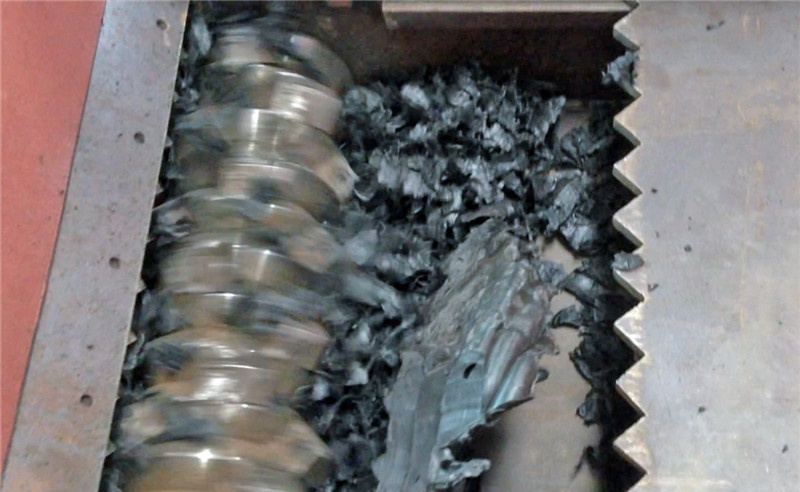
A lithium battery recycling plant typically includes discharge equipment, pre-crushing under inert gas, secondary granulation, magnetic separation for steel casings, and then separation of black mass (containing nickel, cobalt, and graphite) from plastic film, copper, and aluminum. Capacity ranges from 500 to 2,500 kg per hour.
What Separates a Good Supplier From a Cheap One
Machinery specifications on paper mean little if the supplier cannot support the full project lifecycle. Before placing an order, verify these six capabilities:
1. Material testing and custom design
Every scrap stream is different. A supplier should test your actual material samples and adjust machine configuration accordingly, not simply sell a standard catalog model.
2. Installation and commissioning
Overseas installation requires technicians who understand not only the machinery but also local electrical standards and environmental regulations. Ask whether the supplier sends engineers on-site or only provides remote video support.
3. Waste material sourcing assistance
Some suppliers help connect you to local or international suppliers of scrap batteries, cable, or PCB waste. This is especially valuable for first-time plant operators who have not yet established feedstock relationships.
4. Product offtake support
The other side of the equation matters too. A supplier who can introduce you to buyers for copper rice, lead ingots, or recovered plastic removes one of the biggest uncertainties for new recyclers.
5. Spare parts availability
Ask about spare parts inventory location. If critical wear parts ship from another continent with six-week lead times, your plant will spend too much time idle.
6. Technical depth of the team
Recycling equipment breaks. When it does, you want support from engineers who understand mechanical separation physics, not just sales staff reading from a troubleshooting manual.
Why San Lan Technologies
San Lan Technologies Co., Ltd has manufactured WEEE recycling machinery and mining equipment since 2007. Based in Ganzhou, Jiangxi Province, China, the company operates as both an equipment manufacturer and an EPC project contractor.
The technical team includes mechanical engineers with master's degrees and over 15 years of experience specifically in e-waste recycling machinery. San Lan has delivered plants to operators in more than 21 countries, including Singapore, Colombia, Vietnam, Mexico, Argentina, South Africa, India, and Saudi Arabia.
Beyond equipment manufacturing, San Lan provides:
- Customized plant design based on customer material and capacity requirements
- One-stop purchasing centers for complete lines
- On-site installation and commissioning
- Assistance with scrap material procurement
- Support for selling recovered commodities such as copper rice, copper powder, and lead ingots
- Investor and partnership matching for recycling plant construction
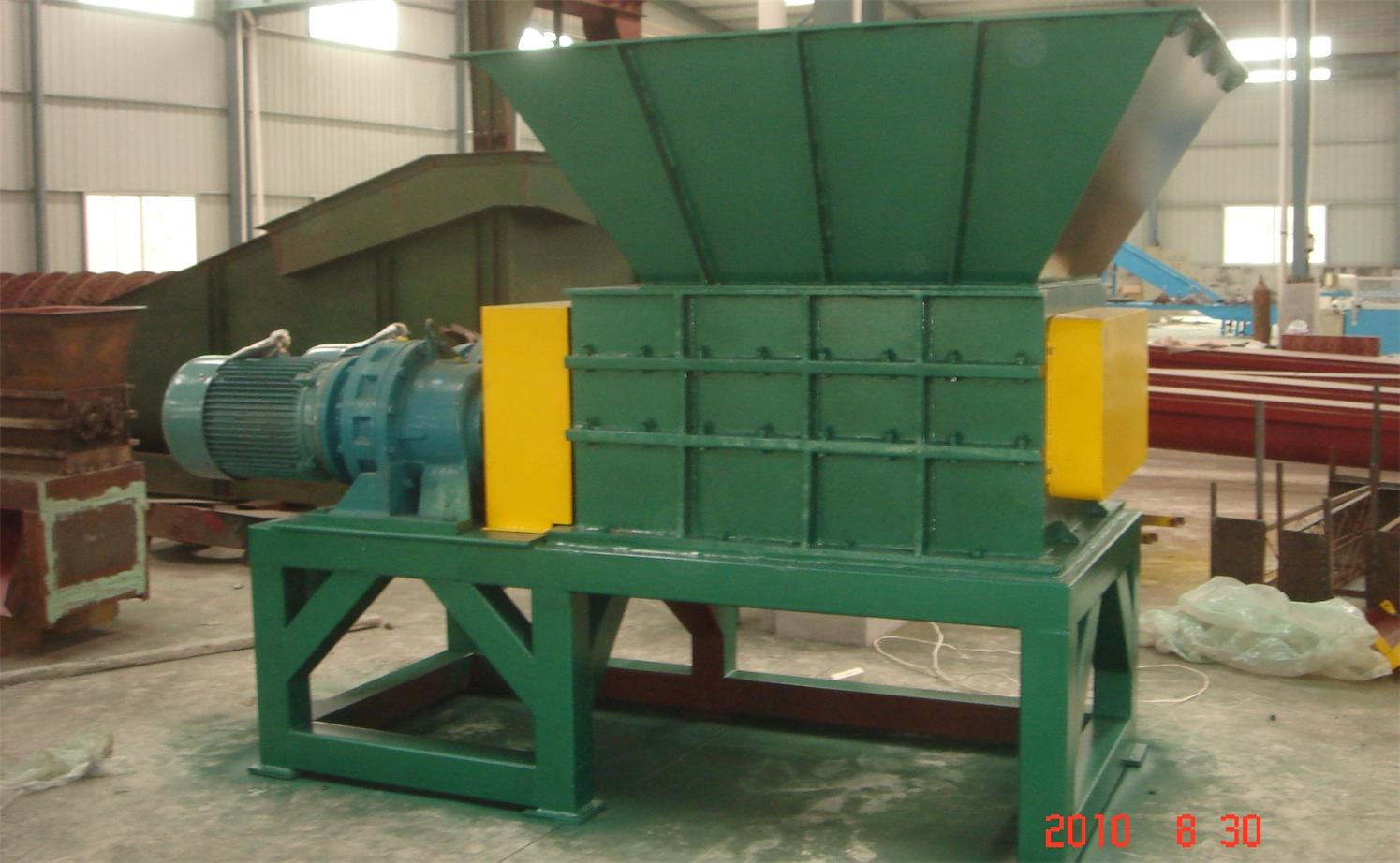
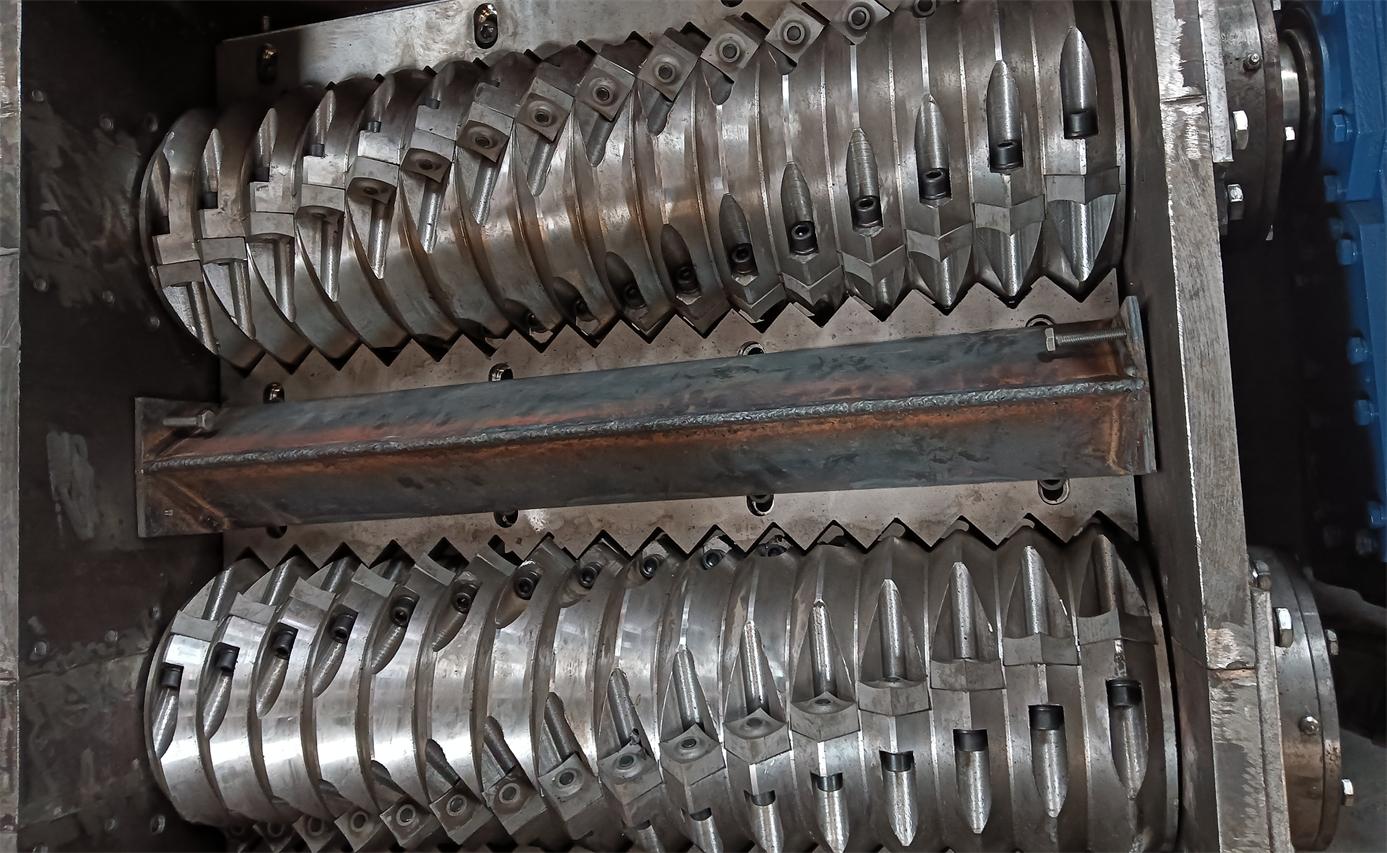
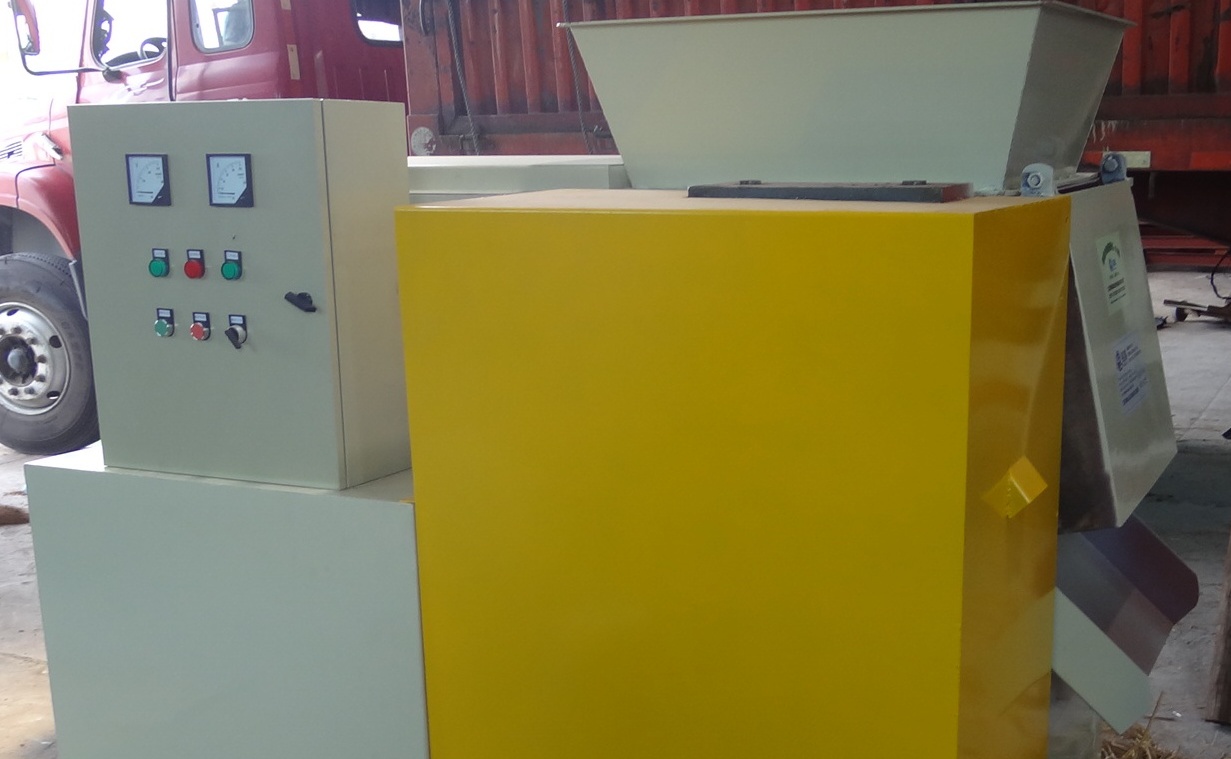
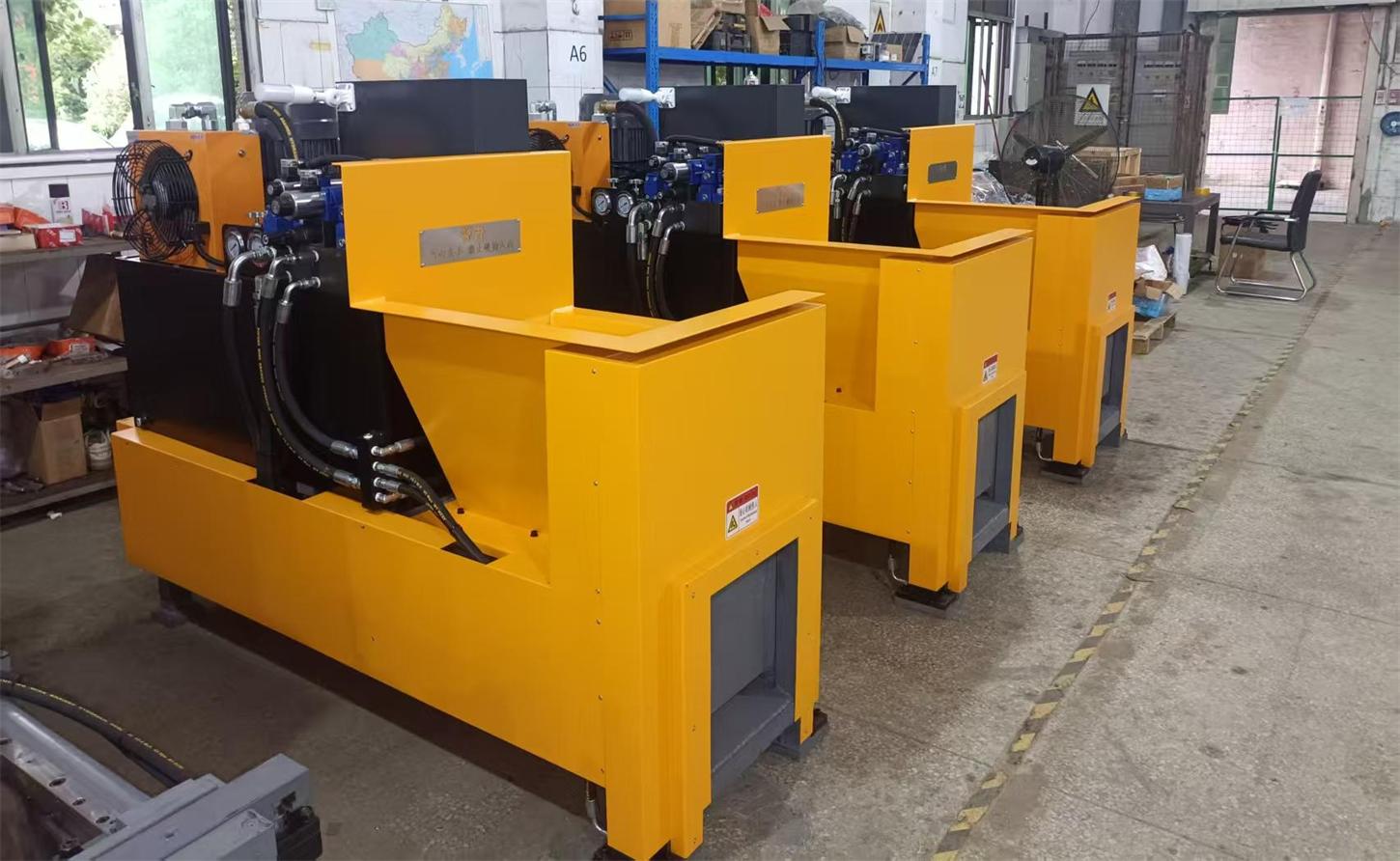
The product portfolio covers lead acid battery recycling lines, lithium battery recycling plants, circuit board recycling equipment, cable recycling machines, CRT cutters, refrigerator and AC recycling systems, motor recycling equipment, shredders, hydraulic presses, and metal melting furnaces.
Final Checklist Before You Invest
If you are evaluating e-waste recycling equipment for the first time, use this checklist to avoid common mistakes:
- Define your primary feedstock (batteries, cable, PCB, or mixed e-waste)
- Request material testing from at least two suppliers
- Verify that the proposed line includes dust collection and effluent treatment
- Confirm installation support and training are included in the quotation
- Check spare parts availability and delivery time
- Ask for references from plants operating in a country with similar regulations to yours
- Calculate total cost of ownership over five years, not just the purchase price
The recycler in Colombia did not guess his way to higher output. He matched his scrap stream to the right processing line, worked with a supplier who understood the full project, and treated the purchase as a long-term partnership rather than a one-time transaction. That same approach is available to any operator willing to do the homework upfront.
Ready to discuss your scrap stream? Contact San Lan Technologies to arrange material testing and a custom line proposal. Email info@san-lan.com or WhatsApp +86 139 2377 4083.