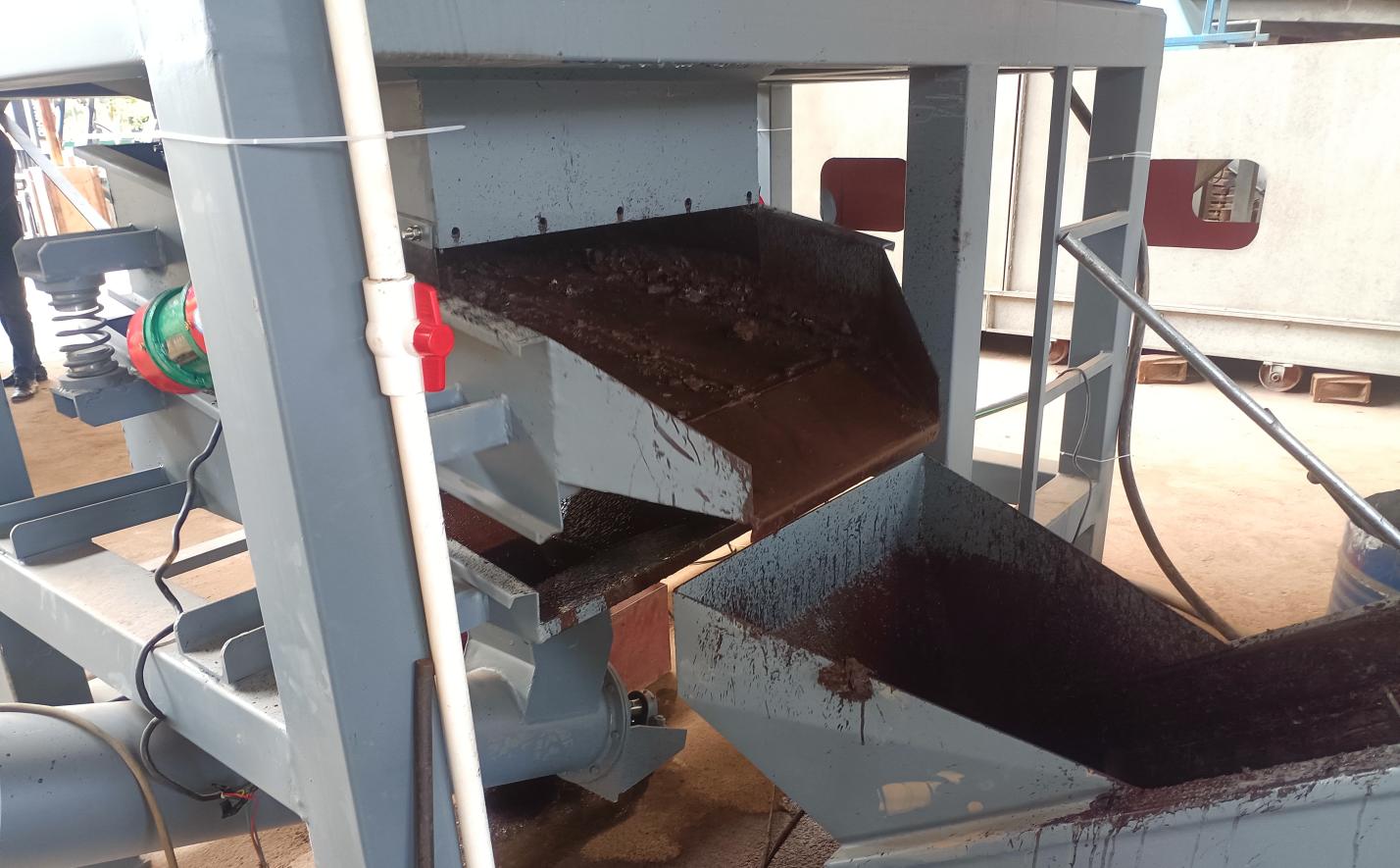
With global e-waste volumes rising steadily year after year, the recycling industry has shifted from a purely environmental service into a genuine profit center. Building a successful recycling operation, however, requires more than capital. It demands the right machinery, technical know-how, and a manufacturing partner who understands local market realities. This guide walks through the core equipment categories every plant owner should understand before making investment decisions.
Understanding Core Recycling Equipment Categories
Most profitable recycling plants focus on one or more of these high-value material streams. Each requires specialized machinery designed to maximize metal recovery while keeping operating costs under control.
Cable Recycling Equipment
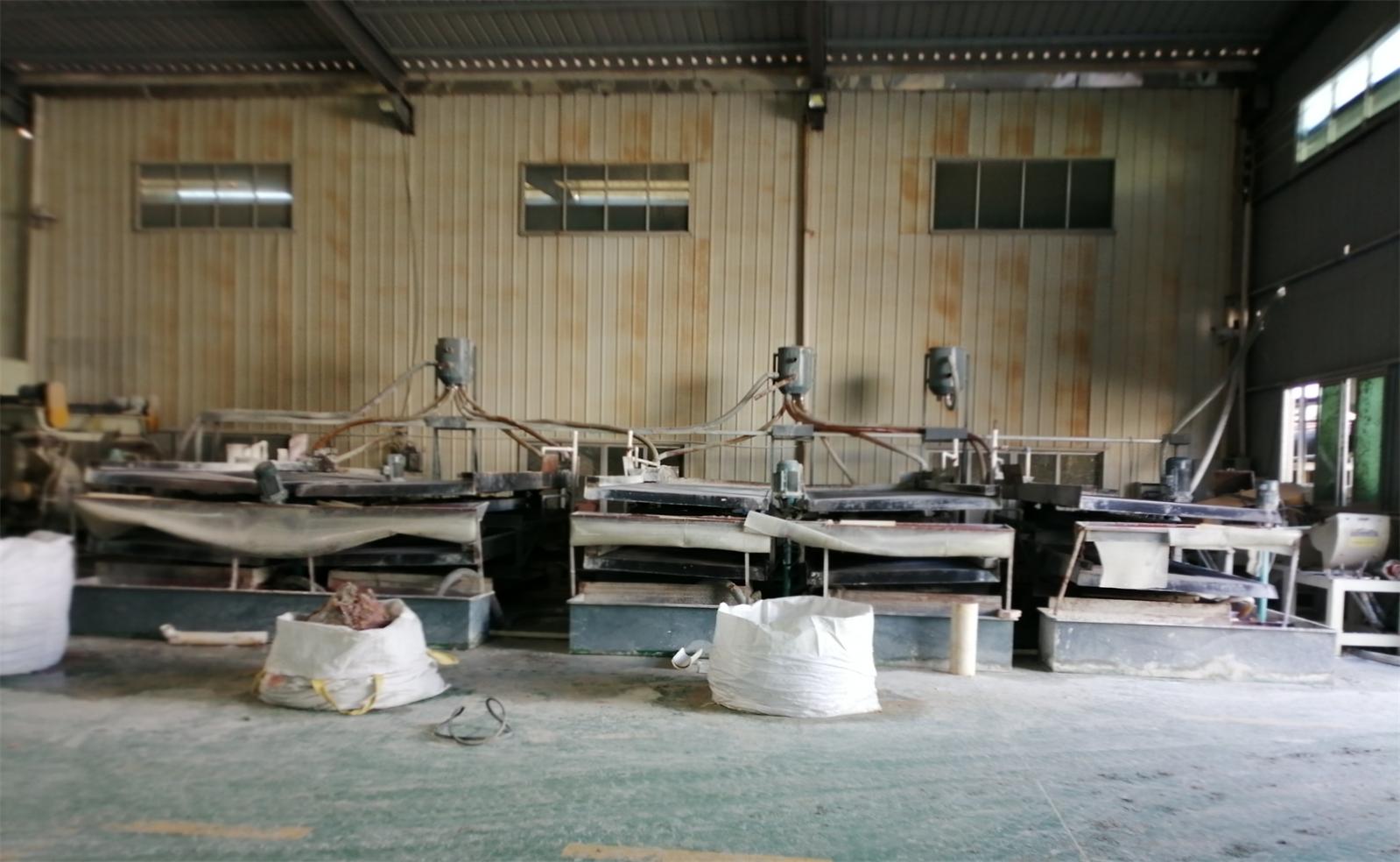
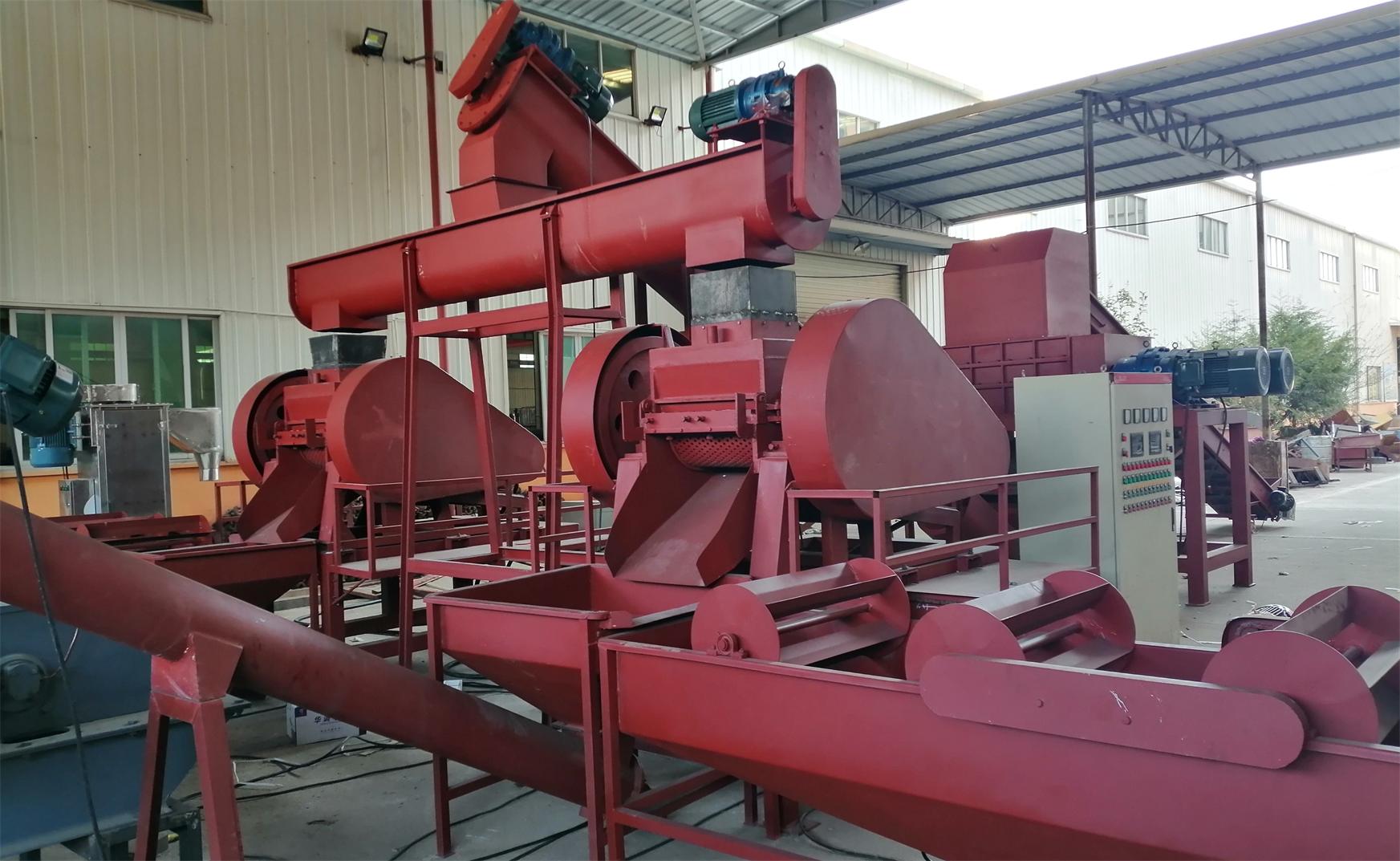
Scrap cables and wires remain one of the easiest feedstocks to source consistently. Cable recycling equipment uses a sequence of crushing, air separation, and optional wet separation to recover copper and aluminum from plastic insulation. Depending on your target market, output can range from copper rice suitable for smelters to high-purity copper powder for industrial chemical applications. Wet separation systems generally achieve higher purity but require additional water treatment infrastructure, while dry systems offer lower operating costs and simpler maintenance.
Circuit Board Recycling Equipment
Printed circuit boards contain concentrated values of copper, gold, silver, and palladium. Circuit board recycling equipment employs mechanical shredding followed by air classification or wet separation. Advanced dry systems can reach 96–98% copper powder purity without the water treatment burden, while wet systems handle more complex feedstock including boards with electronic components still attached. Capacities typically range from 300 kg/hour for entry-level operations up to 2,000 kg/hour for industrial-scale plants.
Battery Recycling Equipment
Battery recycling splits into two distinct technological paths, each with its own equipment line:
Lead acid battery recycling handles the massive volume of used automotive and industrial batteries. Lead acid battery recycling equipment typically includes battery cutters, breaking and separation systems, desulfurization units, rotary or blast furnaces for paste reduction, refinery kettles, and air pollution control systems. A complete line processes 1–10 MT per hour and recovers lead grid, lead paste, plastic casing, and sulfuric acid for resale. Modern electric refinery kettles using near-infrared heating can cut energy consumption by 30–50% compared to traditional fuel-fired designs.
Lithium battery recycling addresses the fastest-growing waste stream driven by electric vehicle adoption. After safe discharge, batteries enter a mechanical line that includes pre-crushers, secondary granulators, magnetic separators, and specialized air pollution control. The process recovers black mass containing nickel, cobalt, and graphite, plus copper, aluminum, and plastic separator film. Standard capacities range from 500–2,500 kg per hour, with custom designs available for larger operations.
Supporting Machinery for a Complete Plant
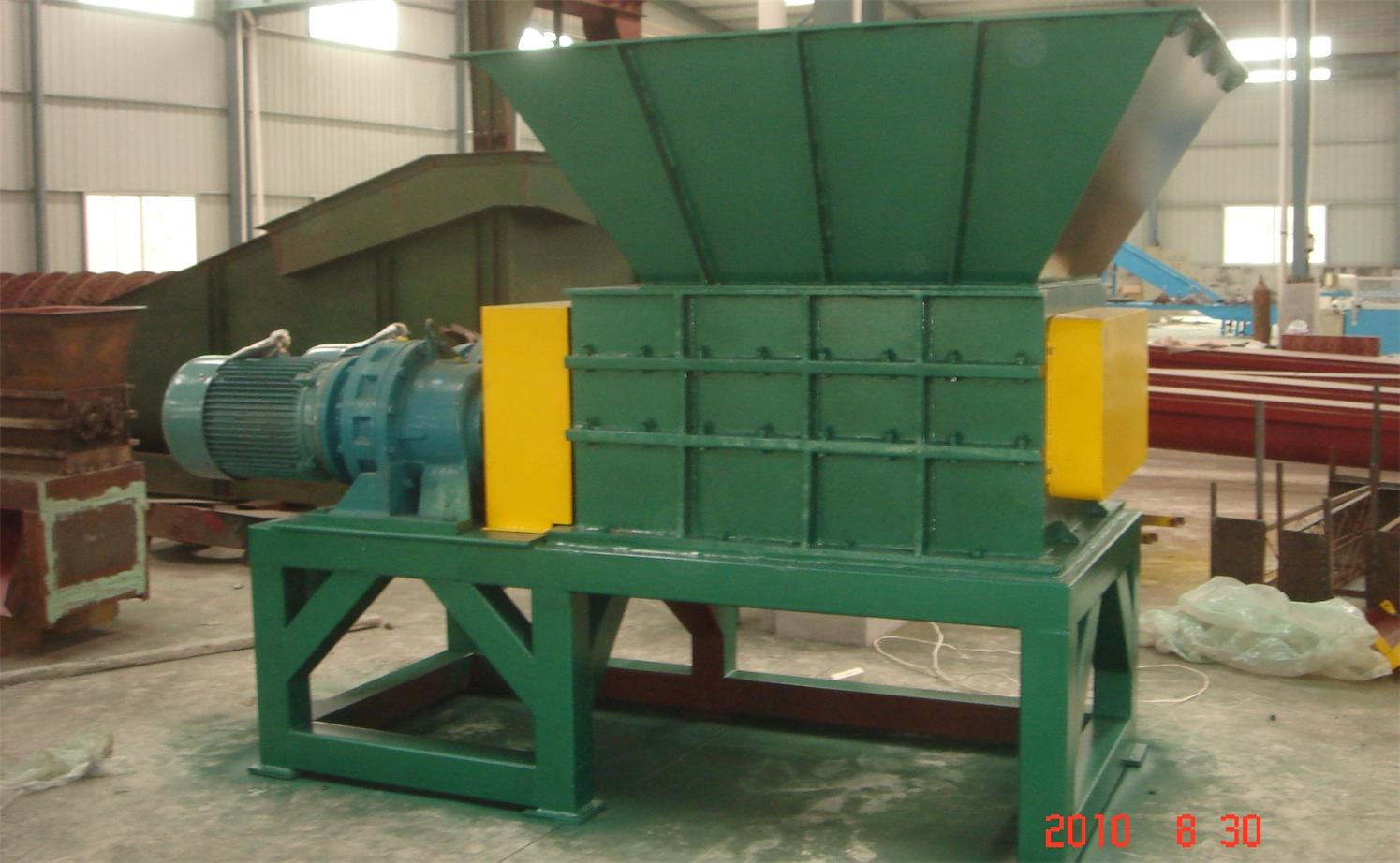
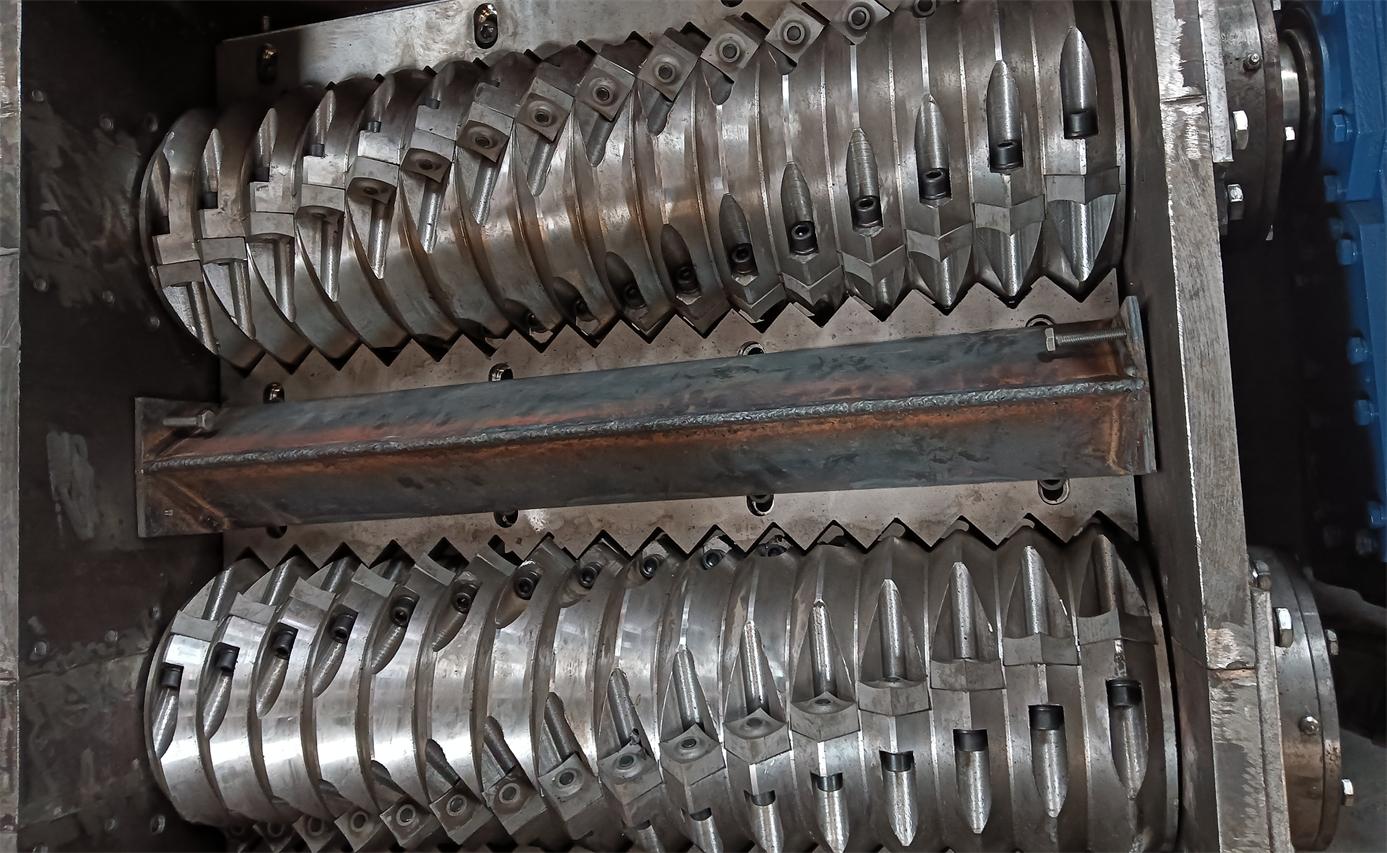
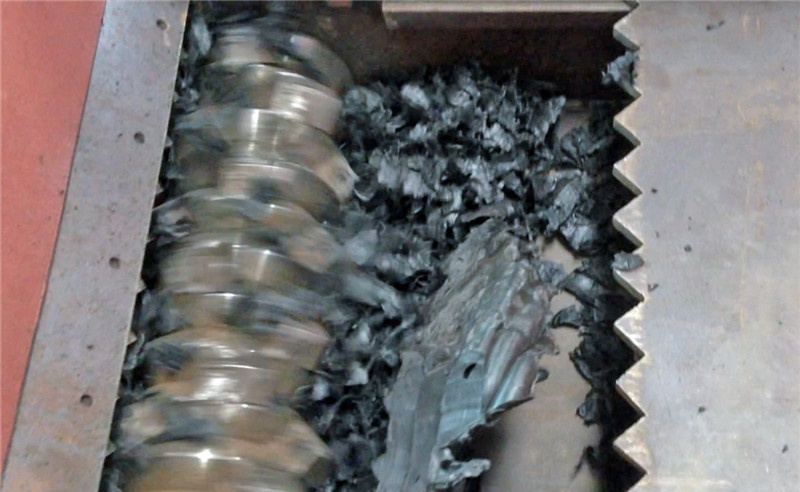
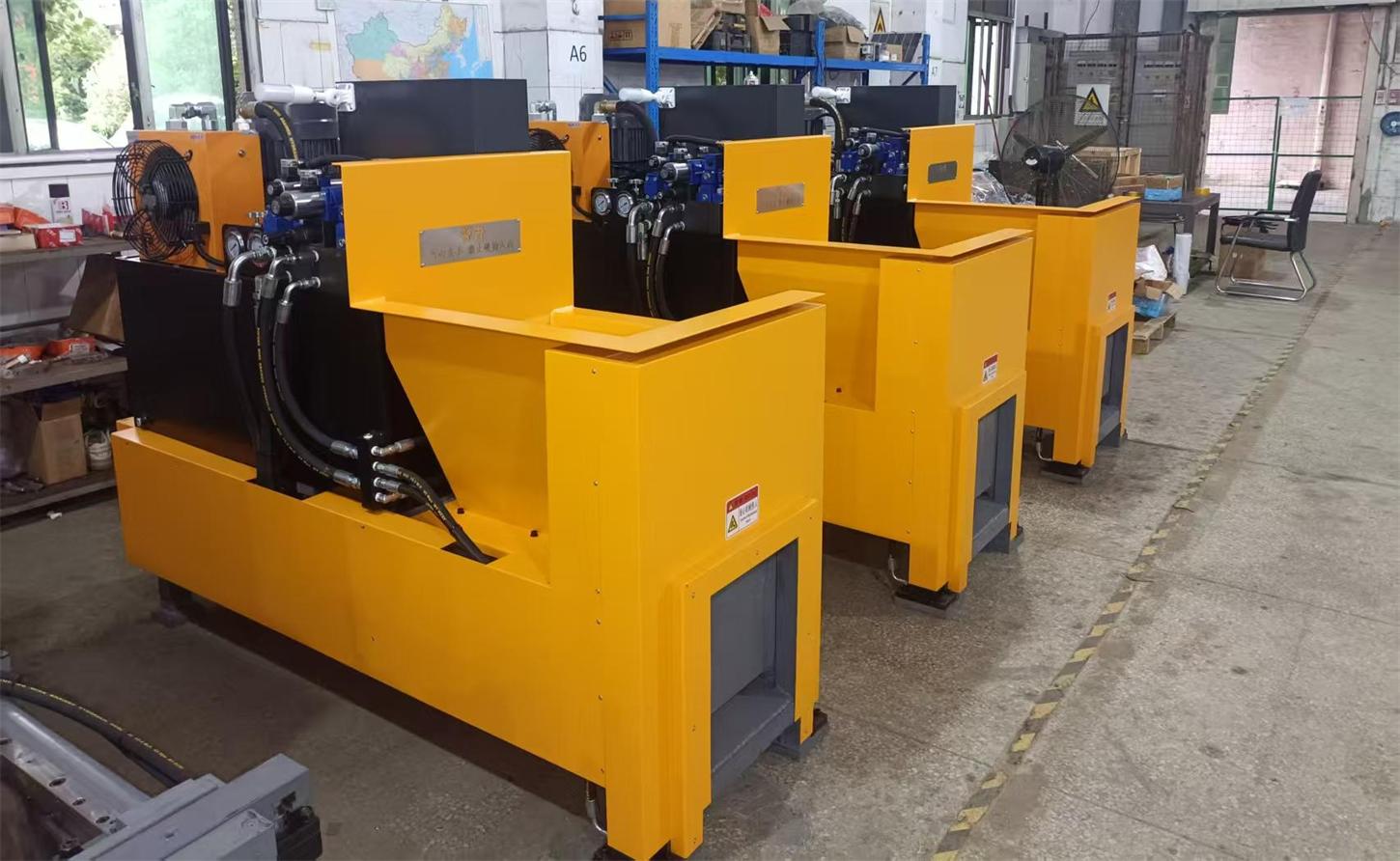
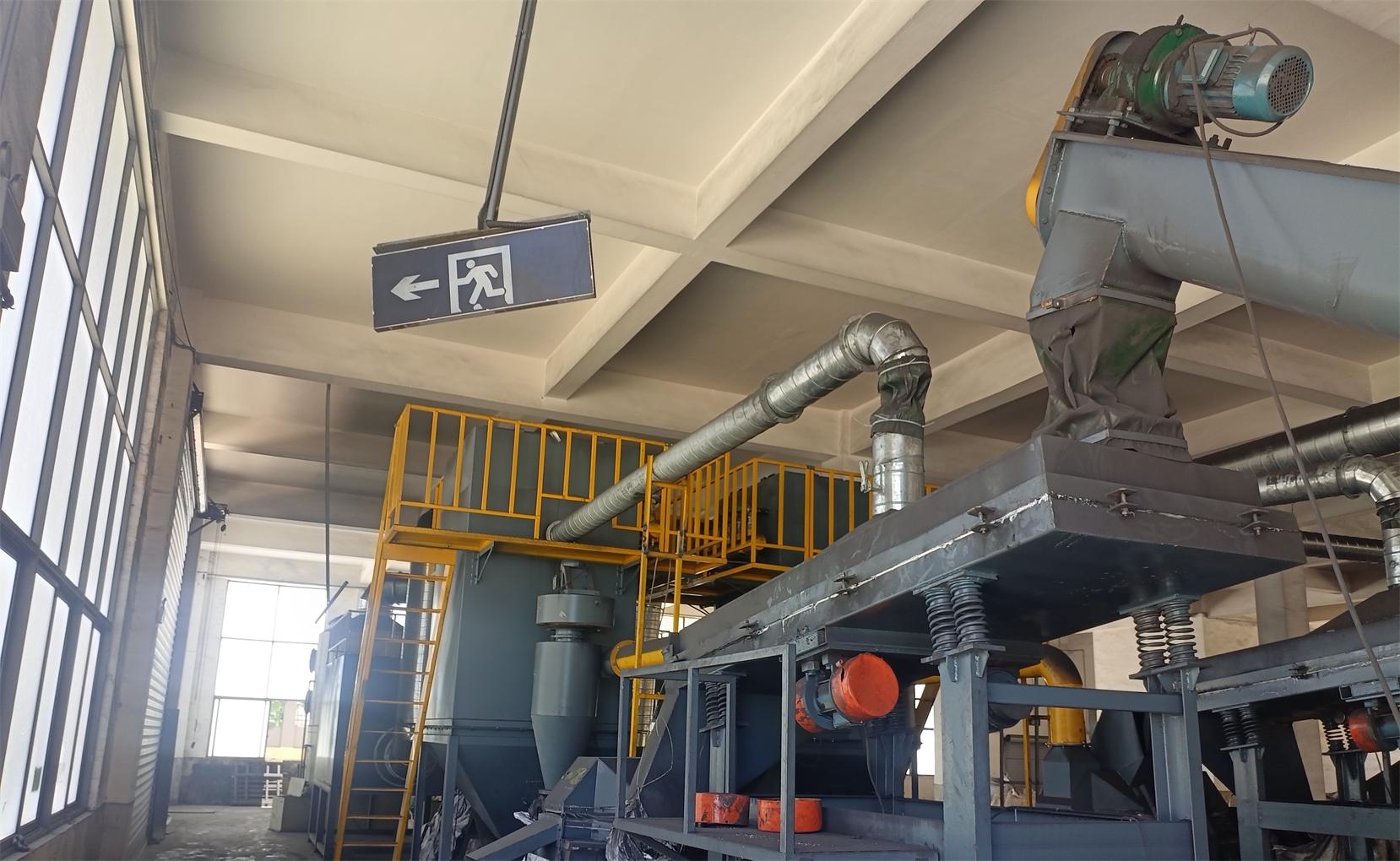
A fully operational recycling facility needs more than primary processing machines. Industrial shredders and pre-choppers handle oversized or mixed feedstock before it enters dedicated lines. Hydraulic presses briquette loose metal chips into dense blocks for easier transport and furnace feeding. Metal melting furnaces convert recovered copper, lead, or aluminum into ingots that command premium prices from foundries. Finally, air pollution control systems and water treatment plants ensure environmental compliance—a non-negotiable requirement in virtually every jurisdiction today.
Why EPC Partnership Reduces Project Risk
First-time plant owners frequently underestimate the complexity of integrating crushers, separators, conveyors, furnaces, and pollution-control systems into a single smoothly operating process. An experienced EPC (Engineering, Procurement, Construction) supplier eliminates this integration risk by handling plant layout design, utility integration, equipment installation, commissioning, and operator training under one contract.
When evaluating EPC capability, look for suppliers who offer:
- Customized plant design based on your specific feedstock and daily capacity targets
- One-stop equipment sourcing that eliminates the logistical headache of coordinating multiple vendors
- On-site installation and commissioning with experienced mechanical and electrical engineers
- Operator training programs and long-term spare parts availability
The Hidden Value of Downstream Business Support
The most valuable equipment suppliers do more than deliver machinery. They help secure your raw material supply—whether scrap cable, PCB waste, or used batteries—and connect you with buyers for recovered metals. This end-to-end support shortens the path from plant startup to profitability, especially for entrepreneurs entering the recycling market for the first time. Some manufacturers even assist with finding investors or construction partners for larger-scale projects.
Key Criteria for Evaluating a Recycling Equipment Manufacturer
Before signing a purchase contract, assess potential suppliers against these practical benchmarks:
- Technical depth: Does the manufacturer maintain an in-house engineering team with recycling-specific experience, or do they simply trade standardized machines?
- Global track record: Have they successfully installed and commissioned plants in countries with regulatory and operational environments similar to yours?
- Product breadth: Can they supply the full spectrum of equipment you need, or will you face the complexity of managing secondary suppliers for missing components?
- Environmental compliance: Do their air and water treatment systems meet both international standards and your local regulatory requirements?
- Communication capability: Can their project team communicate effectively in your language throughout design, installation, and after-sales support?
San Lan Technologies: Integrated Solutions for Global Recycling Projects
Founded in 2007 in Jiangxi Province, China, San Lan Technologies Co., Ltd has established itself as a professional manufacturer of WEEE recycling machines and mining equipment. Their product portfolio covers the full range of e-waste processing needs: lead acid battery recycling plants, lithium battery recycling lines, circuit board recycling equipment, cable recycling equipment, refrigerator and AC recycling machines, CRT cutters, motor dismantling equipment, industrial shredders, hydraulic presses, and metal melting furnaces.
Technical strength: San Lan’s engineering team includes mechanical engineering masters with over 15 years of hands-on experience in e-waste recycling machinery design and application.
What distinguishes San Lan from commodity equipment traders is their comprehensive service model. They have executed EPC projects across 21+ countries including Singapore, Colombia, Vietnam, Mexico, Argentina, Korea, Malaysia, Indonesia, South Africa, Tunisia, India, Kenya, Saudi Arabia, Philippines, and Zambia. Their bilingual project teams handle everything from initial process design through installation and commissioning.
Beyond machinery supply, San Lan actively assists customers with waste material procurement and marketing of recovered products such as copper rice, copper powder, and lead ingots. For entrepreneurs seeking investors or construction partners, they facilitate introductions that accelerate project timelines.
Conclusion
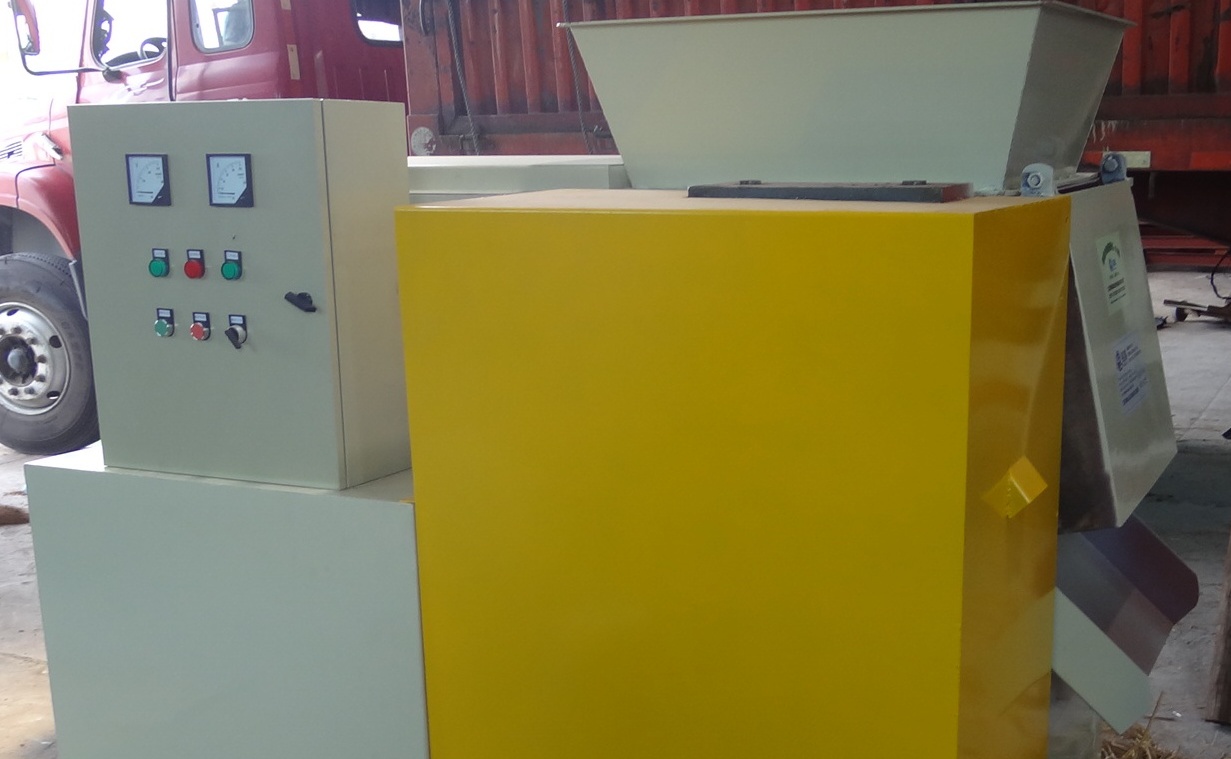
Selecting recycling equipment is only the first step in building a profitable operation. Long-term success depends on partnering with a manufacturer that offers proven technology, genuine EPC capability, and ongoing business support. Whether you need a single cable granulator to test the market or a fully integrated multi-stream recycling facility, working with an experienced supplier significantly reduces both technical risk and time to profitability.
Ready to start your recycling project? Contact San Lan Technologies to discuss your feedstock characteristics, explore customized plant designs, and receive a detailed equipment quotation tailored to your capacity goals and budget.