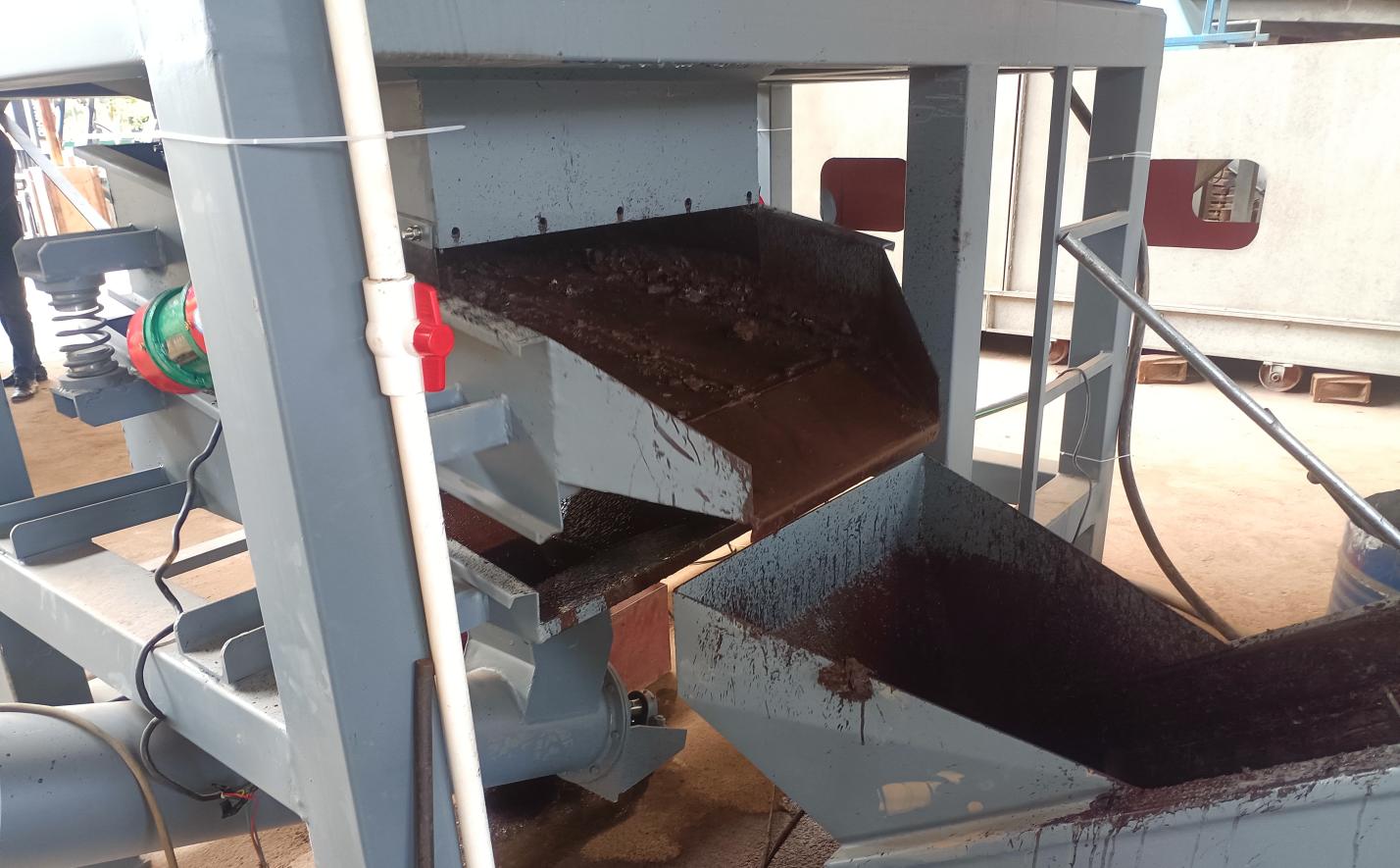
You know that satisfying crunch when your car shreds through autumn leaves? Now imagine that same principle powering an industrial revolution – but instead of leaves, we're talking about transforming waste management into an energy recovery powerhouse. Welcome to the unsung hero of sustainability: the single-shaft shredder.
The Heartbeat of Modern Recycling
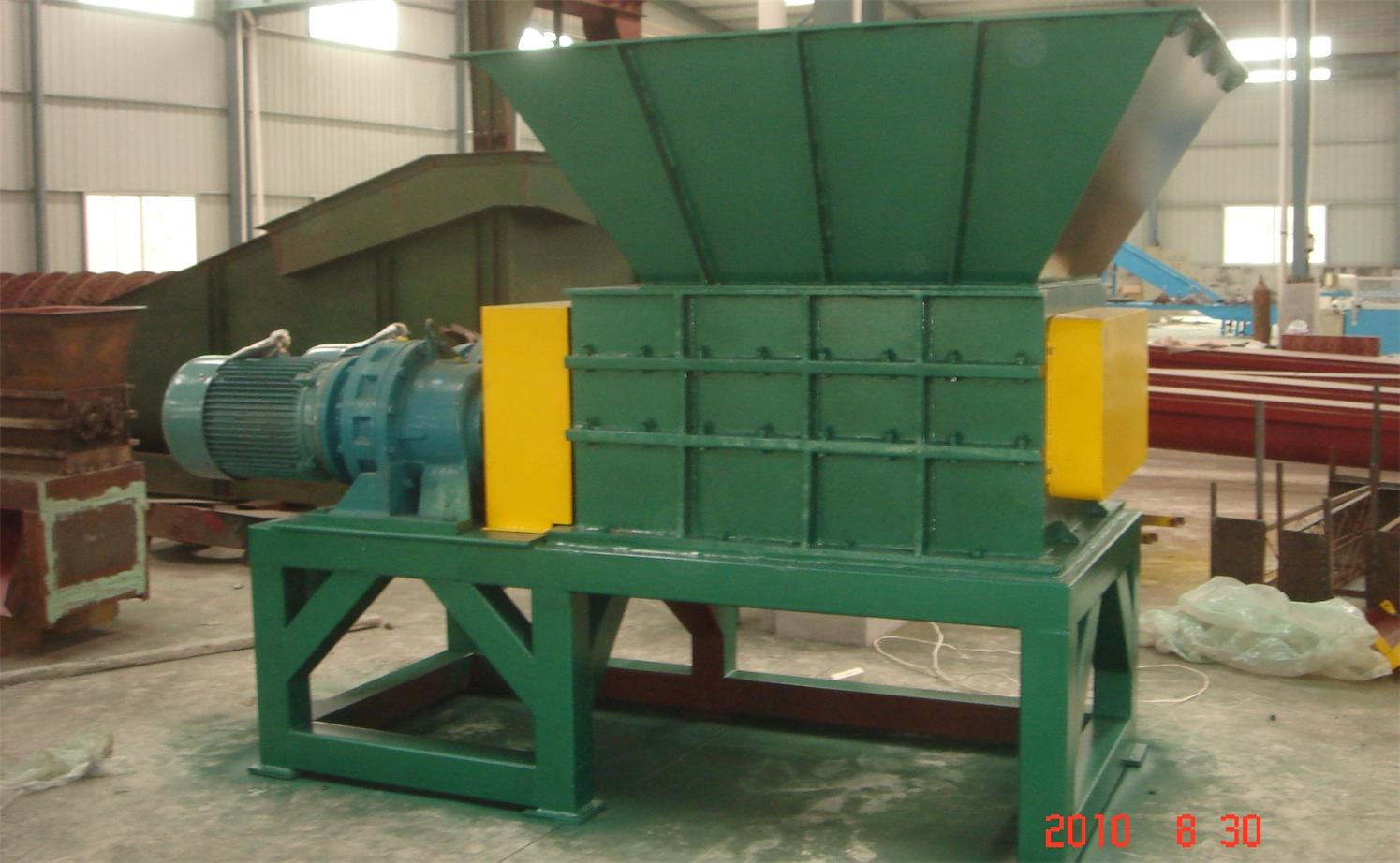
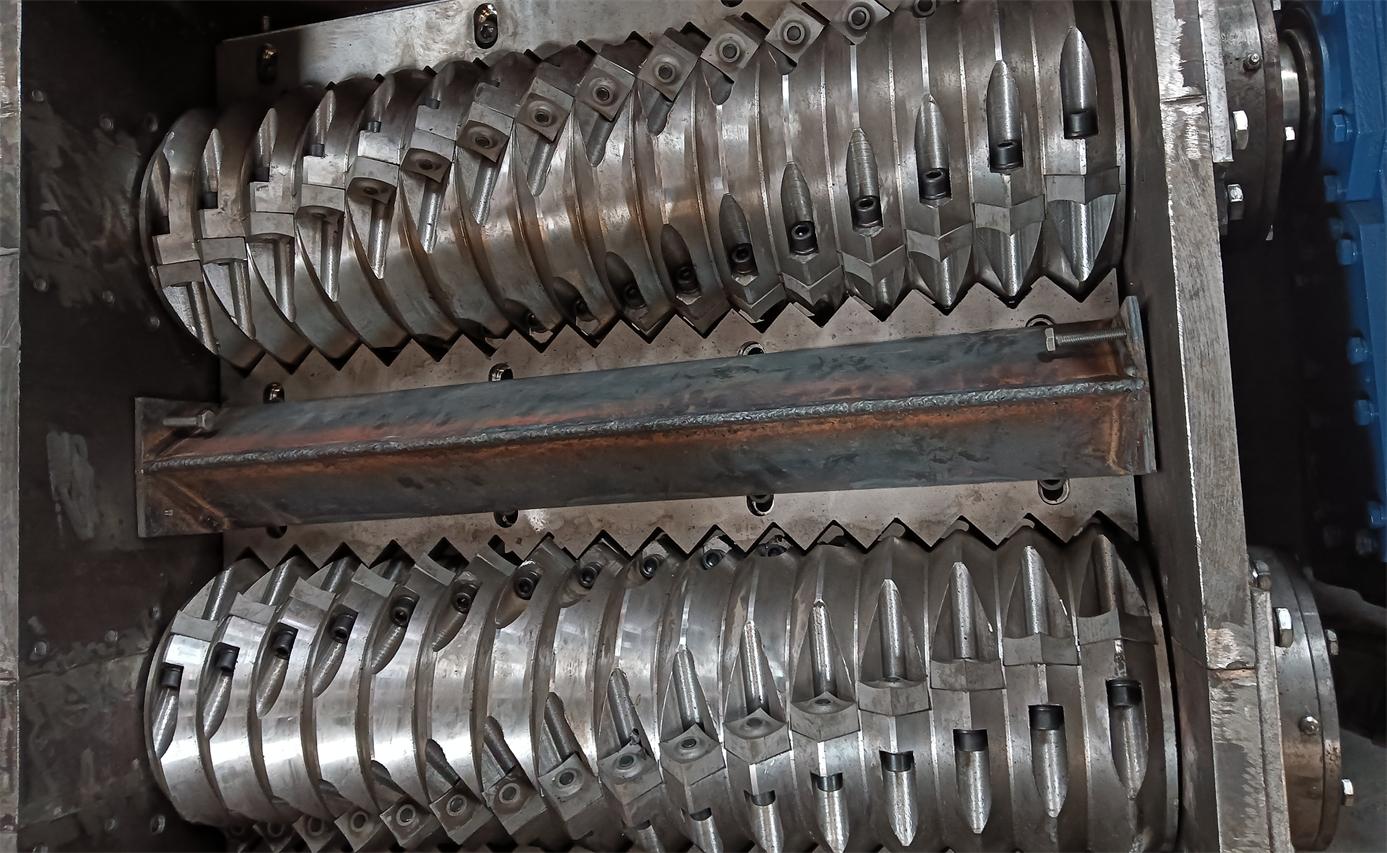
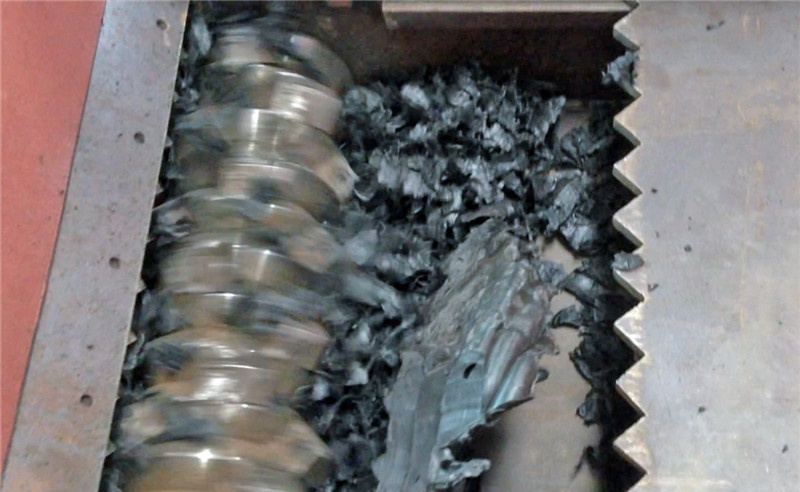
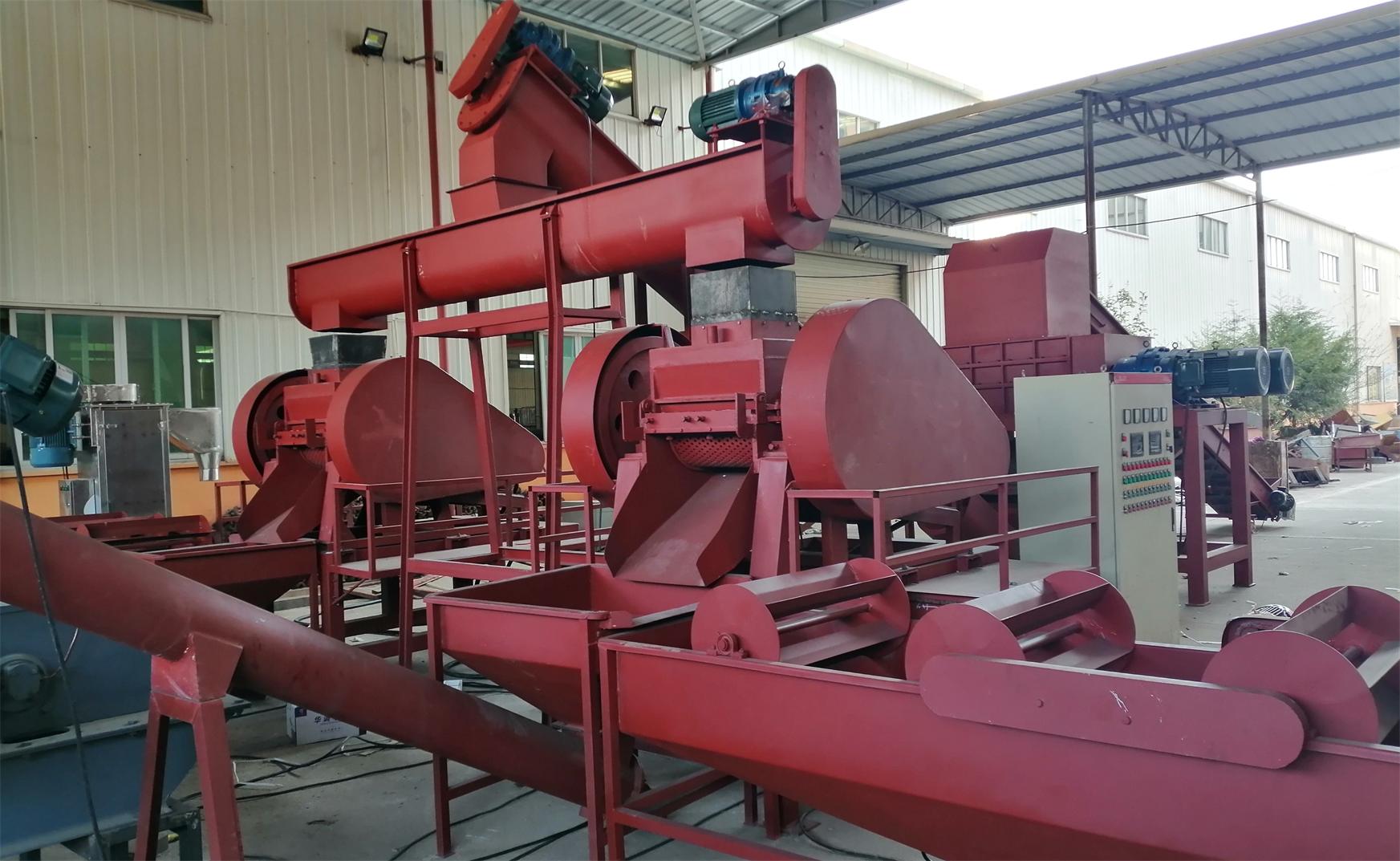
Picture this industrial workhorse: a massive rotating shaft lined with precisely engineered teeth, devouring everything from electronic waste to car parts like a mechanical woodchipper on steroids. Traditional models were energy vampires – but today's innovators have rewired their DNA.
Smart Drive Systems: The Nervous System
Remember how your smartphone learned to conserve battery? Modern shredders use similar predictive intelligence. Variable frequency drives (VFDs) automatically adjust motor speed like a car's cruise control encountering hills:
- Energy Cushioning - Reduces power surges by up to 60% during material ingestion
- Friction Forecasting - AI anticipates resistance changes, maintaining optimal torque
- Sleep Mode Activation - Drops to hibernation power during feeding gaps
From Power Drain to Energy Factory
The real game-changer? These machines now recover energy they'd normally waste. Like capturing the heat from your coffee cup to warm your hands, shredders harvest four key waste streams:
Kinetic Recapture
Regenerative braking systems convert rotational momentum into reusable electricity – essentially giving power back to the grid during deceleration cycles.
Thermal Harvesting
Liquid-cooled bearings capture friction heat (up to 175°C) that previously required AC systems to counteract.
Vibration Energy
Piezoelectric "shock absorbers" turn material impact vibrations into stored power for onboard sensors.
Hydraulic Synergy
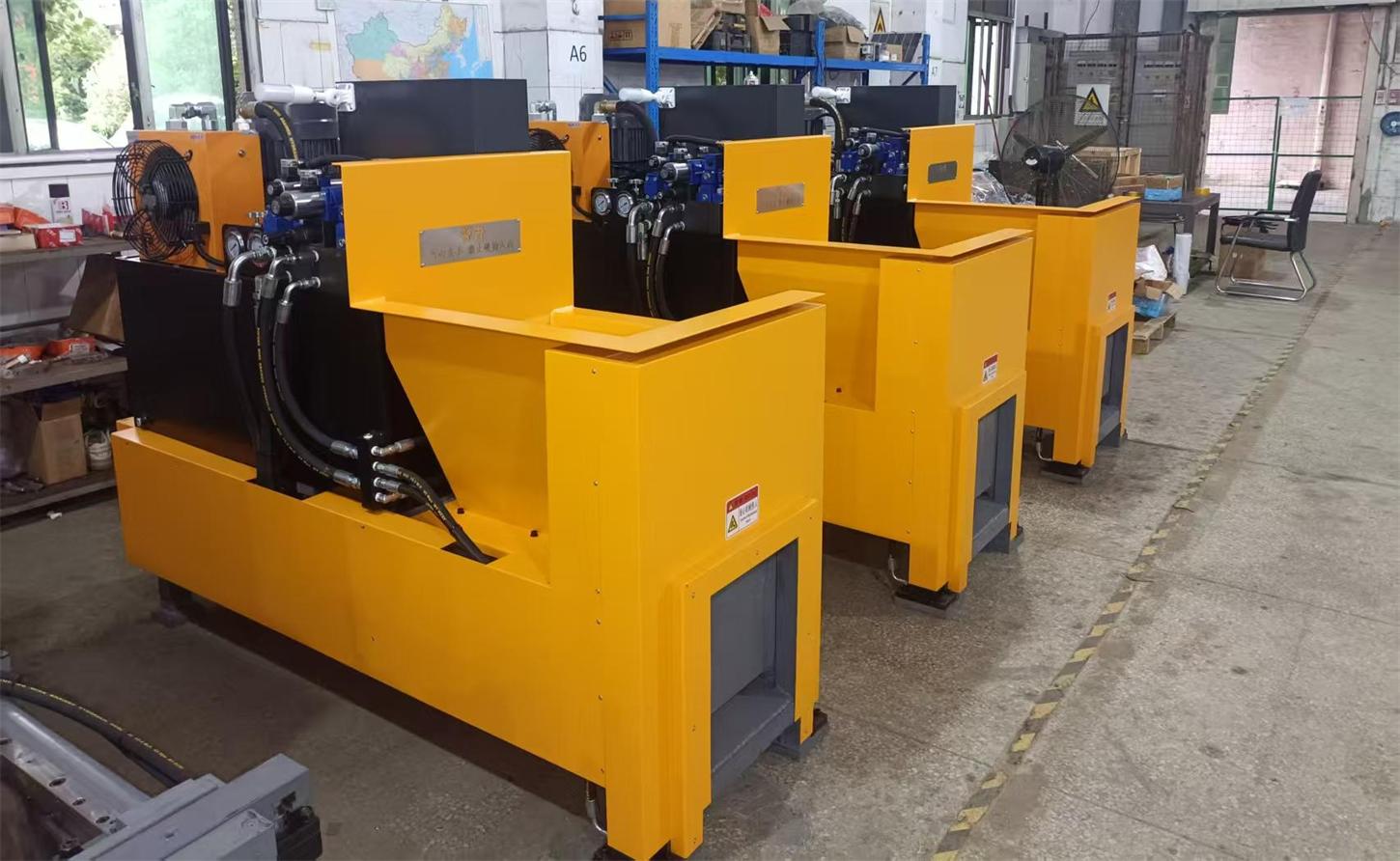
Closed-loop systems redistribute excess fluid pressure to auxiliary components instead of bleeding it off as waste heat.
Real World Impact: Norwegian E-Waste Facility Case Study
Consider Bergen Recycling's transformation after installing next-gen shredders:
Traditional Operation
- Energy equivalent to 120 households/hour
- Constant cooling systems running
- Monthly grid spikes causing brownouts
With Energy Recovery
- 40% net energy reduction
- Excess heat warming adjacent offices
- Recaptured power stabilizing local grid
Facility manager Lena Thorvaldsen notes: "It's like the machines pay their own electric bill now. The recovered energy from processing 10 tons of circuit boards offsets the startup costs for the next batch."
Cutting-Edge Developments
The innovation cycle keeps accelerating with three groundbreaking approaches:
1. Biomimetic Tooth Design
Inspired by beaver teeth that self-sharpen during use, composite teeth with layered hardness distributions maintain cutting efficiency 300% longer than traditional blades.
2. AI-Powered Predictive Jamming Prevention
Using real-time acoustic analysis and torque monitoring, the system anticipates potential jams and automatically reverses feed direction for milliseconds – like a chef sensing when to pause blender blades.
3. Material-Specific Energy Profiles
RFID tags on waste streams allow automatic adjustment of crushing parameters. Electronics get delicate nibbling while concrete receives aggressive chewing – optimizing energy use per material.
The Circular Economy Flywheel
Here's where it gets exciting: these efficiency gains create compounding benefits:
Lower energy consumption per ton processed
Reduced operating costs enable more material recovery
Higher purity output increases recycled material value
Economic advantage drives adoption of greener processes
Industrial shredders are becoming the quiet backbone of our circular economy – machines that literally transform yesterday's trash into tomorrow's resources while generating less carbon today. That satisfying crunch you hear? It's the sound of innovation chewing through inefficiency.