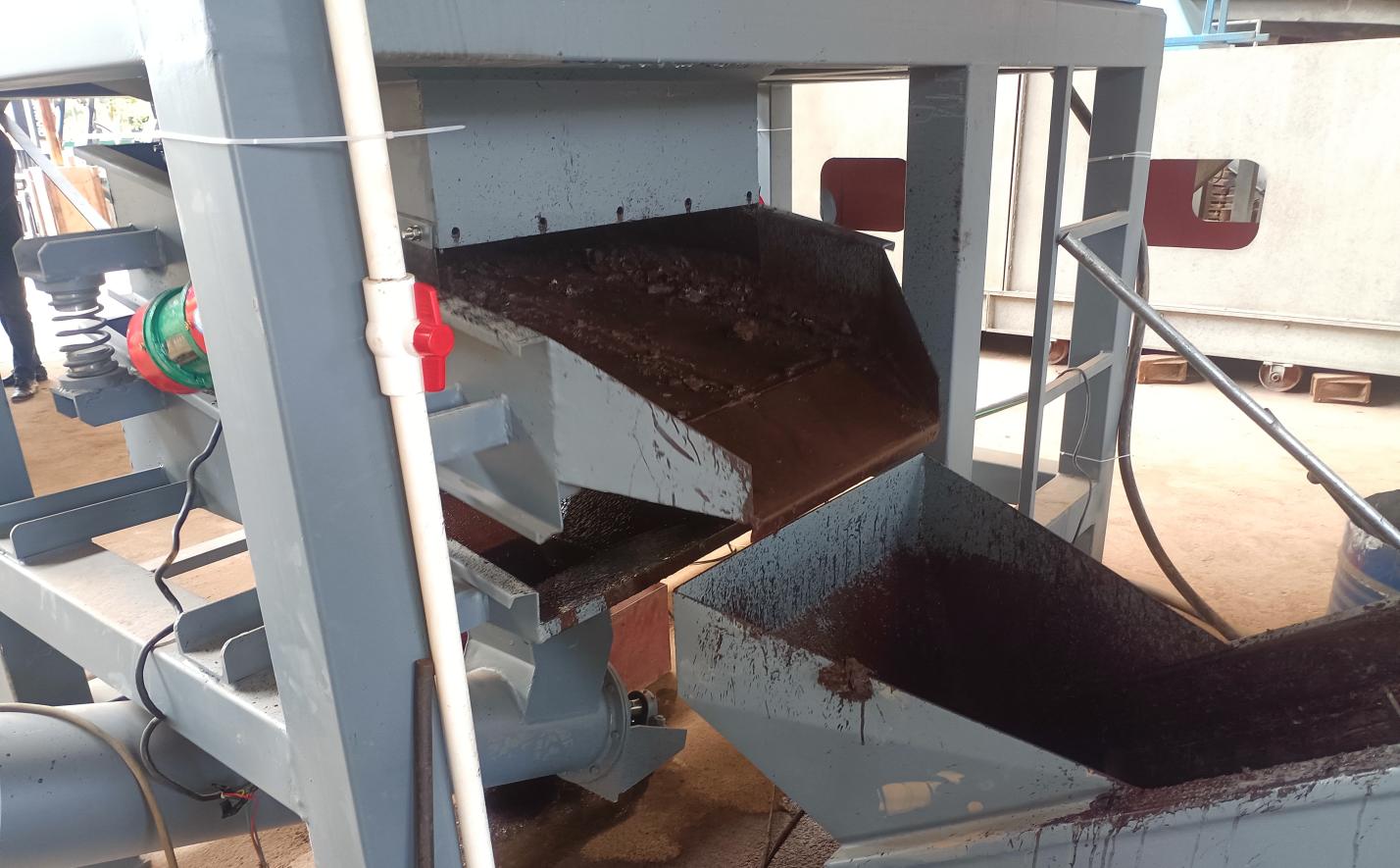
You're about to discover why industries worldwide are shifting to four-shaft shredders for their toughest recycling challenges – and why the right choice could transform your operations.
What Makes Four-Shaft Shredders Tick?
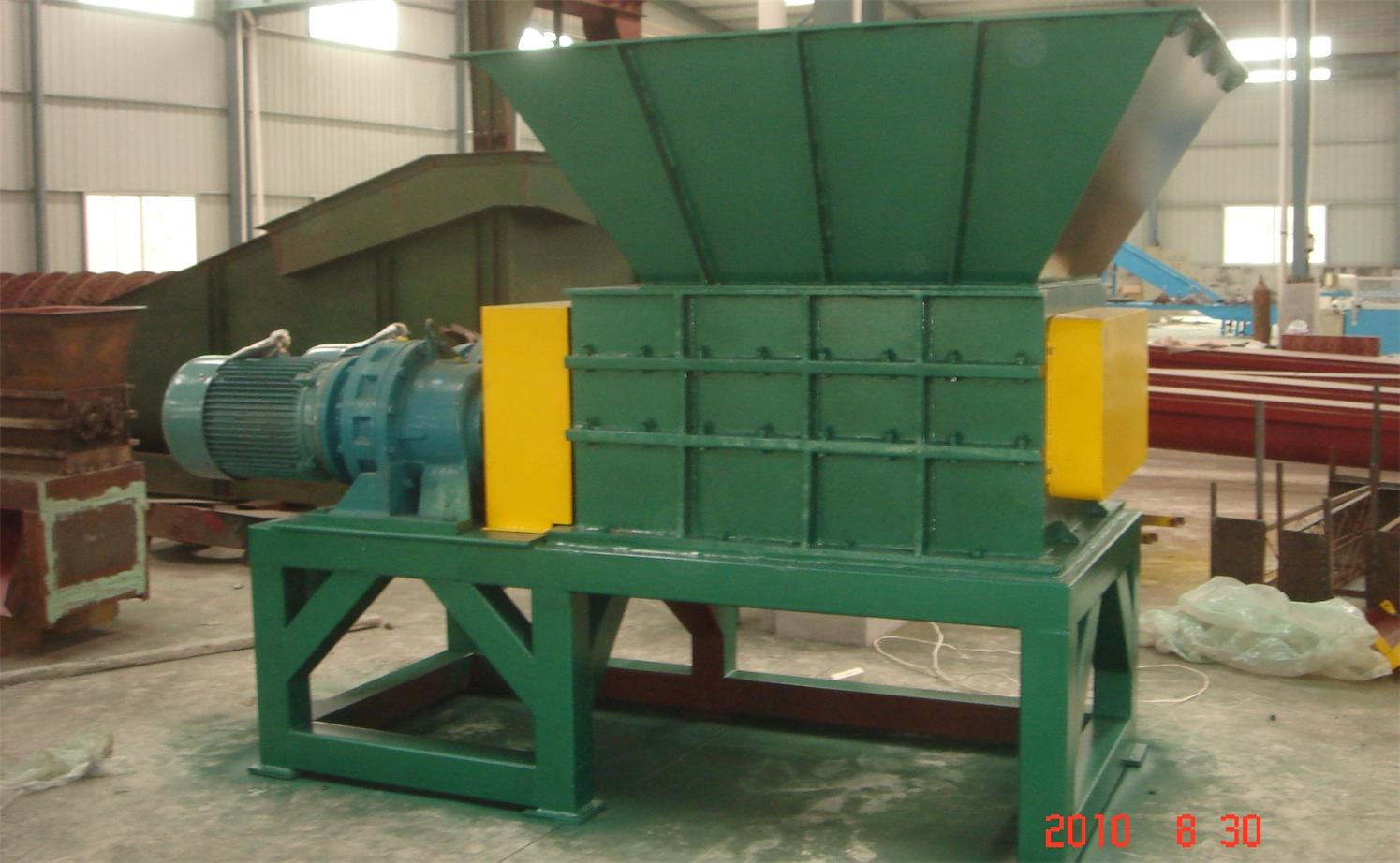
At first glance, a four-shaft shredder might just look like a beefier version of the shredders you're used to. But let's take a closer look at what really happens inside this powerhouse.
The Dual-Stage Destruction System
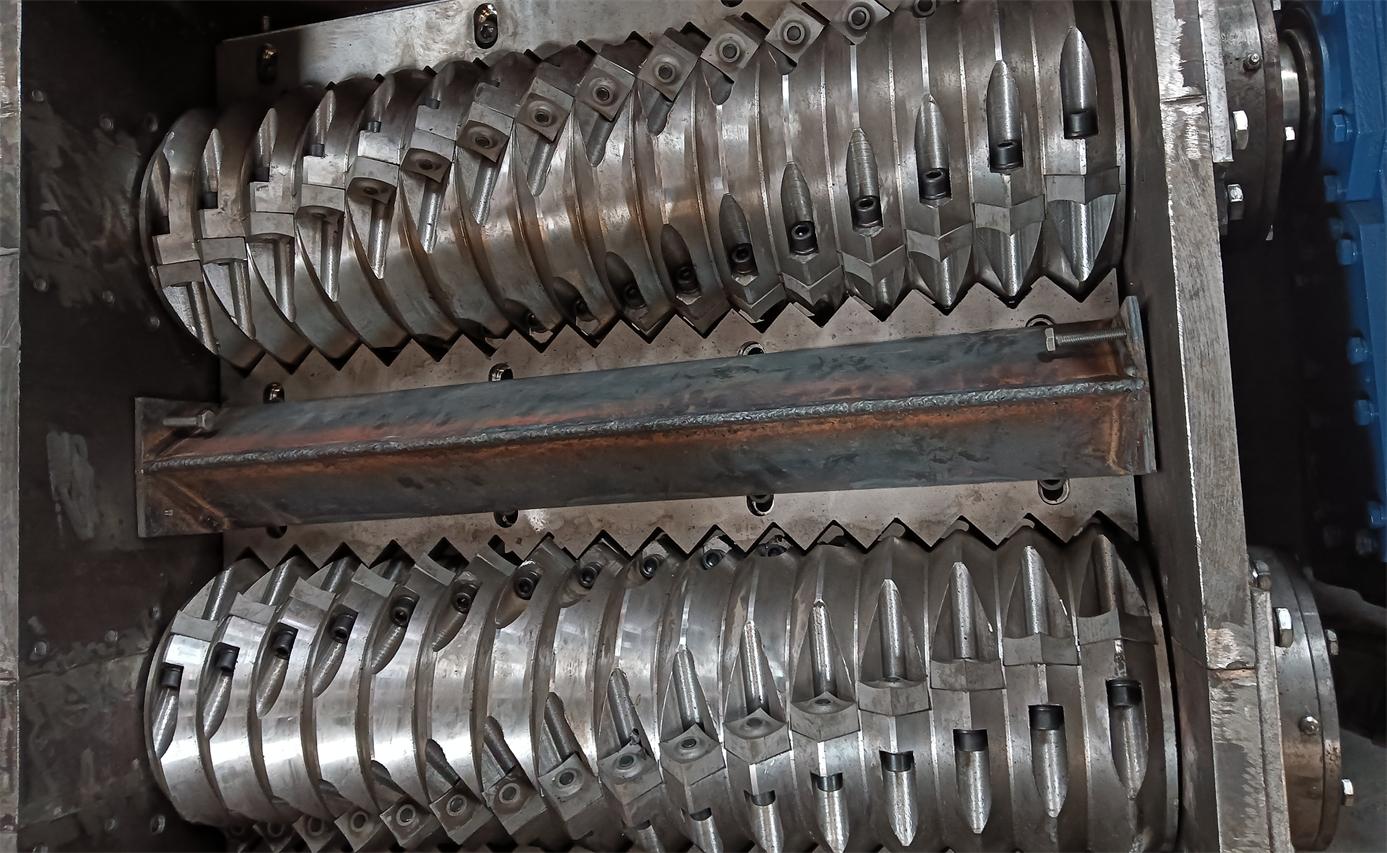
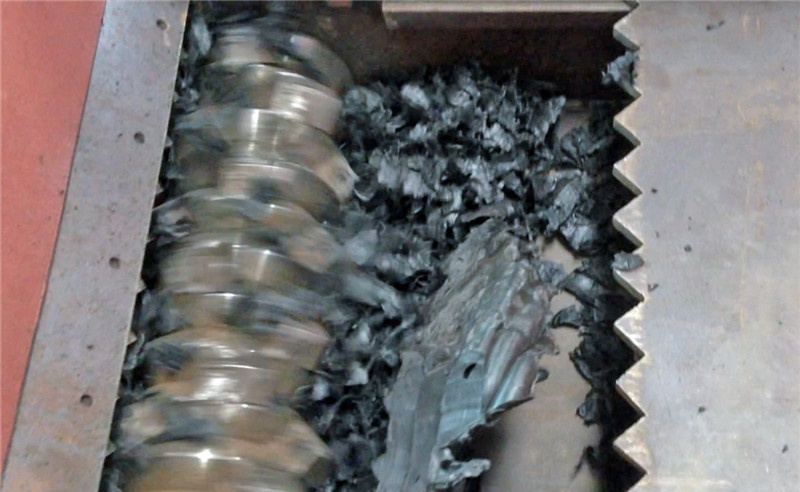
Unlike single or double-shaft shredders, four-shaft machines work like a tag-team of destruction. The two primary shafts deliver the initial crushing blow, tearing materials apart at a coarse level. But the magic happens with the secondary duo – these shafts immediately refine the chunks into consistently sized particles. It's like having an industrial grinder follow right behind a wrecking ball.
Torque That Doesn't Quit
Here's where four-shaft shredders really flex their muscles. Each shaft operates at different speeds, creating massive torque that laughs at materials that would jam other shredders. Heavy-duty metals? Bulky plastics? A tangled mess of cables? No problem. The rotational forces work together to pulverize materials without batting an eye.
Industry Transformations
Four-shaft shredders aren't confined to recycling plants. They're transforming material handling across sectors, tackling the most challenging waste streams:
Electronics Recycling Revolution
The complex mix of metals, plastics and hazardous materials in old laptops, phones and gadgets meets its match here. Four-shaft shredders efficiently crush components to liberate valuable materials while safely containing toxic substances like mercury and lead – a critical environmental safeguard.
Automotive Rebirth
End-of-life vehicles contain a bewildering mix of steel, aluminum, rubber, glass and plastics. Four-shaft shredders pull them apart with relentless efficiency. What others see as scrap, these machines see as separated resources ready for new life.
Transforming Cable Recycling
In cable recycling, four-shaft shredders serve as the initial breakdown stage before materials move to specialized separation systems. The shredder efficiently separates insulation from conductors, feeding valuable copper into a wire and cable granulation system for final purification. This integrated approach dramatically increases copper recovery rates while minimizing material loss.
Chemical & Pharmaceutical Safety
For industries where security meets sensitivity, four-shaft shredders provide a critical service. They render expired medications and confidential chemical formulations not just unrecognizable, but literally reduced to dust – eliminating both information leaks and environmental contamination risks.
Finding Your Perfect Match
| Shredder Type | Best For | Throughput Limitations | Material Handling |
|---|---|---|---|
| Single-Shaft | Light plastics, paper | Moderate volumes | Struggles with mixed materials |
| Double-Shaft | General recycling, tires | High-volume processing | Handles consistent materials well |
| Four-Shaft | Industrial volumes, mixed waste | Extremely high capacity | Thrives on complex, mixed streams |
Pro Tip: When sizing your shredder, calculate your peak material flow, not your average. Processing spikes are where single and double-shaft machines choke – but four-shaft shredders power through.
Beyond Off-the-Shelf Solutions
Four-shaft shredders aren't one-size-fits-all machines. Here's where customization unleashes their true potential:
Modular Cutting Systems
Swap blade configurations like changing drill bits. Optimize for tearing, slicing or crushing based on your dominant material stream. One day you're shredding mattresses, the next you're pulverizing aluminum engine blocks.
Smart Controls
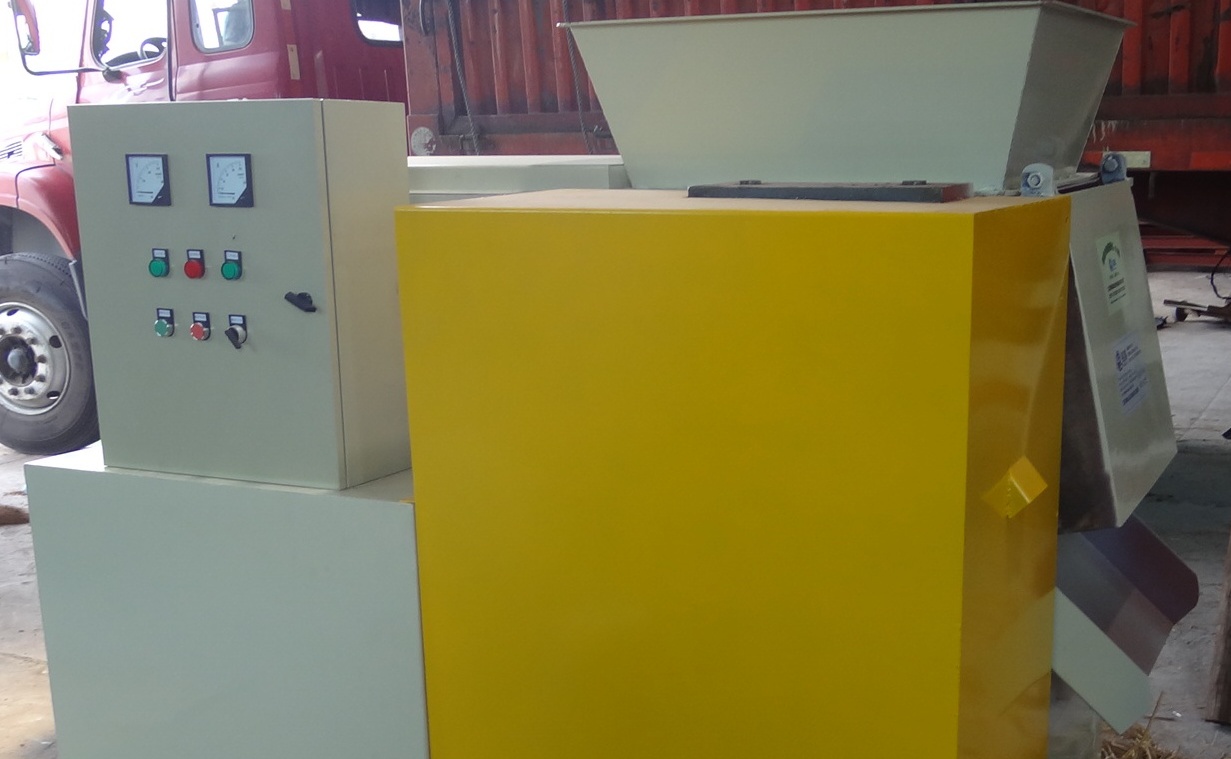
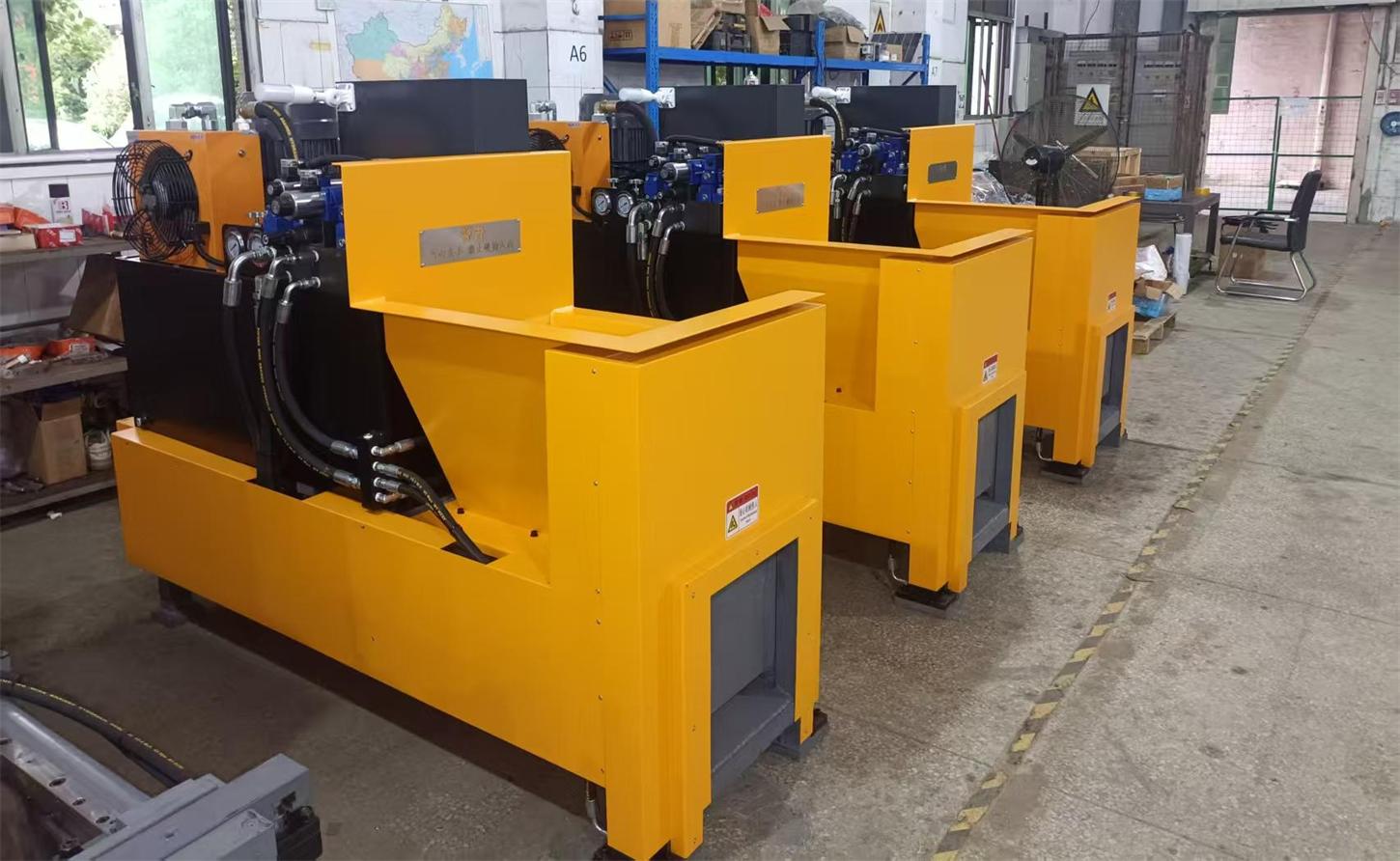
Modern units monitor torque, temperature and vibration in real-time. When they sense strain approaching, they automatically adjust feeding speed or rotation. It's like having an expert operator monitoring every second without coffee breaks.
Integration Intelligence
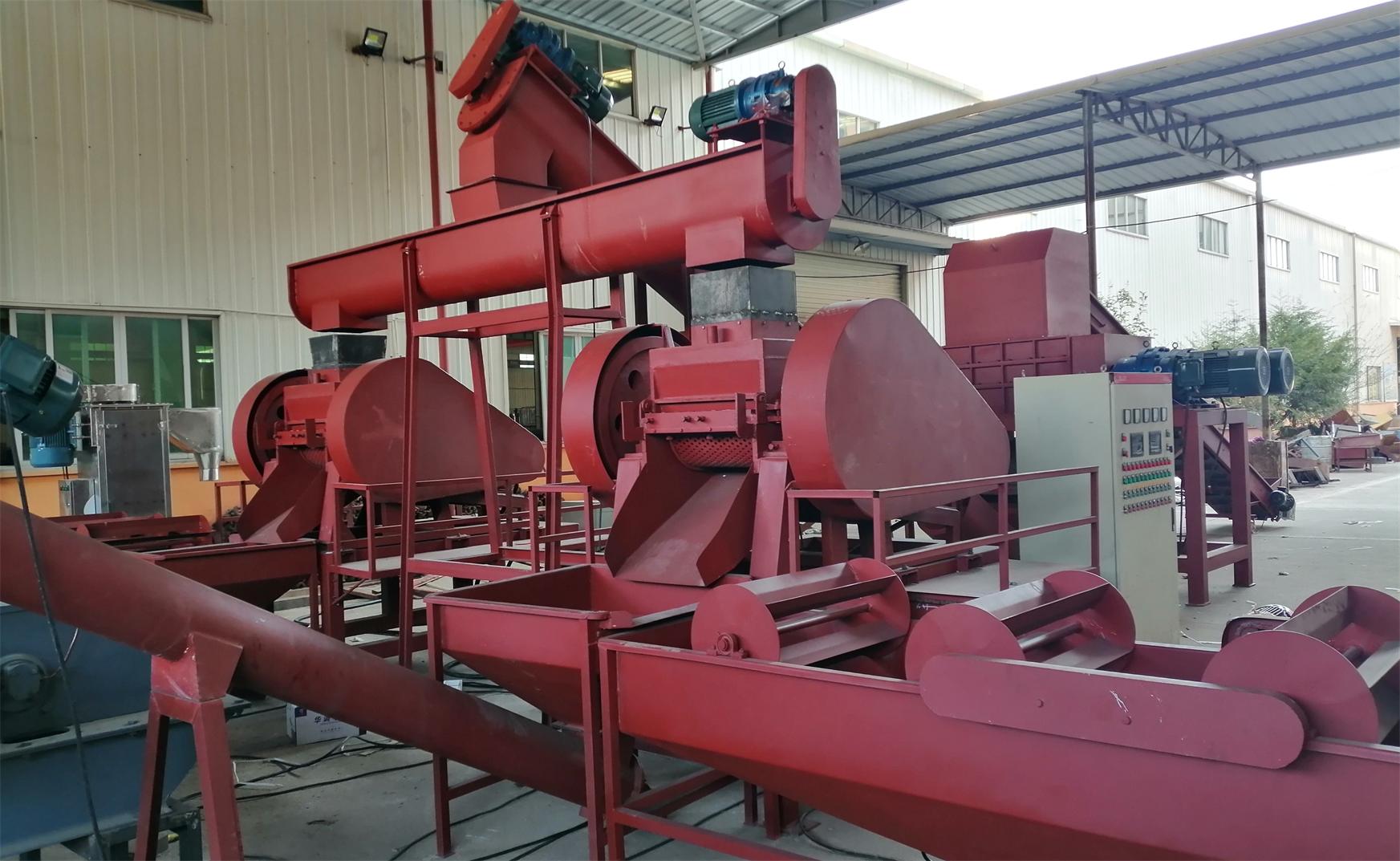
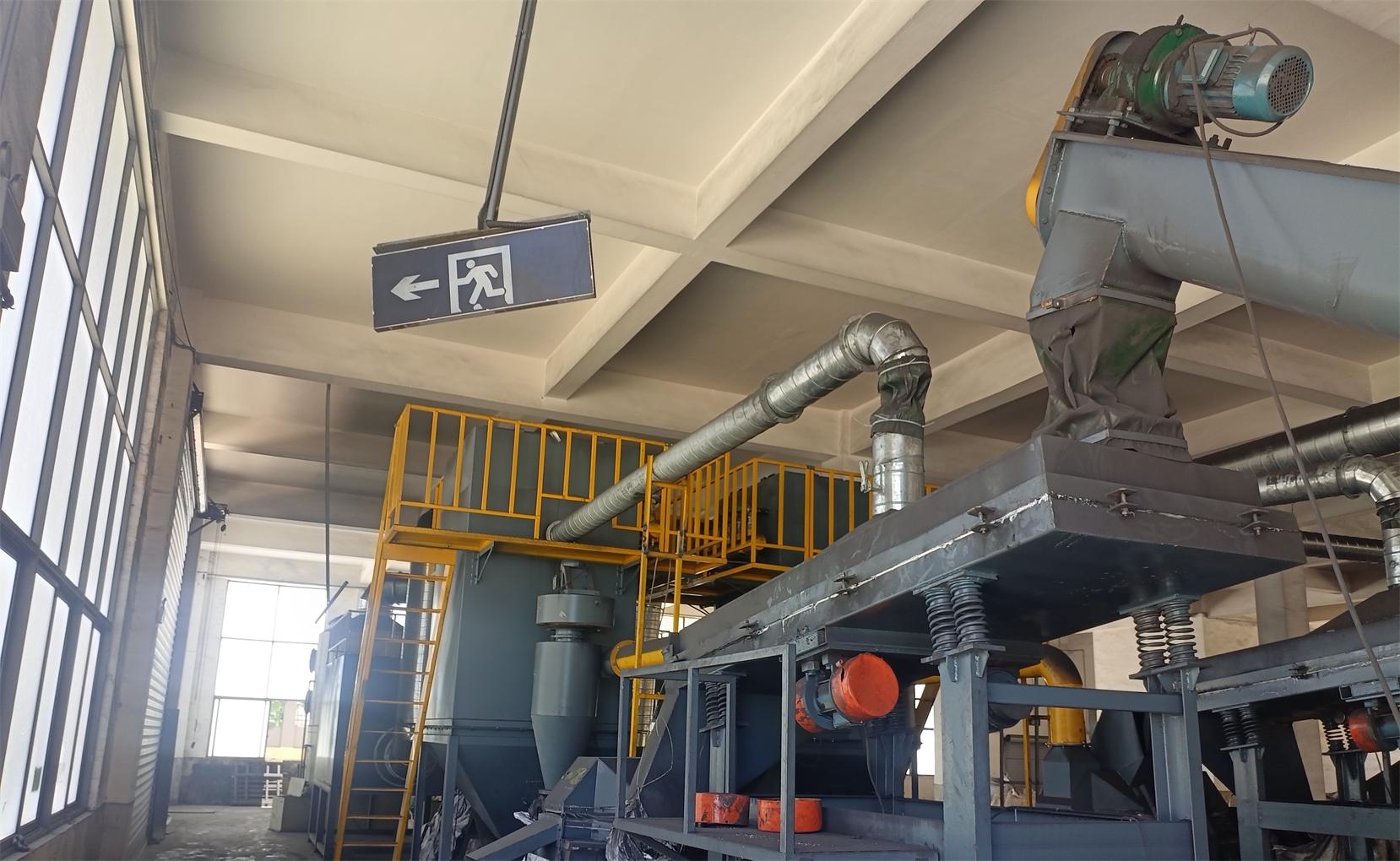
The real magic happens when four-shaft shredders connect with downstream systems. Imagine shredded electronics moving directly to eddy current separators, or plastics fragments flowing straight into washing lines. This seamless handoff turns waste streams into production lines.
Safety First, Always
The raw power of four-shaft shredders demands respect. Here's how to operate safely:
Multi-Barrier Protection
Modern shredders don't rely on just emergency stops. Infrared barriers automatically halt operations when hands stray close. Lockout mechanisms prevent activation during maintenance. Overload sensors detect trouble before human operators can spot it.
Operator Training Reality
Forget boring safety videos. Effective training involves understanding the machine's personality. How it sounds when processing clean steel vs. contaminated loads. The subtle vibration changes that signal blade wear. Truly expert operators develop instinctive knowledge that's as important as manual protocols.
Maintenance Insight: Regular vibration analysis doesn't just prevent breakdowns. By detecting subtle shifts in the machine's "heartbeat," it can predict blade wear months before visible signs appear.
Your ROI Reality Check
While four-shaft shredders represent a significant investment, the returns often surprise operators:
Reduced Downstream Costs
When materials enter sorting systems at a consistent size, separation efficiency jumps. That means less reprocessing, fewer rejected loads, and higher purity bales commanding premium prices.
Transformed Space Economics
By reducing bulky materials to dense, uniform fragments, four-shaft shredders dramatically shrink your storage footprint. That warehouse space wasted storing awkward shapes? Now it becomes revenue-generating production space.
Long-Term Partnership
Unlike equipment you replace every 5-7 years, industrial four-shaft shredders become valuable assets. With proper maintenance, they often run reliably for 15+ years, making the initial investment increasingly cost-effective year after year.
The Future of Shredding
The evolution hasn't stopped. Look for these developments transforming four-shaft shredders:
AI-Driven Optimization
Future shredders will "learn" your unique material mix. They'll automatically adjust speeds, feeding rates and configurations based on the specific load characteristics. What once required expert operator intuition becomes automated intelligence.
Predictive Sustainability
Sensors will track not just machine health but resource value. Imagine your shredder calculating the carbon savings per ton processed in real-time – data that could transform your sustainability reporting and compliance management.
The journey to optimized shredding starts with understanding your actual material challenges – not what your suppliers claim their machines can handle. Spend time analyzing your real-world waste streams before designing your shredding solution.
As waste streams become more complex and recycling standards stricter, four-shaft shredders aren't just useful equipment – they're becoming essential infrastructure for responsible material management. They transform yesterday's "waste problem" into tomorrow's "resource opportunity".