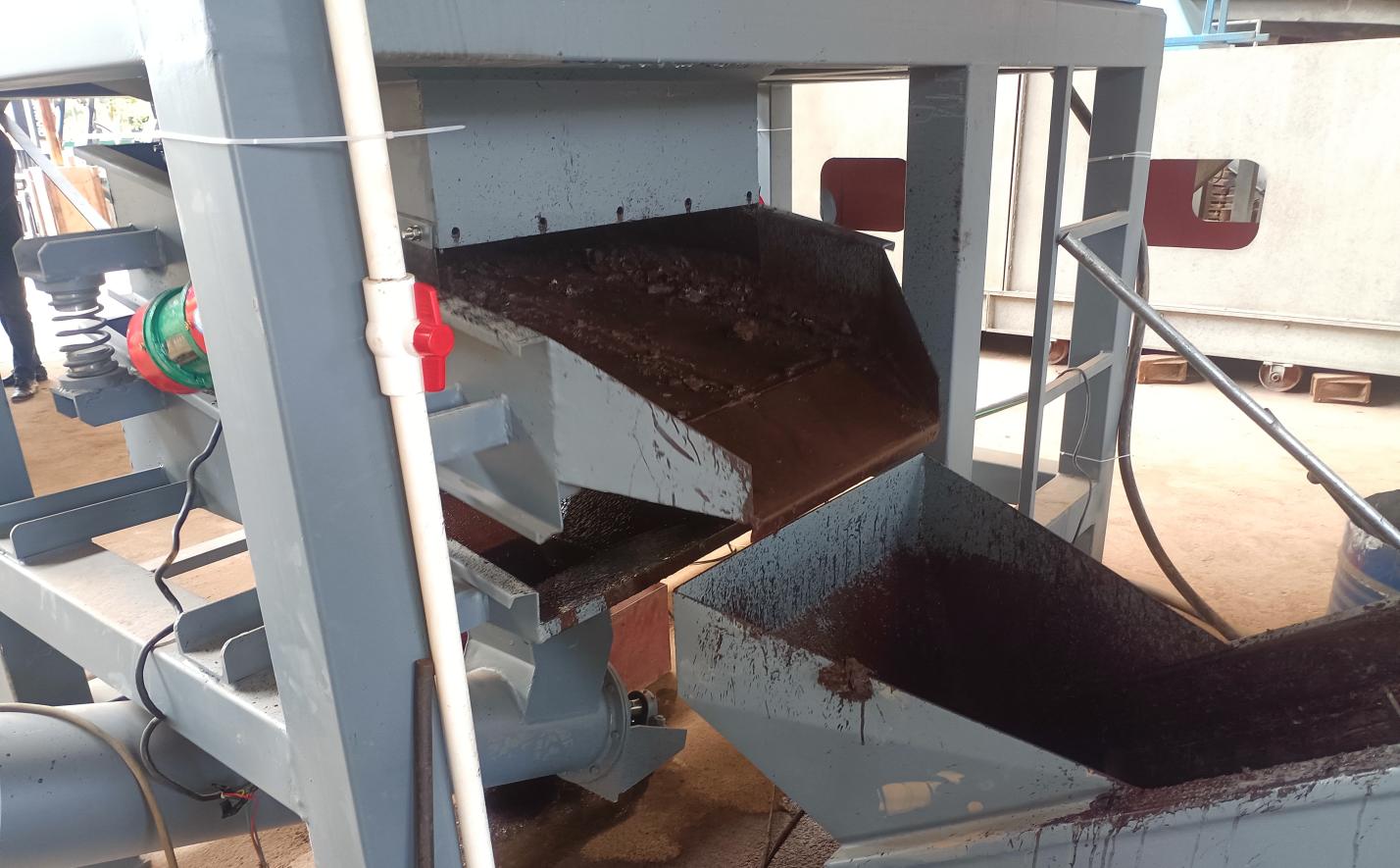
Hey there, fellow machinery operators and maintenance pros! If you've ever been in the middle of a production run only to spot that dreaded puddle of hydraulic oil spreading under your briquetting press, you know that sinking feeling. It's like your equipment is literally bleeding productivity onto the floor.
Hydraulic leaks aren't just messy – they're costly troublemakers that can bring your entire operation to a grinding halt. Worse yet, they can damage your equipment, create safety hazards, and hurt your bottom line through wasted oil and downtime. But here's the good news: most leaks aren't catastrophic emergencies if handled right.
After extensive research and real-world experience, I've compiled five proven emergency solutions that'll get you back in action. These aren't textbook theories – they're battle-tested methods from the workshop floor that have saved countless production hours.
1. Seal Swaps: Your First Defense
Seals are the unsung heroes of your hydraulic press. When they fail, it's like a dam springing leaks. But replacing them isn't rocket science.
- Spot the trouble seal: Wipe down the cylinder and watch where oil reappears first – usually around the rod or end caps.
- Power down safely: Shut off power and relieve all hydraulic pressure before touching anything.
- Get the right replacement: Match the seal type (U-cup, O-ring, etc.) and material compatibility. Don't substitute!
- Clean installation zone: Any grit during install is a death sentence for new seals. Wipe with lint-free cloth.
- Lubricate seals: Dip in clean hydraulic oil before installing – helps prevent tearing.
- Reassemble gently: Use seal installation tools or soft-jaw pliers – no screwdrivers that nick surfaces!
2. Connection Corrections: Fixing Fittings
Those fittings aren't supposed to be water fountains! Leaks here mean you're losing pressure and oil constantly.
- Isolate the leak zone: Trace oil trails back to specific fittings or joints.
- Check for cracks: Inspect metal pipes and fittings for hairline cracks – run a cloth to catch snags.
- Re-torque connections: Many leaks vanish with proper torque (use a wrench – not guesswork!).
- replace damaged parts: Cracked flare fittings or crushed O-rings won't seal – replace them.
- Consider thread sealant: Use hydraulic-rated sealant on pipe threads (never on flared fittings!).
3. Cylinder Triage: When the Core Bleeds
Internal leaks mean your hydraulic press isn't just losing oil – it's losing power too. That slow compaction cycle? Often internal leakage.
- Listen: Hissing sounds during operation often mean internal bypass.
- Check piston movement: Uneven motion or failure to hold position indicates problems.
- Inspect cylinder bore: Use bright light and mirror to check for scorings or pitting.
- replace piston seals: Worn seals allow fluid to bypass internally.
- Address bore damage: Light scoring might be honed out; deeper damage needs sleeve replacement.
This is where your hydraulic press shows its true condition. Neglecting internal leaks leads to higher energy costs and poor briquette quality.
4. Valve Rescue: Silent System Killers
Valves are nervous system of your hydraulic system. Leaks here can cause erratic operation and pressure drops.
- Clean valve blocks first: Grime hides leaks – degrease thoroughly.
- Inspect mounting surfaces: Warped surfaces won't seal – check with straight edge.
- replace gland seals: Standard repair for valve stem leaks.
- Check relief settings: Stuck valves often leak – cycle manually to test.
- update old valves: Worn spools and seats leak internally – sometimes replacement is cheapest fix.
5. Hose Emergencies: When Lines Fail
This is DEFCON 1 for hydraulic systems. High-pressure fluid streams can penetrate skin and cause severe injury.
- SHUT DOWN NOW: Evacuate area if spraying – hydraulic injection injuries require ER visits.
- Contain oil: Use absorbent pads to prevent slips and environmental issues.
- Identify hose specs: Note fitting type, length, diameter, and pressure rating.
- Get crimp service: Most plants can make hoses onsite – faster than waiting for deliveries.
- Install properly: Avoid tight bends and rubbing points – leave slack for movement.
Essential prevention: Regularly flex hoses and look for cracking, bulging, or abrasion. Hose failure is predictable!
Prevention Beats Repair Every Time
While these emergency fixes get you going, the real solution is preventing leaks before they happen. Here's how:
- Cleanliness is king: Contaminated oil ruins seals. Check breathers and change filters religiously.
- Temperature matters: Overheating cooks seals and oil. Keep coolers clean and oil at proper level.
- Prevent vibration: Loose components and pipes fatigue fittings. Install vibration dampeners.
- Scheduled inspections: Weekly wipe-downs reveal early-stage leaks before they become disasters.
- Education pays: Train operators to recognize early leak symptoms during routine checks.
Oil leaks feel like inevitable nuisances, but they're really your hydraulic system crying for attention. With these practical solutions, you'll spend less time mopping floors and more time making briquettes. Stay safe and keep those presses running smooth!