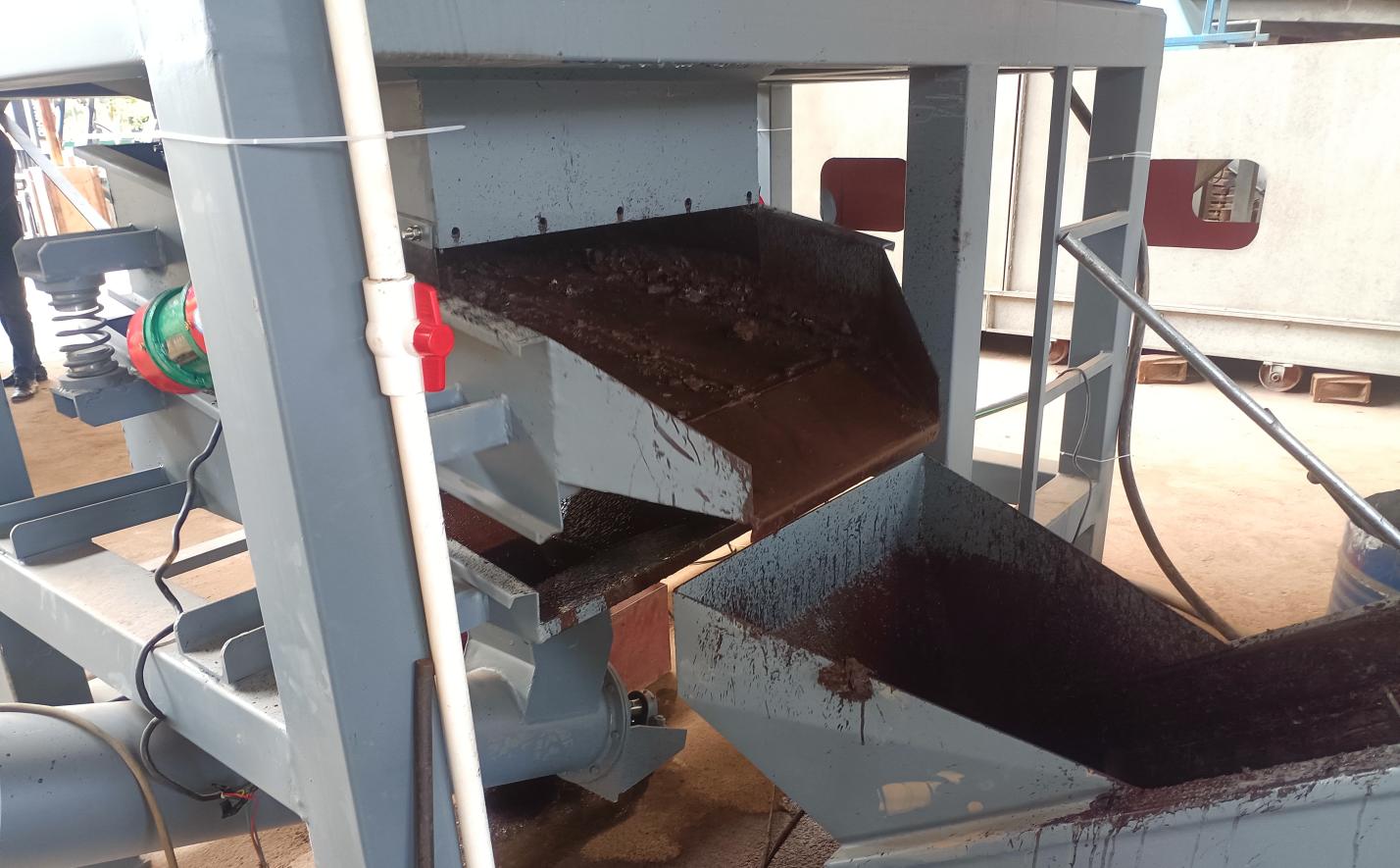
Choosing the right flotation technology can make or break your lithium processing operation. Let's break down the real-world differences between mechanical and pneumatic systems to help you make the best decision for your operation.
Why Flotation Matters in the Lithium Race
In the rush to secure lithium resources, we often overlook the importance of extraction efficiency. Just like struggling to switch email platforms creates workflow headaches (something we've all experienced!), choosing the wrong flotation system creates bottlenecks that limit your production potential.
The lithium industry faces unique challenges that demand specialized solutions:
- Fine particle issues - Lithium minerals are notoriously difficult to separate
- Grade requirements - Batteries demand higher purity than ever before
- Cost pressures - With prices fluctuating, efficiency can't be compromised
The Heart of the Matter: Flotation Fundamentals
At its core, flotation relies on a beautiful simplicity - making certain minerals hydrophobic so they'll stick to bubbles. But the engineering behind creating those bubbles makes all the difference in lithium recovery rates.
Mechanical Flotation: The Workhorse
The 'Swiss Army knife' of flotation cells:
- Rotor-stator systems generate bubbles through mechanical agitation
- Robust design handles fluctuating feed conditions well
- Established track record across multiple mineral types
It's like that reliable old tool you keep coming back to - not fancy, but gets the job done.
Pneumatic Flotation: The Precision Instrument
The 'laser scalpel' approach to separation:
- External air injection creates finer, more controlled bubbles
- Gentler process for fragile lithium minerals like spodumene
- Modular designs offer flexible configuration options
Think of pneumatic systems like advanced tech that saves you headaches down the road.
Real-World Lithium Applications
Let's move beyond theory to where rubber meets road. These real lithium minerals react differently to each flotation approach:
Spodumene Processing: The Delicate Balance
In Western Australia operations, mechanical cells initially struggled with:
- Consistent particle liberation
- Over-grinding of finer fractions
- High energy consumption per ton
The switch to column pneumatic cells delivered:
- 12.7% increase in Li 2 O recovery
- 25% reduction in power consumption
- Reduced slimes handling issues
Brines: A Different Challenge Entirely
South American brine operations discovered:
- Mechanical air injection coped better with viscous solutions
Key advantage through specialized rotor design:
- Overcoming viscosity challenges
- Managing mineral salt interference
Cost Considerations That Matter
Let's talk practical economics - what hits your bottom line:
| Cost Factor | Mechanical Cells | Pneumatic Cells |
|---|---|---|
| Initial Investment | $$$ (Lower) | $$$$ (Higher) |
| Energy Consumption | Higher (15-25 kW/m³) | Lower (5-12 kW/m³) |
| Maintenance Cost | Higher (moving parts) | Lower (simple design) |
| Reagent Consumption | Higher | Lower by 15-30% |
| Footprint | Larger | Compact |
Decision Framework for Plant Managers
Cutting through the noise - use this practical checklist:
1. What's your primary lithium source?
Hard rock (spodumene/lepidolite)
→ Lean toward pneumatic systems
Brine operations
→ Mechanical systems often perform better
2. What particle size are you targeting?
Ultra-fine fractions (below 75μm)
→ Pneumatic excels here
Coarser fractions
→ Mechanical handles well
3. Future expansion plans?
Modular growth likely
→ Pneumatic scales easier
Fixed capacity
→ Mechanical more economical
Expert Insights on Future Developments
Industry leaders see three key advancements shaping flotation technology:
- Hybrid systems - Combining best of both worlds at different circuit stages
- AI-driven control - Real-time bubble size optimization based on feed analysis
- Advanced materials - Ceramic components extending wear life 3-5x
"The next leap won't be in cell design alone, but in how smart technologies integrate with separation physics to create self-optimizing systems." - Dr. Elena Morales, Flotation Solutions Group
Wrapping It Up
There's no universal 'best' solution - only what's best for your lithium operation. Here's what we know for sure:
- Pneumatic systems deliver superior performance for fine spodumene separation but require higher upfront investment
- Mechanical cells offer reliable, robust processing for coarser feeds with lower capital costs
- The gap in lithium extraction equipment efficiency continues to narrow with advanced process control
The most successful operators don't choose sides - they strategically deploy both technologies where each performs best in their circuit. What configuration will unlock your lithium potential?