Let's talk about the engine driving our sustainable future - lithium batteries. They're everywhere these days, powering everything from our smartphones to our cars. But what happens when these powerhouses reach the end of their life? That's where the fascinating world of battery recycling equipment comes into play, and boy is it becoming big business.
Right now, we're looking at a market that's exploding with opportunity. Last year alone, the global lithium battery recycling equipment market hit a staggering $28.9 billion valuation. But here's where it gets interesting - we're on track to see this more than double to nearly $48.6 billion by 2033 . That's a thrilling growth rate of nearly 19% every single year for the next decade. Talk about momentum!
Why should you care? Because this technology isn't just about scrapping old batteries - it's about reclaiming precious resources that would otherwise go to waste. Imagine recovering up to 99% of valuable metals like lithium, cobalt, and nickel and putting them right back into new batteries. That's the kind of circular economy thinking that could change how we consume technology forever.
What's Driving This Battery Recycling Boom?
The electric vehicle revolution is without doubt the biggest game-changer here. Picture this: In America alone, we saw over 1.4 million new EVs hit the roads last year - a jaw-dropping 40% jump from the previous year. Each of those vehicles eventually becomes a battery pack needing responsible recycling. It's creating a tidal wave of opportunity for smart recycling tech.
Governments worldwide are stepping up too. You've got the Europeanunionintroducing mandatory recycling targets, China requiring manufacturers to take responsibility for their products' afterlife, and the U.S. pouring $3 billion into battery supply chain development. These regulations aren't just paperwork - they're opening the floodgates for innovation in how we handle battery waste.
Then there's the economics. With companies like Li-Cycle recovering over 99% of graphite and Altilium hitting 97% lithium recovery rates, it's becoming cheaper to mine old batteries than to dig new materials out of the ground. Suddenly, "waste" looks a lot like "profit opportunity."
Cutting-Edge Recycling Technologies Transforming the Game
Closed-Loop Systems
The holy grail of recycling - materials from old batteries go straight back into making new ones. This isn't just eco-friendly, it's brilliant business strategy. Companies like Redwood Materials are pioneering these circular systems that keep materials in play indefinitely.
Direct Cathode Recovery
Forget shred-and-melt approaches. New tech allows recyclers to salvage high-value cathode materials intact. Companies like American Battery Technology call this approach a "game-changer" that preserves up to 90% of a battery's value.
Chemical-Free Processing
Green processes like those from Novocycle Technologies recover materials without harsh chemicals, achieving purity levels over 99.9% while reducing environmental impact. It's cleaning up recycling's dirty reputation.
The tech evolution is happening at breakneck speed. Take Altilium's EcoCathode process - it recovers over 97% of lithium and 99% of graphite. Or Li-Cycle's new Alabama facility that can process 10,000 tonnes of battery material annually. Companies aren't just dipping toes in the water anymore - they're diving in headfirst.
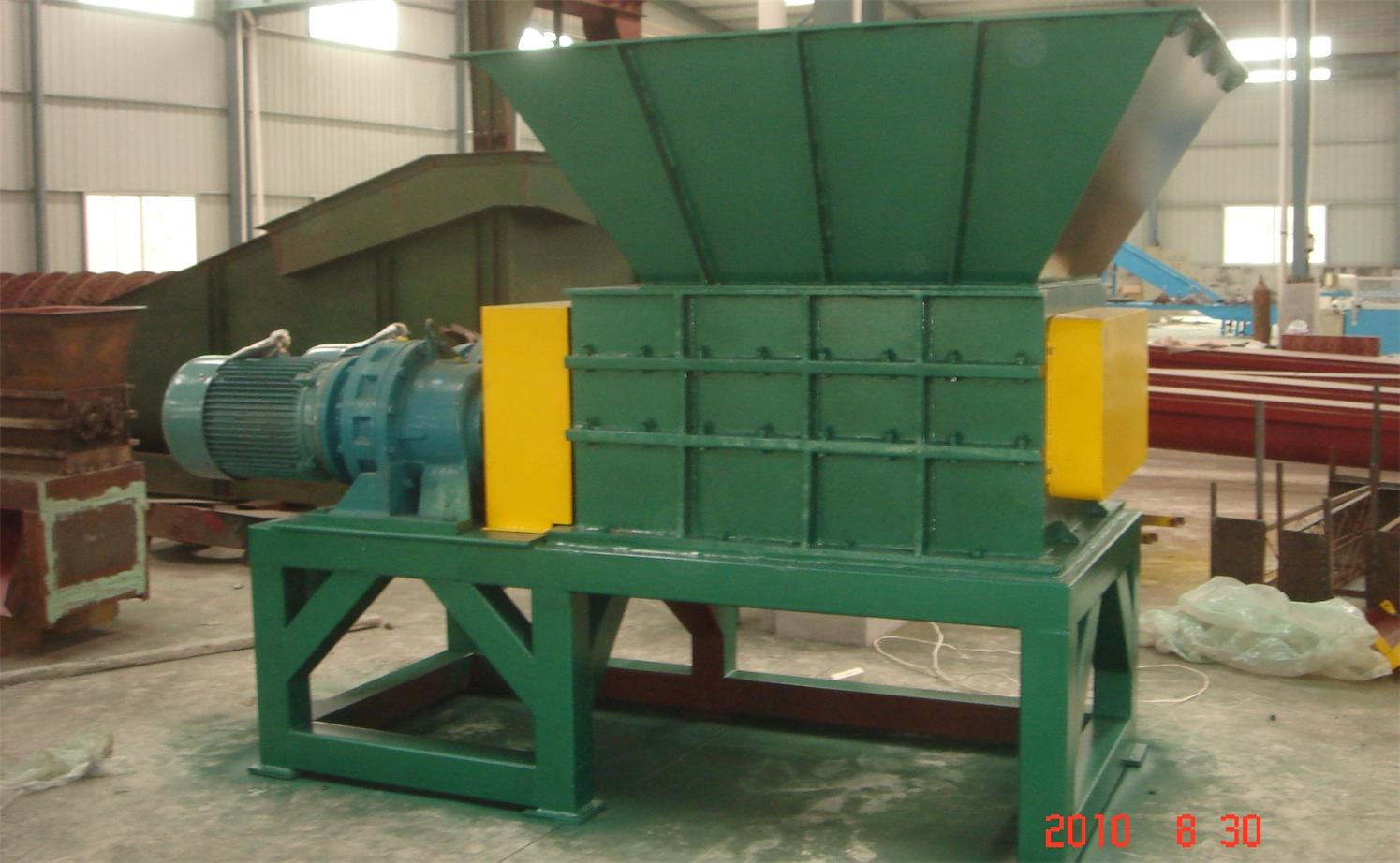
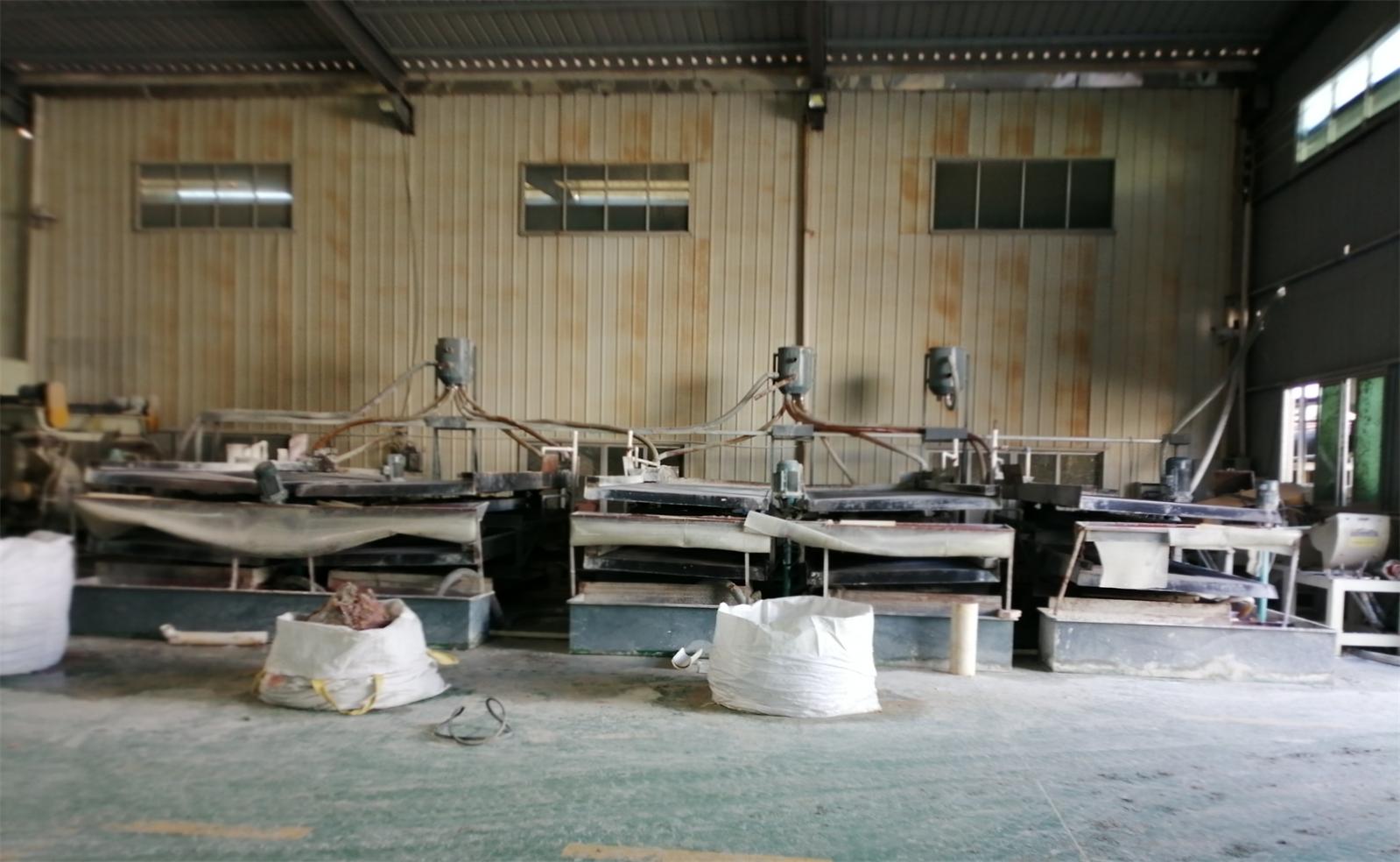
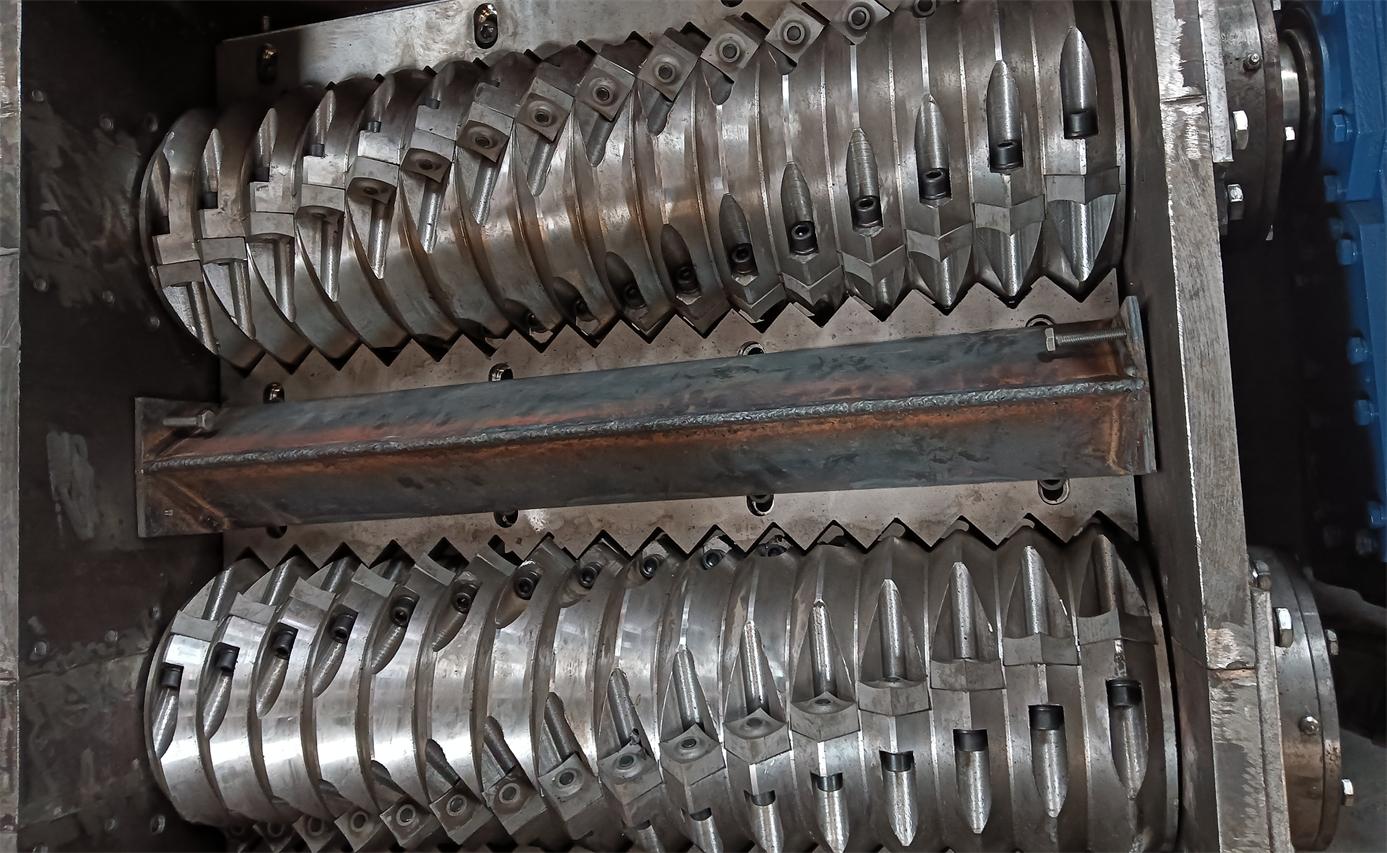
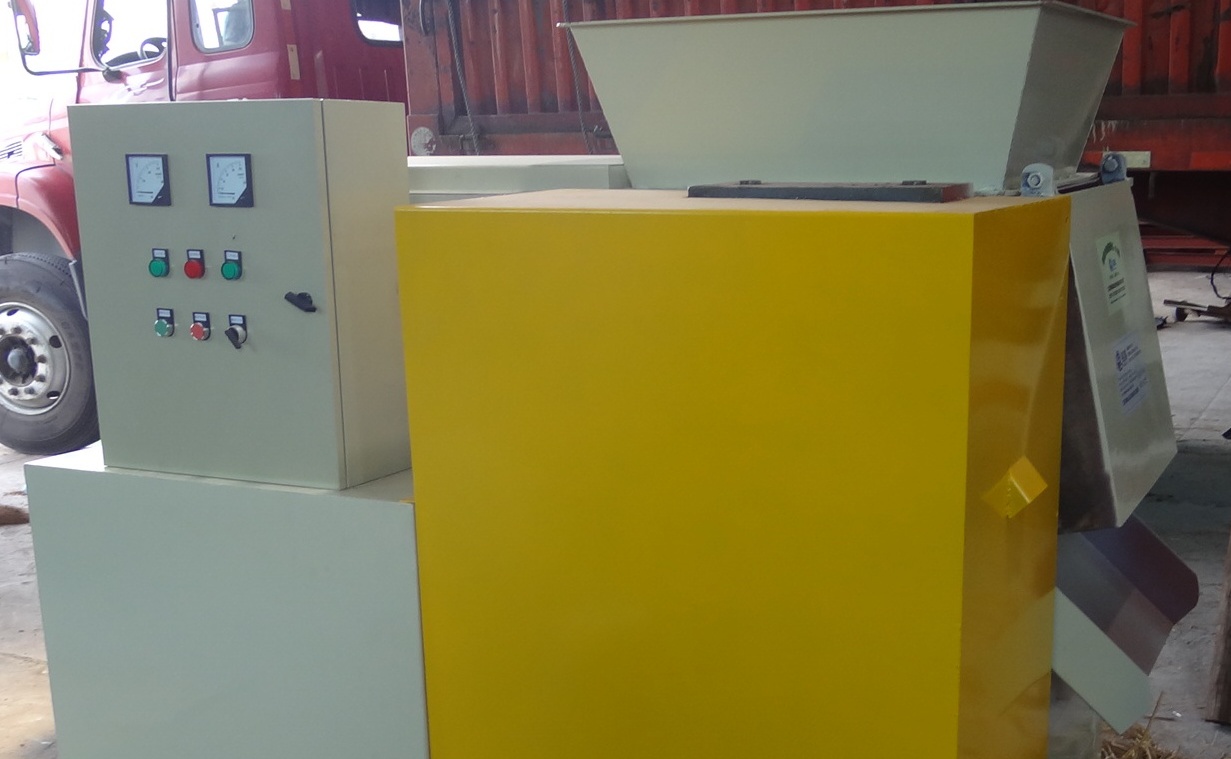
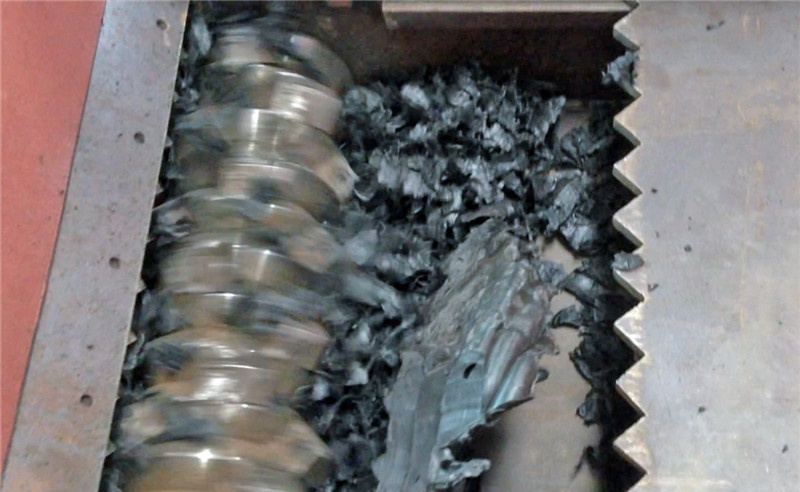
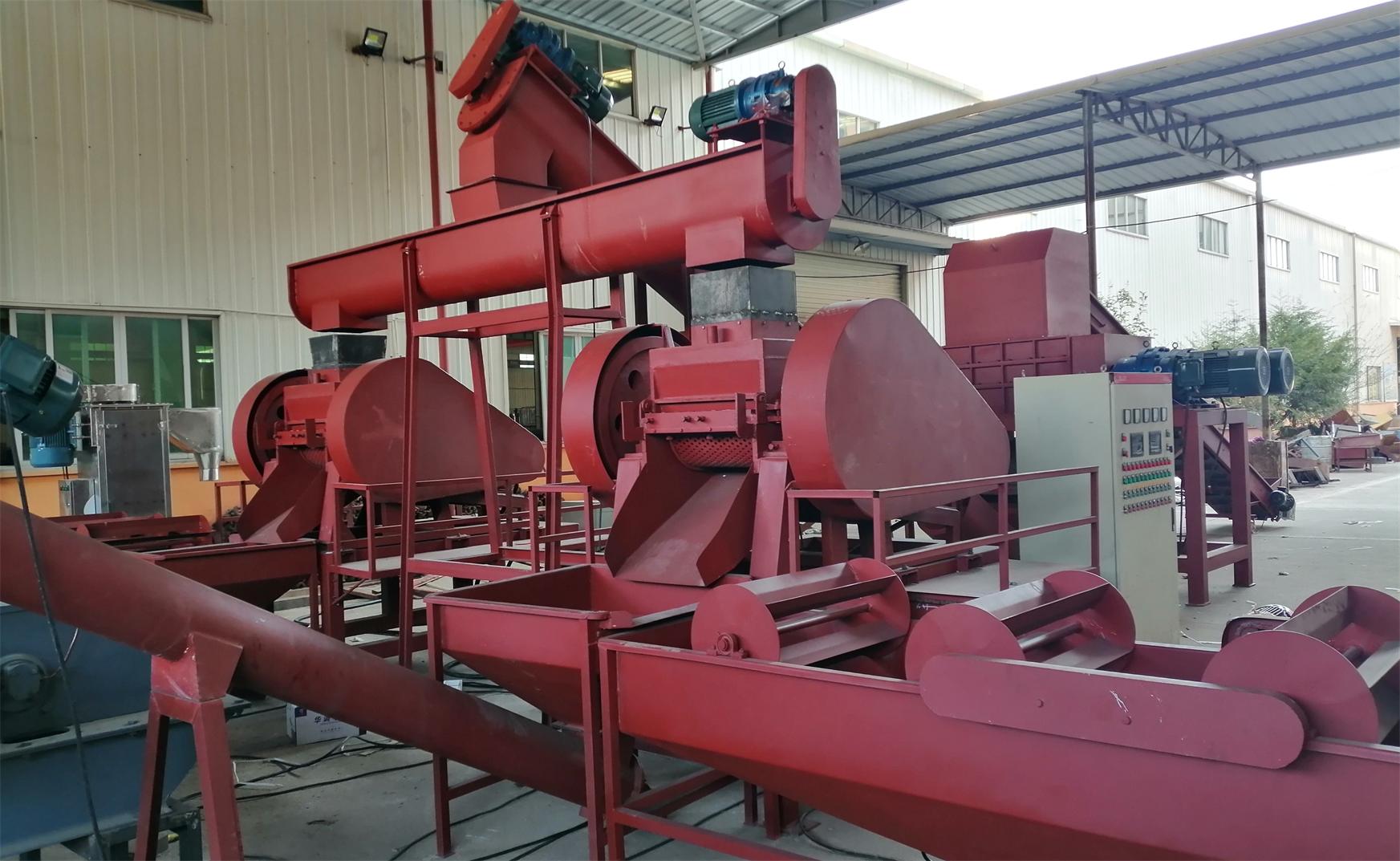
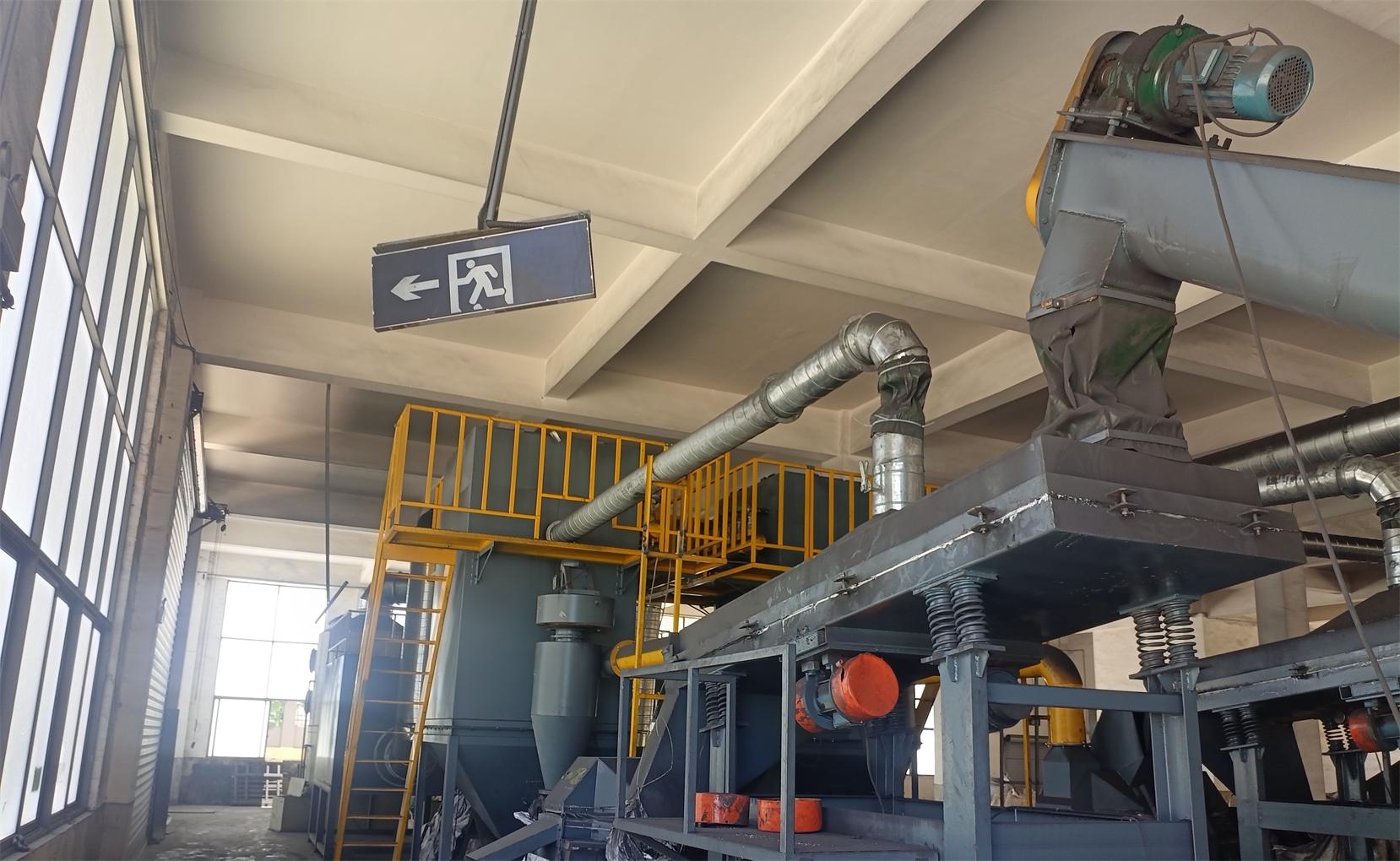
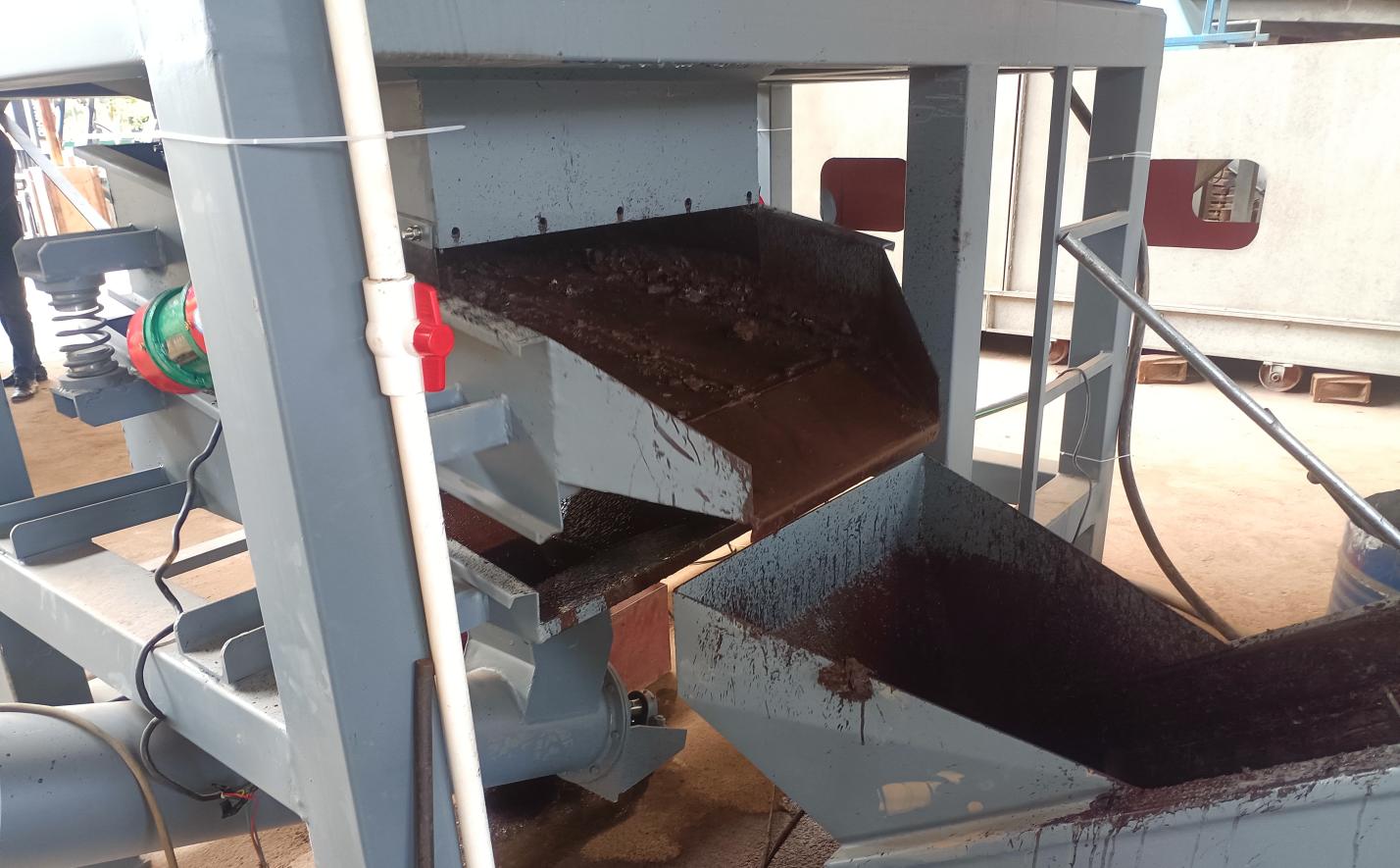
What gets me most excited? It's how these innovations translate into practical solutions. Consider the modern lithium battery recycling plant - a marvel of engineering where batteries go through a carefully choreographed process. They're first sorted, then safely discharged, shredded, and separated into valuable components with near-zero waste. This isn't just equipment - it's the foundation of our sustainable energy future.
Where's the Growth Happening? Regional Hotspots
The Asia-Pacific region isn't just leading - it's dominating with more than 50% of the global market share. China's massive manufacturing ecosystem creates both battery waste and recycling opportunities at immense scale. Their government policies like extended producer responsibility rules are accelerating the sector at lightspeed.
But don't count out North America. With the U.S. Department of Energy injecting $725 million into recycling projects and states implementing strict battery disposal laws, companies are scrambling to build capacity. Take American Battery Technology's recent $144 million grant to develop recycling facilities - that kind of money shows real commitment.
Europe's putting on a show too. New regulations require 70% lithium recovery rates by 2030, creating a rush of investment. Giants like Umicore in Belgium are expanding operations while startups innovate with novel processing techniques that meet these ambitious targets.
The Roadblocks Ahead: Real Challenges
Let's be real - this journey isn't without potholes. The startup costs? Astronomical. Building a modern recycling facility requires investments in the hundreds of millions. This creates a high barrier to entry that favors big players and well-funded startups.
Battery chemistry itself is becoming a puzzle. As manufacturers develop new combinations like cobalt-free lithium iron phosphate, recyclers need to constantly adapt their processes. What worked last year might not work next year as battery formulations evolve.
And then there's the logistics headache. Collecting spent batteries safely and efficiently across wide geographic areas is incredibly complex. Safety concerns during transport and storage add risk and cost that can't be ignored.
The Heavy Hitters: Who's Winning in Recycling Tech
The competitive landscape is fascinating - it's a mix of mining giants, specialized recyclers, and automakers all jostling for position. Top players like ACE Green Recycling, American Battery Technology, and Li-Cycle collectively command over 30% of the market.
What separates the leaders from the pack? It's all about innovation and relationships. GEM Co. in China built its dominance through partnerships with automotive giants. Umicore leveraged its materials science expertise to pioneer recovery methods that set new industry standards.
But keep an eye on the agile startups too. Companies like Lithion Salvage and BatX Energies might be small now, but with venture funding pouring in and novel tech that cuts costs while boosting recovery rates, they're positioning themselves to become tomorrow's leaders.
The Crystal Ball: What's Coming Next
So where is all this headed? To me, three key developments stand out. First, regulation will get tighter - we'll likely see governments mandate 70% or higher material recovery rates industry-wide. This will force innovation while creating market certainty.
Second, automation is coming big time. Expect smart sorting systems using AI and robotics to improve efficiency while reducing costs. As labor shortages continue, this tech will become essential rather than optional.
And finally, watch for consolidation. With high entry costs and complex tech requirements, acquisitions will reshape the competitive field. The next five years will likely see today's specialized innovators becoming tomorrow's subsidiaries of materials giants.
What gets me out of bed excited? The potential impact. We're looking at technology that could close the loop on battery materials, slash mining impacts, create domestic supply chains, and make electric vehicles truly sustainable. That's not just good business - it's world-changing potential.