Every year, hundreds of millions of used lead acid batteries reach the end of their service life worldwide — from automotive starter batteries powering cars and trucks to deep-cycle units in forklifts, telecom towers, and uninterruptible power supplies. These heavy, hazardous objects cannot simply be thrown away. Inside each battery sits a combination of sulfuric acid, lead plates, lead paste, and plastic casing — materials that are both dangerous to the environment and economically valuable when recovered correctly. This is where lead acid battery recycling equipment comes into play, transforming what could be toxic waste into reusable raw materials.
The difference between a well-run battery recycling operation and one that creates secondary pollution often comes down to the equipment on the factory floor. A modern recycling plant does not simply crush and melt — it separates, filters, treats, and refines through a carefully sequenced chain of machines. Understanding how each stage works helps recyclers, investors, and environmental managers make informed decisions about their plant setup.
Why Lead Acid Battery Recycling Demands Specialized Equipment
Lead acid batteries are not uniform waste. A single used battery contains lead metal grids (the structural framework), lead sulfate paste (the active material that stores energy), polypropylene or ABS plastic housing, and sulfuric acid electrolyte. Each component requires a different handling approach.
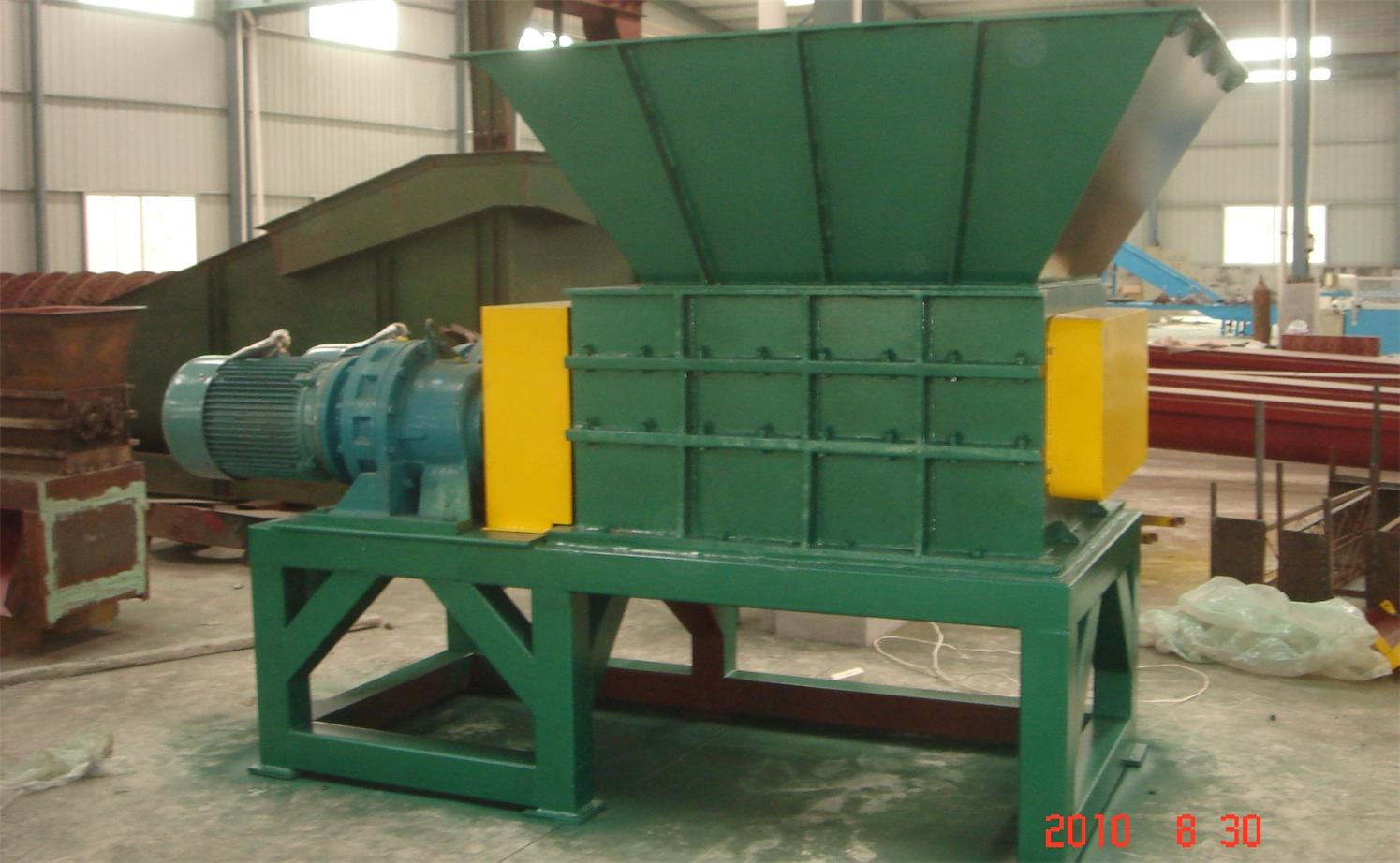
Putting whole batteries through a generic shredder creates a mixed mess that is expensive to separate and dangerous to handle. That is why purpose-built lead acid battery recycling equipment follows a staged approach: drain the acid first, break the casing, separate the components by material type, then process each stream individually. This staged method maximizes recovery rates and minimizes cross-contamination between material fractions.
Key fact: A well-designed battery recycling plant can recover over 95% of the lead content from used batteries. The recovered lead can be refined to 99.999% purity — suitable for manufacturing new batteries, closing the circular economy loop.
Stage by Stage: How a Complete Lead Acid Battery Recycling Plant Works
A full-scale recycling line processes used lead acid batteries (ULAB) through four main stages. Each stage relies on specialized machinery that handles specific physical and chemical processes.
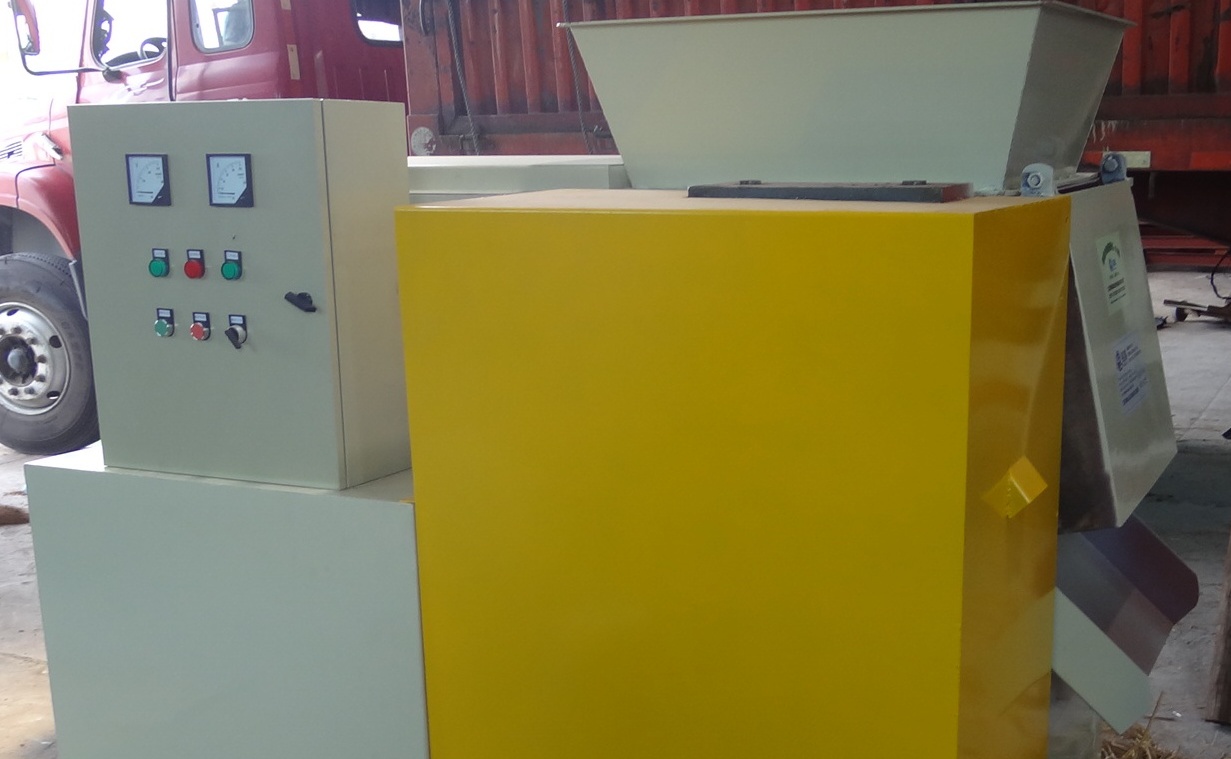
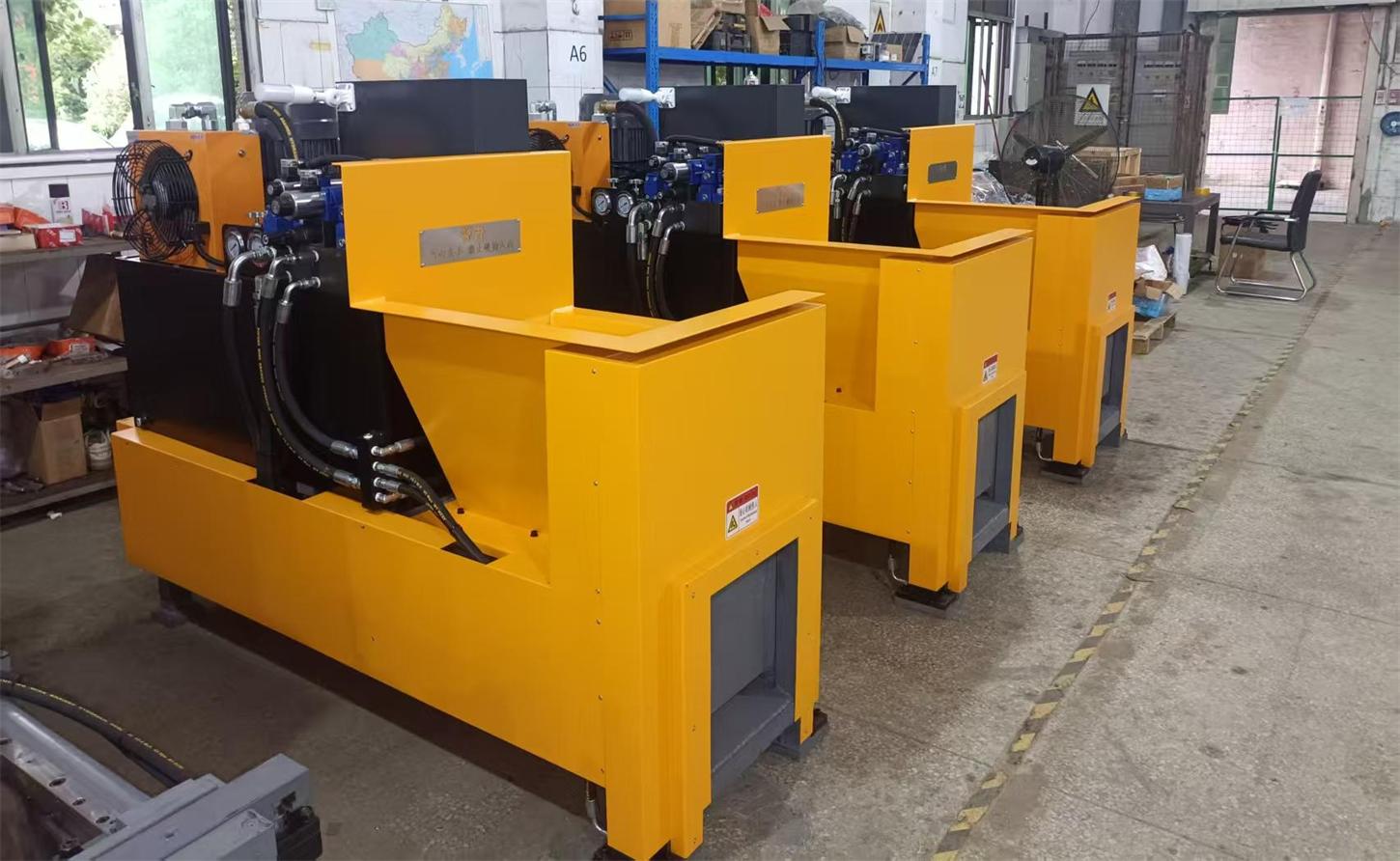
- Battery Cutting and Acid Drainage. The process starts with a hydraulic battery cutter — such as the HBC-045 model — that slices each battery into four sections and drains the sulfuric acid into a collection tank. This step isolates the acid before any crushing takes place, preventing acidic contamination of downstream material streams.
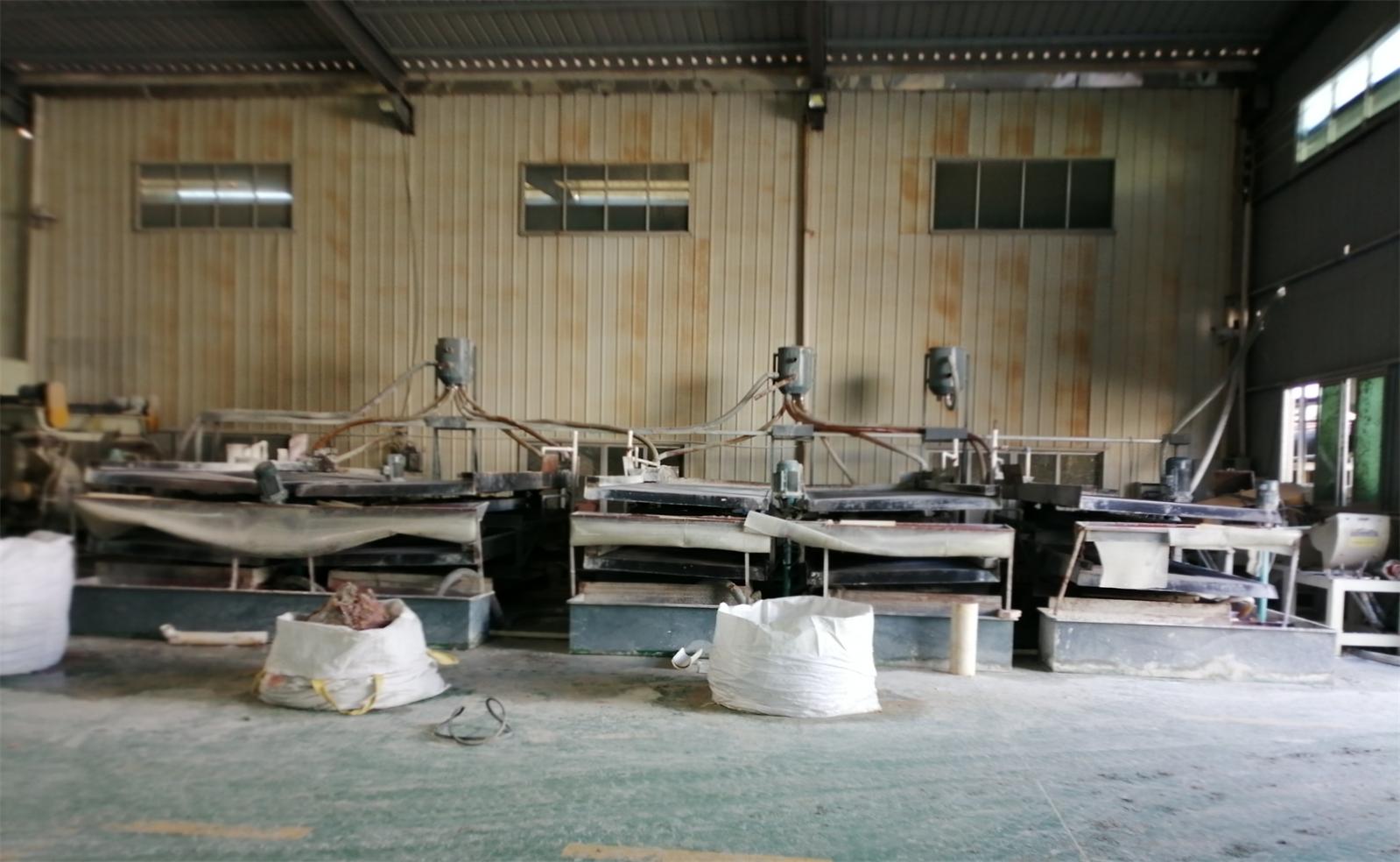
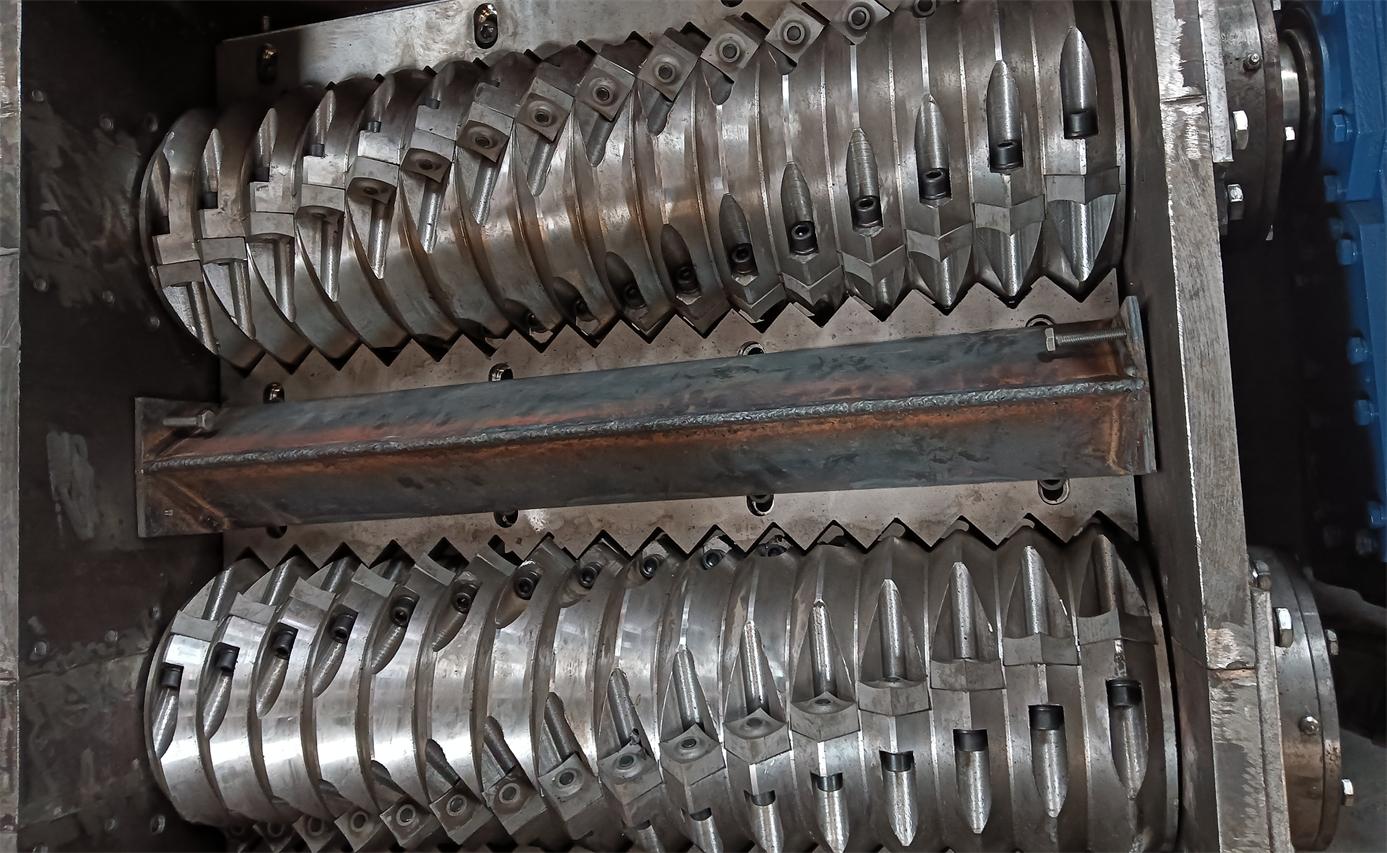
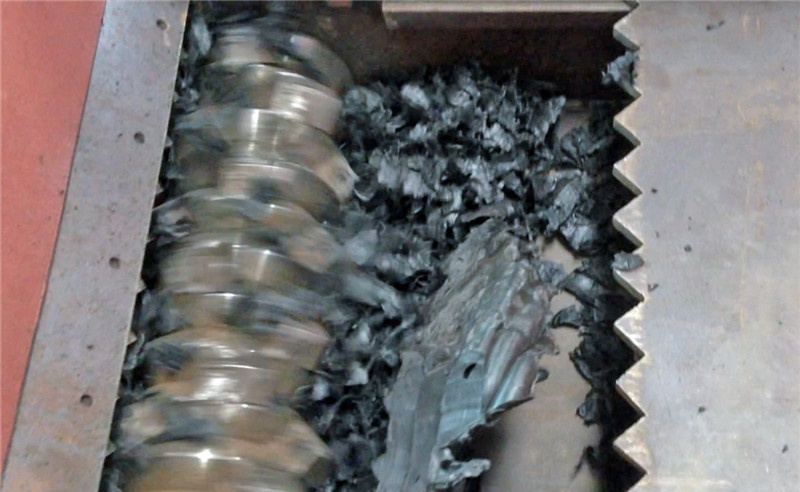
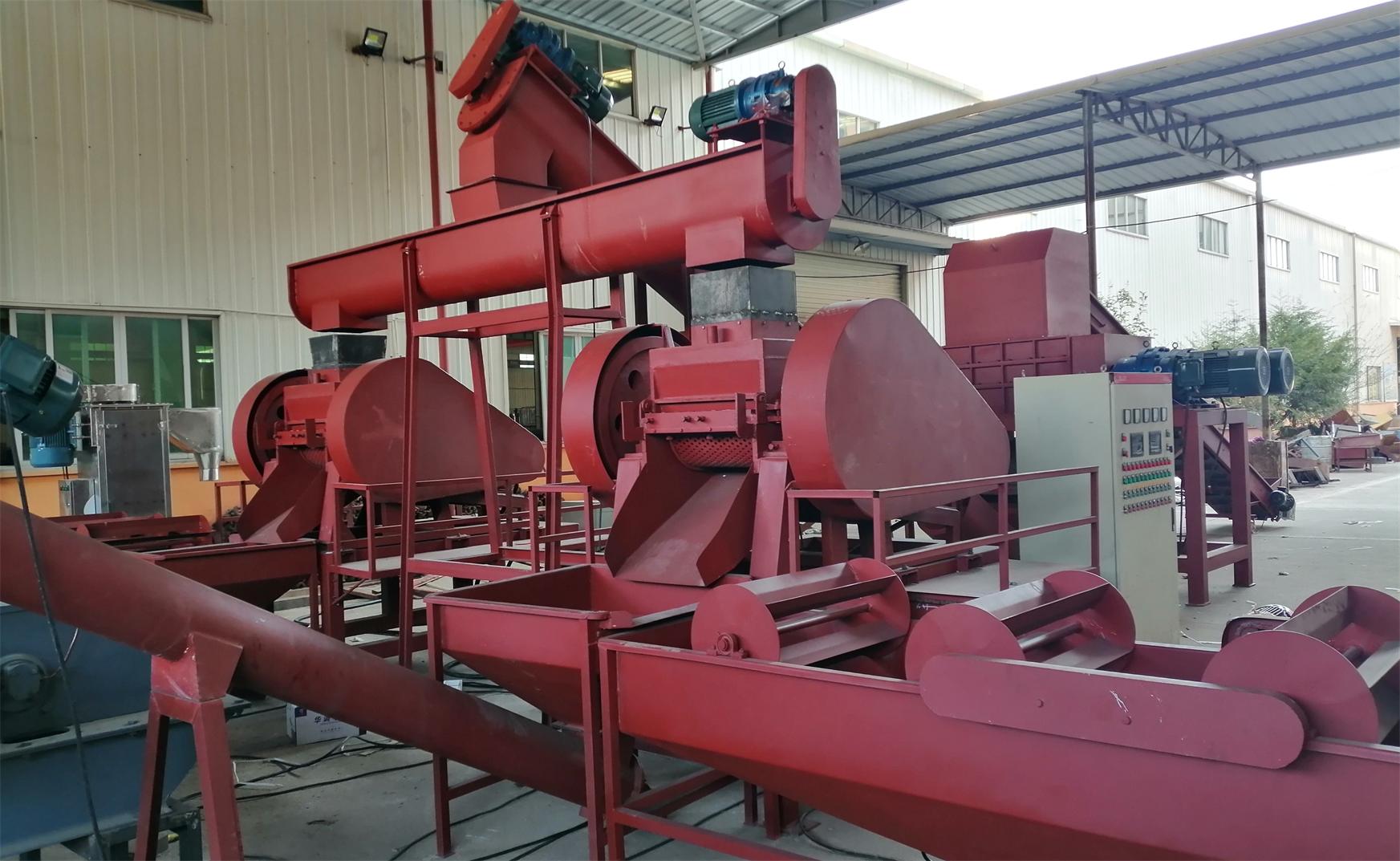
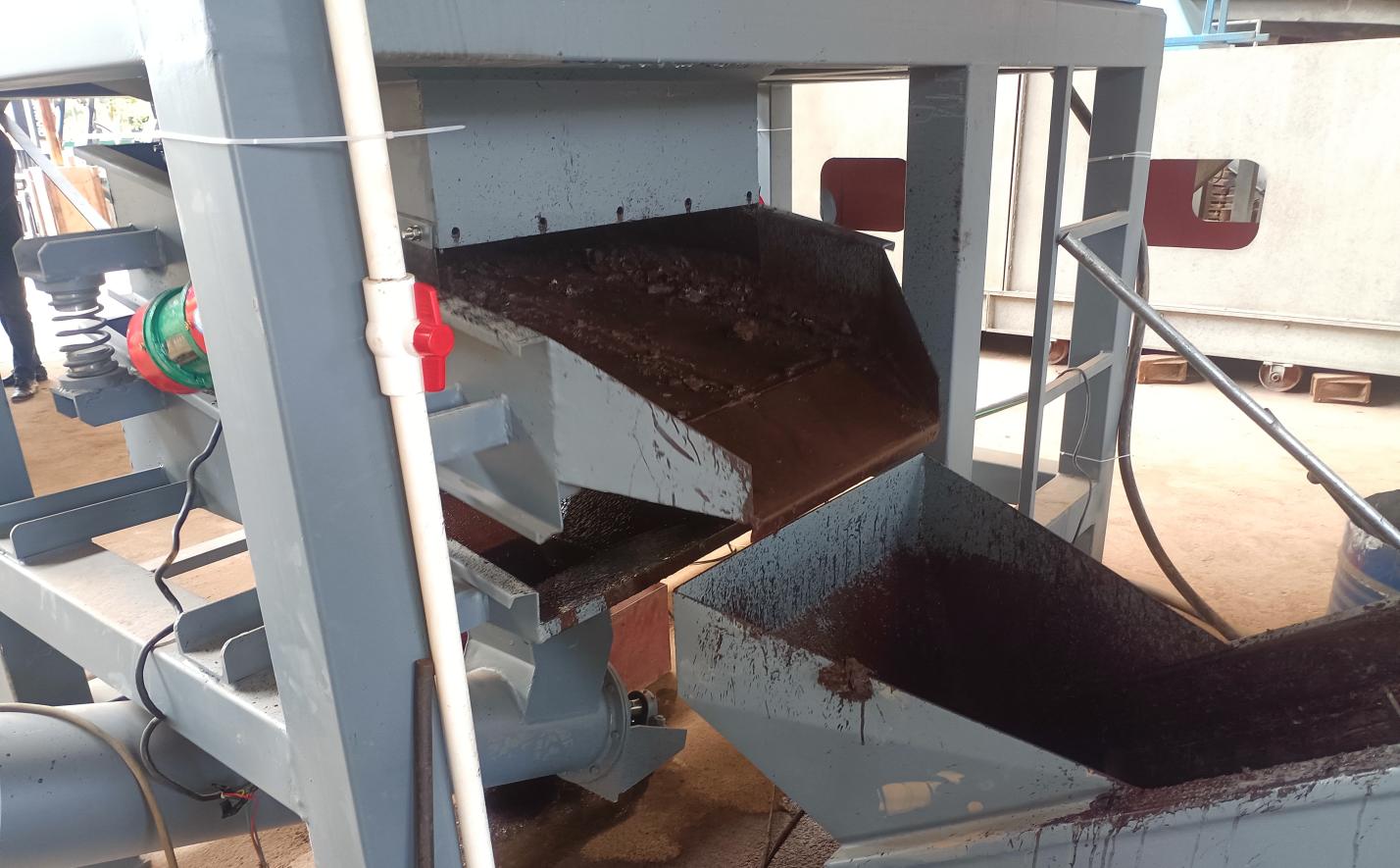
- Breaking and Material Separation. Once drained, batteries enter the lead acid battery breaking and separation system. This integrated unit crushes the battery casings and uses a combination of vibrating screens, hydro-separators, and density-based classifiers to sort materials into four clean streams: lead grids, lead paste, plastic chips (PP/PVC/ABS), and hard rubber fragments. Typical throughput ranges from 1 to 10 metric tons per hour depending on plant scale.
- Paste Treatment and Desulfurization. The separated lead paste — primarily lead sulfate (PbSO₄) — moves to a desulfurization unit. Here, the sulfate is chemically converted, reducing the smelting temperature needed later and cutting SO₂ emissions during furnace operation. A filter press then dewaters the treated paste into a cake ready for the furnace.
- Smelting and Refining. The dewatered paste enters a rotary furnace or blast furnace (cupola) for reduction smelting. At temperatures up to 1,800°C, the lead compounds convert to crude metallic lead. The crude lead then transfers to a lead refinery furnace — a kettle furnace that uses either natural gas, diesel, or near-infrared electric heating — to achieve final purity levels of 99.999%. The refined lead is cast into ingots ready for sale or further manufacturing.
Core Equipment That Defines a Quality Recycling Plant
Not all recycling lines are built the same. The quality and specification of individual machines directly affect recovery rates, operating costs, and environmental compliance. Below is an overview of the key equipment categories that make up a professional lead acid battery recycling facility.
Breaking & Separation System
Automated crusher and multi-stage classifier producing clean lead grid, paste, plastic, and rubber fractions. Capacity: 1–10 MT/hour.
Desulfurization Unit
Chemical treatment system that removes sulfur from lead paste, reducing smelting energy consumption and SO₂ emissions.
Filter Press
High-capacity pressure filtration for dewatering lead paste slurry before furnace feeding. Typical filtration area: 60 m².
Rotary & Blast Furnace
Rotary furnace (2–20 MT/batch) or blast furnace (40–100 MT/24h) for reducing lead paste to crude metallic lead at up to 1,800°C.
Refinery Kettle Furnace
Final refining to 99.999% purity. Electric near-infrared models save 30–50% energy compared to conventional heating.
Pollution Control System
Multi-stage gas scrubbing and dust collection for furnace off-gases, meeting international environmental standards.
Environmental Compliance: Not an Afterthought
Lead recycling carries inherent environmental risks — lead dust, acidic wastewater, and furnace off-gases containing sulfur dioxide and particulate matter. A responsible plant design integrates emission controls from the very beginning, not as optional add-ons.
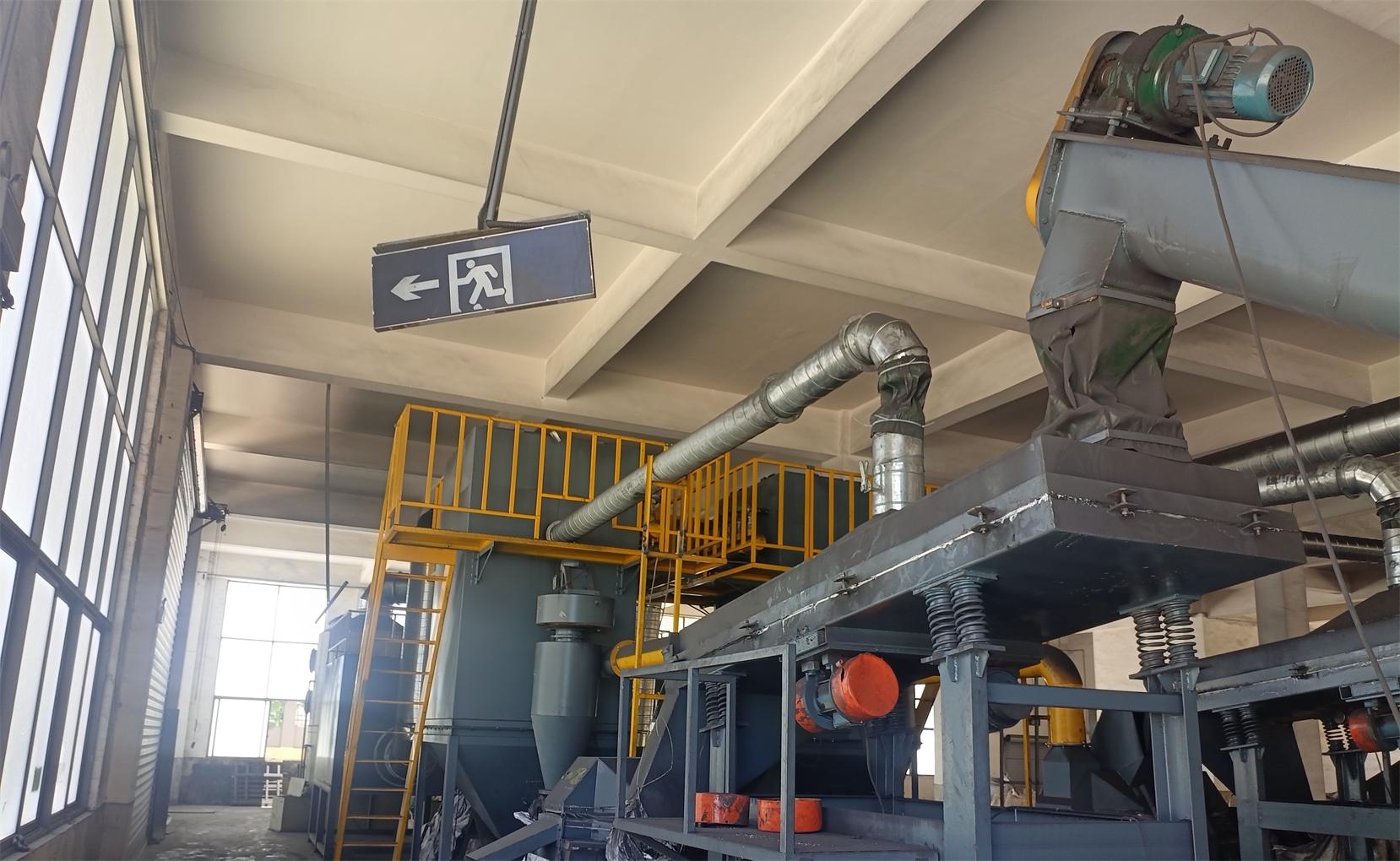
The air pollution control system handles gases from both the rotary furnace and the refinery kettle. It typically includes a cyclone pre-separator for coarse particles, a baghouse filter for fine dust, and a wet scrubber or chemical absorption tower for acid gases. Meanwhile, the water treatment plant neutralizes acidic process water from the breaking and separation stage, allowing safe discharge or recycling within the plant.
These environmental systems are not just about regulatory compliance. They protect workers, reduce long-term liability, and increasingly serve as a requirement for project financing from banks and development institutions that fund recycling infrastructure.
What to Look For in a Lead Acid Battery Recycling Equipment Supplier
Buying recycling equipment is not like purchasing off-the-shelf machinery. A lead acid battery recycling plant is a complex system where each component must work in sequence with the others. The right supplier does more than ship machines — they provide engineering support from site planning through commissioning.
San Lan Technologies Co., Ltd. has been manufacturing e-waste and battery recycling equipment since 2007. Operating from its industrial park facility in Ganzhou, Jiangxi Province, the company supplies complete turnkey plants that cover every stage of the recycling process — from battery breaking and separation through smelting, refining, and emission control.
The company's engineering team holds advanced degrees in mechanical engineering and brings more than 15 years of hands-on experience in e-waste recycling machinery. San Lan offers EPC (Engineering, Procurement, Construction) project delivery: customized plant design, one-stop equipment procurement, and on-site installation and commissioning support at the customer's facility anywhere in the world.
Beyond equipment sales: San Lan also helps customers source battery scrap feedstock and assists in selling recovered products — lead ingots, copper, and plastic chips — through its operating management platform. For new recycling ventures, the company can even help recruit technical staff and provide comprehensive operator training.
A Plant That Grows With Your Business
One practical consideration that many first-time plant buyers overlook is scalability. San Lan's breaking and separation systems are available in multiple capacity tiers — from 1 MT/hour for a startup or pilot operation up to 10 MT/hour for large-scale industrial production. The same modular approach applies to furnaces: smaller rotary furnaces handle 2 MT per batch, while blast furnaces process 40 to 100 MT per day. This means recyclers can start at a manageable scale and expand as their feedstock supply and market demand grow.
The company has delivered equipment to customers in over 21 countries, spanning Southeast Asia, the Middle East, Africa, Latin America, and Eastern Europe. Each installation is tailored to local conditions — power supply, space constraints, raw material characteristics, and environmental regulations.
| Plant Scale | Typical Capacity | Ideal For |
|---|---|---|
| Entry Level | 1–2 MT/hour | Pilot projects, regional collection centers |
| Mid-Size | 3–5 MT/hour | National-scale recyclers, industrial parks |
| Large-Scale | 6–10 MT/hour | High-volume processors, export-oriented operations |
Choosing the Right Path Forward
The lead acid battery recycling industry is not standing still. Stricter environmental regulations, rising lead demand from the energy storage sector, and growing awareness of circular economy principles all point toward more professional, better-equipped recycling operations. Facilities that rely on outdated methods — open-air breaking, uncontrolled smelting, minimal emission controls — face growing regulatory and market pressure.
Investing in modern, integrated recycling equipment is not just about compliance. It is about building a business that can produce higher-purity lead at lower operating cost, recover more material from each battery, and operate safely for the long term. Whether starting a new recycling venture or upgrading an existing facility, the choice of equipment partner makes a measurable difference in project outcomes.
Ready to Build or Upgrade Your Lead Acid Battery Recycling Plant?
San Lan Technologies provides complete lead acid battery recycling solutions — from breaking and separation to smelting, refining, and emission control. Contact our engineering team for a customized proposal based on your capacity requirements, site conditions, and local environmental standards.