Unlock the hidden value in automotive trash and transform environmental responsibility into profitable enterprise
What if I told you there's a component in nearly every car on the road today worth more than its weight in gold? And what if I told you most people treat this marvel of engineering as nothing more than scrap metal? That's the surprising truth about catalytic converters - one of the automotive world's most misunderstood treasures.
Sitting between your engine and tailpipe, this unassuming metal canister is actually packed with precious metals that are literally more valuable than gold itself. But it's more than just metal value - recycling catalytic converters offers environmental redemption and financial gain in one neat package. With over 100 million scrap converters accumulating worldwide every year, we're literally sitting on an urban goldmine.
What Exactly Makes a Catalytic Converter So Special?
Let's cut through the technical jargon and get straight to the magic:
Essentially, a catalytic converter is your car's environmental conscience. Since the 1970s, these devices have been mandated on vehicles to transform toxic exhaust gases like carbon monoxide and nitrogen oxide into less harmful substances before they reach our atmosphere. How does this miracle happen? Through a chemical dance that happens inside what's called a honeycomb structure.
That honeycomb structure - typically made of ceramic - is coated with a microscopic layer of what we call Platinum Group Metals (PGMs). These aren't your everyday metals - we're talking platinum, palladium, and rhodium, three of Earth's rarest and most valuable elements. These are the secret ingredients that make the chemical conversion possible.
Here's the beautiful part: these precious metals don't get consumed during the process. They facilitate the reaction but remain intact, meaning that even when a catalytic converter stops working, its real value - those PGMs - are still locked inside, waiting to be reclaimed. It's like finding a gold watch in your trash bin!
The Precious Metal Trinity
Each of these metals brings something special to the table:
Breaks down unburned hydrocarbons into water vapor and carbon dioxide, creating cleaner exhaust
Works alongside platinum to oxidize harmful emissions, especially effective at removing carbon monoxide
Specializes in breaking down nitrogen oxides, the primary component of smog
Now here's where your financial senses should start tingling: these metals are so incredibly rare that their value remains perpetually high. For example, as of this writing:
| Metal | Price Per Gram | Comparison |
|---|---|---|
| Platinum (Pt) | $30 - $50 | Roughly 1.5x gold price |
| Palladium (Pd) | $25 - $45 | Surpassed gold price in recent years |
| Rhodium (Rh) | $180 - $200 | 10-15x the price of gold! |
| Gold (for reference) | $60 | Benchmark precious metal |
And before you ask - no, these high values aren't going away anytime soon. The automotive industry depends on these same metals for new catalytic converters as stricter environmental regulations continue worldwide. Plus, their applications in electronics and hydrogen technology are only expanding. This creates a self-reinforcing cycle of demand that keeps prices high.
Why Catalytic Converter Recycling Makes Sense (Pocketbook & Planet)
The Profit Potential: Turning Trash into Cash
Let's be real for a moment: while environmental benefits are important, what most people really want to know is - "Can I actually make money doing this?" The answer is an emphatic yes . Consider these financial incentives:
- Immediate Profit: Selling used converters as whole units can instantly bring $70-$300 depending on the model and condition. Toyota Prius converters are particularly valuable due to their high precious metal density, often fetching premium prices
- Treasure Recovery: For those willing to process further, extracting PGMs amplifies your return. Just 2-5 grams of PGMs can be recovered from every kilogram of catalytic material
- Future Growth Market: With internal combustion engines expected to dominate roads for at least another decade and emissions regulations tightening worldwide, demand for these metals continues to rise
- Never-Ending Supply: With millions of cars reaching end-of-life annually, there's a constant stream of material - urban mining at its finest!
Real Talk: Is this a get-rich-quick scheme? Absolutely not. But for scrap yards, auto dismantlers, or anyone in the recycling business, catalytic converters represent one of the highest-value streams per pound that you can process. When handled professionally, recycling catalytic converters generates consistent returns that outperform many traditional scrap metal operations.
The Environmental Imperative
Beyond the attractive economics, catalytic converter recycling addresses significant environmental challenges:
- Landfill Reduction: Keeping heavy metal-containing devices out of our rapidly filling landfills
- Resource Conservation: Recycling reduces the need for destructive mining operations - PGM mining typically requires processing over 10 tons of ore to yield just one ounce of precious metals!
- Pollution Prevention: Proper recycling prevents toxic materials from slowly leaching into groundwater over decades
- Circular Economy: Returning these finite resources back into manufacturing rather than burying them
What surprises many people is how recycling actually requires 90% less energy than mining and refining new metals. Think about it - mining operations use heavy machinery digging up earth, processing ore, transporting materials thousands of miles. Recycling simply takes existing concentrated metal sources and purifies them. It's environmental efficiency at its finest!
The Alchemy Process: Transforming Scrap into Gold
So how exactly do we transform this piece of exhaust equipment into valuable metals? Let me walk you through the professional step-by-step process:
-
Safety First: Removal & Protection
Working under vehicles presents dangers beyond falling wrenches. Always wear Personal Protective Equipment (PPE): chemical-resistant gloves prevent cuts and contaminants, safety goggles protect against falling debris, and sturdy work boots prevent crushed toes. Use proper tools like reciprocating saws rather than improvised instruments.
Professional Tip: Keep the converter intact! Damaging the internal ceramic structure can significantly diminish your recovery yield. A catalytic converter recycling machine can significantly streamline this process.
-
Identification & Classification
Not all converters are created equal. The differences between them can mean hundreds of dollars in variation. How to tell?
- Look for serial numbers on the casing - these can be cross-referenced with databases that indicate PGM content
- Identify OEM (Original Equipment Manufacturer) versus aftermarket units - OEM converters generally contain higher concentrations
- Note the vehicle type - large trucks typically have more substantial converters with more precious metals
Grading converters properly takes knowledge, but it's essential for maximizing your return whether you're selling whole units or processing further.
-
Decanning: Liberating the Treasure
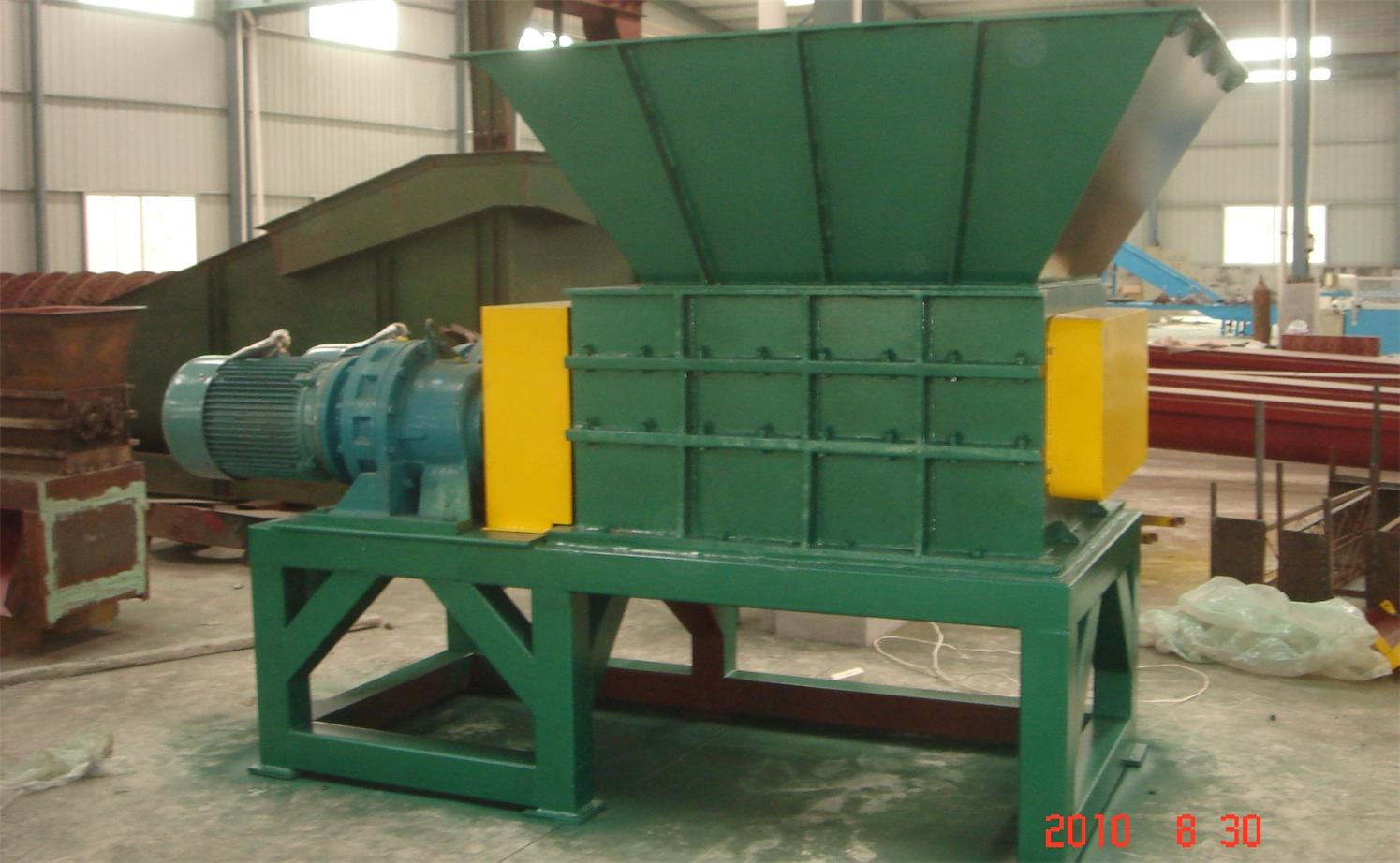
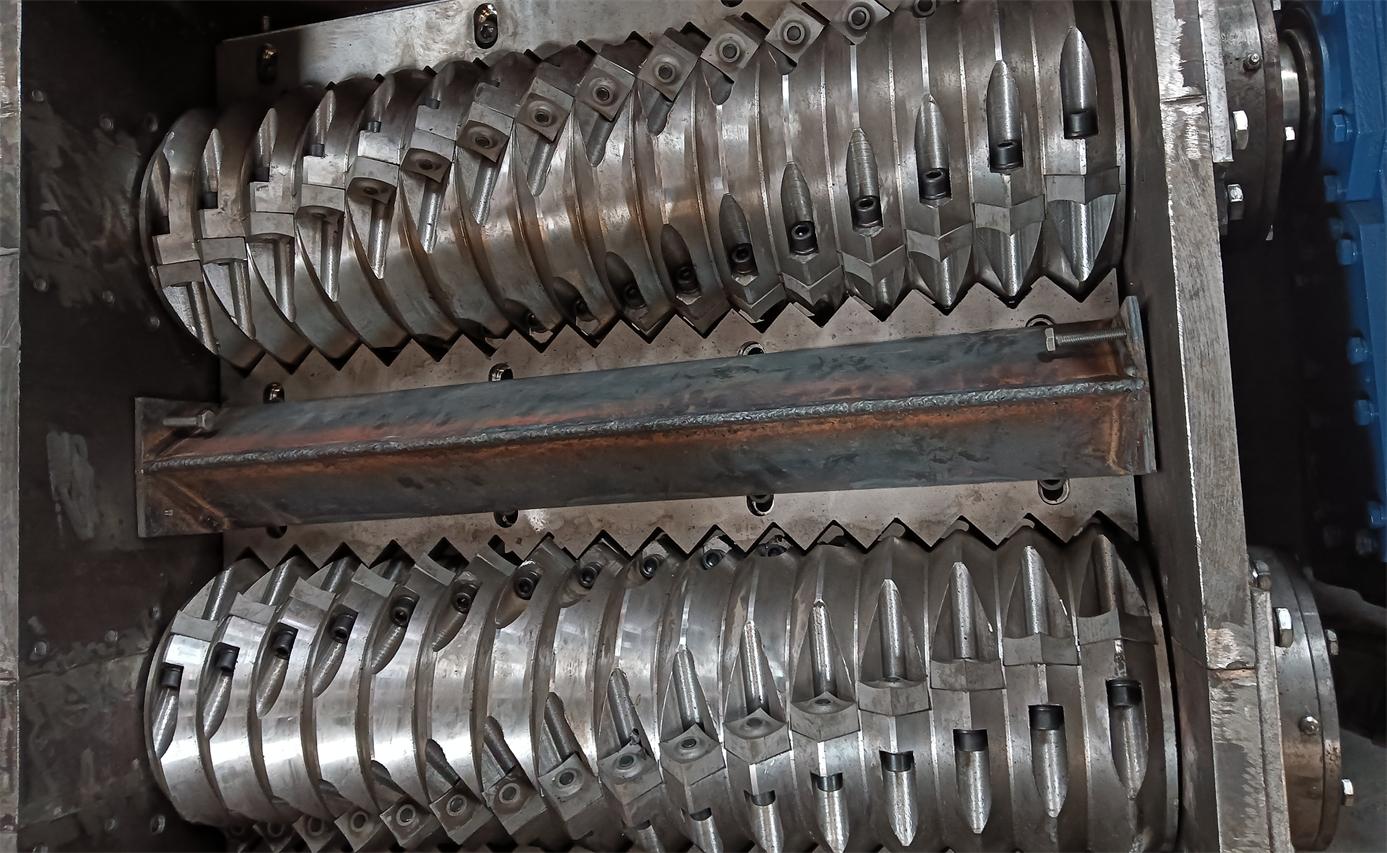
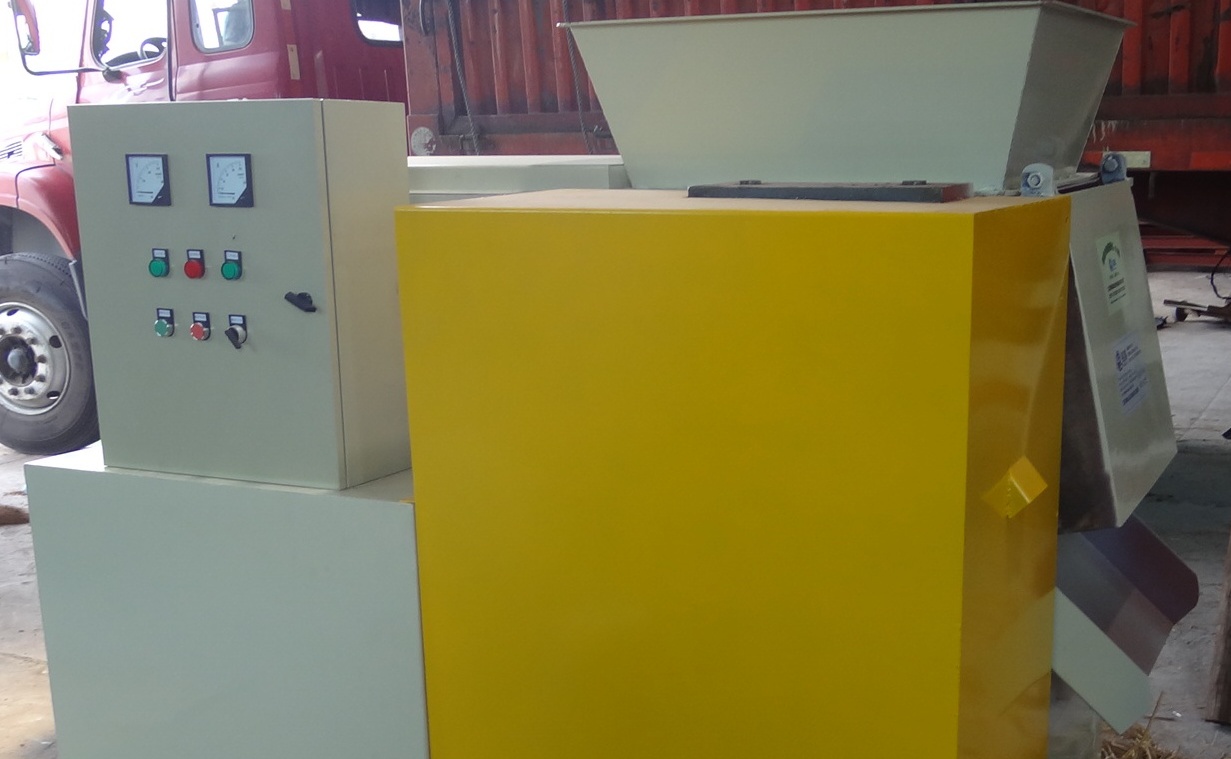
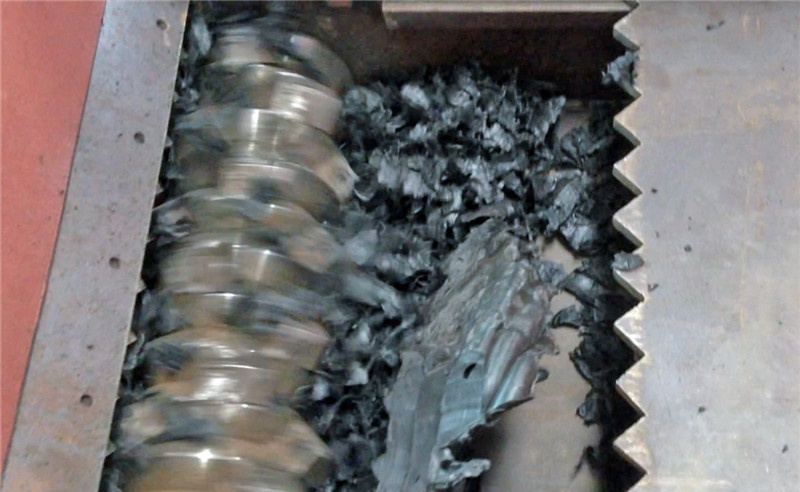
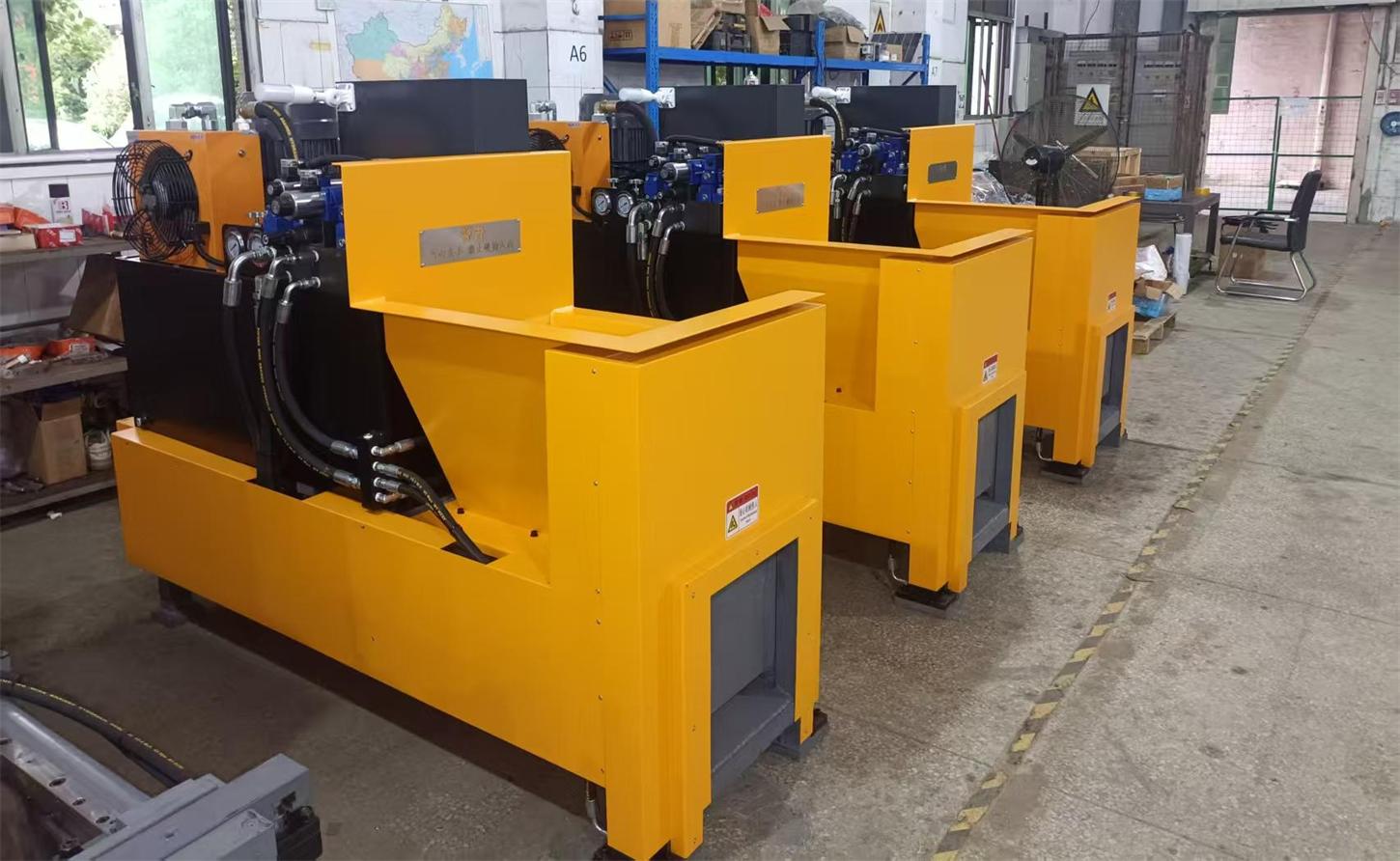
This is where we extract the precious metal-coated ceramic honeycomb from its steel shell. Specialized equipment like catalytic converter shearing machines are invaluable here. Here's why:
- Precision blades make clean cuts through tough steel casings
- Integrated dust collection systems capture all PGM particles - those specks are worth money!
- Proper equipment significantly reduces labor costs and injury risks
The goal? Remove the honeycomb core without shattering it into worthless dust. Professional decanning preserves the value.
-
Crushing & Screening
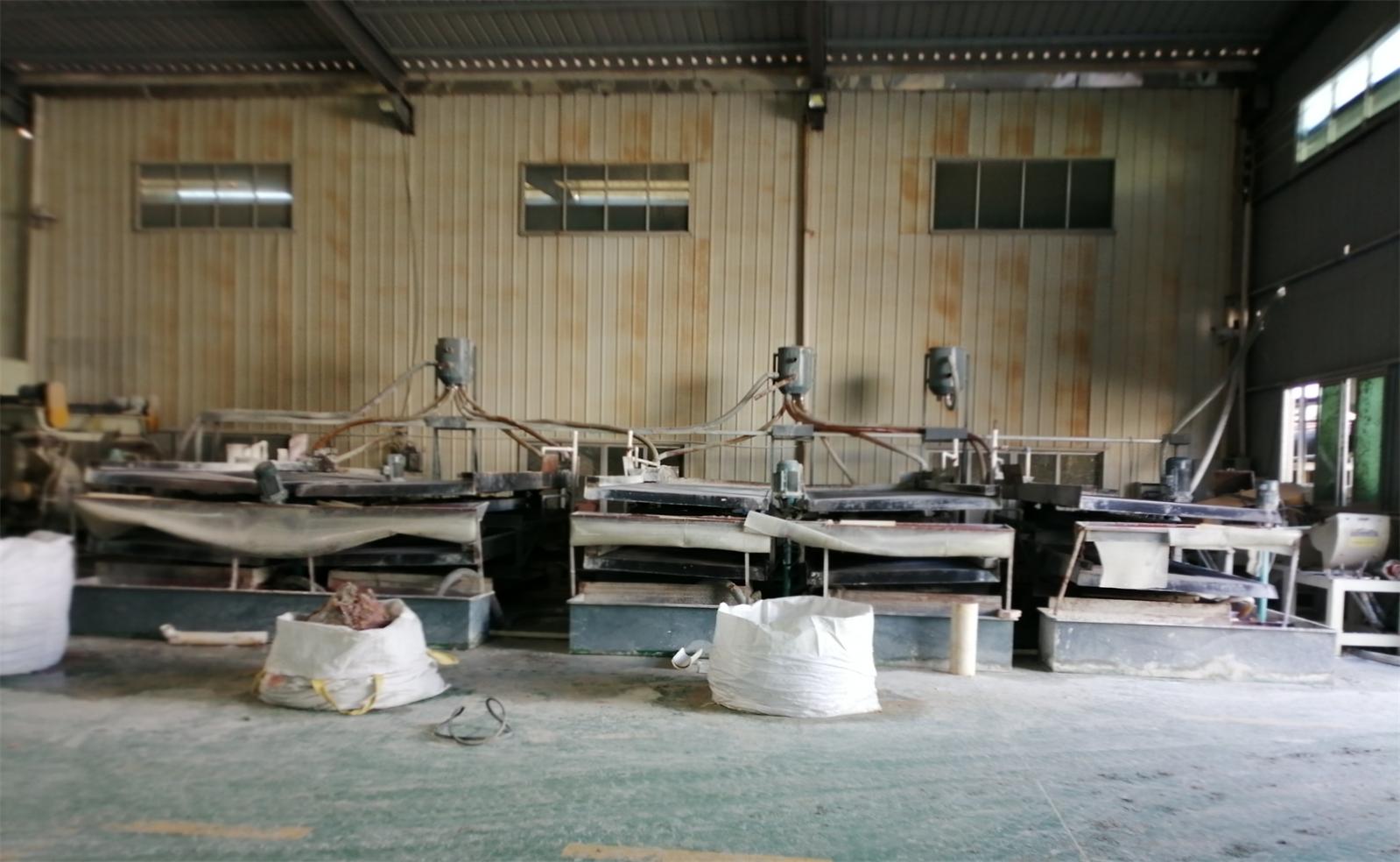
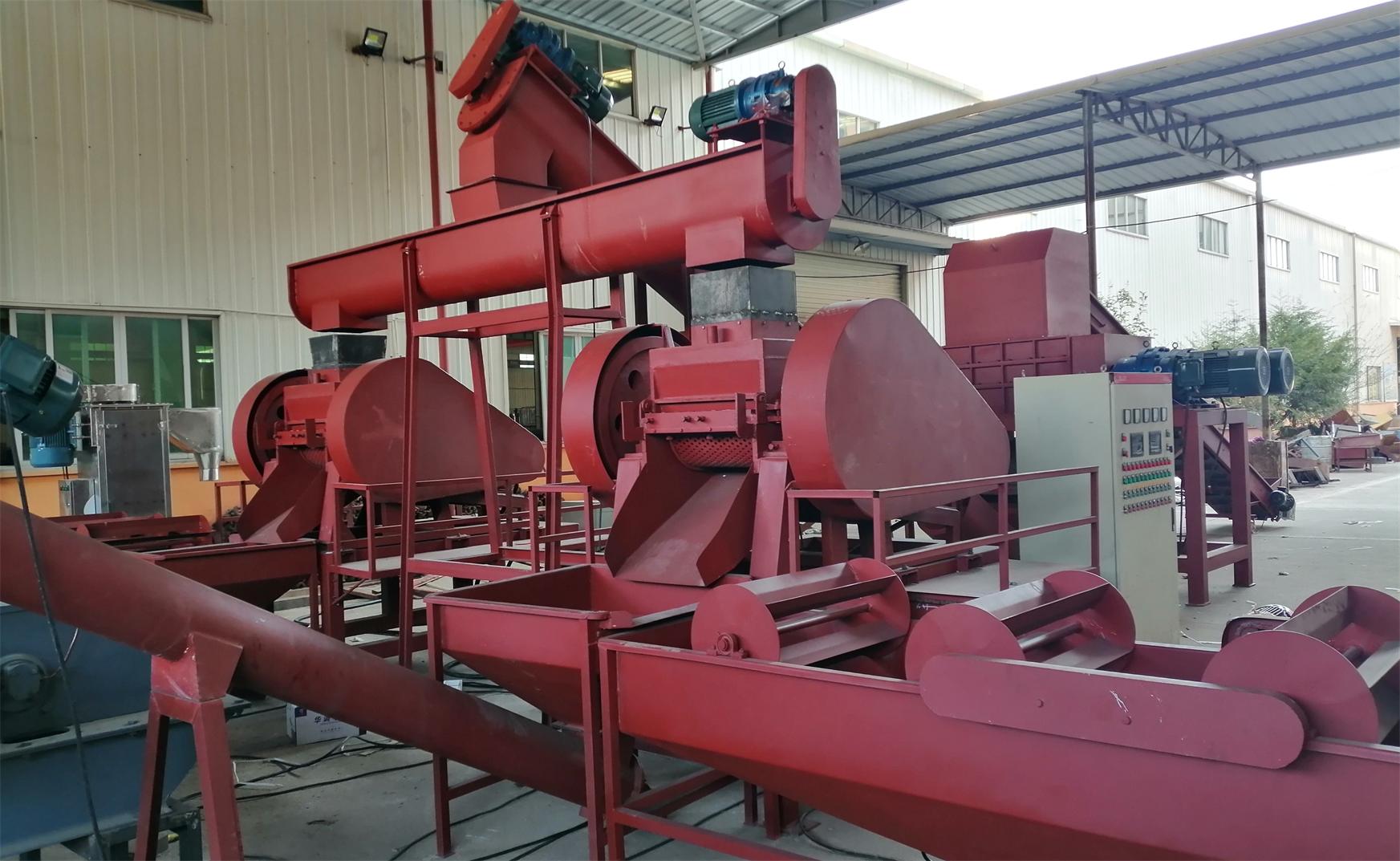
Now we transform those ceramic blocks into powder form to prepare for metal extraction. The key objectives:
- Granulate ceramic cores into ultra-fine powder to maximize surface area for chemical processing
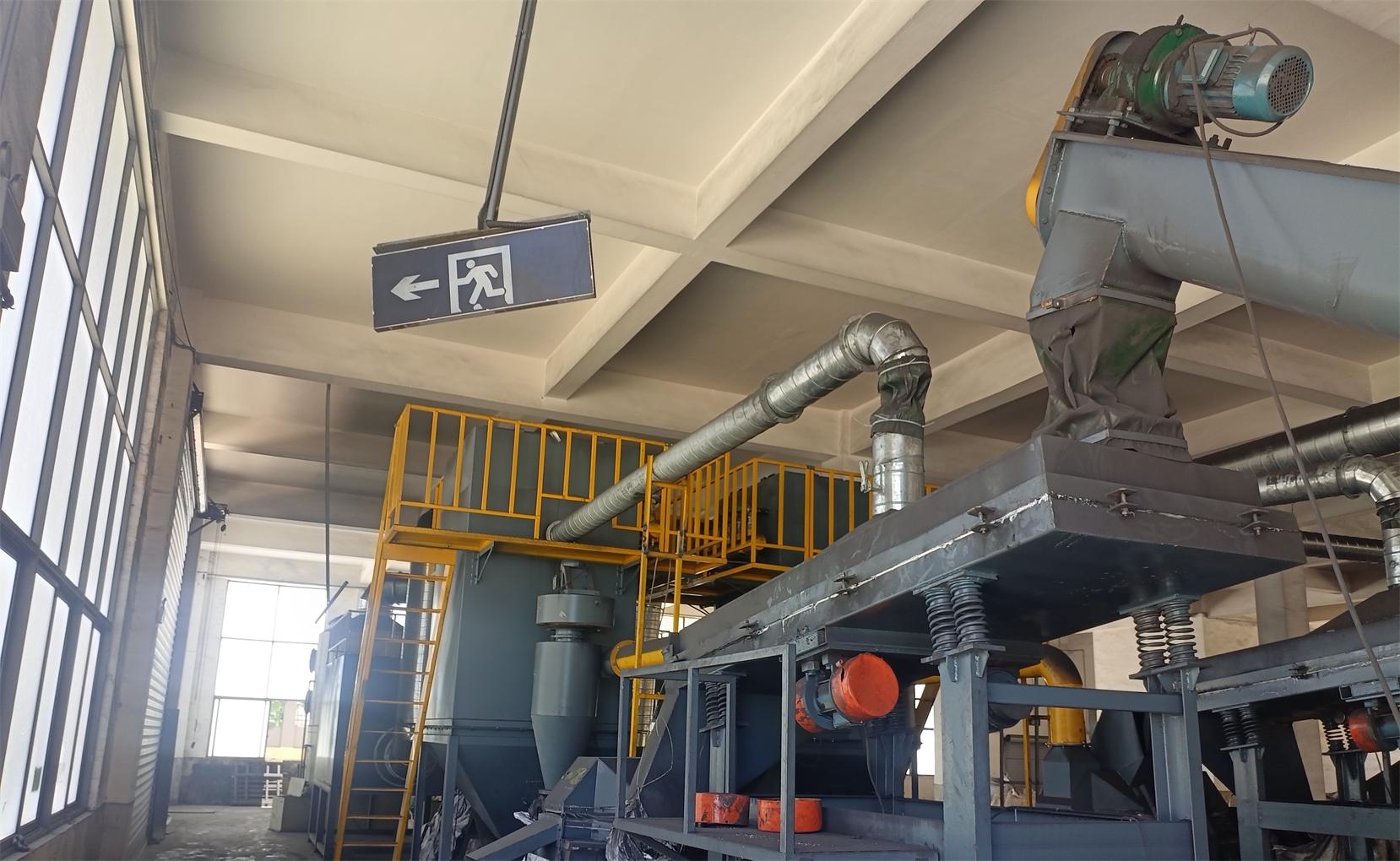
- Sift out contaminants like insulating mats, metal fragments, and rust
- Collect pure high-concentration PGM powder - the valuable raw material for final extraction
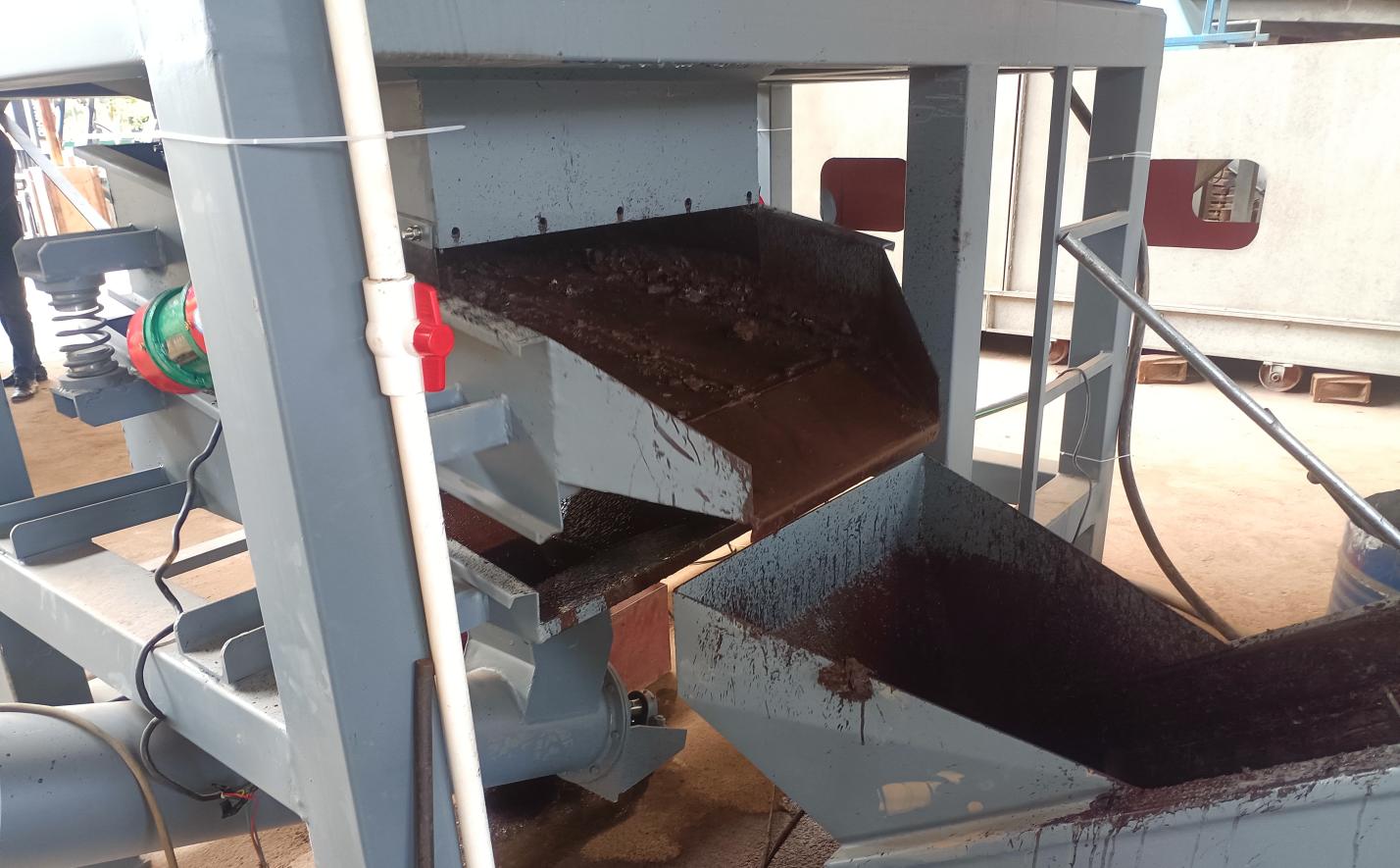
Modern equipment uses vibration screens and magnetic separation to ensure purity levels over 98% - that concentrated powder is what refineries want.
-
Smelting: High-Tech Treasure Hunting
Here's where science meets practicality. The PGM-enriched powder is mixed with what's called a "collector metal" (typically copper or iron). This mixture then enters high-temperature furnaces:
- The PGMs dissolve into the molten collector metal forming a valuable alloy
- Impurities form a glassy waste layer called "slag" that gets separated and discarded
- The resulting metal alloy contains concentrated precious metals ready for final refining
The magic number? Furnaces reach temperatures exceeding 1,500°C - hotter than volcanic lava! This intense heat completely separates precious from worthless.
-
Chemical Refining: The Final Frontier
The final stage requires sophisticated chemistry that's typically done by specialized refineries. They use processes like:
- Acid leaching to dissolve precious metals into solution
- Electrolysis to precipitate pure metals from chemical solutions
- Successive purifications to achieve up to 99.99% pure platinum, palladium, and rhodium
The end result? Precious metals that meet strict international trading standards, ready for industrial reuse or investment markets. That urban mining journey comes full circle!
Important Note: This entire process - especially steps 5 and 6 - involves significant safety and environmental regulations. Unless you have industrial-scale facilities, most converters should be sold to licensed processors or refineries. Attempting complex chemical extraction without proper expertise, equipment, and permits is dangerous and potentially illegal.
Real-World Recycling: Practical Knowledge for Profit
Who's Really Getting Paid?
Where the money flows in the catalytic converter chain:
- Scrap Yards & Auto Dismantlers: Usually sell entire converters to specialty buyers or processors
- Recycling Processors: Purchase converters, often process through decanning and powder production
- PGM Refineries: Handle the chemical extraction and purification to investment-grade metals
As a scrapping novice, your best bet is developing relationships with reputable buyers who provide transparent pricing based on converter identification. Established recycling centers often provide price lists per converter model you can reference.
For business owners, investing in equipment like catalytic converter processing machines offers higher margins through vertical integration.
Top-Tier Converters: What to Look For
Want to maximize your per-piece value? Keep an eye out for these high-value targets:
| Vehicle Type | Converter Value Range | Why It's Valuable |
|---|---|---|
| Toyota Prius | $400 - $1,400 | Highest rhodium concentration in production vehicles |
| Ford F-Series (250+) | $300 - $900 | Larger size means more PGMs overall |
| Dodge Ram | $350 - $800 | OEM converters with high palladium content |
| Mercedes-Benz | $300 - $700 | Premium brands use thicker catalyst coatings |
| Land Rover | $250 - $500 | Platinum-rich formulations in newer models |
| Honda Accord | $150 - $450 | Consistently decent PGM recovery rates |
A word to the wise: Be cautious with aftermarket or "universal" converters. Many contain lower concentrations or different PGM mixes. Always check serial numbers for identification when possible.
Avoiding Recycling Pitfalls
Even with all this opportunity, there are definitely traps to avoid:
- Unlicensed or Uninsured Buyers: They may disappear with your material and never pay
- Unclear Pricing Formulas: Reputable buyers provide transparent pricing based on identifiable converters
- Ignoring Local Regulations: Many jurisdictions require licenses for catalytic converter transactions due to theft concerns
- Misclassification: Selling high-value converters at "mixed cat" pricing costs big money
- Self-Processing Without Expertise: Attempting chemical extraction without proper safety protocols invites disaster
Your best approach? Work with established recycling businesses who have clear reputations, proper licenses, and documented processing chains. They may not pay top market price, but consistency and reliability matter for regular operations.
The Economic and Environmental Impact by the Numbers
Meaning almost half of valuable converters still get landfilled!
Catalytic converters typically last about 100,000 miles
Creating a complex identification market
Recycling PGMs saves vast amounts of energy versus mining
Catalytic Converter FAQ: Your Burning Questions Answered
-
Can I recycle my old catalytic converter?
Absolutely! Any catalytic converter has value regardless of age. Older units typically yield between $50-$150, while newer ones or those from certain vehicles can be worth substantially more.
-
How do I find a reputable buyer?
Start with your local scrap yard - many now specialize in catalytic converters. Look for businesses that list specific buying prices online based on converter serial numbers. National chains like Rockaway Recycling provide price lists showing exactly what they pay for thousands of models.
-
What makes some converters more valuable than others?
Value depends on the concentration of platinum, palladium, and rhodium. Large trucks generally have more material, while certain models like the Toyota Prius have higher concentrations of valuable rhodium. OEM converters are typically more valuable than aftermarket replacements.
-
Is catalytic converter recycling environmentally beneficial?
Definitely. Recycling conserves limited natural resources (no new mining required), prevents landfill contamination from heavy metals, and reduces the enormous energy footprint of mining operations. It's textbook responsible resource management.
-
Can individuals start recycling catalytic converters as a business?
It's possible but requires careful consideration. You'll need licensing in most jurisdictions due to theft concerns. Handling requires safety precautions. Starting requires finding reliable suppliers (junkyards, repair shops) and developing relationships with legitimate processors or refineries. Most individuals find selling their converters to established buyers the practical approach.
From Tailpipe to Treasure Chest
The next time you see that metallic canister beneath a car, I hope you'll see beyond the rusty exterior. Inside each catalytic converter lies a tiny trove of precious metals that are fundamentally changing how we think about recycling. What our society once considered mere automotive trash has transformed into one of the most valuable urban mining opportunities on the planet.
Recycling catalytic converters creates a beautiful convergence of interests - environmentalists see reduced mining impact and pollution prevention, economists see efficient resource reuse, entrepreneurs see business opportunities, and communities see theft prevention through regulated markets. It demonstrates how smart recycling can turn the waste stream into a resource stream.
Whether you're cleaning out your garage, running an auto shop, or operating a scrapyard, you now know how to unlock value from what others overlook. So don't let that exhaust system component become landfill - reclaim its precious metals and give it new life. That's the true alchemy of turning scrap into gold!