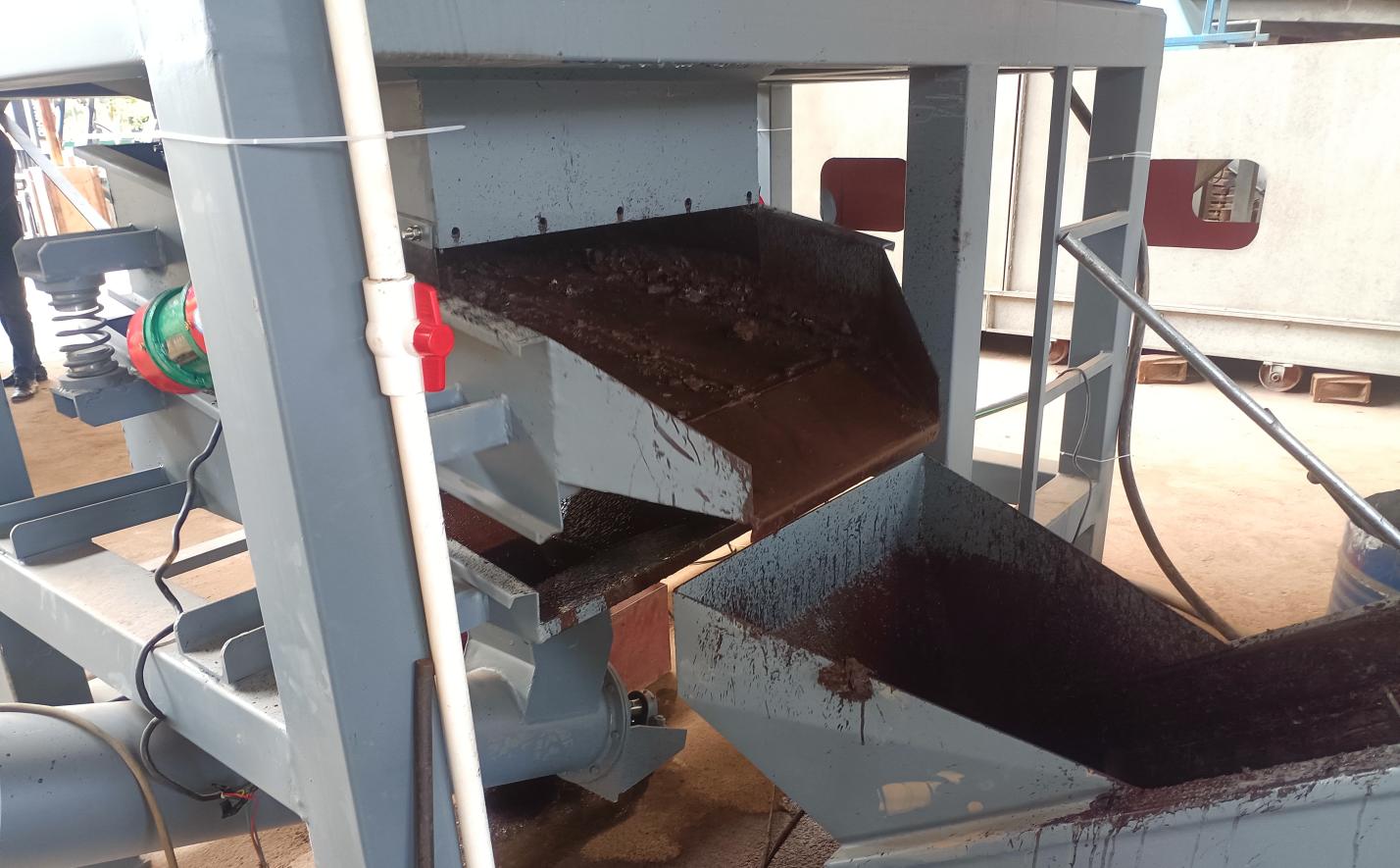
The global surge in electronic waste presents both an environmental challenge and a remarkable business opportunity. With the right recycling equipment, businesses can transform discarded batteries, cables, and circuit boards into valuable raw materials while building a sustainable revenue stream.
Why Industrial E-Waste Recycling Matters Now
Electronic waste is one of the fastest-growing waste streams worldwide. Used lead acid batteries, spent lithium-ion cells, obsolete circuit boards, and scrap cables contain significant amounts of recoverable metals including copper, lead, aluminum, nickel, cobalt, and even precious metals. Rather than letting these resources end up in landfills, modern recycling equipment enables businesses to extract these materials efficiently and profitably.
Industrial-scale recycling is fundamentally different from small-scale collection. It requires specialized machinery designed for high throughput, consistent recovery rates, and environmental compliance. Choosing the right equipment partner can mean the difference between a profitable operation and a costly experiment.
Lead Acid Battery Recycling: A High-Volume Opportunity
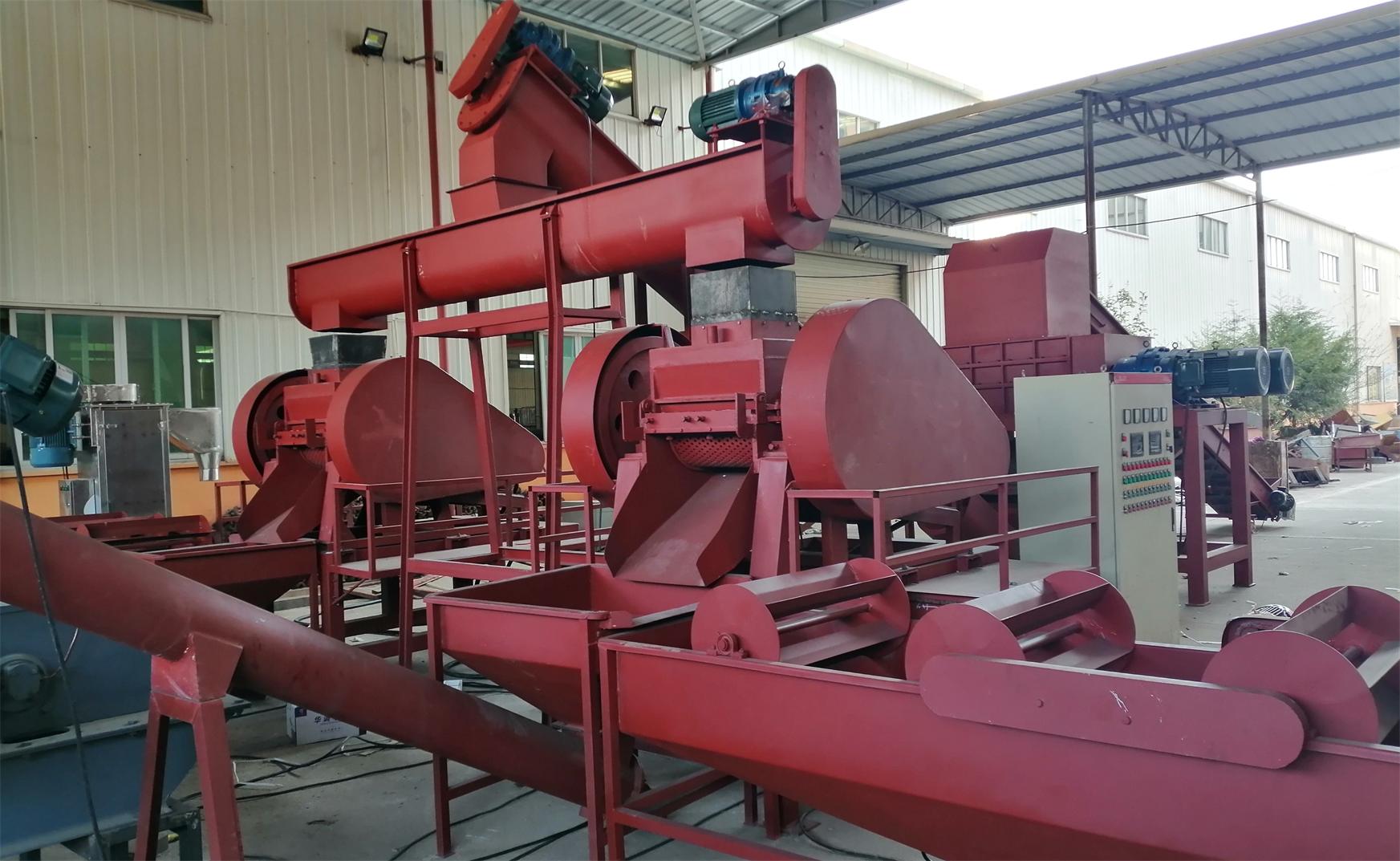
Lead acid batteries remain one of the most recycled products globally. A complete lead acid battery recycling equipment line typically includes battery breaking and separation systems, de-sulfurization units, rotary furnaces for paste reduction, blast furnaces, lead refinery kettle furnaces, filter presses, water treatment plants, and air pollution control systems.
Advanced breaking and separating plants can process 1 to 10 metric tons per hour, separating batteries into four distinct outputs: lead grid, lead paste, PVC/PP plastic, and hard rubber. With lead recovery rates reaching 95% and refining capabilities producing 99.999% pure lead, modern plants deliver both environmental benefits and strong financial returns.
Lithium Battery Recycling: Capturing the Energy Transition
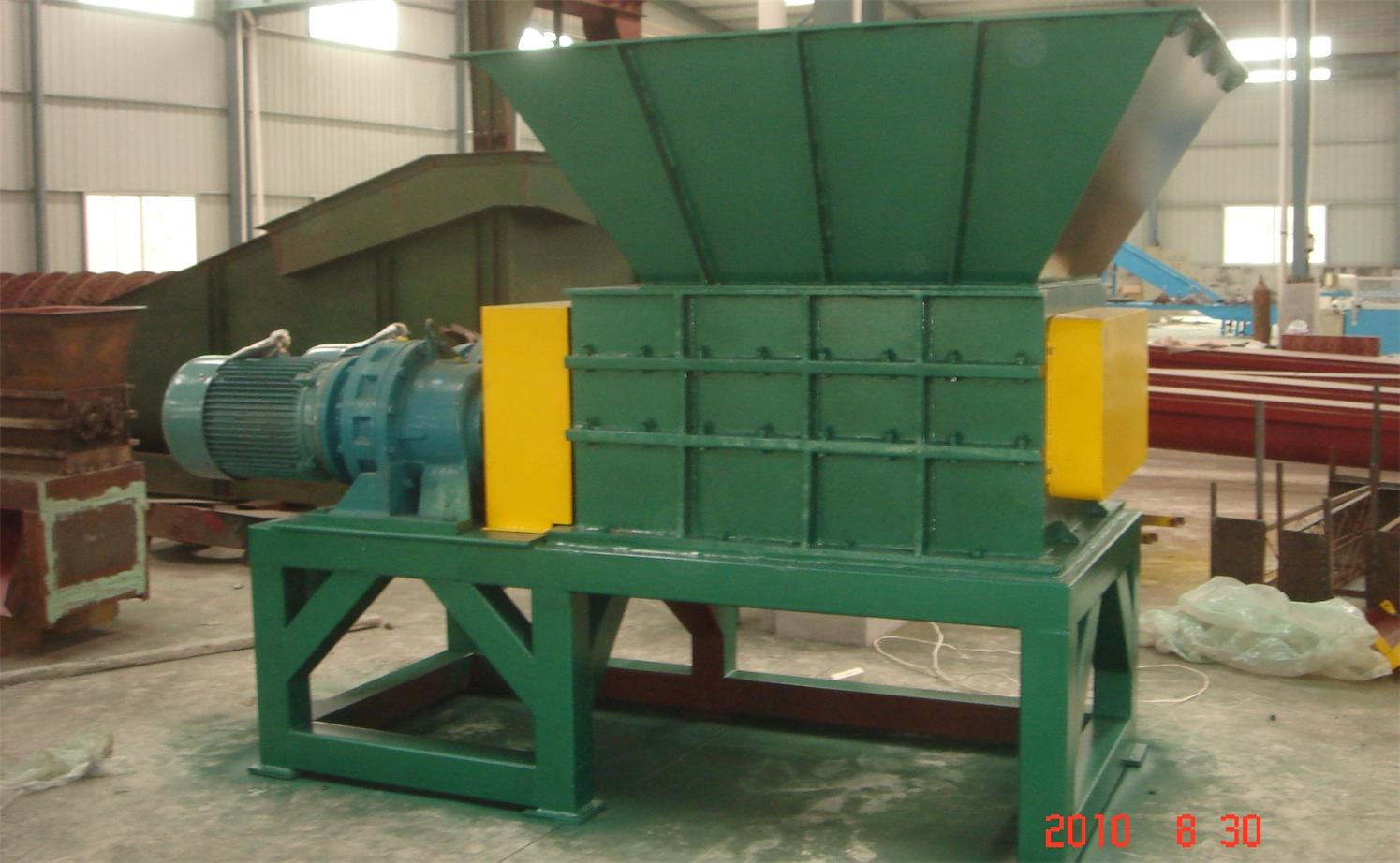
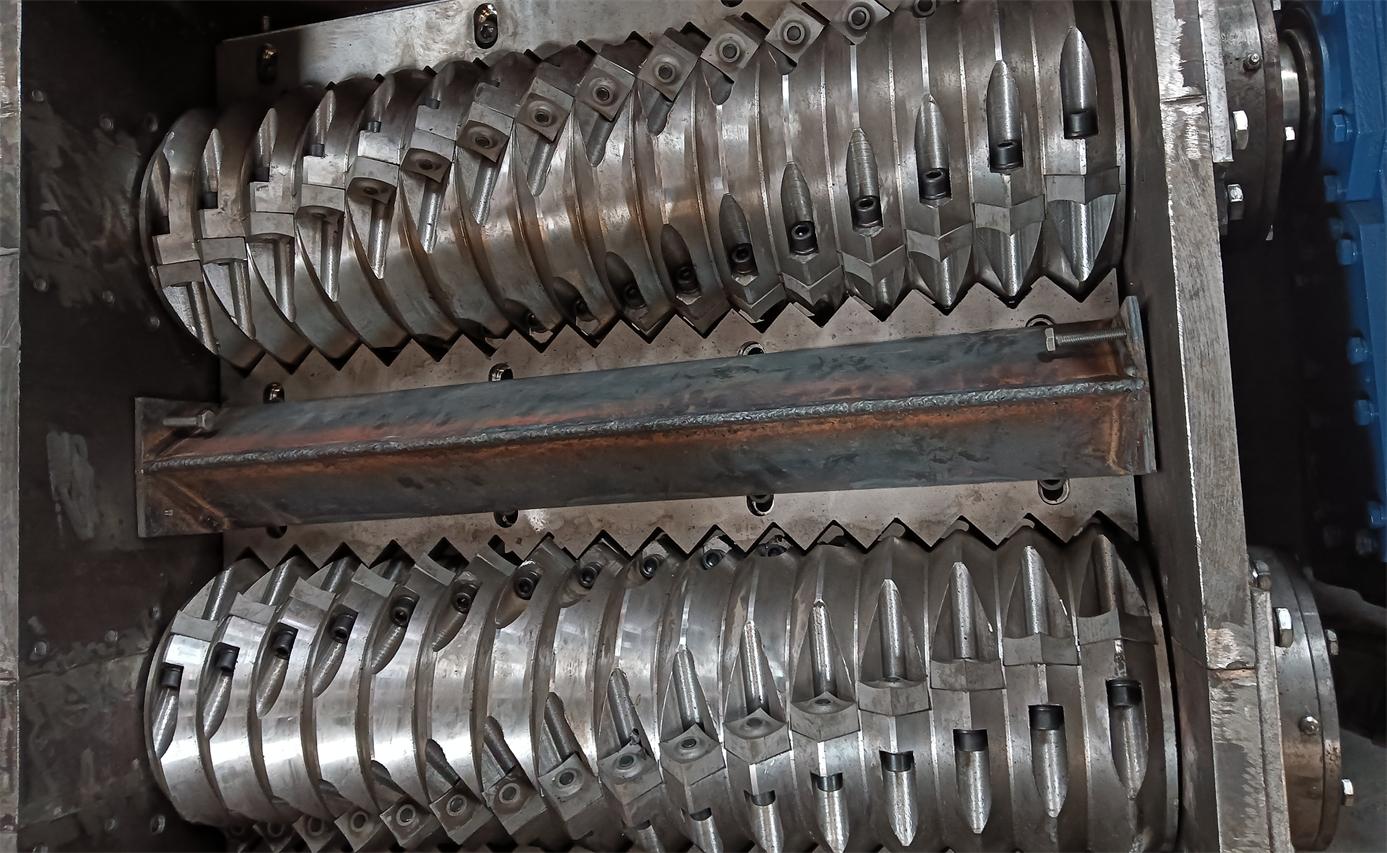
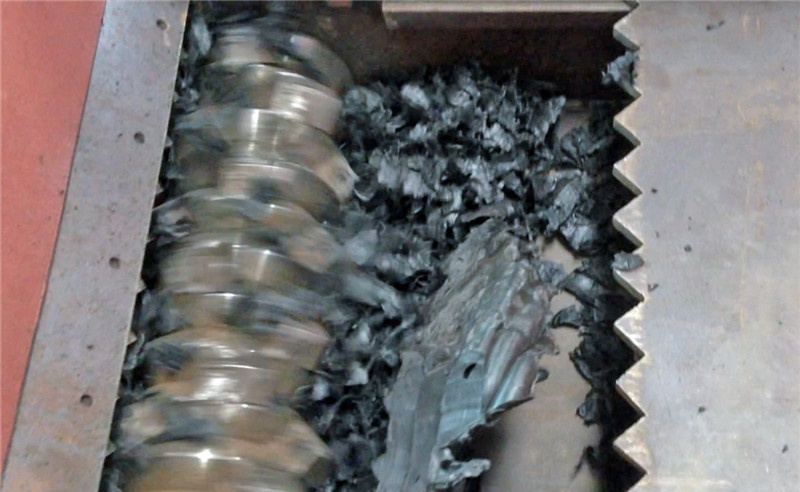
As electric vehicles and energy storage systems proliferate, the demand for lithium battery recycling plant solutions is accelerating. A complete lithium battery recycling line handles discharging, pre-crushing, secondary granulation, black powder separation, and magnetic separation of iron and steel.
Capacity typically ranges from 500 to 2,500 kg per hour. The process recovers black mass containing nickel, cobalt, and graphite, along with separated plastic, copper, and aluminum. Given the strategic value of battery metals, investing in lithium recycling capacity today positions operators for long-term growth.
Cable Recycling: Turning Wire Scrap into Copper Rice
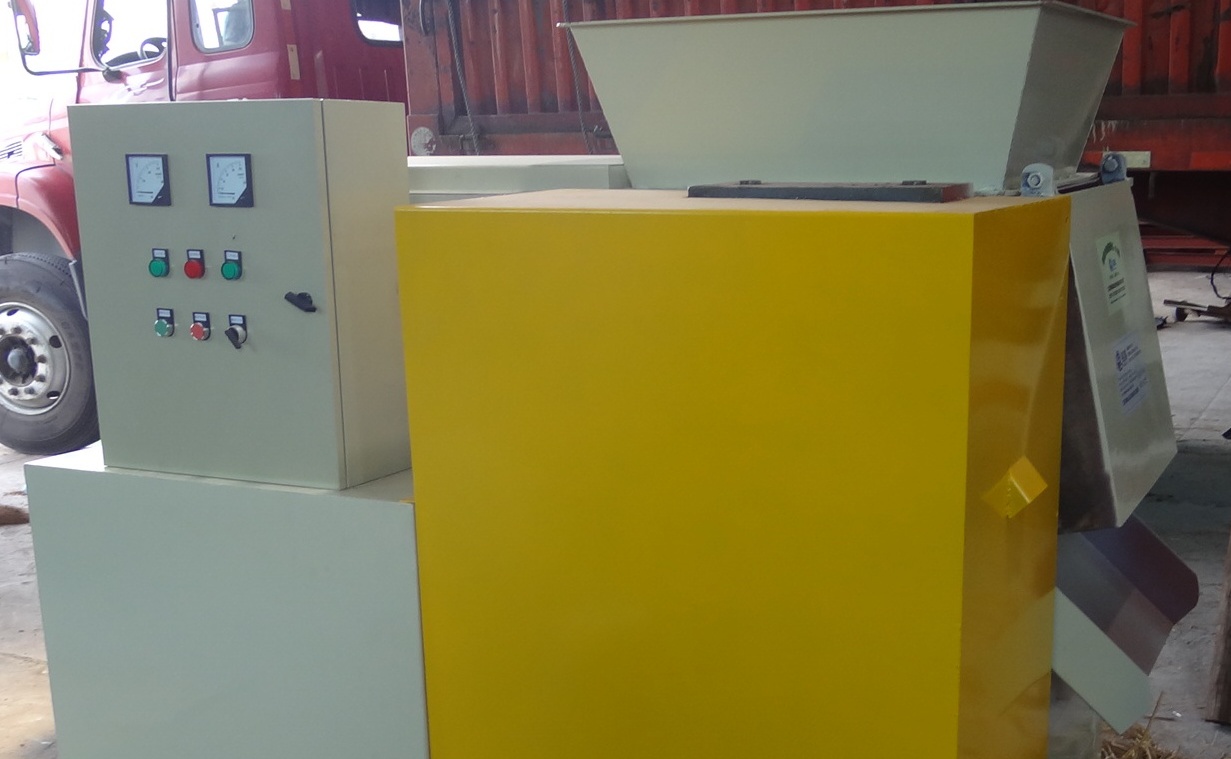
Scrap cables represent one of the most accessible entry points into the recycling business. Cable recycling equipment includes scrap cable strippers for large-diameter wires and cable granulators with dry or wet separators for smaller cables.
Modern cable granulators achieve high purity copper and aluminum separation from plastic insulation. Whether processing jelly-filled cables or standard copper wire, the right combination of stripping machines and granulators ensures maximum metal recovery with minimal waste.
Circuit Board Recycling: Recovering Precious Metals
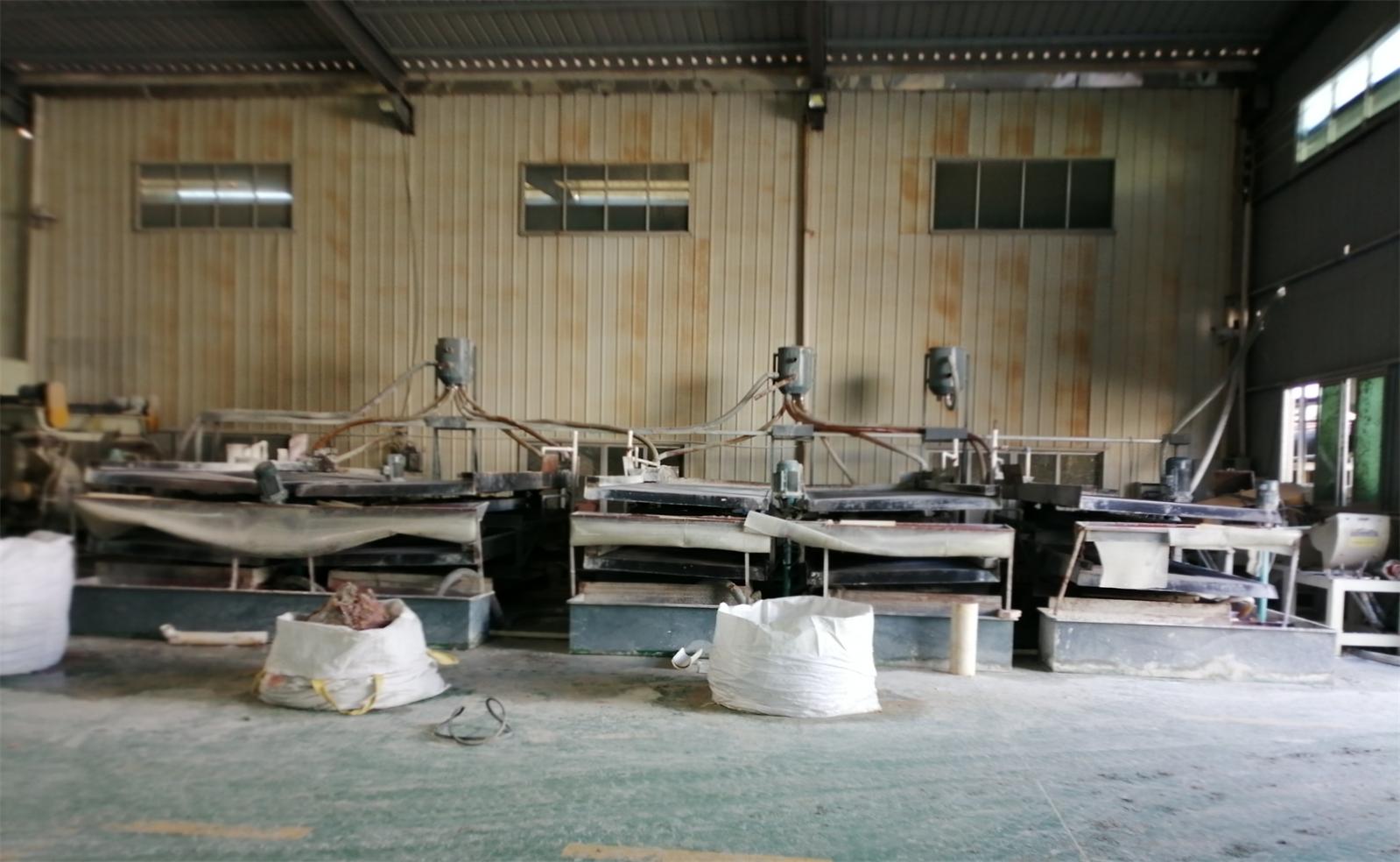
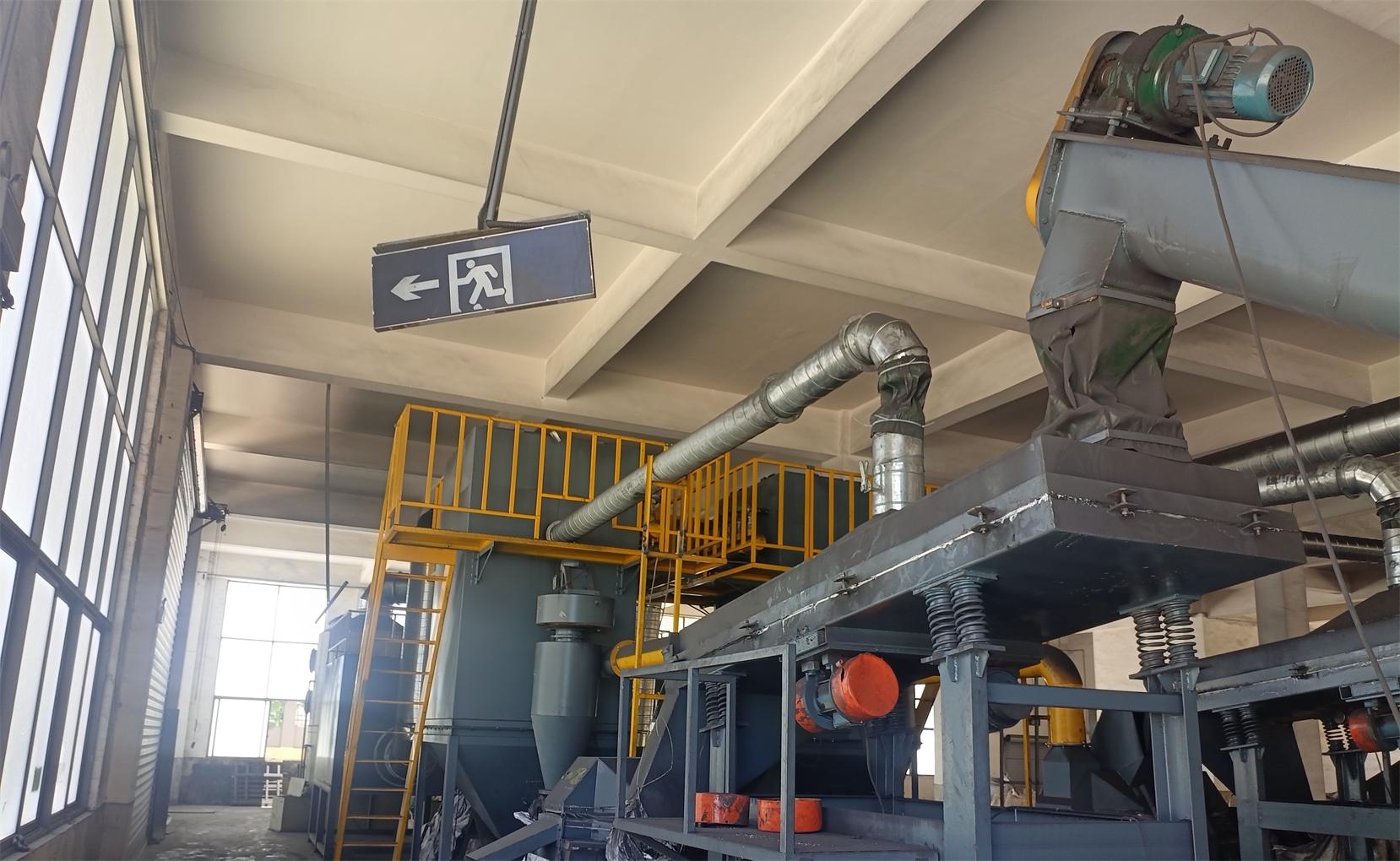
Printed circuit boards contain copper, gold, silver, and other valuable materials. Circuit board recycling equipment uses either dry separation with air classifiers and electrostatic separators, or wet separation with water metal separators.
Advanced plants handle 300 to 2,000 kg per hour with copper powder purity reaching 96% to 98%. The choice between dry and wet process depends on local environmental regulations, feedstock characteristics, and target capacity. Either way, modern systems capture valuable metals that would otherwise be lost.
What to Look for in a Recycling Equipment Supplier
Selecting a supplier is as important as selecting the equipment itself. Look for manufacturers with proven experience in engineering, procurement, and construction (EPC) projects. A supplier that offers customized design, installation, commissioning, and after-sales support reduces project risk significantly.
Key Supplier Capabilities to Evaluate:
- Technical team with deep mechanical engineering expertise and field experience
- Track record of successful plant deployments across multiple countries
- Ability to source waste materials and help sell recovered products
- Environmental compliance systems including air pollution control and water treatment
- Willingness to provide turnkey solutions from design to commissioning
Beyond Equipment: Value-Added Partnership
The best recycling equipment suppliers do more than manufacture machines. They act as strategic partners who understand the full business cycle. This includes helping customers procure waste feedstock such as cable scrap, PCB scrap, and used lead acid batteries, as well as assisting in the sale of recovered products like copper rice, copper powder, and lead ingots.
Some suppliers also connect clients with investors and partners for recycling plant construction, turning a simple equipment purchase into a comprehensive business development opportunity. This level of support is especially valuable for entrepreneurs entering the recycling industry for the first time.
Conclusion
Industrial e-waste recycling is no longer a niche activity reserved for specialized operators. With mature technology, proven equipment designs, and strong market demand for recovered metals, it has become a viable and profitable business venture. Whether your focus is lead acid batteries, lithium cells, scrap cables, or circuit boards, investing in the right recycling equipment positions your operation for long-term success.
Ready to start or expand your recycling operation? San Lan Technologies Co., Ltd has been manufacturing WEEE recycling machines and mining equipment since 2007. With customers in over 21 countries and a full range of solutions from single machines to complete turnkey plants, we provide the equipment and expertise you need to turn scrap into profit. Contact us today to discuss your project requirements.