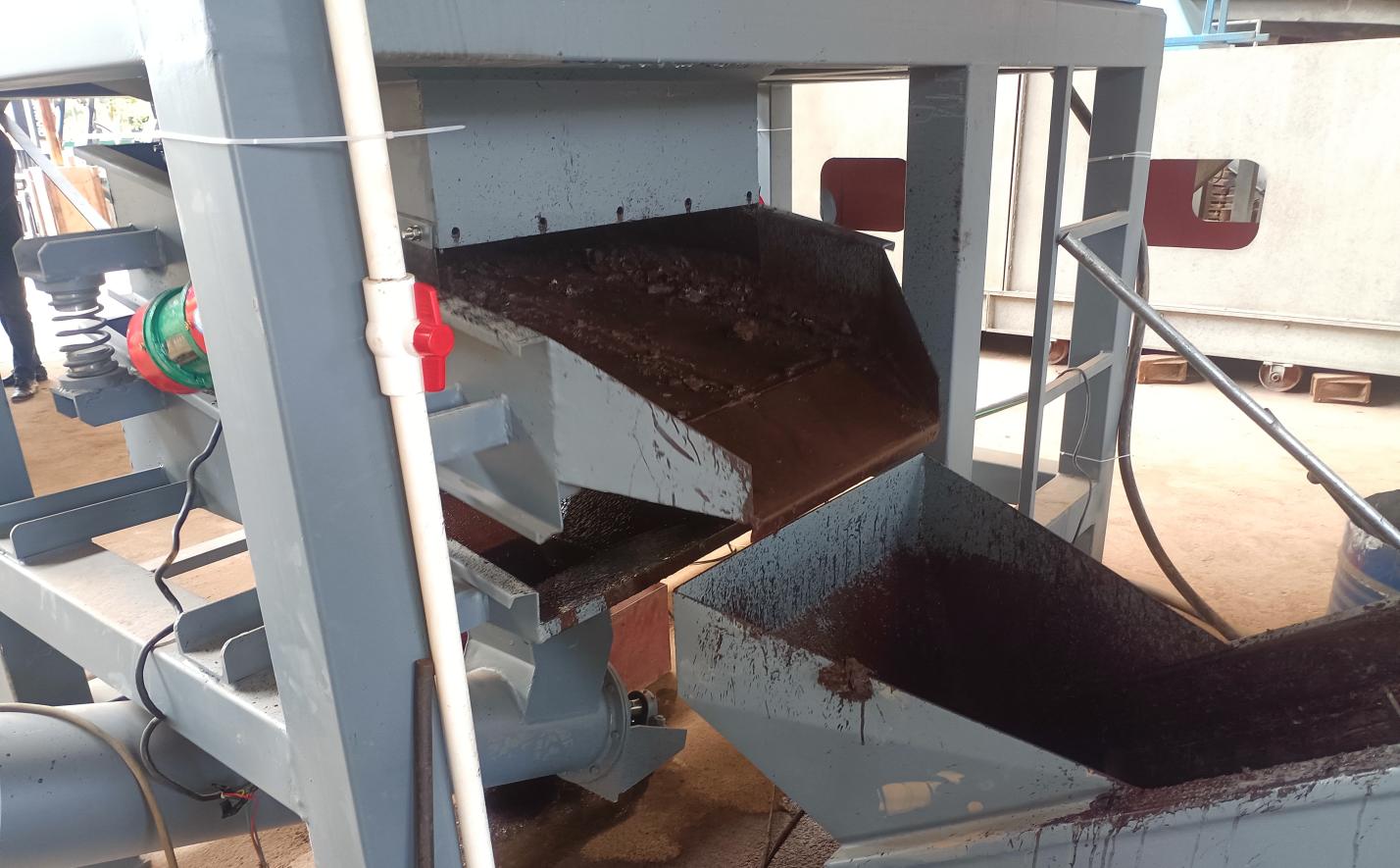
Every year, more than 60 million metric tonnes of electronic waste are generated worldwide, and only a fraction is properly recycled. For entrepreneurs and investors paying attention, this is not just an environmental crisis—it is a business opportunity hiding in plain sight. The global push for circular economies, stricter environmental regulations, and rising raw material costs have created strong demand for professional recycling equipment capable of recovering valuable metals and components from discarded electronics.
Setting up an e-waste recycling plant is not simply about buying a few machines and waiting for scrap to arrive. It requires understanding the materials you will process, choosing the right technology for each waste stream, and partnering with a supplier who can support you beyond the initial sale. This guide walks through the key considerations for investing in e-waste recycling equipment and building an operation that is both profitable and compliant.
Why E-Waste Recycling Is a Growth Market
The business case for e-waste recycling rests on two solid foundations. First, environmental regulations across major markets are tightening. Extended Producer Responsibility laws now require manufacturers to account for the end-of-life management of their products, which increases demand for certified recycling services. Second, the concentration of valuable materials in electronic devices—copper, gold, silver, lithium, cobalt, and rare earth elements—makes mechanical and metallurgical recovery economically viable when the right equipment is used.
A well-designed recycling plant can recover copper from cable scrap at purity levels above 96 percent, extract lead from used batteries with recovery rates exceeding 95 percent, and separate black mass containing nickel, cobalt, and graphite from lithium-ion cells. These recovered materials feed directly back into manufacturing supply chains, reducing dependence on virgin mining and insulating recyclers from commodity price volatility.
Matching Equipment to Your Feedstock
Not all e-waste is processed the same way. A plant designed for mixed consumer electronics will require different machinery than one specializing in industrial cable scrap or end-of-life batteries. Before selecting equipment, define your primary feedstock. Here are the most common categories and the machinery typically involved:
Used Lead Acid Batteries
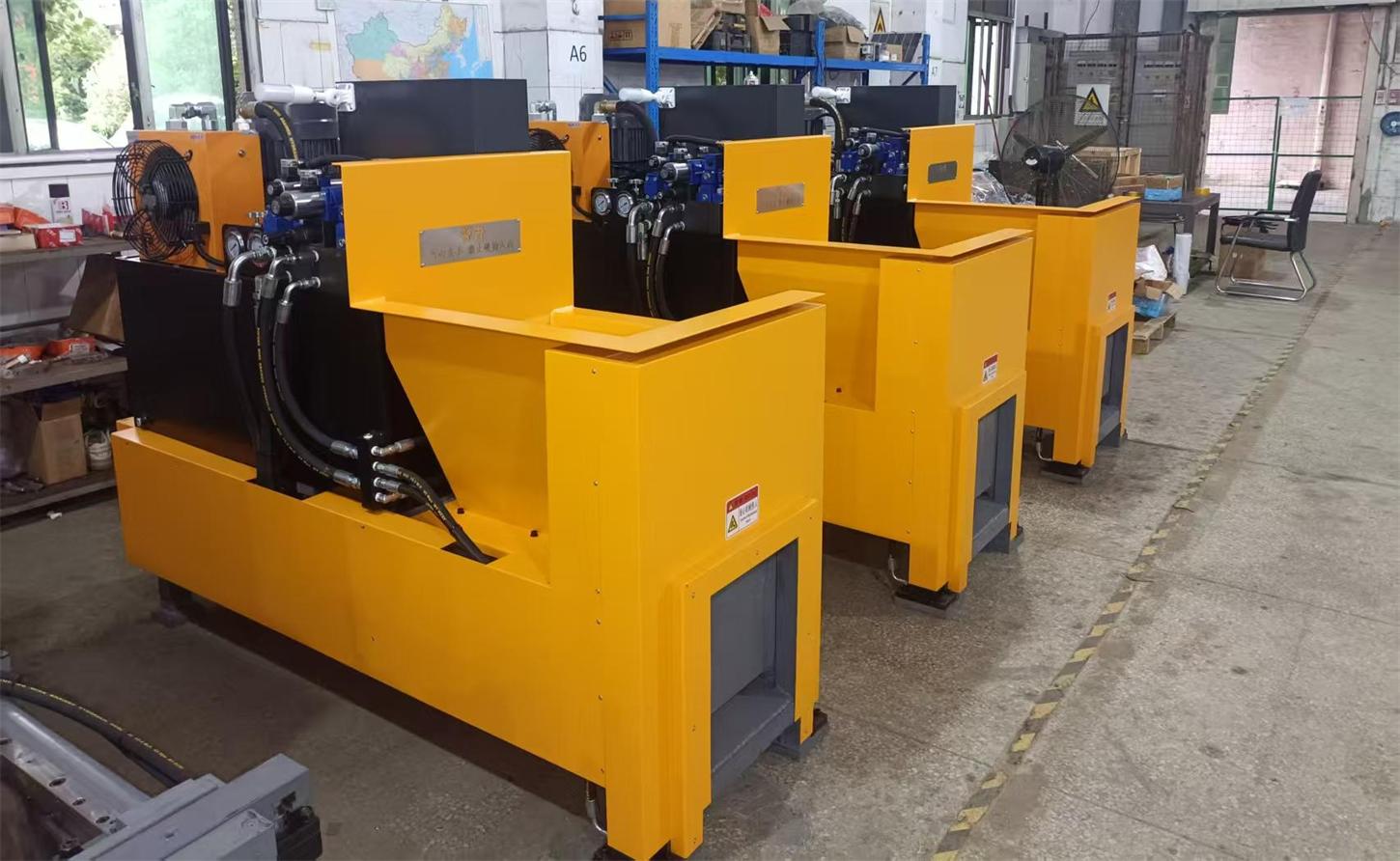
Lead acid batteries remain one of the most recycled consumer products globally, with well-established collection infrastructure. A complete lead acid battery recycling equipment line typically includes a battery cutter to safely open cells and drain acid, a breaking and separation system to isolate lead paste, lead grids, and plastic casings, followed by smelting furnaces and refining kettles to produce pure lead ingots. De-sulfurization units and air pollution control systems are essential for meeting environmental standards.
Lithium-Ion Batteries
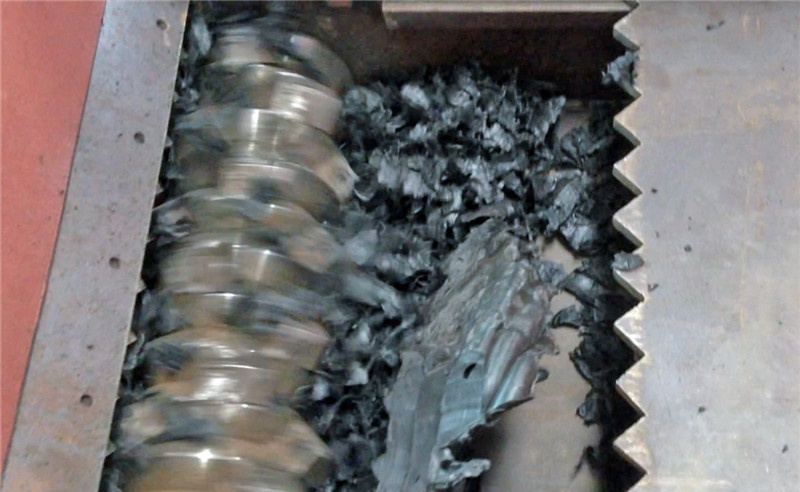
With the rapid growth of electric vehicles and portable electronics, lithium-ion battery waste is expanding faster than any other stream. Processing these batteries requires controlled discharge, pre-crushing, and secondary granulation to separate black mass from plastic separators, copper, and aluminum. A complete lithium battery recycling equipment setup also needs specialized air pollution control systems to manage the fumes generated during crushing, plus pneumatic conveying and briquetting systems to handle the light plastic films efficiently.
Cable and Wire Scrap
Copper and aluminum cable recycling is one of the more straightforward entry points into the recycling business. Cable recycling equipment ranges from manual and electric cable strippers for thick industrial wire to compact granulators with dry or wet separation systems that process mixed cable scrap automatically. The key metric is separation purity: premium granulators can achieve copper purity of 96 to 98 percent, which commands significantly higher market prices than mixed fractions.
Printed Circuit Boards
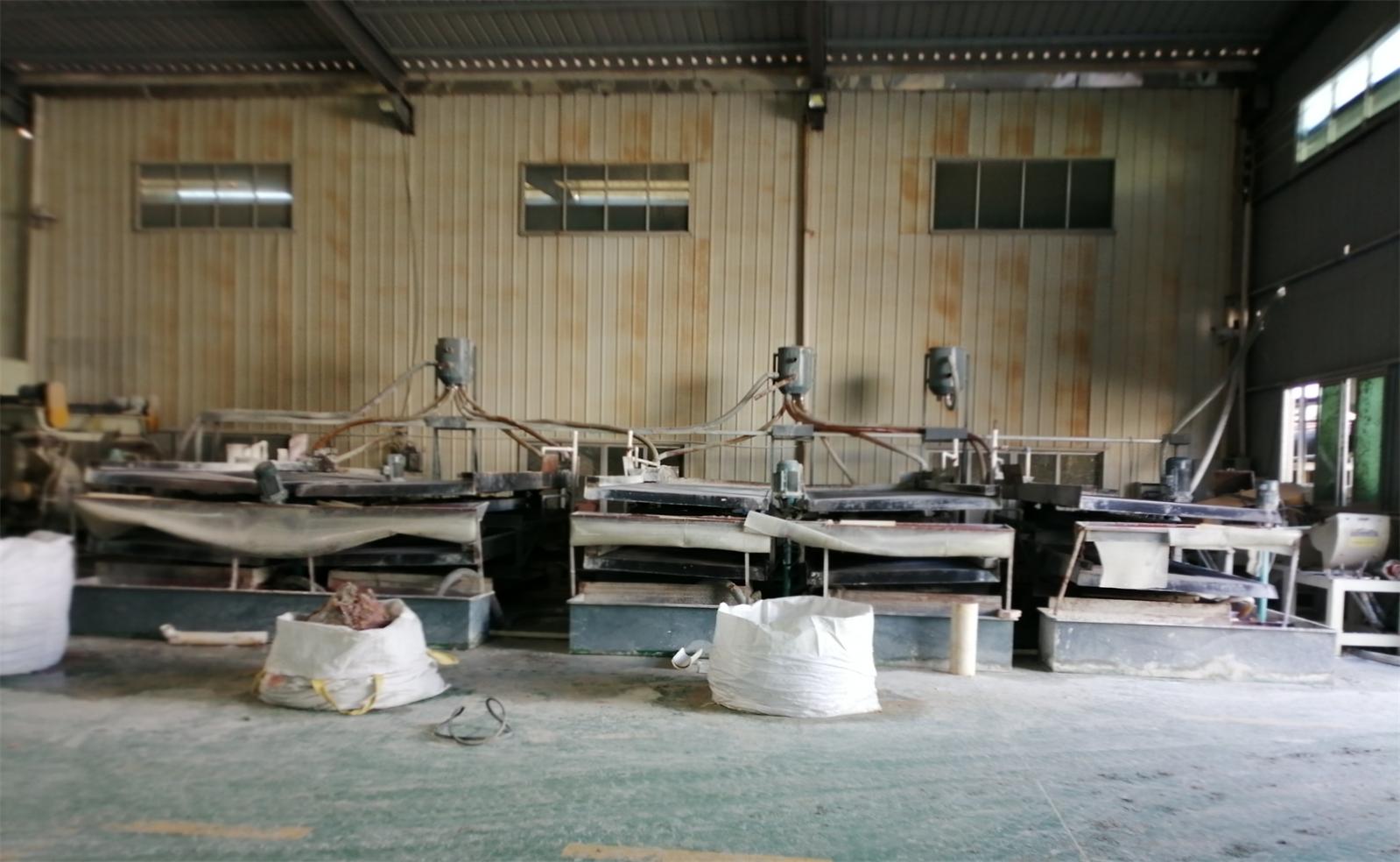
Circuit boards contain the highest concentration of precious metals in the e-waste stream, but they also present complex separation challenges. Circuit board recycling equipment uses mechanical processes—crushing, grinding, air separation, electrostatic separation, and sometimes wet separation—to isolate copper powder and precious metal concentrates. Capacity ranges from small-scale systems processing a few hundred kilograms per hour to industrial plants handling multiple tonnes daily.
What to Look for in a Recycling Equipment Supplier
The difference between a profitable recycling operation and a costly mistake often comes down to supplier selection. Price matters, but it should not be the only factor. Here are six practical criteria to evaluate before placing an order:
1. Technical Depth and Customization Capability
Every feedstock is slightly different, and every market has unique regulatory requirements. A supplier with in-house engineering expertise can customize plant layout, capacity, and auxiliary systems to match your raw material profile and local compliance framework. Ask whether the supplier has a dedicated technical team with relevant engineering backgrounds and how many years of direct experience they have in e-waste recycling machinery.
2. Complete System Integration
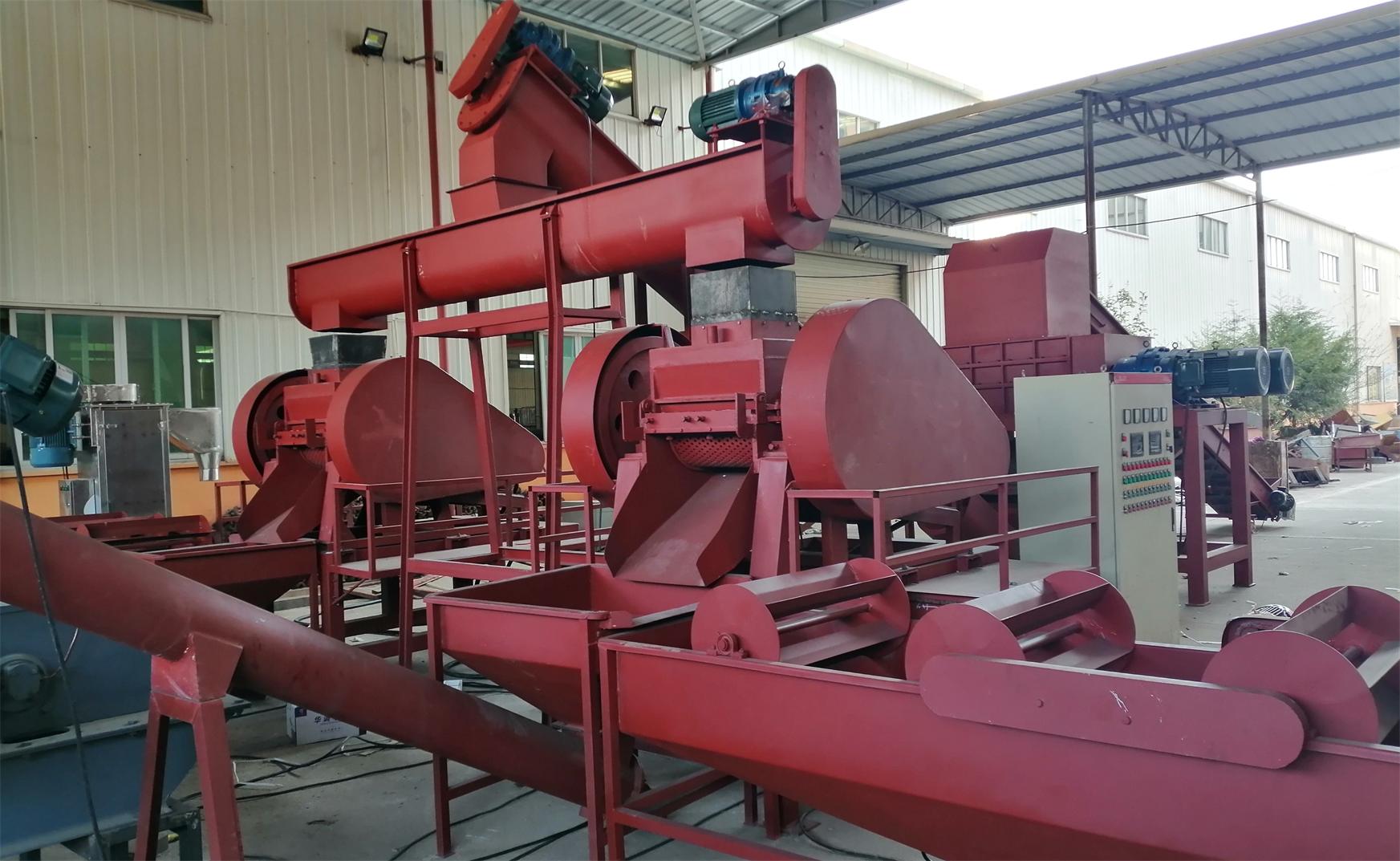
Buying individual machines from multiple sources and trying to integrate them yourself is risky. Look for suppliers who offer complete plant solutions—including shredders, separators, conveyors, dust collection, and pollution control—as a single engineered system. Integrated plants reduce installation time, minimize compatibility issues, and simplify commissioning.
3. Proven International Experience
Domestic references are useful, but international projects demonstrate a supplier's ability to navigate different electrical standards, shipping logistics, and cultural communication challenges. A supplier with installations across diverse regions—Southeast Asia, Latin America, Africa, the Middle East, and beyond—is more likely to anticipate the practical issues that arise when equipment crosses borders.
4. After-Sales Support and Spare Parts Availability
Recycling equipment operates in harsh conditions. Wear parts like blades, screens, and liners need regular replacement. Ask about spare parts lead times, whether the supplier maintains regional parts inventory, and how technical support is provided—remotely, through local partners, or with on-site visits.
5. Value-Added Services Beyond Hardware
The best suppliers act as partners, not just vendors. Some offer assistance sourcing raw materials, connecting buyers for recovered outputs like copper rice or lead ingots, and even helping identify investors or joint venture partners for plant construction. These services can accelerate your path to profitability, especially if you are entering the recycling industry for the first time.
6. Environmental Compliance Credentials
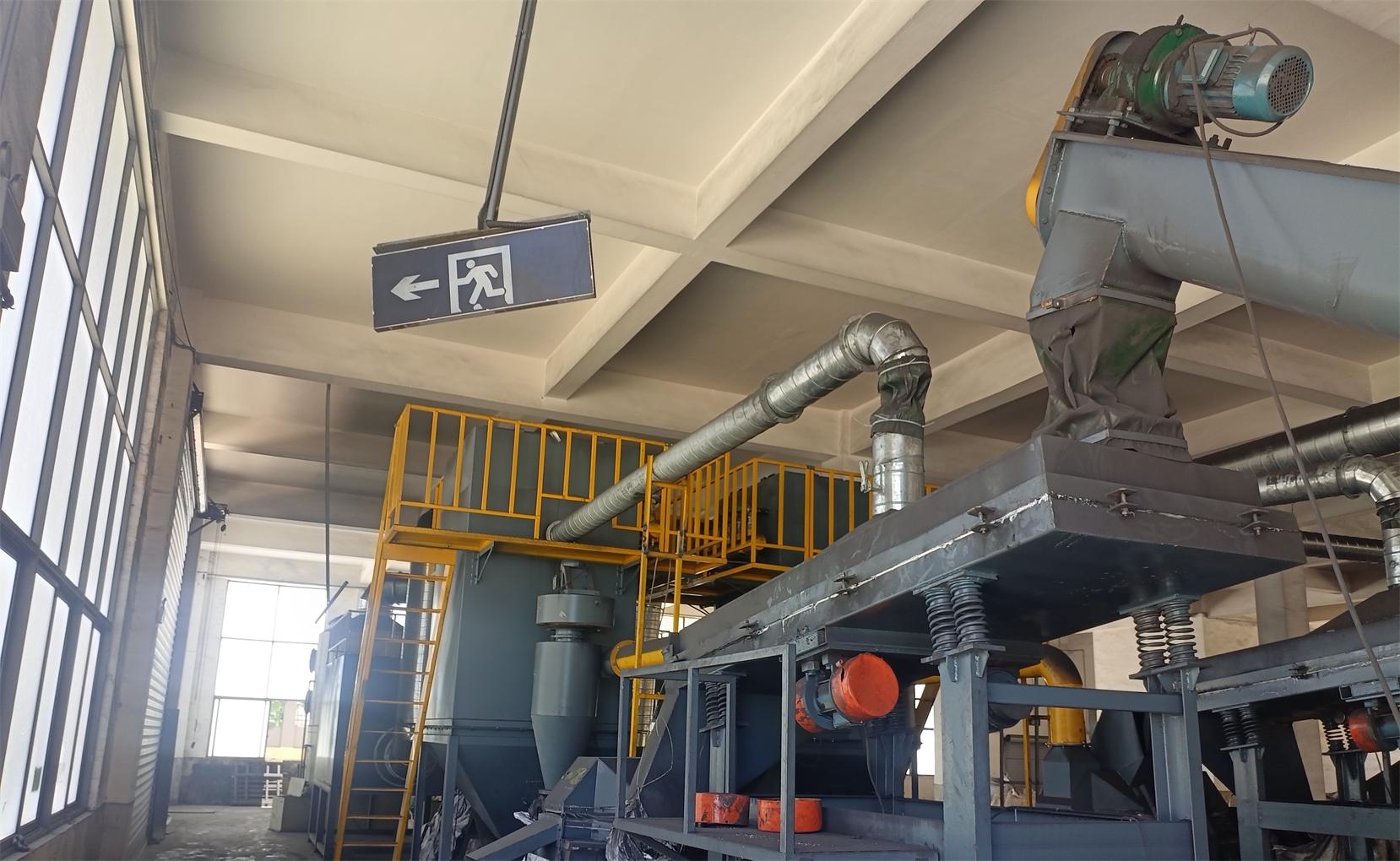
Your plant will be subject to emissions, effluent, and workplace safety regulations. A reputable supplier should design systems that meet or exceed standard environmental requirements and be able to explain how their pollution control equipment—wet scrubbers, bag filters, activated carbon systems—addresses the specific hazards of your process.
San Lan Technologies: Engineering Recycling Plants Since 2007
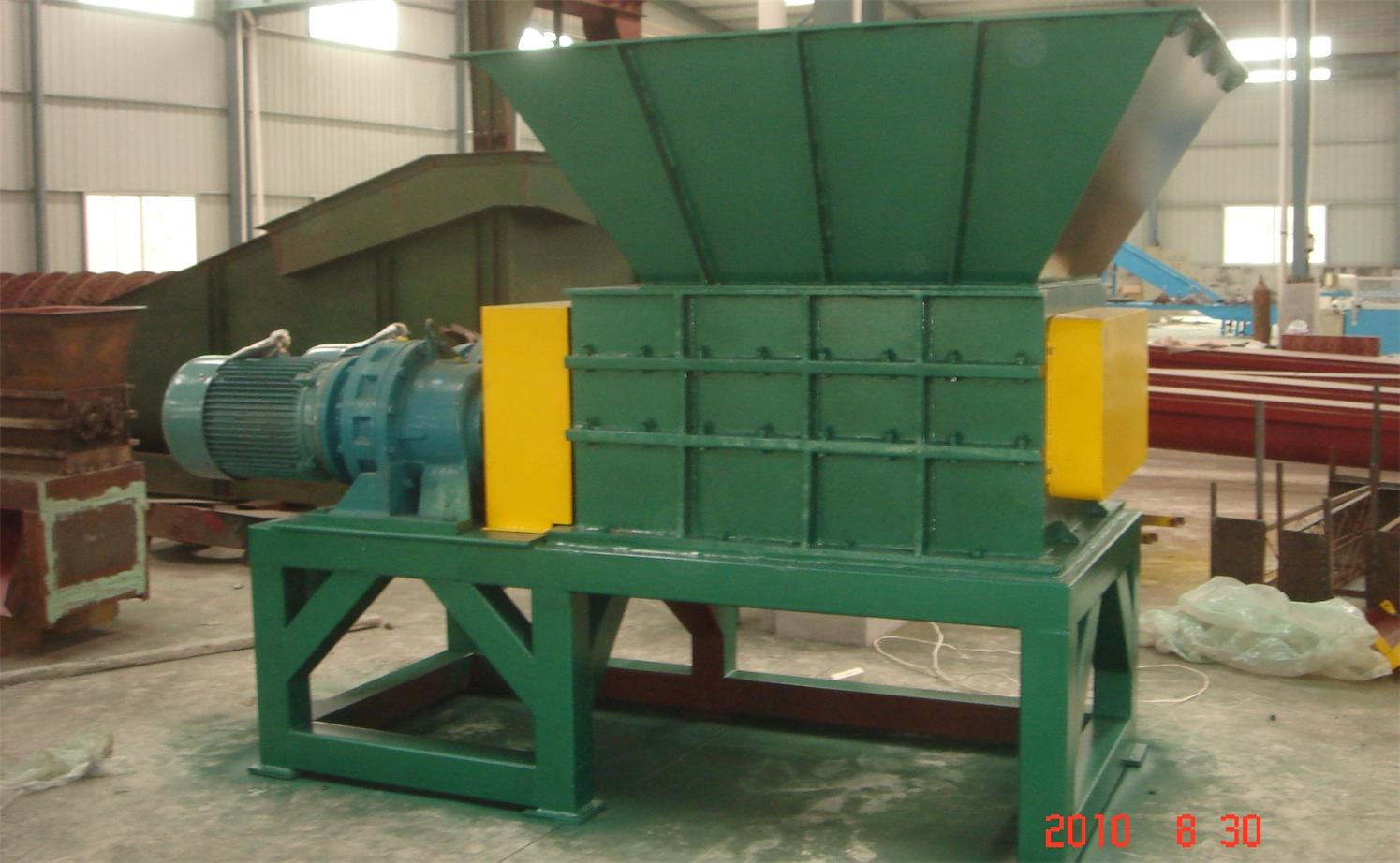
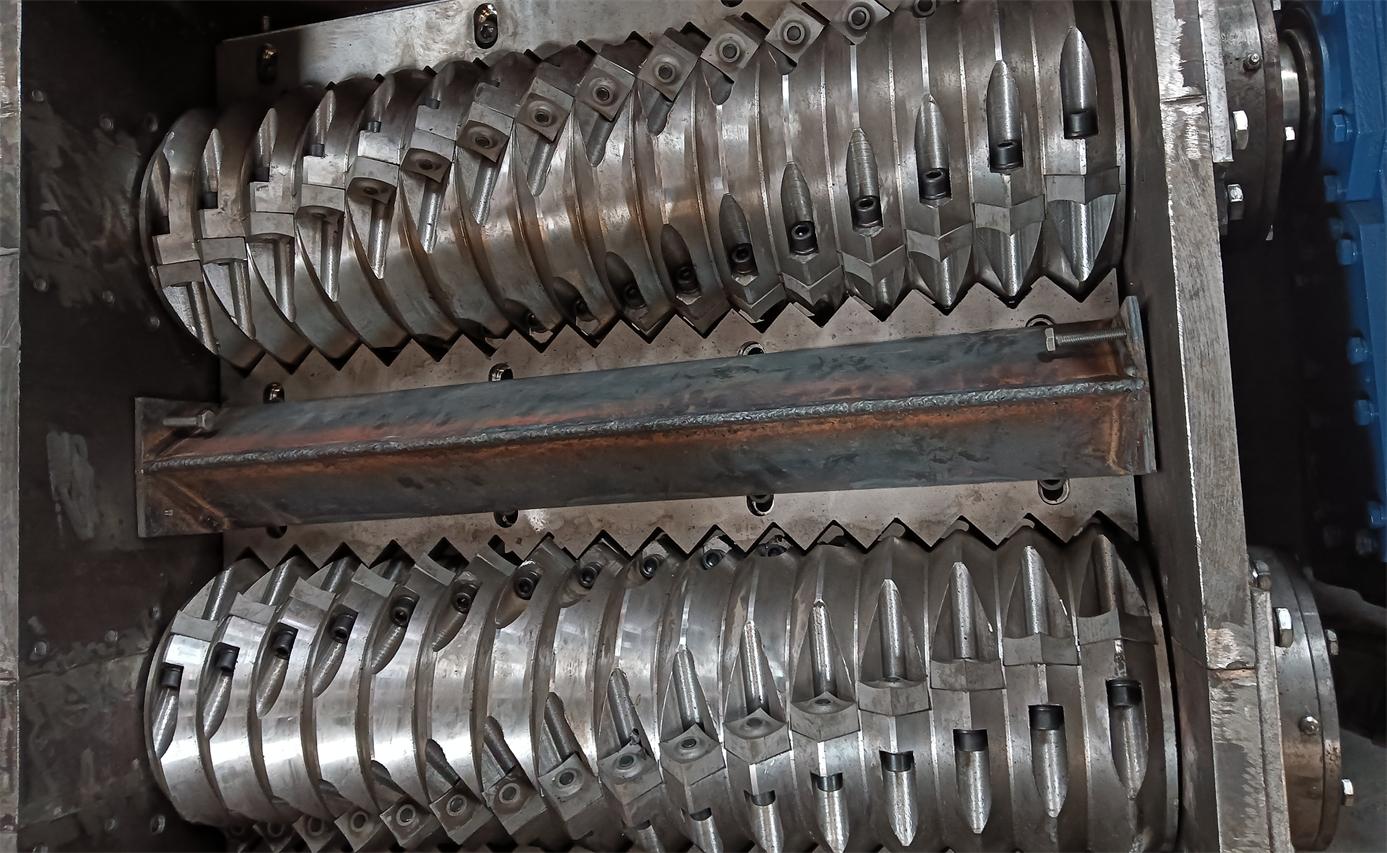
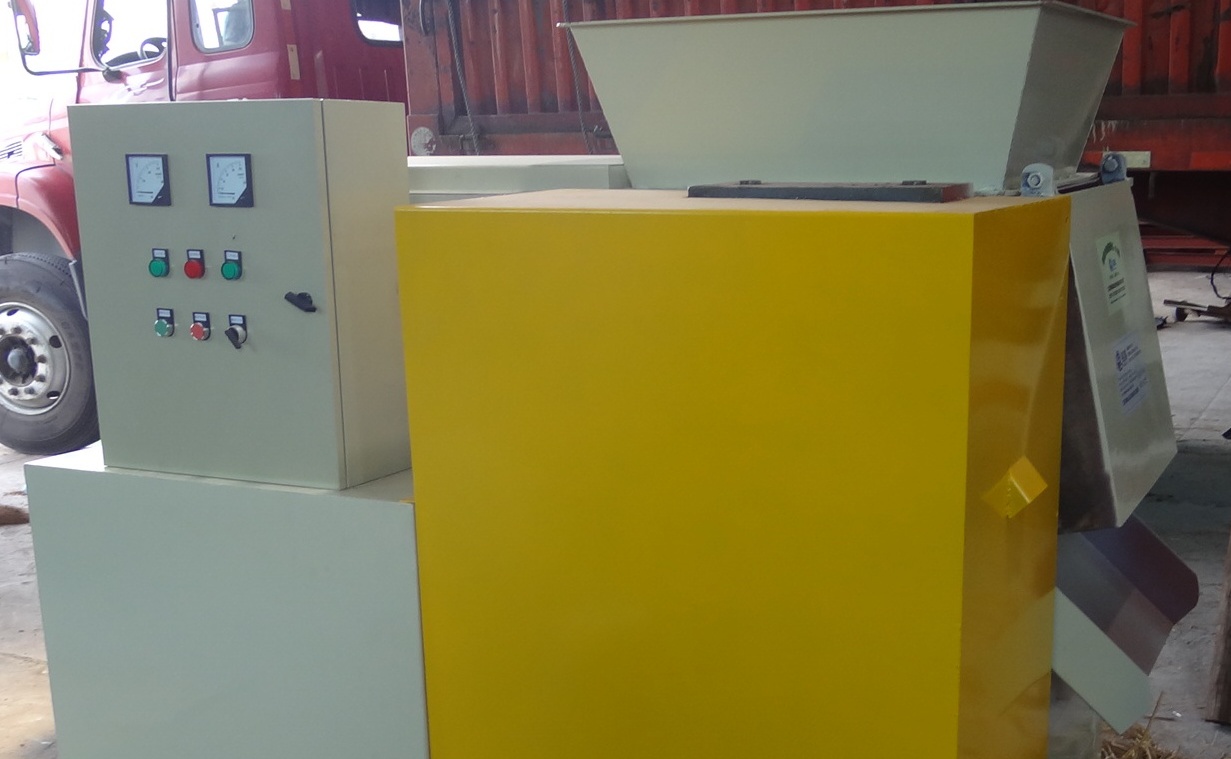
San Lan Technologies Co., Ltd, based in Jiangxi Province, China, has been designing and manufacturing WEEE recycling machinery and mining equipment for nearly two decades. The company offers a comprehensive portfolio that spans the most profitable segments of the e-waste market: lead acid battery recycling plants, lithium-ion battery recycling systems, cable granulators and strippers, circuit board recycling lines, refrigerator and air conditioner dismantling equipment, CRT cutters, motor recycling machines, and multi-purpose shredders.
What distinguishes San Lan is not just the breadth of its product catalog, but its approach to customer projects. The engineering team includes professionals with master's degrees in mechanical engineering and over fifteen years of hands-on experience in e-waste recycling machine design. The company has delivered EPC projects—handling engineering, procurement, and construction—across more than twenty-one countries, including Singapore, Colombia, Vietnam, Mexico, Argentina, South Korea, Malaysia, Indonesia, South Africa, Tunisia, India, Kenya, Saudi Arabia, the Philippines, and Zambia.
For investors and entrepreneurs who need more than equipment, San Lan provides practical business support: assistance sourcing waste materials like cable scrap, PCB scrap, and used lead acid batteries; help marketing recovered products such as copper powder and lead ingots; and strategic guidance for building recycling operations from initial concept through to commercial production. With essentially bilingual English and Chinese capabilities and deep experience in intercultural business environments, San Lan functions as a technical partner for projects that span continents.
Building a Recycling Plant: First Steps
If you are considering entering the e-waste recycling business, start with clear answers to three questions. What is your primary feedstock, and is the local supply sufficient to sustain your intended capacity? What recovered materials will you sell, and who are the buyers in your region? What environmental permits and facility requirements apply in your jurisdiction?
Once these fundamentals are clear, request a detailed proposal from an experienced equipment supplier that includes plant layout drawings, process flow diagrams, capacity and recovery rate specifications, utility requirements, and a realistic commissioning timeline. A supplier who cannot provide these details may lack the engineering depth to deliver a reliable plant.
The e-waste recycling industry rewards operators who combine good equipment with good sourcing and strong downstream relationships. With the right machinery and the right partner, what starts as a waste problem can become a profitable, sustainable business.
Ready to explore e-waste recycling equipment for your project? San Lan Technologies offers complete recycling plant solutions with customized design, installation support, and international project experience. Contact the team via WhatsApp at +86 139 2377 4083 or email info@san-lan.com to discuss your feedstock, capacity requirements, and plant layout.