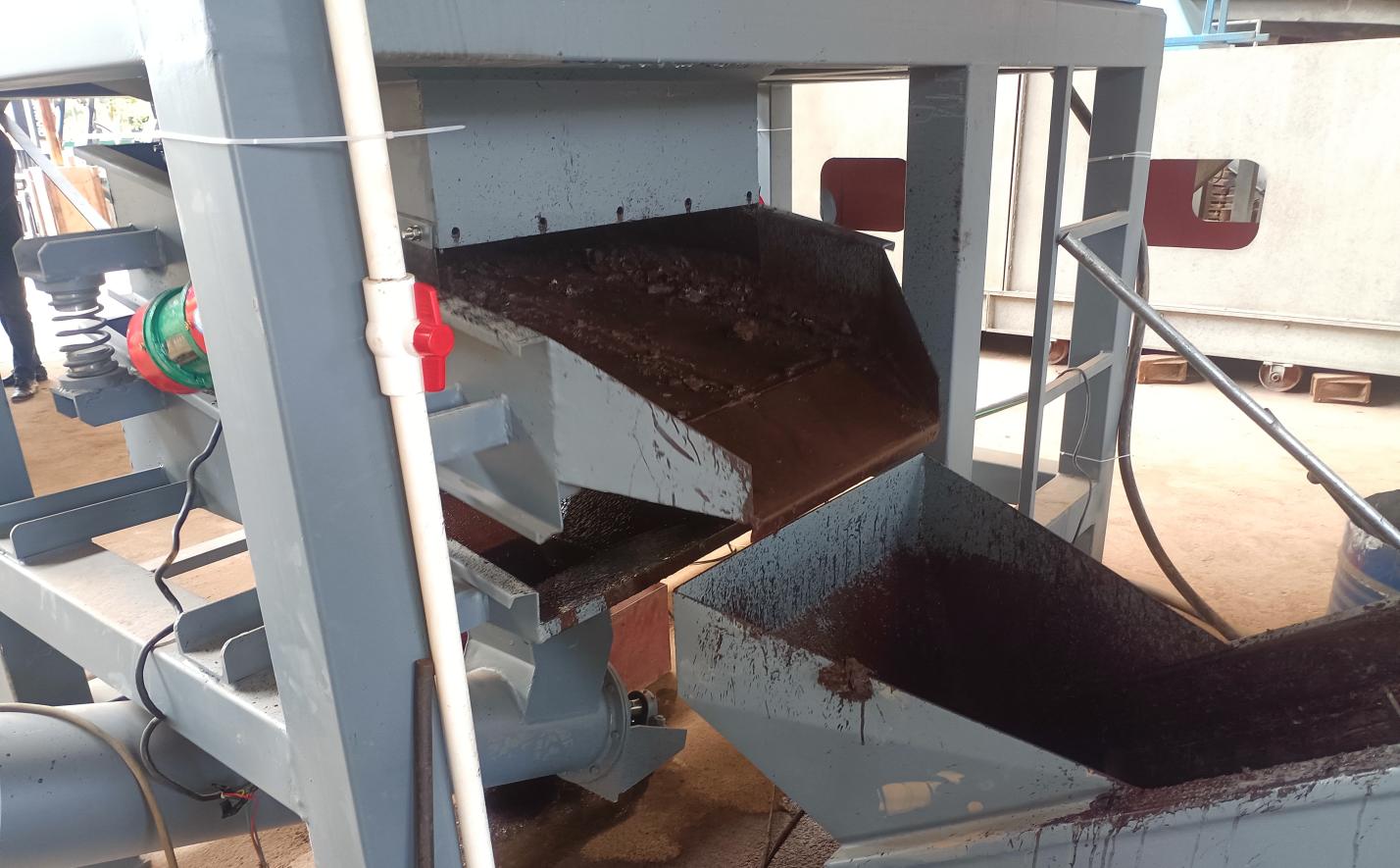
A practical guide for investors and operators entering the e-waste and metal recycling business.
The numbers are impossible to ignore. Global e-waste generation now exceeds 60 million metric tons annually, yet formal recycling captures less than 20% of that stream. For entrepreneurs and established scrap operators alike, this gap represents both an environmental imperative and a significant business opportunity. The difference between a recycling plant that merely operates and one that consistently generates profit often comes down to one decision: the equipment supplier you choose on day one.
Equipment is not just machinery. It is the foundation of your recovery rates, your labor costs, your compliance status, and your ability to scale. Choosing a recycling equipment supplier that understands the full plant lifecycle—not just individual machines—can mean the difference between breaking even in year three and turning a profit in month six.
Three Revenue Streams Every Recycler Should Evaluate
Successful recycling plants rarely rely on a single feedstock. Diversification protects against commodity price swings and ensures steady throughput. Here are three proven lines that can anchor a modern recycling operation.
1. Cable and Wire Recycling
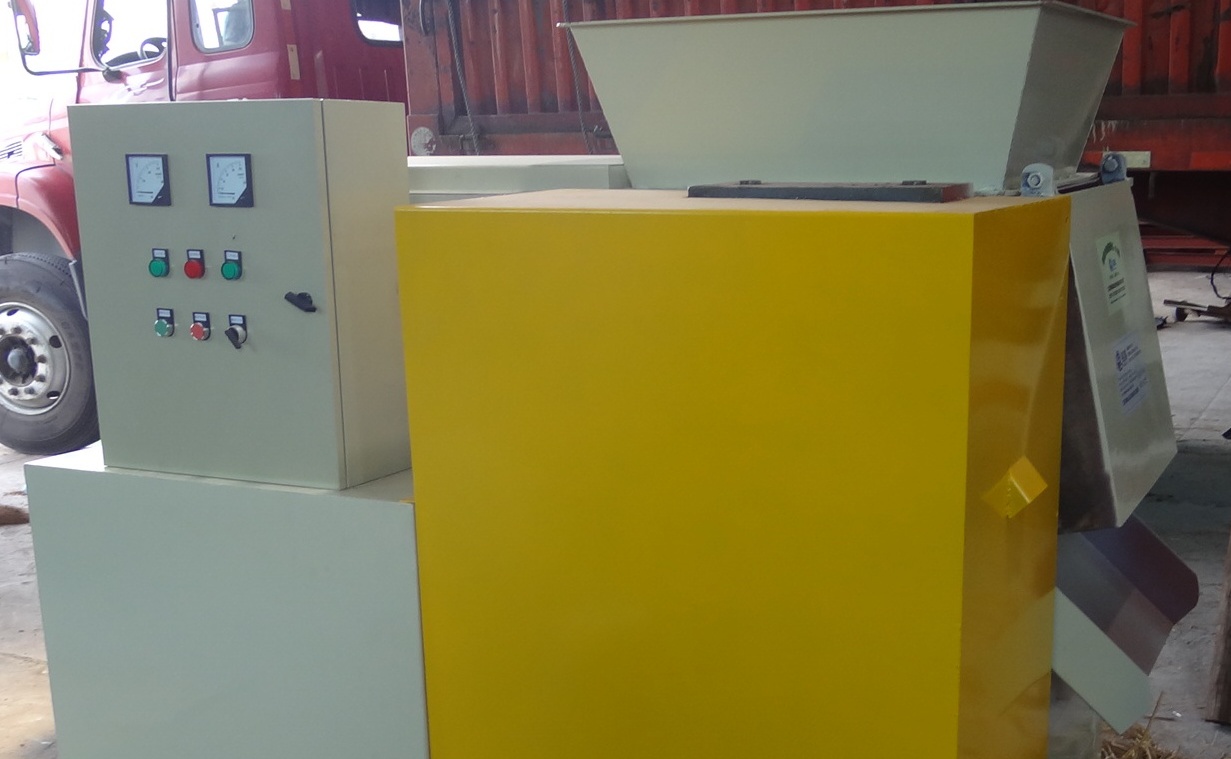
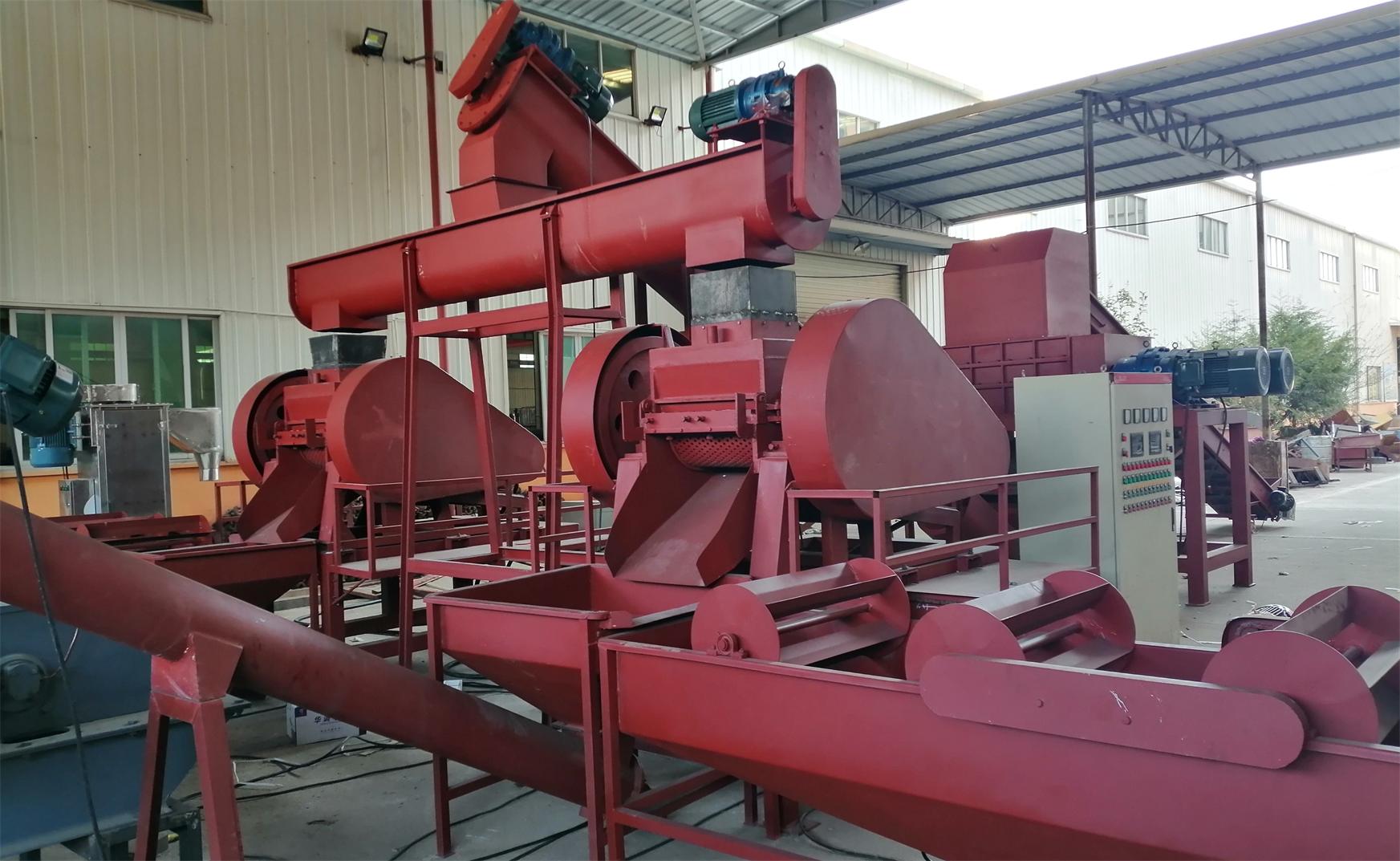
Scrap cable is one of the most accessible feedstocks worldwide. A well-configured cable recycling equipment line can process everything from thin communication wires to thick industrial power cables, separating copper or aluminum from plastic insulation with purity rates reaching 96–98%. Modern granulator systems handle capacities from 100 kg/hour for entry-level operations up to 1,200 kg/hour for industrial plants. The key variables to evaluate are separation technology (air vs. wet vs. electrostatic), pre-stripping requirements for large-diameter cable, and dust collection integration.
2. Lead Acid Battery Recycling
Used lead acid batteries (ULAB) remain one of the most recycled consumer products globally, with established smelting markets for lead ingot and polypropylene. A complete lead acid battery recycling equipment line typically includes battery cutting, breaking and separation, paste desulfurization, smelting furnaces (rotary or blast), refining kettles, and air pollution control. Capacity ranges from 1 MT/hour to 10 MT/hour. Environmental compliance is non-negotiable in this segment; acid neutralization, SO₂ control, and wastewater treatment must be engineered into the plant from the ground up, not added as afterthoughts.
3. Circuit Board (PCB) Recovery
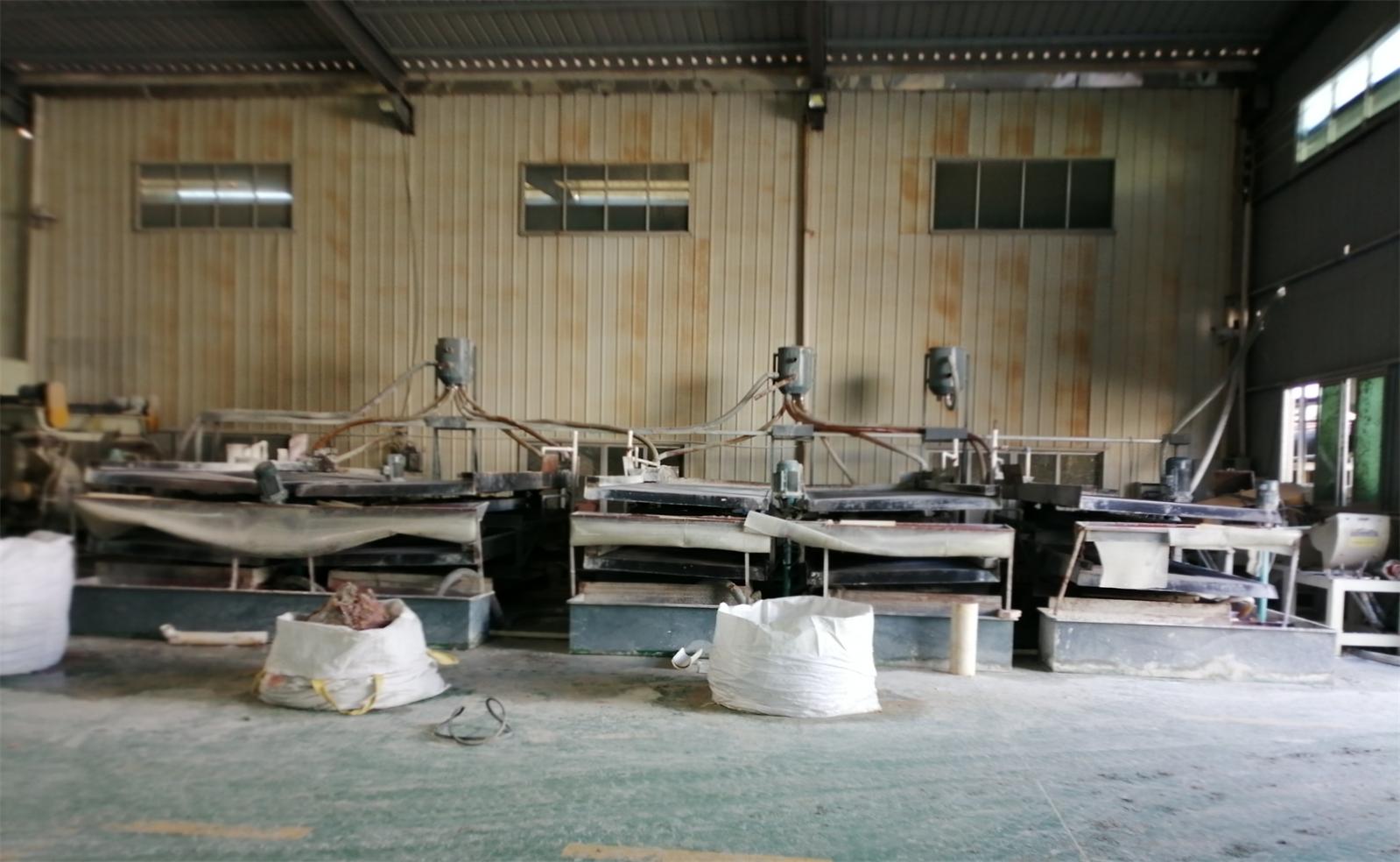
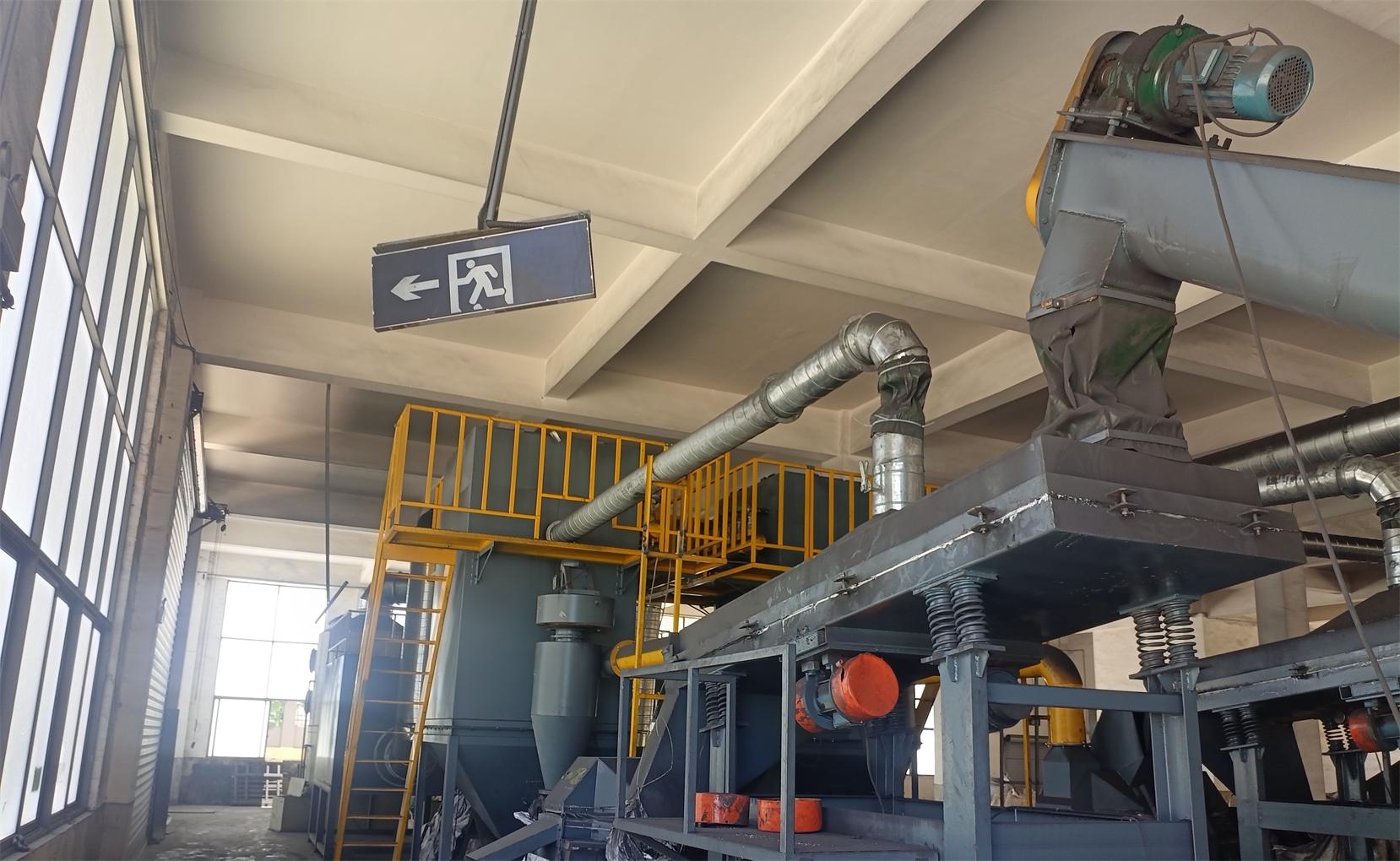
Printed circuit boards contain copper, precious metals, and rare earth elements that command premium prices when recovered efficiently. Circuit board recycling equipment uses either dry separation (air classification, electrostatic separation, pulse dust collection) or wet separation (water-based metal separation) to extract copper powder with purity levels of 96–98%. Dry systems are preferred in water-scarce regions; wet systems can handle boards with components still attached. Capacity options range from 300 kg/hour to 2,000 kg/hour, with daily throughputs of 4–6 MT per shift at the mid-range.
The Hidden Cost of Mix-and-Match Purchasing
A common mistake among first-time plant investors is sourcing equipment from multiple vendors to save on upfront capital. One supplier provides the shredder. Another delivers the separator. A third handles dust collection. The result? Incompatible interfaces, mismatched capacities, and a commissioning process that stretches from weeks into months.
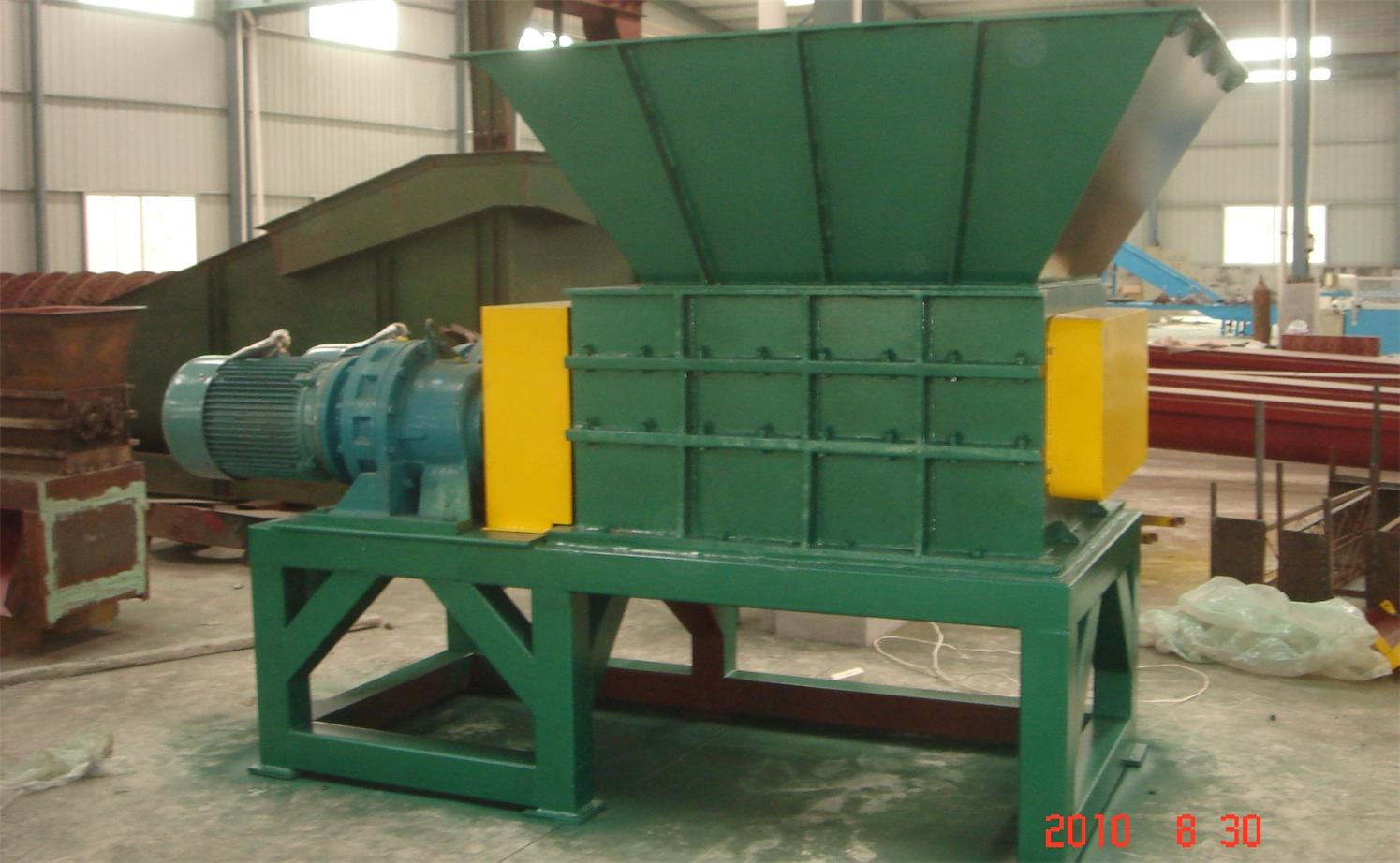
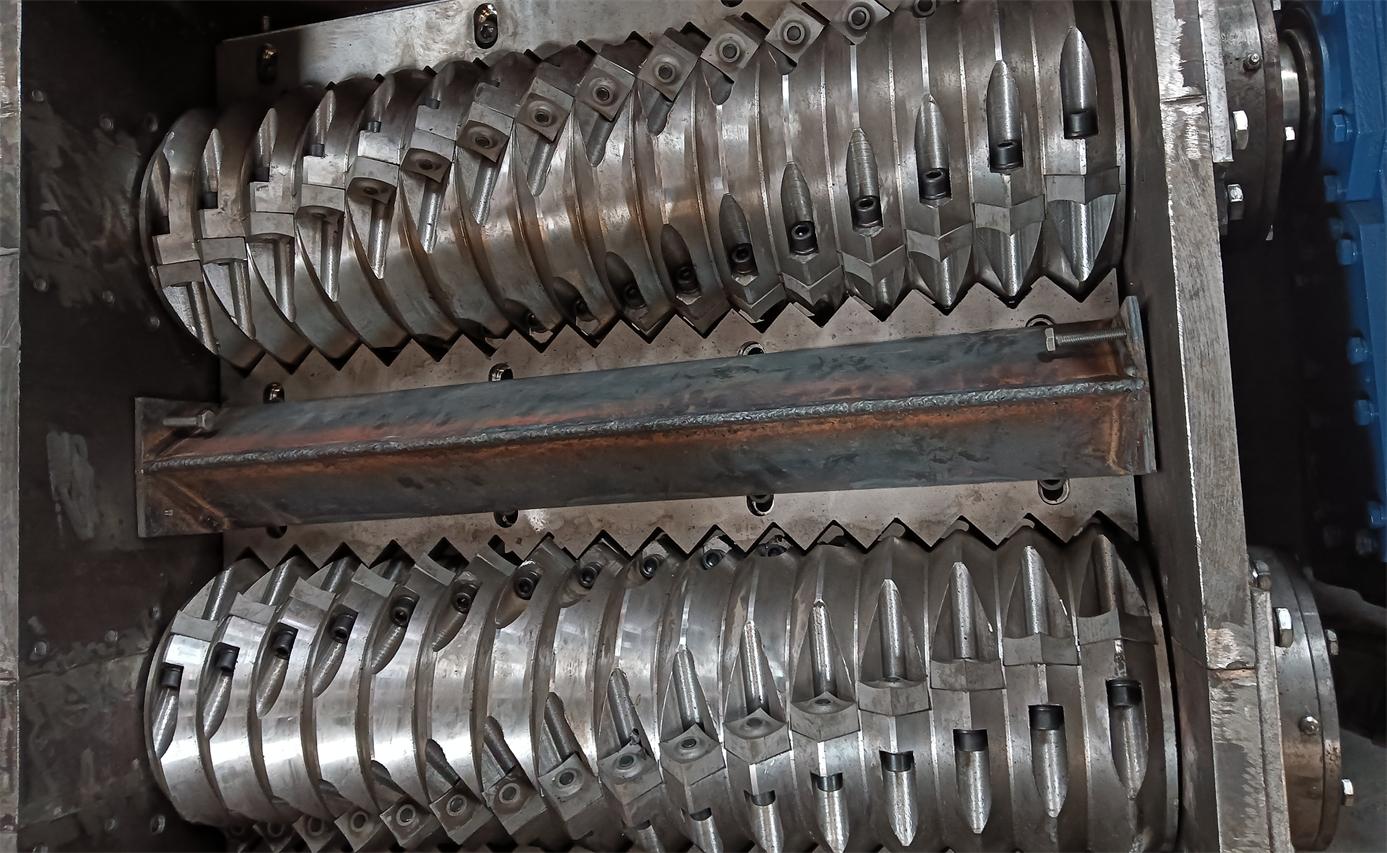
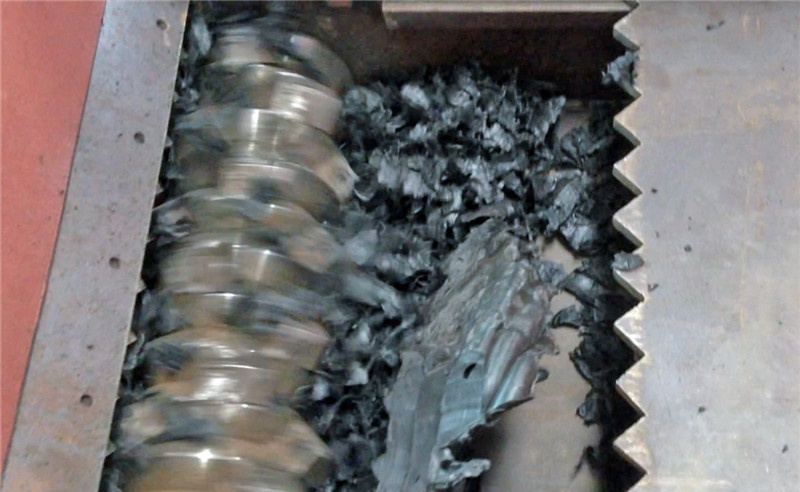
Integrated plant design eliminates these friction points. When a single engineering team designs your shredder and pre-chopper equipment, separation units, and pollution control systems as one continuous process, throughput rates match, maintenance windows align, and spare parts inventories shrink. The savings in downtime and logistics typically offset any perceived premium in the initial quotation.
What Full-Service Partnership Looks Like
Beyond the machines themselves, the most successful recycling ventures we have observed share one trait: they work with suppliers who understand the business side of recycling, not just the mechanical side. That partnership typically includes several layers of support that go far beyond a standard warranty.
- Customized plant design and layout based on your available workshop space, local environmental regulations, and target feedstock mix.
- Assistance sourcing raw materials such as cable scrap, PCB scrap, or used lead acid batteries to ensure your line runs at capacity from day one.
- Installation and commissioning by technicians who have built similar plants in comparable regulatory environments.
- Market linkage for finished products including copper rice, lead ingots, and aluminum granules—turning recovered material into cash faster.
- Strategic guidance on expansion from initial installation through acquisition or vertical integration.
Making the Decision
When evaluating potential equipment partners, ask direct questions. Can they provide references from plants operating in your target region? Do they offer EPC (Engineering, Procurement, Construction) project delivery, or only standalone machines? Will their engineers assist with environmental permitting and local compliance? Can they connect you to buyers for your recovered metals?
The answers separate vendors from true partners. A vendor sells you a machine and moves on. A partner stays invested in your plant's profitability because they know that your success generates repeat business, referrals, and a reputation that benefits both parties.
Ready to Design Your Recycling Plant?
San Lan Technologies Co., Ltd has manufactured WEEE recycling machines and mining equipment since 2007. With a professional technical team holding master's degrees in mechanical engineering and over 15 years of field experience, we deliver integrated recycling plants—including cable recycling, lead acid battery recycling, lithium battery recycling, PCB recovery, and complete shredding lines—backed by installation, commissioning, and ongoing operational support.
Contact us today to discuss your project requirements, request a customized quotation, or arrange a video facility tour. Email: info@san-lan.com | WhatsApp: +86 139 2377 4083
Explore our full product range at www.san-lan.com