Two plant owners receive quotes for a lead acid battery recycling line on the same week. One signs immediately because the price is the lowest on the table. The other asks about installation timelines, spare parts availability, and whether the supplier has ever helped a client source scrap feedstock after commissioning. Three years later, the first owner is fighting weekly breakdowns and searching for a second supplier to fix what the first one could not deliver. The second owner is already expanding into lithium battery recycling. The difference was never the price. It was the partner.
Why Equipment Choice Determines Profit, Not Just Output
Recycling machinery is not a commodity. A shredder that stalls on thick cable jackets, a separator that misses fine copper particles, or a smelting furnace that cannot hold temperature consistency will cost more in downtime and lost recovery rates than any savings on the initial invoice. The real question is not what the machine costs. It is what the machine earns over its operating life.
For investors and operators entering the e-waste and battery recycling sector, the supplier selection process is where projects are made or broken before the first kilogram of material ever enters the line.
Five Dimensions That Separate Real Partners From Catalog Sellers
Anyone can list specifications. The critical test is whether the engineering team can explain why a rotary furnace recovers more lead than a blast furnace for paste reduction, or how de-sulfurization lowers melting temperature and cuts SO2 emissions. A supplier that understands the chemistry behind the machinery can optimize your process for local power conditions, ambient humidity, and the specific mix of waste streams you will actually receive.
A battery-focused supplier may solve your immediate need. But what happens when you discover that cable scrap is available at half the cost in your region, or that circuit boards from local electronics dismantlers represent an untapped feedstock? A full-range recycling equipment supplier with proven lines across multiple waste categories protects your capital investment and opens adjacent revenue streams without forcing you to vet an entirely new vendor.
Buying a machine is simple. Integrating it into a facility with proper material flow, environmental compliance, and safety systems is not. Suppliers that offer engineering, procurement, and construction (EPC) services deliver customized plant design, one-stop equipment purchasing, installation, and commissioning. This eliminates the finger-pointing that occurs when a dozen separate vendors blame each other for integration failures.
Machinery wears. Screens blind. Separator settings drift. A supplier that disappears after the invoice is paid leaves you with expensive downtime and no path back to designed recovery rates. Look for partners with a technical support team that has field experience, not just sales experience, and that can guide commissioning, train your operators, and respond when something goes wrong six months in.
The best equipment in the world cannot run without feedstock, and recovered materials have no value without buyers. A supplier that helps you locate cable scrap, used lead acid batteries, or PCB waste, and that can introduce you to buyers for copper rice, lead ingots, or recovered plastics, is not selling you a machine. They are building your business.
What a Full-Service Product Line Looks Like in Practice
San Lan Technologies Co., Ltd, established in 2007 in Jiangxi Province, China, manufactures a comprehensive range of WEEE recycling machinery and mining equipment. With customers across more than 21 countries, the company has built its reputation on technical specificity and end-to-end project support rather than generic catalog listings.
The technical team holds master's degrees in mechanical engineering and brings over 15 years of direct experience in e-waste recycling machinery design and commissioning. This is not theoretical knowledge. It is field-tested expertise that shows up when a separator needs recalibration for local humidity or a furnace profile needs adjustment for regional voltage fluctuations.
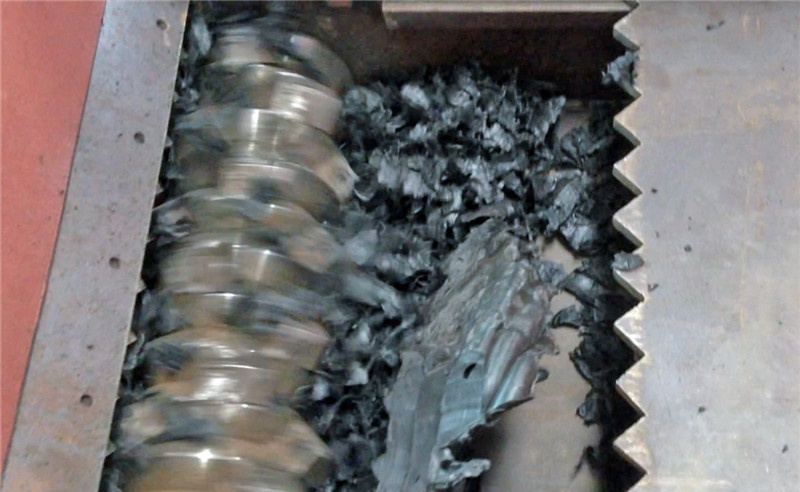
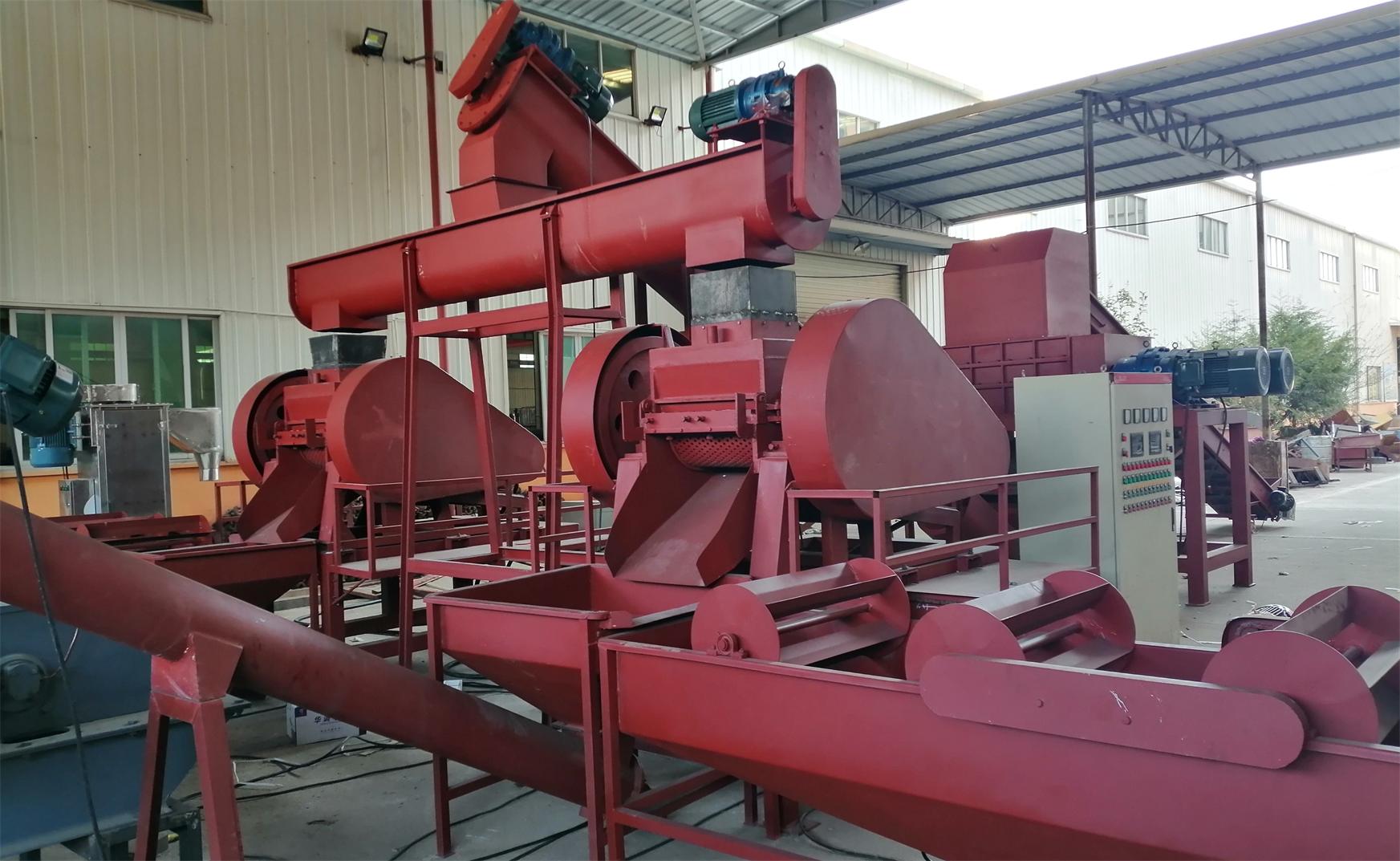
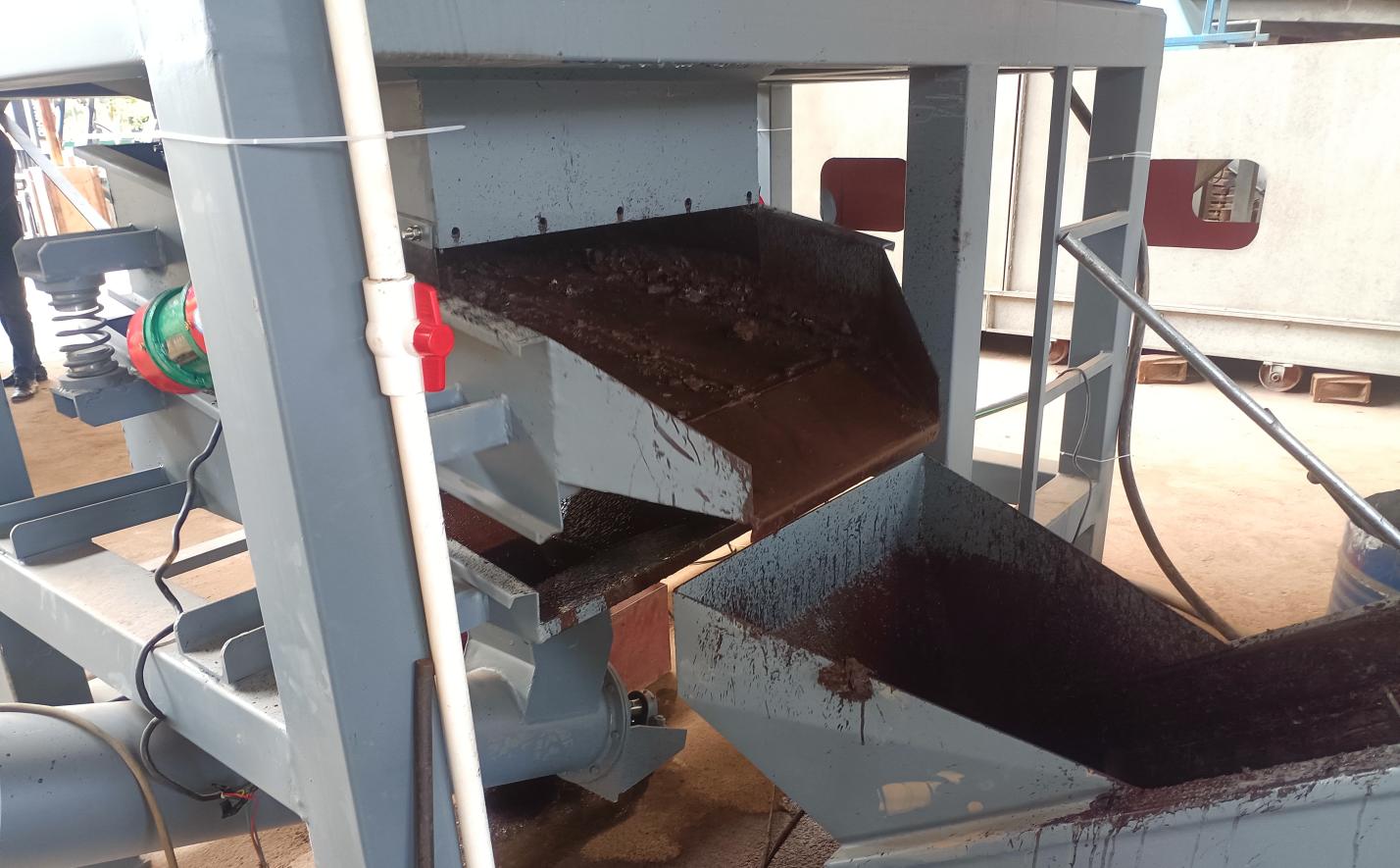
In lead acid battery recycling equipment, San Lan offers complete plants with capacities from 1 to 10 MT per hour. The breaking and separation systems classify batteries into acid, lead paste, lead grid, and plastic. Downstream processing includes de-sulfurization units that reduce melting temperature and SO2 emissions, rotary furnaces for paste reduction with 2 to 20 MT batch capacity and higher recovery rates than conventional blast alternatives, blast furnaces rated at 40 to 100 MT per 24 hours with 95% lead recovery, and refinery kettle furnaces that refine crude lead to 99.999% purity. Full air pollution control and water treatment systems are integrated to meet environmental requirements.
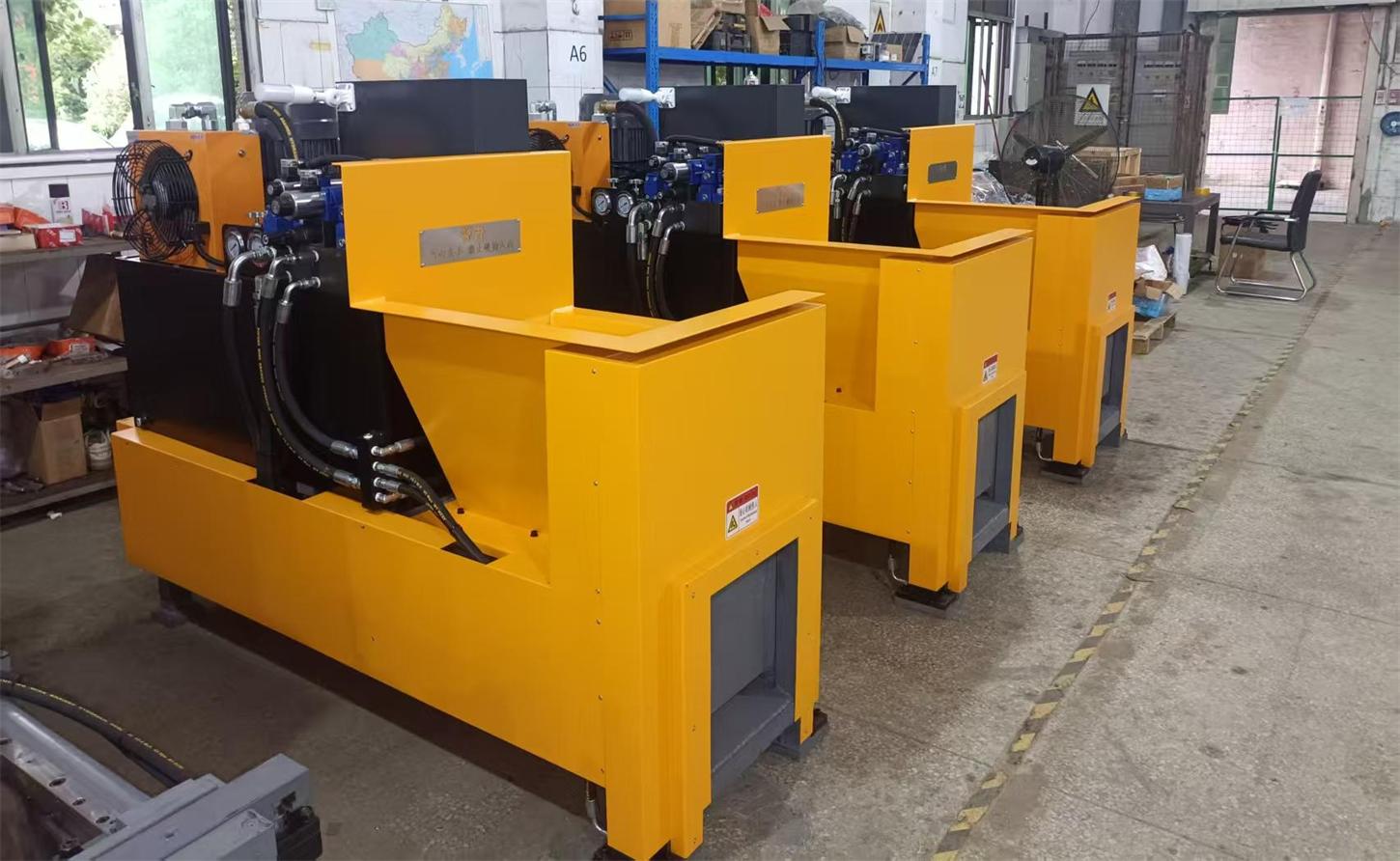
For lithium-ion batteries, the li battery recycling equipment lines process 500 to 2,500 kg per hour through discharging, pre-crushing, secondary granulation, black powder separation, and magnetic separation of iron and steel. The system recovers black mass containing nickel, cobalt, and graphite, along with separated plastic, copper, and aluminum. Integrated pneumatic conveying, hydraulic briquetting with 10:1 volume compression, and dedicated gas treatment systems complete the environmental protection package.
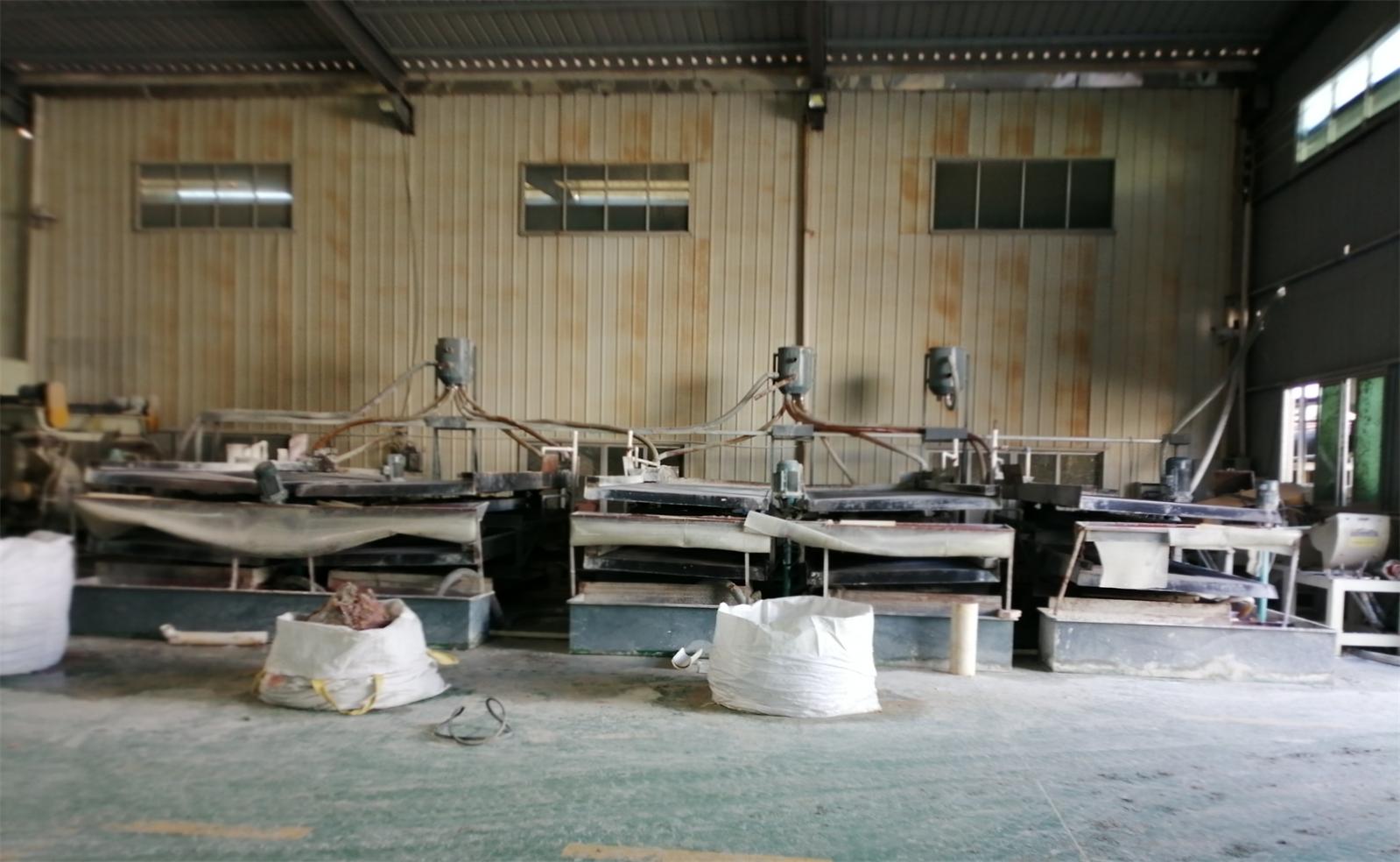
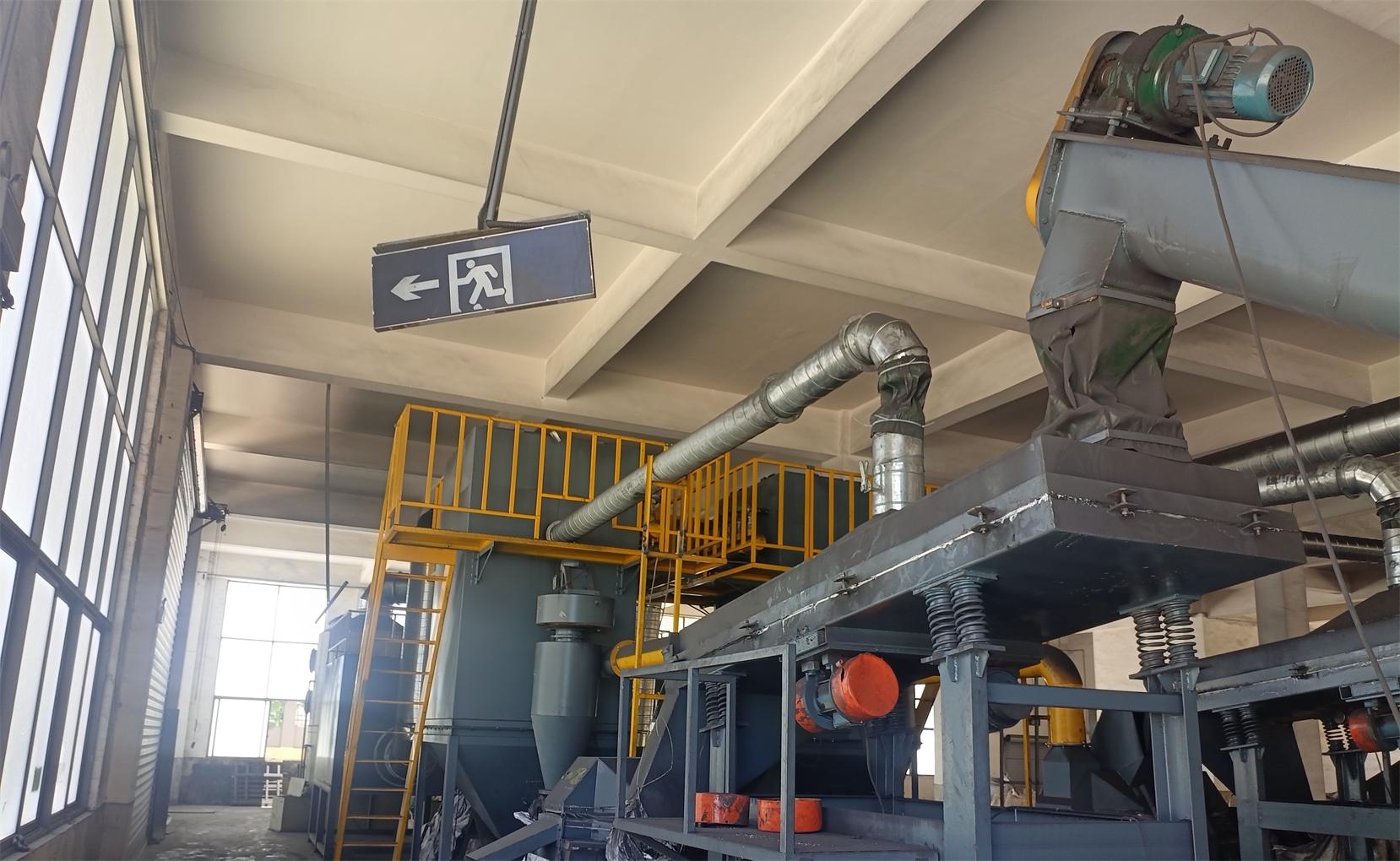
The circuit board recycling equipment portfolio includes both wet and dry separation technologies, with capacities ranging from 300 to 2,000 kg per hour. Dry separation plants using air classifiers, vibrating screens, and electrostatic separators achieve copper powder purity of 96 to 98% with no dust pollution. Wet separation options handle PCB waste with components still attached, offering flexibility for operators with varying feedstock quality.
Cable recycling equipment spans scrap cable strippers handling diameters from 1.5 mm to 150 mm, compact granulators with dry separators for smaller operations, and high-capacity wet separation plants for industrial-scale processing. This range allows operators to match equipment to their available feedstock volume without over-investing in capacity they cannot utilize.
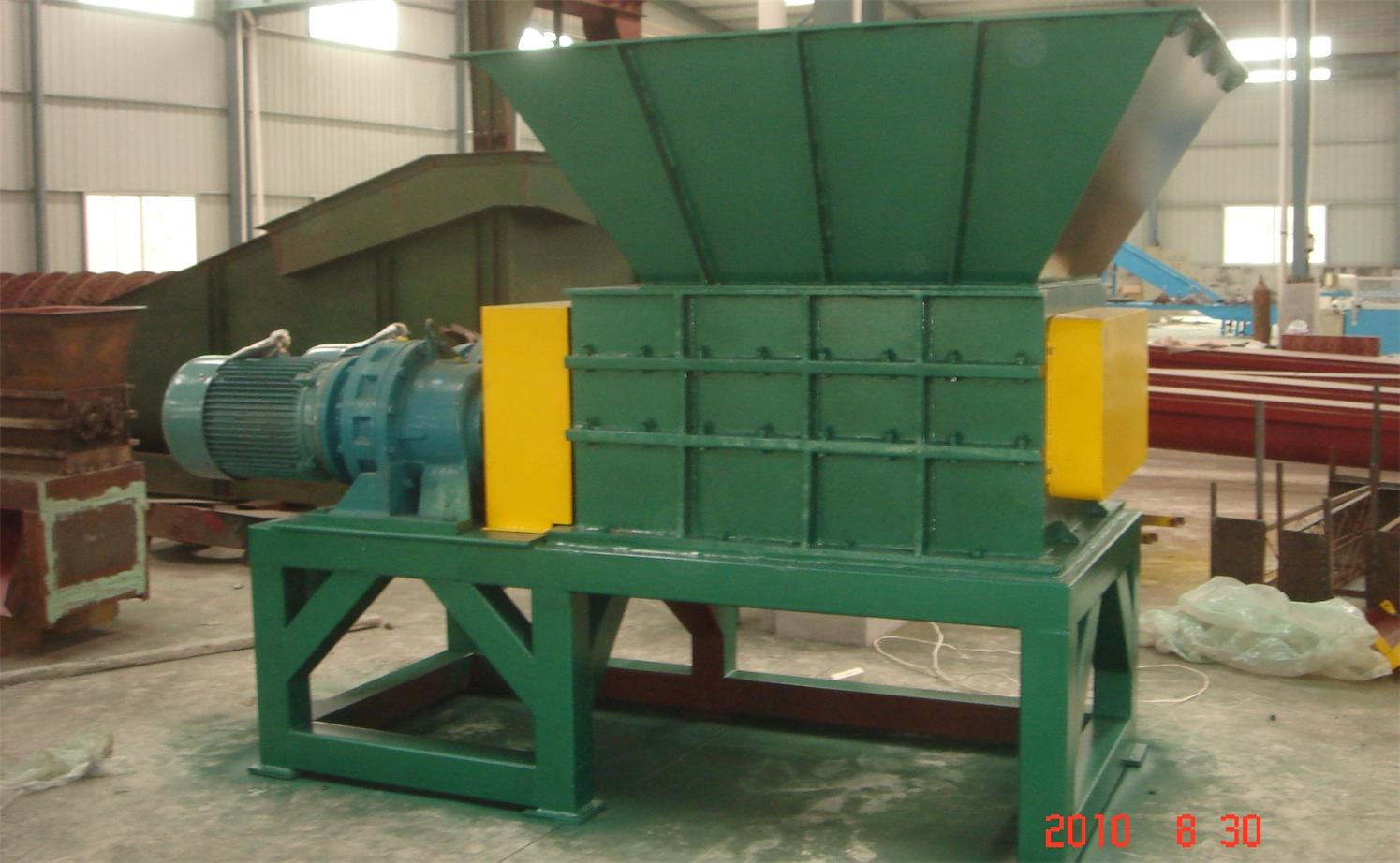
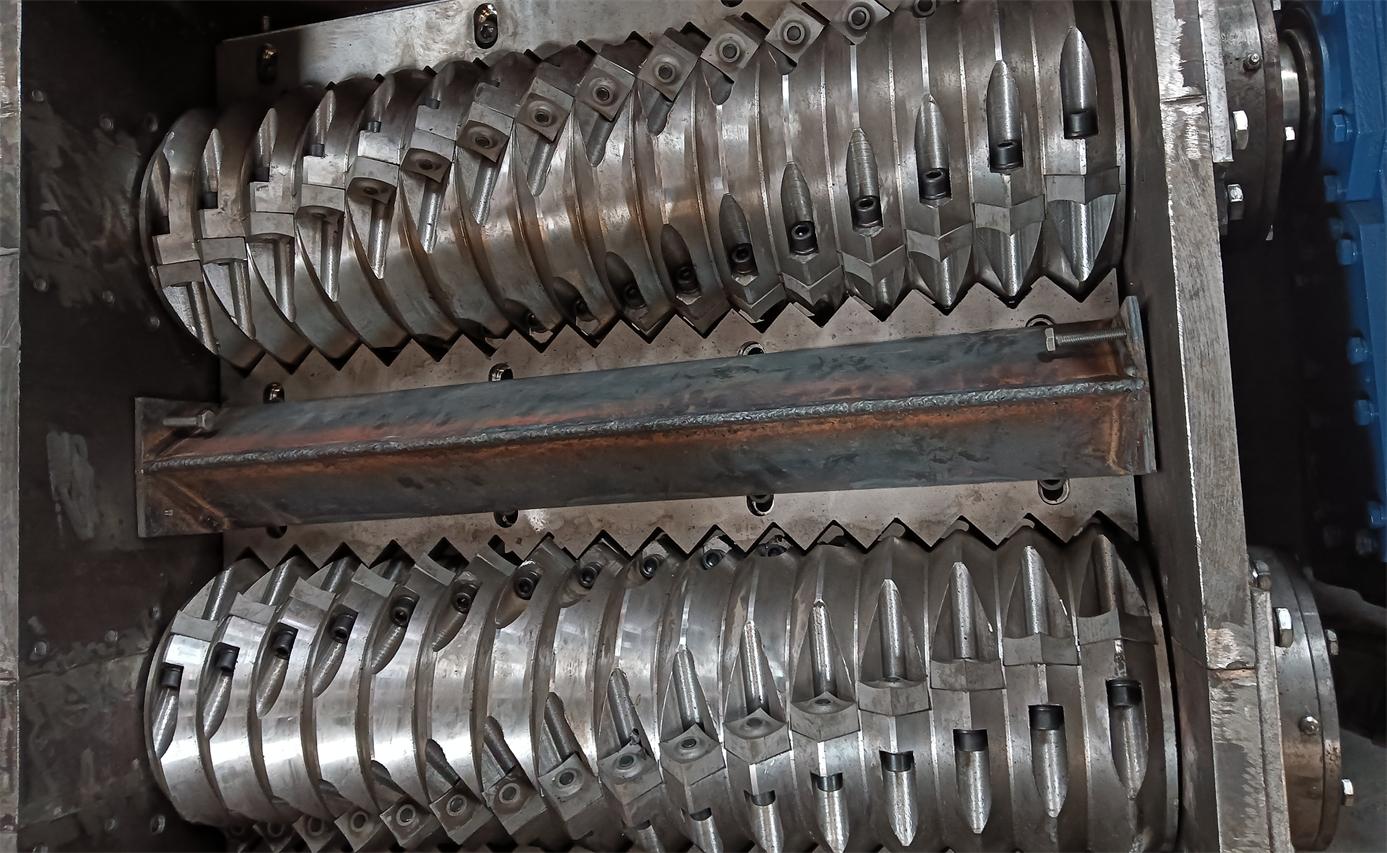
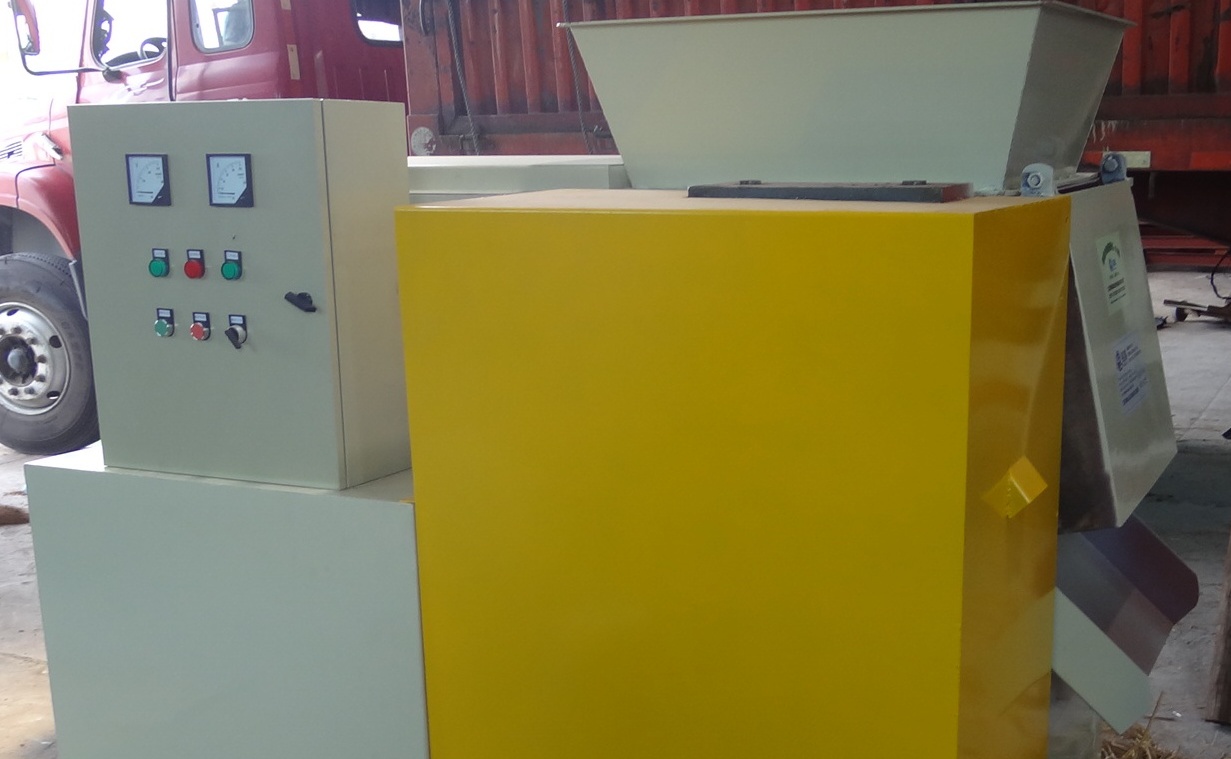
Beyond these core lines, San Lan also manufactures refrigerator and AC recycling systems, CRT cutting equipment, motor stator dismantling machines, multi-purpose shredders and pre-choppers, lamp recycling systems with mercury capture, metal melting furnaces, and lithium ore extraction plants. This breadth means an operator that starts with cable recycling can expand into battery or board processing under the same technical relationship.
From Machinery to Partnership
San Lan operates as an EPC contractor, not merely an equipment vendor. The company delivers customized plant design, coordinates one-stop purchasing across all necessary units, and manages installation and commissioning on site. For operators entering the recycling business for the first time, San Lan can assist with sourcing waste feedstock—including cable scrap, PCB scrap, and used lead acid batteries—and can help market recovered outputs such as copper rice, copper powder, and lead ingots. This operational support converts a capital expenditure into a functioning revenue stream faster than equipment-only transactions.
The company has shipped equipment to Singapore, Colombia, Vietnam, Mexico, Argentina, Korea, Malaysia, Indonesia, South Africa, Tunisia, India, Kenya, Saudi Arabia, the Philippines, Zambia, Israel, and beyond. That geographic spread reflects an understanding of intercultural business environments and the ability to support projects across regulatory, logistical, and technical contexts that vary significantly by region.
If you are evaluating a recycling plant investment, the conversation should go deeper than specifications and pricing. Ask about commissioning timelines, spare parts logistics, and whether your supplier has walked other clients through the first year of operations. Visit san-lan.com to explore the full product range, or contact the team at info@san-lan.com or via WhatsApp at +86 139 2377 4083 to discuss your material streams, capacity targets, and project timeline.