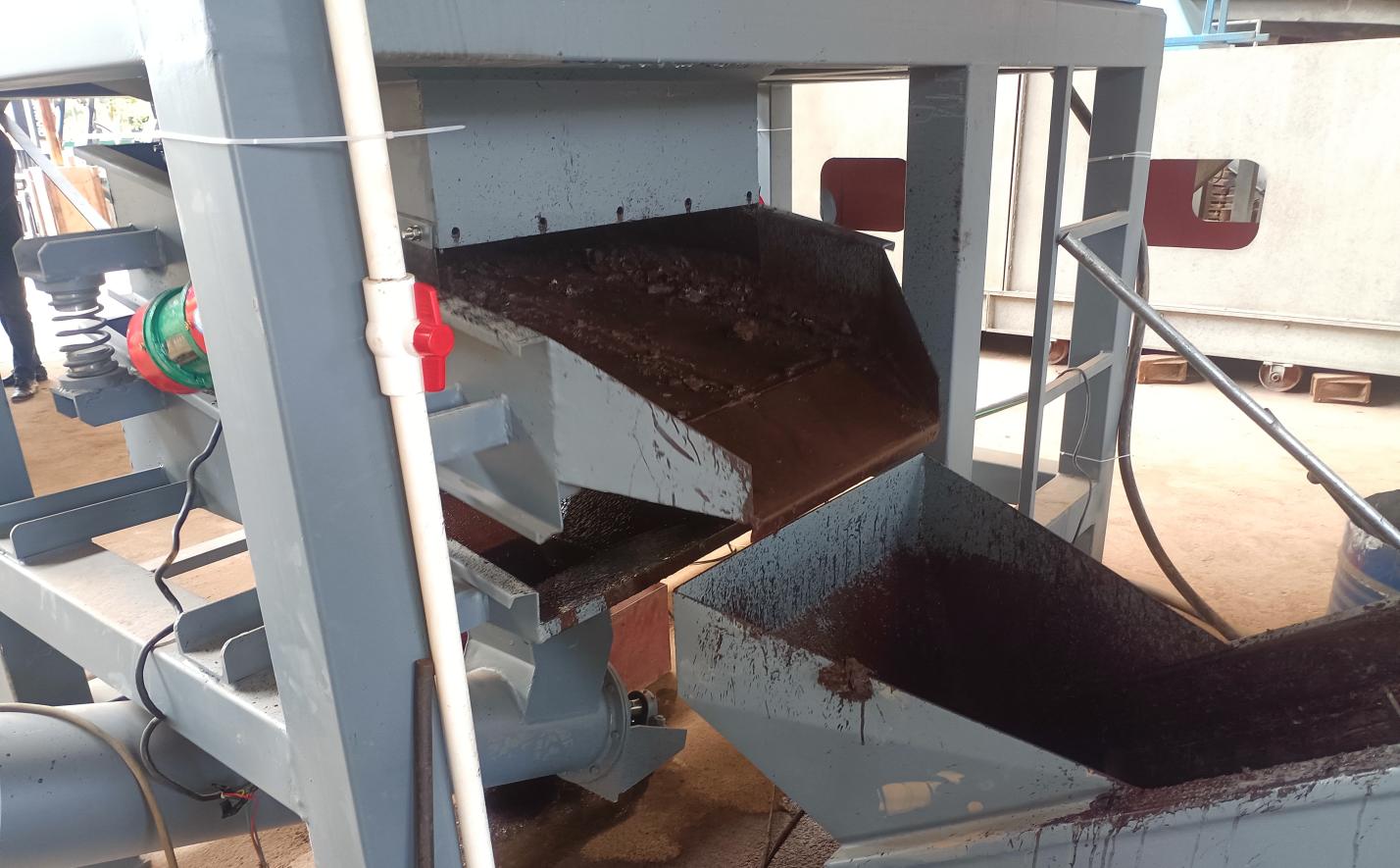
The global electronics industry generates over 50 million metric tons of e-waste annually, yet less than 20% is formally recycled. This gap represents both an environmental challenge and a massive business opportunity. For entrepreneurs and established recyclers alike, investing in professional recycling equipment is the critical first step toward capturing value from discarded batteries, cables, circuit boards, and appliances.
The Growing Demand for Specialized Recycling Solutions
Governments worldwide are tightening environmental regulations on electronic waste disposal. Traditional manual dismantling and open burning are being phased out due to pollution concerns and worker safety issues. Modern recycling plants require automated, environmentally compliant machinery that can handle complex material streams safely and efficiently.
Three segments dominate the e-waste recycling equipment market: battery recycling, cable recycling, and circuit board processing. Each requires specialized machinery designed for specific material characteristics and recovery targets.
Lead Acid Battery Recycling: A Proven Revenue Stream
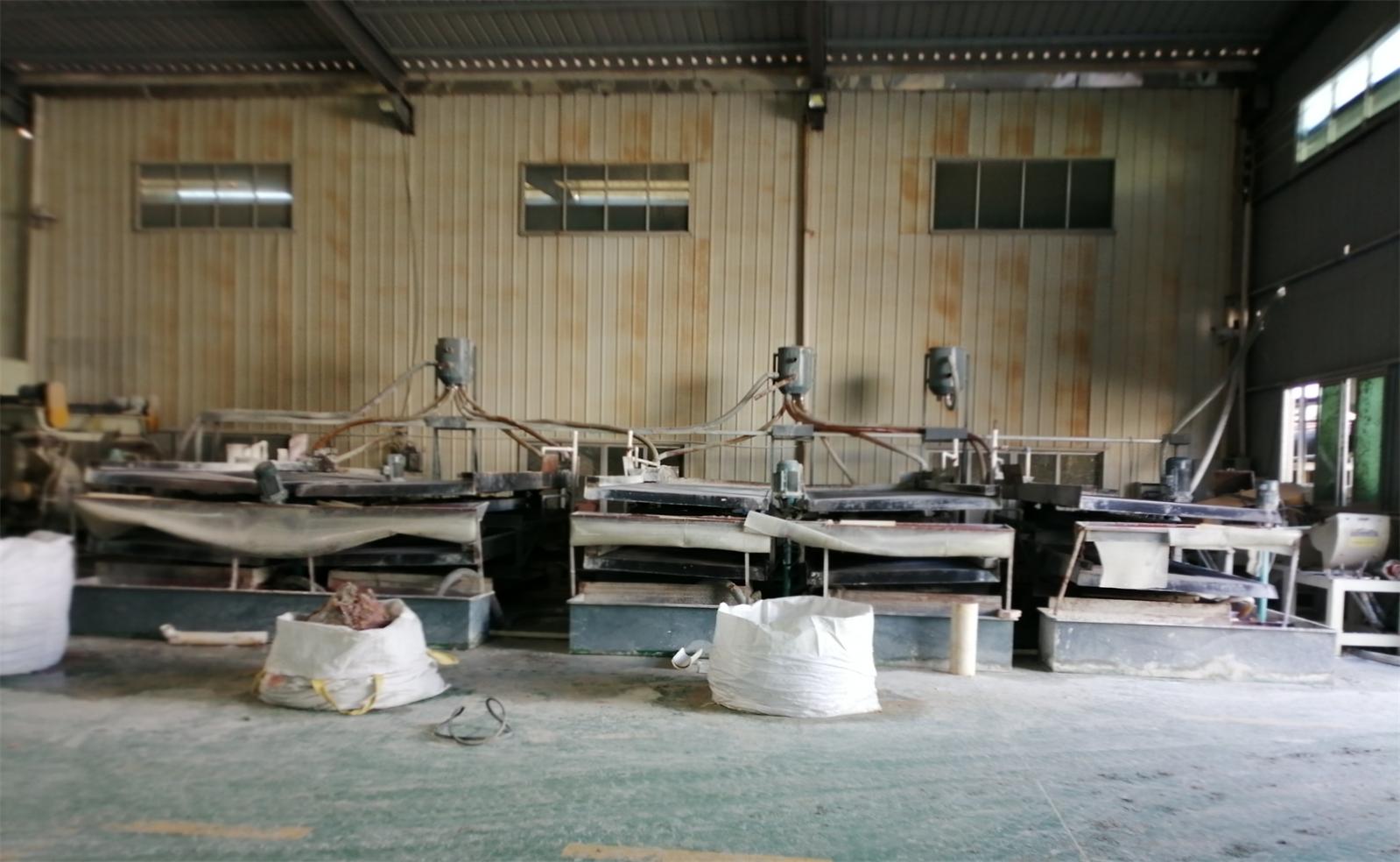
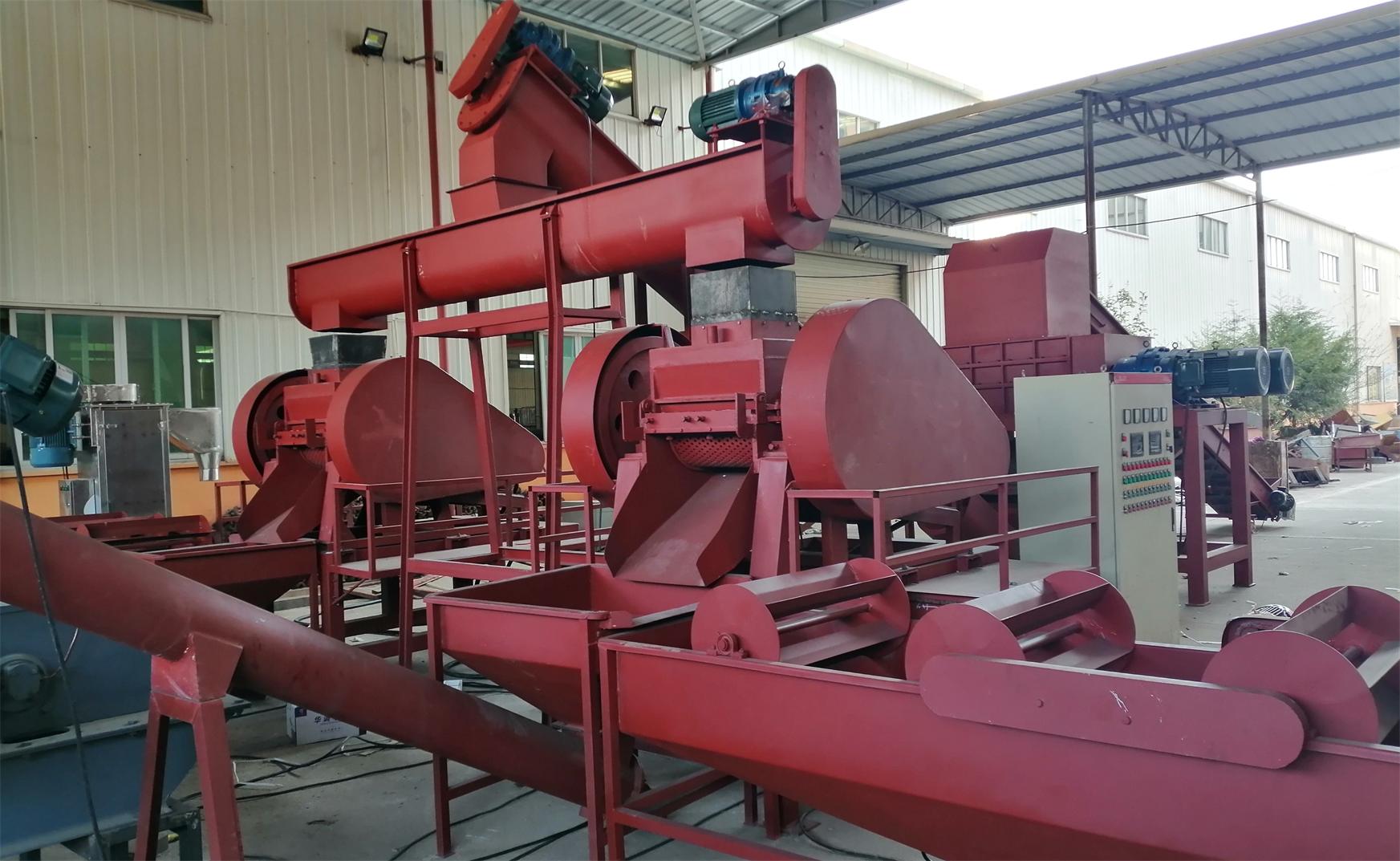
Used lead acid batteries (ULAB) remain one of the most recycled consumer products globally. A complete lead acid battery recycling equipment line typically includes battery cutting systems, breaking and separation units, de-sulfurization equipment, smelting furnaces, and air pollution control systems. These integrated plants can process 1-10 MT per hour, recovering lead paste, lead grids, plastic casings, and acid for resale or reuse.
Modern lead battery recycling plants achieve lead recovery rates up to 95% while meeting strict emission standards. The economic case is compelling: raw material costs for recycled lead are significantly lower than primary mining, and demand from battery manufacturers continues to grow for electric vehicles, renewable energy storage, and industrial applications.
Lithium Battery Recycling: Capturing the EV Revolution
The explosive growth of electric vehicles and consumer electronics has created an urgent need for lithium battery recycling plant capacity. Spent lithium-ion batteries contain valuable metals including lithium, cobalt, nickel, and copper, but they also pose fire and chemical hazards if not handled properly.
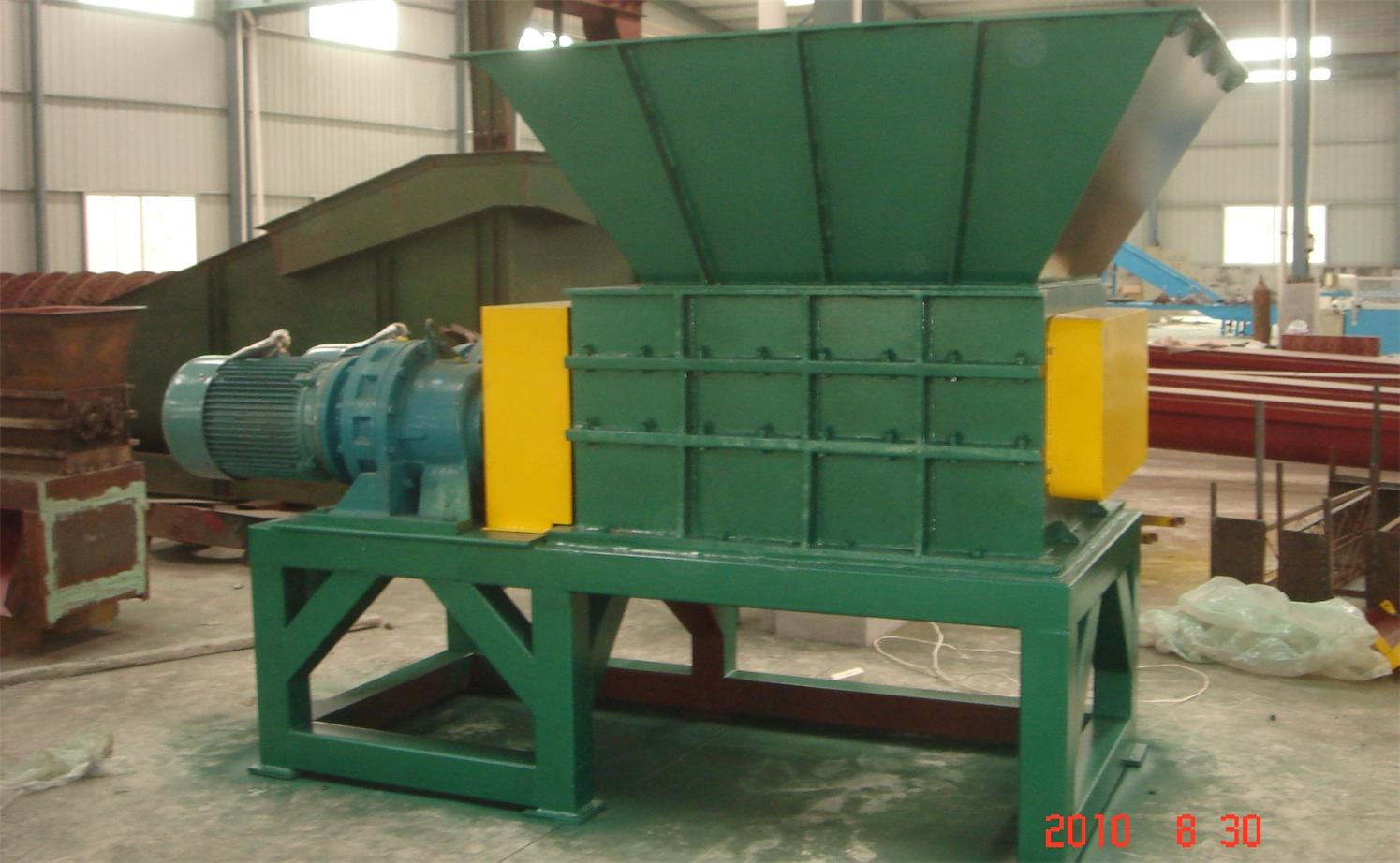
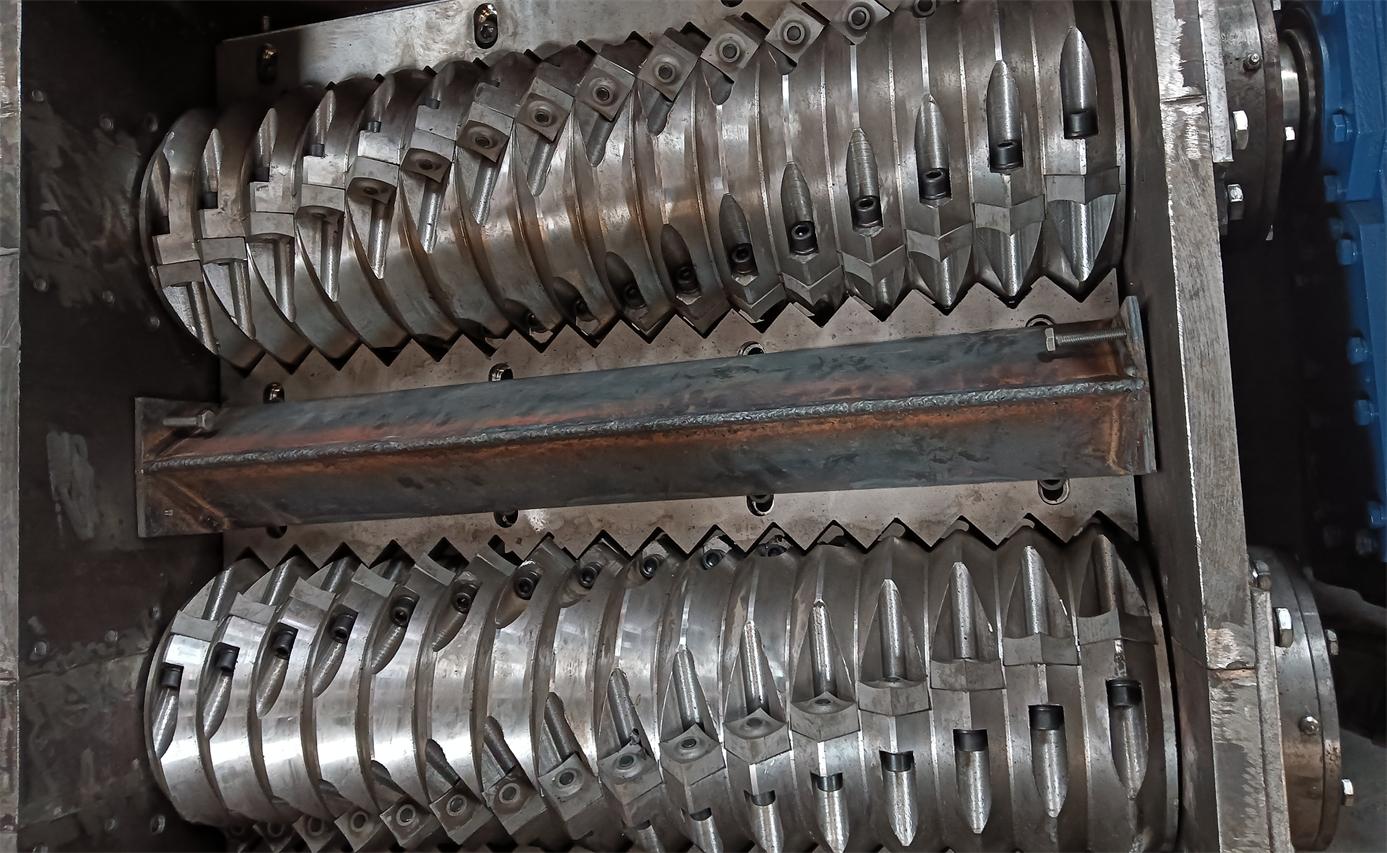
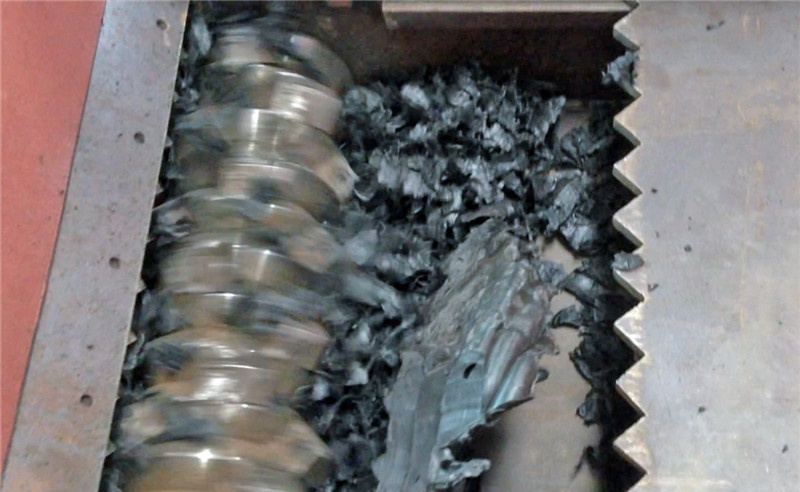
A standard lithium battery recycling line handles 500-2,500 kg per hour through a multi-stage process: discharging, pre-crushing, secondary granulation, magnetic separation, and black powder recovery. The resulting materials, plastic, copper, and aluminum can be sold back into the supply chain, creating a closed-loop system that reduces dependence on mined raw materials.
Cable Recycling: Turning Copper Scrap into Cash
Copper prices have remained strong due to infrastructure electrification and renewable energy expansion. Cable recycling equipment strips and granulates scrap wire to separate copper or aluminum from plastic insulation. Modern cable granulators process 200-1,500 kg per hour with copper purity reaching 99%.
The business model is straightforward: purchase scrap cable at market rates, process it through granulation and separation, then sell the recovered metal at a premium. With proper equipment, operators can achieve payback periods of 12-24 months depending on local material costs and metal prices.
What to Look for in a Recycling Equipment Partner
Choosing the right equipment supplier can mean the difference between a profitable operation and a costly mistake. Experienced manufacturers offer more than just machines, they provide complete project support including:
EPC Project Capability: Engineering, procurement, and construction services ensure your plant is designed, built, and commissioned correctly from day one.
Customization: No two recycling operations are identical. Look for suppliers who can adapt equipment capacity, power requirements, and configuration to your local conditions.
After-Sales Support: Installation, operator training, spare parts availability, and technical consultation are essential for long-term success.
Proven Export Experience: Suppliers with international customers understand voltage standards, shipping logistics, and import documentation.
San Lan Technologies: Your One-Stop Recycling Equipment Source
Founded in 2007, San Lan Technologies Co., Ltd has supplied e-waste recycling machinery to customers in over 21 countries including Singapore, Colombia, Vietnam, Mexico, Argentina, Korea, Malaysia, Indonesia, South Africa, India, and Kenya. The company manufactures a comprehensive range of equipment covering lead acid battery recycling, lithium battery recycling, circuit board processing, cable granulation, CRT cutting, refrigerator and AC recycling, motor dismantling, and material shredding.
San Lan's technical team brings master's-level mechanical engineering expertise and over 15 years of hands-on experience in recycling plant design. The company offers complete EPC services, from initial layout planning to installation and commissioning. For customers entering the recycling business, San Lan can also assist with raw material sourcing, product offtake arrangements, and even investor partnerships.
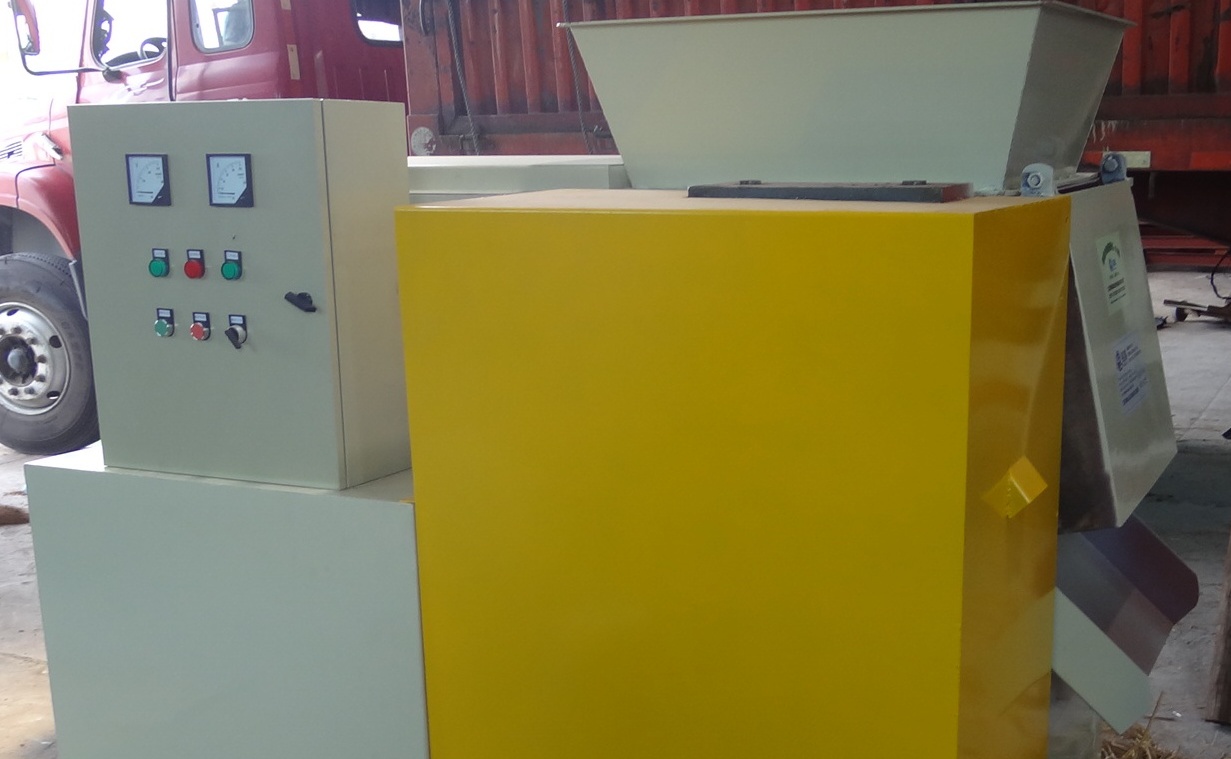
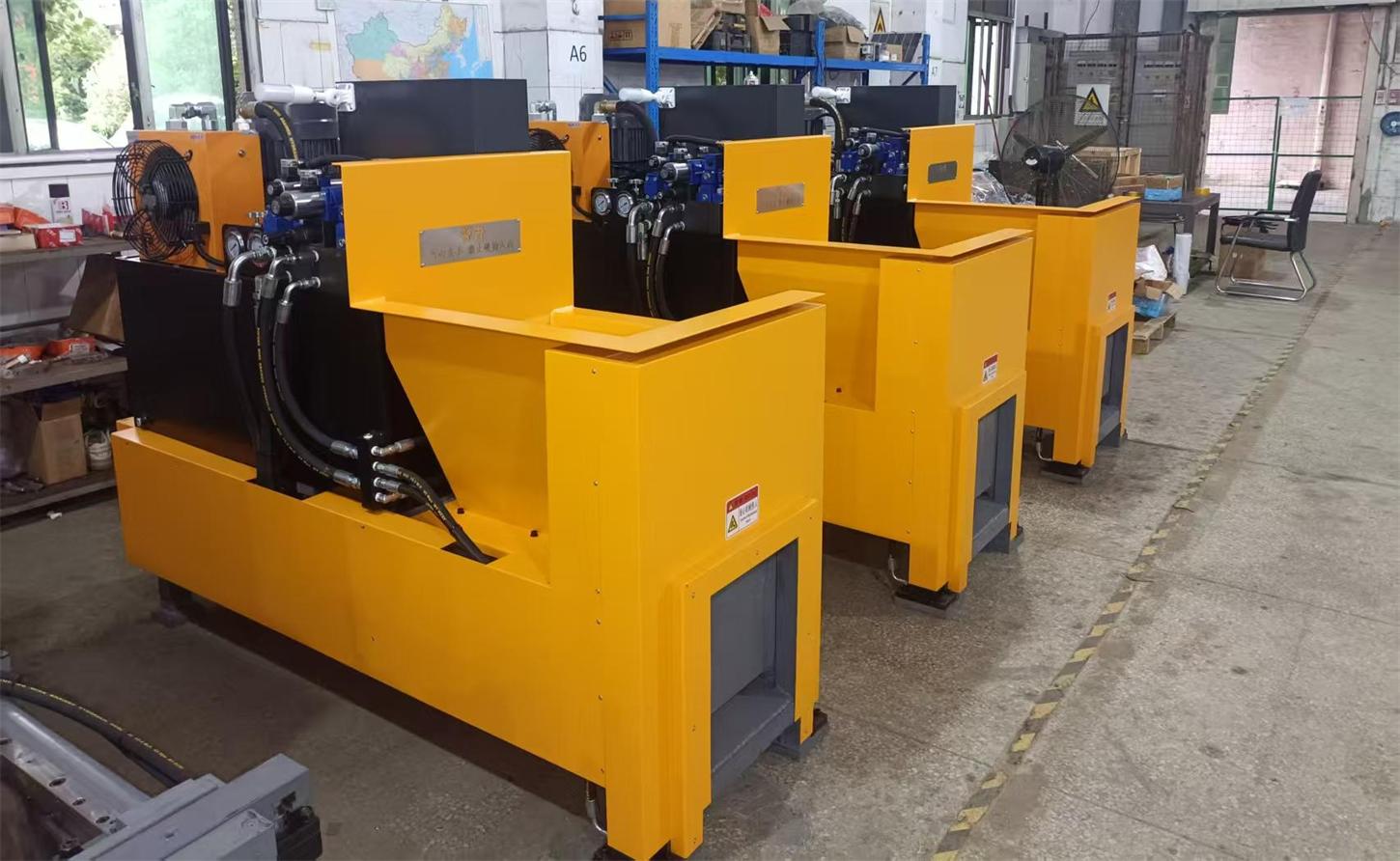
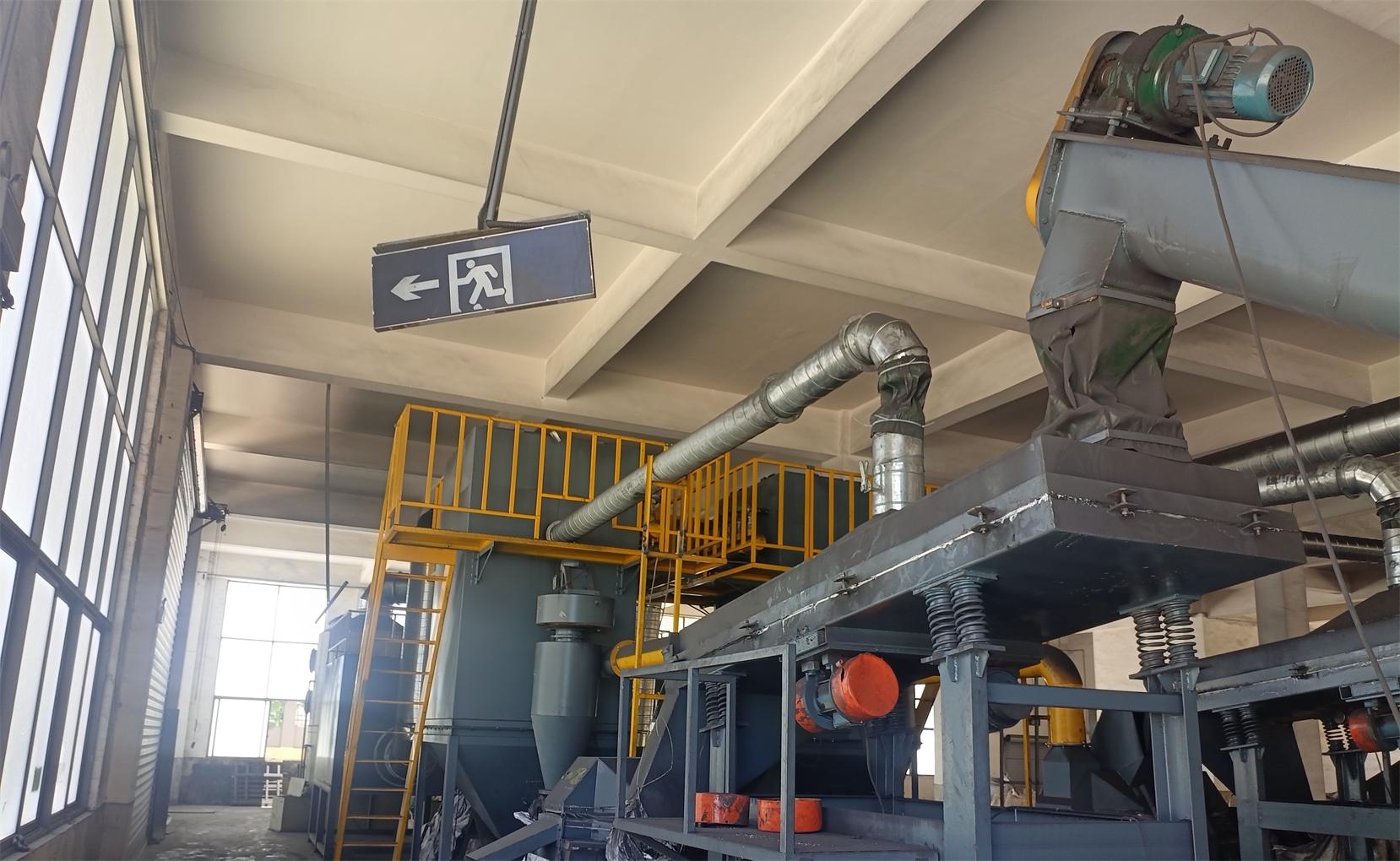
All equipment is built with high-strength alloy steel, wear-resistant components, and integrated dust control systems. Before shipment, each machine undergoes load testing, leak inspection, and voltage verification to ensure reliable performance in demanding industrial environments.
Ready to start or expand your recycling operation? Contact San Lan Technologies today for a free consultation and equipment proposal tailored to your material stream, capacity requirements, and budget. With the right equipment partner, your e-waste recycling business can turn environmental responsibility into sustainable profit.
Email: info@san-lan.com | WhatsApp: +86 139 2377 4083
Website: www.san-lan.com