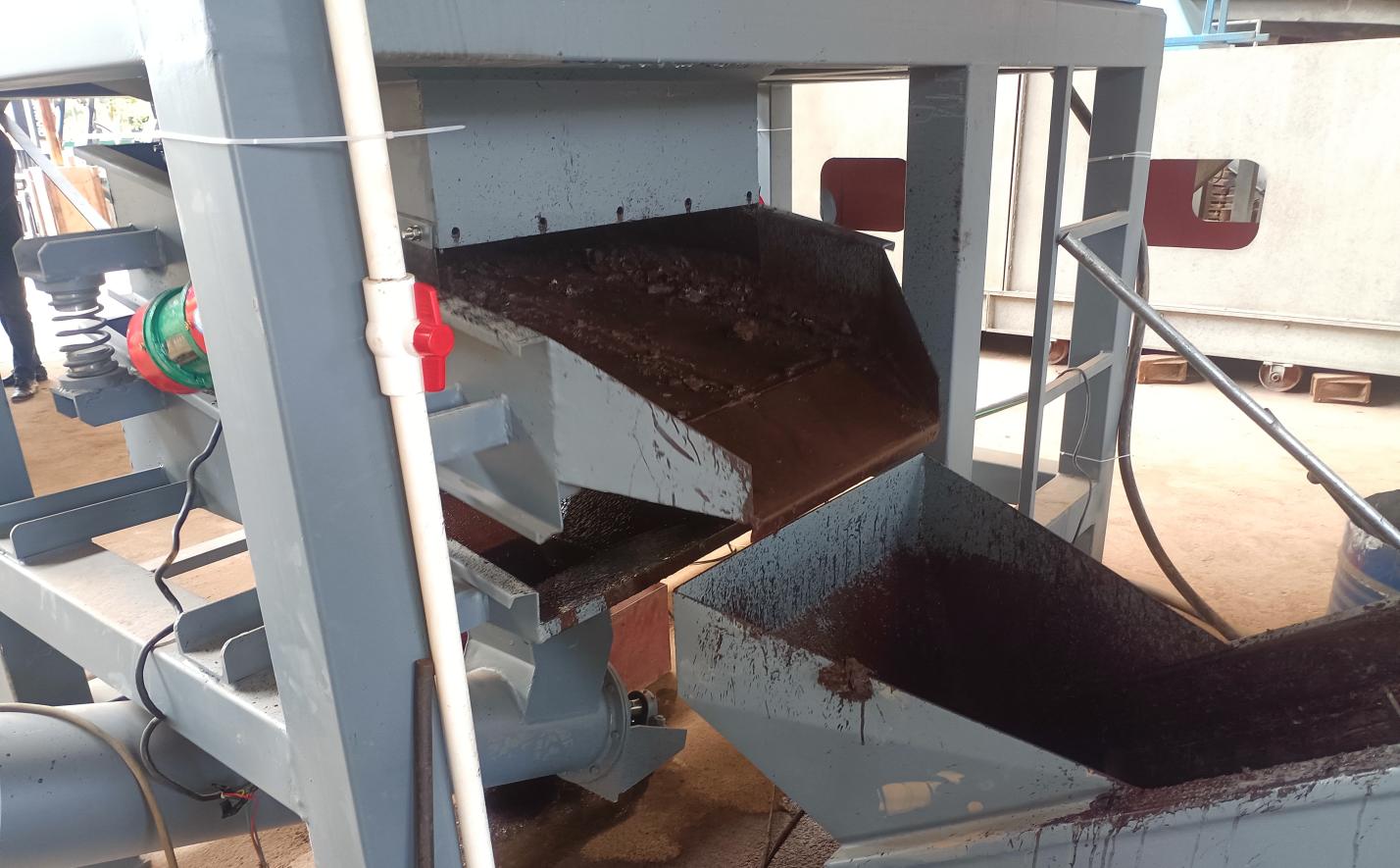
Electronic waste is one of the fastest-growing waste streams on the planet. Every year, millions of tons of discarded batteries, circuit boards, and cables end up in landfills, leaking toxic chemicals into soil and groundwater while wasting valuable metals that could be recovered and reused. For entrepreneurs and industrial operators willing to invest in the right technology, this challenge represents a massive business opportunity. With proper equipment and a clear operational strategy, what starts as scrap can become a steady stream of revenue.
Why Battery and E-Waste Recycling Is a Growth Industry
The global push for electrification, renewable energy storage, and stricter environmental regulations has created unprecedented demand for battery recycling infrastructure. Lead-acid batteries remain the dominant power source for vehicles and backup systems, while lithium-ion batteries power everything from electric vehicles to consumer electronics. Both categories require specialized recycling processes to recover lead, lithium, cobalt, nickel, and copper safely and profitably.
Governments across Africa, Southeast Asia, Latin America, and the Middle East are tightening rules on hazardous waste disposal. This regulatory shift is pushing local businesses to establish certified recycling facilities rather than relying on informal or illegal dumping. Operators who move first to set up compliant, efficient plants gain a significant competitive advantage.
Three Core Revenue Streams for Recycling Investors
A well-designed recycling operation typically focuses on one or more of the following high-value material streams:
1. Lead-Acid Battery Recycling
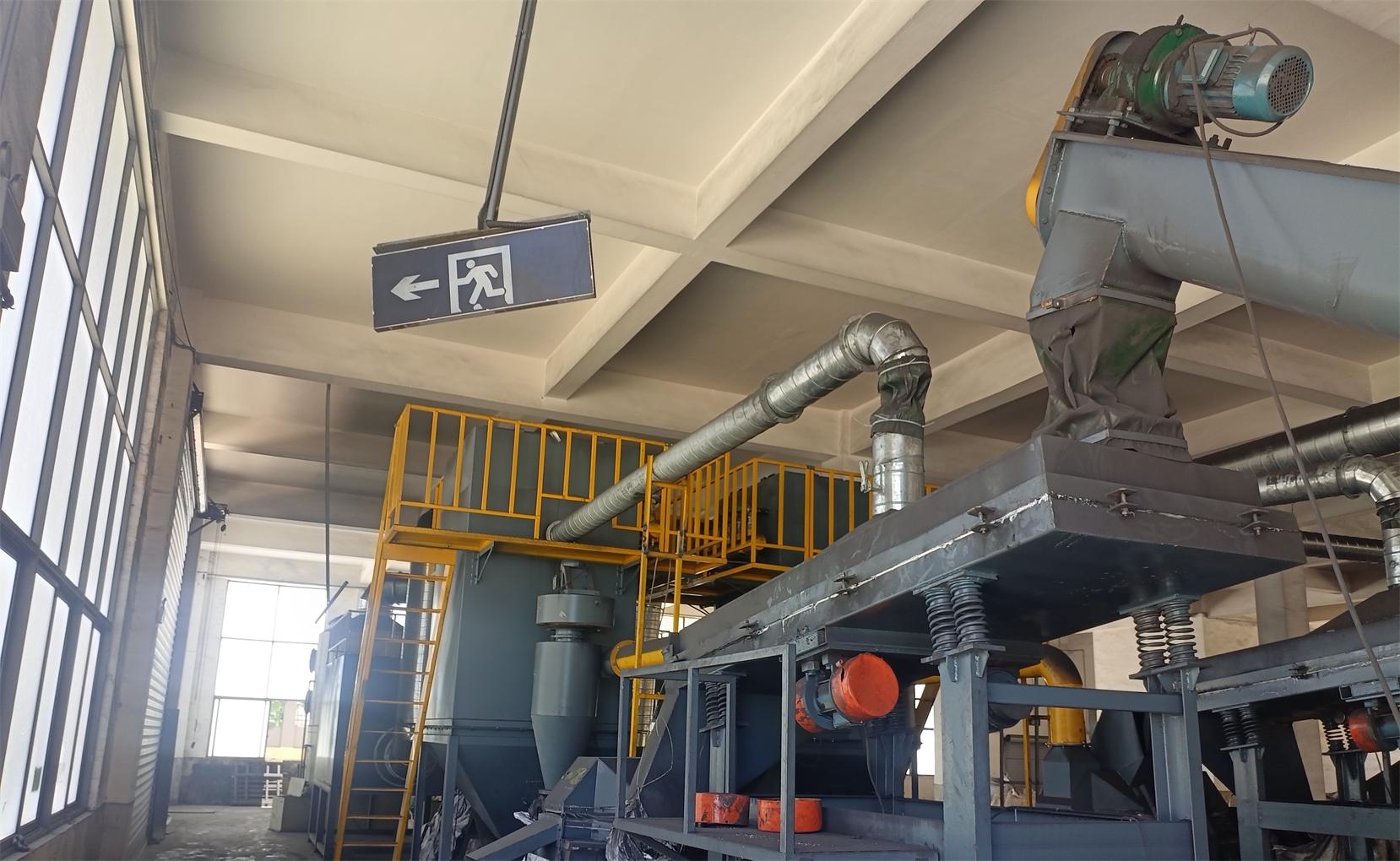
Used lead-acid batteries (ULAB) are among the most recycled consumer products in the world, with recovery rates above 95% when processed correctly. A complete lead acid battery recycling equipment line typically includes battery breaking and separation systems, de-sulfurization units, rotary furnaces or blast furnaces for lead paste reduction, refinery kettles for producing 99.999% pure lead, and air pollution control systems to meet environmental standards.
Capacities generally range from 1 to 10 metric tons per hour, depending on the scale of investment and available feedstock. The output, lead ingots, commands strong market demand from battery manufacturers and foundries.
2. Lithium-Ion Battery Recycling
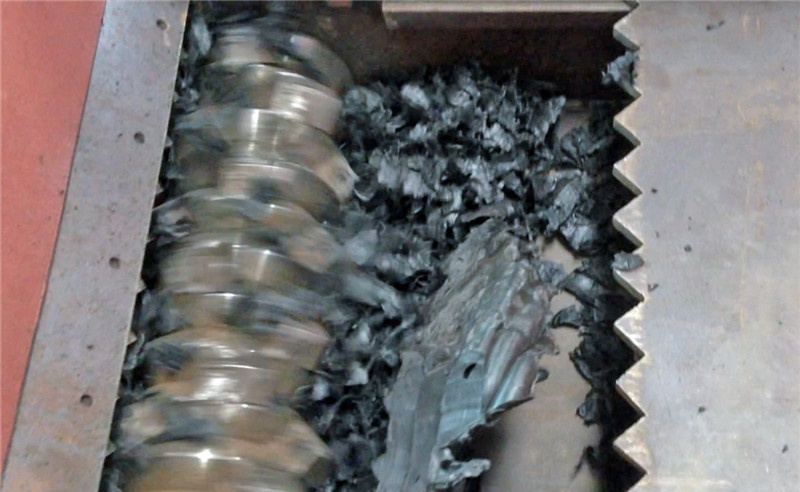
As electric vehicle adoption accelerates, spent lithium-ion batteries are becoming one of the most important secondary raw material sources. Unlike lead-acid units, lithium batteries require dry crushing, magnetic separation, and multi-stage classification to recover black mass containing nickel, cobalt, and graphite, plus separate streams of copper, aluminum, and plastic film.
A modern li battery recycling equipment plant can process between 500 and 2,500 kilograms per hour. Because lithium battery chemistries vary widely, flexibility in process design is essential. Custom-configured lines that can handle diverse cell formats, from cylindrical 18650 cells to large EV battery packs, deliver the best long-term returns.
3. Cable and Circuit Board Recovery
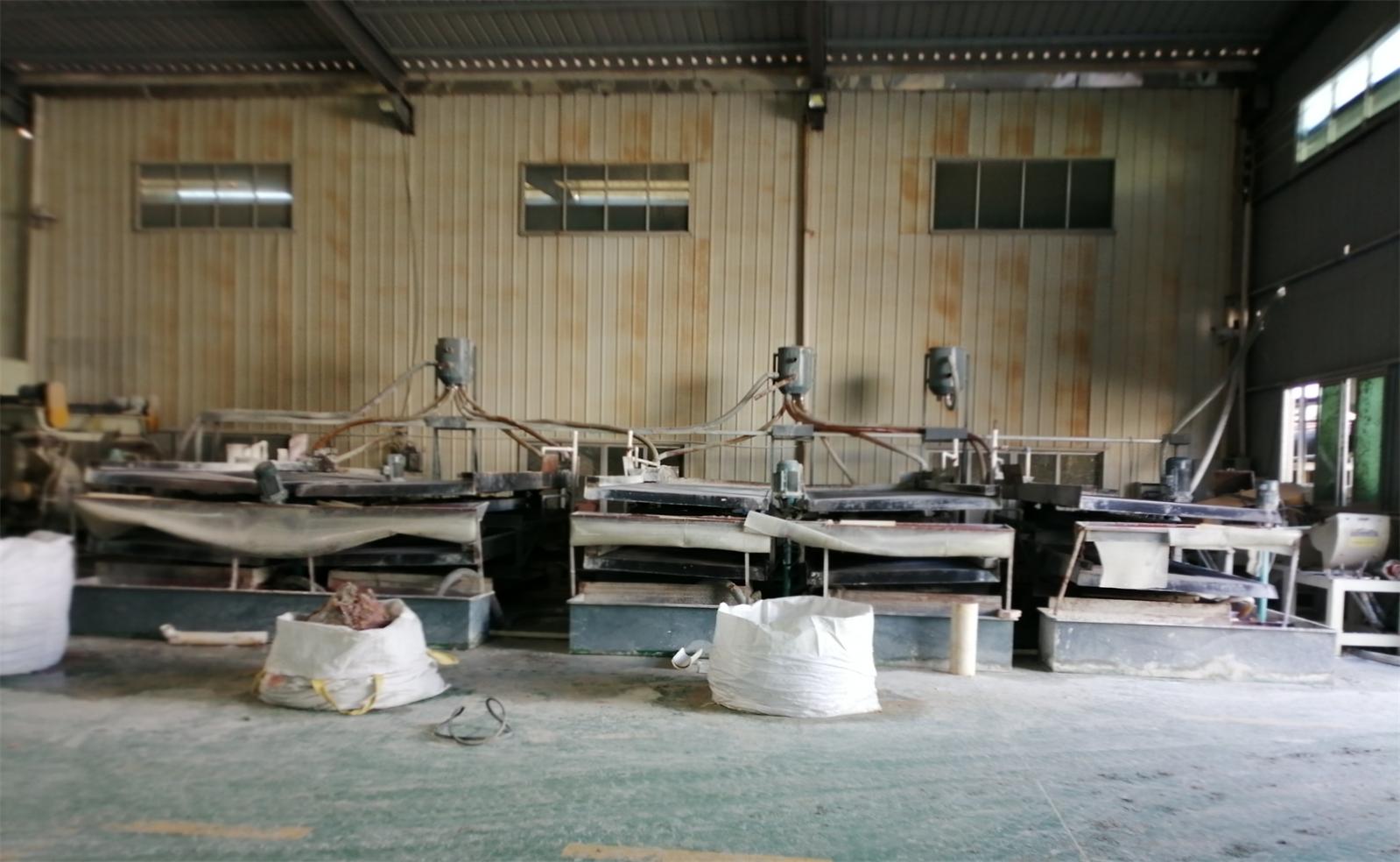
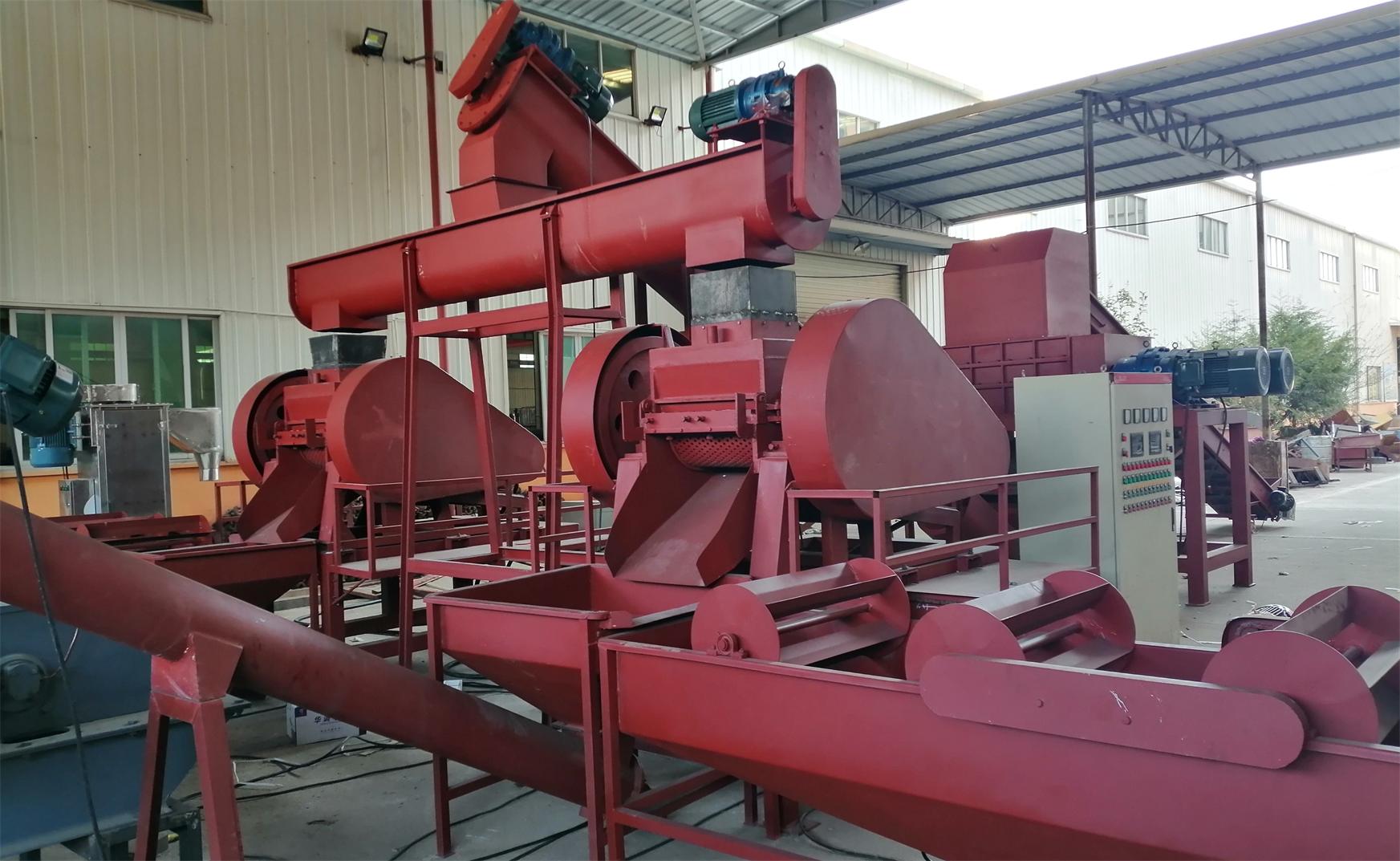
Scrap copper and aluminum cable, along with printed circuit boards from obsolete electronics, represent two of the most accessible entry points into e-waste recycling. Cable recycling equipment uses dry or wet granulation and air separation to produce copper rice or copper powder with purity levels of 96-98%. Circuit board recycling plants recover copper powder and precious metals through mechanical crushing followed by air or water separation.
Cable lines range from compact 100 kg/hour units suitable for small yards to large 2,000 kg/hour systems for industrial-scale operations. Circuit board plants offer similar scalability, with dry separation systems avoiding wastewater treatment costs and wet separation systems delivering higher recovery rates for complex boards.
What Separates Successful Plants from Struggling Ones
Equipment alone does not guarantee profitability. The most successful recycling operations share several common traits:
- End-to-end process integration: Breaking, separation, smelting, refining, and emission control must work as a unified system, not isolated machines.
- Environmental compliance: Air pollution control, water treatment, and safe acid handling are not optional add-ons. Regulators shut down plants that cut corners.
- Feedstock security: A recycling plant is only as good as its supply of waste material. Operators who establish contracts with battery retailers, auto workshops, scrap dealers, or municipal collection programs before commissioning equipment reduce startup risk dramatically.
- Offtake agreements: Recovered metals need buyers. Lead ingots, copper powder, and black mass all command market prices, but having buyers lined up improves cash flow and negotiating position.
Choosing an Equipment Supplier with Real Project Experience
Many vendors sell individual machines. Fewer can design, procure, install, and commission an entire plant. For first-time investors or operators expanding into new material streams, working with a supplier that offers EPC-style project delivery reduces complexity and shortens the path to production.
San Lan Technologies Co., Ltd, established in 2007 and based in Jiangxi Province, China, has supplied recycling equipment to customers in more than 21 countries, including Singapore, Colombia, Vietnam, Mexico, South Africa, India, Kenya, Saudi Arabia, and the Philippines. The company's engineering team holds master's degrees in mechanical engineering and brings over 15 years of hands-on experience in e-waste recycling machinery design.
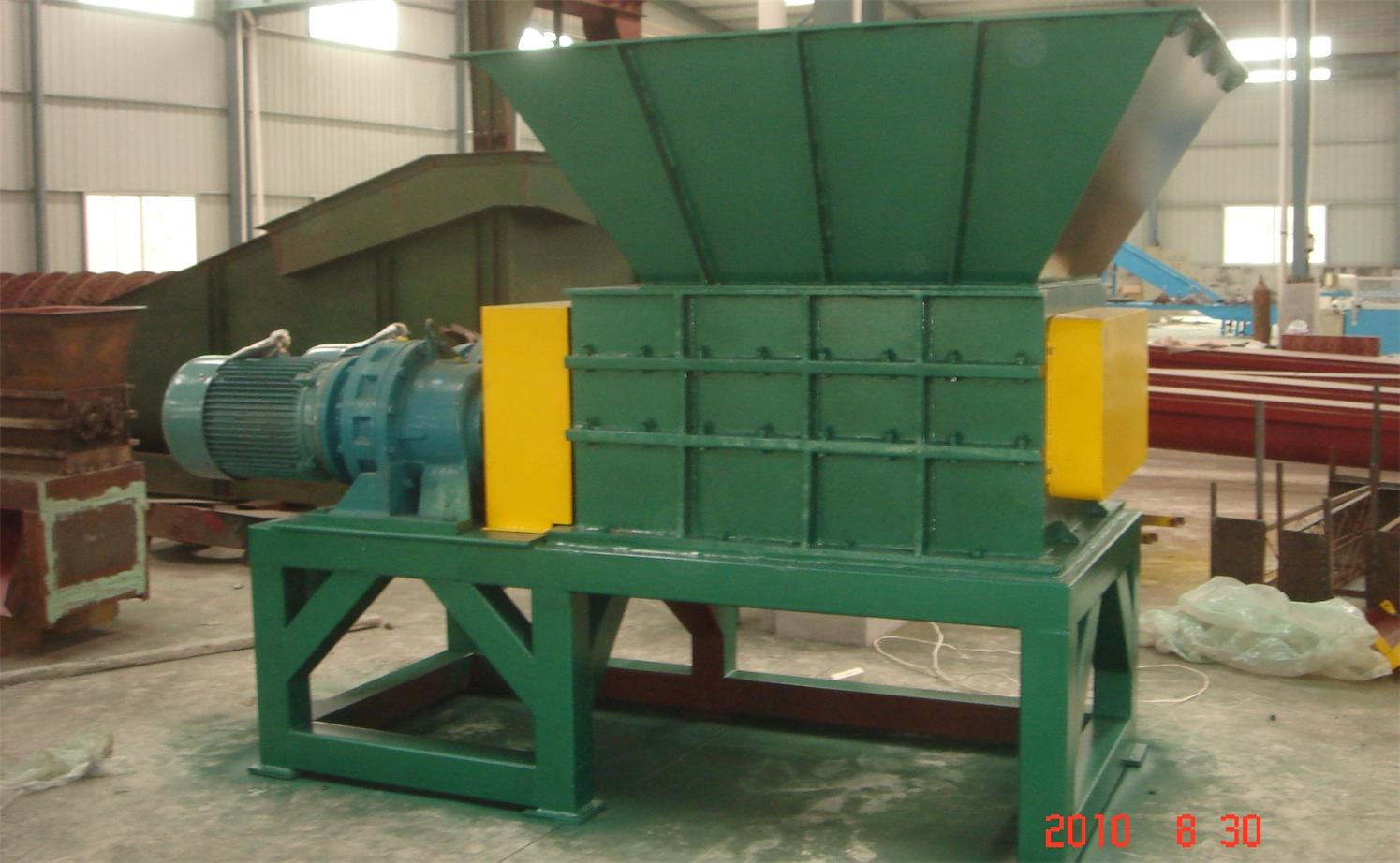
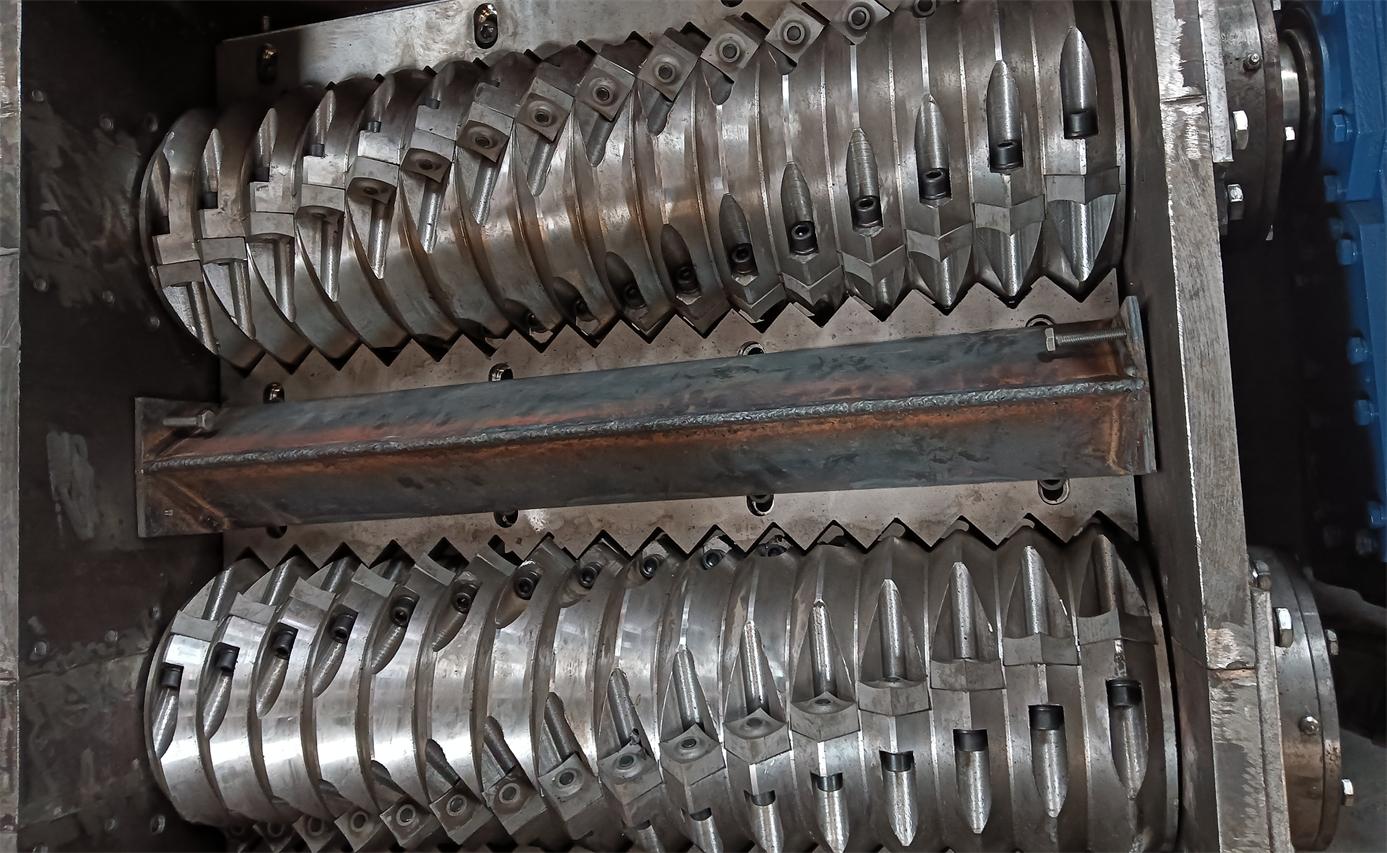
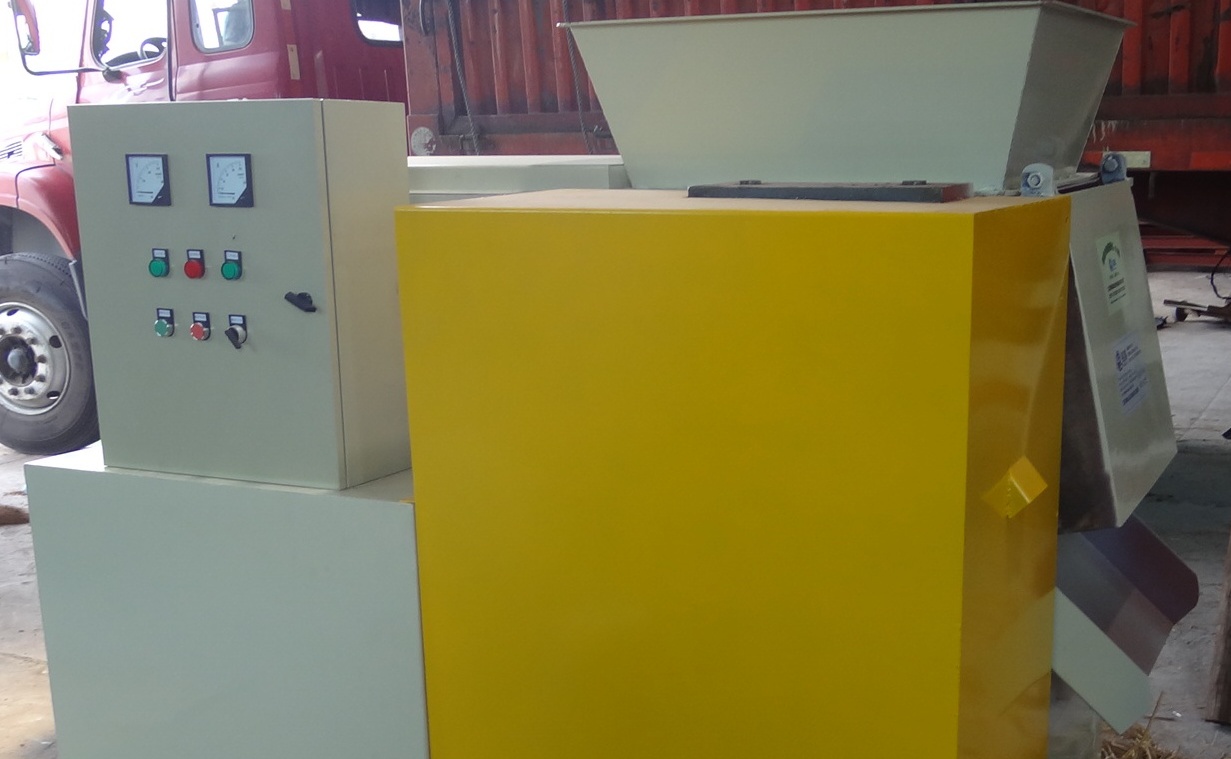
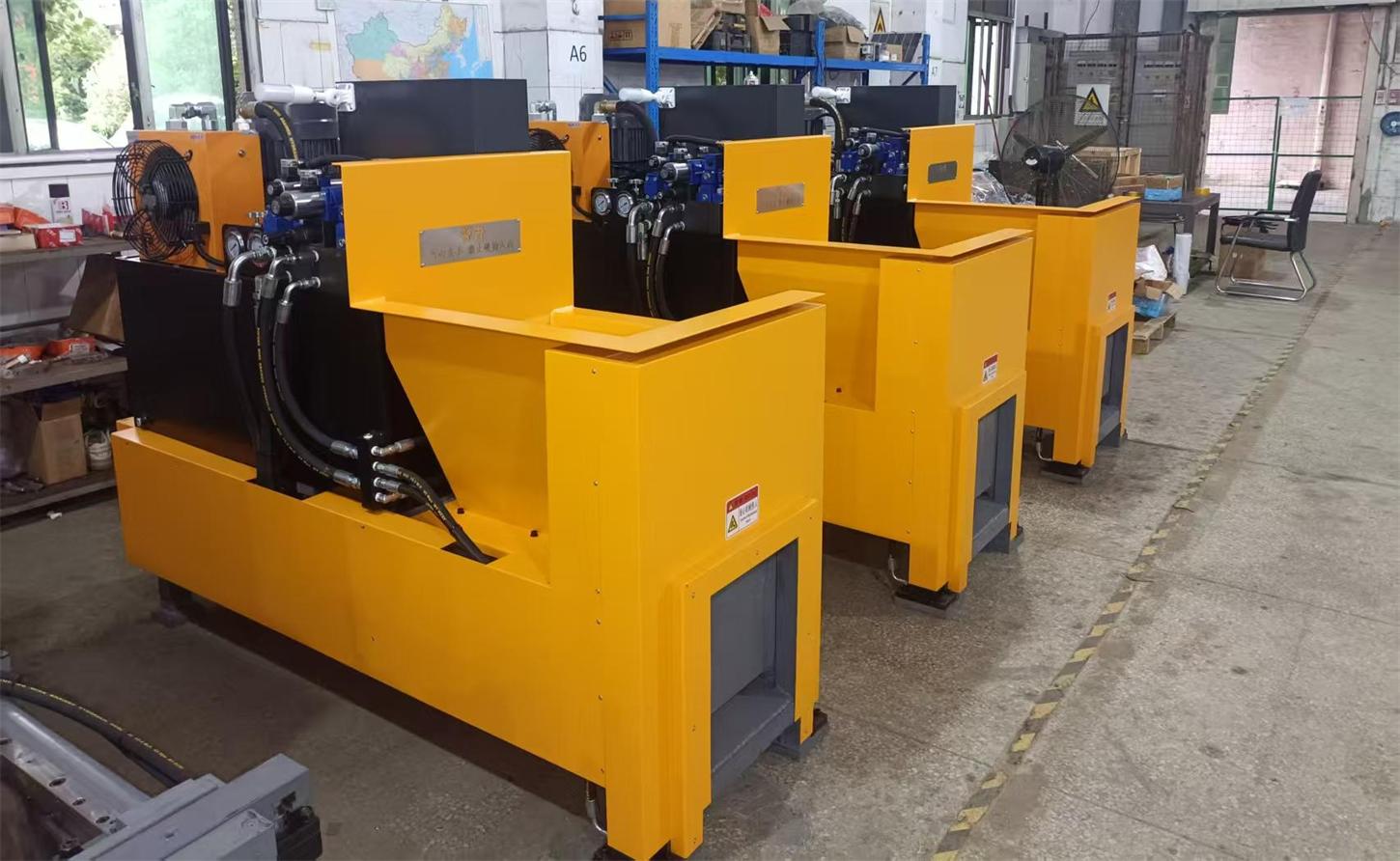
San Lan's portfolio covers lead-acid battery recycling plants, lithium-ion battery recycling lines, circuit board recycling systems, cable granulators, shredders, hydraulic presses, and auxiliary equipment such as air pollution control systems and water treatment plants. Beyond manufacturing, the company assists customers with waste material sourcing, plant construction partnerships, and product offtake support for recovered copper, lead, and other metals.
Getting Started: A Practical Roadmap
If you are evaluating a recycling plant investment, consider the following sequence:
- Market study: Quantify available feedstock within your target radius and identify existing competition.
- Regulatory review: Understand licensing, environmental impact assessment, and hazardous waste handling requirements in your jurisdiction.
- Technology selection: Match equipment specifications to your feedstock mix, capacity targets, and budget.
- Site preparation: Plan for power supply, water access, emission control infrastructure, and material storage areas.
- Installation and commissioning: Work with experienced technicians who can train local staff and optimize process parameters.
Each of these steps benefits from a supplier that has executed similar projects in comparable regulatory and economic environments.
Conclusion
Battery and e-waste recycling is no longer a niche environmental activity. It is a structured industrial business with clear revenue models, established technologies, and growing regulatory support. Whether you are looking at lead-acid batteries from automotive workshops, lithium cells from consumer electronics, or copper cables from construction sites, the right equipment and partnership can turn waste streams into profitable raw material recovery operations.
Ready to explore equipment options for your recycling project? Visit San Lan Technologies to review detailed specifications for lead-acid battery recycling plants, lithium battery recycling lines, cable granulators, and circuit board recovery systems. The engineering team welcomes inquiries for customized plant design and turnkey project delivery.