Electronic waste is one of the fastest-growing waste streams on the planet. Every year, millions of tonnes of discarded electronics pile up in landfills or informal collection points. Yet hidden within this waste is a supply of recoverable metals: copper, aluminum, lead, lithium, cobalt, and even gold. For entrepreneurs and established recycling operators alike, the question is no longer whether e-waste recycling is viable, but which equipment and processes will deliver consistent returns.
The Core E-Waste Streams Worth Recycling
Not all e-waste is processed the same way. The most profitable operations typically focus on specific material streams that offer high metal content and established recovery pathways. The four pillars of a robust e-waste recycling business are:
- Used lead acid batteries (ULAB) – High lead content and a well-established resale market for recovered lead ingots.
- Lithium-ion batteries – Rapidly growing feedstock driven by electric vehicles and consumer electronics.
- Printed circuit boards (PCB) – Concentrated sources of copper and precious metals.
- Scrap cables and wires – Clean separation of copper or aluminum from plastic insulation yields immediate resale value.
Each stream requires specialized machinery. Attempting to process mixed e-waste without the right equipment leads to low recovery rates, contaminated outputs, and regulatory headaches.
Lead Acid Battery Recycling: A Proven Revenue Engine
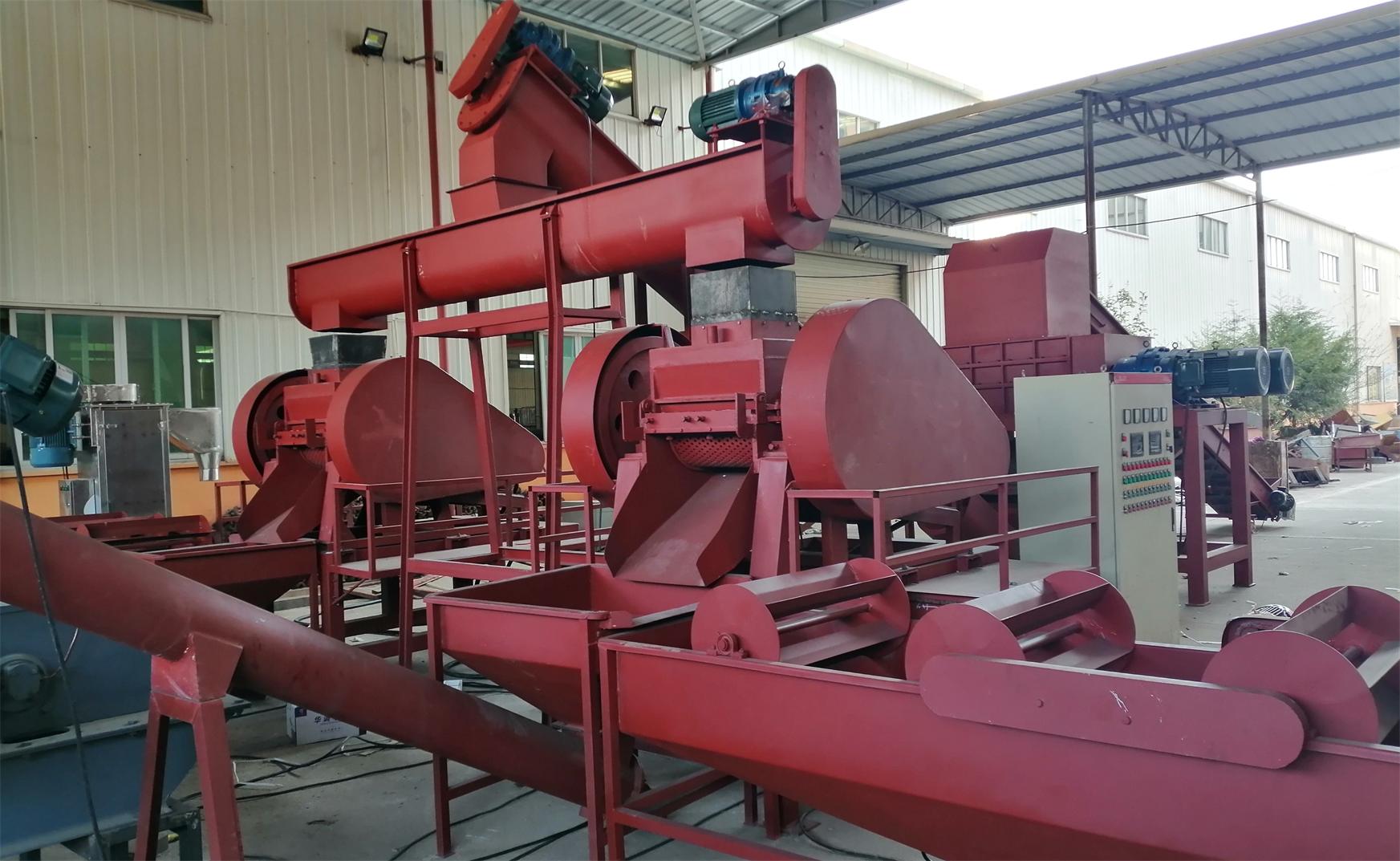
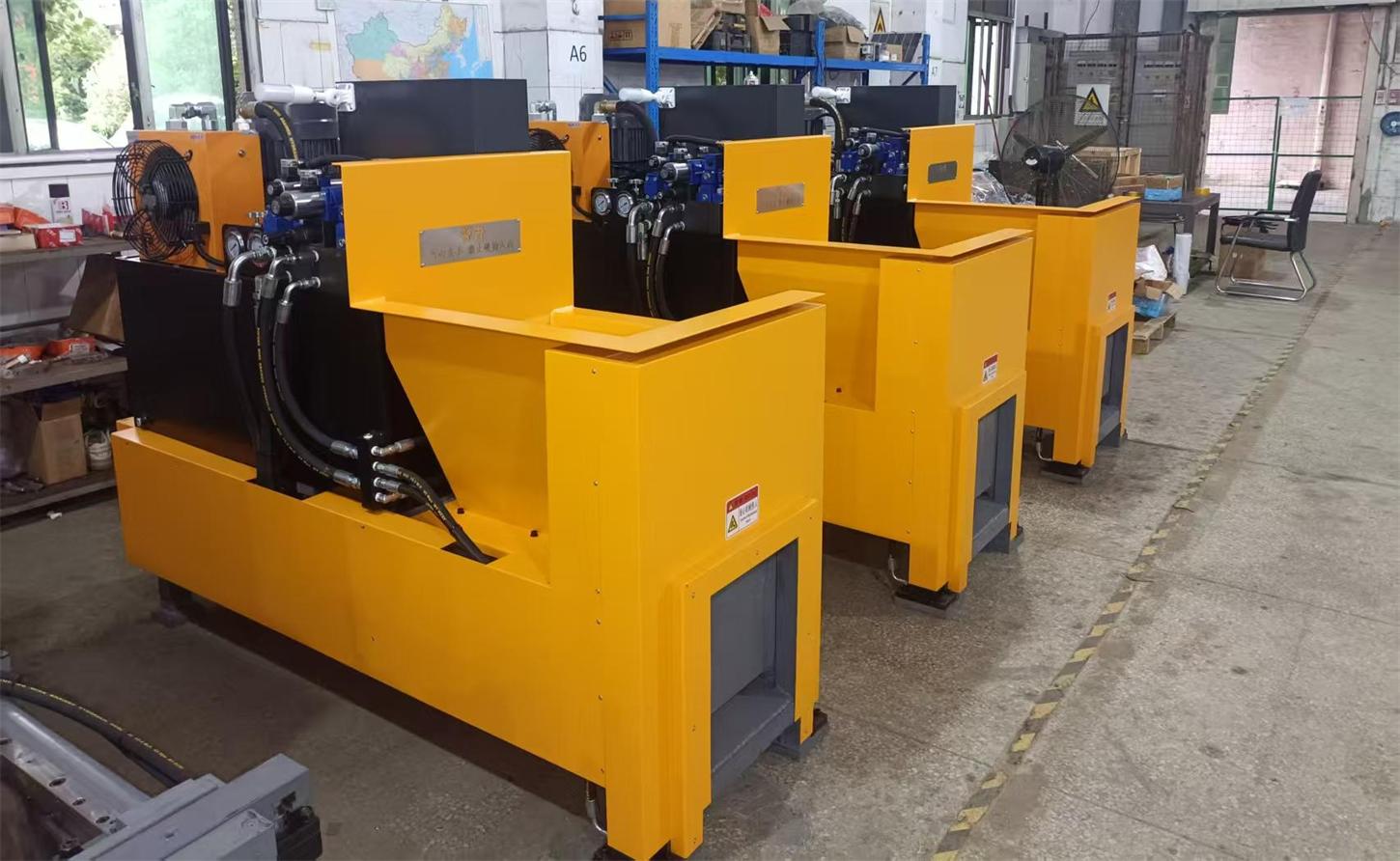
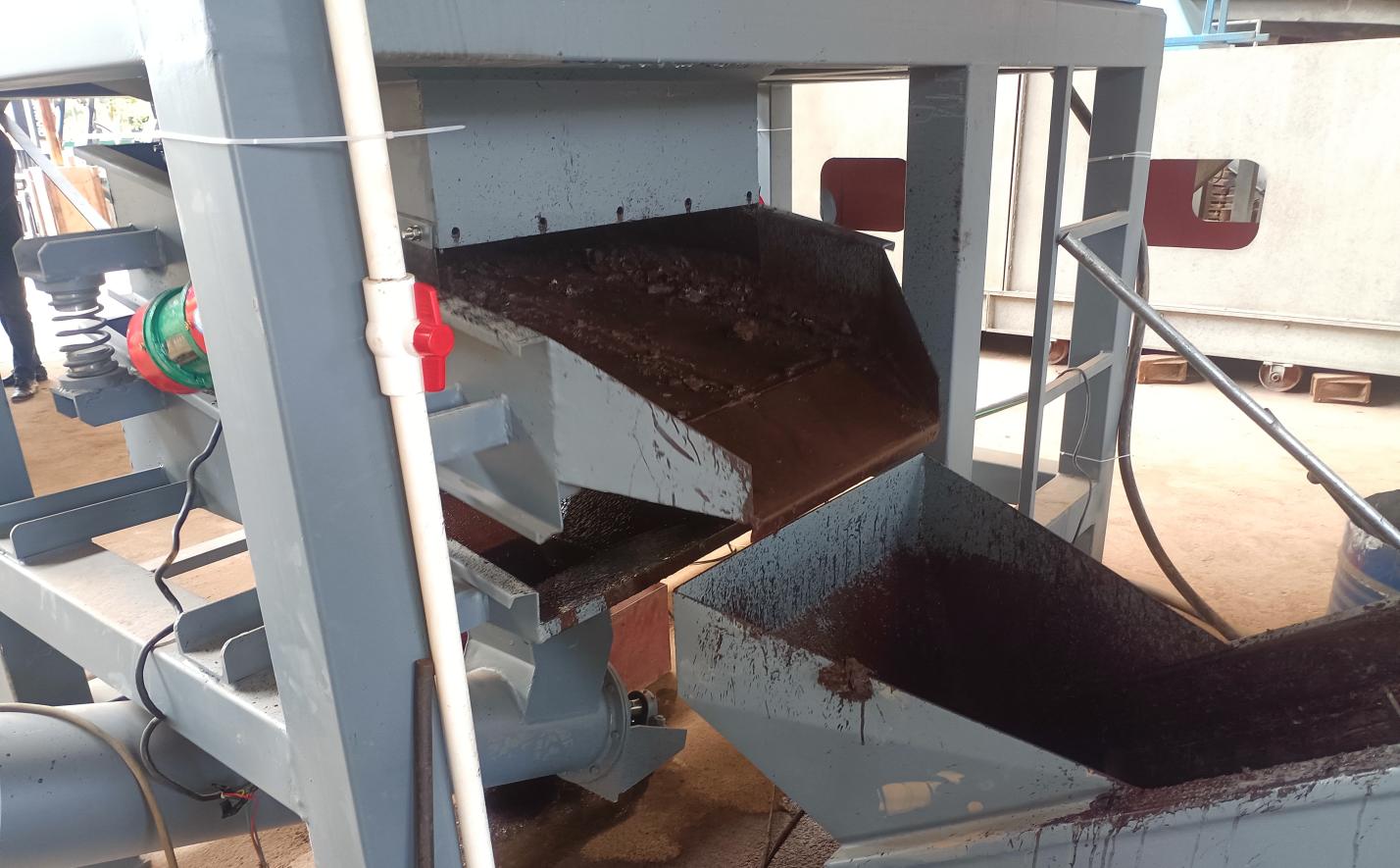
Lead acid batteries remain the most recycled consumer product globally. A complete lead acid battery recycling equipment line typically includes a battery breaking and separation system, a rotary furnace or blast furnace for paste reduction, a lead refinery kettle, and integrated pollution control systems. Modern plants can process 1–10 metric tonnes per hour, separating batteries into four clean fractions: lead paste, lead grid, plastic shell, and hard rubber. With proper desulfurization units, operators can reduce sulfur emissions, lower melting temperatures, and cut energy costs while maintaining environmental compliance.
Lithium Battery Recycling: Capturing the Energy Transition
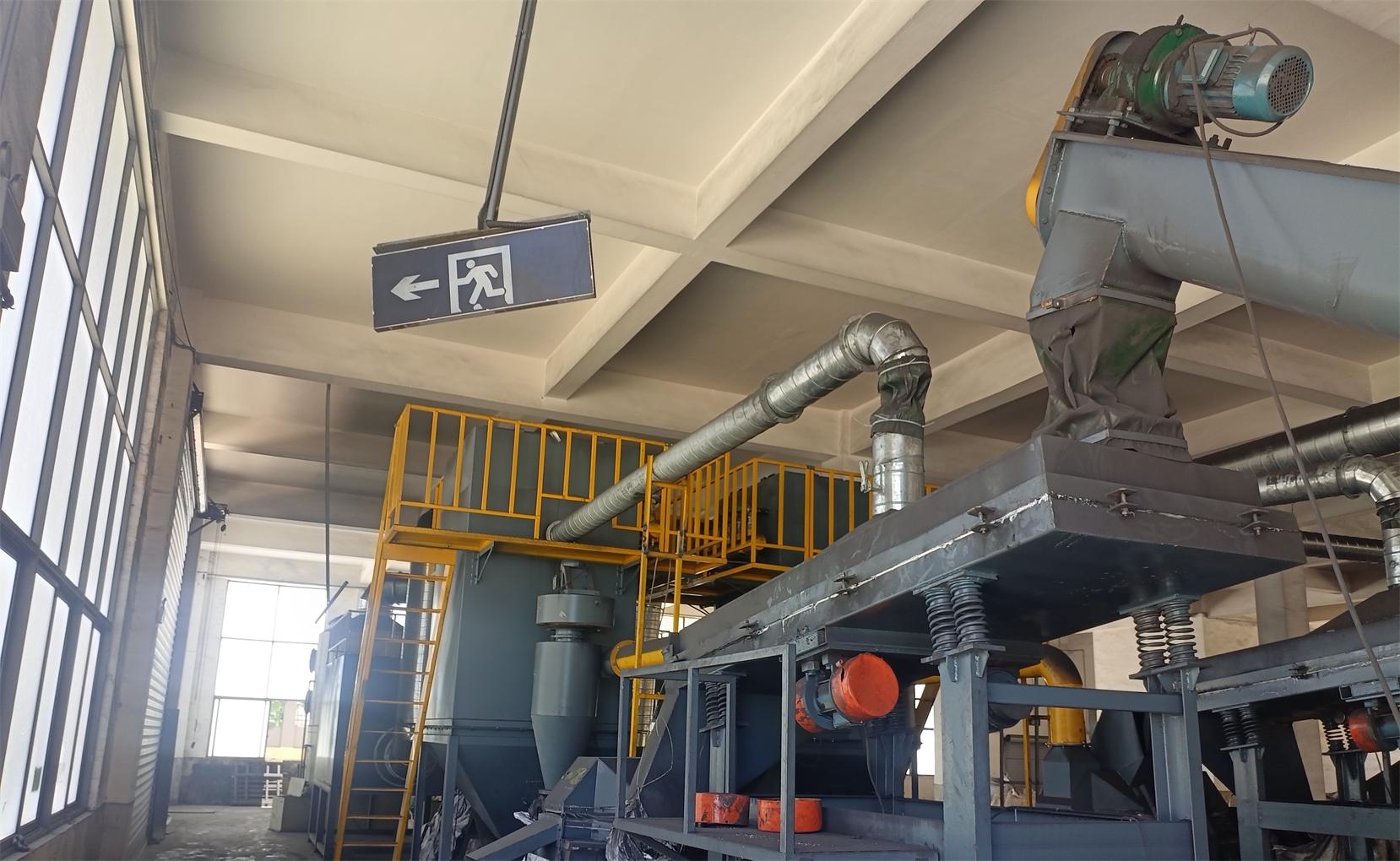
As electric mobility and energy storage expand, spent lithium-ion batteries are becoming a critical secondary resource. A standard li battery recycling equipment setup breaks and separates waste lithium batteries to recover black mass (containing nickel, cobalt, and graphite), plastic film, copper, and aluminum. Capacities range from 500 to 2,500 kg per hour. Because lithium batteries can pose fire and thermal runaway risks, integrated air pollution control systems and proper discharge protocols are essential for safe, compliant operation.
Circuit Board Recycling: Recovering Precious Metals
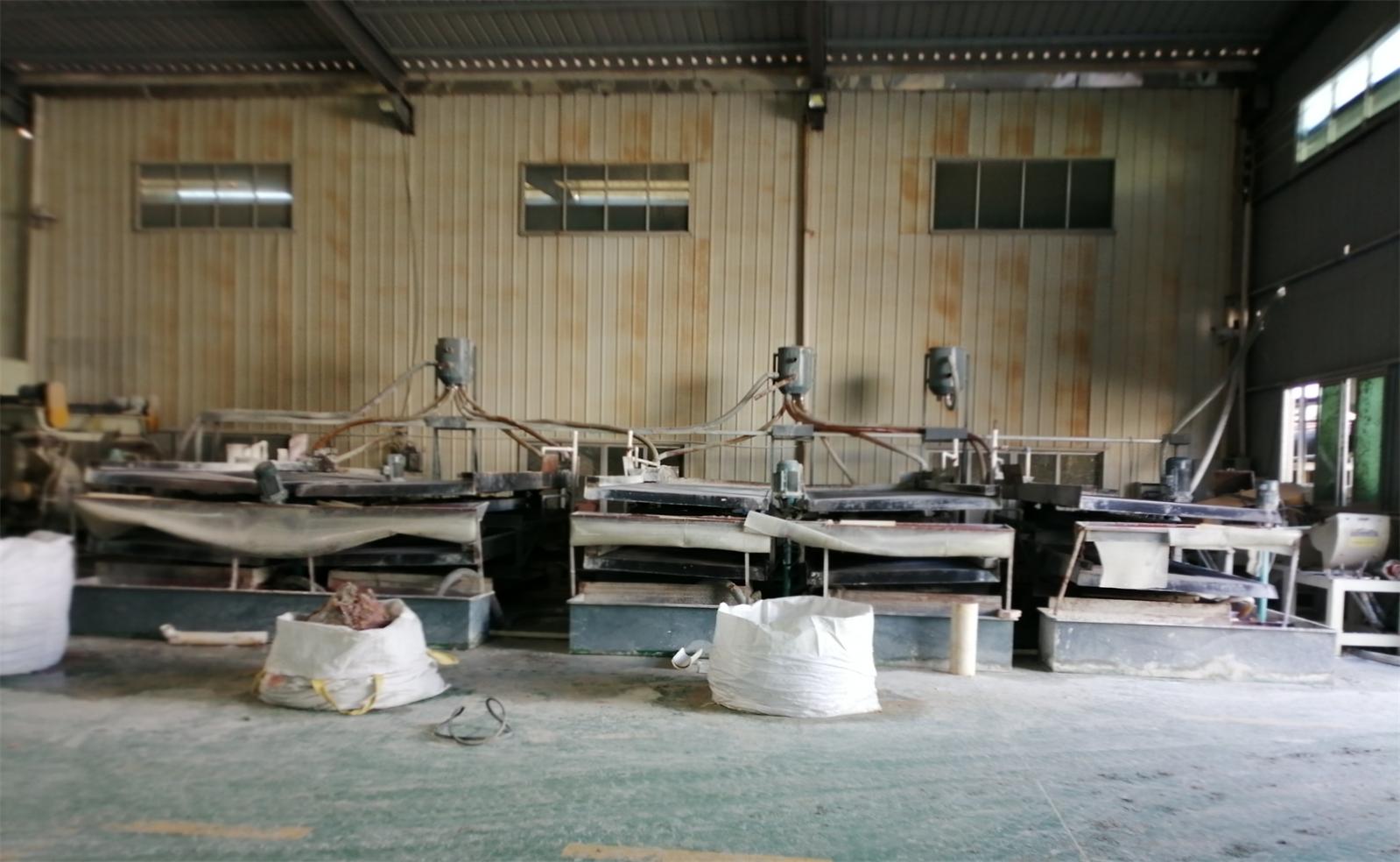
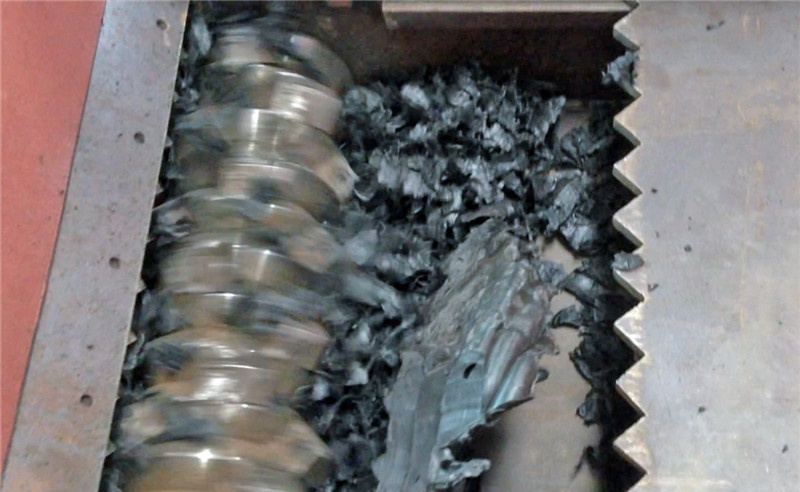
PCBs from computers, servers, and telecommunications equipment carry some of the highest metal concentrations in the e-waste stream. Circuit board recycling equipment uses either dry air separation or wet water separation to crush boards and isolate copper powder with purity levels reaching 96–98%. Depending on capacity needs, plants can be scaled from 300 kg/hour pilot units up to 2,000 kg/hour industrial lines. Dry systems avoid wastewater treatment requirements, while wet systems can handle PCBs still carrying electronic components.
Cable Recycling: Turning Wire Scrap into Copper Rice
Scrap cable is one of the most accessible feedstocks for new recycling ventures. Cable recycling plants use a combination of stripping machines and dry granulators to separate copper or aluminum from plastic insulation. Strippers handle cables from 1.5 mm up to 150 mm in diameter, while granulators process smaller fractions into copper rice ready for smelters. A well-configured cable line can achieve high metal purity, making the output directly salable to metal refineries without further processing.
What to Look for in a Recycling Equipment Partner
Selecting machinery is only part of the equation. The right supplier should offer:
- Turnkey project experience – From customized design and installation to commissioning.
- EPC capability – Engineering, procurement, and construction under one roof.
- Environmental compliance support – Integrated pollution control and effluent treatment.
- After-sales technical support – Spare parts availability and troubleshooting.
- Feedstock and offtake assistance – Help sourcing raw materials and selling recovered products.
San Lan Technologies: A One-Stop Recycling Equipment Partner
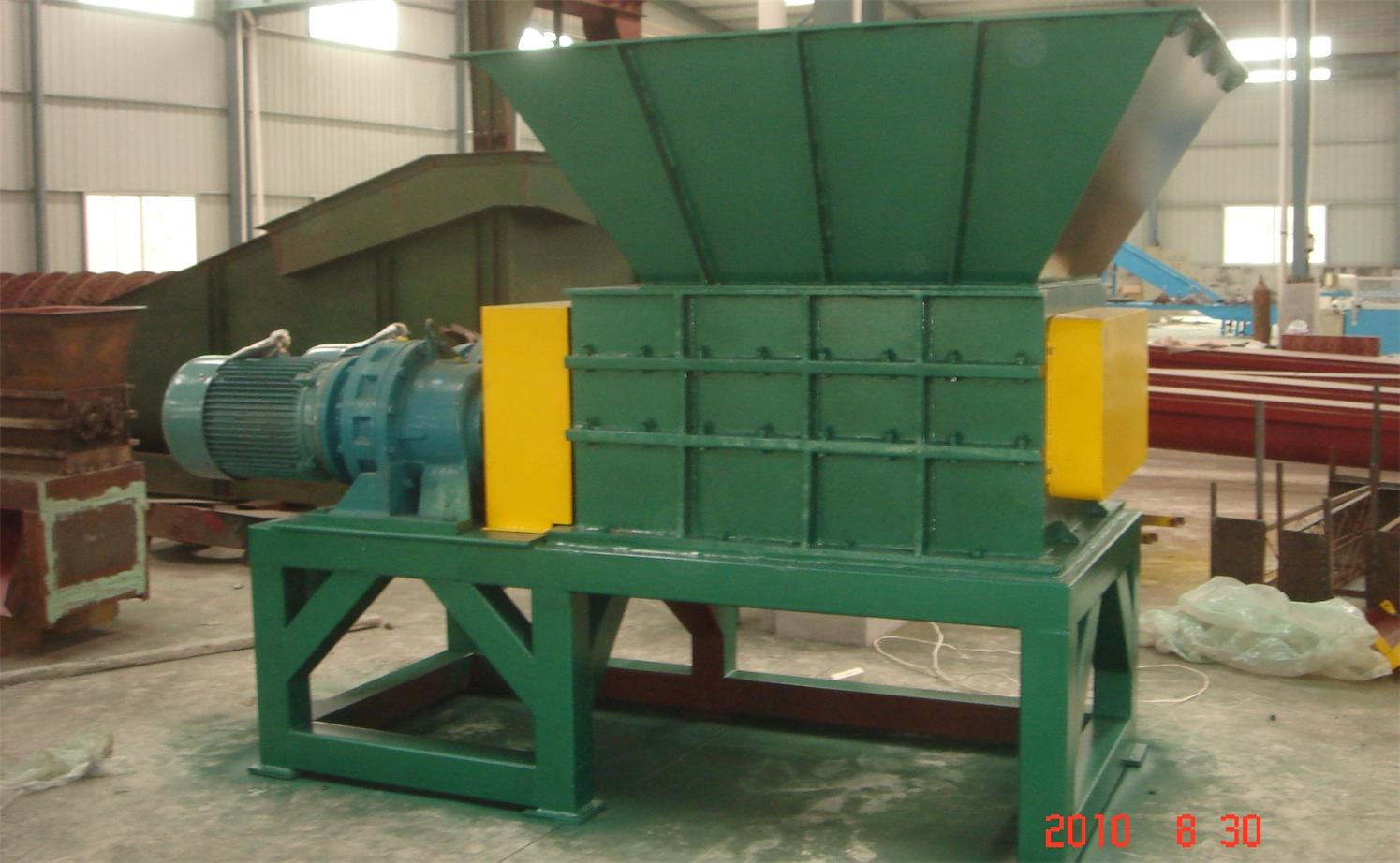
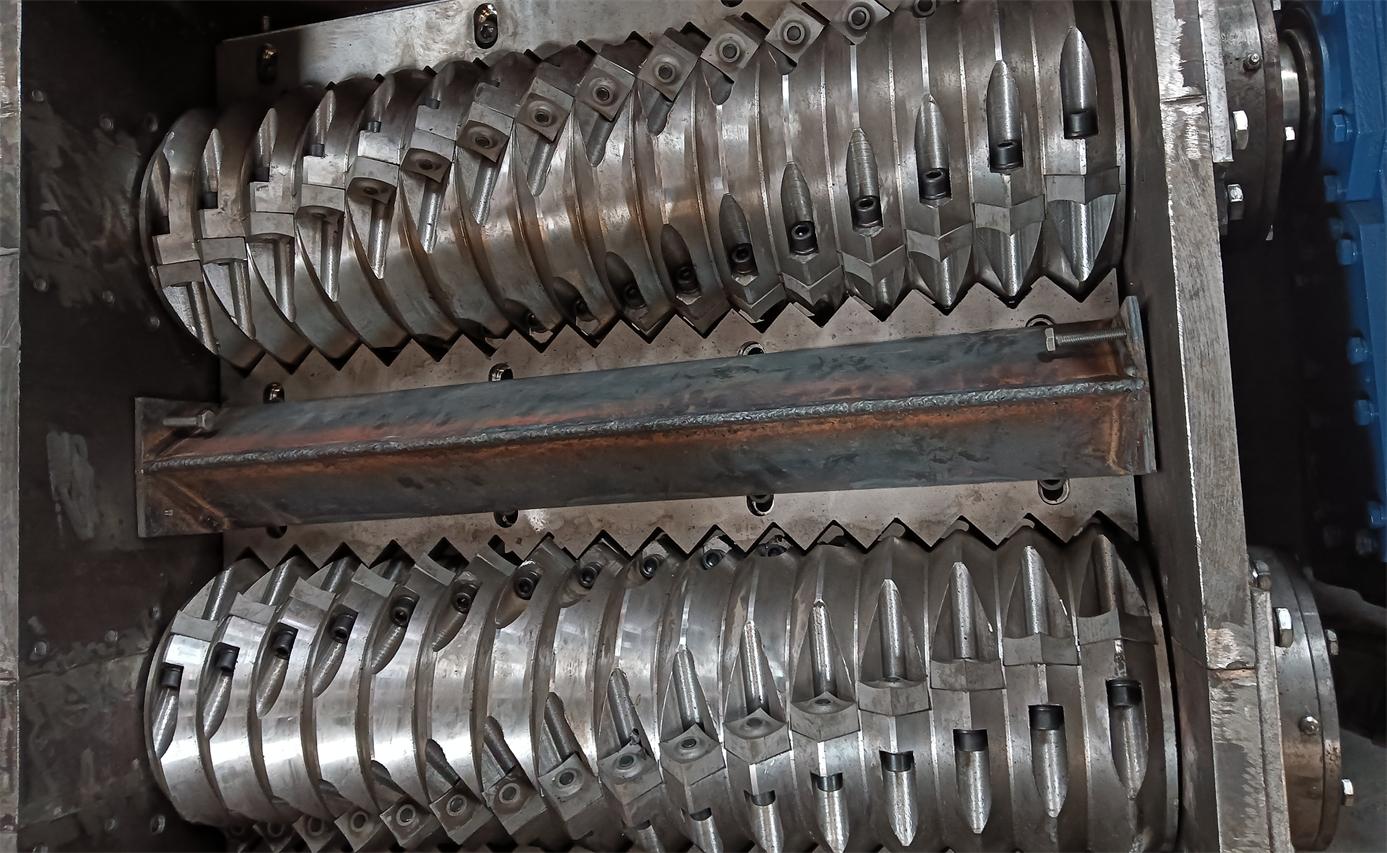
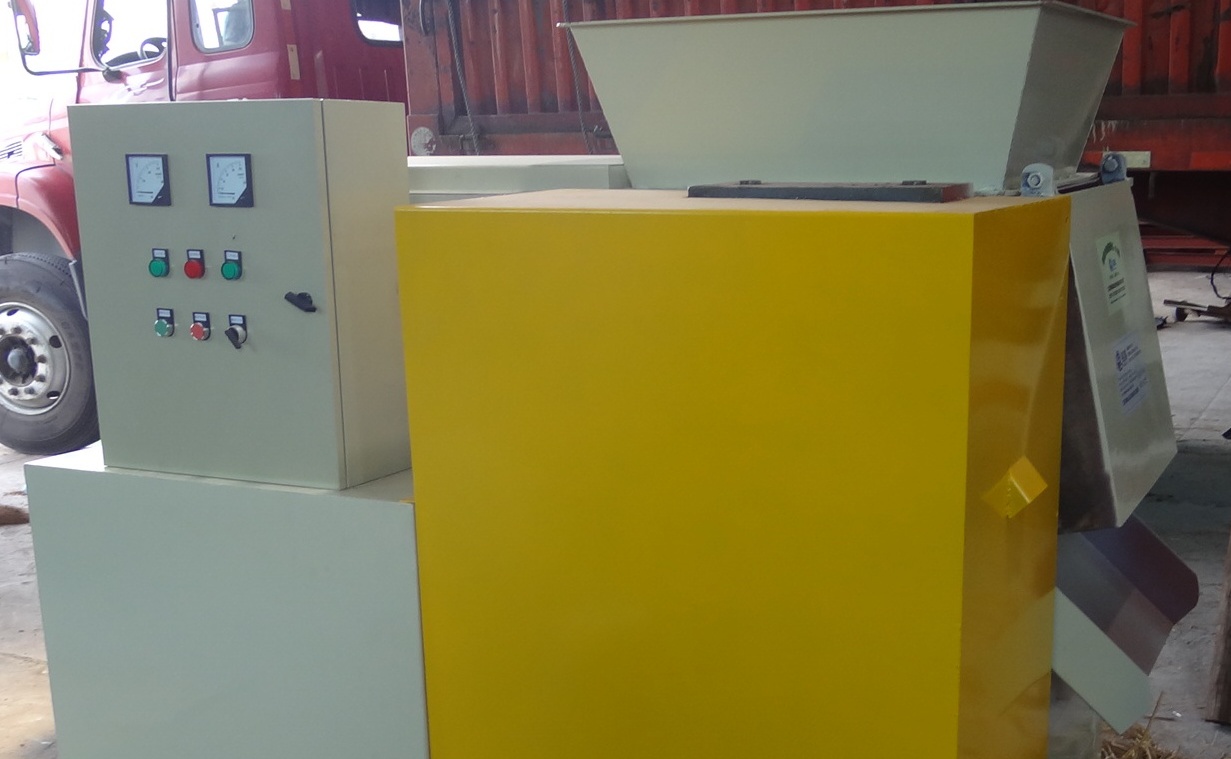
Founded in 2007, San Lan Technologies Co., Ltd has spent nearly two decades designing and manufacturing recycling machinery for operators across 21 countries. Based in Ganzhou, Jiangxi Province, China, the company offers a full spectrum of e-waste and mining equipment, including lead acid battery recycling plants, lithium battery recycling lines, PCB recycling systems, cable granulators, refrigerator and AC recycling machines, motor dismantling equipment, industrial shredders, and metal melting furnaces.
San Lan's engineering team combines master's-level mechanical expertise with over 15 years of field experience in e-waste recycling. The company provides EPC project delivery, customized plant design, installation and commissioning, and even assists clients with waste material procurement and product resale. This end-to-end value proposition is rare in the equipment manufacturing sector and helps customers move from concept to production faster.
Whether you are launching a new recycling venture or scaling an existing operation, San Lan Technologies can match you with the right equipment configuration for your feedstock, capacity targets, and budget. Their bilingual team works directly with international clients, ensuring clear communication across technical specifications, shipping logistics, and on-site training.
Ready to turn scrap into value? Explore San Lan Technologies' complete range of e-waste recycling equipment and speak with their technical team about your project requirements. From single machines to full plant installations, they deliver the machinery and expertise you need to run a profitable, compliant recycling operation. Visit www.san-lan.com or reach out via WhatsApp at +86 139 2377 4083 to discuss your needs.