A practical guide for investors and operators looking to maximize recovery rates while meeting environmental standards.
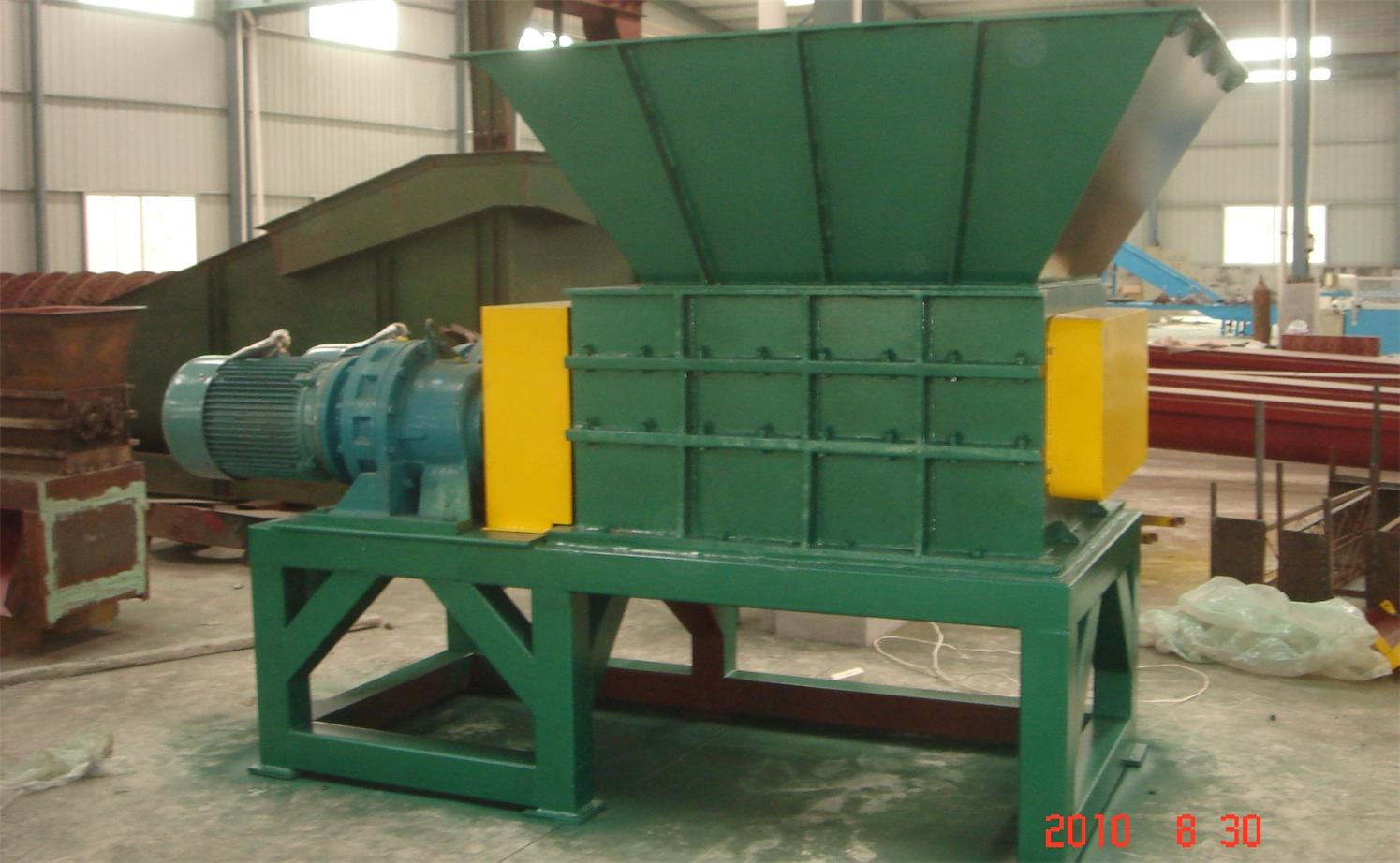
Every year, millions of tons of end-of-life electronics, batteries, and cables pile up in landfills or informal collection sites. For businesses willing to look past the waste, that pile represents raw material waiting to be recovered. The difference between a profitable recycling operation and an expensive experiment often comes down to one decision: choosing the right recycling equipment supplier and matching the machinery to the material stream.
Whether you are planning a new plant or upgrading an existing line, this guide walks through the key factors that determine recovery efficiency, environmental compliance, and long-term profitability.
1. Start With Your Feedstock, Not the Catalog
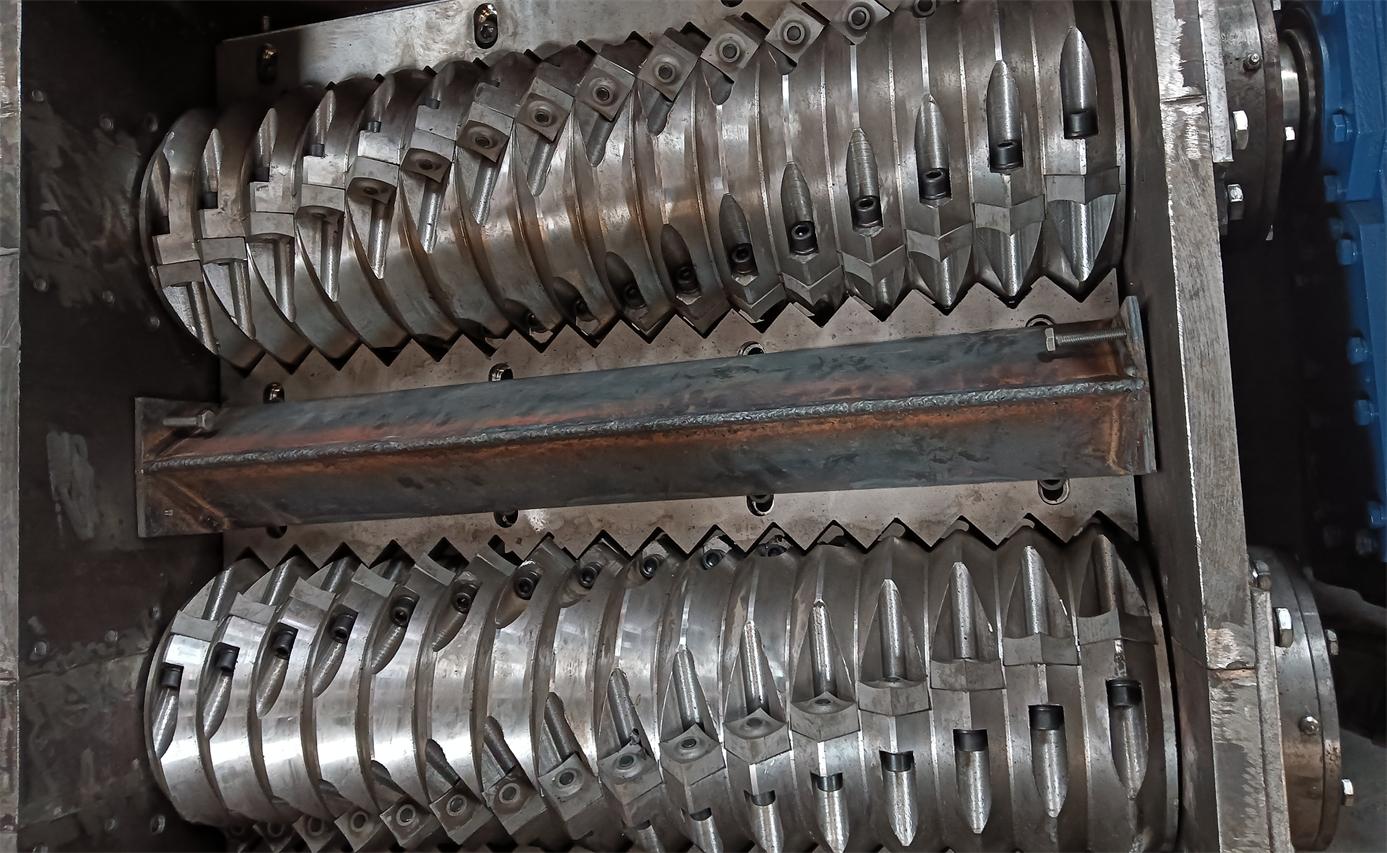
Recycling equipment is not one-size-fits-all. The crushing, separation, and refining processes for a lead acid battery are fundamentally different from those for a lithium-ion pack or a mixed cable bale. Before comparing specifications, map out what you will actually process.
Require breaking and separation systems to isolate lead paste, lead grids, plastic shells, and sulfuric acid. Smelting or rotary furnace reduction then converts paste into metallic lead.
Need controlled discharging, pre-crushing under inert atmosphere, and multi-stage separation to recover black mass, copper, aluminum, and plastic film.
Demand dry or wet separation lines to liberate copper powder and precious metals from fiberglass and resin substrates without dust emissions.
Range from thin communication wire to thick industrial power cable. Granulators with air or electrostatic separators strip insulation and produce clean copper or aluminum granules.
If your plant will handle multiple streams, look for a supplier that offers integrated layouts rather than standalone machines. Shared pre-shredding, dust collection, and material handling systems can reduce both capital cost and floor space.
2. Separation Technology Determines Your Bottom Line
After size reduction, the economics of recycling hinge on how cleanly you can separate valuable metal from waste material. There are three dominant approaches, and the best choice depends on particle size, material mix, and local environmental rules.
- Air (Dry) Separation — Uses vibrating decks and airflow to sort materials by density. Ideal for cable granulators and some PCB lines. No water consumption, simpler wastewater compliance, but may struggle with very fine particles or similar-density mixes.
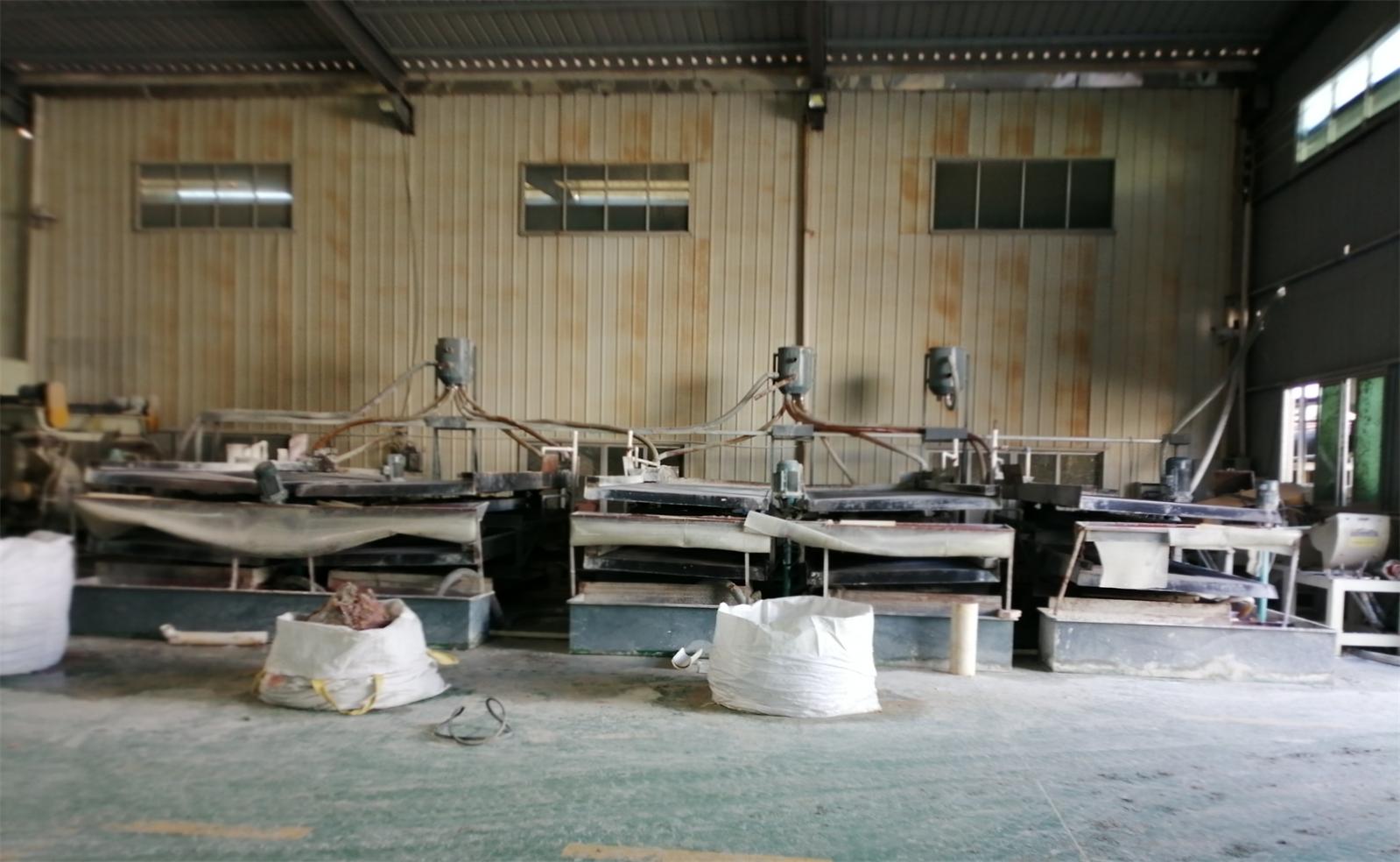
- Wet (Water) Separation — Employs water baths and gravity tables to achieve higher purity, especially for circuit boards where copper powder must reach 96–98% purity. Requires a closed-loop water treatment circuit to stay compliant.
- Electrostatic Separation — Acts as a secondary polishing step after air or wet separation. Exploits conductivity differences to remove residual copper from plastic or plastic from metal, pushing overall recovery rates higher.
Practical tip: Ask potential suppliers for real recovery-rate data on a feedstock similar to yours, not generic laboratory numbers. A 2% difference in copper recovery rate can translate to tens of thousands of dollars in annual revenue on a medium-scale cable line.
3. Environmental Compliance Is Not Optional
Regulators worldwide are tightening emissions standards for recycling plants. Lead acid battery recycling, in particular, faces strict limits on airborne lead, sulfur dioxide, and acid mist. Lithium battery crushing must control fluorine compounds and organic electrolyte vapors. Even cable granulators need dust collection to meet workplace exposure limits.
When evaluating lead acid battery recycling equipment or li battery recycling equipment, verify that the quoted scope includes integrated pollution control. Key subsystems to look for are:
- Baghouse or wet scrubber exhaust systems for furnace and crusher off-gases
- Acid-neutralizing wastewater treatment plants for battery breaking lines
- Activated carbon or alkali scrubber stages for lithium battery exhaust
- Noise enclosures and dust seals for indoor installations
A supplier that treats environmental hardware as an afterthought will cost you far more in retrofit fines and downtime than one that engineers compliance into the original layout.
4. EPC Experience Saves Time and Money
Buying machines is only half the battle. Moving from a signed purchase order to a plant that actually runs at rated capacity involves civil works, power distribution, material flow design, installation, commissioning, and operator training. Vendors that only ship crates leave this burden on your shoulders.
An Engineering-Procurement-Construction (EPC) partner handles the entire journey: custom plant layout based on your building dimensions, one-stop equipment procurement, on-site installation, and hands-on commissioning until the line hits design throughput. For first-time investors, this reduces project risk dramatically. For experienced operators, it shortens the timeline from order to cash flow.
What to ask: Can the supplier provide references from plants operating in a regulatory environment similar to yours? Have they managed turnkey projects in your region before? Local voltage standards, safety codes, and import procedures matter more than brochures suggest.
5. After-Sales Support Is Part of the Product
Recycling equipment works in abrasive conditions. Crusher blades wear, screens fatigue, and bearings run hot. The availability of spare parts, technical guidance, and remote diagnostic support often determines whether a plant sustains 90% uptime or struggles to reach 70%.
When assessing a recycling equipment supplier, look beyond the initial quote. Ask about:
- Typical wear-part inventories and shipping lead times
- Availability of on-site technicians for major overhauls
- Remote monitoring or video-support options for troubleshooting
- Training programs for your maintenance and operating staff
6. Why San Lan Technologies?
San Lan Technologies Co., Ltd has been manufacturing WEEE recycling machinery and mining equipment since 2007. The company supplies complete plant solutions for lead acid battery recycling, lithium battery recycling, circuit board recovery, cable granulation, and refrigerator or CRT dismantling, with customers in more than 21 countries.
The engineering team holds master's degrees in mechanical engineering and brings over 15 years of hands-on experience in e-waste recycling machine design. San Lan offers customized plant layouts, EPC project execution, installation and commissioning, and even assistance sourcing raw material feedstock and marketing recovered products such as copper rice, lead ingots, and plastic pellets.
Key product lines include cable recycling equipment with dry and wet separation options, circuit board recycling equipment achieving 96–98% copper powder purity, and fully integrated battery recycling plants with pollution control and water treatment subsystems.
Whether you are evaluating your first investment or expanding an existing operation, selecting the right equipment partner is the most consequential decision you will make. San Lan Technologies provides technical consultation, custom plant design, and turnkey delivery for e-waste and battery recycling projects worldwide.
Contact San Lan Technologies today:
Email: info@san-lan.com
WhatsApp: +86 139 2377 4083
Website: www.san-lan.com