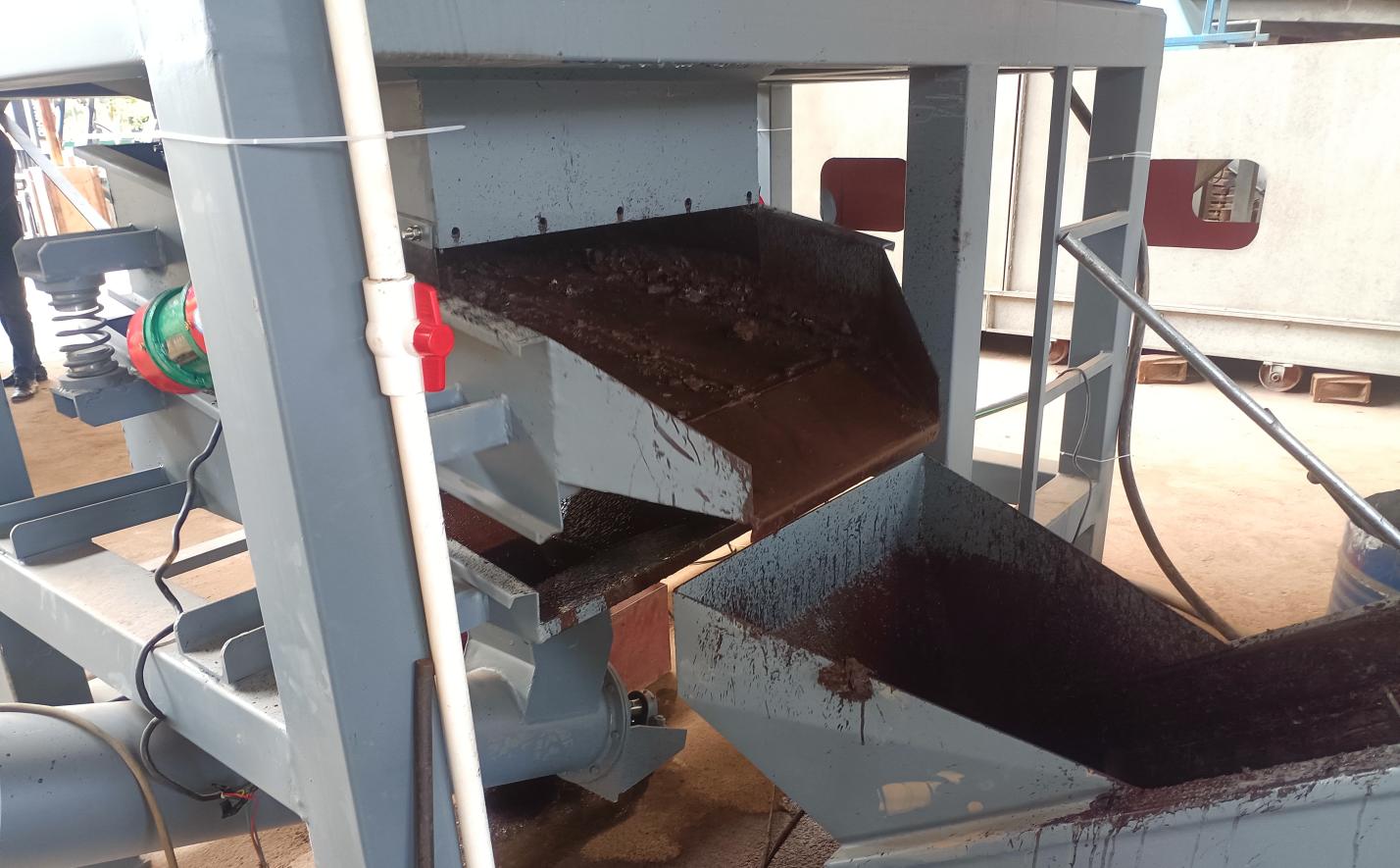
From Waste to Resource: Essential Recycling Equipment for E-Waste and Battery Recovery
Electronic waste is one of the fastest-growing waste streams worldwide. As consumers and industries upgrade devices more frequently, the pile of discarded electronics continues to rise. Yet hidden within this waste is significant value. Metals like copper, lead, aluminum, and even precious materials can be recovered and reintroduced into production cycles. The key to unlocking this value is not manual dismantling, but specialized, efficient, and environmentally compliant recycling equipment.
The Gap Between Waste and Recovery
Many regions still rely on rudimentary methods to process electronic scrap. Burning circuit boards or manually stripping cables may recover small amounts of metal, but these approaches create severe pollution, waste valuable materials, and pose health risks to workers. Modern recycling demands industrial-grade machinery that can handle large volumes safely, separate materials with high precision, and meet strict environmental standards.
For businesses entering the recycling sector or expanding existing operations, choosing the right machinery is a critical investment decision. The equipment must match the type of waste stream, deliver consistent output quality, and operate reliably under continuous industrial conditions.
Core Equipment for High-Value Recycling
Different categories of electronic waste require specific processing technologies. Here are the essential systems that form the backbone of a professional recycling operation.
Lead Acid Battery Recycling Systems
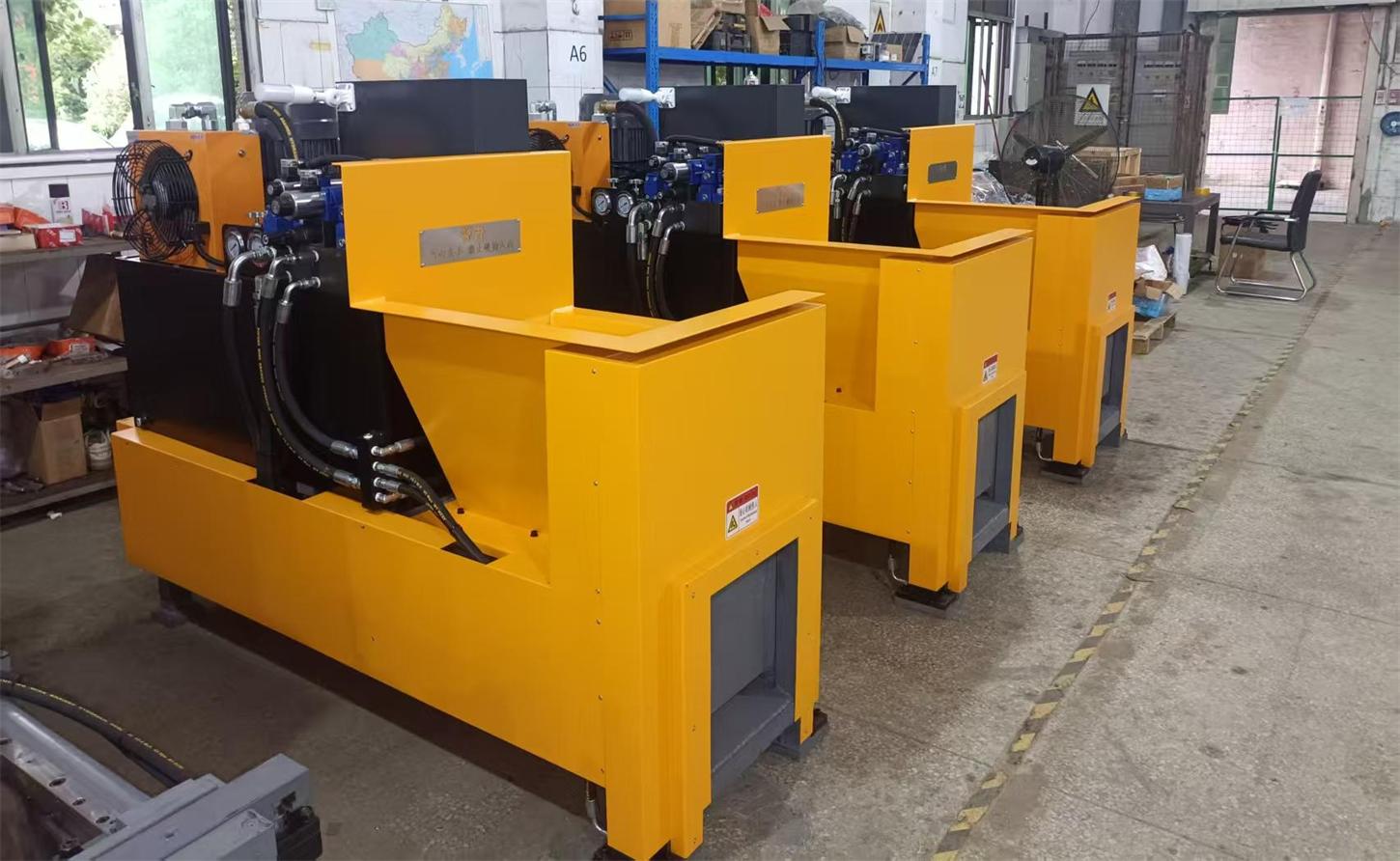
Used lead acid batteries represent one of the most recycled industrial products globally. However, processing them requires machinery that can safely break the batteries, neutralize acid, and separate lead paste, lead grids, and plastic casings. A complete lead acid battery recycling equipment setup typically includes breaking and separation units, filtration systems, smelting furnaces, and air pollution control systems. Capacity ranges from 1 to 10 MT per hour, depending on the scale of operation. With proper equipment, lead recovery rates can reach 95%, making the process both environmentally sound and economically viable.
Cable and Wire Recycling Machines
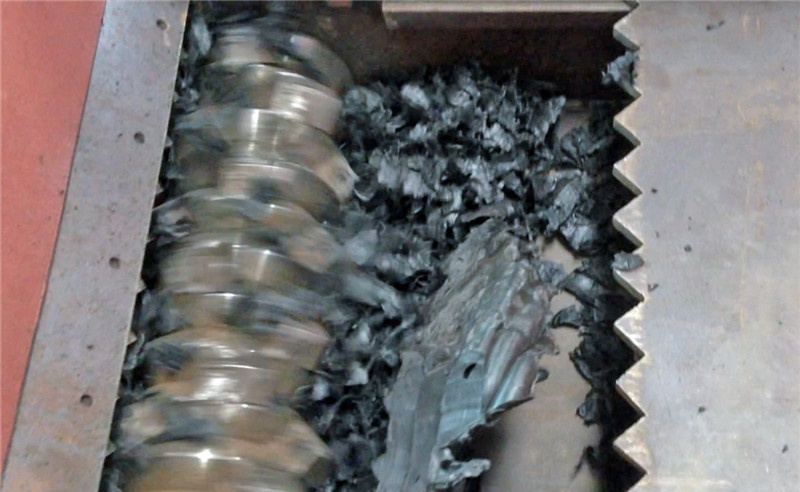
Scrap cables contain valuable copper and aluminum trapped inside plastic insulation. Cable strippers and granulators are designed to shred the cables and separate the metal from the plastic through dry or wet separation methods. Depending on the model, cable recycling equipment can process anywhere from 100 kg to over 1,000 kg per hour. The resulting copper granules, often called "copper rice," can be sold directly to smelters, while the separated plastic can also be recycled. This dual recovery maximizes the value extracted from what would otherwise be discarded material.
Circuit Board Recycling Plants
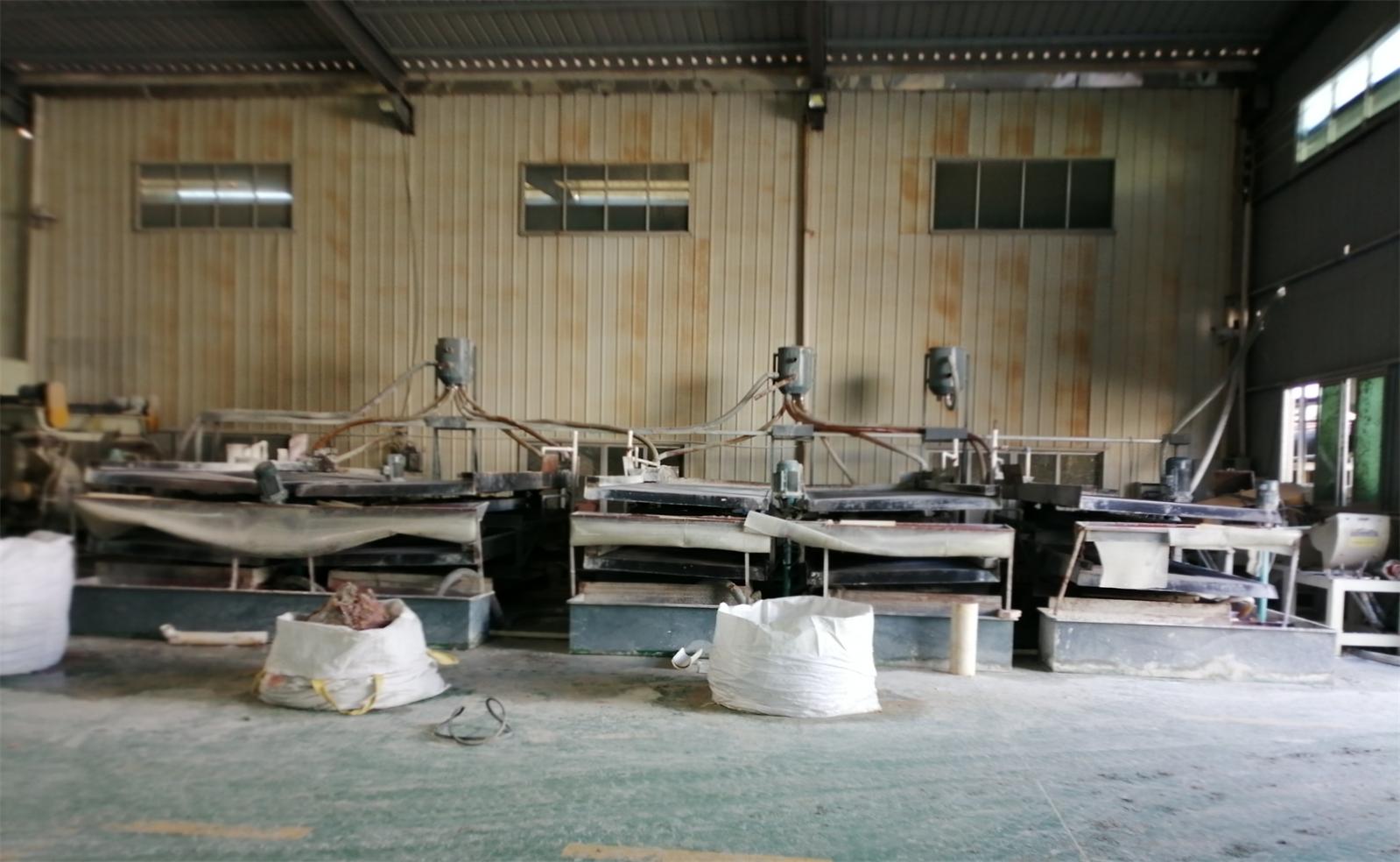
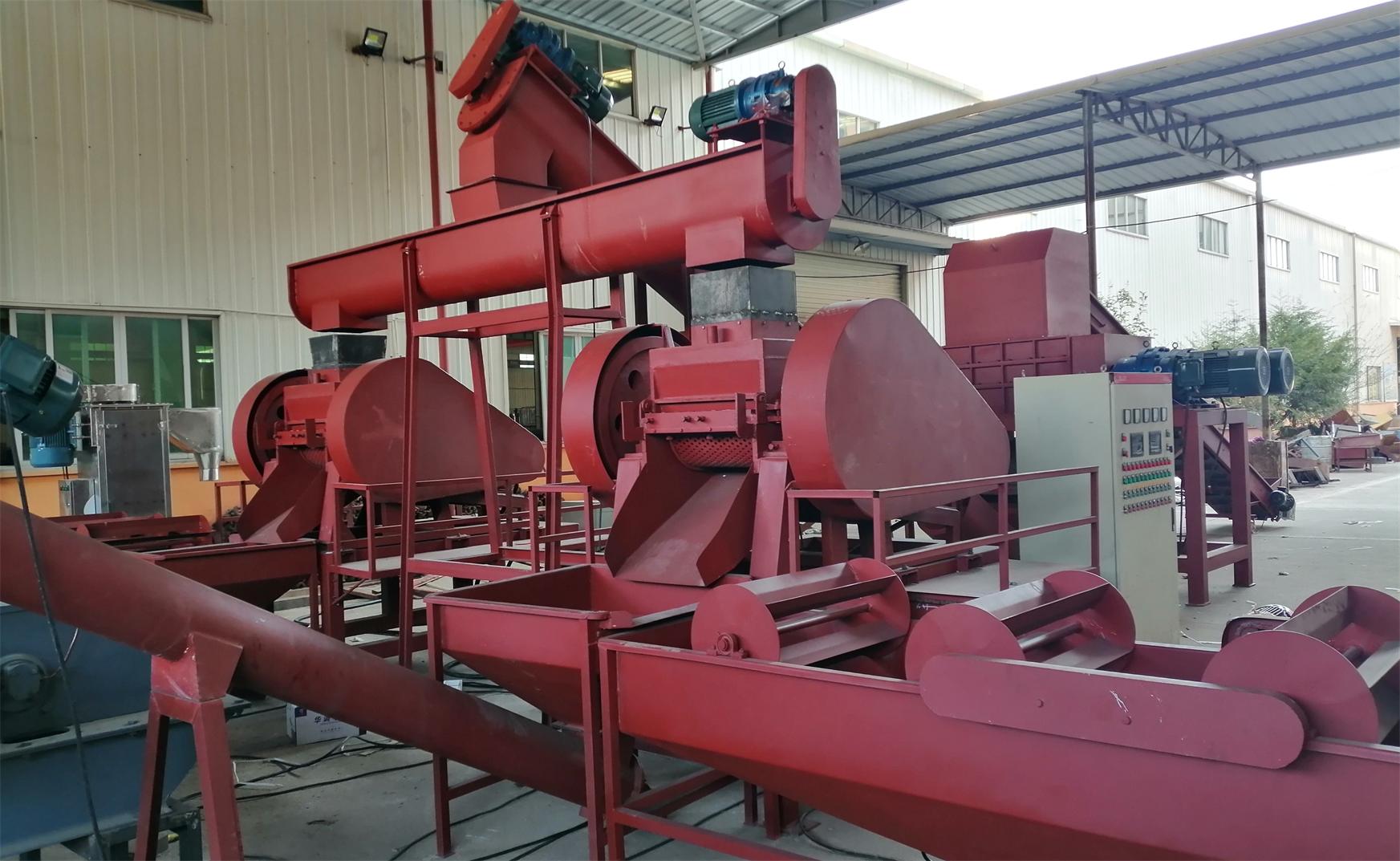
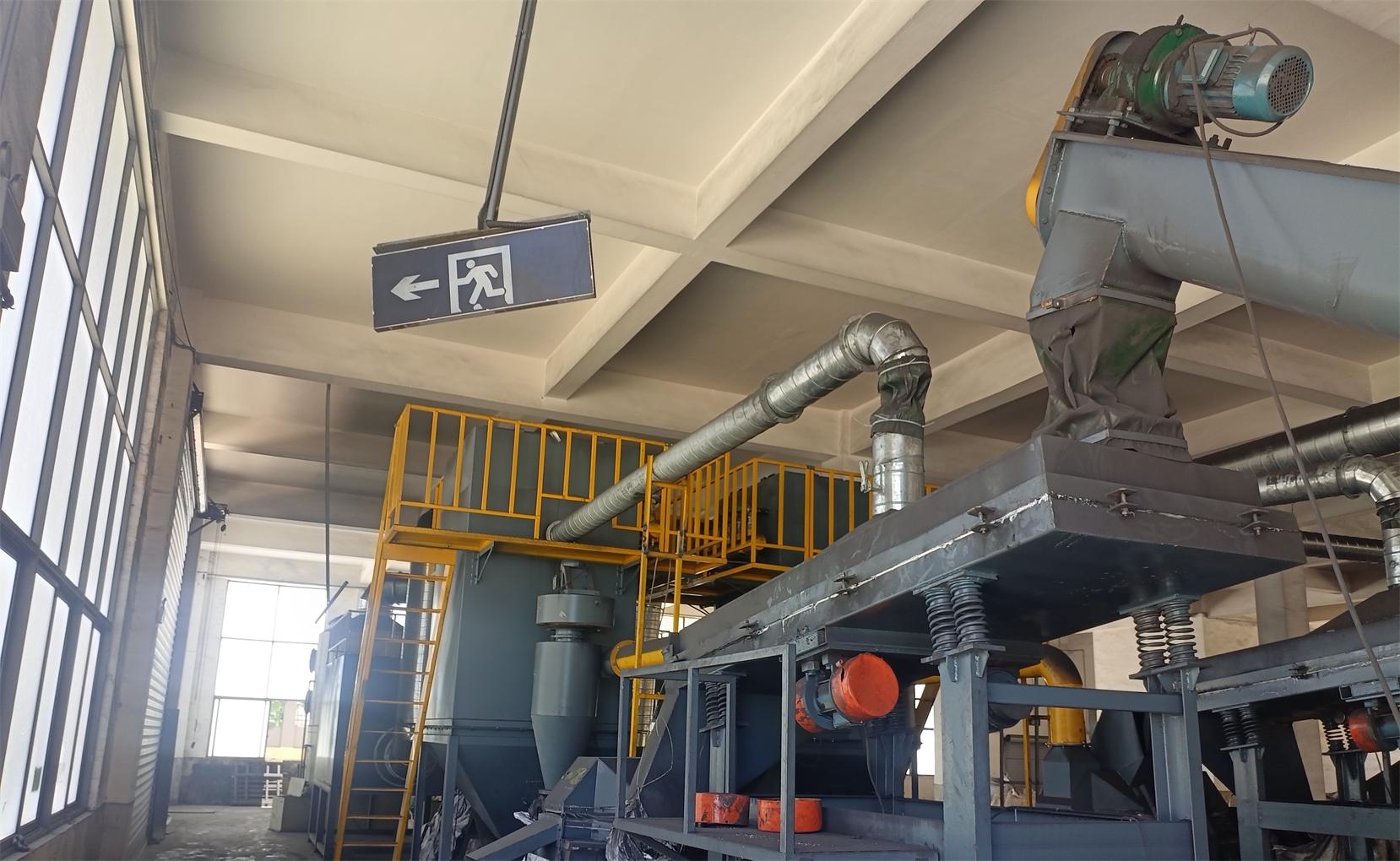
Printed circuit boards (PCBs) contain copper, precious metals, and resin fiber. Recovering these materials requires crushing the boards into powder and then separating metallic and non-metallic fractions. Advanced circuit board recycling equipment uses air separation, electrostatic separation, or wet separation to achieve copper powder purity levels of 96% to 98%. Recovery rates can reach 95%, with no dust pollution when equipped with proper dust collection systems. These plants are scalable, with capacities ranging from 300 kg to 2,000 kg per hour.
Lithium Battery Recycling Solutions
With the surge in electric vehicles and portable electronics, spent lithium-ion batteries have become a major waste stream. Specialized lithium battery recycling plants break and separate these batteries to recover black mass containing nickel, cobalt, and graphite, along with copper, aluminum, and plastic. Capacities typically range from 500 to 2,500 kg per hour. Because lithium batteries can pose fire and chemical hazards, these systems must include safety features such as inert gas protection and air pollution control.
What to Look for in a Recycling Equipment Partner
Selecting machinery is only part of the equation. Working with an experienced equipment supplier can determine whether a recycling project succeeds or struggles. A reliable partner should offer more than just machines. Look for a supplier with proven experience in Engineering, Procurement, and Construction (EPC) projects, the ability to customize plant designs based on local conditions and feedstock types, and strong after-sales support including installation and commissioning.
Additionally, a full-service supplier can assist with sourcing raw materials such as cable scrap or used batteries, and even help market the recovered products like copper rice or lead ingots. This end-to-end support reduces risk for new entrants and helps established operators optimize profitability.
San Lan Technologies: Engineered for Global Recycling Needs
San Lan Technologies Co., Ltd has been manufacturing WEEE recycling machinery and mining equipment since 2007. Based in Jiangxi Province, China, the company serves customers across more than 21 countries, including Singapore, Colombia, Vietnam, Mexico, Argentina, Korea, Malaysia, and India.
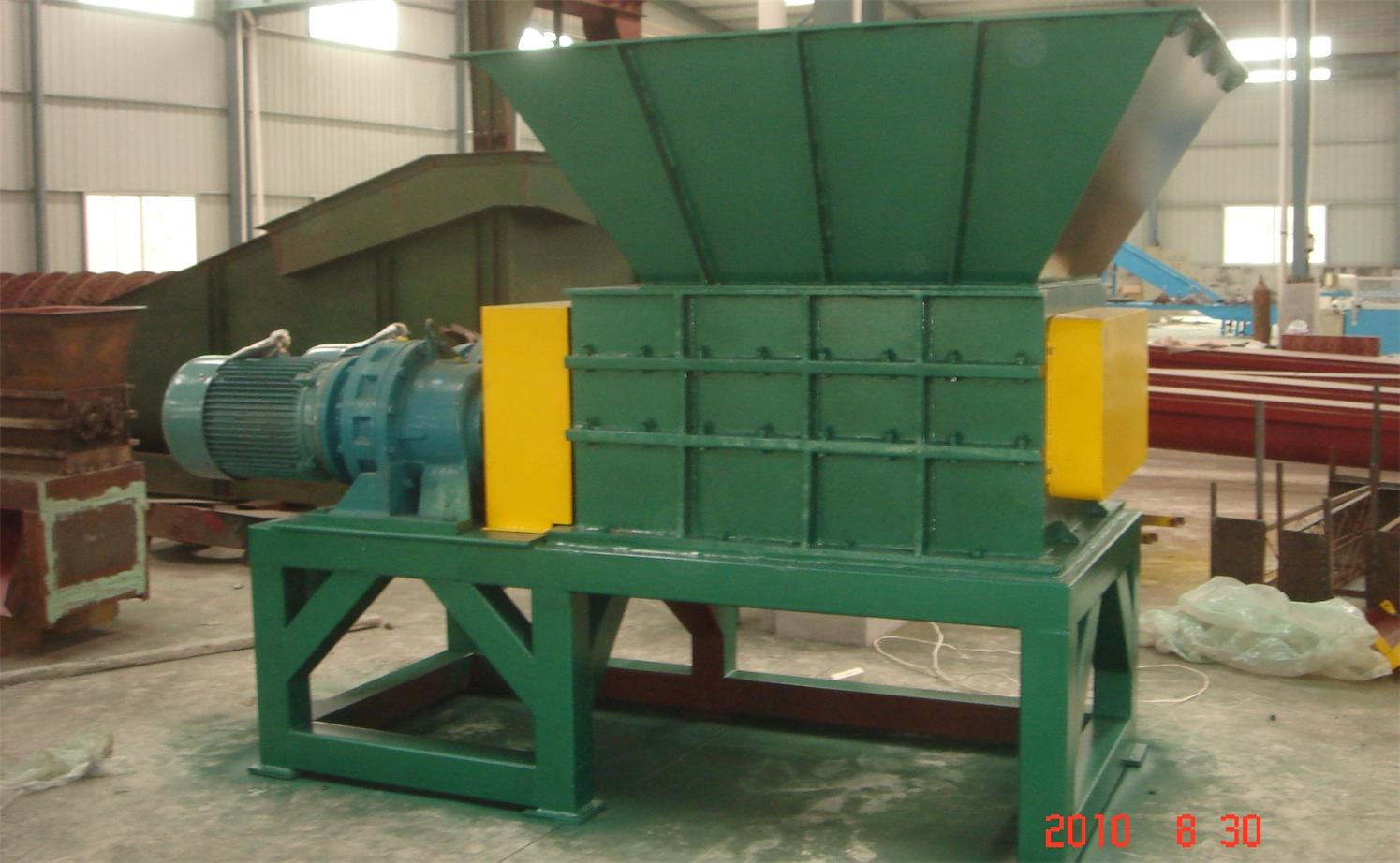
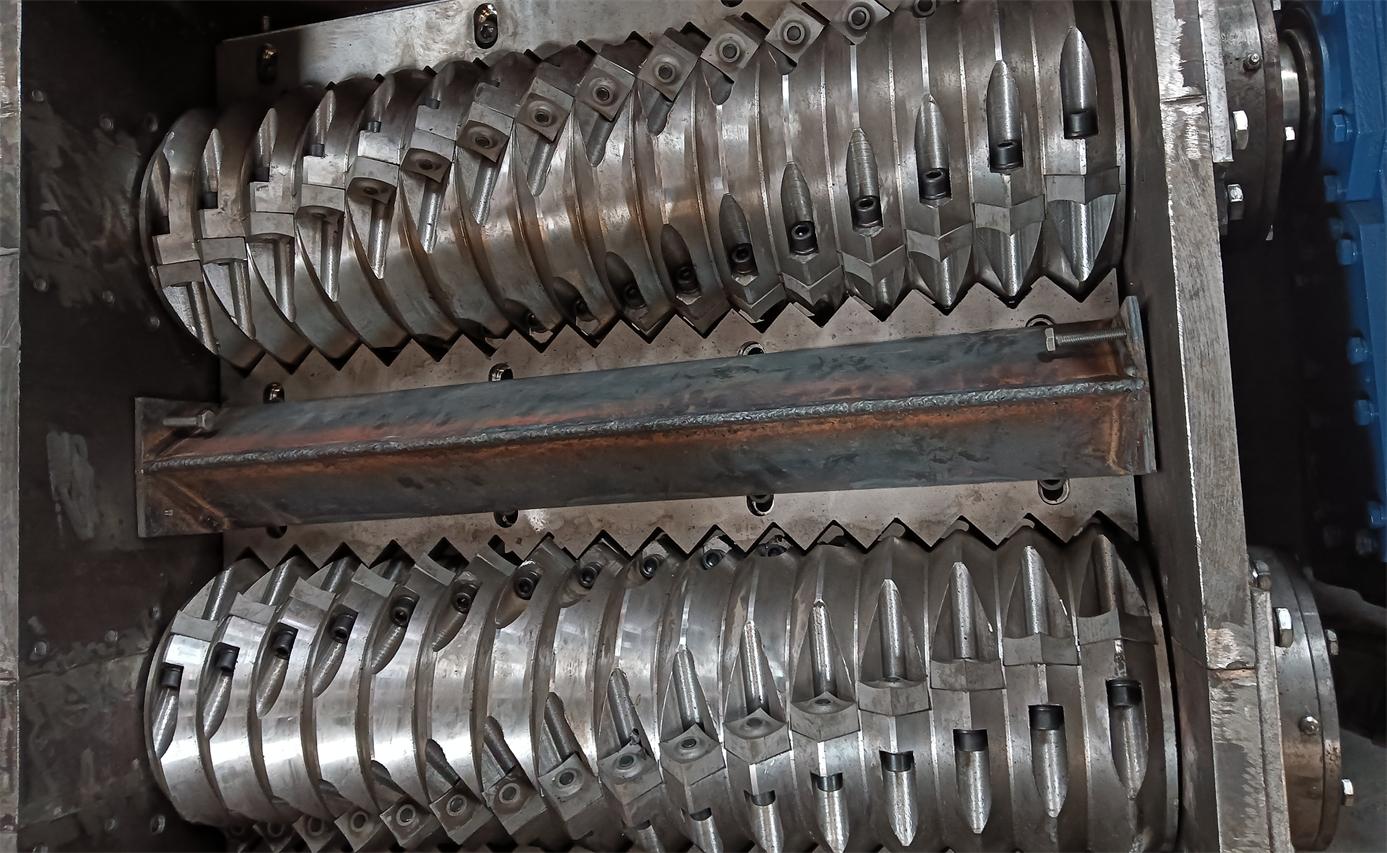
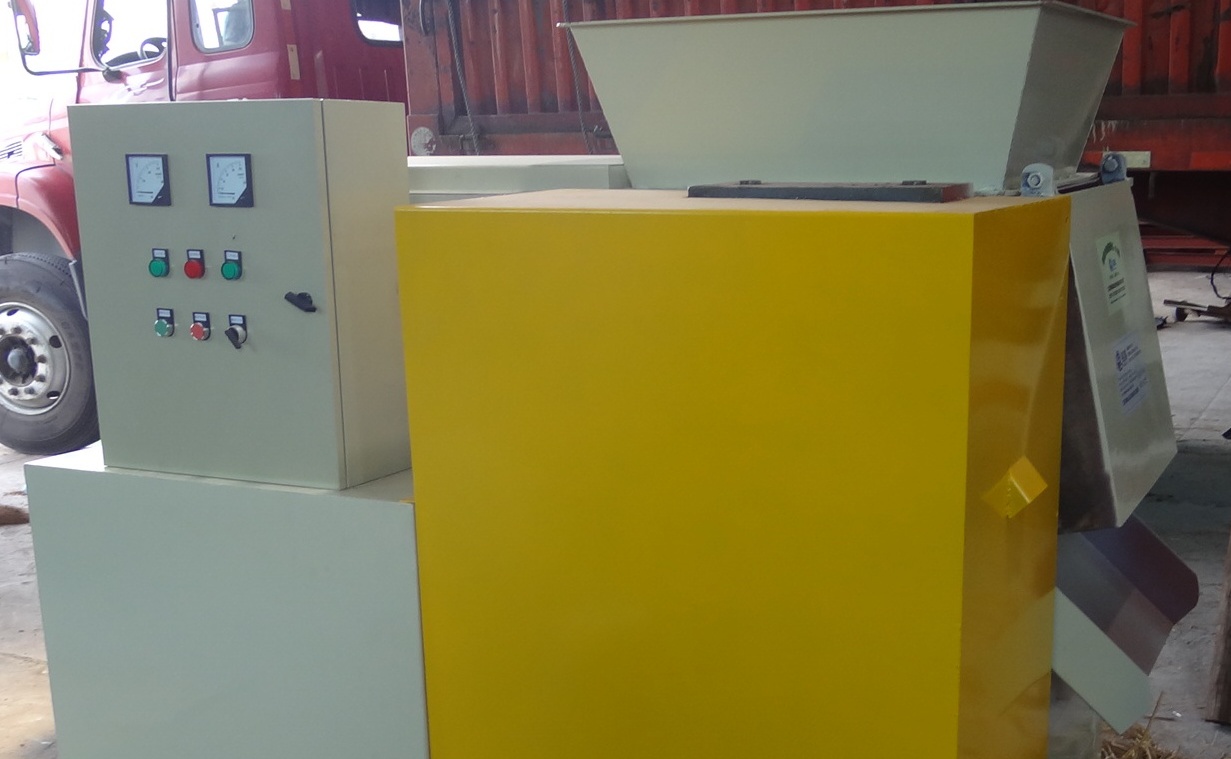
The company offers a comprehensive range of recycling solutions including lead acid battery recycling plants, lithium battery recycling systems, circuit board recycling equipment, cable recycling machines, refrigerator and AC recycling lines, CRT cutters, motor recycling machines, shredders, and metal melting furnaces. Each product line is designed with practical capacity ranges and proven separation technologies to meet real-world industrial demands.
San Lan's technical team brings over 15 years of hands-on experience in mechanical engineering and e-waste recycling plant design. The company supports clients with customized layout planning, one-stop equipment procurement, on-site installation, and commissioning services. For entrepreneurs and investors looking to establish or upgrade recycling facilities, San Lan also provides consultation on project financing and partnership models.
Turn Waste into a Profitable Resource
The global push for sustainability and circular economy practices is creating unprecedented demand for professional recycling infrastructure. Whether you are planning to process used lead acid batteries, scrap cables, discarded circuit boards, or lithium-ion batteries, investing in the right equipment is the first step toward long-term success.
Contact San Lan Technologies today to discuss your project requirements. With experienced engineers, customizable plant designs, and equipment proven in over 21 countries, San Lan can help you build a recycling operation that is efficient, compliant, and profitable.
The global push for sustainability and circular economy practices is creating unprecedented demand for professional recycling infrastructure. Whether you are planning to process used lead acid batteries, scrap cables, discarded circuit boards, or lithium-ion batteries, investing in the right equipment is the first step toward long-term success.
Contact San Lan Technologies today to discuss your project requirements. With experienced engineers, customizable plant designs, and equipment proven in over 21 countries, San Lan can help you build a recycling operation that is efficient, compliant, and profitable.
Frequently Asked Questions
What types of e-waste can be processed with industrial recycling equipment?
Industrial recycling equipment can process used lead acid batteries, lithium-ion batteries, printed circuit boards, scrap cables and wires, CRT monitors, refrigerators, air conditioners, electric motors, and various metal-bearing electronic scrap.
How do I choose between dry and wet separation for circuit board recycling?
Dry separation is suitable for most standard PCB waste and avoids water consumption and wastewater treatment. Wet separation can handle PCBs with electronic components still attached and may achieve higher purity for certain applications. The best choice depends on your feedstock characteristics and local environmental regulations.
What capacity should I choose for a lead acid battery recycling plant?
Lead acid battery recycling plants typically range from 1 to 10 MT per hour. Your optimal capacity depends on the volume of available feedstock, your target market for recovered materials, and your capital budget. Starting with a mid-range capacity and planning for future expansion is often a practical approach.
Can recycling equipment be customized for my specific requirements?
Yes. Experienced manufacturers like San Lan Technologies offer customized plant design based on your raw material types, processing volume targets, available facility space, and local environmental standards. Customization ensures the equipment integrates smoothly into your operation.
Does San Lan Technologies provide installation and training?
Yes. San Lan provides installation, commissioning, and operational training as part of its project services. The company also offers ongoing technical support to ensure equipment operates at designed capacity and efficiency.