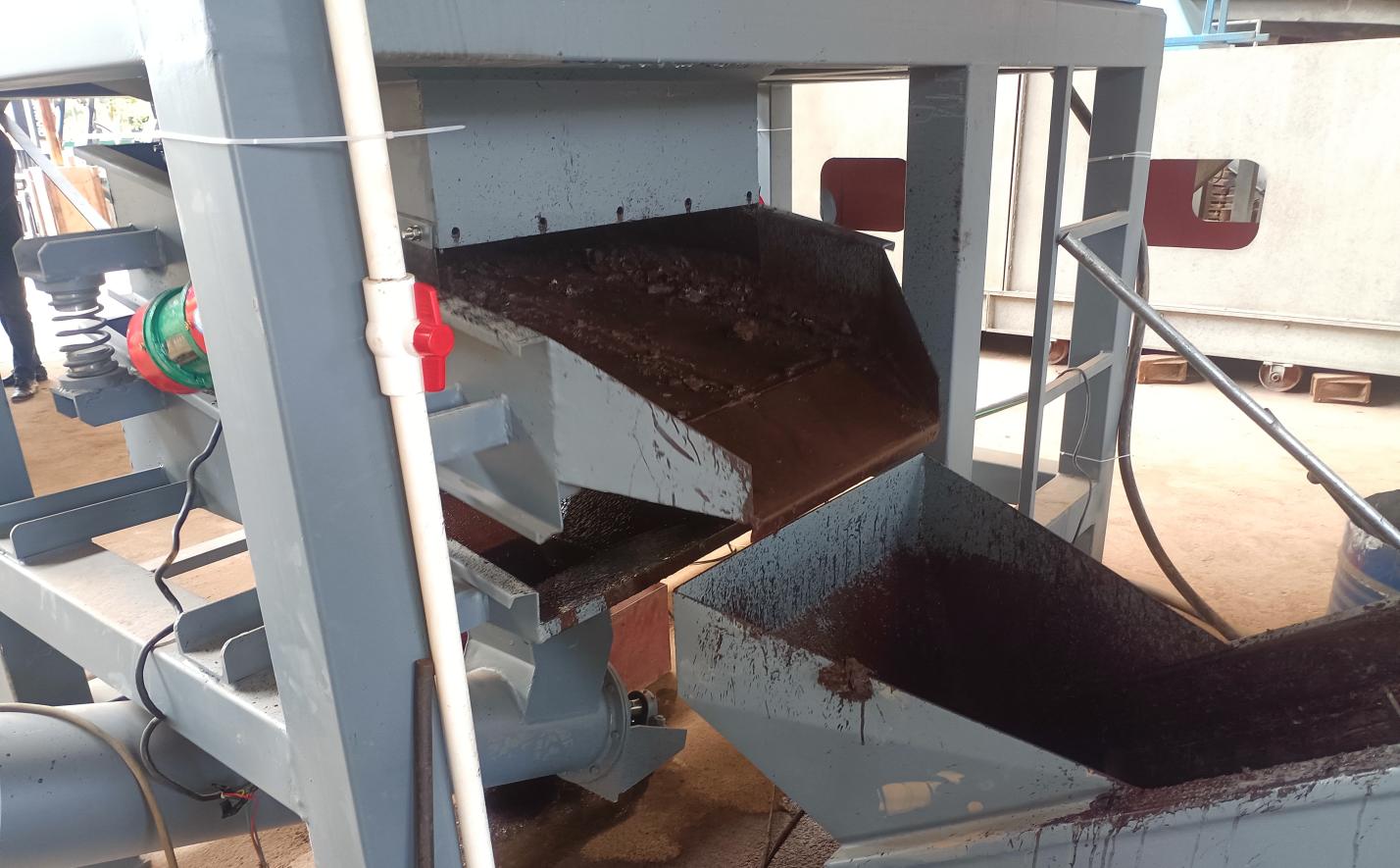
Every year, the world generates over 62 million tonnes of electronic waste. Less than a quarter of it is formally collected and recycled. The rest sits in landfills, leaking heavy metals and toxic chemicals into soil and water. For business owners willing to look past the problem, this is not just an environmental crisis. It is a supply of raw materials waiting to be unlocked.
Why E-Waste Recycling Is a Growth Market
The numbers tell a clear story. Electronic waste is the fastest-growing waste stream on the planet, increasing by an average of 2.3 million tonnes annually. Inside that waste are valuable concentrations of copper, aluminum, lead, lithium, cobalt, nickel, and trace amounts of gold and silver. A single tonne of discarded circuit boards can contain more gold than a tonne of gold ore.
Governments are responding with stricter regulations. Extended producer responsibility laws, landfill bans on batteries and electronics, and carbon pricing are all pushing waste toward formal recycling channels. The result is a growing base of feedstock and a shrinking tolerance for informal, polluting practices. Operators with the right equipment and permits are positioned to capture this volume at improving margins.
Three Equipment Categories Worth Considering
Not every recycling plant handles every material. The most successful operations start with one or two feedstock types, master the process, and expand. Here are three proven categories with strong demand and reliable technology.
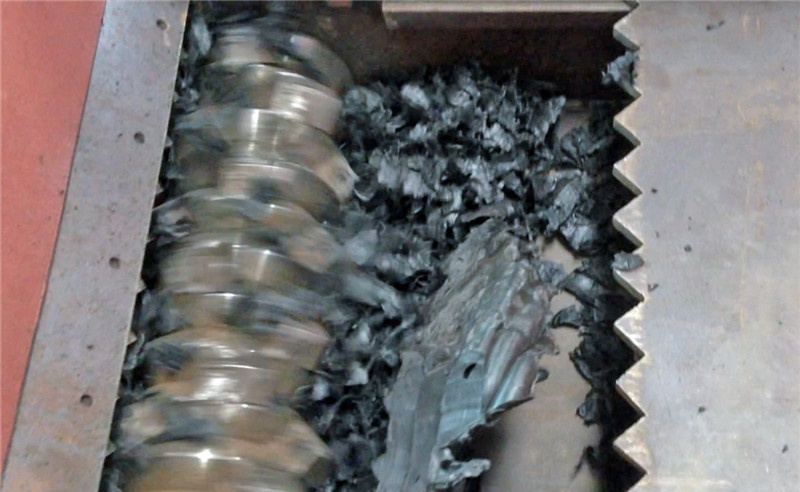
Used lead acid batteries remain one of the most recycled consumer products in the world. A complete lead acid battery recycling equipment line typically includes a breaking and separation system, de-sulfurization unit, paste reduction furnace, refinery kettle, and air pollution control system. Modern plants can process 1–10 tonnes per hour, recovering lead grid, lead paste, plastic casing, and sulfuric acid for resale or reuse. Lead recovery rates of 95% or higher are achievable with well-designed systems.
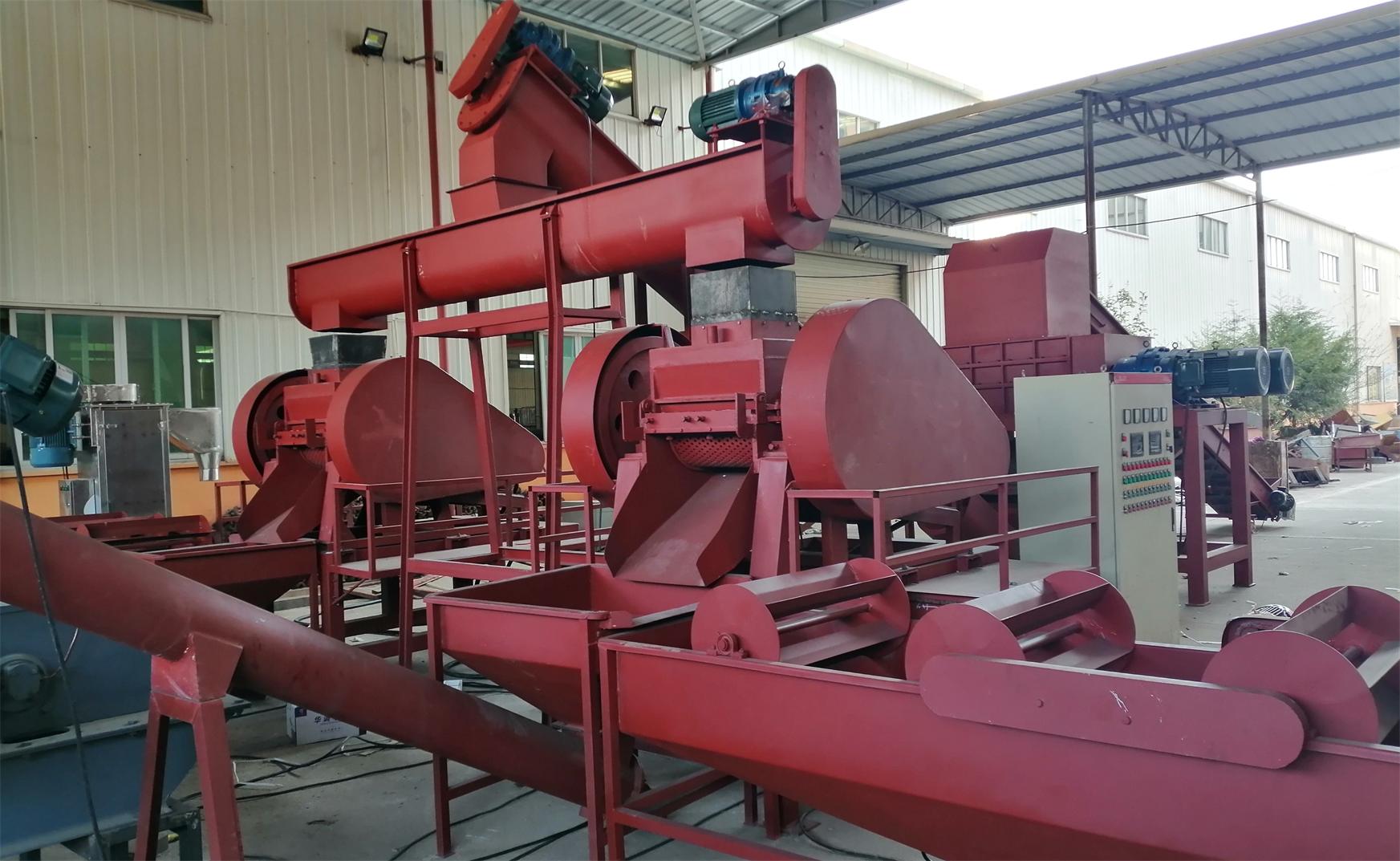
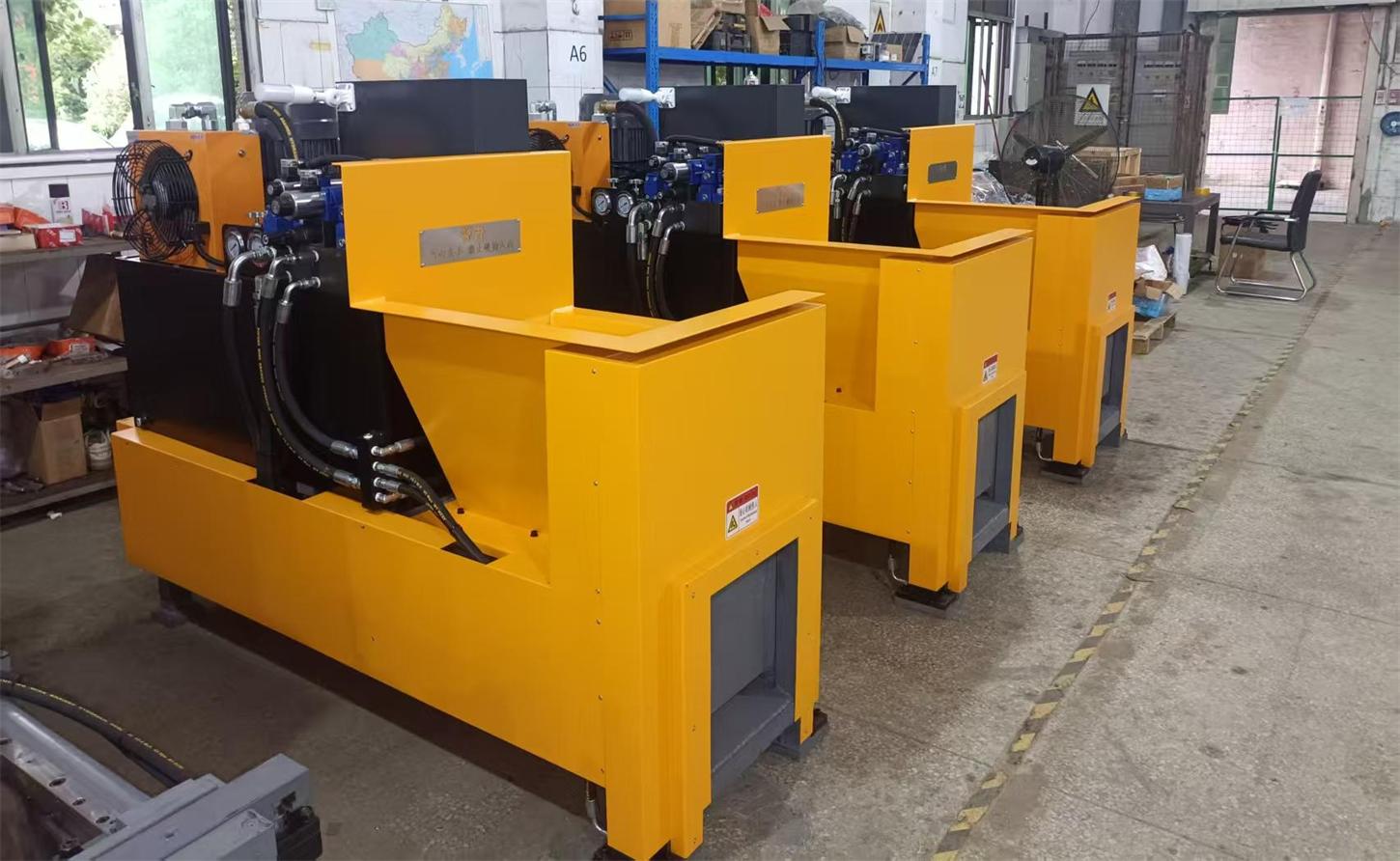
Scrap cable and wire are generated by demolition, utility upgrades, and manufacturing offcuts. Cable recycling equipment uses mechanical crushing and air or water separation to isolate copper or aluminum from plastic insulation. Dry separation granulators can achieve copper purity of 96–98% with no water pollution. For large-diameter cable, hydraulic strippers prepare the material before granulation. The recovered copper — known in the trade as "copper rice" — commands close to primary metal prices.
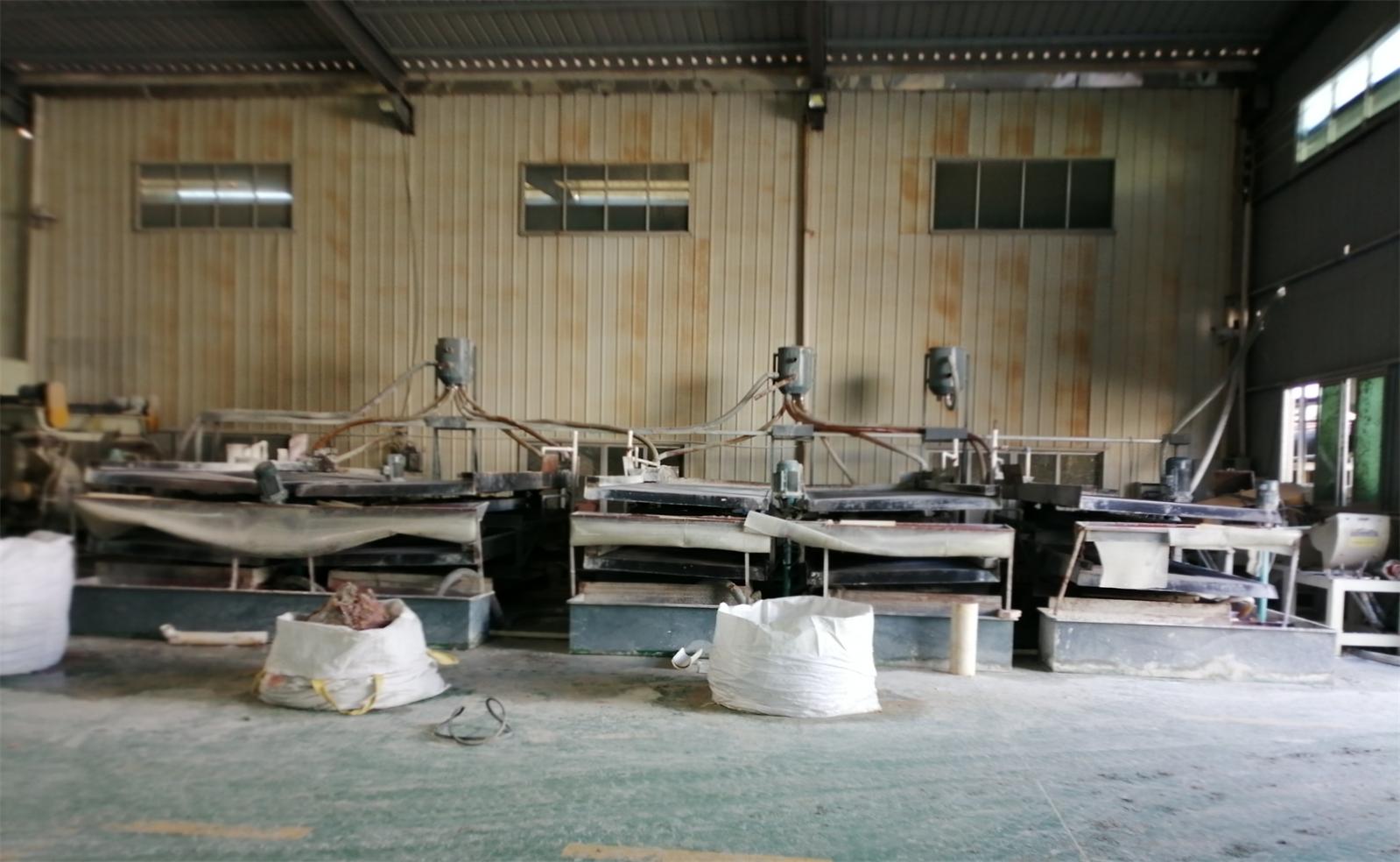
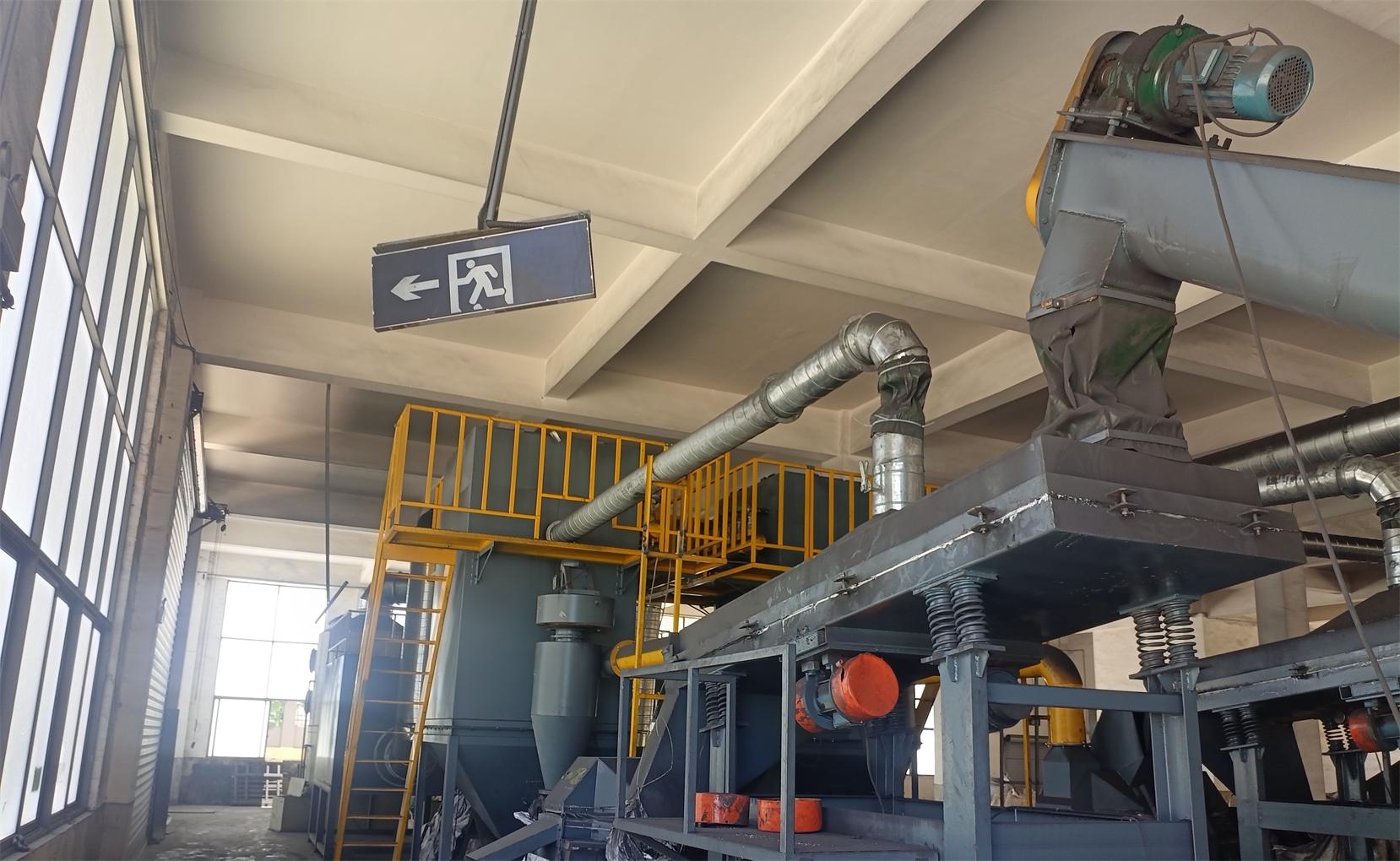
Printed circuit boards from computers, phones, and appliances contain copper, precious metals, and recyclable resin. Circuit board recycling equipment crushes boards into powder and separates metal from non-metal using air classification, electrostatic separation, or wet gravity methods. Capacities range from 300 kg/hour to 2,000 kg/hour. The choice between dry and wet separation depends on local environmental regulations, water availability, and the required purity of the output.
What to Look for in a Recycling Equipment Supplier
Buying recycling machinery is not like buying a standard industrial tool. The feedstock varies, the process is regulated, and the economics depend on recovery rates and uptime. A weak supplier can leave you with idle equipment, environmental violations, or product you cannot sell. Here is a practical checklist.
- Process engineering depth. Can the supplier design a complete flow sheet from feedstock to finished product, or do they only sell individual machines? Integration matters. A shredder that does not match the downstream separator will create bottlenecks.
- Pollution control integration. Battery recycling produces acid mist and lead dust. Circuit board crushing generates fine particulates. The supplier should provide dust collection, scrubbing, and wastewater treatment as part of the system, not as afterthoughts.
- Commissioning and training. Equipment that is installed but not properly commissioned will underperform for months. Ask whether the supplier provides on-site installation, operator training, and performance acceptance testing.
- Spare parts and after-sales support. A granulator blade or a furnace lining will wear out. How quickly can the supplier deliver replacements? Do they maintain an inventory close to your region?
- Reference installations. Ask for operating plants you can visit or contact. A supplier with customers in multiple countries has usually solved the logistics, customs, and voltage standards issues you will face.
Beyond Equipment: What San Lan Technologies Offers
San Lan Technologies Co., Ltd has been designing and manufacturing WEEE recycling machinery and mining equipment since 2007. Based in Ganzhou, Jiangxi Province, China, the company serves customers in more than 21 countries across Asia, Africa, the Middle East, and the Americas.
What distinguishes San Lan from a pure equipment vendor is its end-to-end project capability. The engineering team includes mechanical engineers with over 15 years of experience in e-waste recycling machine design. The company handles EPC projects — engineering, procurement, and construction — from customized layout design through installation and commissioning. For investors entering the recycling business for the first time, San Lan can also assist with sourcing waste material feedstock and connecting operators to buyers for recovered metals and plastics.
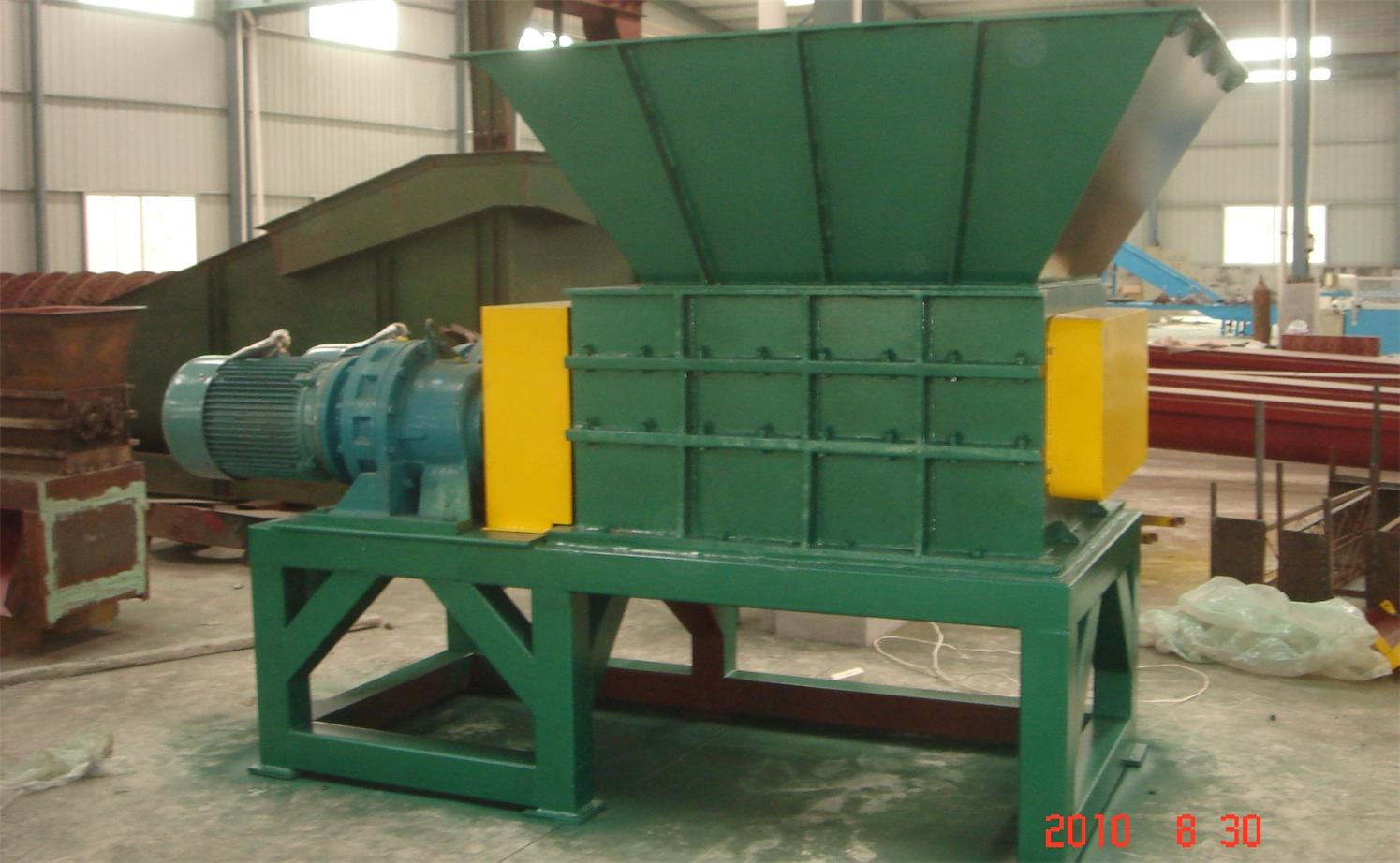
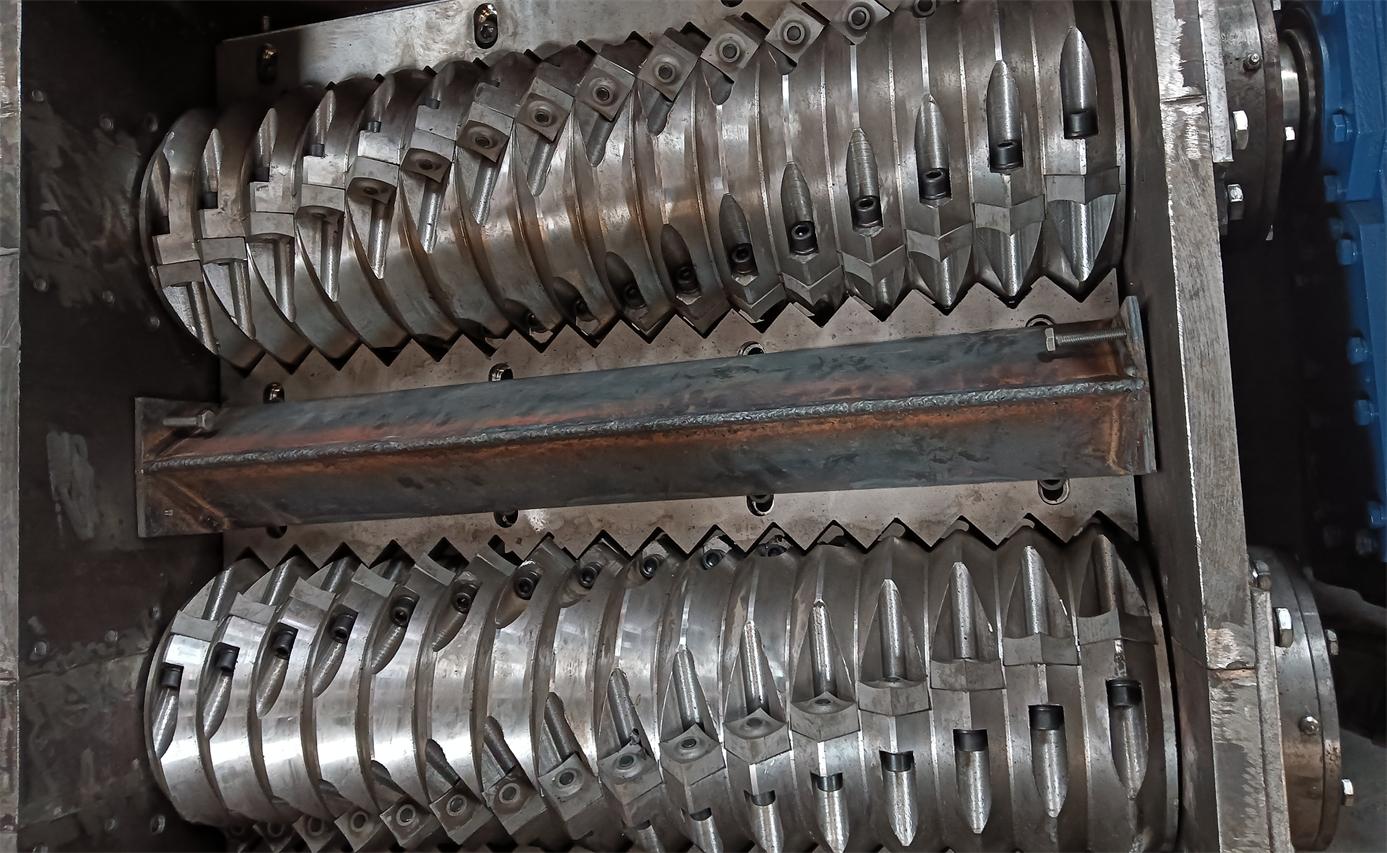
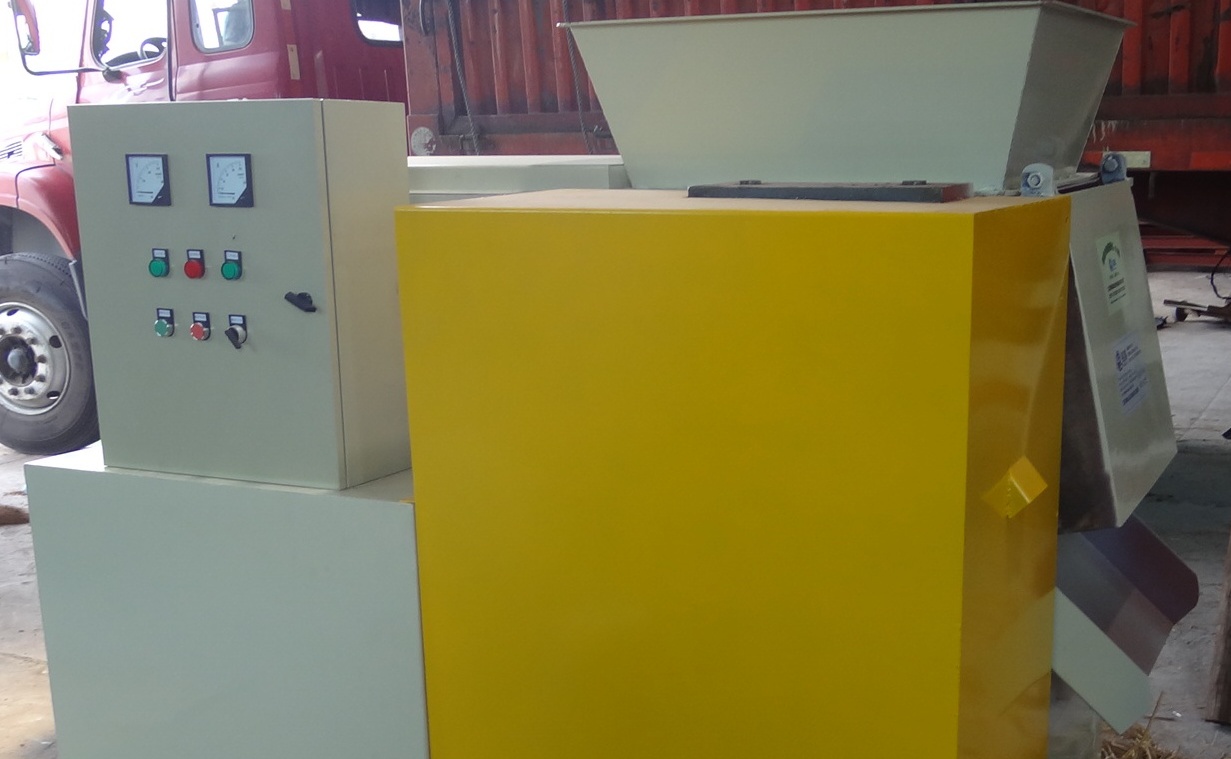
The product range covers the full recycling chain: lead acid battery recycling equipment, lithium battery recycling lines, cable recycling equipment, circuit board recycling equipment, refrigerator and AC recycling systems, motor dismantling machines, shredders, and hydraulic presses. Capacities and configurations are customizable based on available feedstock, budget, and local regulatory requirements.
Ready to turn waste into a revenue stream? Whether you are planning a lead acid battery recycling plant, a cable granulation line, or a multi-stream e-waste facility, San Lan Technologies can provide the equipment, engineering, and project support to get you operational. Contact the team at info@san-lan.com or via WhatsApp at +86 139 2377 4083 to discuss your feedstock, capacity targets, and layout requirements.