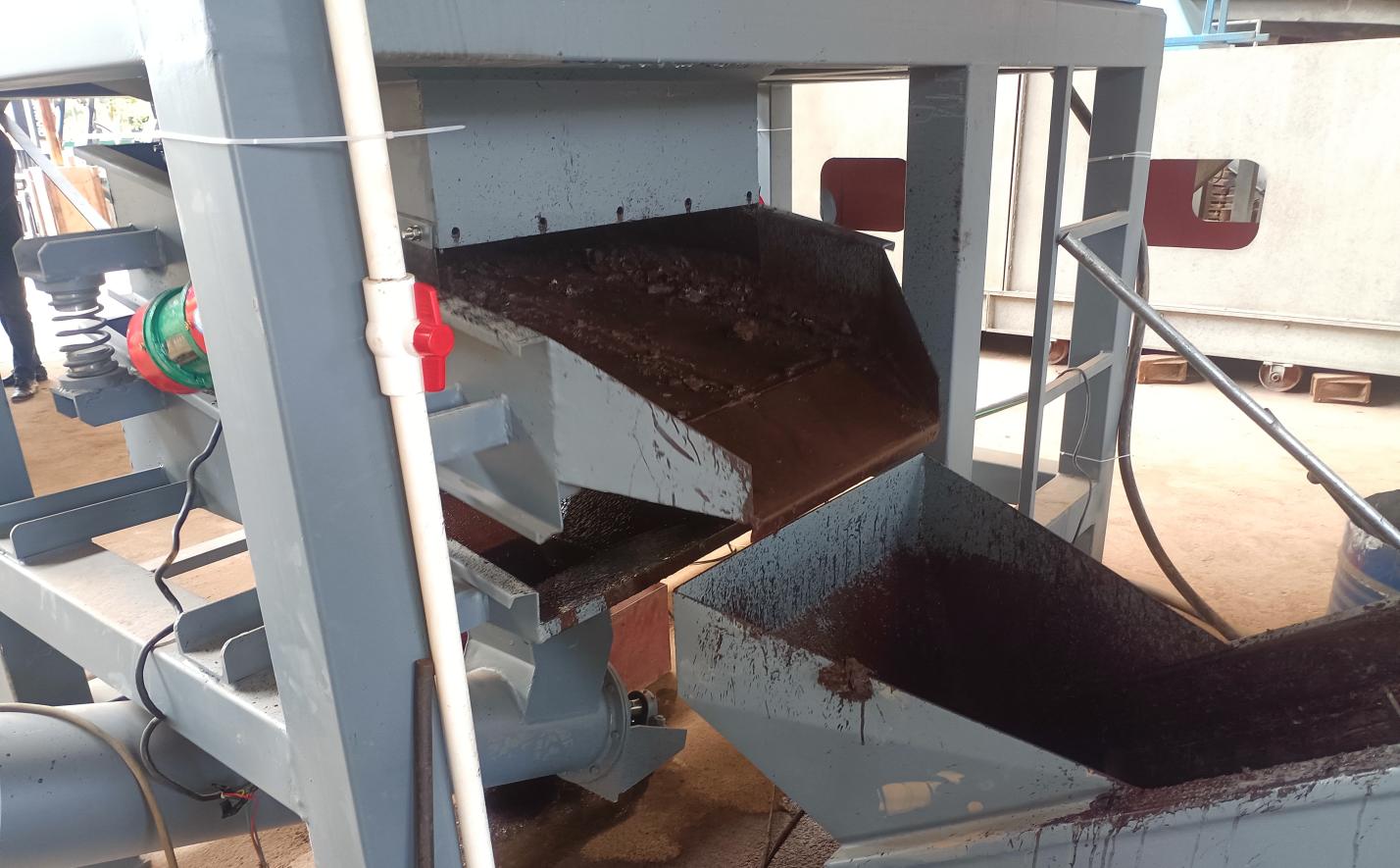
The silent workhorse behind recycling's circular future
Walk into any busy recycling facility, and you'll hear the hum of shredders, the clank of metal, and the whir of conveyor belts. But there's a quieter hero working behind the scenes: pneumatic conveying systems. These networks of pipes, blowers, and valves move materials—from plastic pellets to shredded circuit boards—with the efficiency of a well-choreographed dance. For recycling plant managers, they're not just equipment; they're the circulatory system that keeps operations alive. In 2025, as the world grapples with mounting waste and a pressing need for circular solutions, the supply chain for these systems is undergoing a transformation that's as much about human ingenuity as it is about machinery.
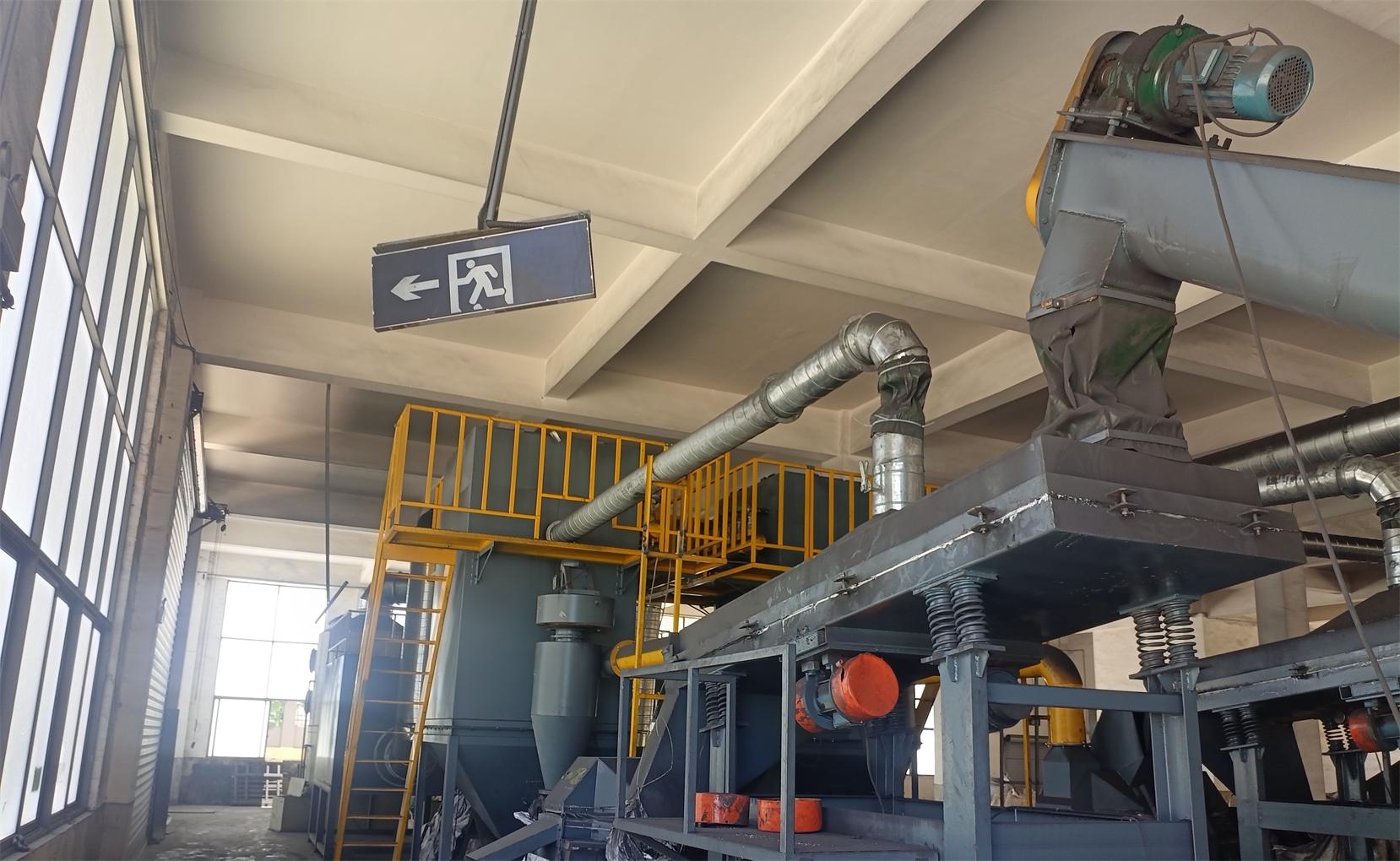
At the heart of this shift is the rise of plastic pneumatic conveying system equipment —a niche but critical segment that's become indispensable for handling lightweight, granular, or dusty materials like recycled plastic flakes. For a recycling equipment supplier in Shanghai, or a plant operator in Berlin, the reliability of these systems can mean the difference between meeting sustainability targets and falling behind. "We used to lose 15% of our plastic pellets to manual handling errors," says Maria Gonzalez, operations manager at a mid-sized recycling facility in Barcelona. "After installing a pneumatic system last year, that waste dropped to 2%. It's not just about saving materials—it's about saving our team from backbreaking work."
Growth Drivers: Why Pneumatic Conveying is Booming
2025 isn't just another year for the pneumatic conveying equipment market—it's a pivotal one. Three key trends are fueling demand, each tied to the global push for a more sustainable, circular economy.
First, the explosion of e-waste and plastic waste has recycling facilities scrambling to process higher volumes. Pneumatic systems, which can move materials at speeds of up to 60 meters per second, are the answer to bottlenecks. "We used to process 500 kg of plastic an hour with manual conveyors," explains Thomas Lee, a plant manager at a recycling facility in Singapore. "Now, with our plastic pneumatic system, we're hitting 1,200 kg/hour. It's like upgrading from a bicycle to a truck."
Second, regulatory pressures are tightening. Governments worldwide are cracking down on air pollution, forcing plants to invest in cleaner operations. This is where air pollution control system equipment pairs naturally with pneumatic conveying. Modern systems are designed to minimize dust emissions, and when integrated with filters and scrubbers, they help facilities meet strict EU or EPA standards. "Five years ago, we barely thought about air quality," admits Raj Patel, CEO of a Mumbai-based recycling equipment supplier. "Today, 40% of our inquiries mention air pollution control alongside pneumatic systems. Customers don't just want to move materials—they want to move them cleanly."
Third, the rise of automation is reshaping workflows. As facilities adopt IoT sensors and AI-driven monitoring, pneumatic systems are becoming "smart." Imagine a system that alerts operators when a pipe is clogging, or adjusts airflow based on material density in real time. These innovations aren't just futuristic—they're here. "Our new smart pneumatic system sends me alerts on my phone," says Gonzalez. "Last month, it detected a blockage before anyone noticed. We avoided a 4-hour shutdown. That's the difference between old and new tech."
Regional Spotlight: Who's Leading the Demand?
The global market for pneumatic conveying equipment isn't uniform. Demand, drivers, and challenges vary dramatically by region, creating a supply chain that's both interconnected and deeply local. Let's take a closer look at the key players:
| Region | Key Demand Drivers | Projected 2025 Growth Rate | Top Suppliers |
|---|---|---|---|
| Asia-Pacific | E-waste boom, government recycling mandates (e.g., China's 14th Five-Year Plan) | 8.2% | Chinese suppliers (e.g., Shanghai Zhengyang), Japanese tech firms (e.g., Yaskawa) |
| Europe | Strict air pollution regulations (EU's Circular Economy Action Plan), high plastic recycling targets | 6.5% | German manufacturers (e.g., Schenck Process), Italian firms (e.g., Piovan) |
| North America | Reshoring of recycling facilities, e-waste from tech upgrades | 5.8% | U.S. suppliers (e.g., Dynamic Air), Canadian innovators (e.g., Pneu-Con) |
| Latin America | Emerging middle class, growth in plastic consumption | 7.1% | Regional suppliers (e.g., Brazil's Metalúrgica Gerdau), European imports |
Asia-Pacific leads the pack, driven by China's aggressive recycling goals and India's expanding manufacturing sector. Suppliers here face unique challenges, though—like securing raw materials. "Steel pipes and high-pressure blowers are in short supply," says Patel. "We're now importing blowers from Germany, which adds 6-8 weeks to lead times. It's a balancing act between local production and global sourcing."
Europe, meanwhile, is focused on sustainability. Customers demand energy-efficient systems (some with up to 30% lower power consumption) and recyclable components. "A German customer once asked if our pneumatic pipes could be made from 100% recycled steel," laughs Klaus Müller, a sales director at a Berlin-based supplier. "We said yes—and now it's our best-selling line."
North America is playing catch-up, with a surge in demand as facilities replace aging equipment. The U.S. alone is expected to see $200 million in pneumatic conveying investments by 2026, fueled by the Inflation Reduction Act's green subsidies. "We're seeing a lot of interest from small to mid-sized plants," notes Sarah Johnson, an industry analyst at a Chicago-based firm. "They've put off upgrades for years, but now, with tax breaks, they're finally pulling the trigger."
Supply Chain Challenges: The Roadblocks Ahead
For all its growth, the pneumatic conveying equipment supply chain isn't without hurdles. In 2025, three challenges stand out—and they're all deeply human.
First, logistics bottlenecks are stretching lead times. Shipping containers are still in short supply in some regions, and rising fuel costs have made air freight prohibitively expensive. "We ordered a blower from Italy in January," recalls Lee from Singapore. "It was supposed to arrive in March. It's June, and we're still waiting. We had to rent a temporary system, costing us $10,000 a month." Suppliers are getting creative—some are stockpiling critical components, others are partnering with local manufacturers to reduce reliance on imports. "We used to source all our pipes from China," says Patel. "Now, we make 30% locally. It's more expensive, but our customers will pay for reliability."
Second, skilled labor shortages are slowing installations. A pneumatic system isn't just pipes and blowers—it requires precise engineering to avoid pressure drops or material degradation. "We're turning down projects because we can't find enough certified technicians," admits Müller. "Young people don't see 'pneumatic conveying' as a sexy career. We're partnering with technical schools to change that—offering internships and training programs. It's an investment in the future."
Third, raw material costs are volatile. Steel, aluminum, and high-performance plastics (used in pipes and valves) have seen price spikes of 15-20% in the past year. "We had to raise our prices by 12% in January," says Johnson. "Customers pushed back, but they understand—no one can absorb those costs forever." Some suppliers are turning to alternative materials, like carbon fiber-reinforced plastics, which are lighter and more durable but come with a higher upfront price tag. "It's a trade-off," says Patel. "Our carbon fiber pipes cost 30% more, but they last twice as long. For long-term customers, it's worth it."
Innovations Shaping Tomorrow's Systems
Despite the challenges, the future of pneumatic conveying is bright—and innovative. Here are three trends to watch in 2025 and beyond:
1. Sustainability Takes Center Stage – Suppliers are designing systems with a smaller carbon footprint. Think blowers powered by solar energy, or pipes made from recycled plastics. Some are even exploring "circular" systems, where excess air from conveying is captured and reused to power other machinery. "We're testing a system that recovers 30% of the blower energy," says Müller. "If it works, it could cut a plant's electricity bill by 15%. That's sustainability with a ROI."
2. Customization Becomes the Norm – One-size-fits-all systems are fading. Today's customers want solutions tailored to their materials—whether it's fragile lithium battery components or heavy metal scraps. "A plastic pneumatic system for PET flakes is very different from one for circuit board dust," explains Johnson. "Suppliers are offering modular designs, so customers can add pipes or adjust airflow as their needs change. It's like building with Lego blocks."
3. Predictive Maintenance Goes Mainstream – IoT sensors are becoming standard, turning systems into data hubs. Sensors monitor airflow, temperature, and vibration, feeding data into AI algorithms that predict failures before they happen. "Our system can tell you when a bearing will fail in 2 weeks," says Gonzalez. "We can order parts and schedule maintenance during downtime. No more emergency repairs, no more lost production."
The Human Side: Why This Matters Beyond the Bottom Line
At the end of the day, pneumatic conveying equipment isn't just about moving materials—it's about people. It's about the plant worker who no longer has to lift heavy bags of plastic. It's about the community breathing cleaner air because of better pollution control. It's about the recycling facility manager who can sleep at night knowing their system will keep up with demand.
"When I started in this industry 20 years ago, recycling was an afterthought," says Patel. "Now, it's a movement. Our systems help turn waste into resources—plastics into new bottles, e-waste into reusable metals. That's not just business—that's hope for a better planet."
As 2025 unfolds, the supply chain for pneumatic conveying equipment will face new challenges, but it will also drive new progress. It's a reminder that behind every "silent workhorse" is a network of people—engineers, suppliers, plant workers—all working toward a common goal: a world where waste is a thing of the past.
So the next time you recycle a plastic bottle or an old phone, take a moment to appreciate the invisible systems moving those materials. They might not make headlines, but they're building the circular future we all need.