Every year, millions of used lead acid batteries reach the end of their service life. These batteries — found in vehicles, backup power systems, and industrial equipment — contain valuable materials including lead, plastic, and sulfuric acid. Without proper recycling, they pose a serious environmental hazard. With the right lead acid battery recycling equipment, however, nearly every component can be recovered and returned to the manufacturing supply chain. This article walks through how a complete lead acid battery recycling plant works, what equipment is needed at each stage, and how to evaluate a supplier.
1. Why Lead Acid Battery Recycling Matters More Than Ever
Lead acid batteries remain the most widely used rechargeable battery type worldwide. They power everything from cars and trucks to UPS systems, forklifts, and telecom towers. The global demand for recycled lead continues to grow as primary lead ore reserves decline and environmental regulations tighten. A well-designed recycling plant recovers lead at purity levels exceeding 99.9%, reduces hazardous waste, and generates a profitable output stream. For businesses entering this sector, selecting the right equipment is the single most important decision determining operational success.
A modern lead acid battery recycling plant can process between 1 and 10 metric tons of used batteries per hour, recovering lead grid, lead paste, polypropylene plastic, and sulfuric acid as separate output streams — all while meeting stringent environmental standards.
2. The Complete Recycling Process: From Scrap Battery to Pure Lead
A complete lead acid battery recycling plant consists of several interconnected stages. Each stage requires specialized machinery designed to handle the specific physical and chemical properties of battery materials. Understanding this flow is essential before evaluating equipment options.
Stage 1: Battery Cutting and Acid Drainage
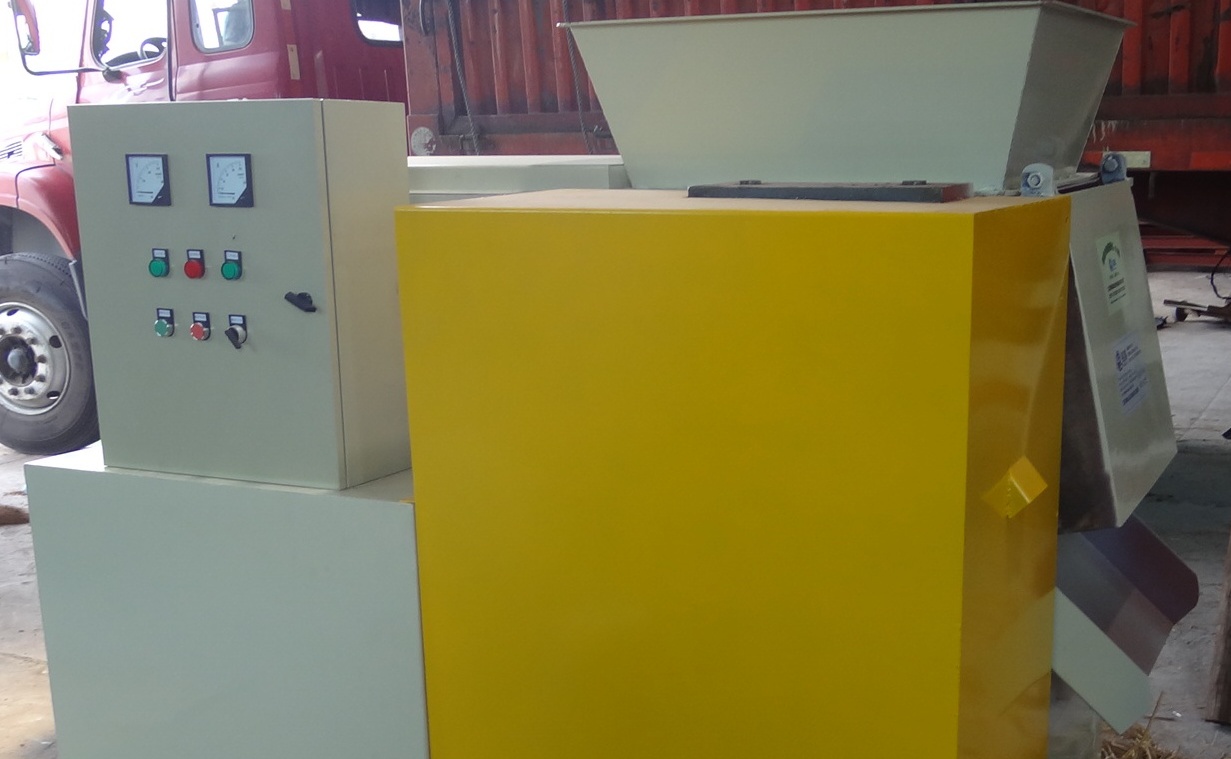
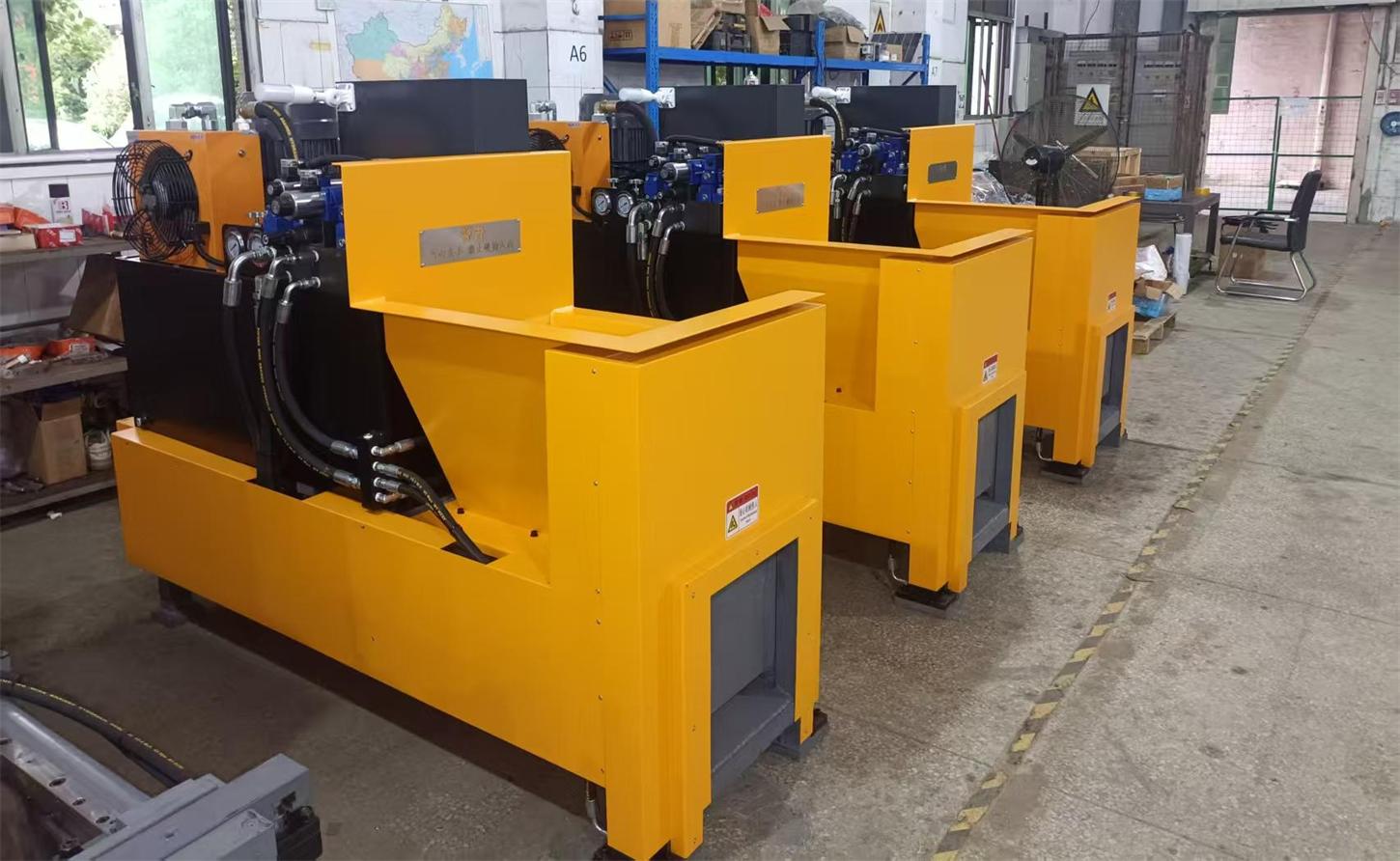
The process begins with a hydraulic battery cutter that slices each used lead acid battery into sections while simultaneously draining the sulfuric acid electrolyte into a collection tank. A high-quality cutter with hardened steel blades (HRC 56-62) can process one battery approximately every 45 seconds. The drained acid is then sent to a dedicated water treatment system for neutralization and safe disposal.
Stage 2: Breaking and Separation
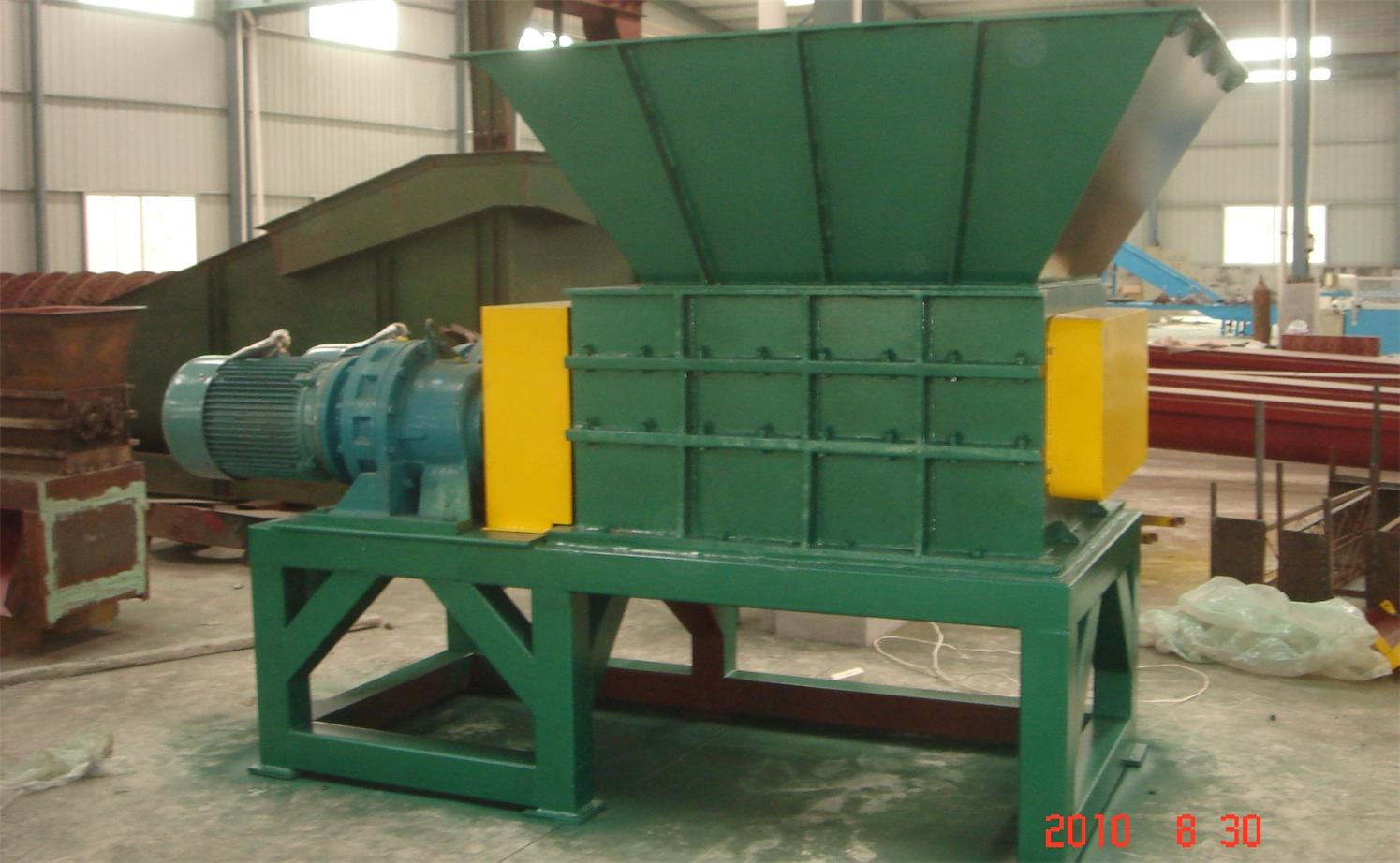
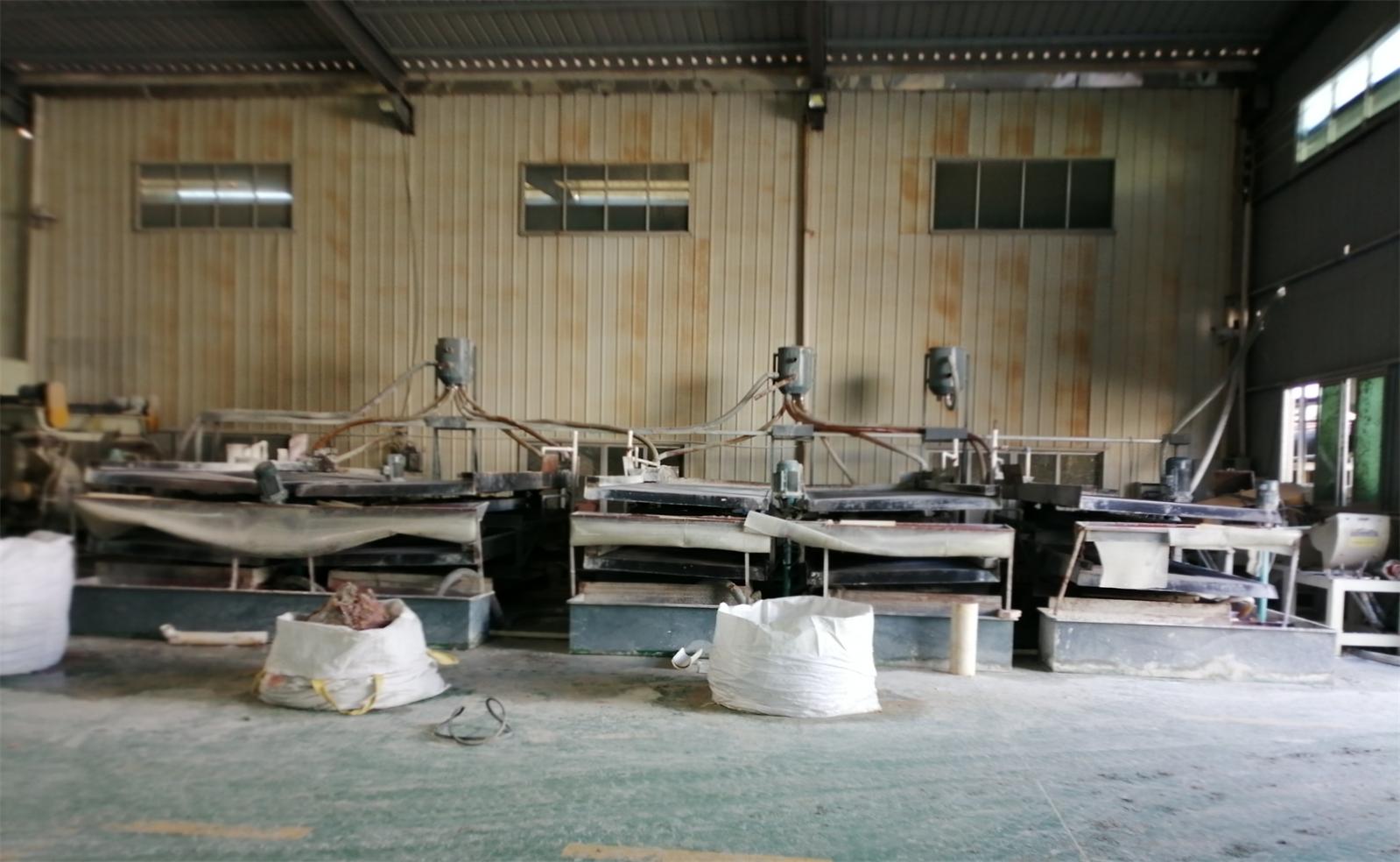
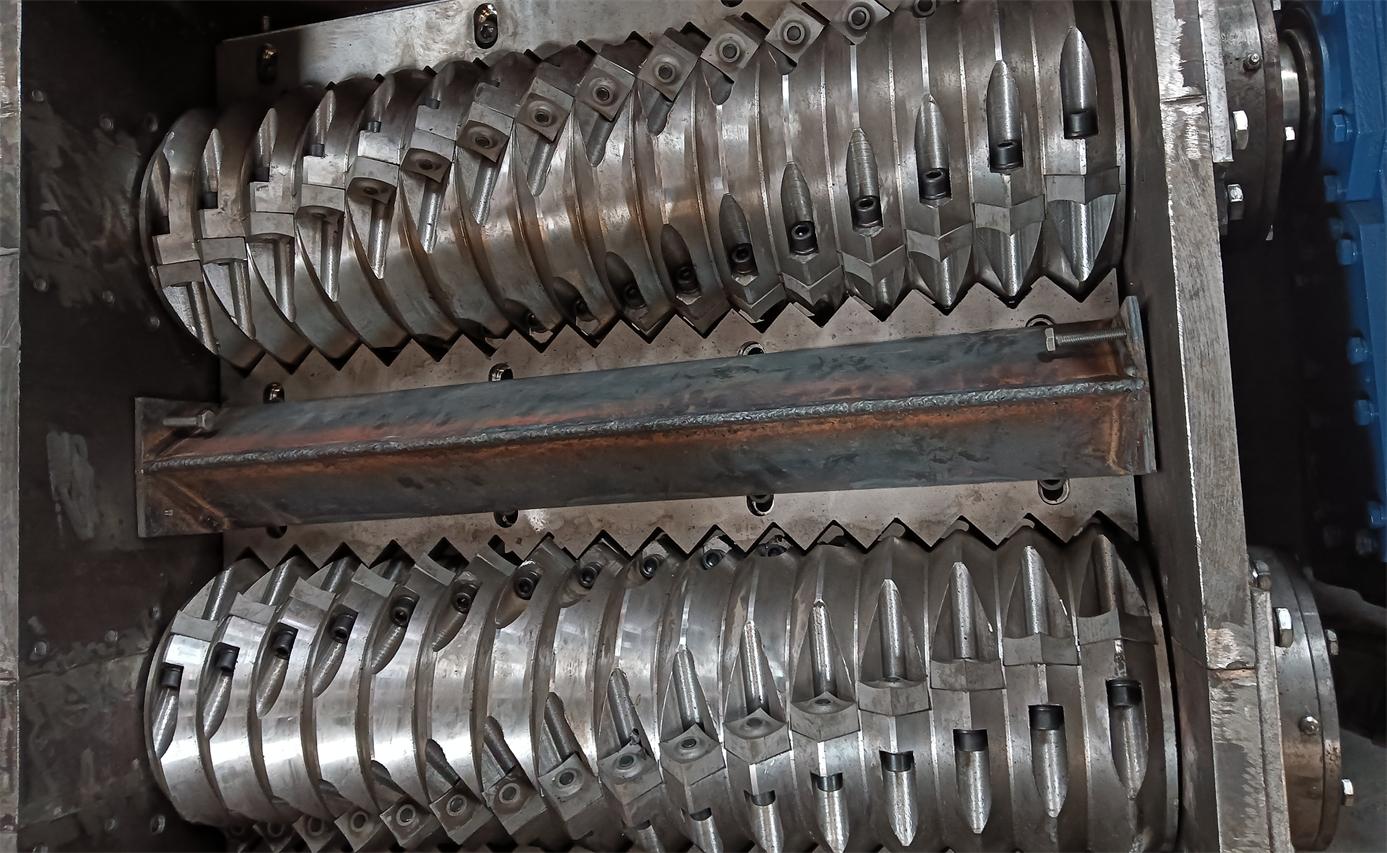
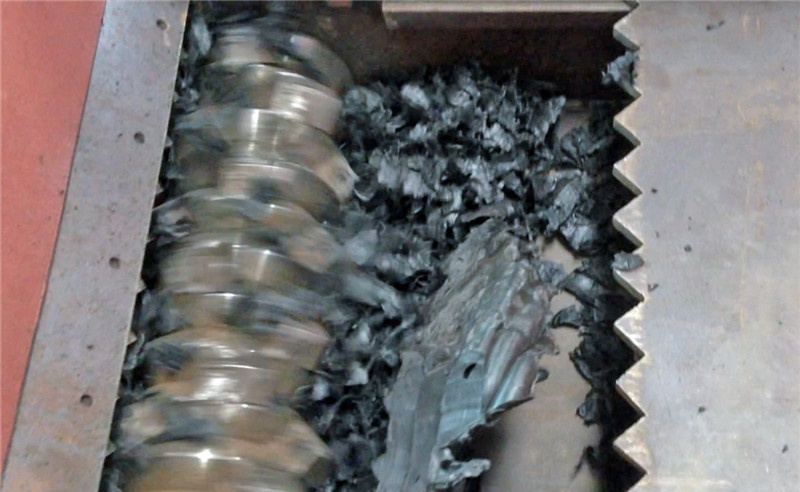
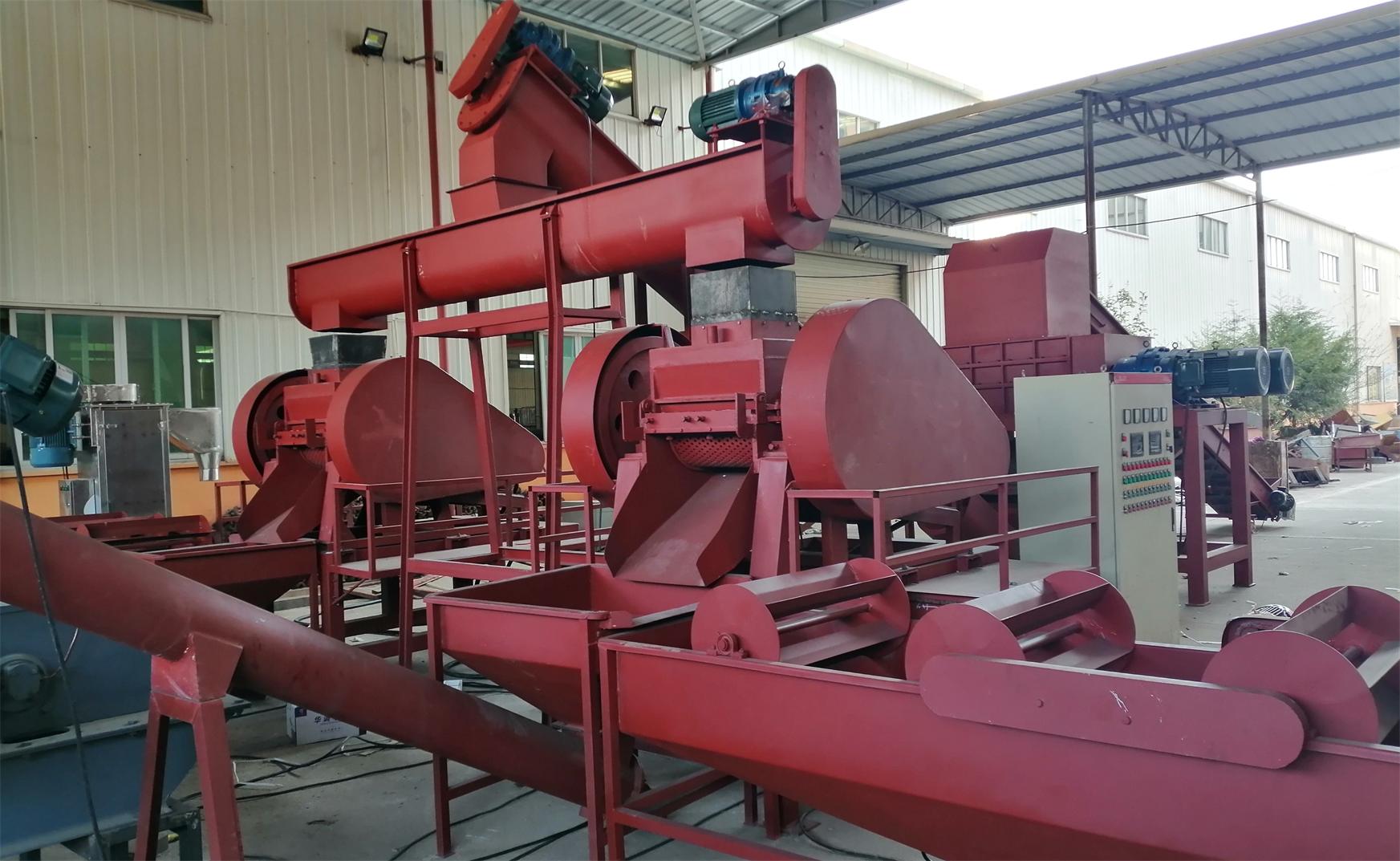
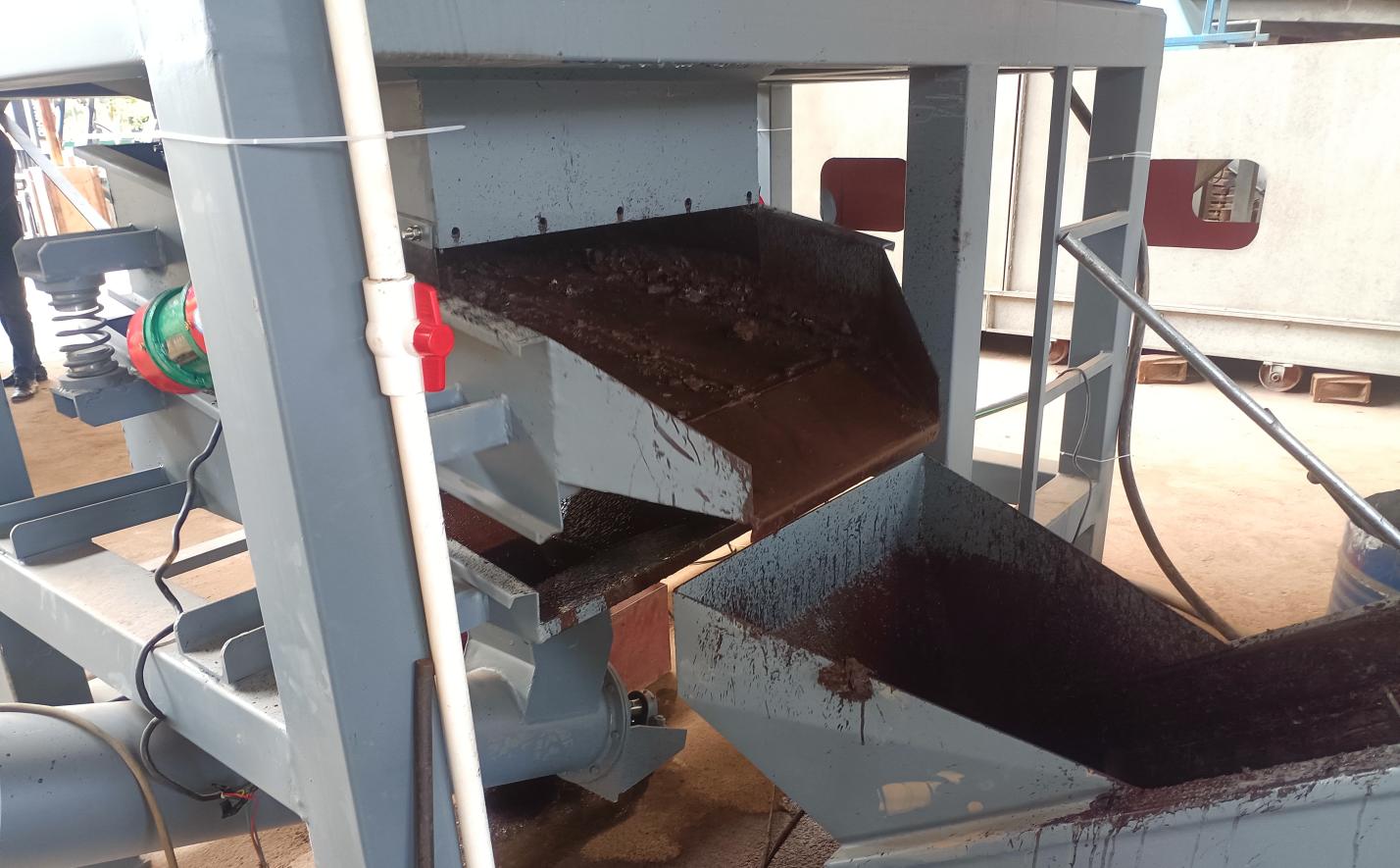
The cut battery pieces enter the lead acid battery breaking and separation system, which crushes the material and uses a combination of gravity separation, vibrating screens, and hydro-separation to classify the output into four distinct streams: lead grid (metallic lead), lead paste (lead sulfate and lead oxides), polypropylene plastic chips, and hard rubber fragments. The separation efficiency at this stage directly impacts the recovery rate of the entire plant. Well-engineered systems achieve clean separation with minimal cross-contamination between streams.
Stage 3: Lead Paste Desulfurization
Before the lead paste can be smelted, the sulfur content in the lead sulfate (PbSO4) must be reduced. This is where a de-sulfurization unit becomes critical. The unit treats the lead paste with a chemical reagent — typically sodium carbonate or sodium hydroxide — that converts lead sulfate into lead carbonate while producing a sodium sulfate byproduct. Effective desulfurization lowers the melting temperature required in the furnace, cuts energy consumption, and dramatically reduces sulfur dioxide (SO2) emissions during smelting. This step is a key differentiator between an environmentally compliant plant and one that struggles with emission limits.
Stage 4: Filtration and Paste Collection
After desulfurization, the slurry passes through a filter press that separates the solid lead paste from the liquid. A typical industrial filter press with 60 plates and a total filtration area of 60 square meters handles the throughput of a medium-to-large plant, producing dewatered paste cakes ready for the furnace. The separated liquid is recycled back into the process or treated in the effluent treatment system.
Stage 5: Smelting and Reduction
The dewatered lead paste is fed into a smelting furnace — either a rotary furnace or a blast (cupola) furnace — where it is heated along with reducing agents such as coke or coal. The rotary furnace can process 2 to 20 metric tons per batch and achieves a higher lead recovery rate than traditional blast furnaces. The blast furnace, on the other hand, offers higher throughput at 40 to 100 metric tons per 24 hours, reaching temperatures up to 1800 degrees Celsius. The output at this stage is crude metallic lead, which still contains trace impurities and requires further refining.
Stage 6: Lead Refining
The crude lead moves to the lead refinery furnace, where it undergoes a purification process to remove remaining impurities such as tin, antimony, copper, and arsenic. The refinery kettle can be heated by natural gas, diesel, or electricity. Electric-heated models using near-infrared technology can reduce energy consumption by 30% to 50% compared to conventional fuel-fired kettles. The final output is pure lead ingot with a purity of 99.999%, ready for sale to battery manufacturers and other industrial users.
Stage 7: Air Pollution Control and Effluent Treatment
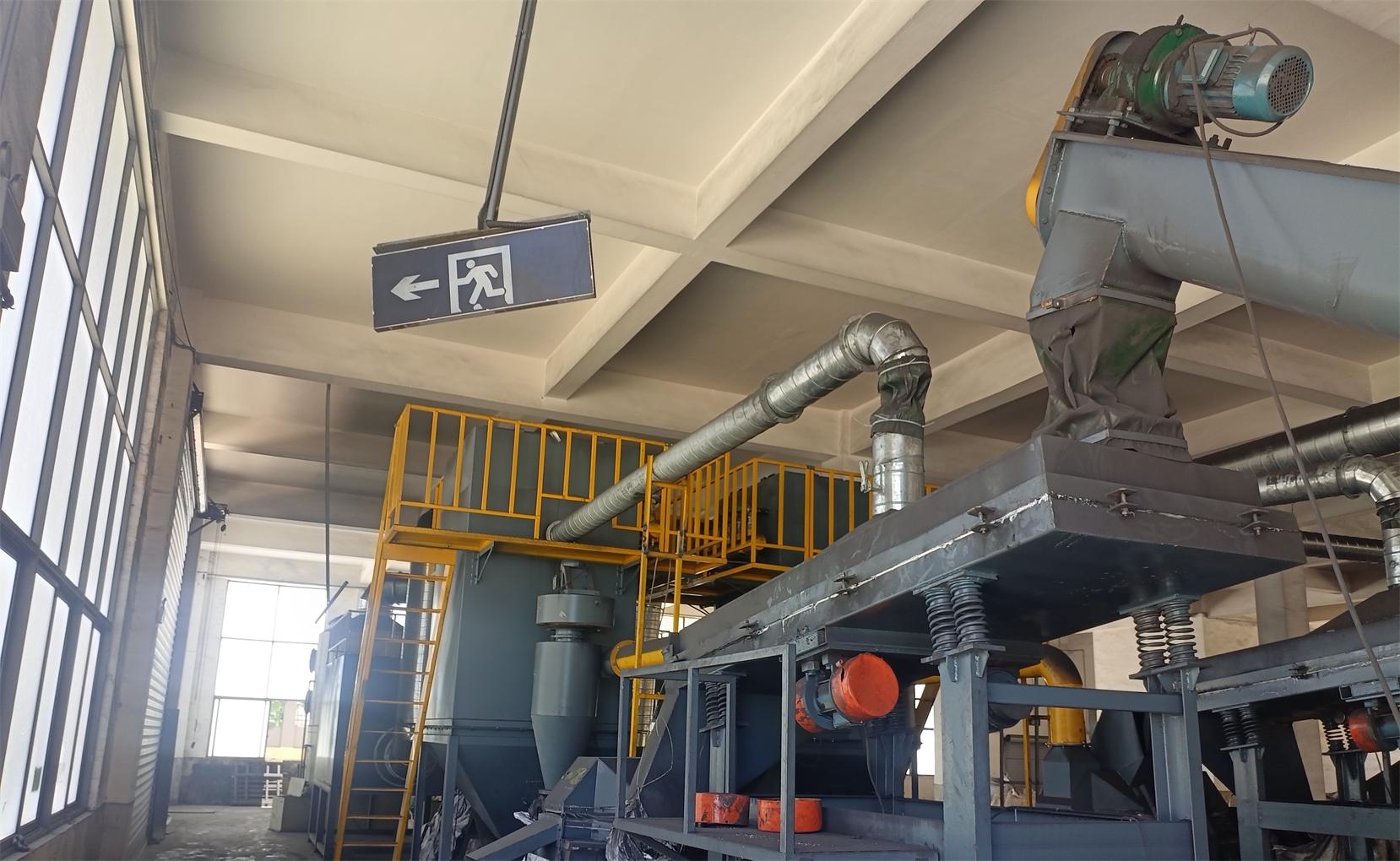
No recycling plant is complete without robust environmental control systems. Flue gases from the furnace pass through an air pollution control system that typically includes a cyclone dust collector, a baghouse filter, and a wet scrubber to remove particulate matter, sulfur compounds, and heavy metal vapors. The water treatment plant neutralizes acidic wastewater from the breaking and separation stage, ensuring that all liquid effluent meets discharge standards before release.
3. Core Equipment in a Lead Acid Battery Recycling Plant
The table below summarizes the key equipment categories and their functions in a complete recycling line:
| Equipment | Function | Typical Capacity |
|---|---|---|
| Hydraulic Battery Cutter | Cuts battery case and drains acid | ~45 sec per battery |
| Breaking & Separation System | Crushes batteries; separates lead grid, paste, plastic, and rubber | 1–10 MT/hour |
| De-Sulfurization Unit | Removes sulfur from lead paste; reduces SO2 emissions | Matched to plant throughput |
| Filter Press | Dewaters lead paste slurry into solid cake | 60 m² filtration area |
| Rotary / Blast Furnace | Smelts lead paste into crude metallic lead | 2–20 MT/batch (rotary); 40–100 MT/day (blast) |
| Lead Refinery Kettle | Purifies crude lead to 99.999% purity | Varies by model |
| Air Pollution Control System | Captures dust, fumes, and SO2 from furnace exhaust | Plant-specific design |
| Water Treatment Plant | Neutralizes acidic wastewater | Plant-specific design |
4. What to Look for in a Recycling Equipment Supplier
Choosing the right equipment supplier is as important as choosing the equipment itself. Here are the key factors to evaluate:
- Engineering expertise. Look for a supplier with a dedicated technical team that has real mechanical engineering qualifications and years of hands-on experience in e-waste recycling. The ability to offer customized design — not just off-the-shelf machines — is a sign of genuine engineering capability.
- EPC project capability. A supplier that can handle the complete Engineering, Procurement, and Construction (EPC) cycle — from plant layout design through equipment manufacturing, installation, and commissioning — saves you from the headache of coordinating multiple vendors.
- Environmental compliance track record. Verify that the supplier's air pollution control and water treatment systems are designed to meet the environmental regulations in your country. Ask for reference installations and, if possible, visit an operating plant.
- After-sales support and spare parts. A recycling plant is a long-term investment. Confirm that the supplier provides ongoing technical support, operator training, and readily available spare parts.
- Waste sourcing and product off-take assistance. Some suppliers go beyond equipment and help customers source scrap batteries and find buyers for the output materials — copper, lead ingots, and plastic chips. This value-added service can significantly shorten the path to profitability.
- International experience. A supplier with customers in multiple countries understands diverse regulatory environments and logistical challenges. Experience across markets in Asia, Africa, the Middle East, and Latin America indicates a proven track record.
San Lan Technologies Co., Ltd has been manufacturing recycling equipment since 2007 and serves customers in over 21 countries. The company's technical team includes engineers with master's degrees in mechanical engineering and more than 15 years of industry experience. Beyond equipment supply, San Lan offers EPC project management, customized plant design, installation and commissioning, and assistance with both waste battery procurement and end-product sales.
Ready to plan your lead acid battery recycling plant?
Whether you are starting a new recycling operation or upgrading an existing facility, San Lan Technologies provides complete turnkey solutions — from battery cutters and breaking-separation systems to de-sulfurization units, smelting furnaces, refinery kettles, and full environmental control systems. Every plant is custom-designed to match your capacity requirements and local environmental standards.
Contact San Lan for a Consultation