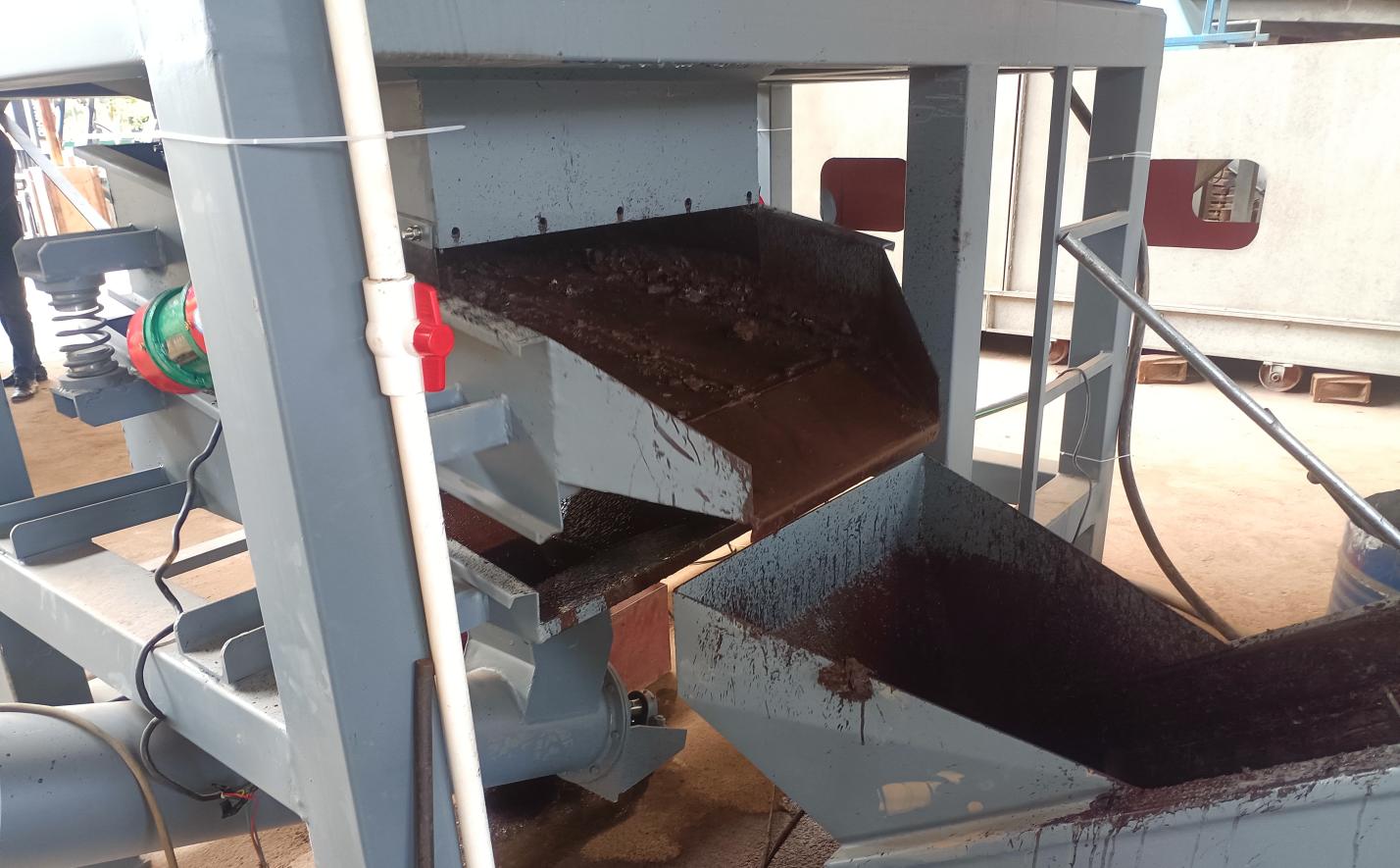
Every year, millions of used lead acid batteries reach the end of their service life in vehicles, backup power systems, and industrial equipment around the world. These batteries are far from worthless waste — each one contains recoverable lead, reusable plastic, and sulfuric acid that can be processed and returned to the manufacturing supply chain. However, recycling them responsibly requires specialized machinery and a well-designed process flow. This is where modern lead acid battery recycling equipment plays a critical role, transforming a potential environmental hazard into a profitable circular economy operation.
Why Lead Acid Battery Recycling Matters More Than Ever
Lead acid batteries remain the most widely used rechargeable battery technology globally, powering everything from automobiles and motorcycles to forklifts and uninterruptible power supplies. The World Health Organization has long identified lead as one of the top ten chemicals of major public health concern, making proper disposal and recycling not just a regulatory requirement but an ethical imperative.
Beyond the environmental case, there is a compelling economic argument. Recycled lead requires only about 35-40% of the energy needed to produce primary lead from ore, which translates directly into lower operating costs and a smaller carbon footprint. For recycling businesses, setting up a complete plant with the right equipment means tapping into a steady, high-demand market — the global lead-acid battery market is projected to continue growing, driven by automotive and renewable energy storage applications.
Step 1: Battery Breaking and Component Separation
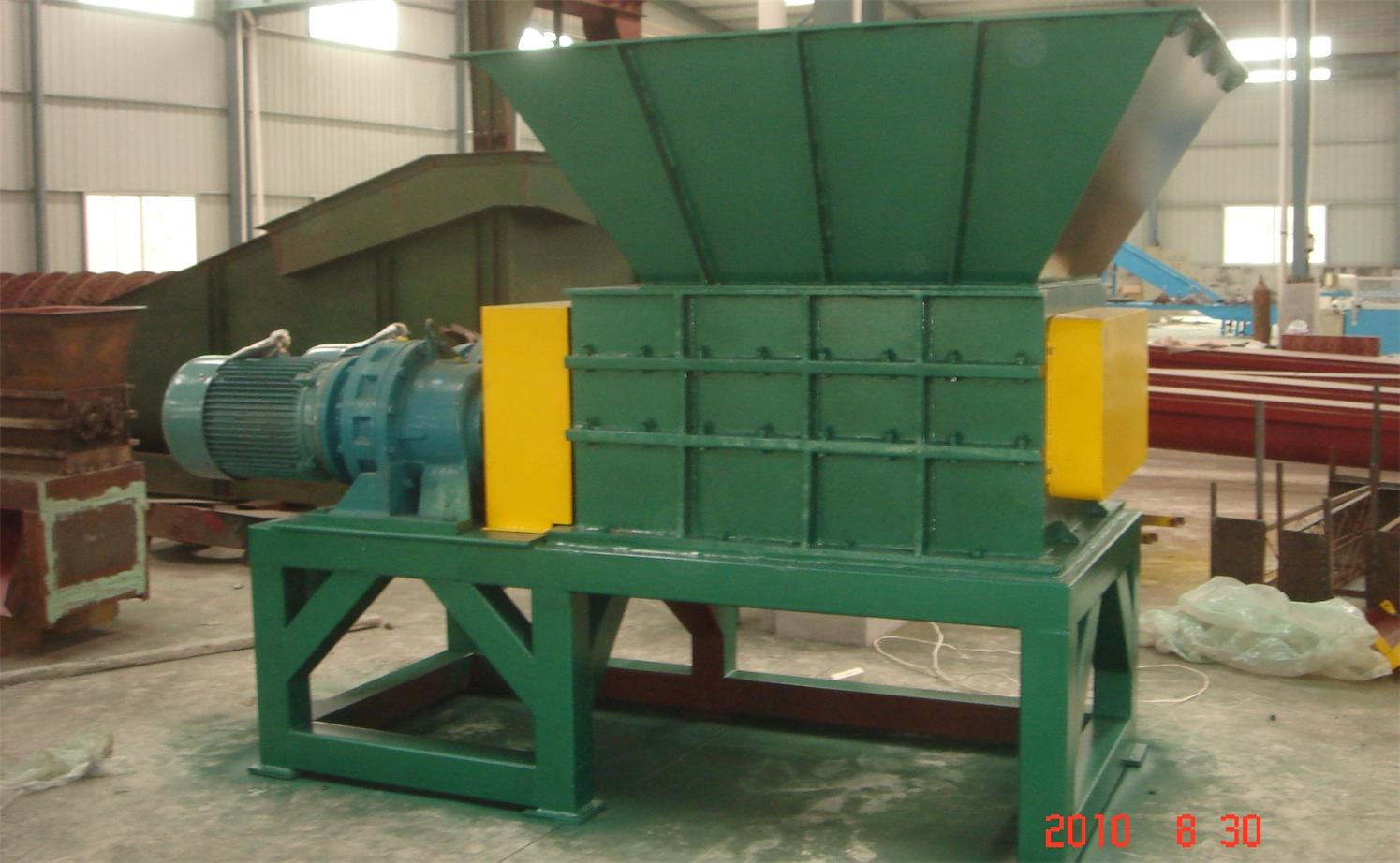
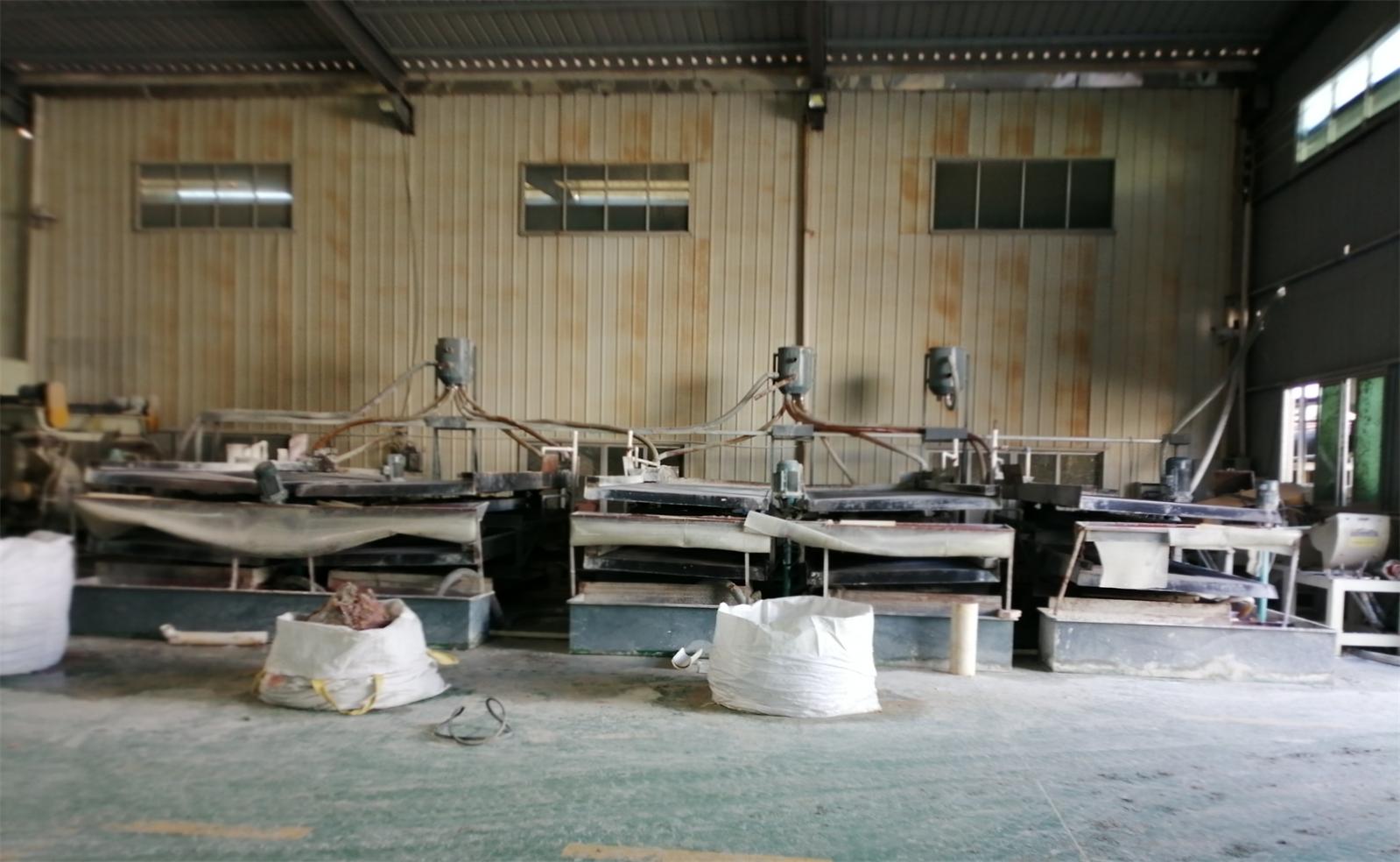
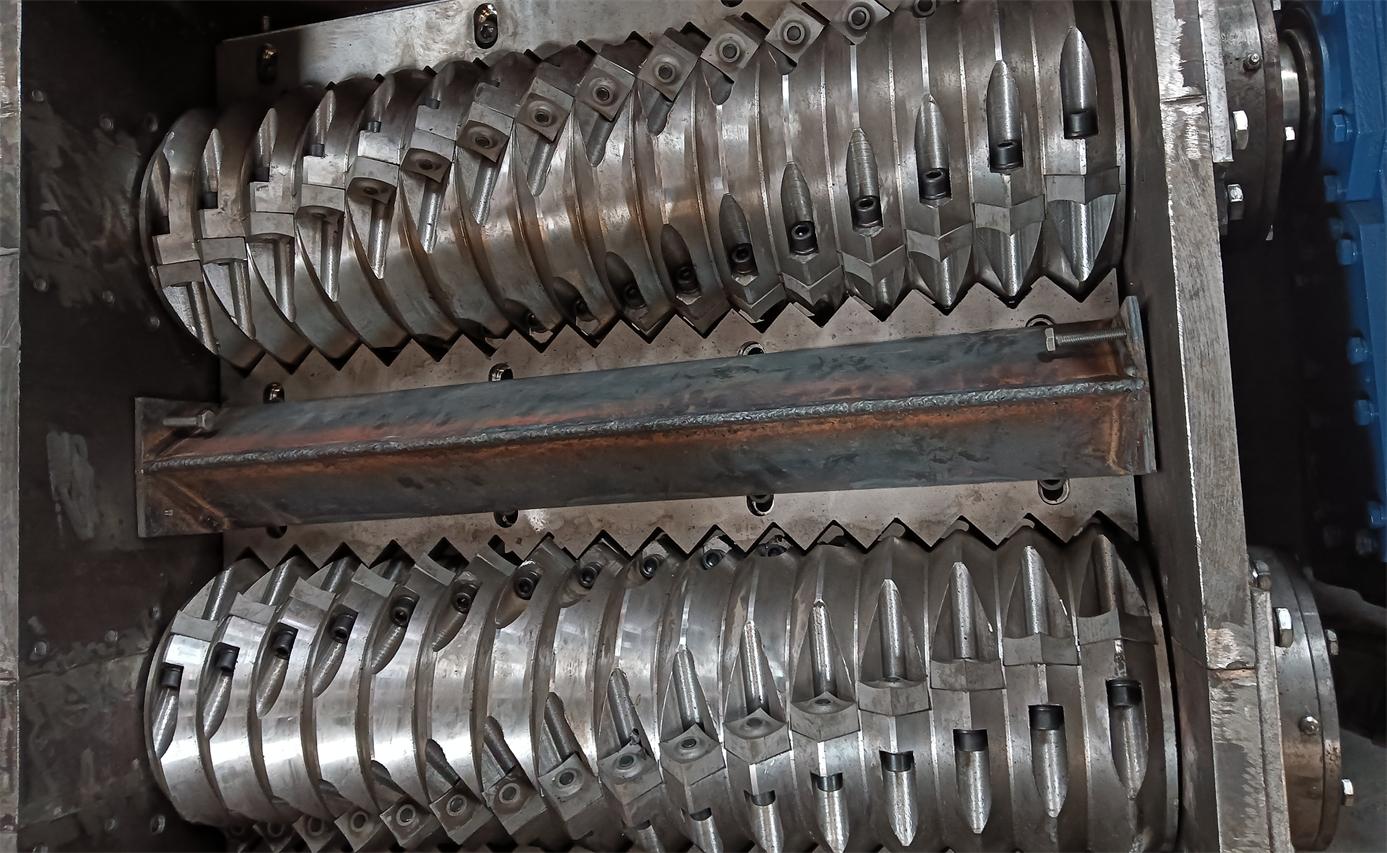
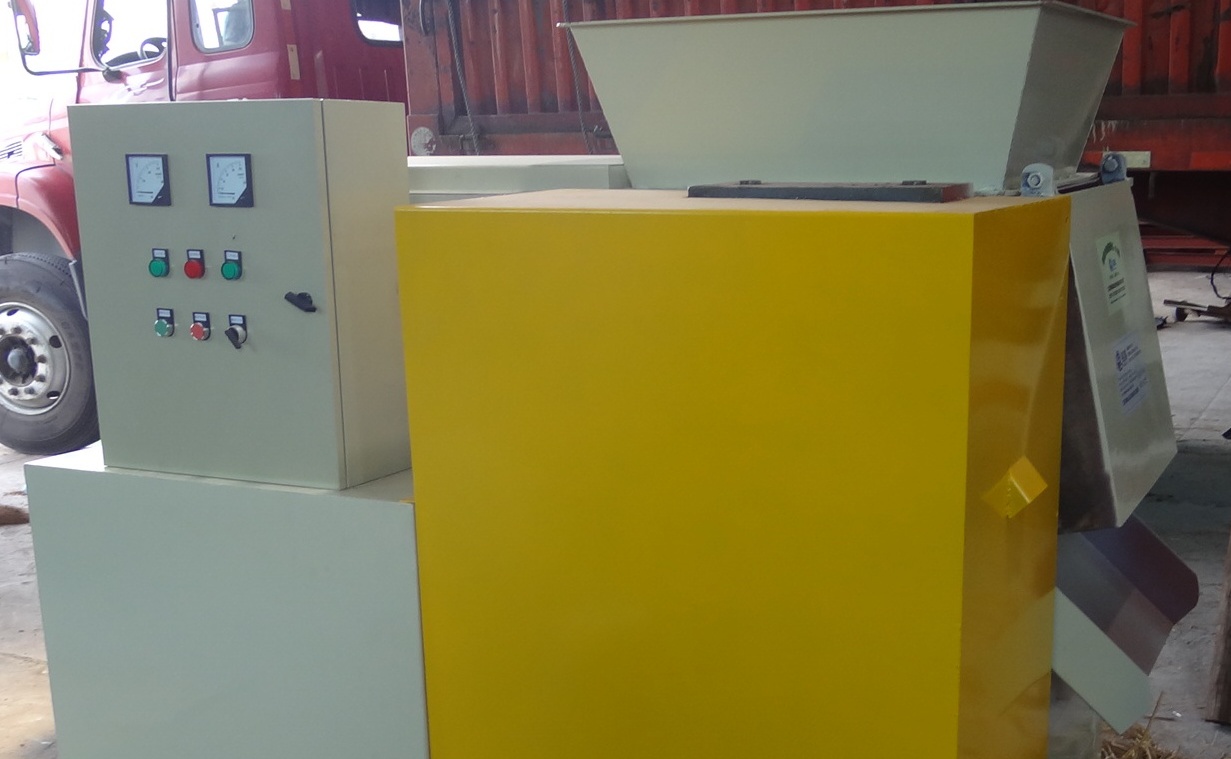
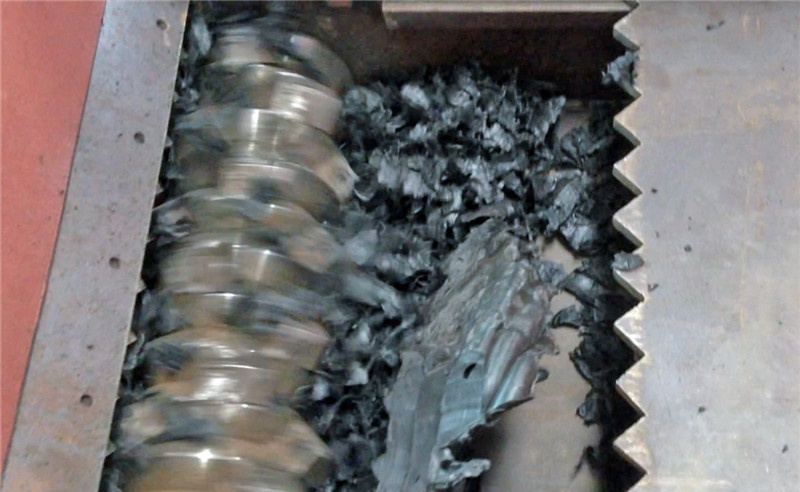
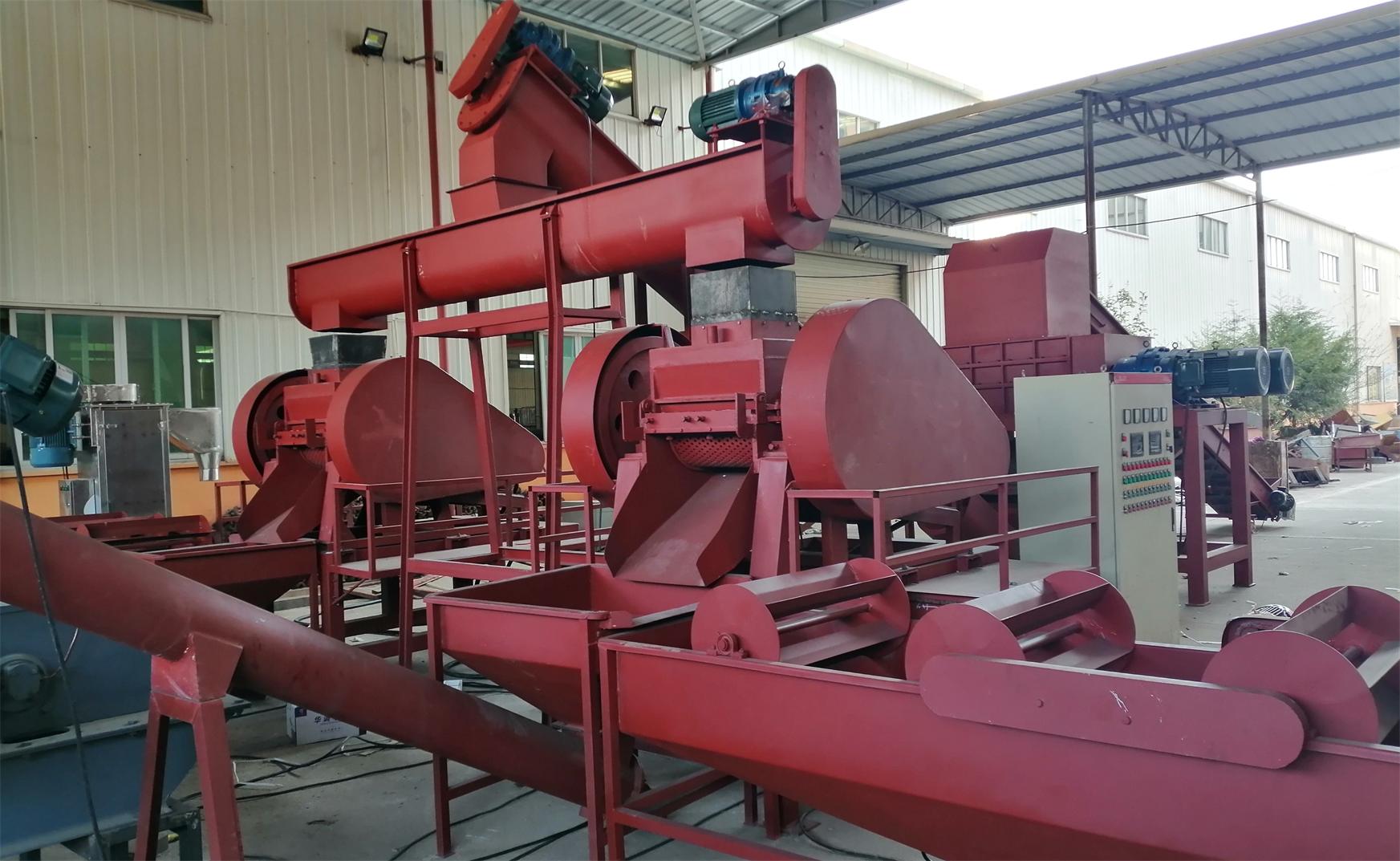
The journey begins with a lead acid battery breaking and separating plant. This is the front-end workhorse of any recycling operation. Whole used batteries are fed into the system, where they undergo mechanical crushing and separation into four distinct output streams: lead grid, lead paste, PP/PVC plastic shell, and hard rubber. Modern systems can process between 1 and 10 metric tons of batteries per hour, depending on the plant configuration.
A high-quality breaking and separation system also handles the sulfuric acid electrolyte safely. The acid is collected and neutralized — some plants route it to an on-site water treatment facility for processing, while others convert it into useful byproducts like sodium sulfate. At San Lan Technologies, the breaking and separation line is engineered for efficiency: the system separates materials with high purity levels, ensuring that the downstream smelting and refining stages receive clean, uncontaminated feedstock.
Step 2: Paste Desulfurization — Cleaning Before Smelting
After separation, the lead paste contains lead sulfate (PbSO₄), which poses two problems for direct smelting: it requires higher temperatures to decompose and it releases sulfur dioxide (SO₂) during the process. A de-sulfurization unit addresses both issues at once. By reacting the lead paste with a desulfurizing agent — typically sodium carbonate or sodium hydroxide — the sulfate is converted into a more easily reducible form while the sulfur is captured as a solid byproduct.
The practical benefits are substantial. Desulfurization lowers the melting temperature required in the furnace, which means less fuel consumption and lower energy bills. It also dramatically cuts SO₂ emissions, keeping the plant in compliance with increasingly stringent environmental regulations. The byproduct (sodium sulfate) can even be sold as a raw material for detergent and glass manufacturing, creating an additional revenue stream.
Step 3: Smelting — Turning Paste into Crude Lead
The desulfurized lead paste now enters the smelting phase. A rotary furnace reduces the paste to crude metallic lead at high temperatures, typically operating in batches of 2 to 20 metric tons each. The choice of furnace matters — rotary furnaces offer a higher lead recovery rate compared to traditional blast furnaces and provide better temperature control, which means more consistent output quality.
For operations processing lead grid (the metallic lead components separated in step 1), a blast furnace may also be deployed. These can handle 40 to 100 metric tons per 24-hour cycle, reaching temperatures up to 1800°C with lead recovery rates around 95%. Some plants run both furnace types in parallel, routing different feedstocks to the equipment best suited for each material stream.
Step 4: Refining — Achieving 99.999% Purity
Crude lead from the smelting furnace still contains impurities — antimony, tin, copper, arsenic, and traces of precious metals. The refining stage uses a lead refinery kettle to progressively remove these contaminants, bringing the lead to a purity level of 99.999%. The process involves adding specific reagents that bind to different impurities at controlled temperatures, skimming off the resulting dross at each stage.
Modern refinery kettles come in two heating configurations: traditional natural gas or diesel burners, and newer electric models using near-infrared heating technology. The electric option is gaining popularity because it delivers energy savings of 30-50% and provides more precise temperature control, which translates to better-quality refined lead and lower operating costs over the equipment's lifetime.
Step 5: Environmental Control Systems — The Invisible Backbone
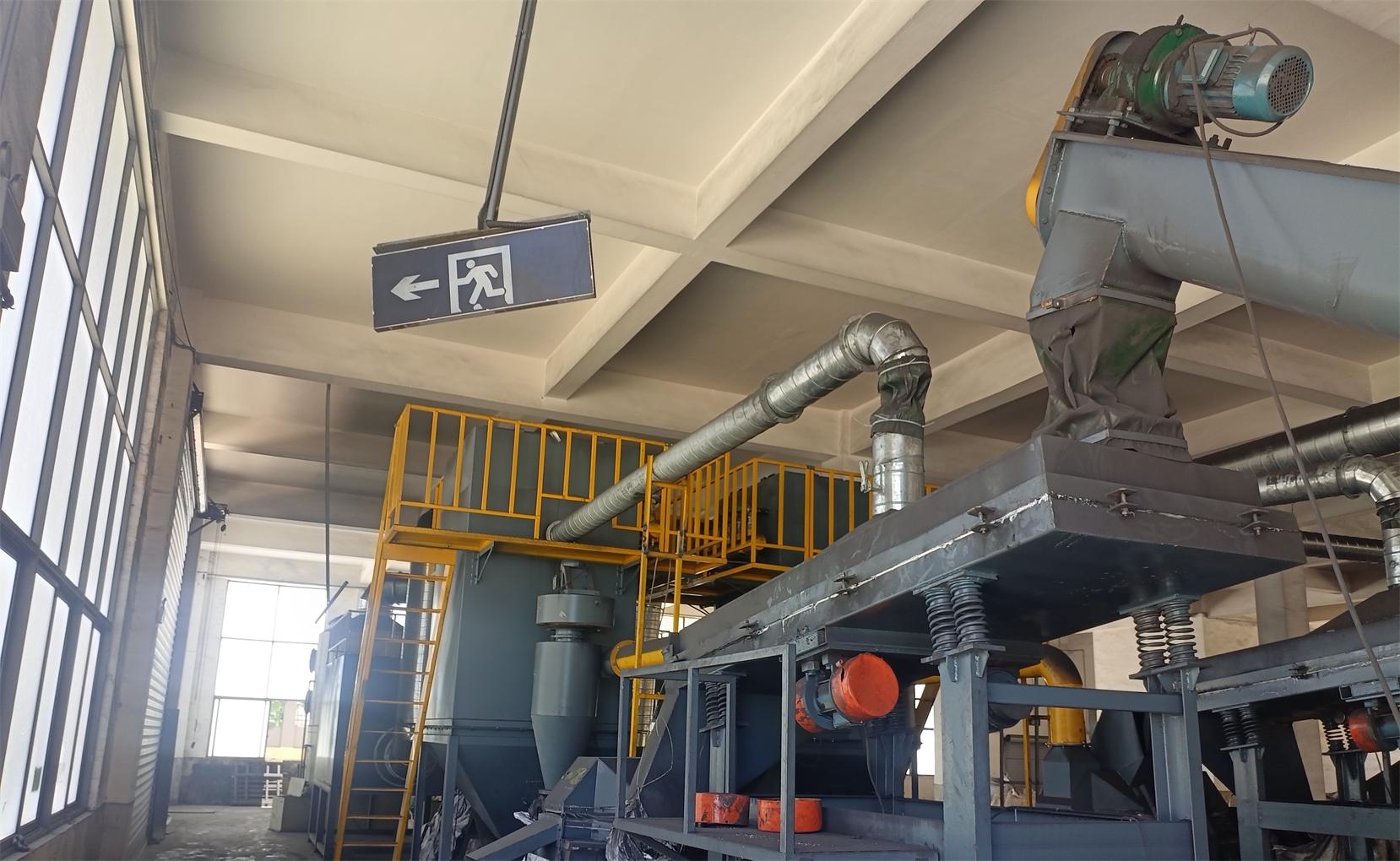
No lead acid battery recycling plant is complete without a robust air pollution control system. The smelting and refining processes generate gases containing lead dust, sulfur compounds, and other particulates that must be captured before they reach the atmosphere. A properly designed system uses a combination of baghouse filters, wet scrubbers, and activated carbon adsorption to meet or exceed local emission standards.
Water treatment is equally important. The acidic wastewater from the breaking and separation process, combined with general plant cleaning water, must go through neutralization, coagulation, sedimentation, and filtration before it can be safely discharged or reused. Forward-thinking plants design closed-loop water systems to minimize consumption and environmental impact.
What to Look for in a Lead Acid Battery Recycling Plant Supplier
Choosing the right equipment manufacturer is as important as choosing the right equipment. Here are the factors that separate a dependable partner from a one-time vendor:
Complete project capability: Can the supplier deliver more than just machines? Look for a partner with EPC (Engineering, Procurement, Construction) experience — someone who can handle everything from plant layout design and equipment manufacturing to on-site installation, commissioning, and operator training.
Customization: Every recycling operation is different. A good supplier should assess your specific input materials, desired output purity, and throughput targets, then configure the plant accordingly — not sell you an off-the-shelf package that may not fit your needs.
After-sales support: A recycling plant is a long-term investment. Make sure your supplier offers technical support, spare parts availability, and the engineering expertise to help you optimize and expand your operation as your business grows.
Proven track record: Ask about the supplier's existing installations. A manufacturer that has delivered plants to customers across multiple countries and regions — particularly in markets with strict environmental standards — has demonstrated the reliability and adaptability you need.
Beyond the Equipment: Building a Complete Recycling Business
Investing in the right machinery is the foundation, but a successful recycling operation extends beyond the plant floor. San Lan Technologies, established in 2007 and based in Ganzhou, Jiangxi Province, China, takes a holistic approach to customer partnerships. The company's engineering team — led by professionals with master's degrees in mechanical engineering and over 15 years of hands-on experience in e-waste recycling — provides everything from initial feasibility studies to full production ramp-up.
What sets a comprehensive service provider apart is the ability to support the customer's entire business cycle. Beyond equipment manufacturing and plant construction, San Lan assists clients in sourcing waste battery feedstock — a critical factor in plant profitability — and helps identify buyers for the finished products such as refined lead ingots and separated plastics. This end-to-end approach reduces the time from investment to revenue and lowers the operational risks that new recycling ventures typically face.
With customers spanning over 21 countries — from Singapore and Malaysia to Colombia, Mexico, South Africa, and Saudi Arabia — San Lan has accumulated deep cross-cultural project experience. The team's bilingual capability in English and Chinese ensures smooth communication throughout the project lifecycle, from technical discussions to on-site training.
The Bottom Line
A well-planned lead acid battery recycling plant is more than an environmental compliance measure — it is a profitable industrial enterprise. The key lies in selecting equipment that works together as an integrated system: a breaking and separation line that produces clean material streams, a desulfurization unit that reduces energy costs and emissions, efficient furnaces that maximize metal recovery, and a refinery that delivers market-ready 99.999% pure lead.
When you pair the right technology with a supplier that offers genuine engineering support and business guidance, you create a recycling operation that can thrive for decades. Whether you are launching a new plant or upgrading an existing facility, the decisions you make during the equipment selection phase will define your long-term profitability and environmental compliance.
Ready to explore what a complete lead acid battery recycling plant can do for your business? Contact San Lan Technologies today to discuss your project requirements. With over 18 years of manufacturing experience, a full range of recycling machinery — from battery cutters and breaking systems to furnaces, refinery kettles, and pollution control equipment — and a proven track record across 21+ countries, San Lan is positioned to be your long-term partner in e-waste recycling.
Email: info@san-lan.com | WhatsApp: +86 139 2377 4083 | Website: www.san-lan.com