A practical guide to the equipment, process flow, and key considerations for setting up a lithium-ion battery recycling facility.
Why Lithium Battery Recycling Is More Urgent Than Ever
The global shift toward electric vehicles and renewable energy storage has driven an unprecedented surge in lithium-ion battery production. With millions of EV batteries expected to reach end-of-life over the next decade, the pressure to build efficient and scalable recycling infrastructure has never been greater. A well-designed lithium battery recycling plant is no longer a future consideration — it is an immediate necessity for recyclers, manufacturers, and governments alike.
Spent lithium batteries contain valuable materials including cobalt, nickel, lithium, copper, aluminum, and graphite. When these batteries are landfilled, not only are these critical resources lost, but the heavy metals and electrolytes pose serious environmental hazards. A properly configured recycling plant recovers these materials — particularly the high-value "black mass" containing electrode coatings — while neutralizing hazardous components.
The Six-Stage Process of a Lithium Battery Recycling Plant
Modern li battery recycling equipment follows a systematic, multi-stage process designed to maximize material recovery while maintaining safety and environmental compliance. Here is what a complete plant looks like:
1
Discharging and Pre-Treatment
Before mechanical processing, spent batteries must be safely discharged to eliminate residual energy. This stage prevents thermal runaway and ensures safe handling downstream. Depending on battery type and condition, discharge methods may include saline bath immersion, resistive load banks, or controlled thermal stabilization.
2
Pre-Crushing and Size Reduction
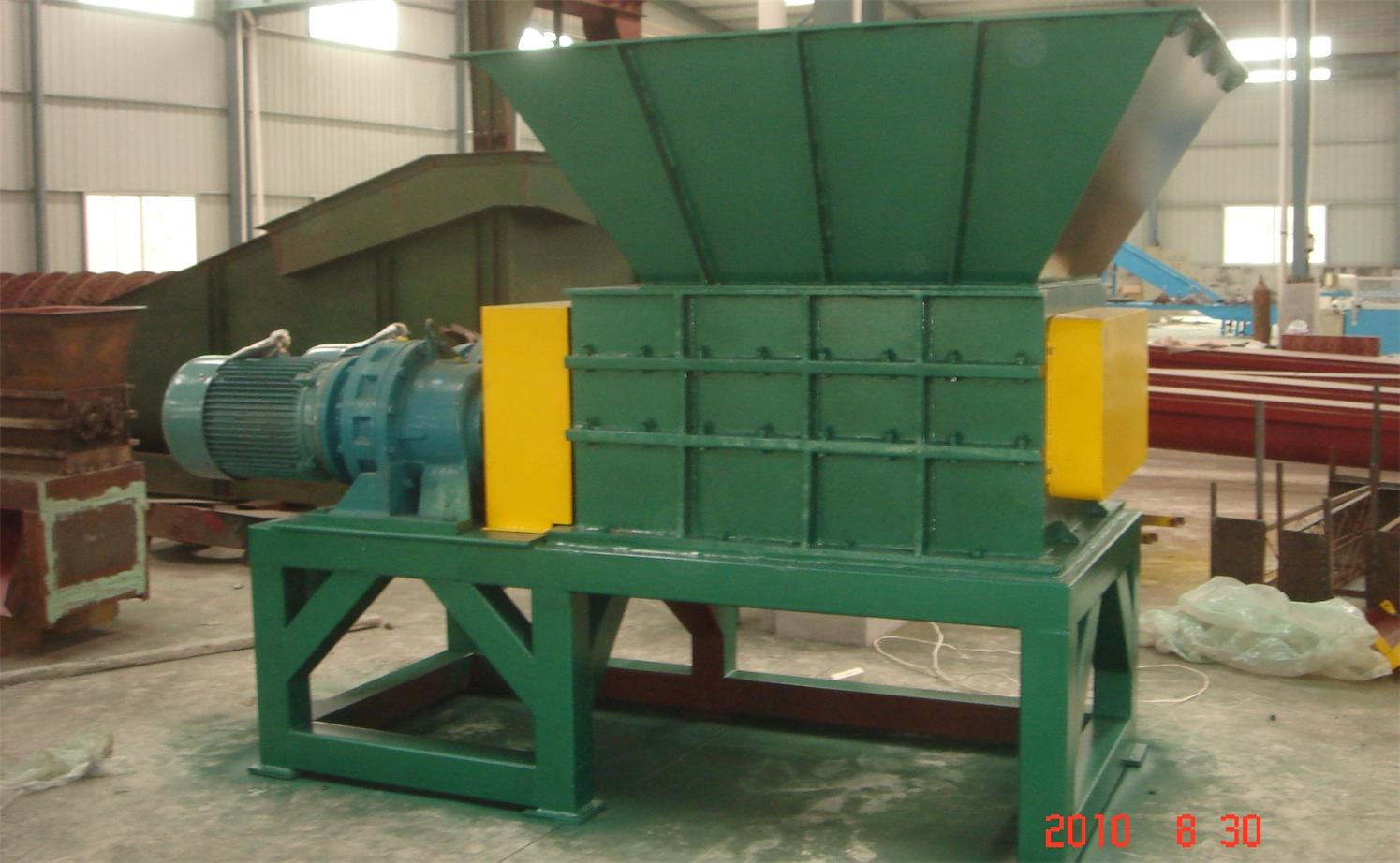
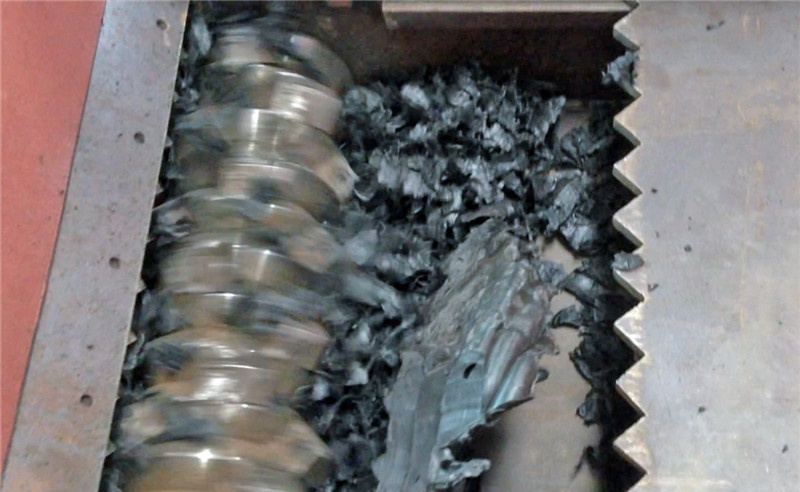
Discharged batteries enter a shredder or pre-chopper, typically operating in an inert atmosphere (nitrogen) to suppress fire risk. The goal is to reduce whole batteries and modules into manageable fragments — usually 20–50 mm — exposing internal components for the next separation stages.
3
Secondary Granulation
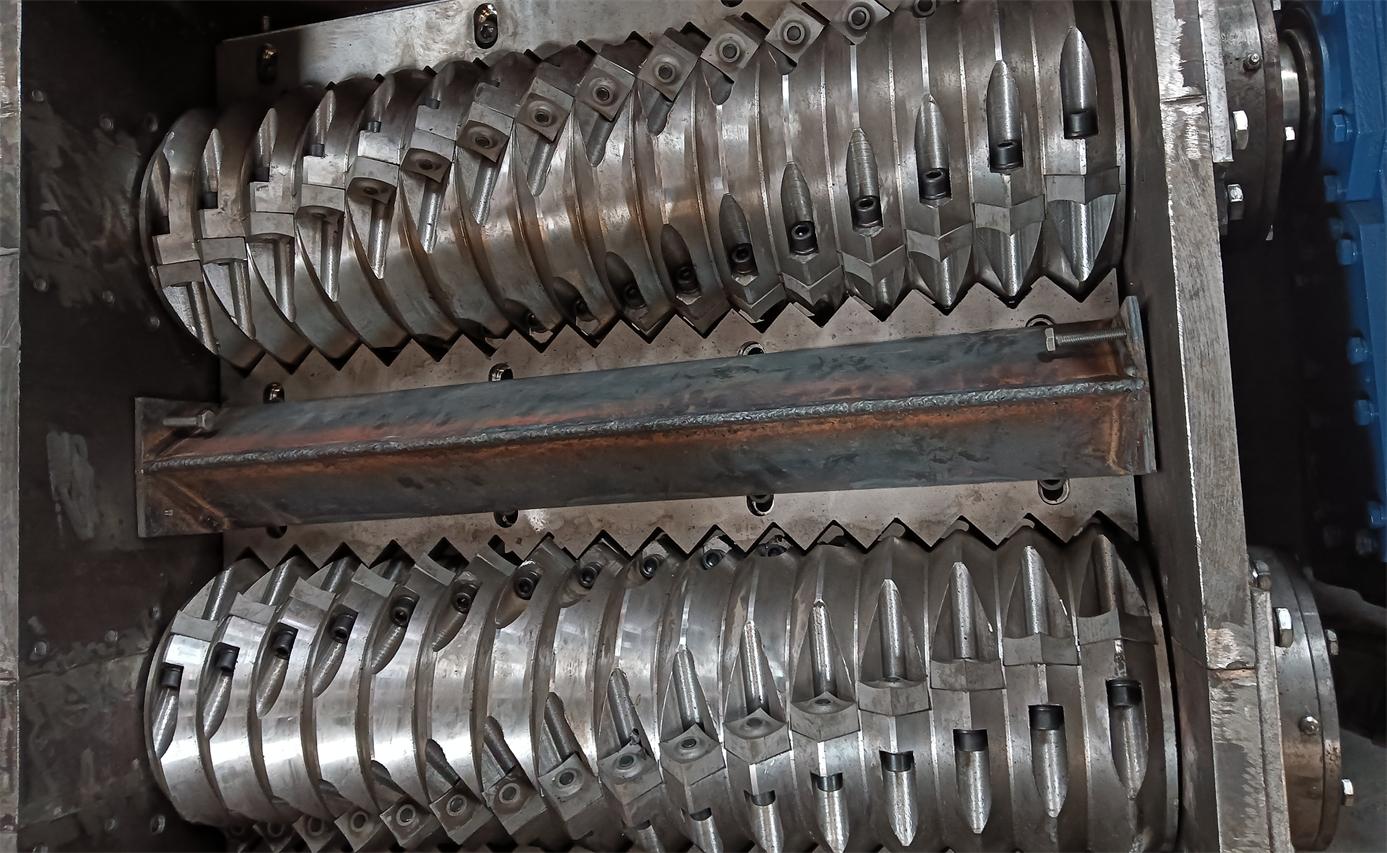
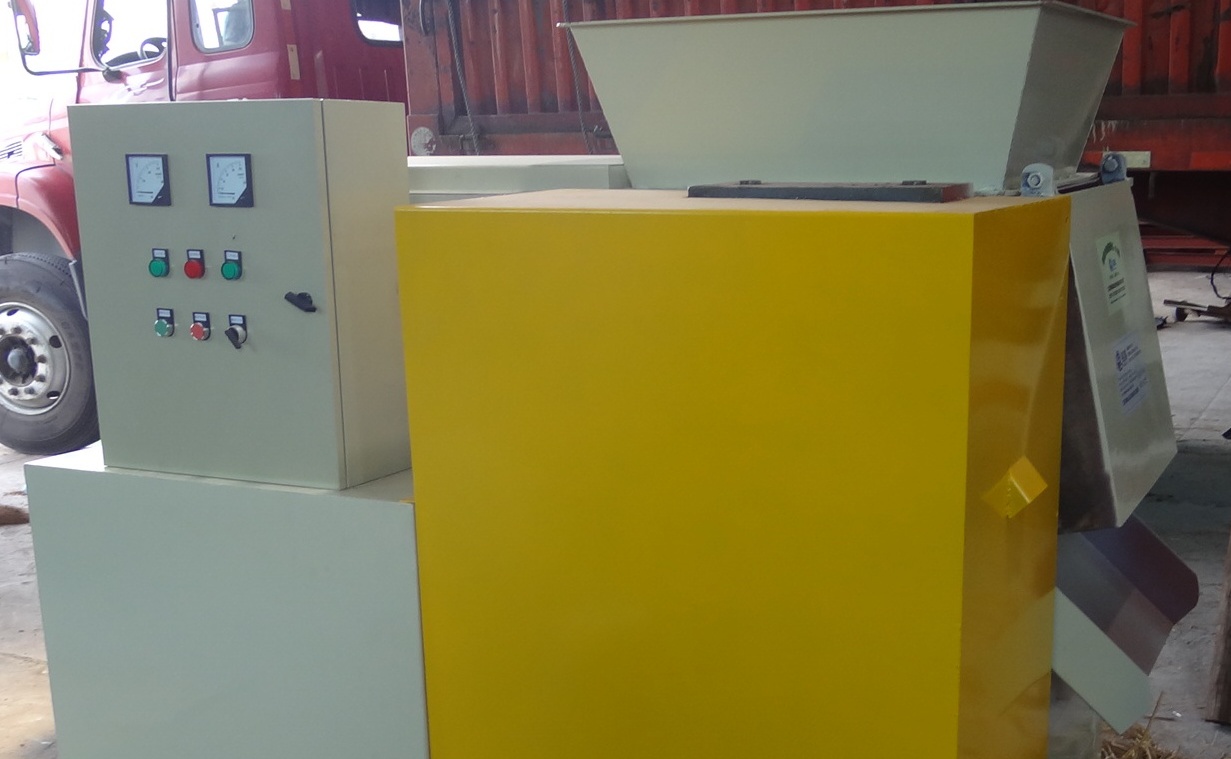
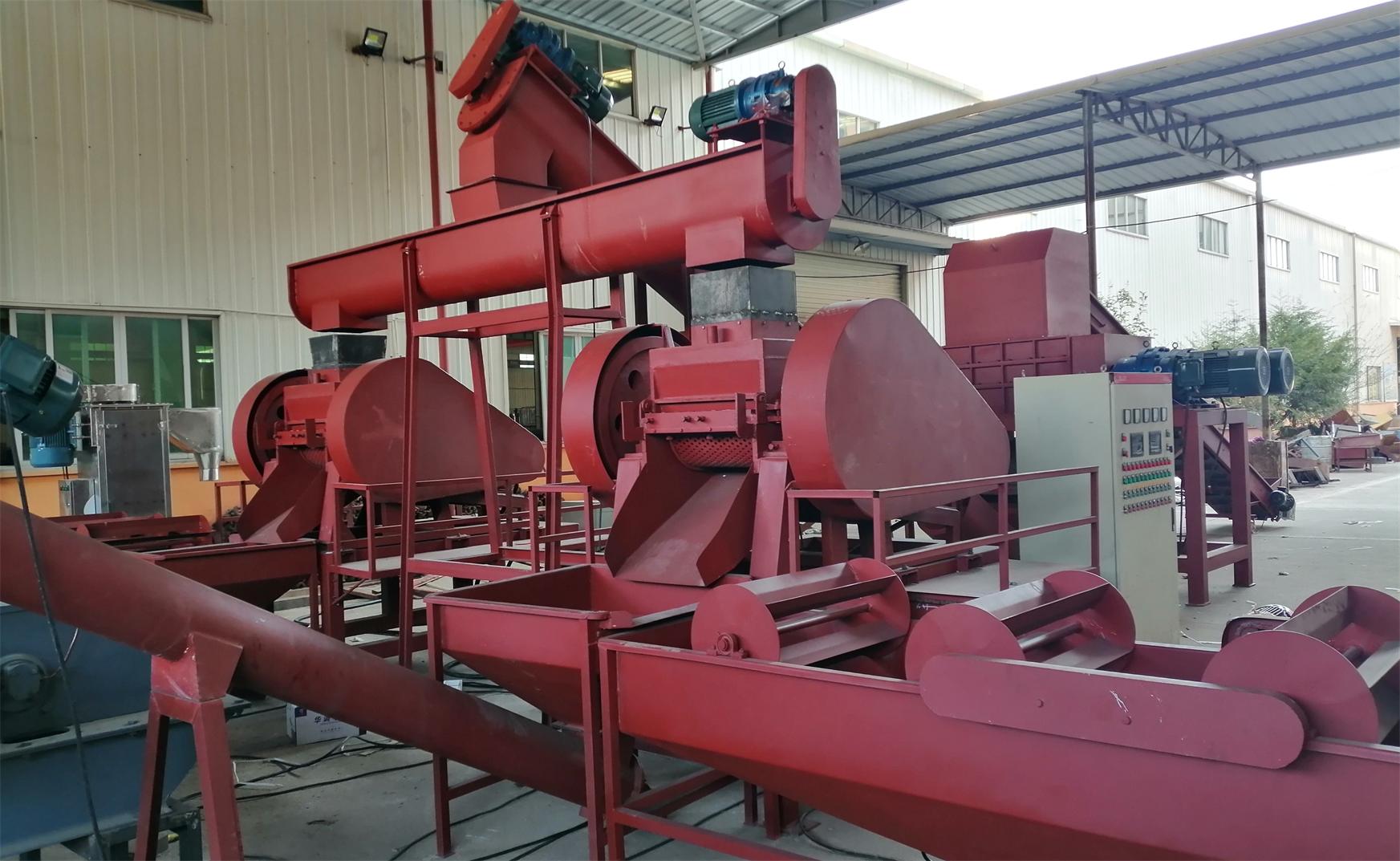
The pre-crushed material goes through a secondary granulator that further reduces particle size to a uniform 3–8 mm range. This step is critical: the tighter and more consistent the particle size, the more effective the downstream separation. Specialized knife or hammer mill technology is used to avoid screen blinding from sticky electrode materials.
4
Black Mass Separation
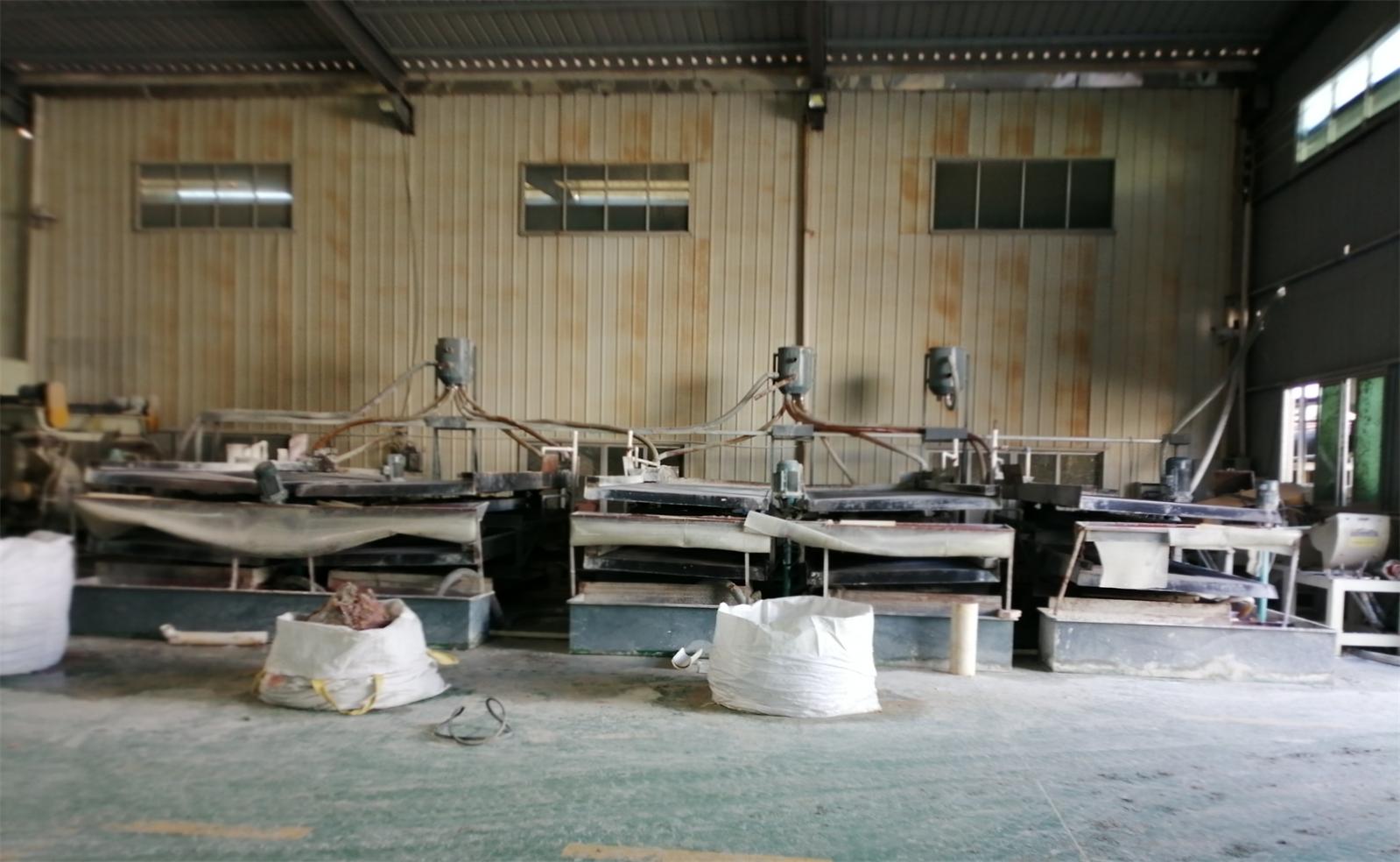
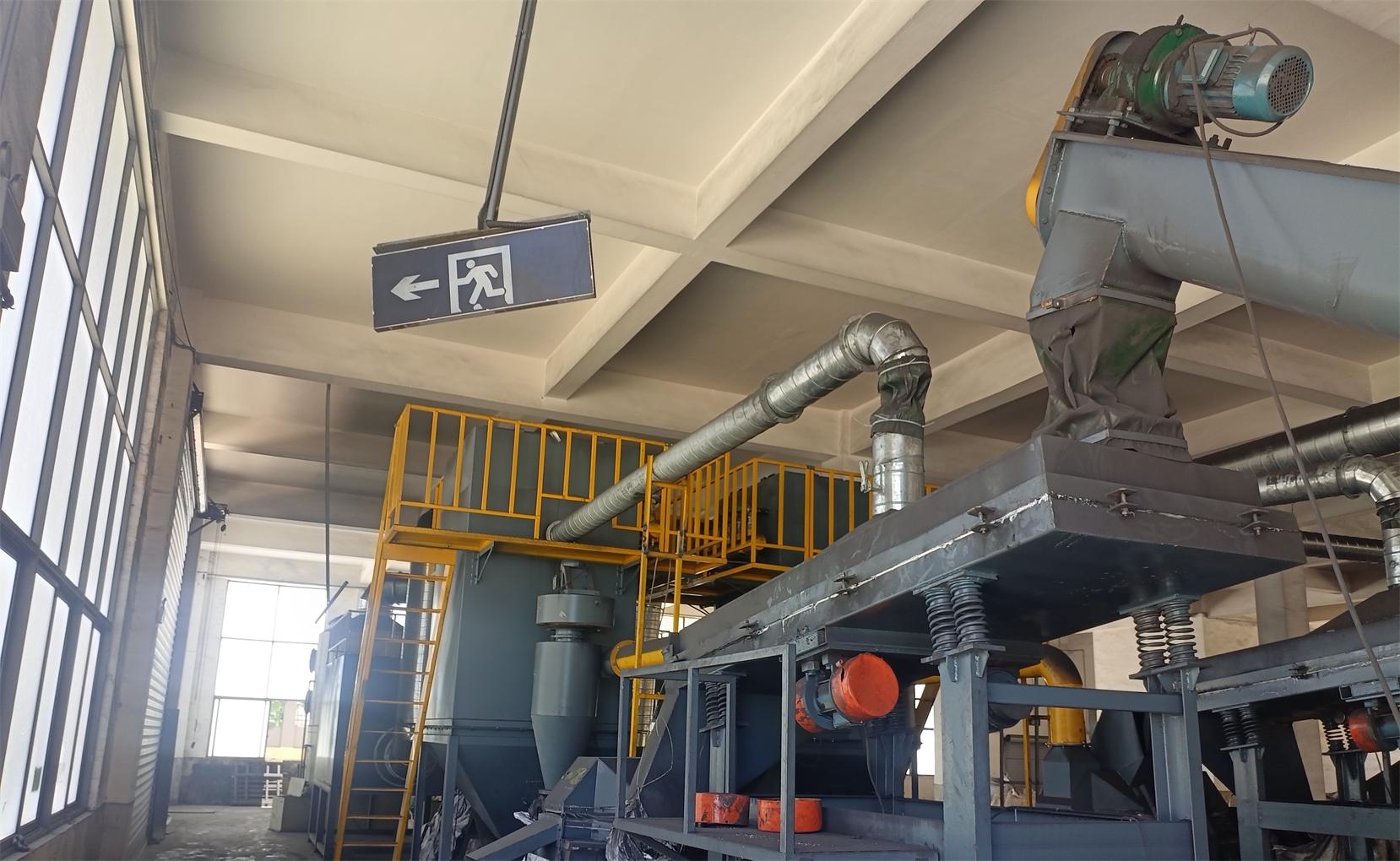
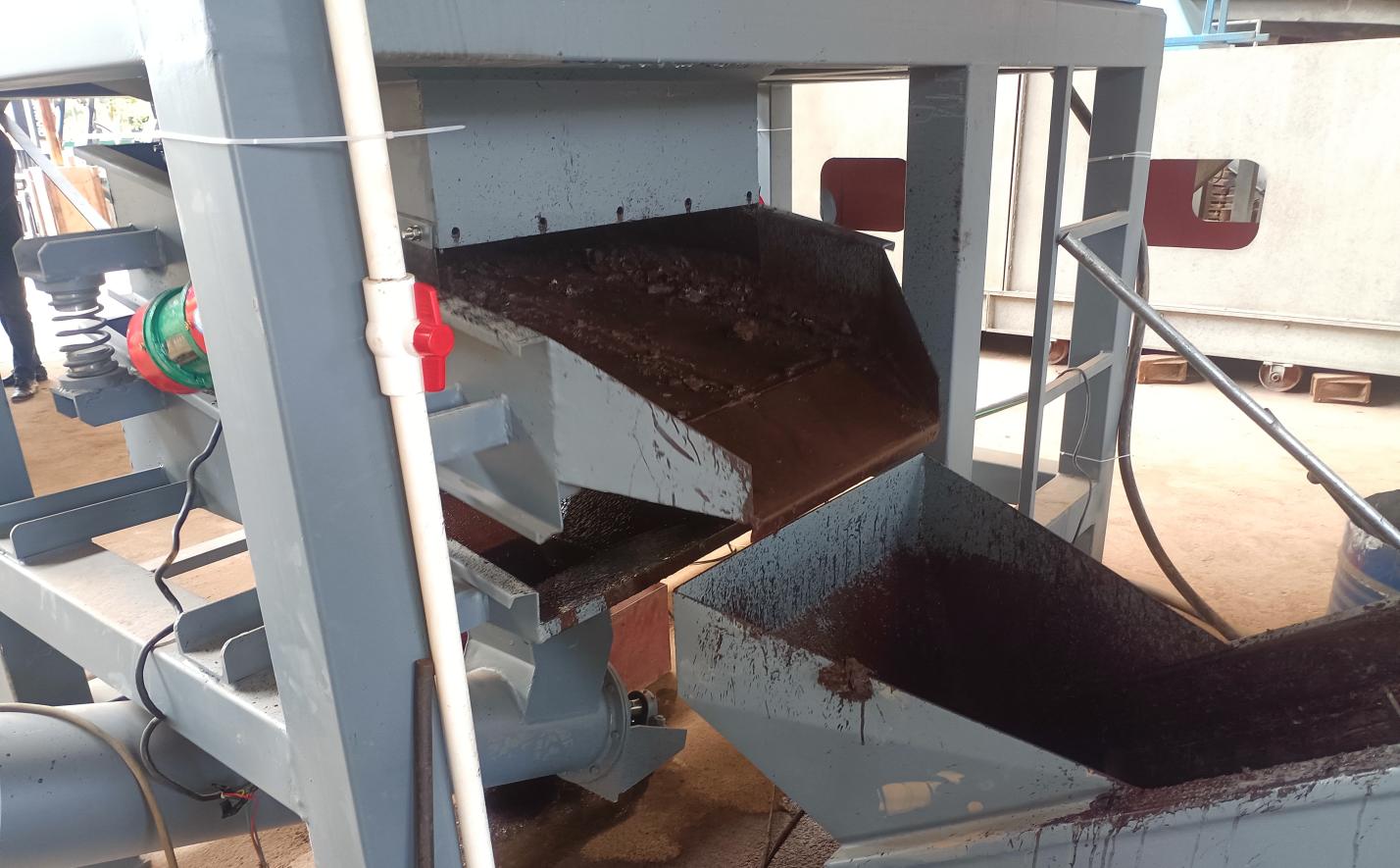
This is the heart of the plant. Through a combination of vibrating screens, air classifiers, and magnetic separators, the granulated material is sorted into distinct fractions: black mass powder (containing nickel, cobalt, manganese, and graphite), copper foil, aluminum foil, plastic separator film, and steel casings. The purity of the recovered black mass directly determines the plant's economic viability.
5
Auxiliary Material Handling
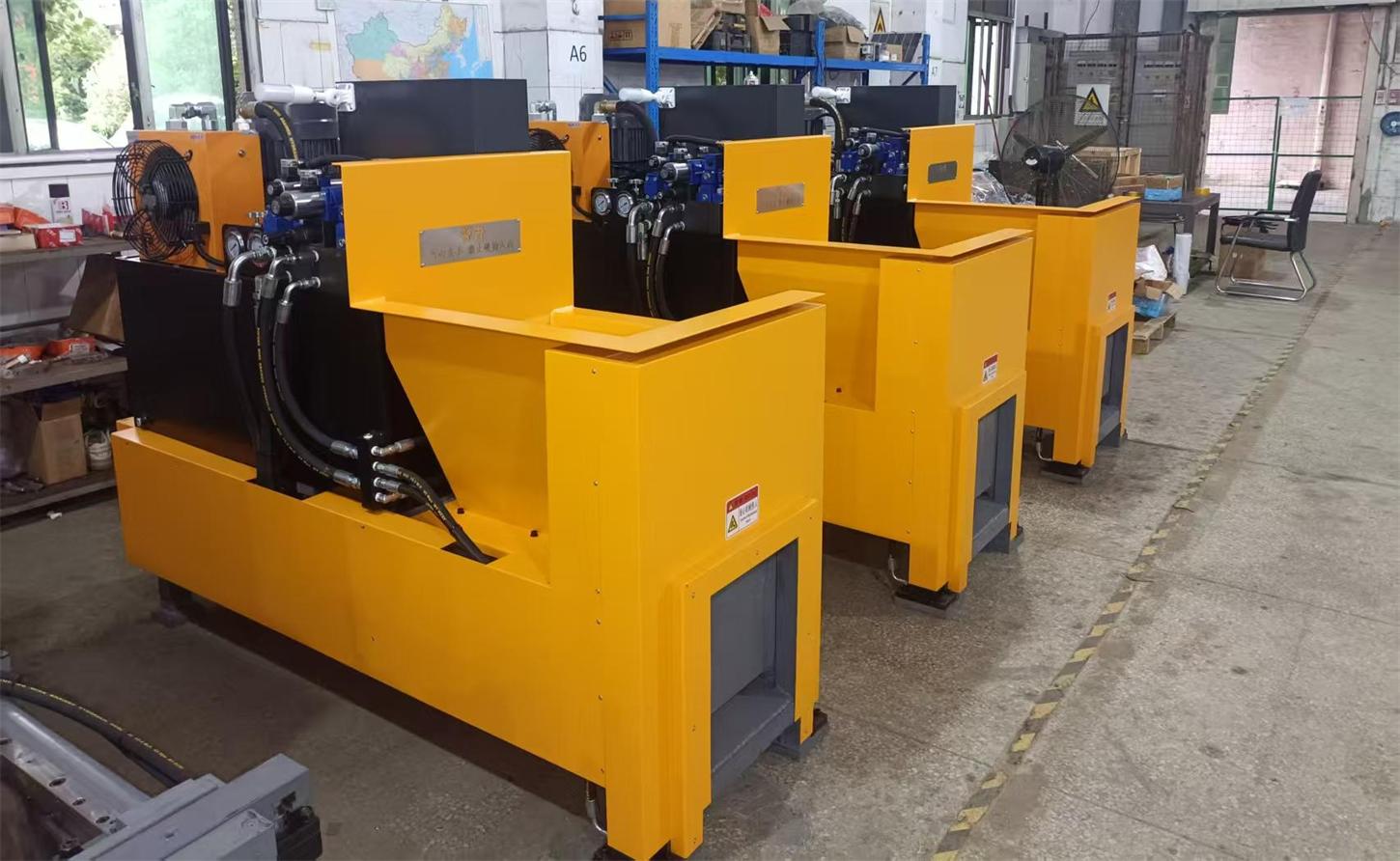
Separated plastic separator film is lightweight and bulky — a hydraulic briquetter equipment compresses it into dense blocks with a volume compression ratio of up to 10:1, dramatically reducing storage and transport costs. For continuous operation, a plastic pneumatic conveying system equipment automatically transfers the film from the separation unit to the briquetter, minimizing manual handling.
6
Environmental Control and Emission Treatment
Lithium battery crushing releases volatile organic compounds (VOCs) and electrolyte vapors. An air pollution control system equipment captures, neutralizes, and filters these emissions before they reach the atmosphere. A well-engineered system typically includes a scrubber tower, activated carbon adsorption, and a thermal oxidizer to ensure compliance with local environmental regulations.
Key Equipment in a Lithium Battery Recycling Plant
Not all recycling plants are built the same. The table below summarizes the core equipment categories and what to look for when evaluating a supplier:
| Equipment | Function | What to Look For |
|---|---|---|
| Shredder / Pre-Chopper | Initial size reduction of whole batteries | Inert atmosphere operation, anti-explosion design, multi-shaft configuration |
| Secondary Granulator | Fine grinding to uniform particle size | No-screen design to avoid blinding, knife-type rotor for consistent output |
| Air Classifier / Vibrating Screen | Separate black mass from metal foils | Multi-stage classification, adjustable airflow, high recovery rate |
| Magnetic Separator | Remove iron and steel fragments | High-intensity magnetic field, continuous self-cleaning |
| Hydraulic Briquetter | Compress plastic film into transportable blocks | Volume compression ratio ≥ 10:1, automated cycle |
| Pneumatic Conveying System | Automated material transfer between units | Closed-loop design, anti-static piping, variable speed control |
| Air Pollution Control System | Treat VOCs and dust from crushing | Multi-stage: scrubber + activated carbon + thermal oxidizer |
What to Look for in a Lithium Battery Recycling Plant Supplier
Setting up a lithium battery recycling plant is a significant capital investment. Beyond the equipment specifications, here are the factors that separate a reliable partner from a transactional vendor:
Five Questions to Ask Your Equipment Supplier
- Can they provide a complete turnkey solution? — A supplier that offers EPC (Engineering, Procurement, Construction) services handles everything from plant layout design to installation and commissioning, saving you the headache of coordinating multiple vendors.
- What are the real-world throughput rates? — Look for plants with proven capacity of 500–2,500 kg/hour or higher, backed by actual operating data from similar installations.
- Do they offer customized design? — Every feedstock is different. A good supplier adjusts the equipment configuration based on your specific battery types — whether consumer electronics cells, EV modules, or mixed Li-ion and LiFePO4 streams.
- What about after-sales support? — Installation, commissioning, operator training, and ongoing technical support are essential. A supplier with experienced engineers and a track record of international projects adds real value.
- Do they understand the full value chain? — Beyond the equipment, a supplier who can help you source waste batteries and find buyers for your recovered black mass, copper, and aluminum offers a genuine business advantage.
The Environmental and Economic Case for Lithium Battery Recycling
A well-operated lithium battery recycling plant delivers returns on multiple fronts. Environmentally, it diverts hazardous waste from landfills and reduces the need for virgin mining of cobalt, nickel, and lithium — each ton of recycled battery material saves an estimated several tons of CO² emissions compared to primary extraction.
Economically, the recovered black mass alone — containing nickel, cobalt, and lithium compounds — represents a significant revenue stream. With global battery metal prices remaining structurally elevated, the payback period for a well-designed recycling plant continues to shorten. Copper and aluminum recovered from the foils and casings add further value, while the compacted plastic separator film can be sold to plastic recyclers.
For recyclers and entrepreneurs entering this space, the window of opportunity is now. Governments worldwide are tightening regulations on battery disposal, and battery manufacturers are under increasing pressure to source recycled content. A professionally built recycling plant positions you at the intersection of regulatory compliance and market demand.
Ready to Build Your Lithium Battery Recycling Plant?
San Lan Technologies has been manufacturing e-waste recycling machinery since 2007, with proven installations across 21+ countries including Singapore, Mexico, India, South Africa, and more. Our lithium battery recycling plants are available in capacities from 500 kg/hour to 2,500 kg/hour, with full EPC support — from customized plant design and equipment manufacturing to on-site installation, commissioning, and operator training.
We also help clients source spent batteries and connect them with buyers for recovered black mass, copper, and aluminum — so your plant starts generating revenue from day one. Contact us today to discuss your project requirements and receive a tailored proposal.