In the small town of Riverton, a community of 12,000 nestled along the banks of the Silver Creek, life used to revolve around avoiding the water. For decades, the creek—once a source of pride, where kids fished and families picnicked—had become a toxic eyesore. Raw sewage and industrial runoff flowed unchecked into its currents, turning the water a sickly gray and leaving a stench so strong that windows were kept shut even on the hottest days. Local doctors grew used to treating rashes, stomach bugs, and respiratory issues linked to the polluted environment. Then, in 2018, Riverton opened its first wastewater treatment plant. Today, the creek sparkles, kids laugh while splashing in its shallows, and the town's health metrics tell a story of transformation. This is the story of how wastewater treatment plants, powered by specialized equipment, don't just clean water—they heal communities.
The Hidden Toll of Unchecked Wastewater
Before delving into how treatment plants improve health, it's critical to understand the cost of inaction. Wastewater—whether from homes, factories, or businesses—contains a cocktail of contaminants: bacteria like E. coli, viruses, heavy metals (lead, mercury), nitrates, phosphates, and even microplastics. When left untreated, this toxic mix seeps into rivers, lakes, and groundwater, the very sources communities rely on for drinking, bathing, and recreation.
In Riverton, the consequences were stark. Between 2010 and 2017, the local hospital recorded an average of 35 cases of waterborne illnesses annually, including giardiasis and norovirus. Children under five were the most vulnerable, with a 2016 study linking 80% of pediatric diarrhea cases to Silver Creek exposure. Adults weren't spared either; factory workers at the town's metal fabrication plant often reported skin lesions from contact with creek water used for cooling machinery. Meanwhile, the stench from the creek's stagnant pools triggered asthma attacks, and property values plummeted by 15% as families moved away to escape the health risks.
"We were fighting a losing battle," recalls Dr. Elena Reeves, Riverton's former public health director. "No matter how many warnings we issued about avoiding the creek, people still used it—kids snuck in to swim, fishermen cast lines out of desperation. The root problem was simple: we had no way to clean the water before it reached the creek. We needed a treatment plant, and we needed it fast."
Inside the Machine: How Wastewater Treatment Plants Work
A wastewater treatment plant is more than a single structure—it's a symphony of technology designed to strip contaminants from water, step by step. At Riverton's plant, the process begins the moment sewage enters the facility, guided by a network of pipes into a series of stages, each powered by specialized equipment. Let's break it down:
Stage 1: Primary Treatment—Removing the Big Stuff
The first stop is the grit chamber, where water process equipment like screens and sedimentation tanks separate large debris (rags, sticks, plastic) and heavy particles (sand, gravel). This prevents clogs in later stages and protects more delicate machinery. "Think of it like straining pasta," says Mark Chen, Riverton's plant engineer. "You don't want chunks gumming up the works." From there, the water flows into primary clarifiers, where gravity pulls heavier solids to the bottom, forming sludge, while lighter oils and greases float to the top to be skimmed off.
Stage 2: Secondary Treatment—Killing the Microbes
Next, the water enters aeration tanks, where oxygen is pumped in to feed naturally occurring bacteria. These "good" bacteria feast on organic matter (like food scraps and human waste), breaking it down into harmless byproducts (carbon dioxide and water). This is where the magic happens: what was once a breeding ground for pathogens becomes a clean, nutrient-rich broth. After 8–10 hours, the water moves to secondary clarifiers, where the bacteria (now clumped into "flocs") settle out, leaving clearer water behind.
Stage 3: Tertiary Treatment—Polishing to Perfection
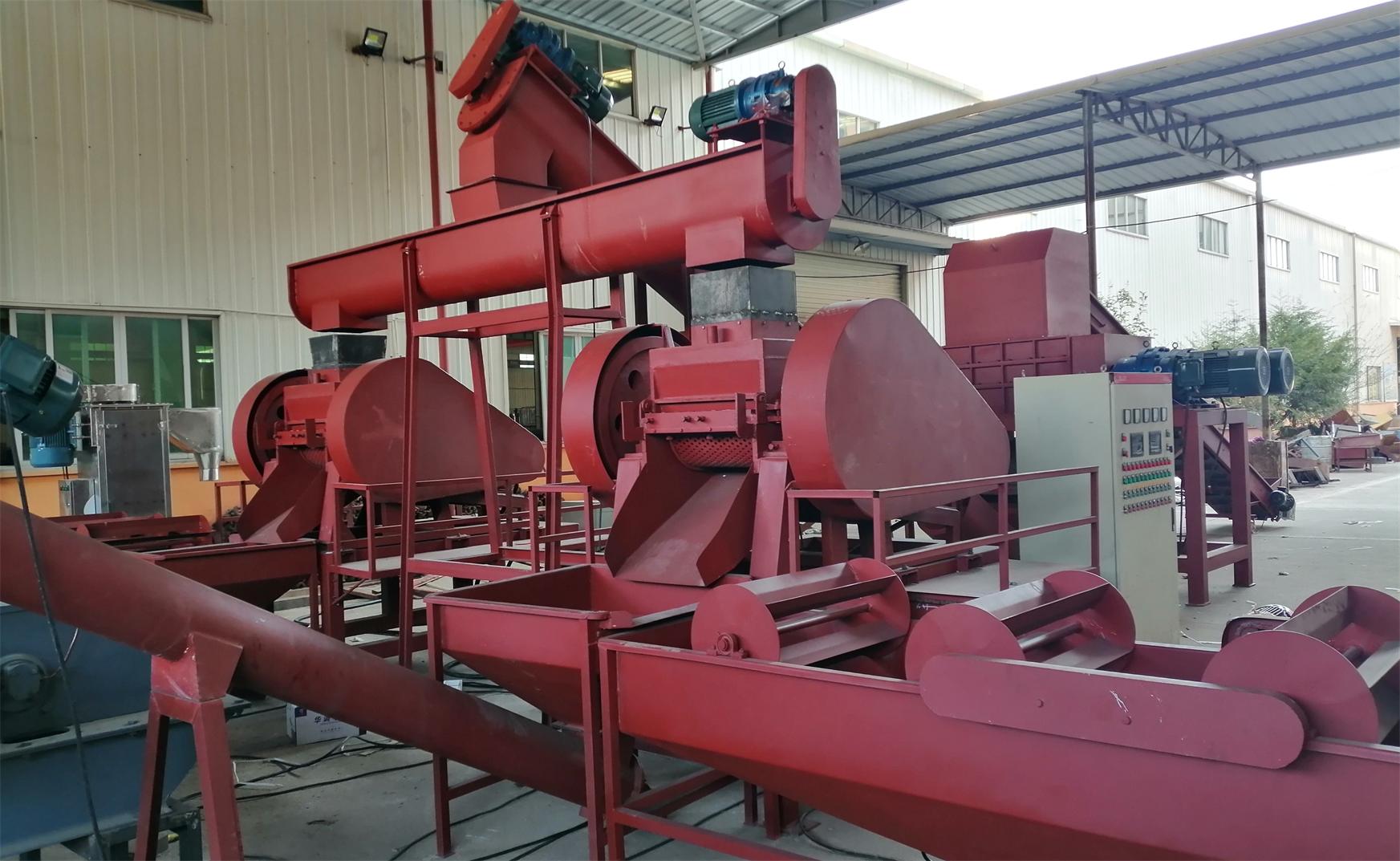
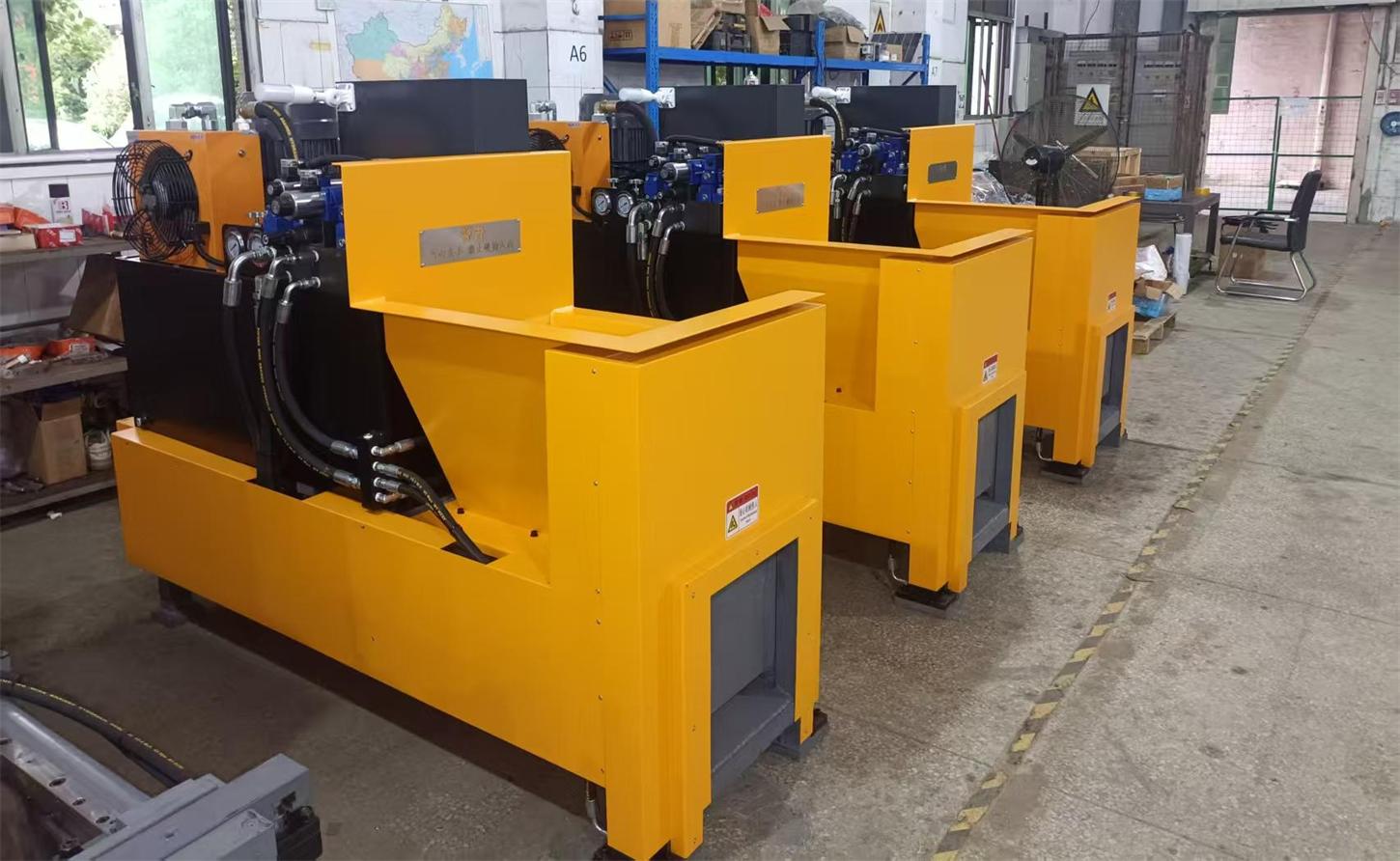
For water to be safe for release into the environment—or even reuse—tertiary treatment adds a final layer of purification. Here, effluent treatment machine equipment takes center stage. In Riverton's case, this includes sand filters to trap remaining solids, ultraviolet (UV) disinfection units to kill any lingering bacteria, and chemical treatments to remove nitrates and phosphates (which cause algal blooms in waterways). "Effluent treatment machines are the unsung heroes," Chen explains. "They take water that's 90% clean and make it 99.9% clean—good enough to swim in, technically. Though we still don't recommend that!"
Stage 4: Managing Byproducts—Sludge and Air Quality
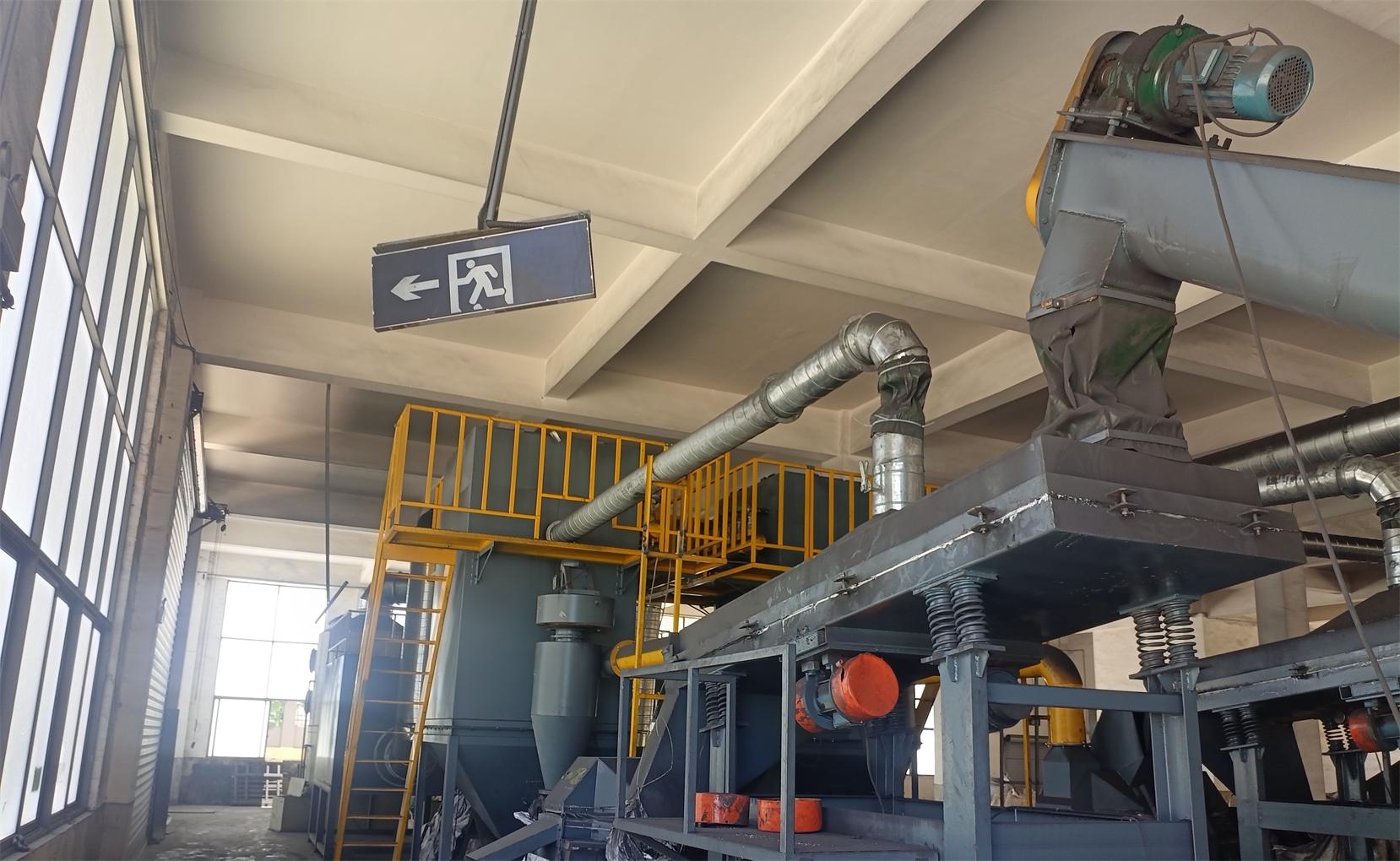
Treating water creates two main byproducts: sludge (the solids removed during treatment) and emissions (gases released during decomposition). Riverton's plant handles sludge by drying it and converting it into fertilizer for local farms, but that process can release odors and volatile organic compounds (VOCs). To prevent this, the plant uses air pollution control system equipment—scrubbers that neutralize odors with chemicals and biofilters that use bacteria to break down VOCs. "Before we installed the air pollution control system, neighbors complained about the smell," Chen admits. "Now, you can stand outside the plant and barely notice it. The equipment captures 98% of emissions, so the air stays fresh."
Protecting Workers: Safety First, Always
Wastewater treatment is a hands-on job, and workers face unique risks: exposure to pathogens, toxic chemicals, and heavy machinery. In the past, these risks were often overlooked, leading to high rates of injury and illness. But modern plants like Riverton's prioritize worker safety, using equipment design and protocols to minimize hazards.
Take, for example, the effluent treatment machine equipment. Older models required workers to manually clean filters, a task that exposed them to raw sewage and chemical residues. Today's machines are automated: self-cleaning filters flush out debris with high-pressure water, and sensors alert operators to leaks before they become dangerous. "I've been in this industry for 20 years, and the difference is night and day," says Jose Mendez, a maintenance technician at Riverton's plant. "Back in the day, I'd come home with rashes from handling filters. Now, I monitor the machines from a control room. If something goes wrong, the system shuts down automatically. We wear protective gear—gloves, goggles, respirators—but honestly, I feel safer here than I did working construction."
The air pollution control system equipment also plays a role in worker health. By capturing harmful gases like hydrogen sulfide (which causes eye irritation and respiratory issues), the system ensures the plant's indoor air quality meets OSHA standards. "When we first tested the air before the system was installed, hydrogen sulfide levels were at 15 parts per million—well above the OSHA limit of 10 ppm," Chen notes. "Now, levels are below 1 ppm. Workers no longer report headaches or shortness of breath during shifts."
The results speak for themselves: in the five years since Riverton's plant opened, there have been zero serious injuries and only two minor incidents (a scraped knee from a slip, a small chemical splash treated with first aid). Compare that to the pre-plant era, when the town's sanitation workers (who manually cleaned septic tanks) averaged 12 injuries annually, including three cases of bacterial infections requiring hospitalization.
Healing the Community: From Sickness to Thriving
For Riverton's residents, the plant's impact is visible in every aspect of daily life. The most dramatic change? Waterborne illnesses have all but disappeared. Between 2018 (when the plant opened) and 2023, reported cases of giardiasis dropped from 28 to 3 per year, and E. coli infections fell from 15 to 0. The hospital's pediatric ward, once overflowing with sick kids, now treats an average of two water-related illnesses monthly—down from 12.
The Silver Creek, once a health hazard, has been reborn. In 2022, the state environmental agency declared it "swimmable and fishable" for the first time in 40 years. Local schools now host "Creek Days," where students test water quality and release trout fingerlings. Fishermen report catching bass and catfish again, and a new kayak rental business has opened, employing 10 locals. "My grandkids used to ask why we never went to the creek," says lifelong resident Mildred Carter, 78. "Now, we go every Sunday. They swim, I sit on the bank and watch. It's like getting our town back."
Even air quality has improved. Before the plant, the creek's stagnant water released methane and hydrogen sulfide, contributing to respiratory issues. With the air pollution control system equipment capturing emissions from the plant and the creek's revival reducing natural odors, asthma-related emergency room visits have dropped by 40% in Riverton. "We used to have an asthma clinic twice a week," says Dr. Reeves. "Now, we're down to once a month. Parents tell me their kids' inhalers are gathering dust. That's the power of clean water—and clean air."
By the Numbers: The Health Impact of Riverton's Plant
| Health Indicator | Before Treatment Plant (2017) | After Treatment Plant (2023) | Improvement |
|---|---|---|---|
| Annual Waterborne Illness Cases | 35 | 5 | 86% reduction |
| Pediatric Asthma ER Visits | 48/year | 29/year | 40% reduction |
| Worker Injuries/Illnesses | 12/year | 2/year | 83% reduction |
| Silver Creek Water Quality Score (1–100) | 32 (Unsafe for Contact) | 89 (Safe for Swimming/Fishing) | 178% improvement |
| Property Values | Down 15% (2010–2017) | Up 22% (2018–2023) | 37% net increase |
The Road Ahead: Investing in Health
Riverton's story isn't unique. Across the country, communities are waking up to the fact that wastewater treatment plants are not just infrastructure—they're health investments. The key, experts say, is prioritizing modern equipment: water process equipment to streamline treatment, effluent treatment machine equipment to ensure water purity, and air pollution control system equipment to protect both workers and residents.
"A treatment plant isn't cheap," admits Riverton's mayor, Carlos Rodriguez. "We had to raise taxes slightly to fund it, and there was pushback. But now, no one complains. The plant pays for itself in lower healthcare costs, higher property values, and a happier, healthier community. When you invest in clean water, you invest in people."
As for the future? Riverton's plant is already planning upgrades, including advanced water process equipment to remove microplastics and expand capacity for the town's growing population. "We're not done," Chen says, gesturing to a blueprint on his desk. "Clean water is a journey, not a destination. But with the right equipment—and the right mindset—we'll keep Riverton healthy for generations."
Conclusion: Water, Health, and Hope
In the end, Riverton's transformation is about more than wastewater. It's about proving that communities can take control of their health by investing in the tools that protect it. A treatment plant, with its water process equipment, effluent treatment machines, and air pollution control systems, is more than a machine—it's a promise: that no child will get sick from swimming in a local creek, that workers will return home safe at the end of the day, that a community can thrive when its water is clean.
As the sun sets over Silver Creek, casting golden light on its rippling surface, a group of kids laugh as they chase a dragonfly. Nearby, Dr. Reeves sits on a bench, smiling. "This is what health looks like," she says. "Clean water, fresh air, kids being kids. That's the power of a wastewater treatment plant. It doesn't just clean water—it gives a community hope."