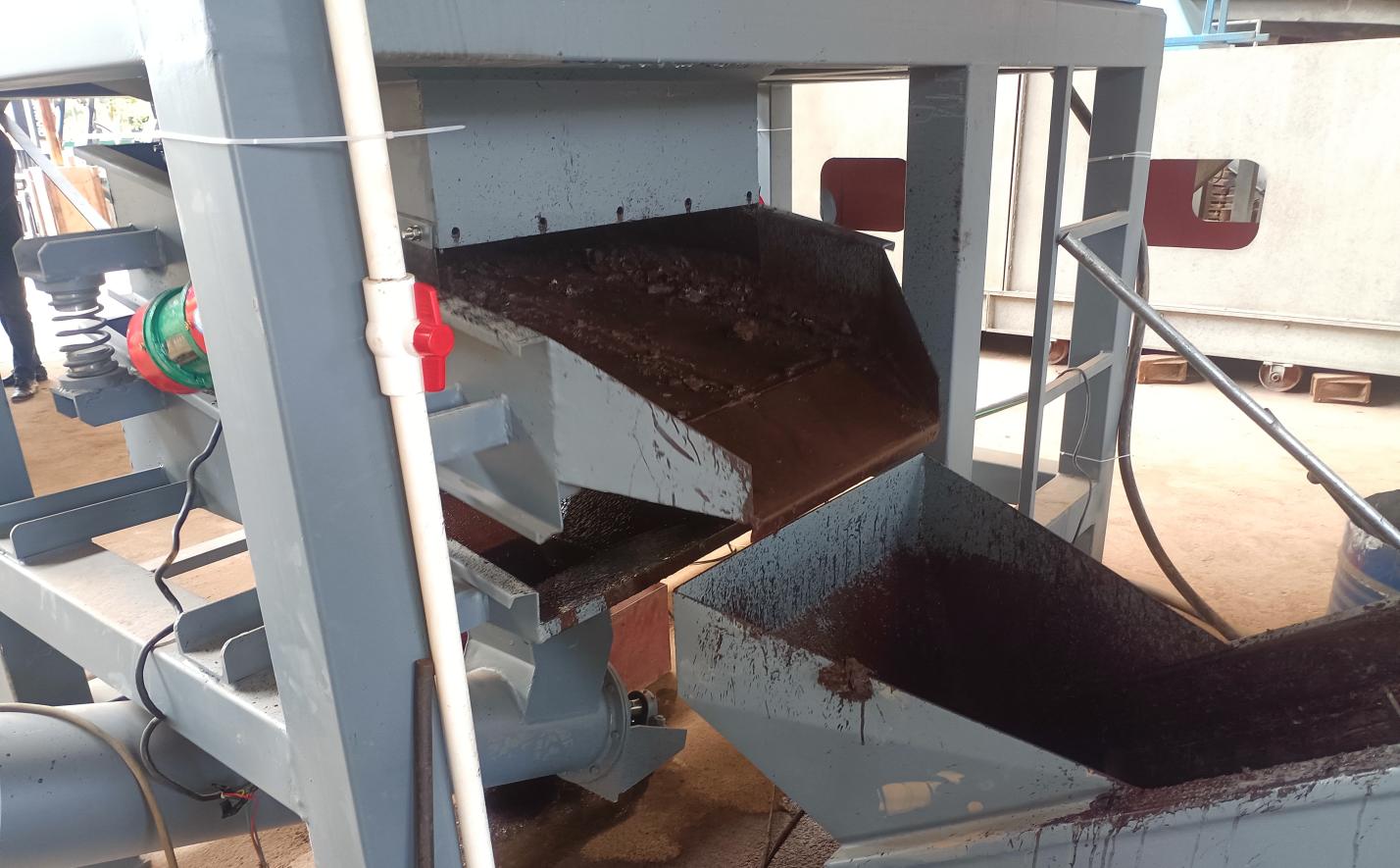
Imagine turning obsolete tangle piles of electrical waste into sparkling 99.9% pure copper granules, ready to power new sustainable technologies. Copper granulators make this transformation possible through an elegant physics-based process combining mechanical shredding with advanced separation techniques. This comprehensive guide reveals how these remarkable machines accomplish this critical recycling feat while discussing their economic benefits and environmental importance.
The Copper Granulator: Industrial Recycling Redefined
A copper granulator is an integrated processing system designed specifically to reclaim high-purity copper from insulated wire scrap. Unlike rudimentary cable stripping machines, granulators process entire cable bundles - jackets and all - and separate materials through consecutive physical processes:
| Traditional Stripping | Granulation Process |
|---|---|
| Manual cable feeding required | Automated bulk material handling |
| Wires must be sorted by diameter | Processes mixed wire sizes simultaneously |
| 30-50% material loss common | 99%+ copper recovery efficiency |
| Separates only outer insulation | Separates all polymers including fillers |
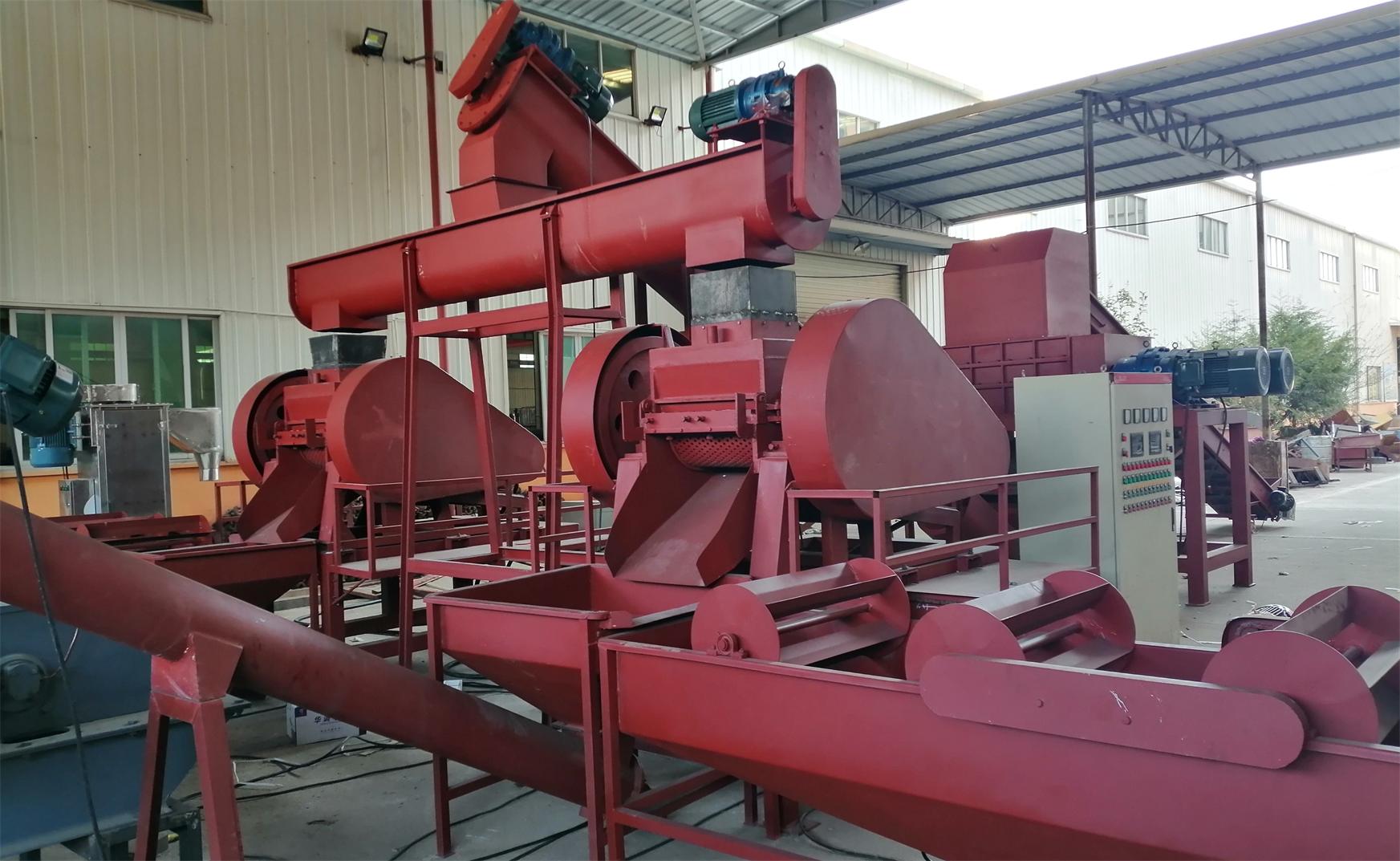
The process begins when industrial-scale copper granulator machines accept mixed wire waste through integrated conveyor systems. This initial material handling stage is crucial for continuous operation. Specialized feed mechanisms meter materials into the processing stream while removing ferrous contaminants with overhead magnets - preventing potential damage to downstream components.
Comprehensive Separation Sequence Explained
Stage 1: Primary Size Reduction
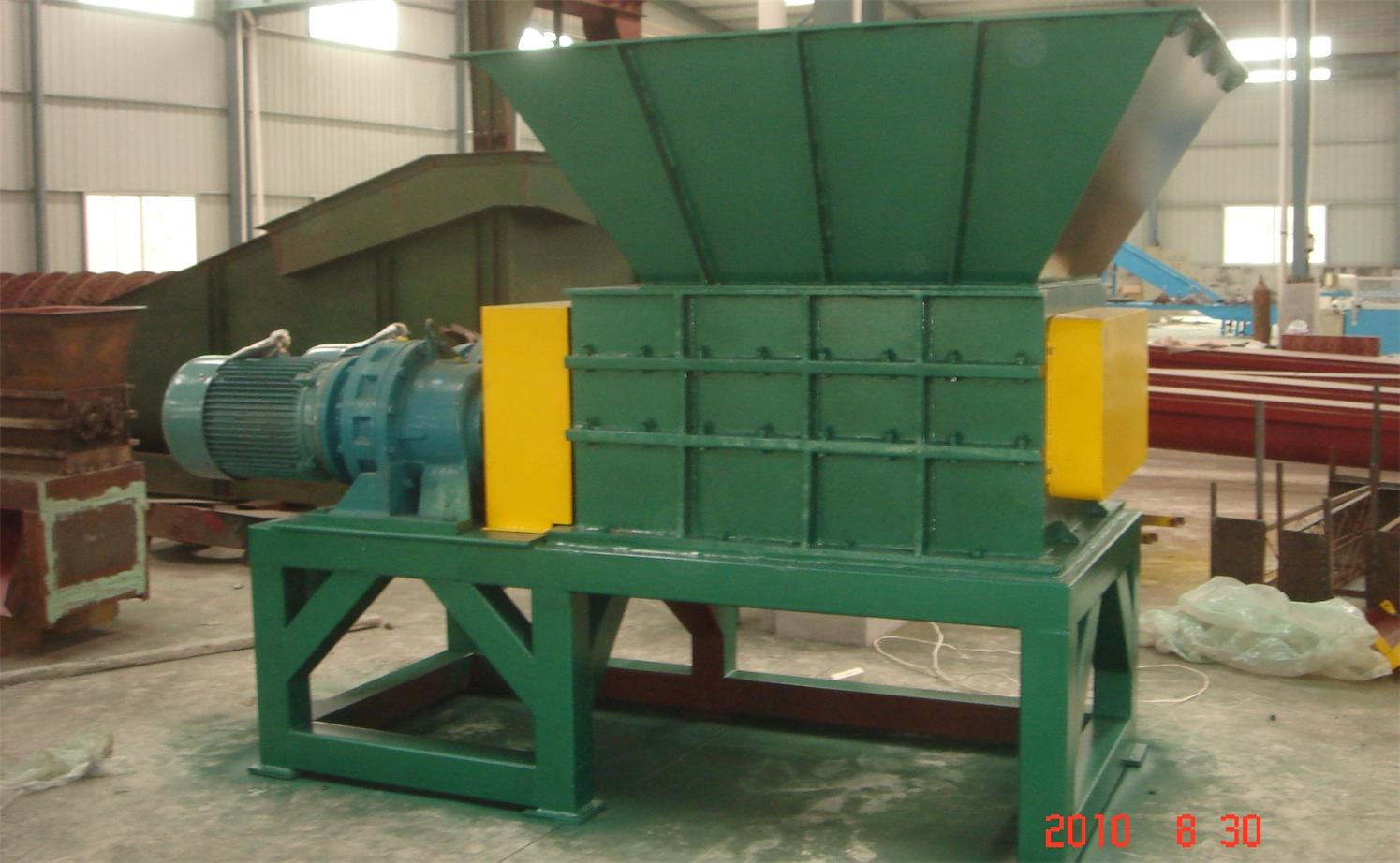
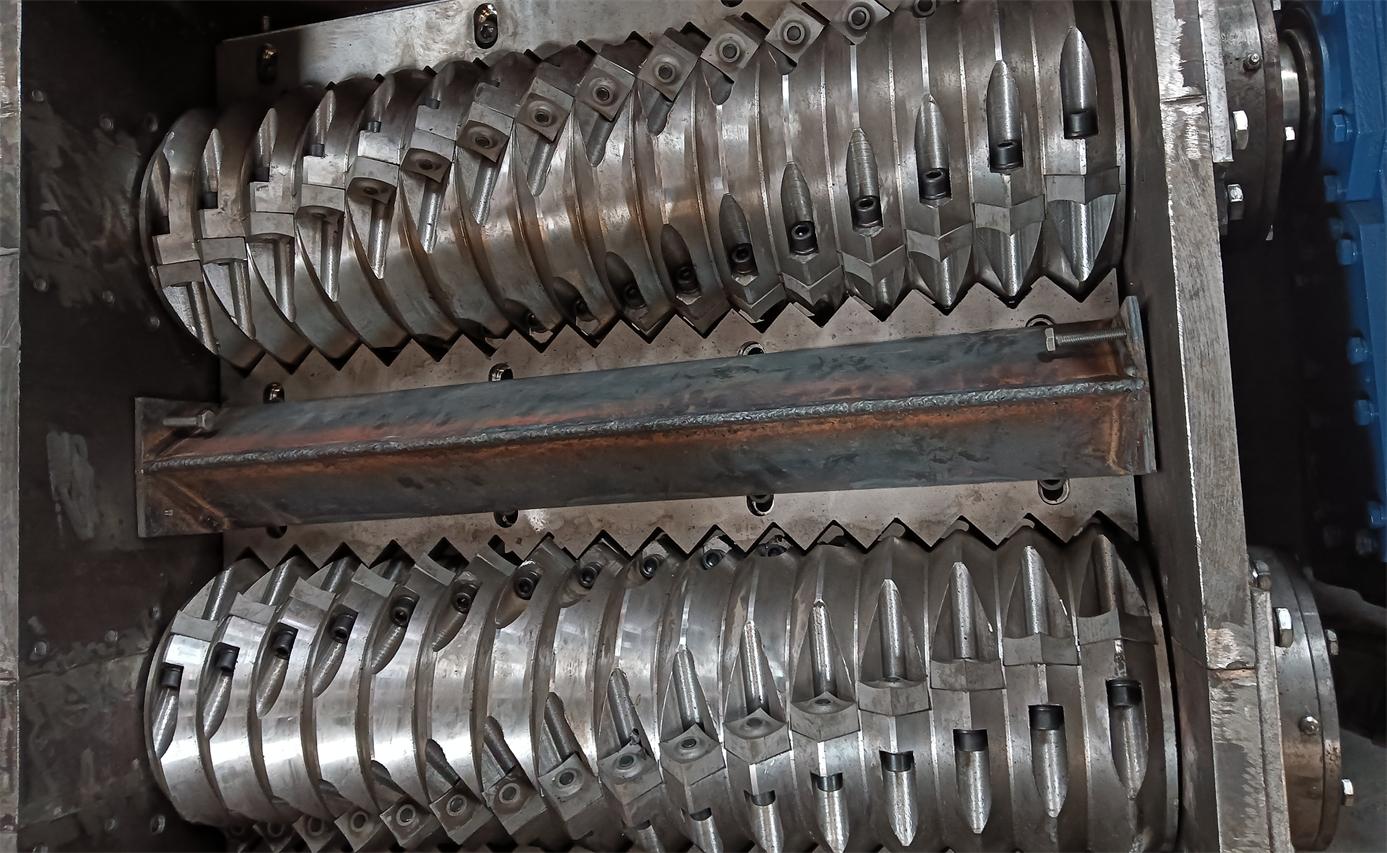
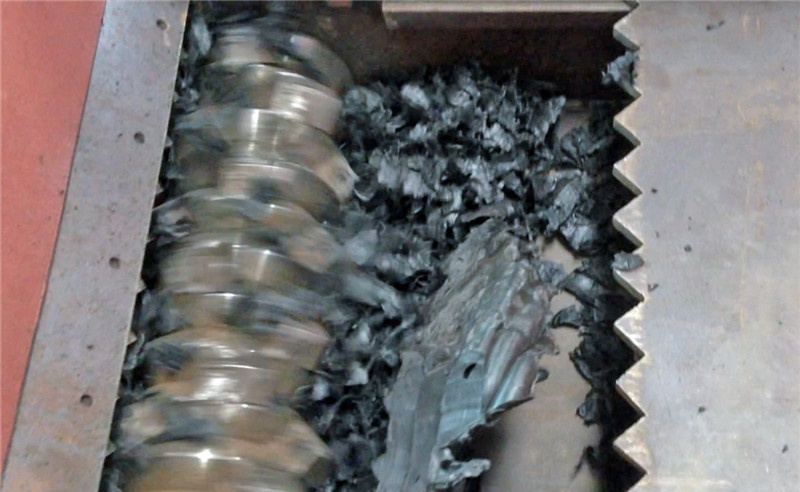
Specialized rotary shear shredders containing hardened steel blades operating at 25-45 RPM perform preliminary size reduction. This coarse shredding breaks cable bundles into manageable 30-50mm pieces while minimizing plastic embedding in copper strands. Crucially, low-speed shearing prevents excessive heat generation that could cause plastic melting and copper contamination.
Stage 2: Secondary Granulation
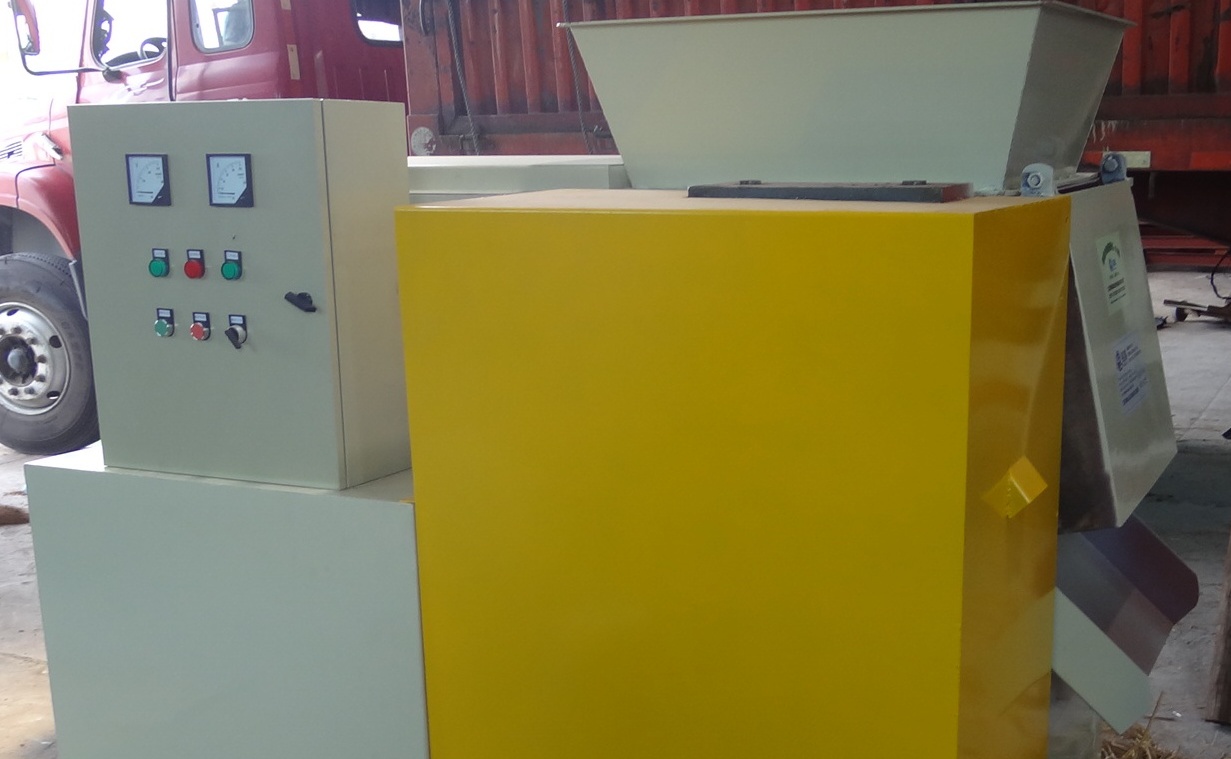
Material progresses to high-speed granulators featuring precisely configured rotor-stator systems with optimized blade clearances (typically 0.8-1.5mm). These units reduce fragments into 2-8mm granules via high-impact collisions at circumferential speeds reaching 65 m/s. Integrated screen baskets ensure controlled particle sizing critical for downstream separation efficiency.
Stage 3: Density-Based Air Separation
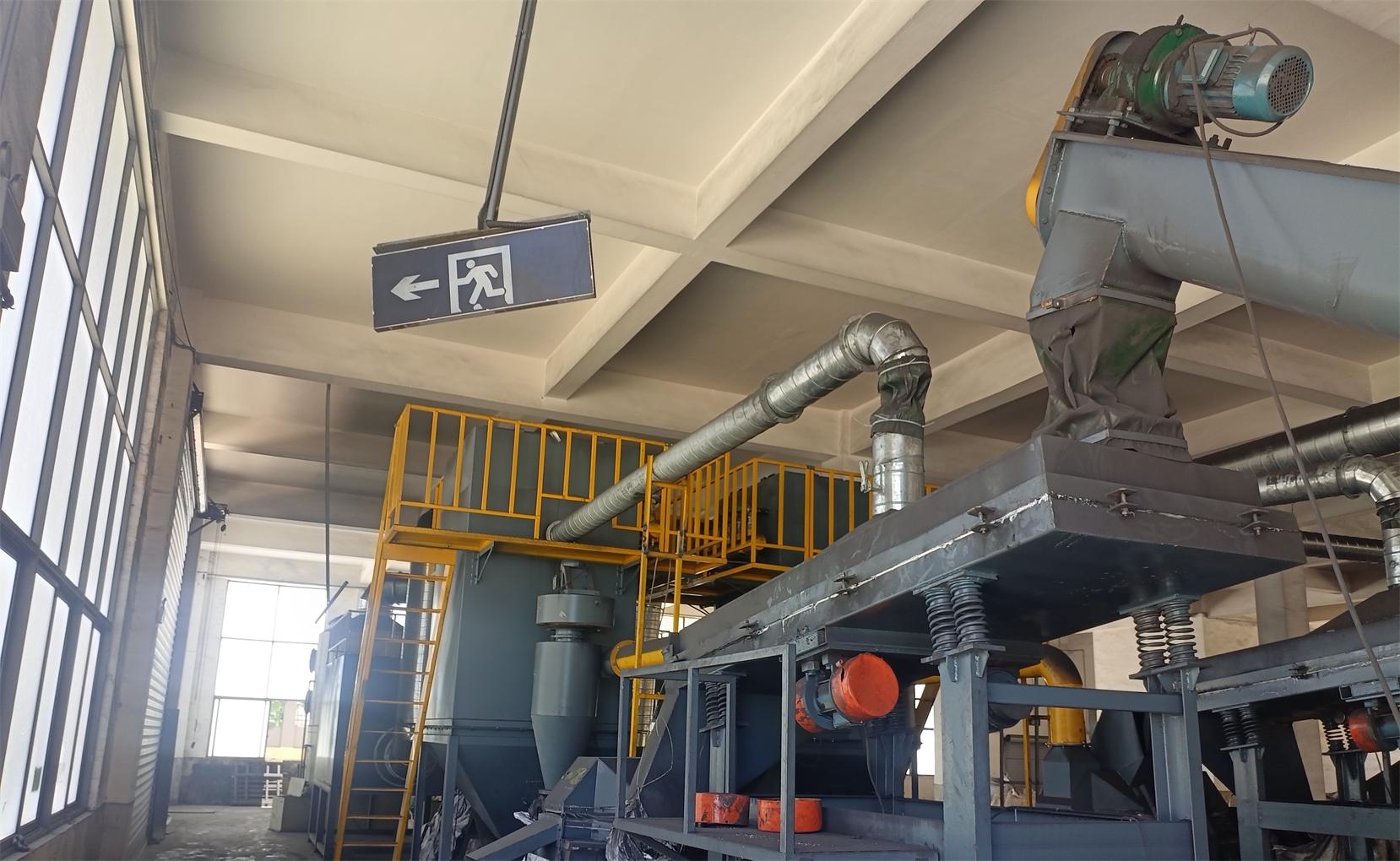
Granulated material enters multi-stage air separator systems where precisely controlled airflow patterns exploit density differences between copper and plastics:
- Primary Separation: Low-velocity upward airflow carries lightweight plastics while heavy copper particles settle into collection channels
- Secondary Separation: Zigzag classifiers create turbulent flow paths that further concentrate copper fractions
- Tertiary Separation: Cyclonic chambers generate centrifugal forces to remove even trace polymer content
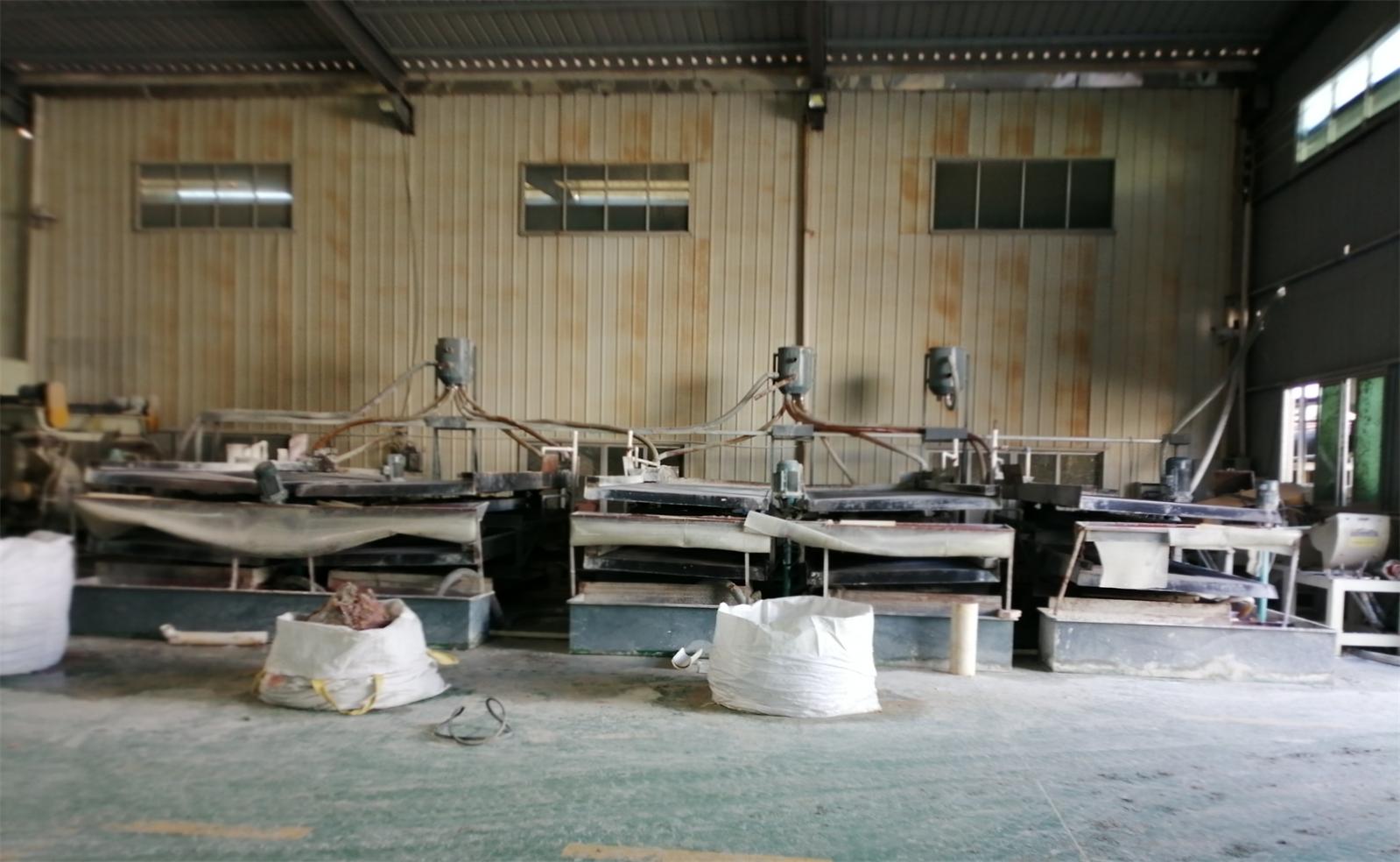
The resulting separation produces copper granules with up to 99.5% purity ready for market. Multiple cable granulating line configurations incorporate additional gravity tables and vibratory screens for challenging materials like automotive wiring harnesses.
Stage 4: Advanced Electrostatic Refining
For achieving ultrapure 99.9% copper required by electronics manufacturers, electrostatic separators provide final refinement. This technology applies controlled electrical fields to particulate streams:
- Material undergoes triboelectric charging as particles collide in specialized charging chambers
- Oppositely charged drum electrodes create attraction/repulsion forces
- Non-conductive plastics follow trajectory determined by electrostatic forces
- Conductive copper particles discharge immediately and drop vertically
Electrostatic systems effectively separate fine copper particles down to 0.1mm mixed with plastics that conventional methods cannot effectively process.
Comparing Granulation Technologies
| Technology | Typical Efficiency | Copper Purity | Material Limitations | Typical Throughput |
|---|---|---|---|---|
| Air Separation Only | 95-98% | 99.0-99.5% | Doesn't process fine powders <0.5mm | 500-3,000 kg/hr |
| Electrostatic Separation | 99.0-99.8% | 99.9%+ | Requires pre-separated granular mixture | 200-800 kg/hr |
| Integrated System | 99.5%+ | 99.98% | Processes all conductor sizes | 300-2,500 kg/hr |
The Economic Significance of Copper Granulation
Beyond environmental benefits, copper granulation represents substantial economic value. Consider these compelling financial factors:
Material Value Recovery
With copper trading at $8,000-10,000/ton, a 500kg/hr granulator processing automotive wire can generate $4,000-5,000/hour in reclaimed copper value alone.
Operational Savings
Granulators reduce labor costs by 60-80% compared to manual stripping while eliminating $150-250/ton disposal fees for insulated scrap previously considered unrecyclable.
Reduced Production Costs
Recycled copper requires 85% less energy than virgin production. Global copper recycling saves enough electricity annually to power over 6 million homes.
The growing demand from manufacturers for secondary copper has created a rapidly expanding market where premium prices are paid for properly granulated material meeting exacting quality standards.
Environmental Advantages and Sustainability
Modern cable granulating line operations deliver substantial ecological benefits through three primary mechanisms:
Resource Conservation
Primary copper production requires extracting over 100 tons of ore to obtain a single ton of refined copper. Granulation displaces this intensive mining - the industry now supplies 35% of global copper demand through recycling.
Energy Efficiency
Copper recycling consumes just 15% of the energy required for primary production - saving an estimated 100 million MWh of electricity annually equivalent to removing 40 million cars from roads.
Waste Stream Elimination
The 300 million tons of e-waste generated globally annually contains over 1.5 million tons of copper wiring. Without granulation technology, this valuable resource would otherwise fill landfills.
Modern facilities implement comprehensive dust collection systems, noise reduction technologies, and zero-water processing to eliminate potential environmental impacts while converting waste into valuable resources.
Industrial Case Study: Automotive Wire Recycling
Automotive wiring harnesses present unique recycling challenges due to their complex construction with multiple polymers including PVC, rubber, and textile fillers. A European recycler processing 8,000 tons/year implemented an advanced granulation solution:
Processing Challenge
Traditional systems achieved only 85% copper recovery from harness scrap with excessive plastic contamination requiring secondary processing.
Innovative Solution
The implemented system incorporated:
- Rotor shearing technology for initial processing
- 3-stage air separation with vibratory classifiers
- Tailored electrostatic modules for fine particle recovery
Documented Results
| Metric | Before | After |
|---|---|---|
| Copper Recovery Rate | 85-87% | 98.2-99.4% |
| Copper Purity | 96.5-97.8% | 99.92-99.98% |
| Operating Cost | €380/ton | €210/ton |
| Annual Revenue Increase | Baseline | €2.7 Million |
Copper Granulation: Technology Driving Sustainability
Copper granulator technology has transformed wire recycling from a specialized niche into a sophisticated industry process capable of recovering high-purity copper efficiently and economically. By combining mechanical processing with advanced air and electrostatic separation techniques, these systems achieve remarkable 99.9%+ purity while eliminating waste.
The technology's importance continues growing to meet escalating demands for recycled copper, particularly driven by the global transition to renewable energy infrastructure. Granulation represents a critical link in the circular economy where copper can be perpetually recycled without quality degradation - a true model of industrial sustainability.
As the processing technology evolves to become increasingly efficient and compact, its adoption will continue expanding among industrial recyclers and primary copper users who recognize the economic and environmental advantages of closed-loop material systems that efficiently transform waste wiring into valuable resources.