In recent years, the business world has undergone a quiet revolution. Investors, consumers, and regulators alike are no longer satisfied with just a company's financial bottom line—they want to know how it impacts the planet, its people, and the communities it operates in. Enter ESG (Environmental, Social, Governance) reporting: a framework that shines a light on a company's non-financial performance, turning abstract ideals like "sustainability" into measurable metrics. While much attention is paid to carbon footprints and renewable energy, there's a critical piece of the puzzle that often flies under the radar: wastewater treatment plant systems. These unassuming networks of tanks, filters, and machinery play a starring role in a company's environmental responsibility, and modern ESG reports are finally giving them the recognition they deserve.
Think about it: every manufacturing facility, every chemical plant, every large-scale operation generates wastewater—loaded with contaminants, heavy metals, or organic matter that could harm ecosystems if left untreated. For decades, wastewater treatment was often an afterthought, viewed as a regulatory box to tick rather than a strategic asset. But ESG reporting has flipped the script. Today, how a company manages its wastewater isn't just about avoiding fines; it's about demonstrating a commitment to the environment, protecting public health, and building trust with stakeholders. And at the heart of that management? Specialized equipment designed to turn waste into a resource. Let's dive into how ESG reports are highlighting these systems, and why the tools behind them—like water process equipment, filter press equipment, and effluent treatment machines—are becoming key players in the ESG story.
The Environmental Pillar: Wastewater Treatment as a Guardian of Ecosystems
At its core, the "E" in ESG is about minimizing environmental harm and preserving natural resources. Wastewater, if mismanaged, is one of the most destructive environmental threats. Uncontrolled discharge can poison rivers, kill aquatic life, contaminate drinking water sources, and even seep into soil, affecting crop yields. ESG reports zero in on this by tracking metrics like "percentage of wastewater treated," "compliance with discharge standards," and "water reuse rate"—all of which hinge on the effectiveness of a company's treatment systems.
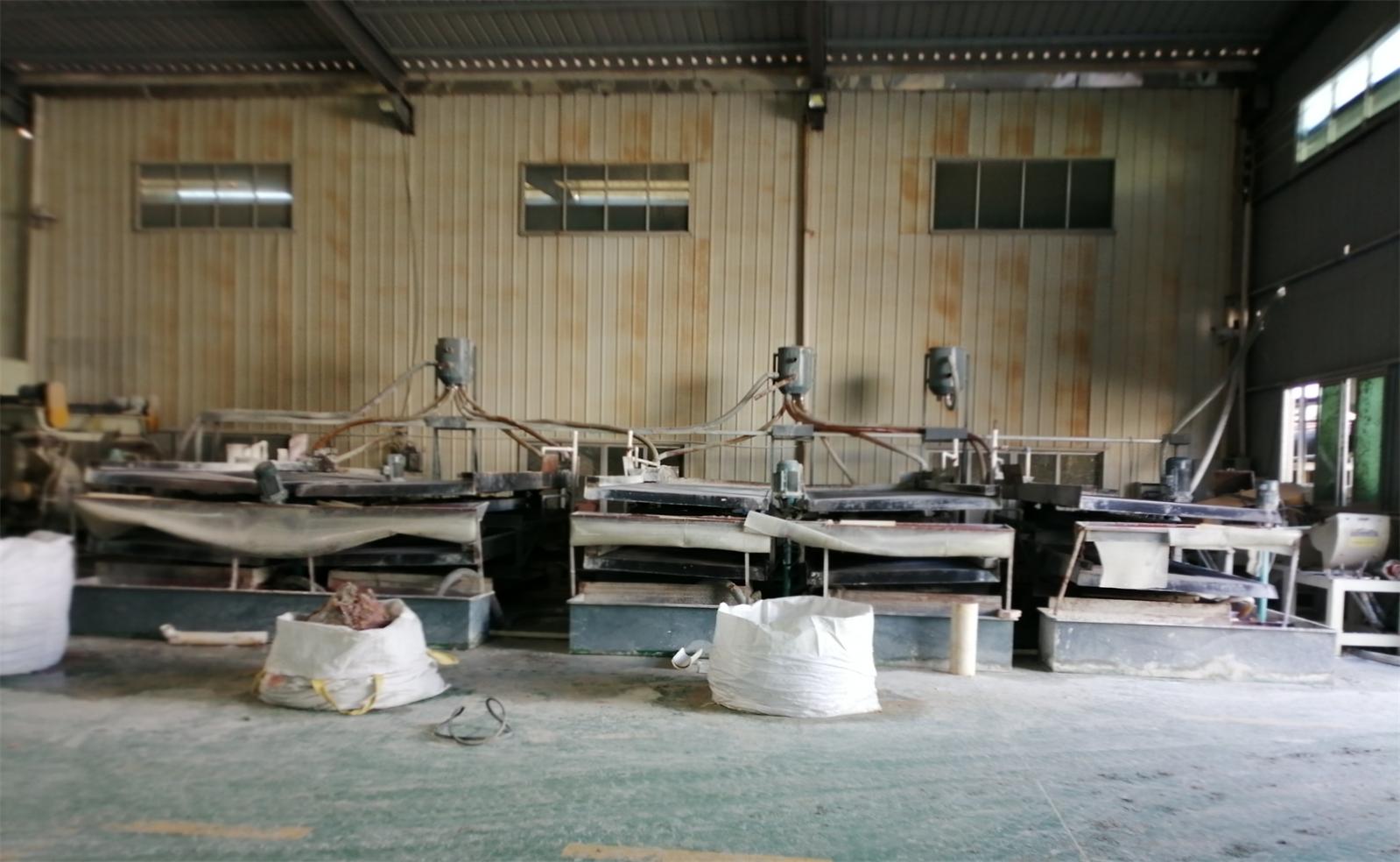
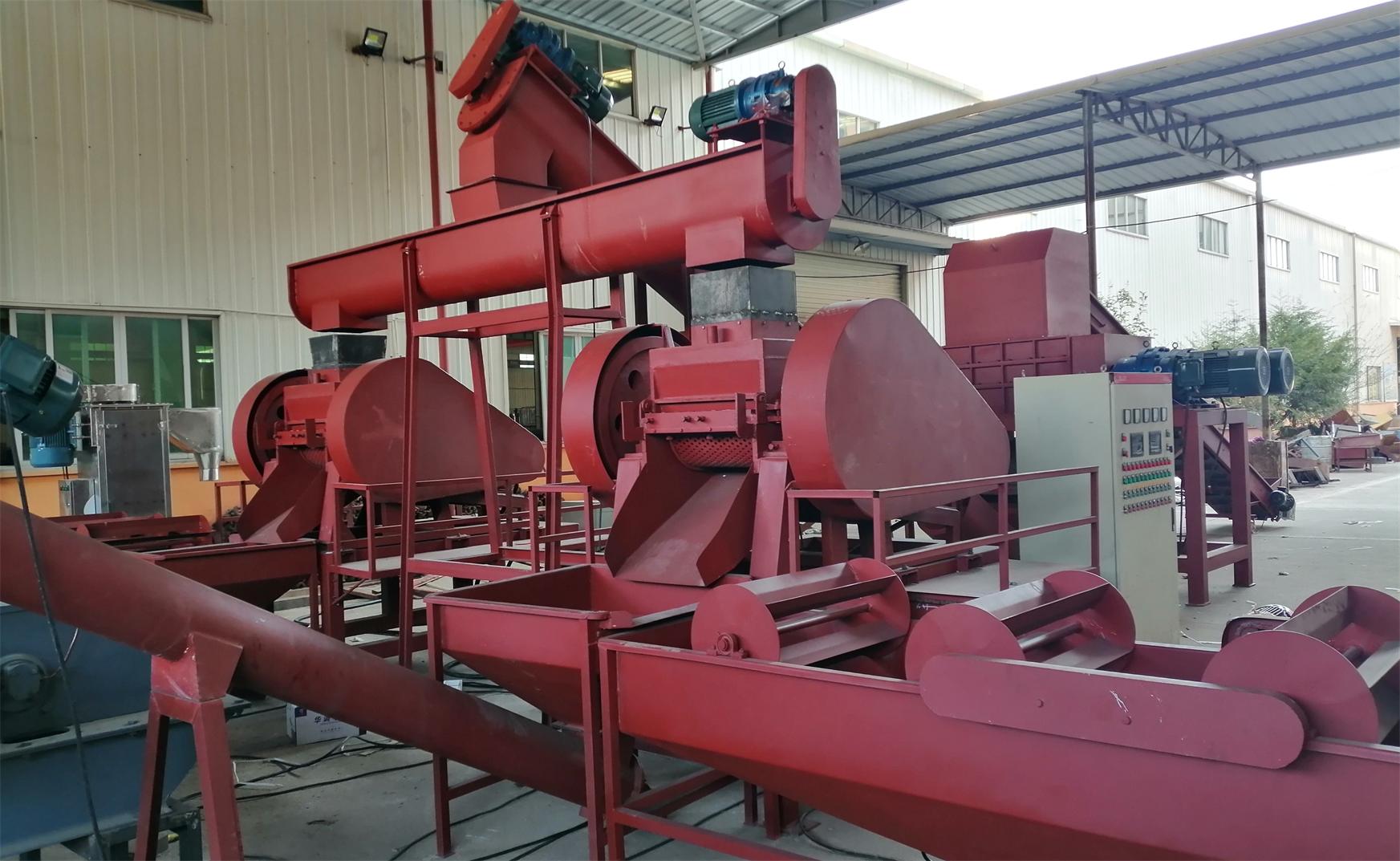
This is where water process equipment becomes the backbone of environmental stewardship. Water process equipment isn't a single tool but a suite of technologies tailored to the specific contaminants in a company's wastewater. For example, in a battery manufacturing plant, where lead and acid are common byproducts, the primary treatment might use physical processes like screening and sedimentation to remove large particles. Secondary treatment could involve biological processes, using bacteria to break down organic matter. Tertiary treatment, the final polish, might use membrane filtration or chemical disinfection to remove remaining impurities. Each step relies on specialized water process equipment—pumps, aerators, clarifiers—to ensure efficiency. ESG reports now detail these processes, showing investors not just that wastewater is treated, but how it's treated, and how that treatment reduces the company's environmental footprint.
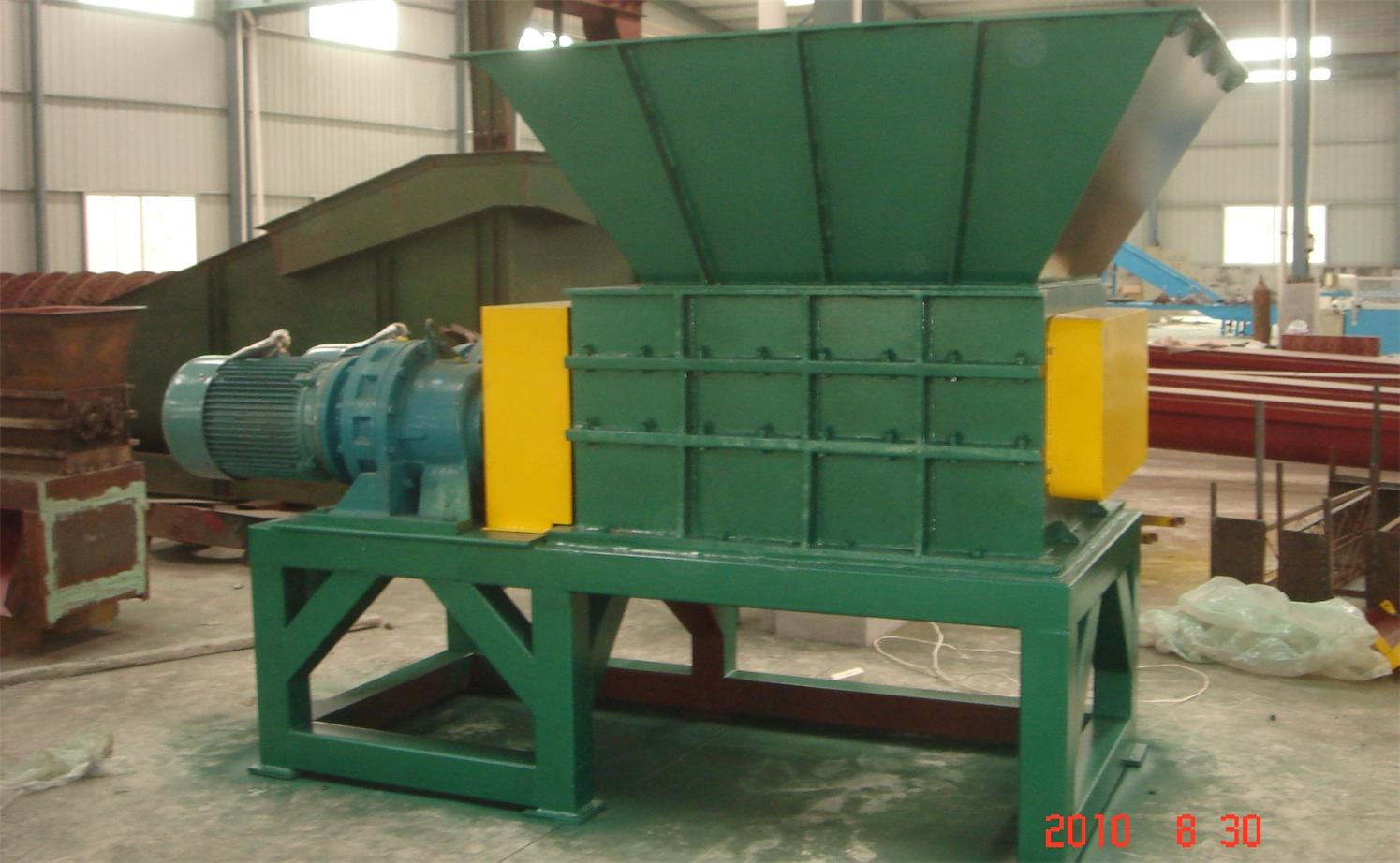
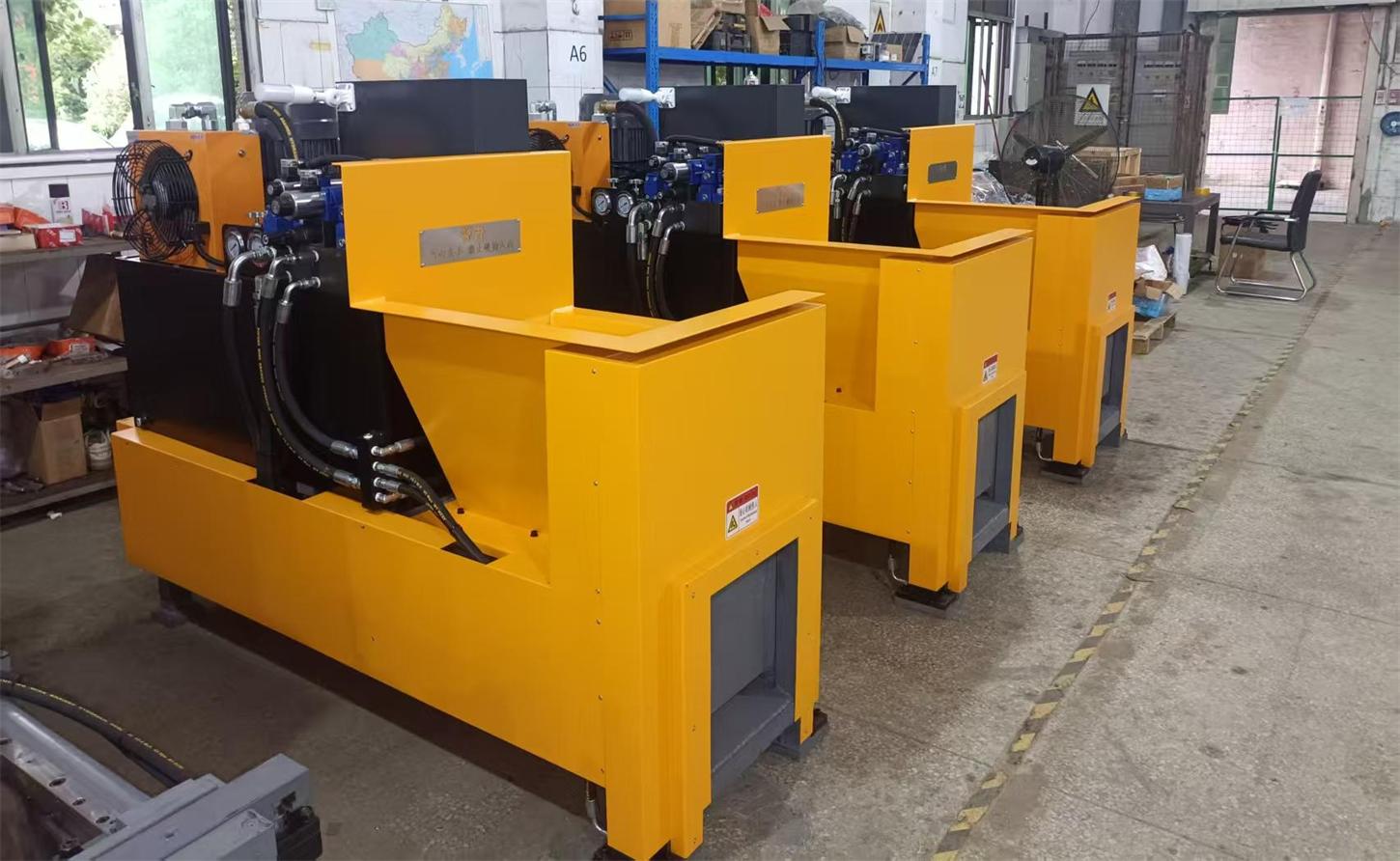
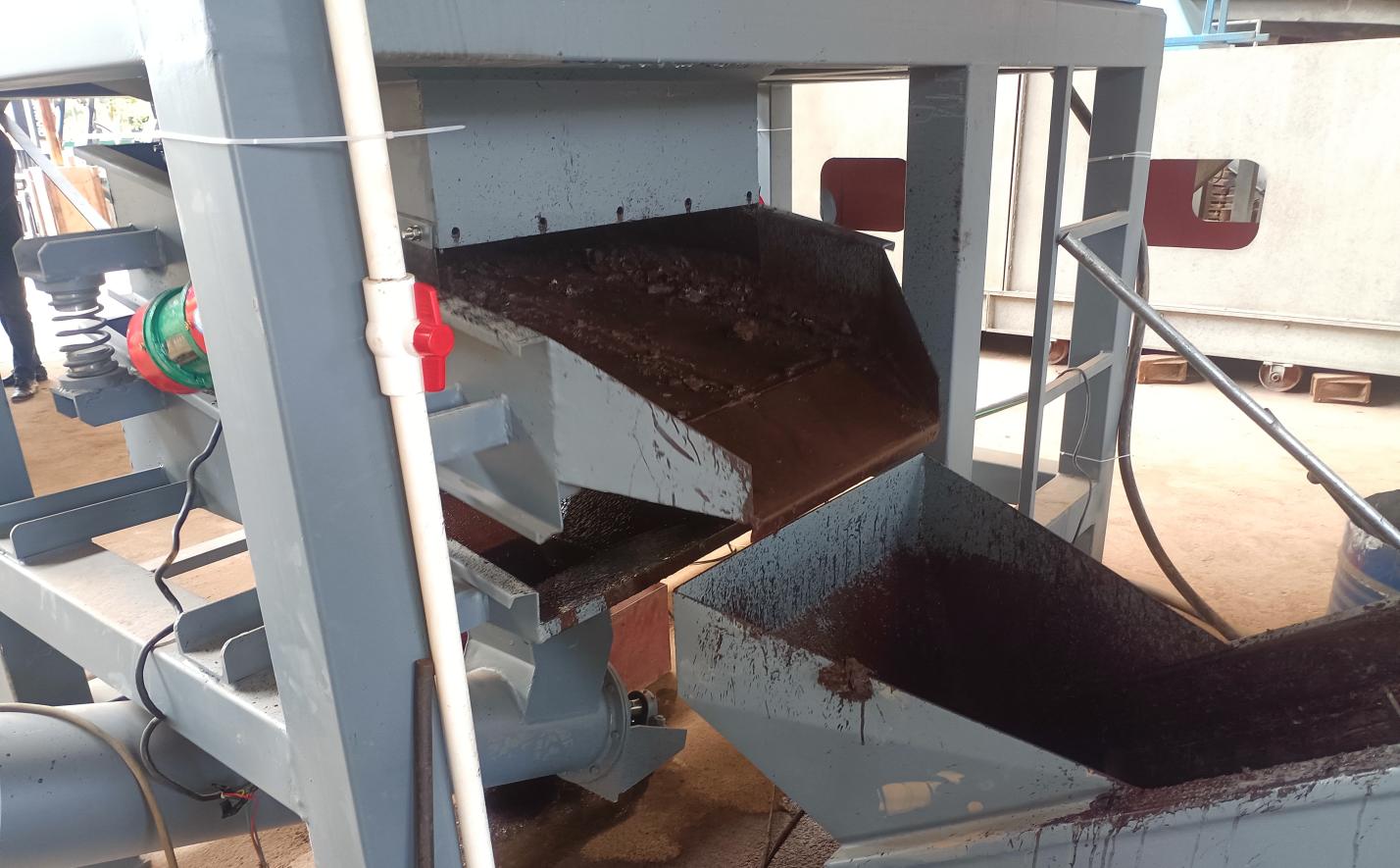
Take filter press equipment, for instance. After treatment, wastewater often leaves behind sludge—a thick, semi-solid mixture of water and solids. Disposing of sludge improperly can lead to land and water pollution, undoing the hard work of treatment. Filter press equipment solves this by applying pressure to sludge, squeezing out excess water and turning it into dry cakes that are easier to handle, transport, and even repurpose (as fertilizer or construction material, in some cases). In ESG terms, this translates to metrics like "sludge disposal reduction" or "solid waste diversion rate," which directly boost a company's environmental score. A 2024 ESG report from a leading chemical manufacturer, for example, highlighted how upgrading to automated filter press equipment reduced sludge volume by 40%, cutting landfill dependency and lowering carbon emissions from transportation—details that would have been missing in financial reports alone.
Then there's effluent treatment machine equipment, the final gatekeeper before treated water is discharged or reused. Effluent treatment machines are designed to ensure that water leaving the plant meets or exceeds local and international standards for contaminants like BOD (Biochemical Oxygen Demand), COD (Chemical Oxygen Demand), heavy metals, and pathogens. In regions with strict regulations—like the EU's Water Framework Directive or California's Clean Water Act—non-compliance can result in hefty fines and reputational damage. ESG reports don't just list compliance; they show consistency in compliance. A company that uses advanced effluent treatment machines might report a "100% compliance rate over 36 months," a metric that reassures investors of low regulatory risk and strong environmental governance.
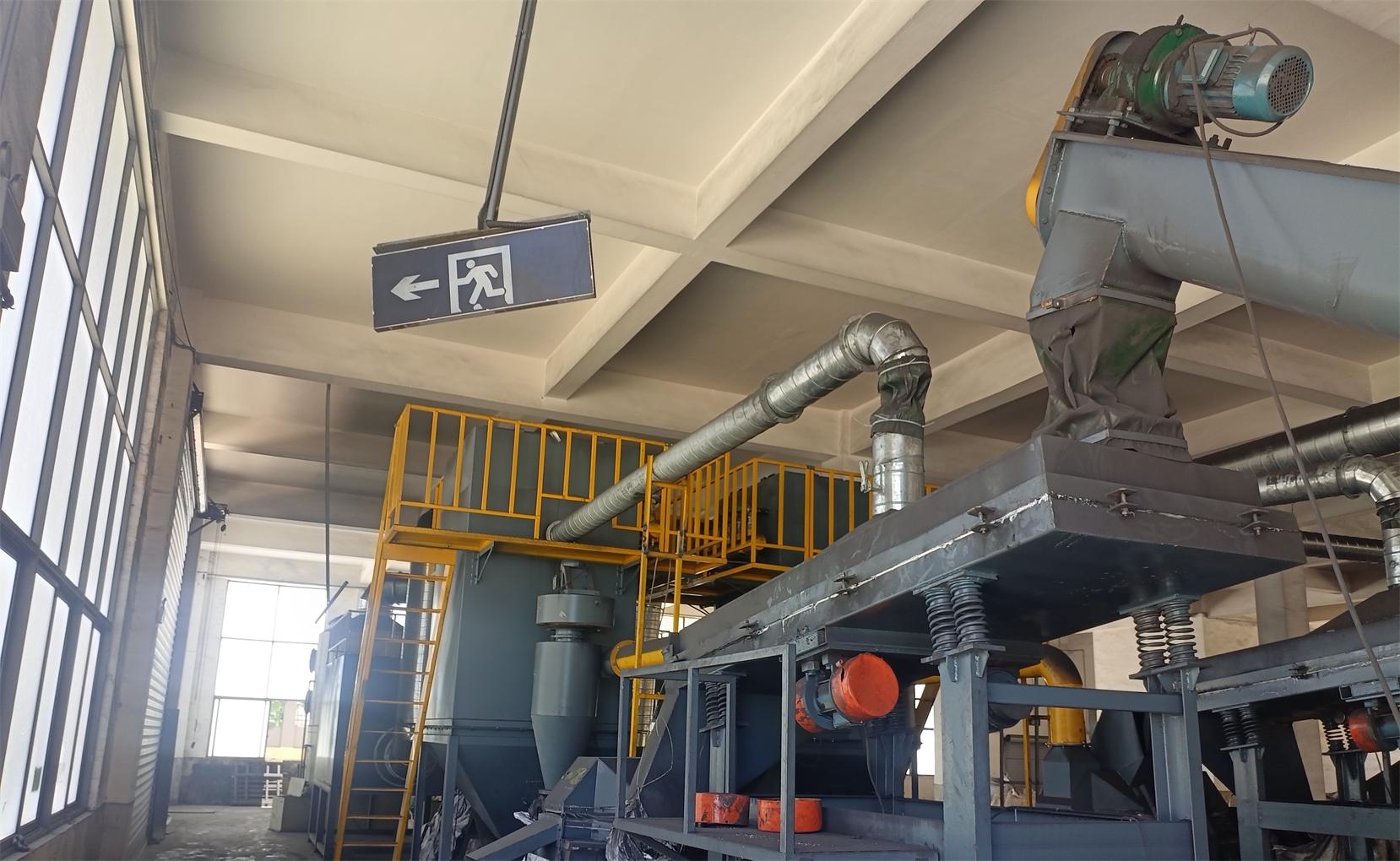
But wastewater treatment doesn't exist in a vacuum. Many treatment processes, especially those involving chemical reactions or sludge handling, can release air pollutants like volatile organic compounds (VOCs) or hydrogen sulfide. This is where air pollution control system equipment comes into play, rounding out a company's environmental management. While not strictly wastewater-focused, these systems—scrubbers, biofilters, activated carbon units—ensure that the treatment plant itself doesn't become a source of air pollution. ESG reports increasingly take a holistic view, linking water and air management to show a commitment to overall environmental health. For example, a food processing company's 2023 ESG report noted that installing air pollution control system equipment alongside its wastewater treatment plant reduced odour complaints by 75%, a win for both the environment and community relations.
The Social Pillar: Wastewater Treatment as a Catalyst for Community Well-Being
ESG isn't just about the planet—it's about people, too. The "S" in ESG focuses on how a company impacts its employees, local communities, and society at large. Here, wastewater treatment systems play a surprisingly vital role, though their social benefits are often overshadowed by their environmental ones. ESG reports are now bringing these benefits to the forefront, showing how clean water practices build stronger, healthier communities.
Consider a manufacturing plant located upstream from a small town. For years, the plant discharged partially treated wastewater into the river, leading to frequent algal blooms and fish kills. Local residents couldn't swim in the river, and farmers worried about irrigation water quality. Public trust eroded, and protests became common. Then, the company invested in upgraded water process equipment and effluent treatment machines, reducing contaminant levels by 90%. Within a year, the river began to recover, and the town's annual "River Festival" was revived. In its next ESG report, the company highlighted this transformation, sharing data on "community satisfaction scores" and "public health incidents averted" (like reduced cases of waterborne illness). Suddenly, wastewater treatment wasn't just a line item in a budget—it was a story of reconnection between a business and the people it serves.
This isn't an isolated case. Around the world, communities living near industrial sites often bear the brunt of poor wastewater management. Contaminated water sources lead to higher rates of cancer, respiratory diseases, and developmental issues in children—disparities that ESG reports now quantify. By investing in robust treatment systems, companies can directly address these inequities. For example, a mining company in South America used filter press equipment to reduce heavy metal discharge into a local river, which had long been a source of lead poisoning in nearby villages. In its ESG report, the company tracked "blood lead levels in children under 5" in the community, showing a 35% decrease post-upgrade. This kind of data turns abstract social responsibility into tangible, life-changing outcomes.
Wastewater treatment systems also create social value through job creation. Installing, operating, and maintaining water process equipment, filter presses, and effluent treatment machines requires skilled workers—engineers, technicians, operators, and maintenance staff. In regions with high unemployment, these jobs can be transformative. ESG reports often include metrics like "local hiring percentage" or "skills training programs" tied to treatment plant operations. A 2023 report from a textile manufacturer in Southeast Asia, for instance, noted that building a new wastewater treatment facility created 45 local jobs, including 12 positions in filter press operation—roles that paid 30% above the regional average. For the community, this wasn't just about clean water; it was about economic opportunity.
The Governance Pillar: Wastewater Treatment as a Marker of Accountability
If the "E" is about impact and the "S" is about people, the "G" in ESG is about how a company is run—its ethics, transparency, and accountability. Governance ensures that a company's environmental and social commitments aren't just PR stunts but are embedded in its operations. When it comes to wastewater treatment, governance means having clear policies, regular monitoring, and a willingness to report both successes and failures. ESG reports are the perfect platform for this, and they're increasingly using wastewater management as a litmus test for good governance.
Consider the role of data in governance. To manage wastewater effectively, a company needs real-time insights into treatment performance—flow rates, contaminant levels, equipment efficiency. Modern water process equipment often comes with sensors and IoT connectivity, feeding data into central dashboards. This data isn't just for operators; it's for stakeholders. ESG reports now include graphs and charts showing trends in wastewater treatment: "average BOD levels in treated water (2020–2023)," "filter press downtime frequency," "effluent treatment machine maintenance logs." This level of detail demonstrates transparency—investors can see that the company isn't just making claims but has the data to back them up.
Accountability also means planning for the future. ESG reports ask: What happens if regulations tighten? How will the company adapt to climate change (e.g., more frequent floods affecting treatment plant operations)? Here, investing in flexible, scalable equipment becomes a governance issue. For example, a pharmaceutical company might report that it chose modular effluent treatment machine equipment, allowing it to add capacity as production grows without major overhauls. Or a food processor might highlight that its filter press equipment is designed to handle variable sludge volumes, reducing the risk of non-compliance during peak production seasons. These choices show foresight and a commitment to long-term responsibility—key governance traits.
Non-compliance is another governance red flag. ESG reports don't hide violations; instead, they explain how the company addressed them. Suppose a company failed a discharge test due to a malfunctioning component in its water process equipment. A strong ESG report would detail the root cause, the steps taken to fix it (e.g., replacing the component, upgrading to more reliable equipment), and the measures put in place to prevent recurrence (e.g., predictive maintenance programs). This honesty builds trust—stakeholders see that the company takes governance seriously, even when things go wrong.
Case Study: How a Battery Recycler Boosted ESG Scores Through Wastewater Innovation
To see the impact of wastewater treatment systems on ESG in action, let's look at a mid-sized lead-acid battery recycling company based in Europe. In 2021, the company's ESG score was middling, with low marks in "environmental compliance" and "community relations" due to frequent wastewater discharge violations and local complaints about river pollution. Recognizing that this was hurting investor interest and employee morale, the company embarked on a wastewater treatment upgrade.
The centerpiece of the upgrade was a complete overhaul of its water process equipment. The old system relied on outdated sedimentation tanks and manual sludge removal, leading to inconsistent treatment. The new system included automated clarifiers, biological reactors, and membrane filtration units—all integrated with IoT sensors for real-time monitoring. To tackle sludge, the company installed state-of-the-art filter press equipment, replacing manual dewatering with a fully automated process that reduced sludge volume by 55%. Finally, it added advanced effluent treatment machine equipment with UV disinfection to ensure that treated water met the EU's strict discharge limits for lead and other heavy metals.
The results, detailed in the company's 2023 ESG report, were striking. Compliance with discharge standards jumped from 65% to 100%, and water reuse increased from 10% to 40%, reducing reliance on local freshwater sources. Community satisfaction scores, measured via annual surveys, rose from 32% to 78%, and the company saw a 20% increase in investor inquiries. Perhaps most notably, its ESG score improved by 25 points, moving it from the "laggard" to "leader" category in its industry. As the report put it: "Our wastewater treatment systems are no longer a cost center—they're a strategic asset driving environmental performance, social trust, and governance excellence."
Beyond Compliance: Wastewater Treatment as a Driver of Innovation
ESG reports don't just document the present—they also hint at the future. As investors and regulators push for more ambitious sustainability goals, companies are increasingly using wastewater treatment as a testing ground for innovation. This means moving beyond "good enough" compliance to systems that are energy-efficient, resource-recovery focused, and even carbon-negative.
Take water reuse, for example. Traditional treatment aims to make water "safe to discharge." Modern systems, however, aim to make water "safe to reuse"—for irrigation, industrial processes, or even drinking water (in water-scarce regions). This circular approach aligns with ESG's focus on resource preservation. A beverage company's ESG report might highlight how its water process equipment now treats wastewater to a quality that can be reused in bottle washing, cutting freshwater use by 30%. Another company might use effluent treatment machine equipment to recover valuable byproducts—like phosphorus from agricultural wastewater, which can be sold as fertilizer. These innovations turn waste into wealth, making sustainability profitable.
Energy efficiency is another frontier. Wastewater treatment is energy-intensive, but new technologies are flipping the script. For example, some treatment plants now use anaerobic digesters (part of water process equipment) to break down organic matter, producing biogas that can power the plant itself. Others are integrating solar panels with filter press equipment, using renewable energy to run the hydraulic systems that dewater sludge. ESG reports track "energy self-sufficiency rate" for treatment plants, showing how companies are reducing their carbon footprint while cutting energy costs.
Smart technology is also transforming wastewater management. Imagine a treatment plant where sensors in the water process equipment detect a spike in contaminants and automatically adjust chemical dosages, or where AI predicts filter press maintenance needs before a breakdown occurs. These "smart plants" reduce waste, improve reliability, and generate a wealth of data for ESG reporting. A 2024 ESG report from a tech manufacturer described how its AI-powered effluent treatment machine equipment reduced chemical use by 25% and maintenance costs by 15%—metrics that appealed to both environmentalists and cost-conscious investors.
Conclusion: Wastewater Treatment—The Unsung Hero of ESG
In the grand narrative of ESG, wastewater treatment plant systems have long been the supporting actors, quietly doing the hard work while renewable energy and carbon reduction take center stage. But as ESG reports grow more detailed and stakeholder expectations rise, these systems are stepping into the spotlight. They're no longer just about avoiding penalties; they're about protecting ecosystems, safeguarding public health, demonstrating accountability, and driving innovation.
At the heart of this transformation are the tools that make treatment possible: water process equipment that turns raw wastewater into a manageable stream, filter press equipment that converts sludge into a resource, effluent treatment machines that ensure water is clean enough to return to nature or be reused, and air pollution control systems that keep the entire operation from harming the air we breathe. Together, these technologies form the backbone of a company's environmental responsibility, social impact, and governance strength.
So the next time you read an ESG report, take a closer look at the wastewater section. Behind the metrics and compliance stats, you'll find a story of how a company is interacting with the planet and its people. And remember: every drop of clean water discharged, every ton of sludge repurposed, every community spared from pollution is a testament to the power of wastewater treatment systems. In the end, ESG isn't just about reporting—it's about building a world where businesses and the environment thrive together. And that's a story worth telling.
| ESG Metric | Before Wastewater Upgrade | After Wastewater Upgrade | Key Equipment Involved |
|---|---|---|---|
| Wastewater Compliance Rate | 65% | 100% | Effluent treatment machine equipment, water process equipment |
| Water Reuse Rate | 10% | 40% | Water process equipment (membrane filtration) |
| Sludge Volume Reduction | 20% | 75% | Filter press equipment |
| Community Satisfaction Score | 32% | 78% | Air pollution control system equipment, effluent treatment machines |
| ESG Industry Ranking | 58th percentile | 89th percentile | Integrated water process equipment, governance (transparency in reporting) |