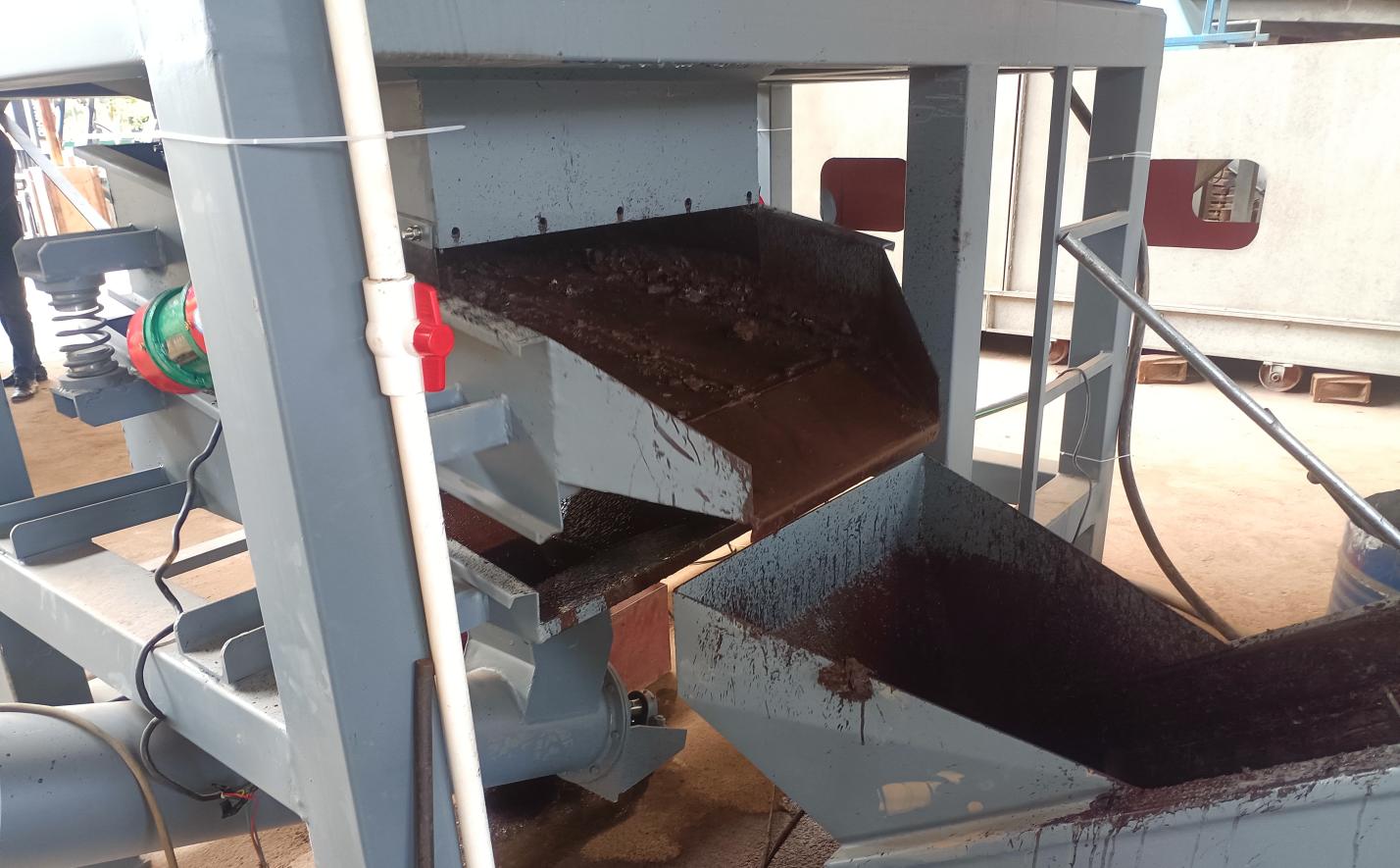
Recycling plant operators know that collecting and separating materials is only half the battle. The real profit often depends on what happens after sorting—how effectively you densify, store, and transport recovered metals and plastics to downstream buyers. This is where hydraulic press and briquetting machines quietly transform margins.
The Hidden Cost of Loose Recyclable Materials
Walk through most recycling facilities and you will see the same problem: piles of metal chips, loose copper granules, and plastic films taking up valuable floor space. These materials have already been through the hard work of collection, shredding, and separation. Yet in their uncompressed state, they create logistical headaches that eat directly into profitability.
Loose metal powders and turnings from CNC operations contain air pockets that can reduce effective density by 60 to 80 percent. That means a truck leaving your facility might be mostly hauling air. Plastic separator films from lithium battery recycling float and expand, making them difficult to bag, stack, or load. The result is more trips, higher freight bills, and extended storage times that tie up working capital.
Buyers also prefer dense, uniform feedstock. Foundries and smelters typically pay better rates for briquetted metal than for loose chips because briquettes melt more predictably and introduce less slag. In other words, compaction is not just a materials handling step—it is a direct value-add operation.
How Briquetting Machines Turn Waste into Dense Revenue
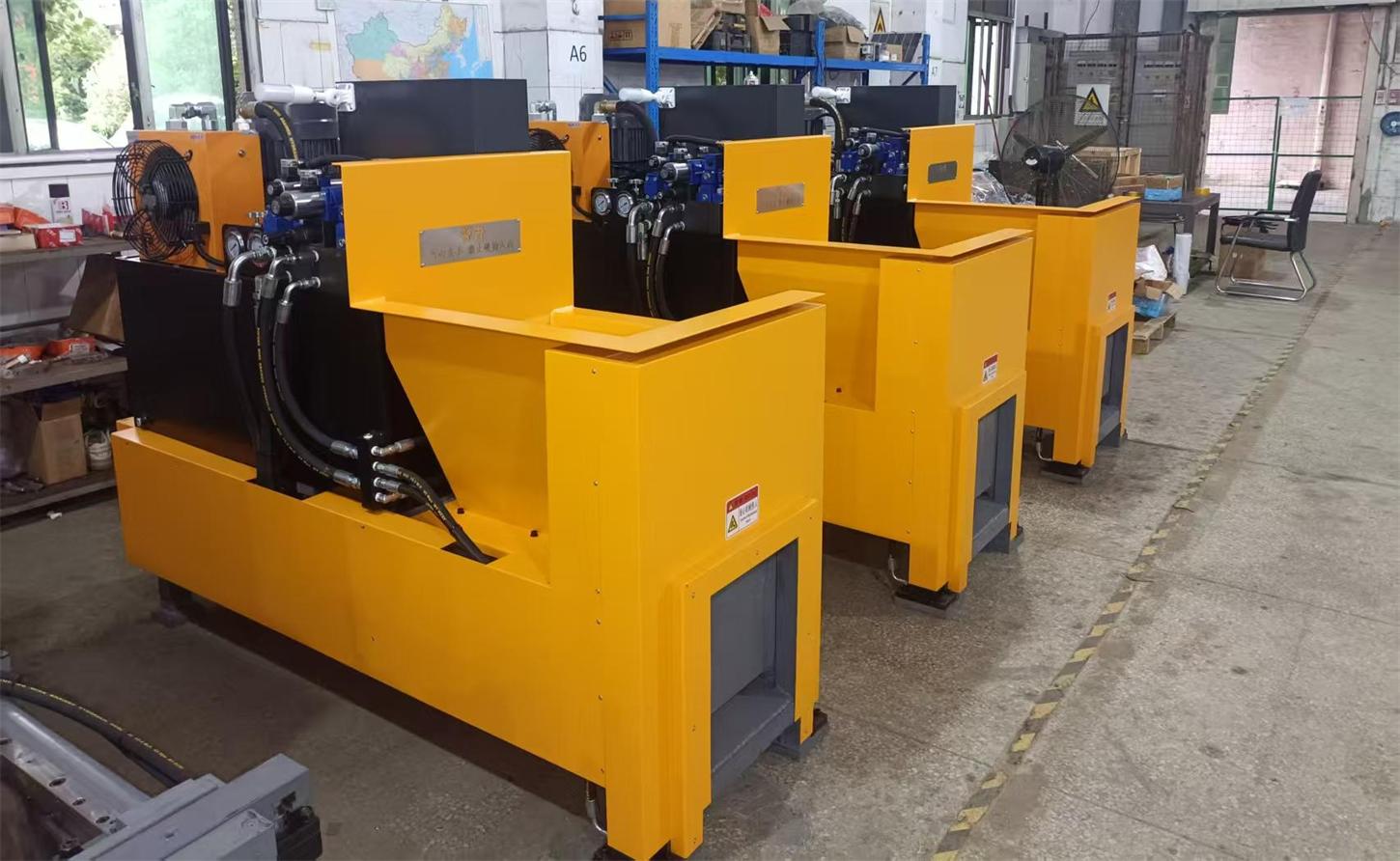
A hyraulic briquetting machine equipment applies high pressure to compress loose metal or plastic waste into solid cylindrical or rectangular blocks. The volume reduction is dramatic. Depending on material type, compression ratios range from 8:1 to 30:1. A drum full of aluminum turnings can be reduced to a fraction of its original size, slashing storage footprint and transportation costs.
For metal recycling operations, briquetting delivers several practical advantages. Compressed blocks do not leak cutting fluids or oils, which keeps storage areas cleaner and reduces environmental compliance risks. The uniform shape also simplifies weighing, inventory tracking, and furnace charging. Foundry buyers appreciate briquettes because they sink quickly into molten metal baths and burn with consistent energy profiles.
In plastic recycling, particularly for lithium battery separator films, briquetting solves a different problem. These ultra-thin plastic sheets are notoriously difficult to handle after pneumatic conveying. A hydraulic briquetter compresses them into dense blocks with volume compression ratios around 10:1. The resulting blocks are stable, stackable, and ready for resale to plastic compounders or energy recovery facilities.
Hydraulic Balers: Flexible Compaction for Mixed Streams
While briquetters excel at densifying granular materials, hydraulic press machines equipment such as balers handle larger, bulkier items. Vertical and horizontal hydraulic balers are workhorses in e-waste recycling plants, plastic recycling facilities, and general scrap yards. They compress everything from bundled cables and crushed plastics to cardboard and foam into tight, wire-tied bales that are easy to stack and ship.
The choice between vertical and horizontal balers usually comes down to volume and automation level. Vertical balers occupy less floor space and suit lower-throughput operations where manual tying is acceptable. Horizontal balers handle higher volumes with automated tying and ejection, making them ideal for plants processing multiple tonnes per hour. Both types integrate cleanly into existing sorting lines, accepting material directly from conveyor discharge points.
Matching Equipment to Your Material Stream
Not every recycling plant needs the same compaction solution. The right choice depends on what you are processing, how much you handle daily, and where the material goes next. Here is a practical breakdown:
Key Specifications That Matter
When evaluating hydraulic press or briquetting equipment, look beyond the headline pressure rating. Several specifications determine real-world performance and total cost of ownership:
| Specification | Why It Matters |
|---|---|
| Compression ratio | Higher ratios mean fewer trucks, smaller warehouses, and lower freight costs. |
| Cycle time | Faster cycles increase throughput without requiring additional machines or shifts. |
| Power consumption | Efficient hydraulic systems keep electricity costs manageable even at high duty cycles. |
| Feed opening size | Must accommodate your largest typical material piece without pre-breaking. |
| Bale or briquette density | Denser output commands better prices from foundries and smelters. |
| Maintenance access | Simple filter, seal, and hydraulic line access reduces downtime. |
Integrating Compaction into the Complete Recycling Line
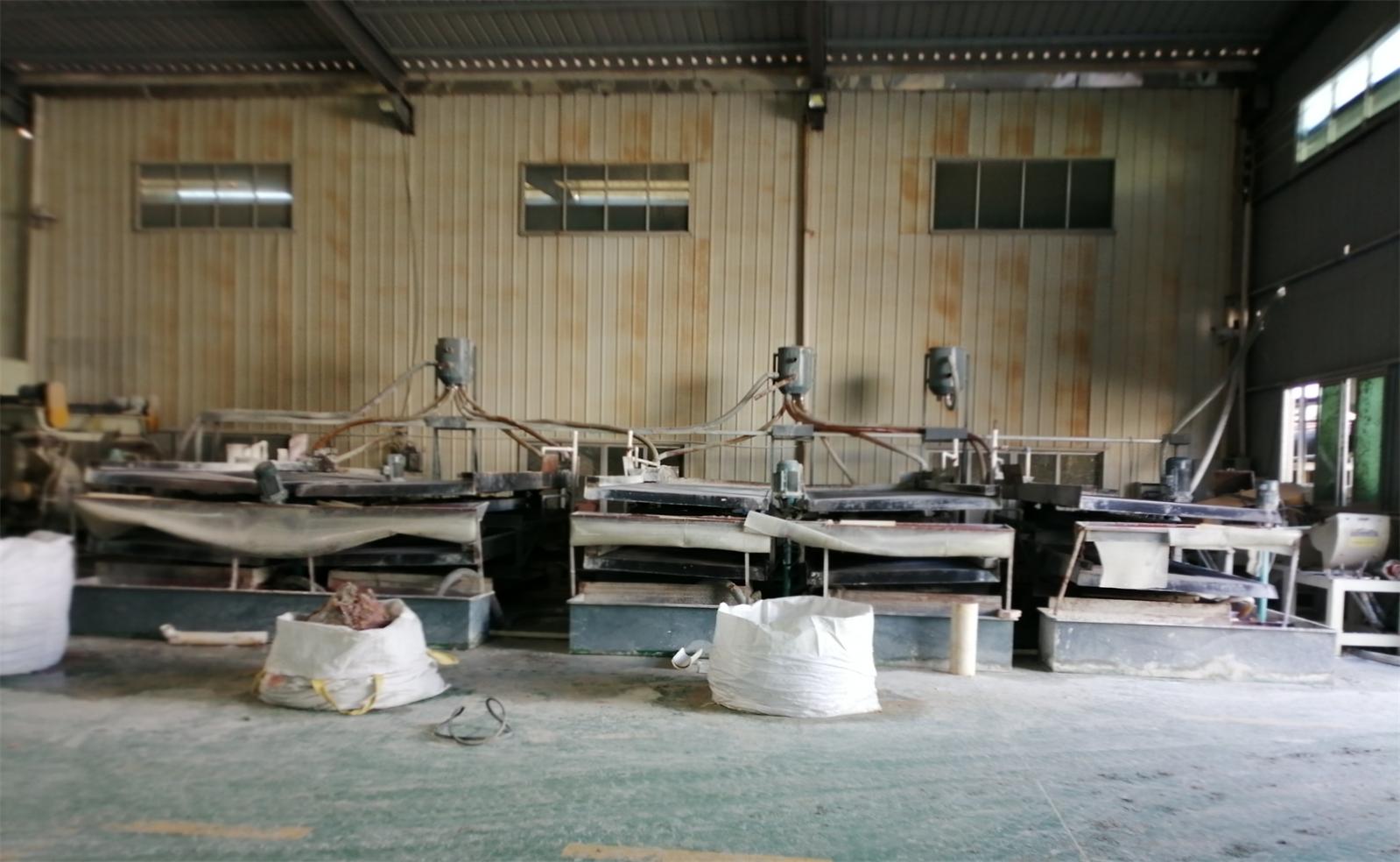
Hydraulic presses and briquetters should not be afterthoughts. The most profitable recycling plants design compaction into their flowsheet from the start. After material passes through shredders, granulators, or separation tables, it should move directly into compaction without intermediate handling steps that add labor and spillage.
For example, in a cable recycling plant, copper granules exiting the dry separator can fall by gravity into a briquetter hopper. In a lithium battery recycling line, plastic films collected by the pneumatic conveying system feed continuously into a hydraulic briquetter. In lead acid battery recycling, separated lead paste moves through filter presses and then into smelting furnaces—no loose powder storage required.
This integrated approach minimizes material loss, reduces contamination between streams, and keeps the facility cleaner and safer. It also reduces the number of times material is handled, which directly lowers labor costs and worker injury risks.
Why Equipment Quality Determines Long-Term Returns
Hydraulic equipment operates under extreme stress. Poorly built machines develop seal leaks, frame fatigue, and valve failures that turn a profit center into a maintenance nightmare. When evaluating suppliers, look for manufacturers with proven experience in recycling applications—not general hydraulic fabricators who may not understand the abrasive nature of metal chips or the chemical exposure risks from battery recycling byproducts.
A reliable recycling equipment supplier should offer more than standalone machines. Turnkey integration support, spare parts availability, and operator training all affect how quickly your compaction line reaches design capacity. Suppliers who understand the full recycling workflow—from shredding through separation to final densification—can recommend configurations that avoid bottlenecks and compatibility issues.
San Lan Technologies: Integrated Hydraulic Solutions for Recycling
San Lan Technologies Co., Ltd. has manufactured recycling machinery since 2007, building a product line that covers the full spectrum of e-waste and scrap processing needs. The company's hydraulic press category includes metal chip compactors, portable briquetting machines, heavy-duty hydraulic briquette machines, and hydraulic balers in both vertical and horizontal configurations.
For small workshops and decentralized operations, San Lan offers portable briquetting machines weighing approximately 650 kg with max pressure of 42 tons. These compact units can be deployed beside CNC machines or at satellite collection points, reducing the need to transport loose chips back to a central facility.
For high-volume plants, larger heavy-duty hydraulic metal briquette machines process substantial quantities of waste metal powder into cylindrical or rectangular blocks. Volume compression ratios from 8:1 to 30:1 translate directly into fewer truckloads and lower storage costs.
San Lan's hydraulic balers handle the broader waste streams common in e-waste and plastic recycling plants. Available in vertical and horizontal designs, these machines compress mixed recyclables into stable bales that withstand long-distance shipping and outdoor storage.
What sets San Lan apart is the ability to supply not just isolated compaction machines, but complete integrated lines. From four-shaft shredders and cable granulators to battery breaking systems and hydraulic briquetters, the company designs workflows where each piece of equipment feeds cleanly into the next. This eliminates the compatibility headaches that arise when buyers mix machines from multiple vendors.
The Bottom Line
Recycling plant profitability depends on capturing value at every stage. If your operation is still storing and shipping loose metal chips, plastic films, or mixed scrap, you are leaving money on the table. Hydraulic press and briquetting machines close that gap by turning bulky, low-density waste into dense, market-ready products that buyers prefer and transport efficiently.
The investment in compaction equipment typically pays back through reduced freight, better material prices, cleaner facilities, and lower labor costs. For plants scaling up to handle growing e-waste volumes, integrating briquetters and balers into the process flow is not optional—it is essential.
Ready to densify your recycling output and improve margins? Contact San Lan Technologies to discuss your material stream and compaction requirements. Our engineering team can recommend the right hydraulic press or briquetting solution for your specific application, from portable workshop units to high-capacity plant installations. Email info@san-lan.com or message us on WhatsApp at +86 139 2377 4083 to start the conversation.