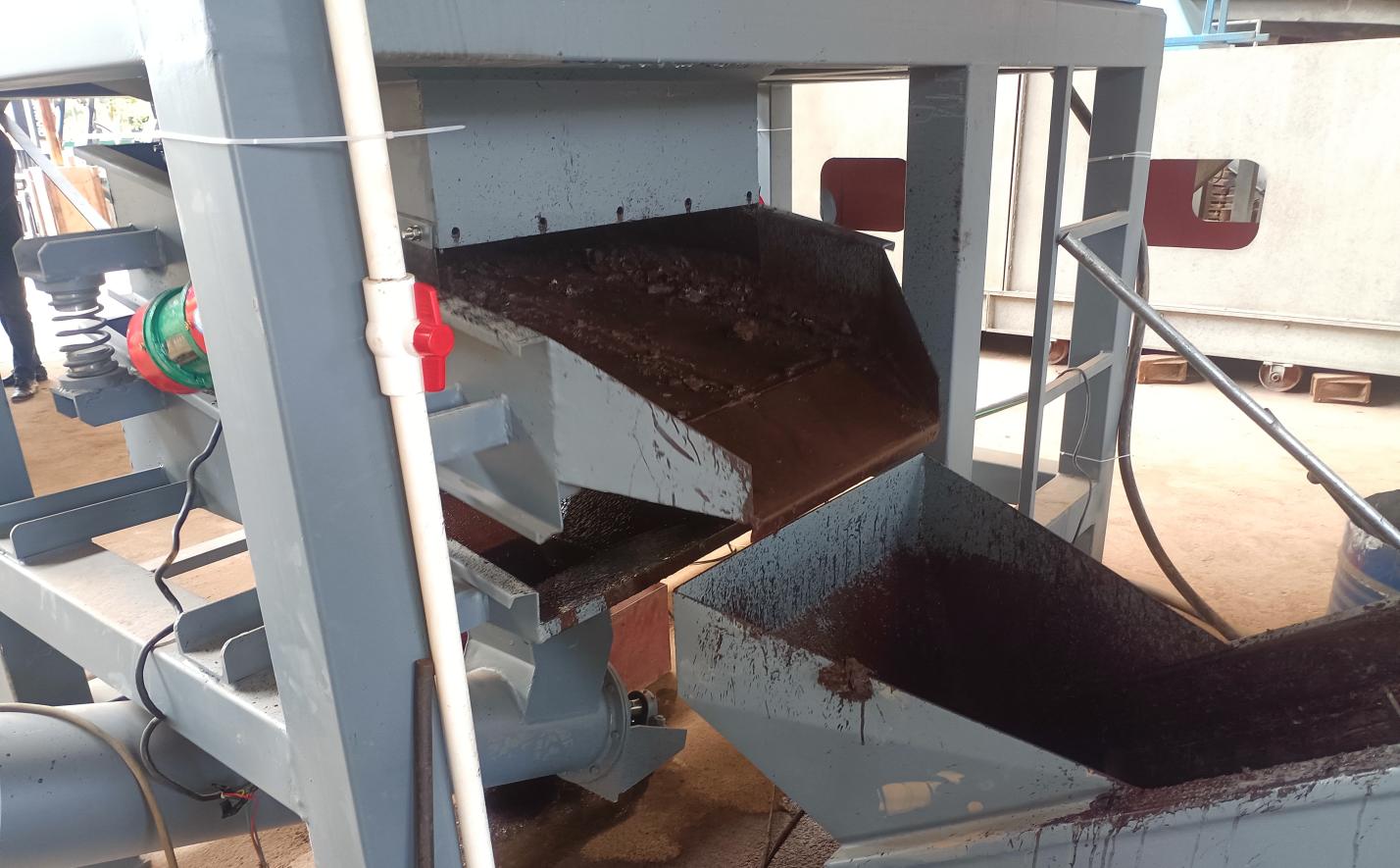
Picture this: millions of aging cables crisscrossing our cities and industries, quietly waiting to be reborn. As we accelerate toward electrification, these seemingly obsolete copper veins are quietly transforming into one of today's most promising circular economy opportunities. The scrap copper wire recycling business is no longer just about turning trash into cash - it's emerging as a crucial component of our sustainable industrial future.
Why Copper Recycling Matters More Than Ever
Copper isn't just another metal - it's the lifeblood of electrification. From wind turbine farms to electric vehicles and smart grids, copper's unparalleled conductivity makes it indispensable for the energy transition. But here's the critical part: while demand grows, mining primary copper is becoming harder and more environmentally taxing.
The numbers tell a compelling story:
- Copper's recycling efficiency is unmatched - nearly 100% recyclable without quality loss
- Recycled copper cuts energy consumption by 85-90% compared to primary production
- Every ton of recycled copper saves approximately 7 tons of CO2 emissions
- Global copper demand is projected to grow 40% by 2030, outpacing current mining capacity
When we talk about decarbonization in heavy industry, copper recycling is a game-changer. The environmental payoff is substantial - recycling's carbon footprint is barely 15% of mining operations. That makes scrap copper wire recycling not just profitable, but planet-critical.
The Market Dynamics Powering Copper Scrap
Copper's journey through the global economy creates a fascinating scrap ecosystem. Raw materials flow through three distinct streams:
| Scrap Type | Composition | Recycling Rate | Current Market Value | Growth Forecast (2030) |
|---|---|---|---|---|
| Industrial Production Scrap | High-purity manufacturing remnants | 85-95% | $9,200/ton | +25% volume |
| Consumer Goods | Appliances, electronics, wires | 50-60% | $8,400/ton | +70% volume |
| Construction & Infrastructure | Demolition wiring, utility cables | 40-50% | $8,100/ton | +40% volume |
| Transportation | Automotive wiring harnesses | 55-65% | $8,600/ton | +120% volume |
The EV revolution is particularly game-changing. A typical internal combustion vehicle contains about 23kg of copper, while a battery-electric vehicle requires over 80kg . As more EVs reach end-of-life around 2030, we'll see a massive influx of copper-bearing vehicles into recycling streams - a "copper tsunami" some analysts call it.
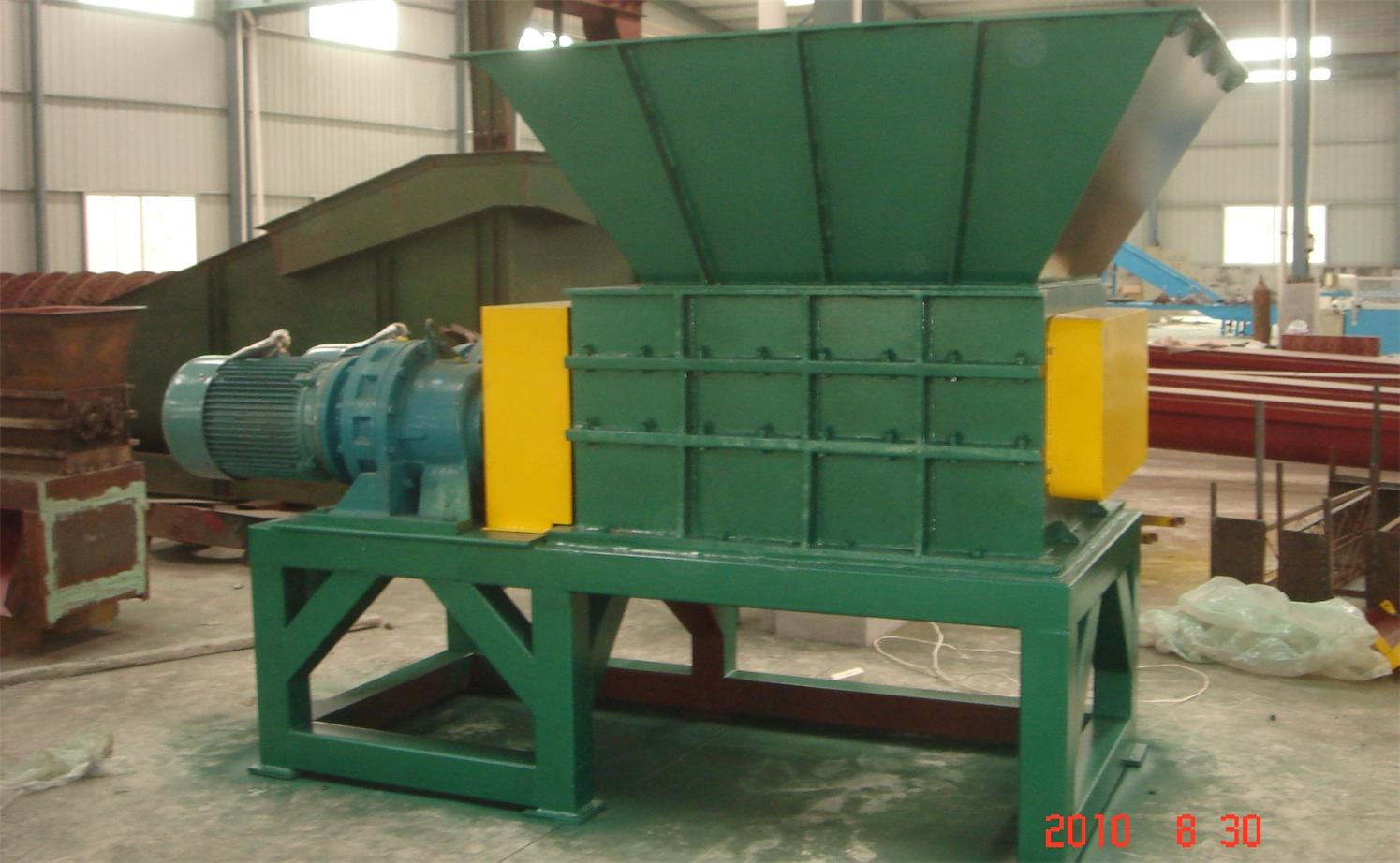
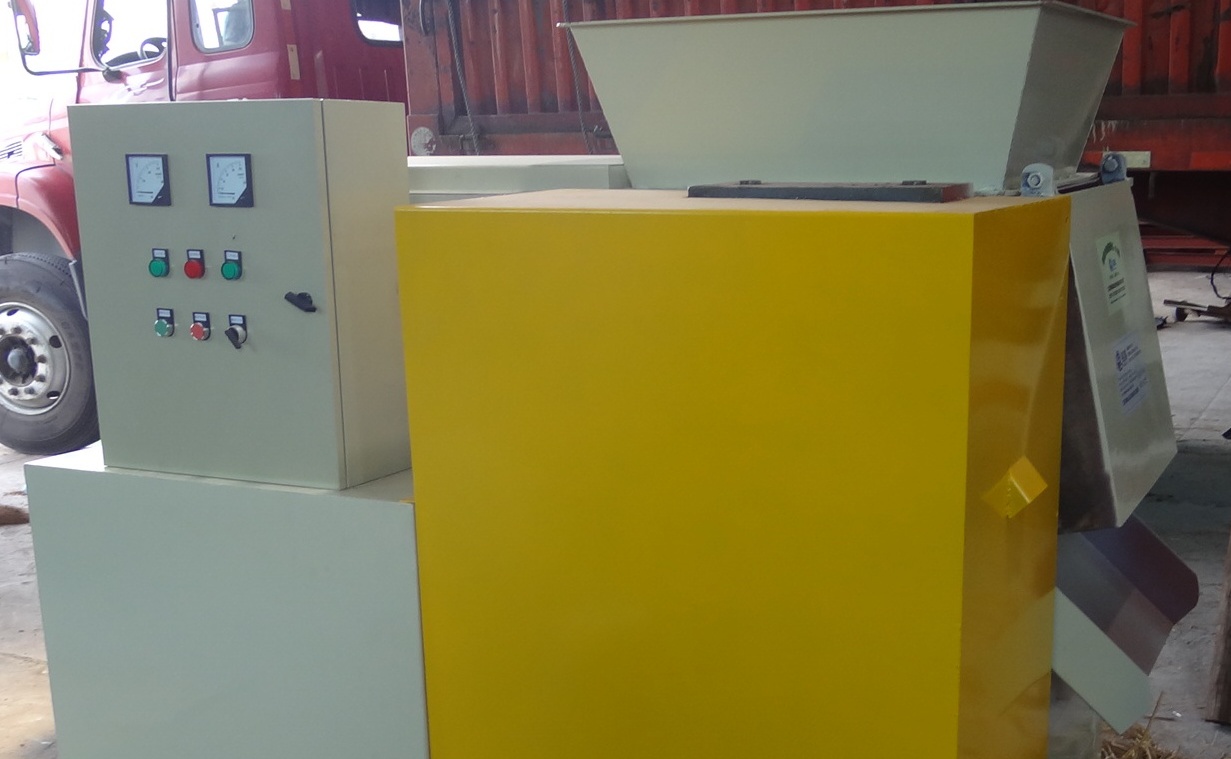
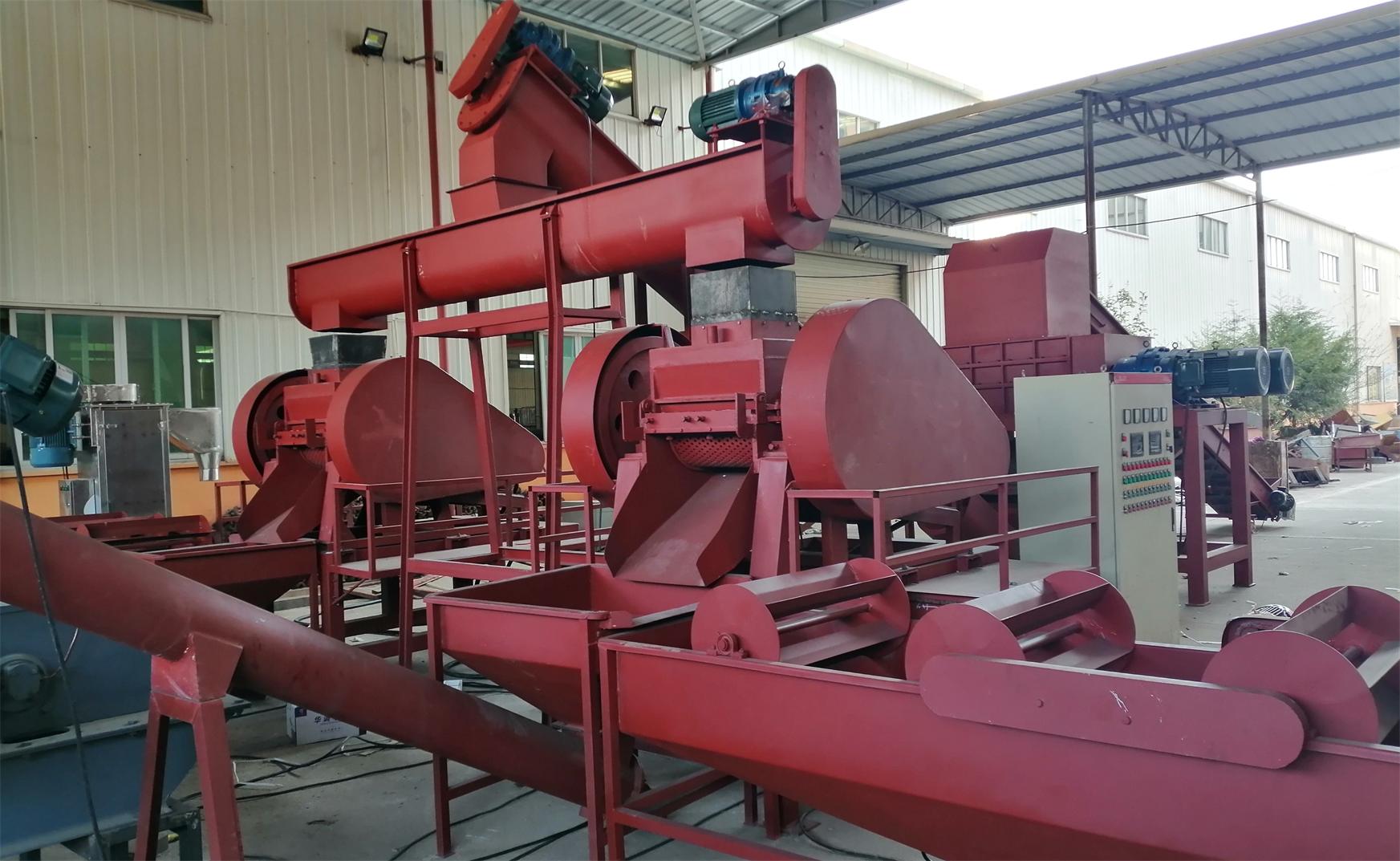
The economics are compelling. Recycling copper cable with modern copper granulator machine systems delivers profit margins of 35-50%, largely because:
- Processing costs per ton have dropped 40% since 2015
- Separation efficiencies now exceed 99% purity
- Automated recovery has slashed labor requirements
The Recycling Process Revolution
Walk through a modern copper recycling facility today, and you'll find sophisticated tech replacing the brute-force methods of yesterday:
Advanced Processing Stages
- Intelligent Sorting : AI-powered optical scanners identify wire types by polymer jacket
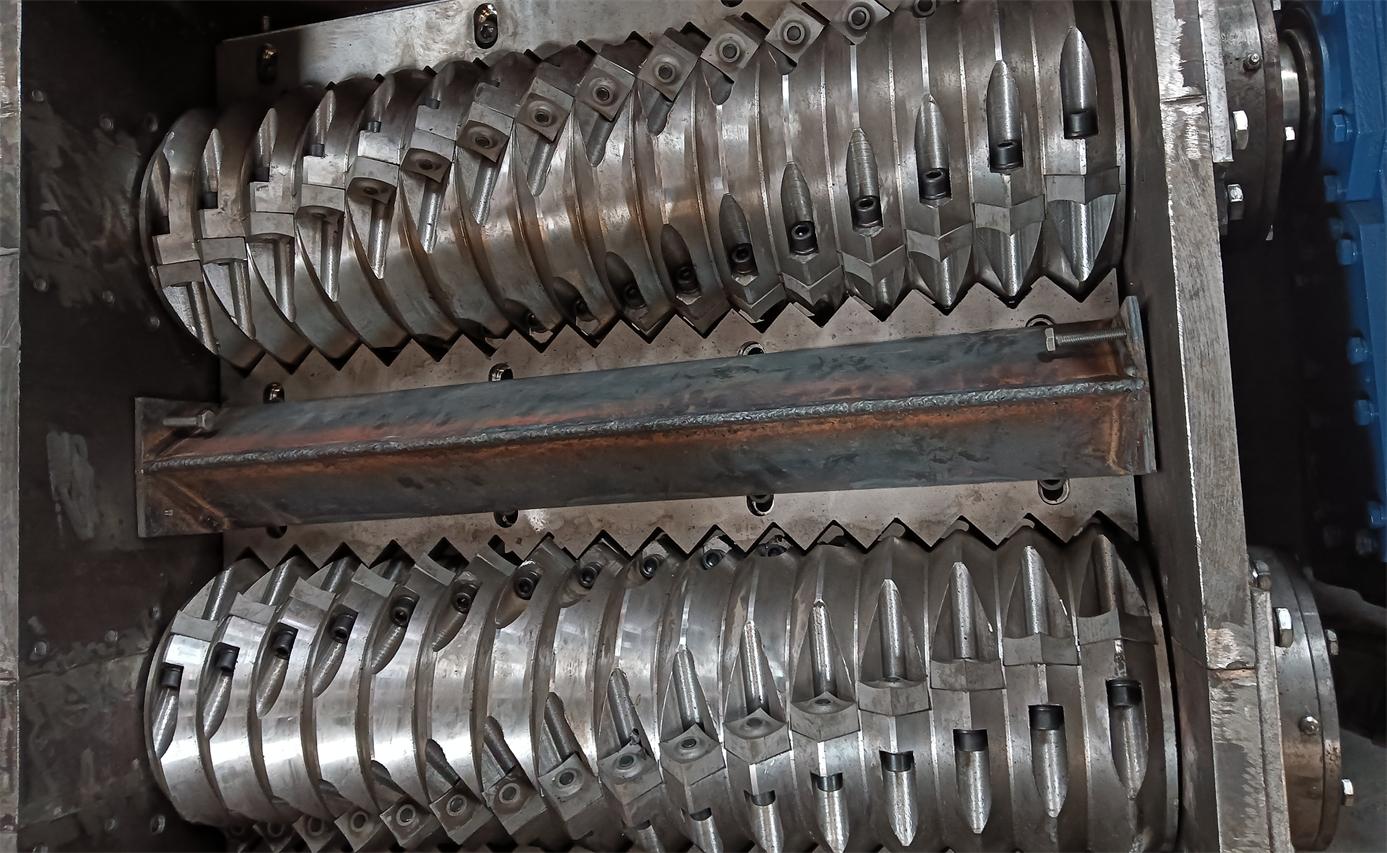
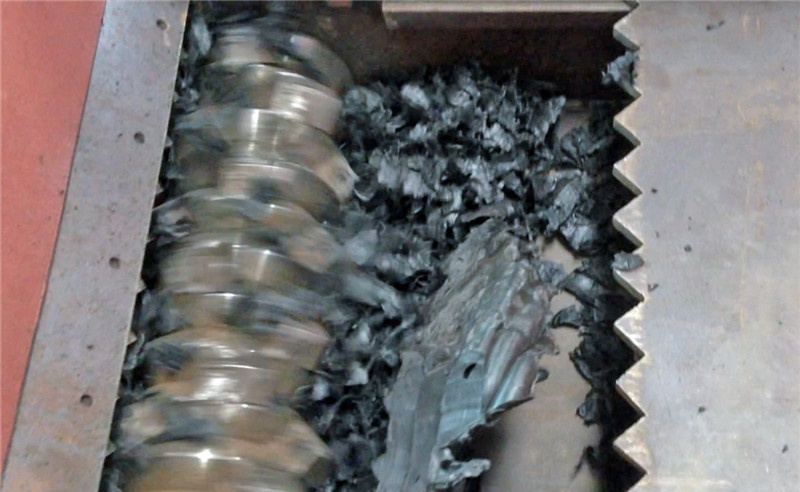
- Granulation Systems : Multi-stage mills process 1-10 tons/hour with <99% metal recovery
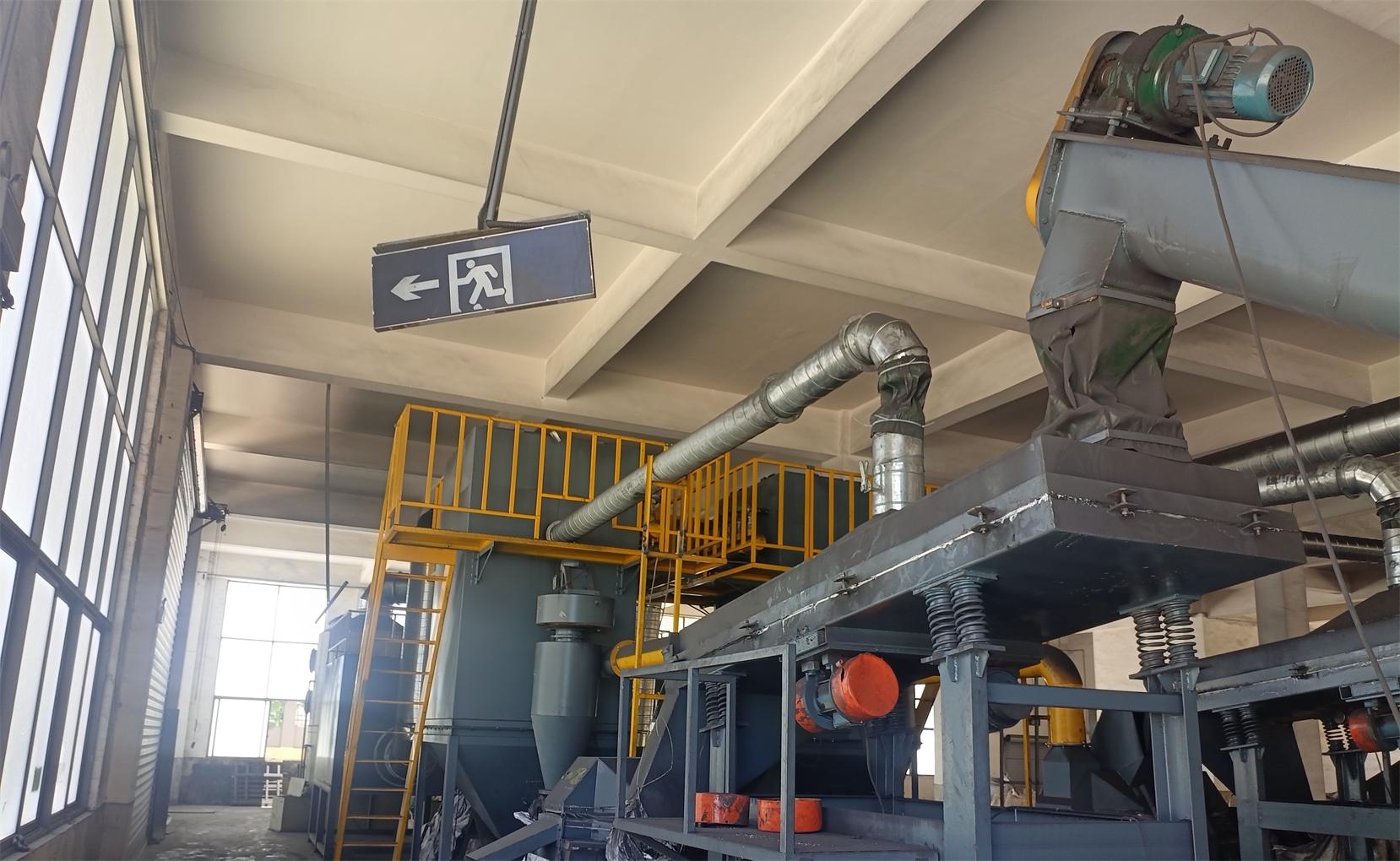
- Air Separation : Precision airflow separates copper granules from plastic
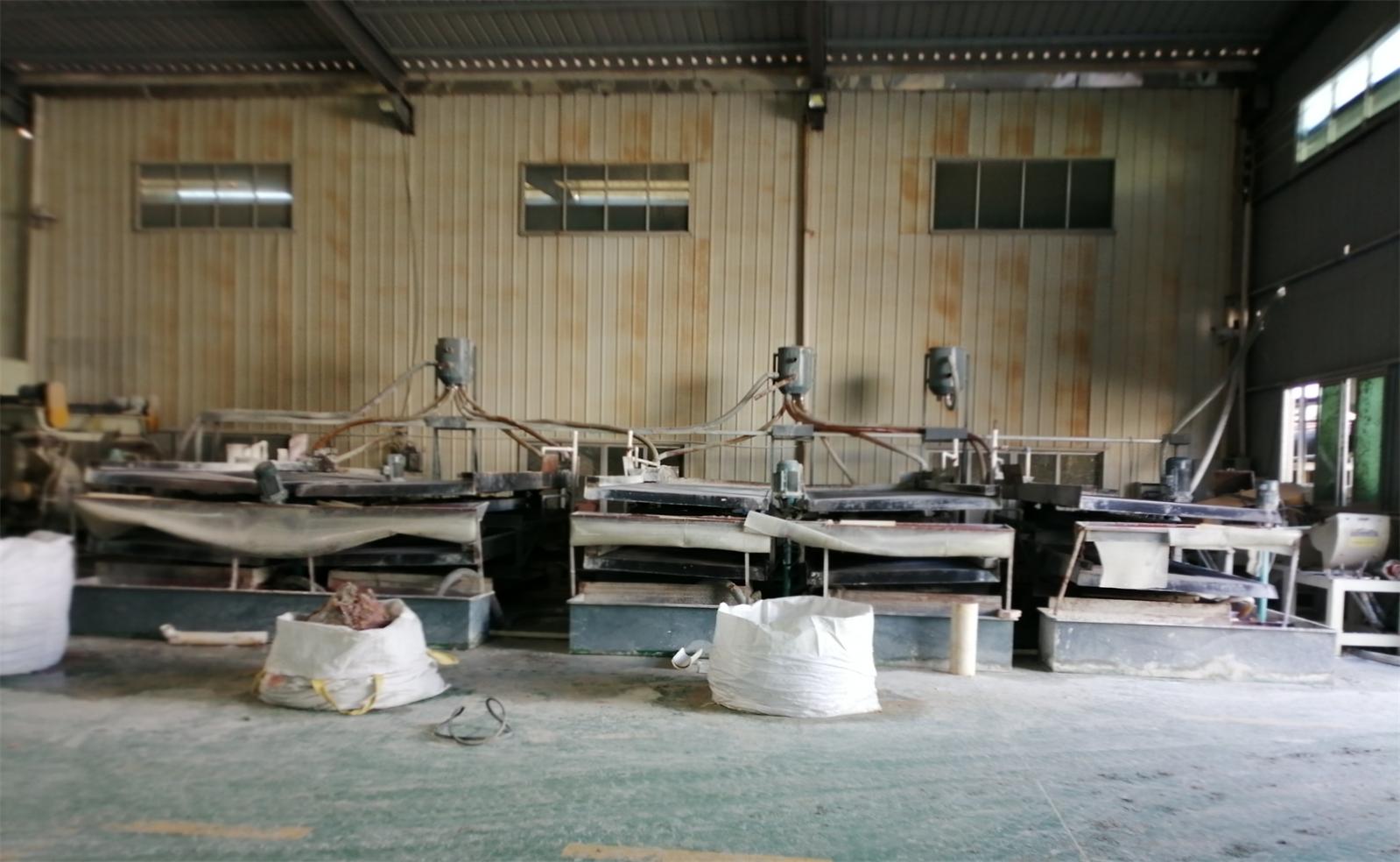
- Electrostatic Separation : Fine copper particles extraction from shredder residue
- Quality Analytics
The transformation from primitive burning techniques to these sophisticated processes hasn't just improved profits - it's revolutionized environmental compliance. Where "backyard recyclers" once released toxic fumes into communities, modern closed-loop systems capture and contain emissions. This isn't just better business - it's become essential for regulatory approval and community acceptance.
Profitability Deep Dive: The Numbers Behind the Metal
Let's break down actual profit calculations based on today's market conditions:
| Processing Scale | Weekly Input | Revenue | Operating Costs | Net Profit | ROI Period |
|---|---|---|---|---|---|
| Small-scale (500kg/day) | 3.5 tons | $29,500 | $19,100 | $10,400 | 18-24 months |
| Mid-size (2 tons/day) | 14 tons | $118,000 | $76,400 | $41,600 | 12-16 months |
| Industrial (10 tons/day) | 70 tons | $590,000 | $382,000 | $208,000 | 8-12 months |
The key drivers behind these impressive figures include:
- Copper's sustained price premium ($8,000-$9,500/ton range)
- Dual revenue streams (copper granules + plastic byproducts)
- Scalable technology investments with rapidly decreasing costs
- Growing market differentiation based on purity and processing ethics
Global Regulations Reshaping the Market
The regulatory landscape is experiencing seismic shifts that directly impact copper recycling economics:
Quality Standards Revolution
- China's "94% Rule" : Minimum copper content requirement with "zero contamination" enforcement
- EU's Circular Economy Package : Mandatory recycling certifications for material traceability
- Malaysia's Purity Mandates : World's strictest 0% impurity threshold for imported scrap
- California's SB-54 : Mandates 65% reduction in single-use plastics by 2032 (directly impacting cable jackets)
These regulatory frameworks create both challenges and advantages:
Market Barriers: Malaysia's recent ban on coated wire has created global disruption. Meanwhile, Indonesia maintains a more practical 2% tolerance threshold.
Emerging Opportunities: India's new 2.5% import duty on scrap metals signals a massive domestic recycling push. As industrial nations restrict exports (EU shipments to China dropped 50% since 2018), new regional hubs are emerging across Vietnam, Mexico, and Eastern Europe.
What many overlook is how copper recycling drives climate goals:
- Each ton recycled saves 100 GJ energy - equivalent to 60 barrels of oil
- Global copper recycling prevents 120 million tons of CO2 annually
- Current recycling rates are projected to supply 50% of green transition copper demands
Forward-thinking recyclers aren't just collecting scrap - they're building closed-loop systems connecting manufacturers to end-users. Brands like Apple now mandate specific recycled content in components, creating premium-paying "clean stream" markets beyond spot pricing.
The Road Ahead: Challenges and Opportunities
Despite the bright prospects, navigating this market requires addressing real challenges:
Material Science Frontiers
- Miniaturization trends are packing more components into smaller devices
- Composite materials combining metals and polymers complicate separation
- Specialty copper alloys require advanced sorting solutions
Investment Pathways
- Establishing regional collection networks requires infrastructure partnerships
- Automated sorting technologies demand specialized technical expertise
- Environmental management systems represent ongoing operational costs
Yet emerging solutions counter these challenges:
- New hydrometallurgical processes extract copper from electronic scrap at 98% efficiency
- Blockchain solutions enable certified traceability from scrap bin to new product
- European scrap recovery rates now exceed 70%, showing what's possible with policy frameworks
Conclusion: The New Era of Copper
The scrap copper wire business has evolved beyond simple commodity trading into a sophisticated materials science sector. As the world electrifies and decarbonizes, we're witnessing a fundamental shift: copper is becoming too valuable to discard. Modern recyclers aren't waste managers - they're critical enablers of the sustainable economy.
Market prospects remain exceptionally strong, driven by irreversible trends:
- The green energy transition mandates recycled copper as a decarbonization strategy
- Urban mining will increasingly replace traditional extraction
- Rising purity demands are shifting market power to certified processors
- Investors now recognize recycling as high-growth environmental infrastructure
For forward-looking entrepreneurs, the message is clear: the scrap copper wire recycling business isn't just promising - it's positioned to become central to the way we build tomorrow's world.