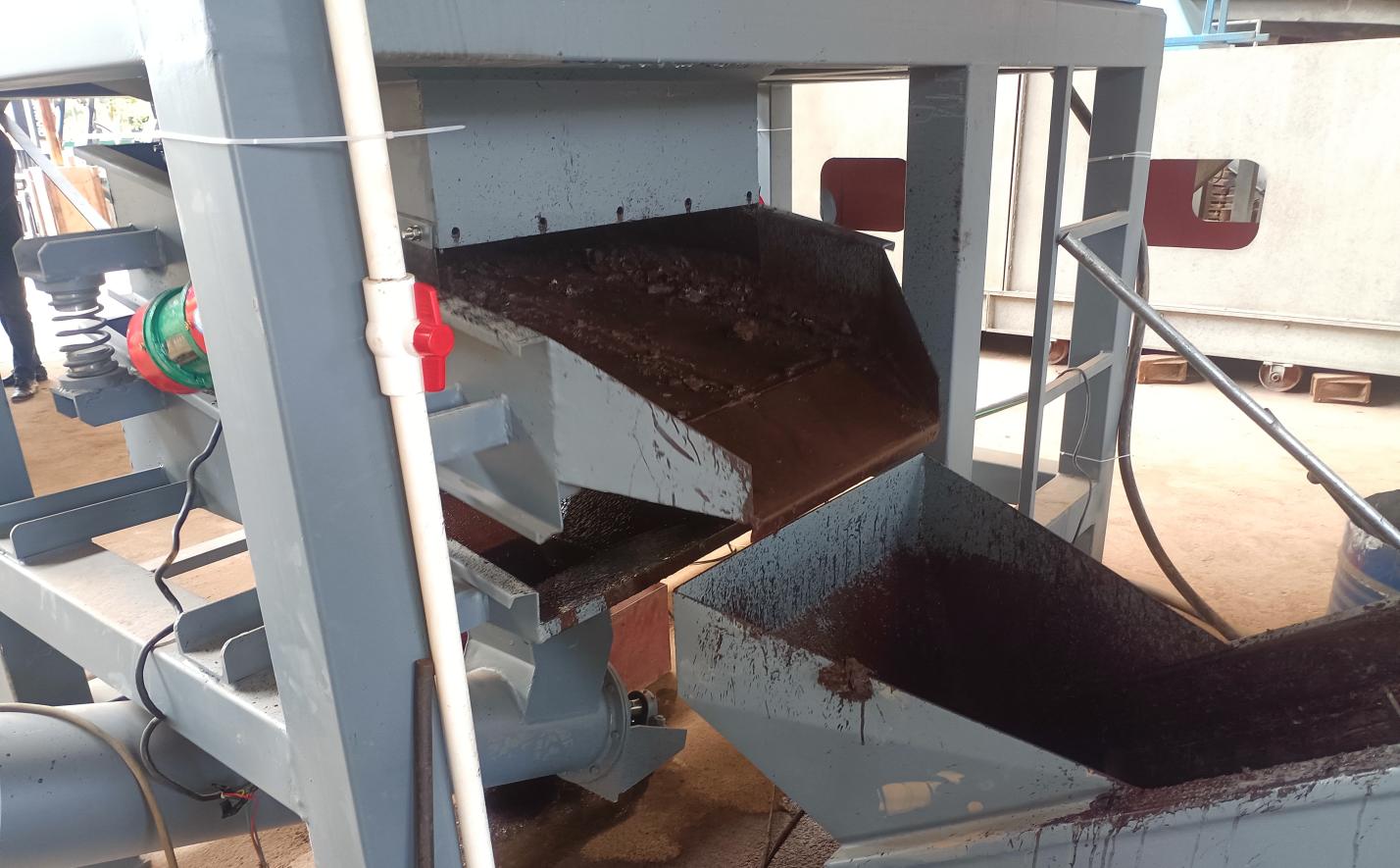
Every year, millions of electric motors reach the end of their service life — from industrial machinery and household appliances to automotive alternators and power tools. Inside each of these discarded motors lies a valuable core: copper windings tightly embedded within a steel stator. For scrap metal recyclers, the question is not whether these motors contain value, but how to extract that value efficiently and profitably. The answer lies in specialized motor stator cutter equipment designed to dismantle motor stators and recover copper with precision and speed.
The Hidden Economics of Motor Stator Recycling
Copper is one of the most sought-after recycled metals, consistently commanding strong prices on the global commodities market. A single industrial motor stator can contain several kilograms of high-grade copper winding. However, traditional manual dismantling methods — hammering, chiseling, or burning off insulation — are labor-intensive, time-consuming, and often result in damaged or contaminated copper that fetches a lower price.
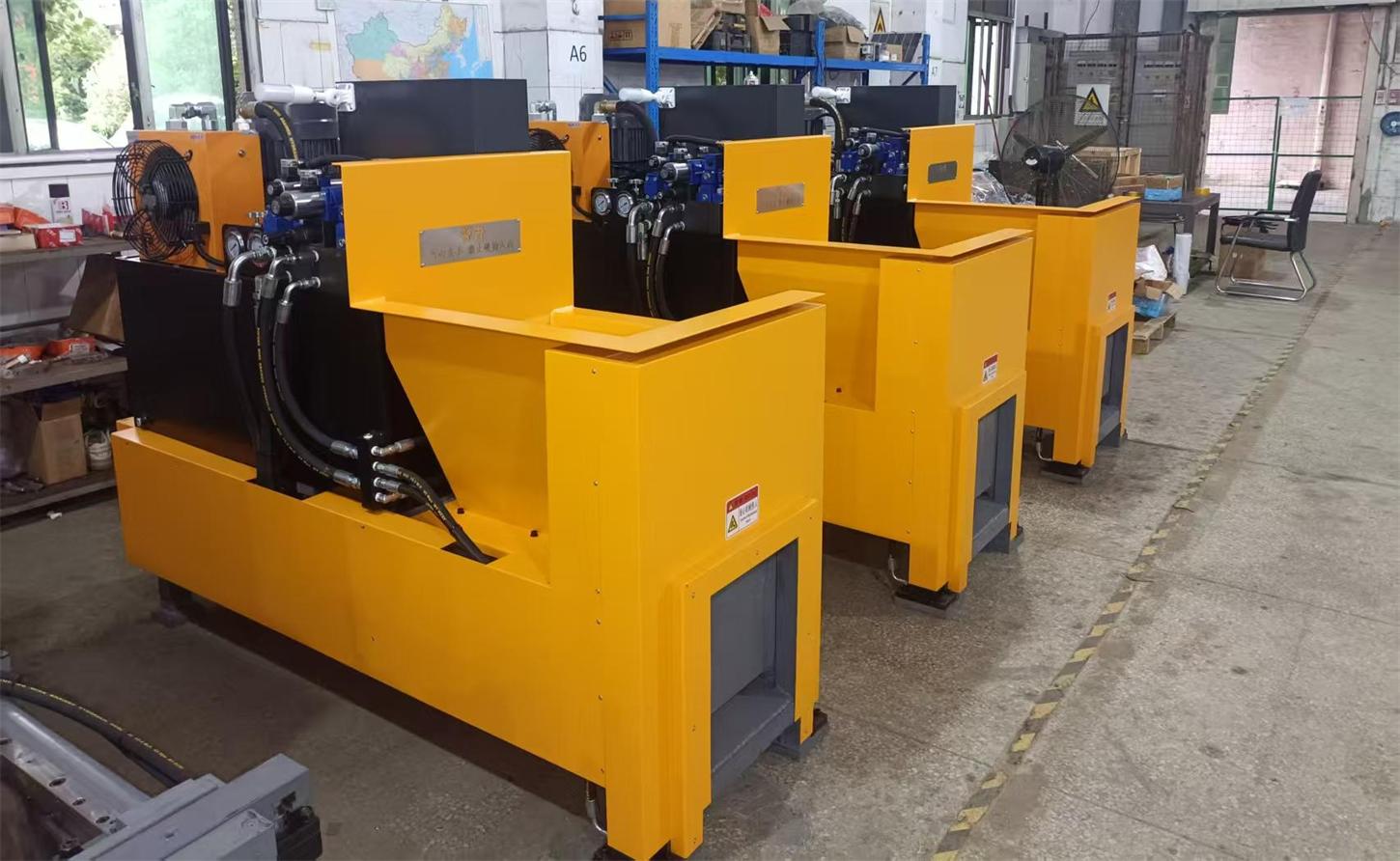
Using purpose-built motor recycling machines equipment changes this equation entirely. A hydraulic stator cutter can break open the cylindrical iron core and separate the copper winding in a matter of seconds, preserving the copper's quality while dramatically reducing labor costs. For recycling facilities processing dozens or hundreds of motors per day, the productivity gains translate directly into higher profit margins.
How a Motor Stator Cutter Works
A motor stator cutter operates on a straightforward but powerful principle. The machine uses a hydraulic system to drive a cutting blade that slices through the stator's iron core. Once the cylindrical core is split into two halves, the copper wire coil can be easily removed from the iron. Unlike manual methods that demand strenuous physical labor and expose workers to sharp edges and heavy components, a hydraulic cutter handles the heavy work with precision and consistency.
Modern stator cutters are built to handle a wide range of motor sizes — from small household appliance motors to large industrial units weighing hundreds of kilograms. The key advantage is repeatability: each cut is clean and uniform, and the recovered copper remains intact and uncontaminated, maximizing its resale value.
Beyond Motors: Building a Complete Recycling Line
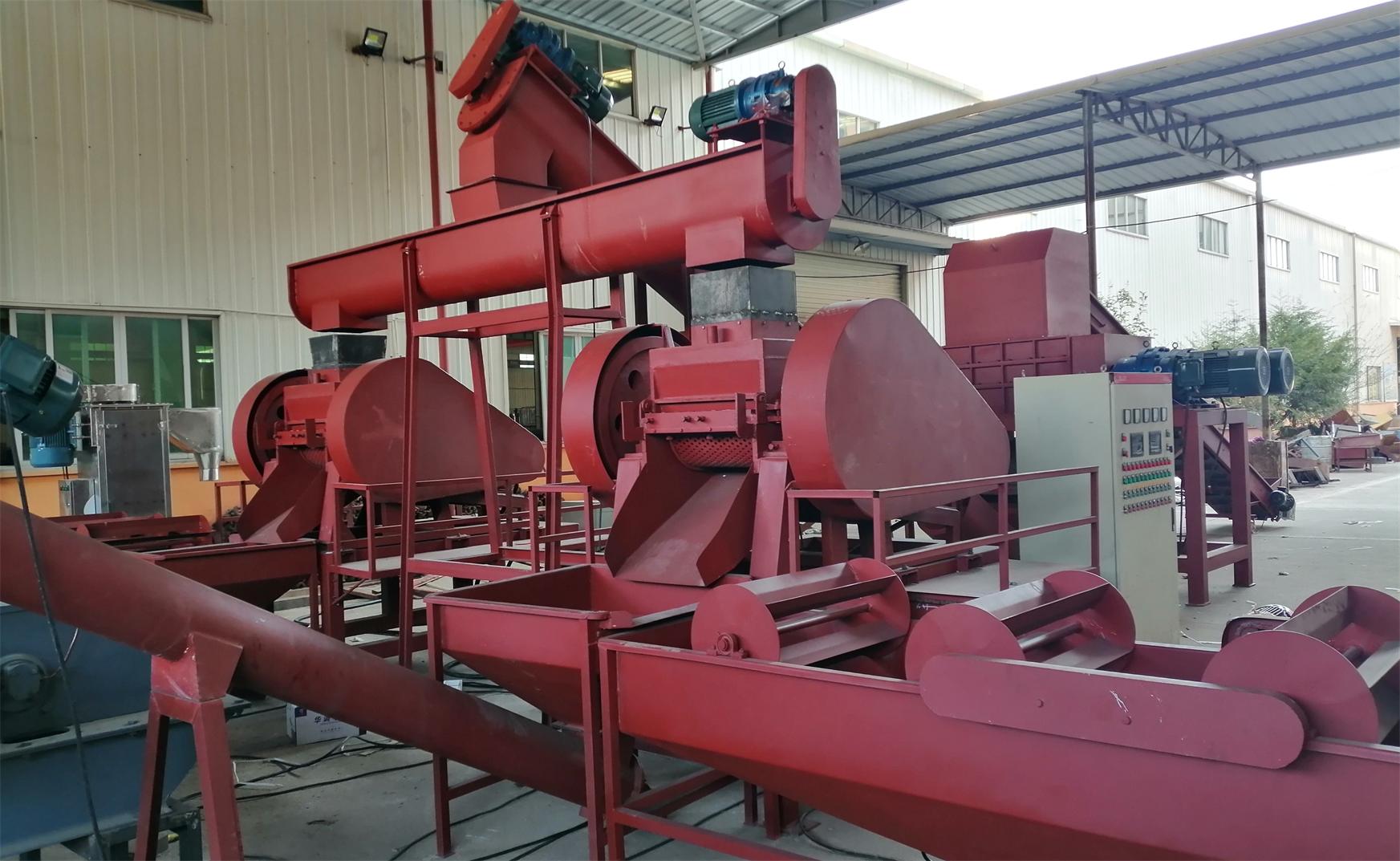
For recyclers looking to scale their operations, motor stator recycling is just one piece of a larger puzzle. A fully equipped e-waste recycling facility typically integrates multiple processing stations. For instance, after recovering copper from motor stators, the same facility might also process scrap cables using specialized cable recycling equipment — cable strippers and granulators that separate copper or aluminum conductors from their plastic or rubber insulation.
This integrated approach maximizes the value recovery from every incoming load of scrap. A facility that handles both motors and cables can centralize its copper output, streamlining sales to metal refineries and commanding better bulk pricing. Furthermore, combining different types of recycling machinery under one roof reduces the per-unit processing cost and increases overall plant throughput.
What to Look for When Choosing Motor Recycling Equipment
When evaluating motor recycling machines equipment, several factors deserve careful consideration:
- Processing range: The machine should accommodate the variety of motor sizes in your input stream. Stators come in diameters ranging from under 100mm to over 500mm. Confirm that the cutter can handle your typical workload without requiring frequent adjustments or tooling changes.
- Hydraulic power and reliability: The hydraulic system is the heart of a stator cutter. Look for robust construction, quality seals and hoses, and sufficient tonnage to cut through hardened steel laminations without stalling.
- Safety features: Cutting motors involves heavy components, sharp edges, and high hydraulic pressures. Well-designed machines incorporate protective guarding, emergency stop buttons, and stable base frames to prevent accidents.
- After-sales support and spare parts: Even the best-built machine requires occasional maintenance. The manufacturer should provide readily available replacement blades, technical documentation, and responsive support — ideally with remote troubleshooting capability and video guidance for common procedures.
- Customization potential: Every recycling operation has unique requirements. The ability to customize machine specifications — blade dimensions, stroke length, clamping force — ensures the equipment fits seamlessly into your existing workflow rather than forcing you to adapt your processes around the machine.
Why Work with an Experienced Manufacturer
The e-waste recycling machinery industry has matured significantly over the past two decades, but not all suppliers offer the same level of expertise. An experienced manufacturer brings more than just hardware — they bring domain knowledge accumulated across hundreds of projects in different countries and operating environments.
A manufacturer with over 15 years of specialization in e-waste recycling equipment has likely encountered and solved a wide range of operational challenges. This translates into machines that are refined through real-world feedback rather than designed purely on a drawing board. Additionally, established manufacturers typically offer EPC (Engineering, Procurement, and Construction) project capabilities, meaning they can design an entire recycling plant layout, supply all necessary equipment from a single source, and send engineers to oversee installation and commissioning on site. This one-stop approach eliminates the coordination headaches that arise when sourcing different machines from multiple suppliers.
Beyond equipment supply, comprehensive manufacturers can assist with sourcing scrap materials for processing, connecting you with reliable channels for purchasing waste cable scrap, PCB scrap, or used lead acid batteries. On the output side, they may also help you find buyers for the recovered products — copper rice, copper powder, or lead ingots — ensuring your recycling business has both a steady input supply and a reliable revenue stream.
The Environmental Imperative
Recycling electric motors is not just a profitable business — it is an environmentally responsible practice with growing regulatory support worldwide. Copper mining and smelting are energy-intensive processes that generate significant carbon emissions and environmental disturbance. Each ton of copper recovered from scrap motors displaces the need for newly mined copper, conserving natural resources and reducing the overall environmental footprint of metal production.
As governments around the world tighten regulations on electronic waste disposal and set higher recycling targets, the demand for efficient, compliant recycling equipment continues to rise. Investing in proper motor stator recycling machinery positions your business ahead of these regulatory trends, ensuring long-term operational viability.
Whether you are starting a new motor recycling operation or upgrading an existing facility, the right equipment makes all the difference. San Lan Technologies Co., Ltd, based in Ganzhou, Jiangxi Province, China, has been manufacturing specialized e-waste and battery recycling machinery since 2007. With customers across more than 21 countries — including Mexico, South Africa, India, and Malaysia — San Lan offers a complete range of recycling solutions backed by a professional engineering team with over 15 years of experience. To learn more about their motor stator cutter equipment or any other recycling machinery, visit www.san-lan.com or contact their team directly at info@san-lan.com.