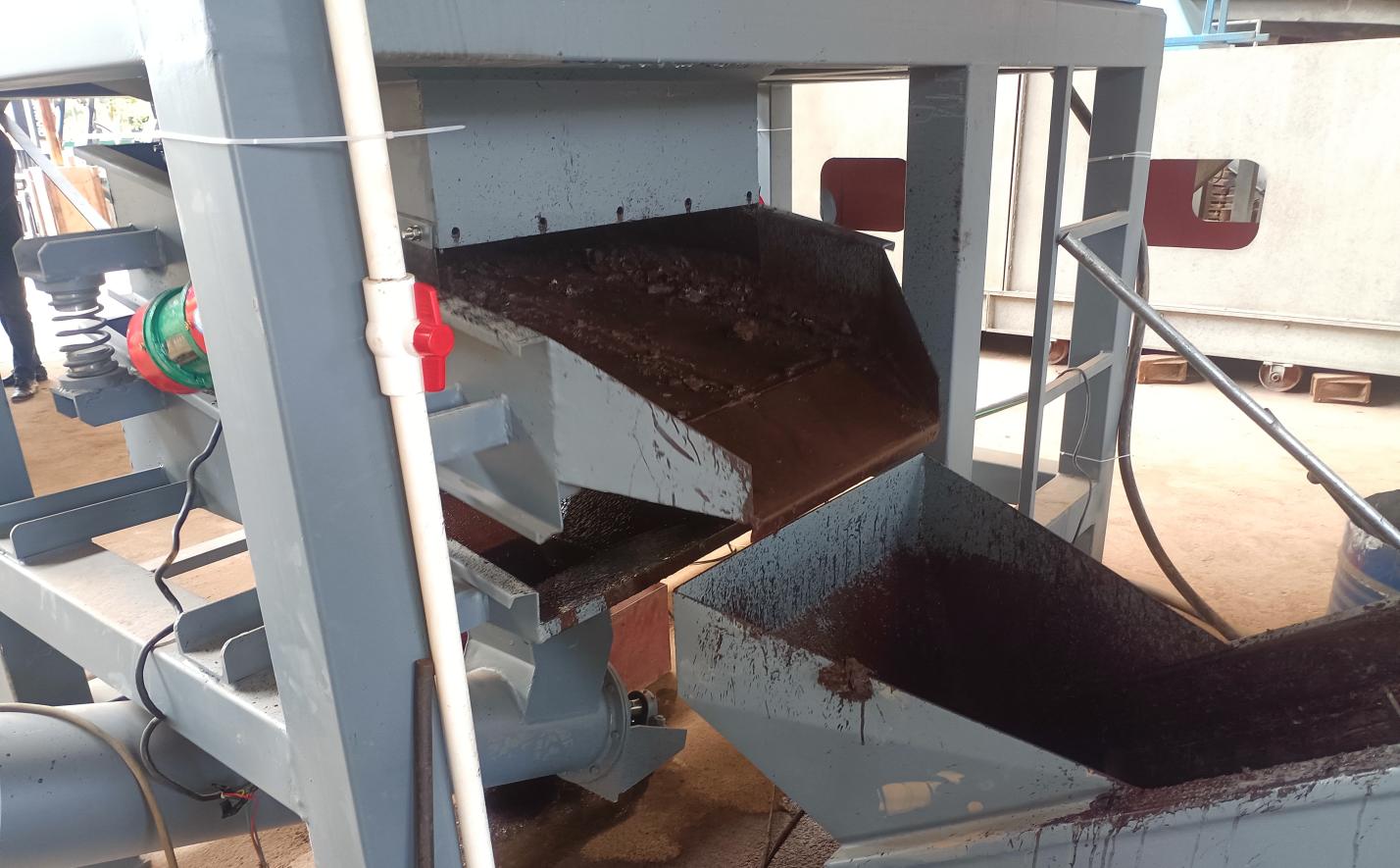
In the quiet hum of a recycling plant, where the clang of metal and whir of machinery once dominated, a subtler transformation is underway. Walk through the doors of a modern lead acid battery recycling facility today, and you'll notice something missing: the acrid smell of sulfur dioxide, the faint haze of particulate matter, and the lingering worry of regulatory penalties. This shift isn't accidental—it's the direct result of sweeping new environmental policies that are reshaping the landscape of waste management, particularly in the realm of battery recycling. At the heart of this change lies a critical process: lead paste desulfurization. Once a niche technical step, it has now become a cornerstone of compliance, sustainability, and profitability for businesses navigating an era of stricter environmental accountability.
Lead acid batteries, found in everything from cars to backup power systems, are workhorses of modern life. But their disposal poses a unique challenge: each battery contains lead plates, sulfuric acid, and lead paste—a sticky, toxic mixture rich in lead sulfate. For decades, recycling these batteries often meant cutting corners: crude smelting processes released sulfur dioxide into the air, lead leached into soil and water, and communities near recycling plants faced elevated health risks. Then came the policies. From the EU's Battery Regulation to the U.S. EPA's updated emissions standards and China's stringent environmental protection laws, governments worldwide are cracking down on pollution, mandating cleaner processes, and demanding greater transparency in waste management. For recycling facilities, the message is clear: adapt or face fines, shutdowns, or loss of market access.
This article explores how these new environmental policies are not just forcing change but actively accelerating the adoption of lead paste desulfurization technology. We'll dive into why this process is critical, how policies are driving its uptake, the role of advanced recycling equipment in making compliance achievable, and the real-world impact on businesses and communities. Whether you're a plant operator, an environmental advocate, or simply someone curious about the intersection of policy and technology, this is the story of how regulation is turning a once-overlooked step into a linchpin of sustainable recycling.
The Hidden Challenge in Lead Acid Battery Recycling: Why Desulfurization Matters
To understand why lead paste desulfurization has become a buzzword in recycling circles, let's start with the basics of lead acid battery recycling. When a lead acid battery reaches the end of its life, it's not just trash—it's a treasure trove of recoverable materials. The lead plates can be melted down and reused, the plastic casing recycled into new products, and even the sulfuric acid can be neutralized or repurposed. But there's a catch: the lead paste.
Lead paste, the dark, paste-like substance coating the battery's plates, is roughly 60-70% lead sulfate. When traditional recycling methods skip desulfurization, this lead sulfate is often sent straight to a smelting furnace. The problem? Lead sulfate breaks down at high temperatures, releasing sulfur dioxide (SO₂)—a pungent gas that contributes to acid rain, respiratory illnesses, and ozone layer depletion. Even worse, without proper treatment, lead particles can escape into the air or leach into water, posing severe health risks, especially to children, who are vulnerable to lead poisoning.
Before the latest environmental policies, many recycling plants either ignored desulfurization or used inefficient, outdated methods. Some relied on "wet desulfurization," which involved mixing the paste with chemicals like sodium carbonate to create lead carbonate and sodium sulfate, but this process was water-intensive and generated large amounts of wastewater. Others skipped it entirely, gambling that lax enforcement would let them avoid the cost of upgrading equipment. But as policies have tightened, these shortcuts have become unsustainable.
Enter modern lead paste desulfurization units. These systems are designed to remove sulfur from the lead paste before smelting, converting lead sulfate into more stable lead compounds (like lead oxide or lead carbonate) and capturing sulfur as a byproduct (such as sodium sulfate, which can be sold for industrial use). The result? Dramatically lower SO₂ emissions, reduced lead leaching, and a cleaner, more efficient recycling process. For recycling facilities, this isn't just about compliance—it's about turning a liability into an asset.
From Paper to Practice: How New Environmental Policies Are Mandating Change
Environmental policies have always played a role in shaping industrial practices, but in recent years, their focus on battery recycling has intensified. This shift is driven by two urgent realities: the exponential growth in battery waste (global lead acid battery demand is projected to reach 150 GWh by 2030) and the mounting evidence of the environmental and health toll of unregulated recycling. Let's take a closer look at the policies that are making lead paste desulfurization no longer optional.
Stricter Emissions Standards: The "Polluter Pays" Principle in Action
One of the most impactful policy changes is the tightening of emissions limits for sulfur dioxide, lead, and particulate matter. For example, the U.S. EPA's National Emission Standards for Hazardous Air Pollutants (NESHAP) now requires lead acid battery recycling facilities to limit SO₂ emissions to less than 50 parts per million (ppm) in stack gases—a far cry from the 200+ ppm levels common in unregulated plants. Similarly, the EU's Industrial Emissions Directive (IED) sets strict limits on lead emissions, mandating Best Available Techniques (BAT) that explicitly include desulfurization as a key step.
These standards aren't just numbers on a page. Regulatory bodies now conduct regular on-site inspections, using continuous emissions monitoring systems (CEMS) to track compliance. Facilities that fail to meet the limits face hefty fines—often in the hundreds of thousands of dollars—or temporary shutdowns. For small to mid-sized recyclers, these penalties can be existential. As a result, many are now asking: How can we meet these standards without breaking the bank? The answer, increasingly, lies in investing in de-sulfurization machines equipment and air pollution control system equipment.
Mandatory Recycling Quotas and Extended Producer Responsibility (EPR)
Another policy lever driving change is the rise of Extended Producer Responsibility (EPR) laws. Under EPR, battery manufacturers are legally required to take responsibility for their products' entire lifecycle—including collection and recycling. For example, China's "Regulations on the Management of the Recovery and Utilization of Waste Lead-Acid Batteries," implemented in 2021, requires producers to fund recycling programs and ensure a minimum recycling rate (currently 90% for lead acid batteries). The EU's Battery Regulation, which took effect in 2023, goes further, mandating that by 2030, 70% of lead from waste batteries must be recycled into new batteries.
For producers, meeting these quotas means partnering with recycling facilities that can efficiently recover high-purity lead. And here's the link to desulfurization: lead paste that undergoes desulfurization yields lead with higher purity (often 99.99% or better), making it more valuable for reuse in new batteries. Producers are therefore increasingly prioritizing recyclers that use advanced lead acid battery recycling equipment with integrated desulfurization, creating a market incentive for facilities to upgrade.
Incentives for Green Technology Adoption
Policies aren't just punitive—they're also encouraging innovation through incentives. Governments worldwide are offering tax breaks, grants, or low-interest loans to businesses that invest in clean recycling technologies. For instance, the U.S. Department of Energy's (DOE) Advanced Manufacturing Office provides funding for projects that develop "circular economy" solutions, including lead paste desulfurization. In the EU, the Horizon Europe program offers grants for research into sustainable battery recycling, with a focus on reducing environmental impact.
These incentives are critical for recyclers hesitant to invest in new equipment. A typical de-sulfurization unit, paired with air pollution control system equipment, can cost anywhere from $200,000 to $1 million, depending on capacity. But with government support, the upfront cost becomes manageable, and the return on investment—through compliance, higher material purity, and lower waste disposal costs—becomes clear.
Key Environmental Policies Driving Lead Paste Desulfurization Adoption
| Policy/Region | Key Requirement | Impact on Desulfurization Adoption |
|---|---|---|
| U.S. EPA NESHAP | SO₂ emissions ≤ 50 ppm; lead emissions ≤ 0.1 mg/m³ | Mandates use of desulfurization to reduce stack emissions |
| EU Industrial Emissions Directive (IED) | Requires Best Available Techniques (BAT) for lead recycling | BAT guidelines explicitly recommend desulfurization as a core step |
| China Waste Lead-Acid Battery Regulations | 90% recycling rate; producer-funded collection programs | Drives demand for high-purity lead, boosting desulfurization adoption |
| EU Battery Regulation | 70% lead recycling rate by 2030; EPR for producers | Producers prioritize recyclers with desulfurization to meet purity standards |
Beyond Compliance: How Advanced Recycling Equipment Makes Desulfurization Accessible
While environmental policies provide the "why" behind desulfurization adoption, the "how" lies in the hands of recycling equipment suppliers. Today's leading providers offer integrated lead acid battery recycling equipment that combines desulfurization, smelting, and pollution control into seamless systems, making it easier for facilities to upgrade. Let's explore the key pieces of equipment that are turning policy mandates into operational reality.
De-sulfurization Machines: The Heart of the Process
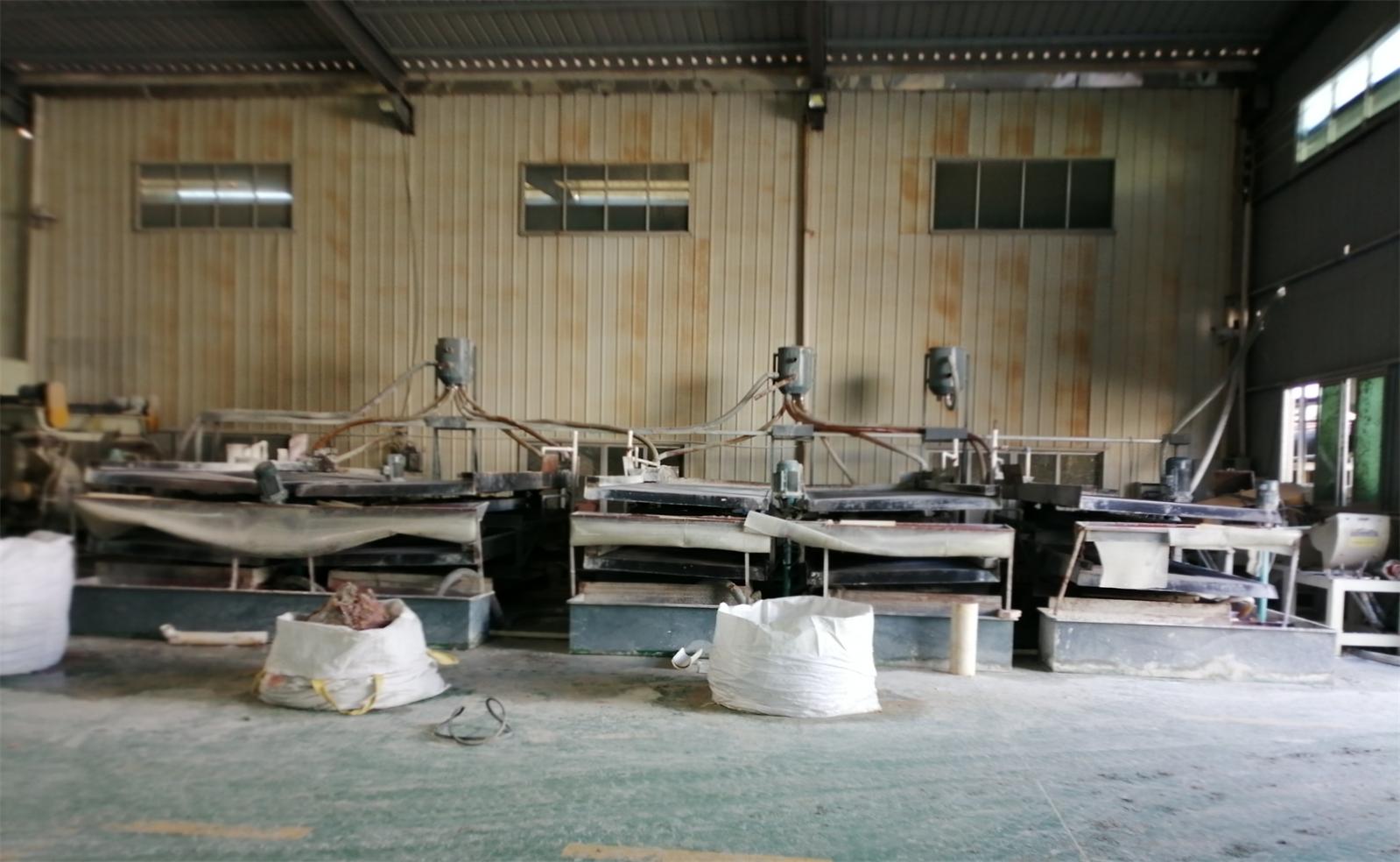
At the core of any modern lead acid battery recycling line is the de-sulfurization machine. These units are designed to chemically react with lead paste, breaking down lead sulfate into more stable compounds. The most common method today is "alkaline desulfurization," which uses a solution of sodium hydroxide (NaOH) or sodium carbonate (Na₂CO₃) to convert lead sulfate into lead hydroxide or lead carbonate, respectively, while capturing sulfur as sodium sulfate (a valuable byproduct used in detergents, glass manufacturing, and textiles).
Modern de-sulfurization machines equipment is highly automated, with features like PLC control systems, real-time pH monitoring, and automatic chemical dosing. This automation ensures consistent results—critical for meeting emissions standards—and reduces the need for manual labor. For example, a mid-sized desulfurization unit can process 500-1,000 kg of lead paste per hour, with sulfur removal efficiencies exceeding 95%. This level of performance wasn't possible a decade ago, but today's technology makes it accessible even for smaller recycling plants.
Air Pollution Control System Equipment: The Final Line of Defense
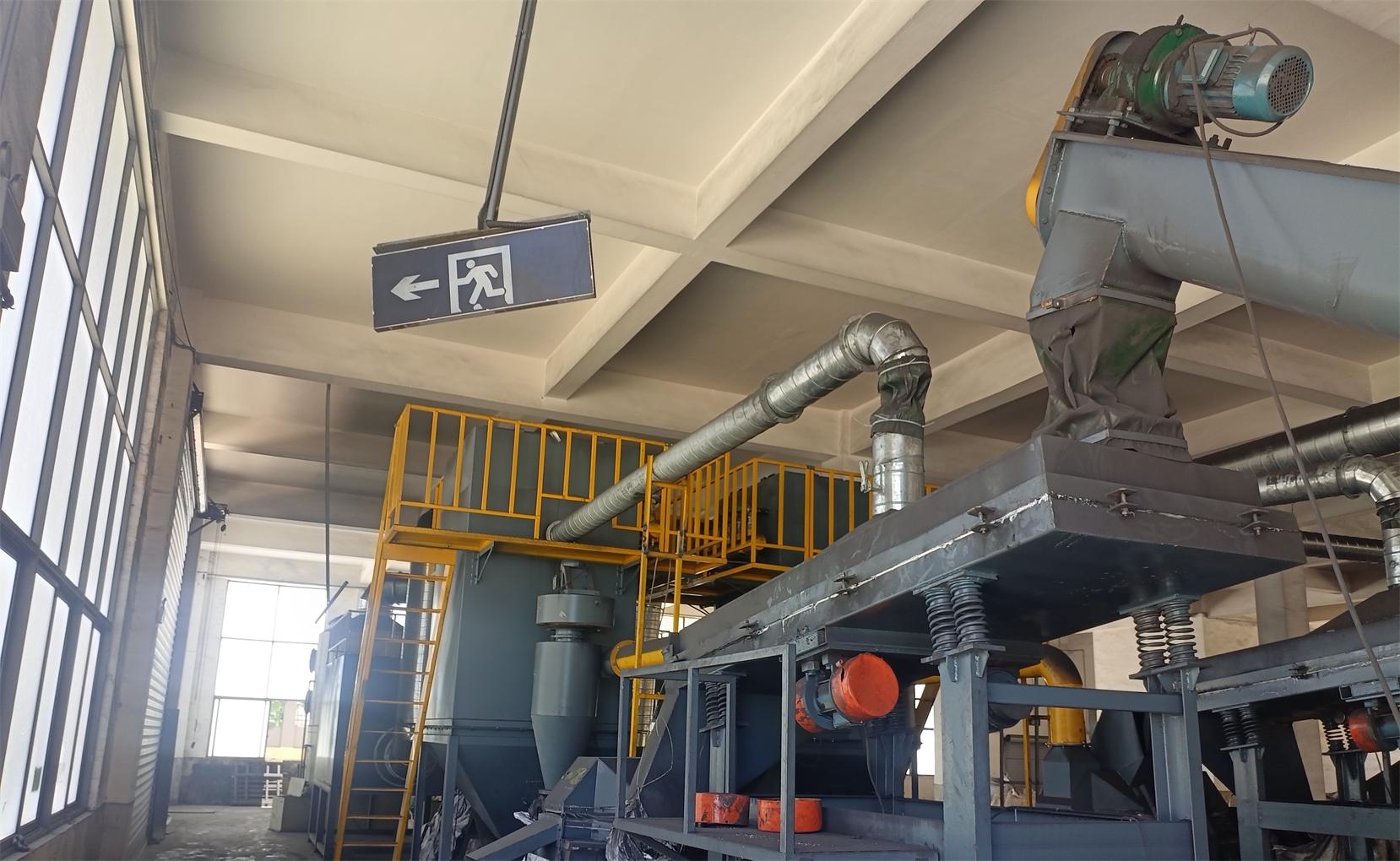
Even with desulfurization, no recycling process is 100% emissions-free. That's where air pollution control system equipment comes in. These systems work in tandem with desulfurization units to capture any remaining sulfur dioxide, lead particulates, or other pollutants before they're released into the atmosphere. Common components include wet scrubbers (which use water or chemical solutions to trap gases), baghouses (fabric filters that capture particulates), and activated carbon adsorption units (for volatile organic compounds, or VOCs).
For lead acid battery recyclers, investing in high-quality air pollution control system equipment isn't just about compliance—it's about protecting their workers and surrounding communities. A well-designed system can reduce lead emissions to below 0.05 mg/m³, far below regulatory limits, and eliminate the acrid odors that once made recycling plants neighborhood nuisances. As one plant manager in Ohio put it: "After installing the new air pollution control system, we no longer get complaints from residents. Our employees don't come home with headaches. It's a win-win."
Filter Press Equipment: Managing Wastewater and Byproducts
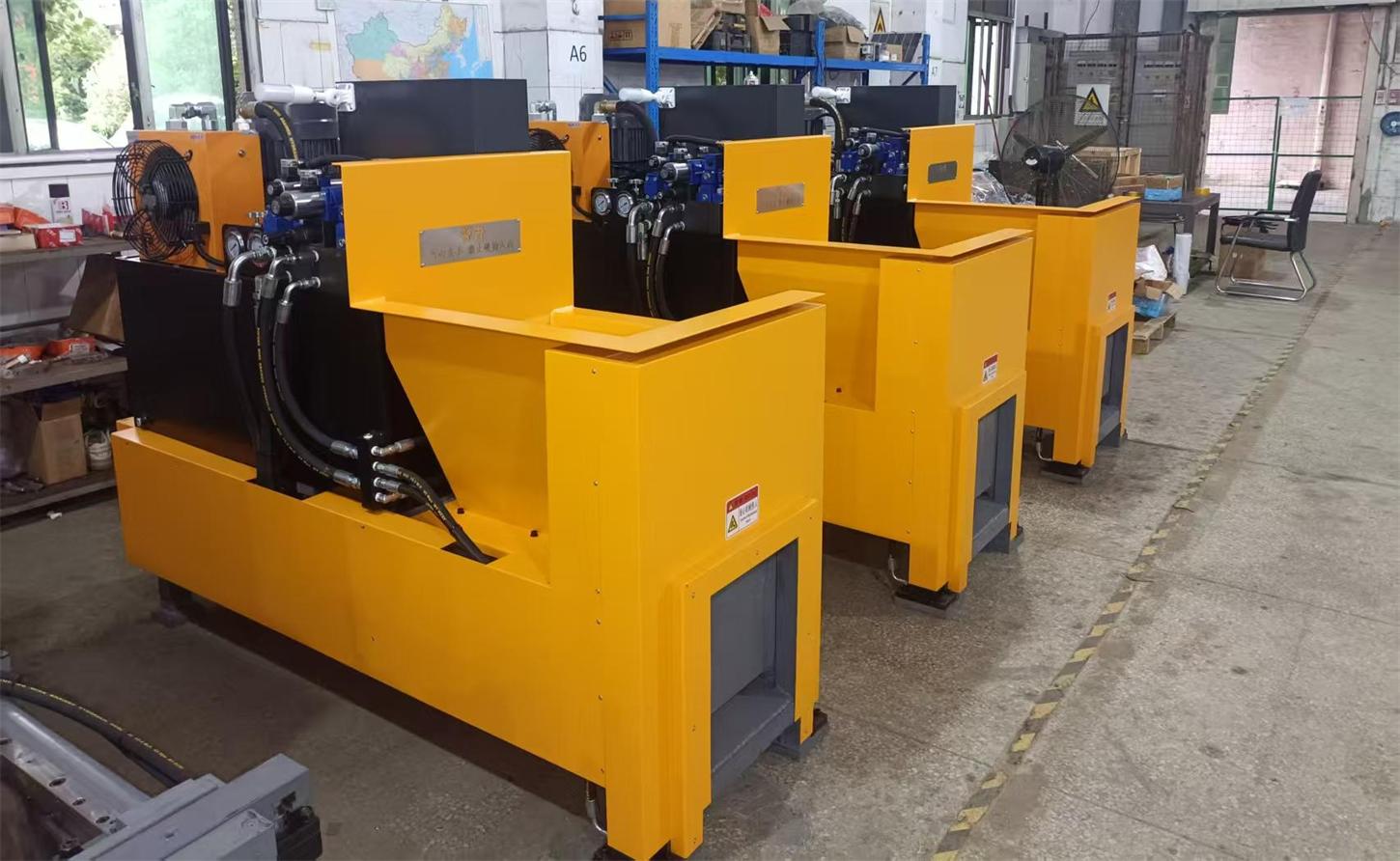
Desulfurization generates a slurry of solid lead compounds and liquid byproducts (like sodium sulfate solution). To separate these, recycling facilities rely on filter press equipment. Filter presses use hydraulic pressure to squeeze the slurry through porous filters, producing a dry cake of lead compounds (ready for smelting) and a clear liquid (which can be recycled back into the desulfurization process or treated and discharged).
Modern filter press equipment is designed for efficiency, with automated cake discharge and minimal water usage. This not only reduces waste but also lowers operating costs—a critical factor for recyclers watching their bottom line. For example, a fully automated filter press can process 10-20 m³ of slurry per hour, with cake moisture content as low as 15% (meaning less energy is needed to dry the lead compounds before smelting).
Integrated Lead Acid Battery Recycling Equipment: A One-Stop Solution
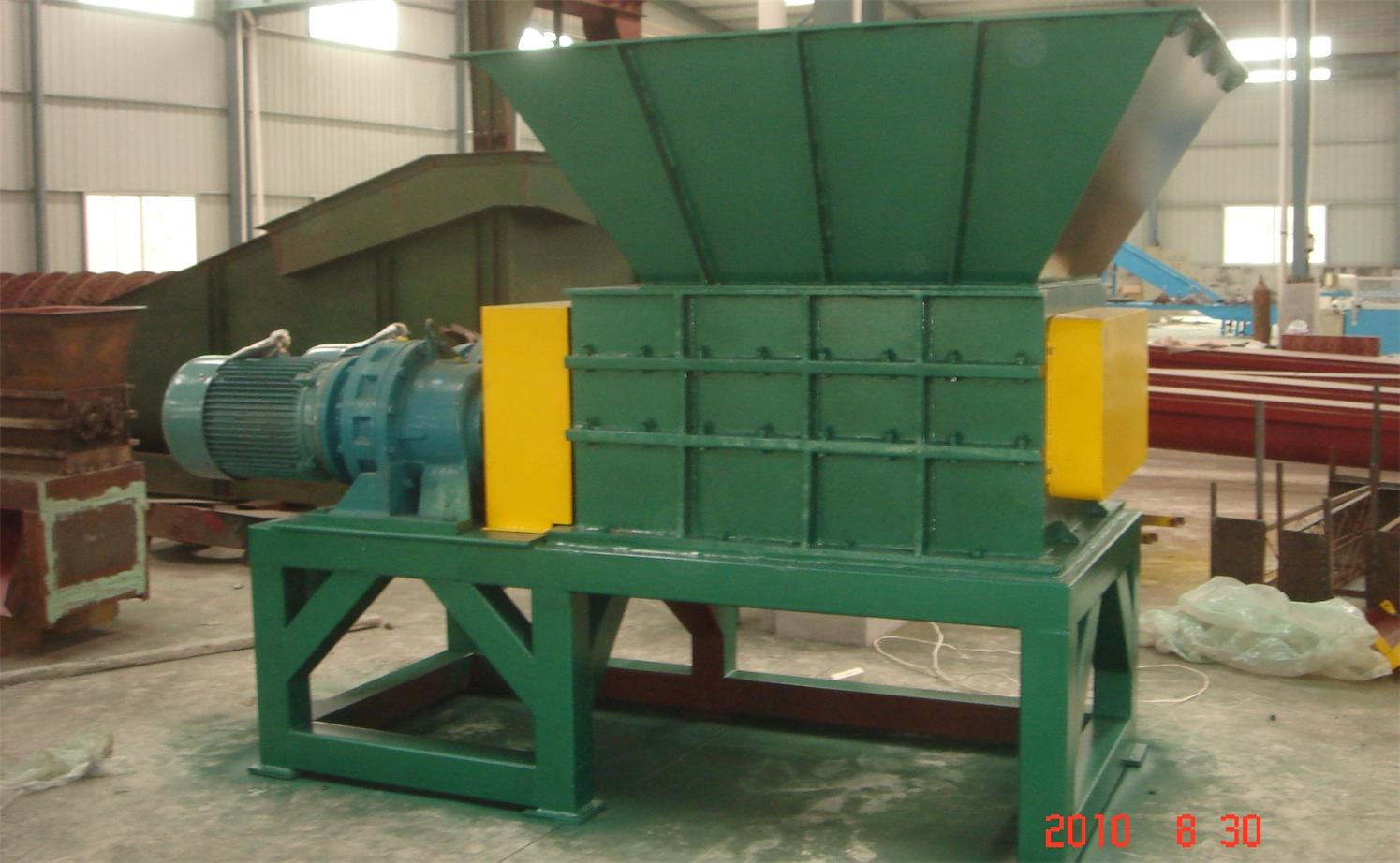
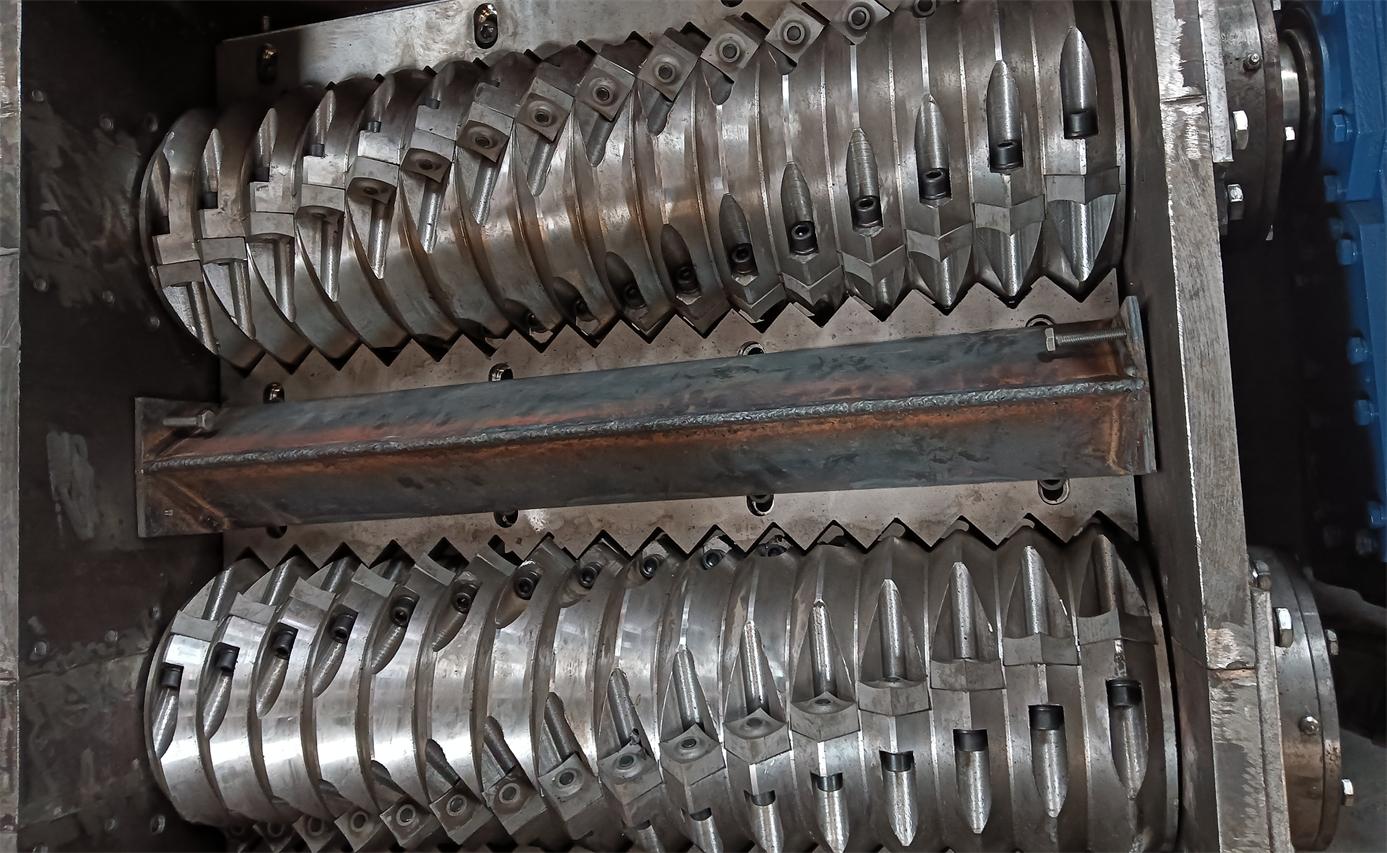
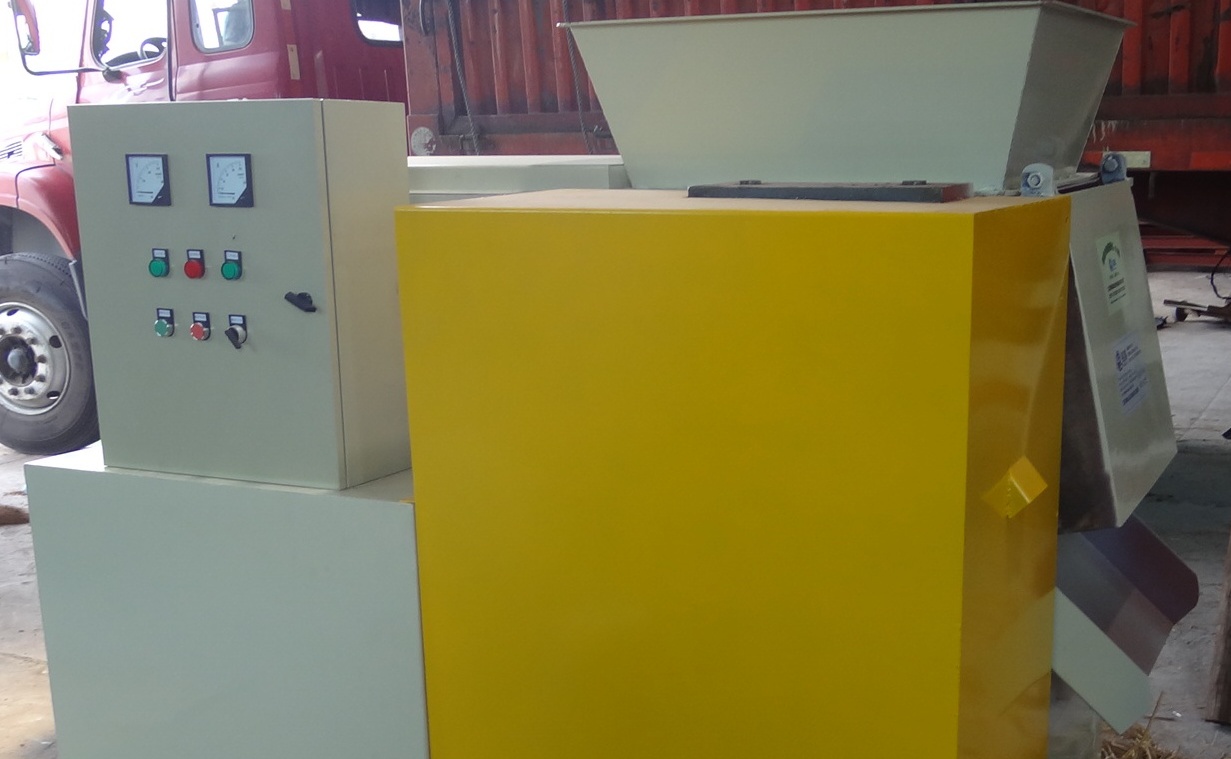
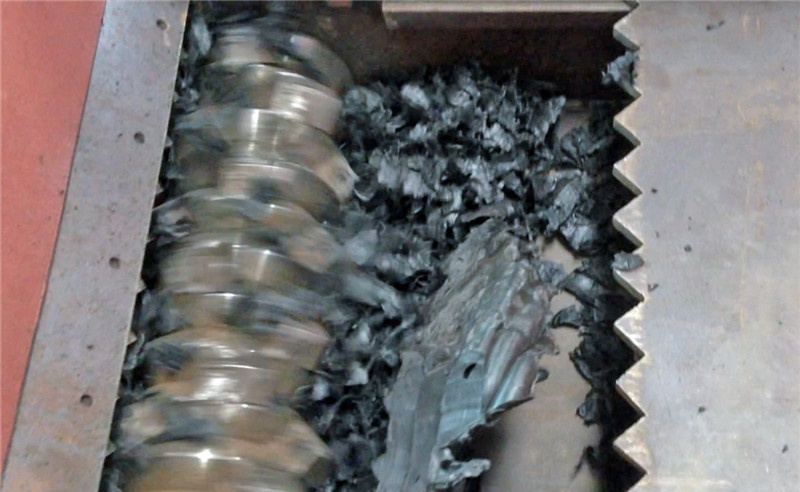
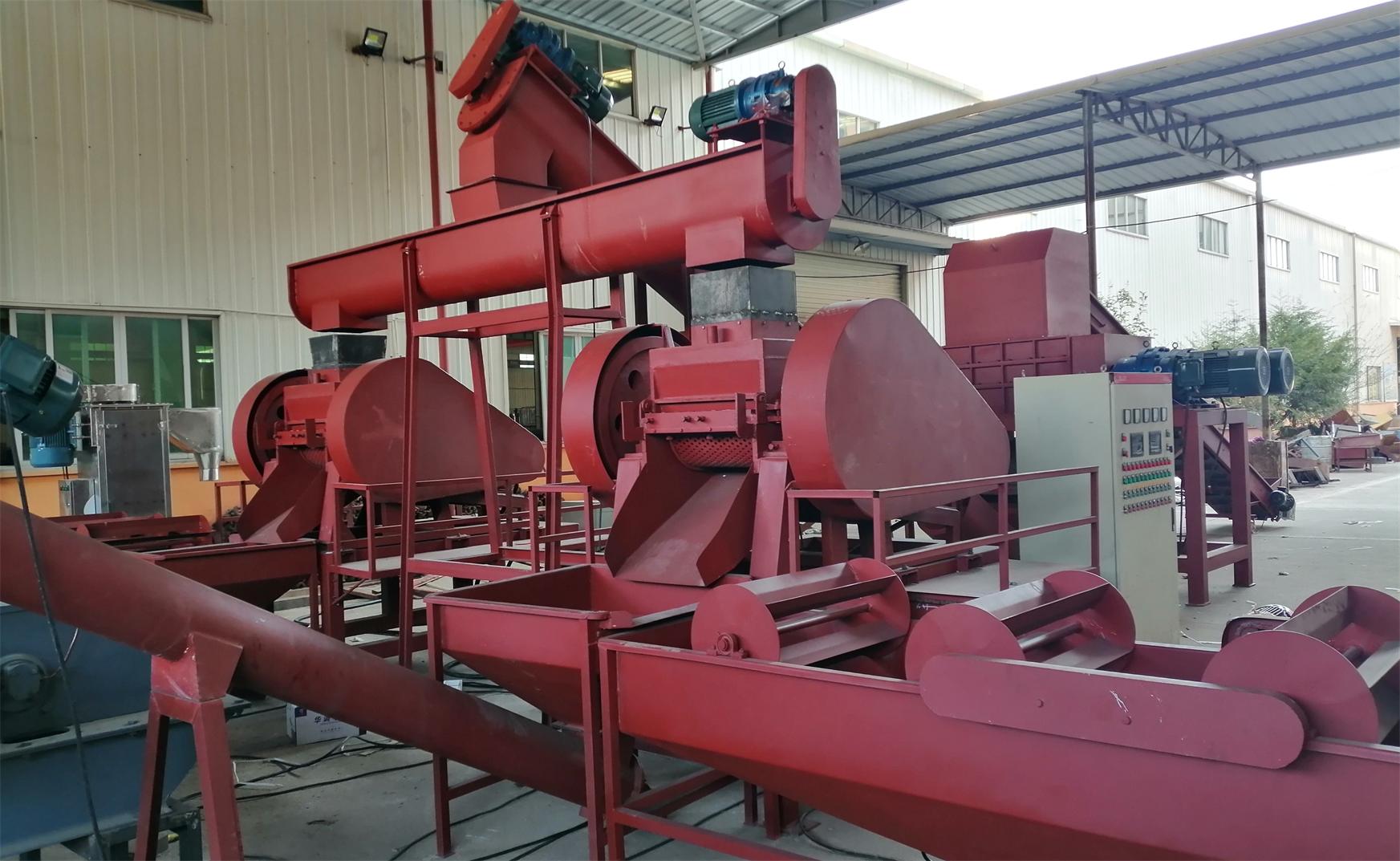
Recognizing that many recyclers lack the expertise to piece together individual equipment components, leading suppliers now offer turnkey lead acid battery recycling equipment systems. These systems integrate battery breaking and separation, desulfurization, filter pressing, smelting, and air pollution control into a single, cohesive process. For example, a complete line might start with a lead acid battery breaking and separation system (which shreds batteries and separates lead plates, paste, and plastic), feed the paste into a desulfurization unit, process the slurry through a filter press, and then send the dried lead cake to a smelting furnace—all while air pollution control systems monitor and clean emissions at every step.
This integration simplifies compliance. By purchasing a pre-engineered system, recyclers can be confident that all components work together to meet regulatory standards, reducing the risk of costly retrofits later. It also speeds up installation: a turnkey system can be up and running in 6-12 months, compared to 18+ months for custom-built setups.
From Fines to Profit: A Real-World Example of Desulfurization Adoption
To understand the tangible impact of these policies and technologies, let's look at a case study: a mid-sized lead acid battery recycler in the Midwest U.S. we'll call "GreenCycle Recycling." Before 2022, GreenCycle operated with a basic recycling line: it broke down batteries, separated the lead plates and paste, and sent both to a smelting furnace without desulfurization. The result? SO₂ emissions regularly exceeded 300 ppm, and lead emissions hovered around 0.3 mg/m³—well above EPA limits. In 2021, the EPA conducted an inspection and hit GreenCycle with a $250,000 fine, warning that further violations could lead to a shutdown.
Faced with this threat, GreenCycle's leadership knew they needed to act. After researching options, they partnered with a supplier of lead acid battery recycling equipment to install a complete system: a lead acid battery breaking and separation system, a de-sulfurization machine, a filter press, and an air pollution control system. The total investment was $850,000, partially offset by a $200,000 grant from the DOE's Advanced Manufacturing Office.
The results were transformative. Within six months of installation, GreenCycle's SO₂ emissions dropped to 35 ppm, and lead emissions to 0.04 mg/m³—both well below regulatory limits. The plant avoided further fines and, equally importantly, improved its reputation with local communities and battery producers. Producers, eager to meet EPR quotas, began sending more waste batteries to GreenCycle, increasing its feedstock by 40%. Meanwhile, the sodium sulfate byproduct from desulfurization generated an additional $50,000 in annual revenue.
Today, GreenCycle's CEO, Maria Gonzalez, calls the upgrade "the best decision we ever made." "We went from fearing shutdowns to being a model for sustainable recycling," she says. "The equipment paid for itself in two years, thanks to increased throughput, byproduct sales, and avoided fines. And our employees are happier—they no longer worry about working in a toxic environment."
GreenCycle's story isn't unique. Across the globe, similar transformations are happening as recyclers realize that compliance with environmental policies isn't just a burden—it's an opportunity to improve efficiency, attract customers, and build a more sustainable business.
Looking Ahead: The Future of Lead Paste Desulfurization and Beyond
As environmental policies continue to tighten, the adoption of lead paste desulfurization is poised to accelerate. But this is just the beginning. The same regulatory pressures driving change in lead acid battery recycling are also shaping other sectors, from lithium-ion battery recycling to circuit board recycling. For example, the EU's Battery Regulation includes strict provisions for lithium-ion battery recycling, requiring recyclers to recover 95% of cobalt and 90% of lithium by 2030—goals that will likely drive demand for advanced separation and extraction technologies, much like desulfurization in lead recycling.
Innovation in desulfurization technology is also ongoing. Researchers are exploring new methods, such as "electrochemical desulfurization," which uses electricity to drive the reaction, potentially reducing chemical usage and wastewater generation. Suppliers are developing smaller, modular de-sulfurization machines equipment to serve micro-recycling facilities, making clean technology accessible to even the smallest operators.
Perhaps most importantly, the shift toward desulfurization is helping to redefine the recycling industry's identity. No longer seen as a "dirty" business, recycling is emerging as a key player in the circular economy—one that protects the environment, creates jobs, and ensures valuable resources are reused instead of wasted. As one industry expert put it: "Desulfurization isn't just about removing sulfur. It's about removing the stigma that recycling has to be harmful. It's proof that we can turn waste into wealth without costing the planet."
Conclusion: Policy, Technology, and the Path to Sustainable Recycling
New environmental policies are doing more than just regulating behavior—they're reshaping industries, driving innovation, and creating a roadmap for a more sustainable future. In the world of lead acid battery recycling, this transformation is embodied by the rise of lead paste desulfurization. What was once an optional step is now a necessity, thanks to stricter emissions standards, mandatory recycling quotas, and incentives for green technology.
For recycling facilities, the message is clear: investing in de-sulfurization machines equipment, air pollution control system equipment, and integrated lead acid battery recycling equipment isn't just about avoiding fines—it's about thriving in a world where sustainability is no longer a buzzword but a business imperative. As we've seen with GreenCycle and countless others, the payoff is real: cleaner air, healthier communities, higher profits, and a seat at the table in the circular economy.
As we look to the future, one thing is certain: the policies driving desulfurization adoption today are just the first wave. Tomorrow's regulations will demand even more from industries, pushing them to innovate further and embrace technologies that once seemed out of reach. For those willing to adapt, the reward will be a world where waste is not an end, but a new beginning.