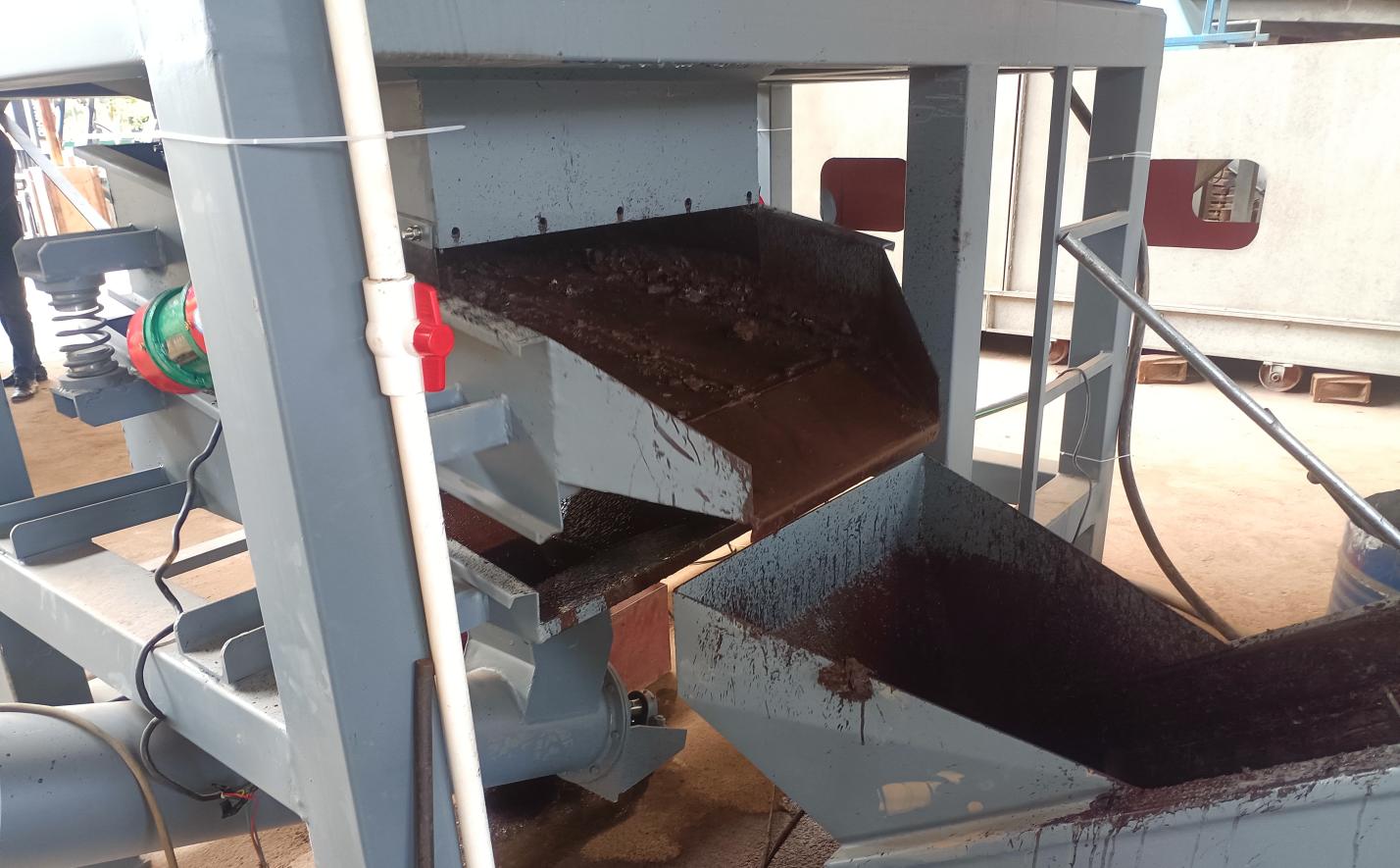
The Heartbeat of Recycling: Why Filter Press Reliability Matters
Walk into any modern recycling facility—whether it's processing lead acid batteries, circuit boards, or industrial waste—and you'll find a unsung hero working behind the scenes: the filter press. This unassuming piece of water process equipment plays a critical role in separating solids from liquids, ensuring that valuable materials are recovered efficiently and harmful contaminants are contained. In lead acid battery recycling equipment, for example, filter presses are tasked with separating lead paste from wastewater, a step that directly impacts both product quality and environmental compliance. But when this workhorse fails unexpectedly, the consequences ripple through the entire operation: production halts, costs skyrocket, and compliance risks escalate.
For plant managers and maintenance teams, reliability isn't just a buzzword—it's the backbone of profitability and sustainability. Yet traditional approaches to maintaining filter press equipment often fall short. Reactive maintenance—fixing problems only after they occur—leaves facilities vulnerable to costly downtime. Preventive maintenance, while better, relies on fixed schedules that may either waste resources (servicing equipment that doesn't need it) or miss early warning signs of failure. This is where predictive analytics steps in, transforming filter press systems from unpredictable assets into models of consistency.
The Hidden Costs of Unreliable Filter Presses
To understand why predictive analytics is a game-changer, let's first unpack the challenges of maintaining filter press reliability. These systems are subjected to harsh conditions: high pressure, corrosive chemicals, and constant wear from particulate-laden slurries. Over time, even minor issues can snowball into major failures:
- Clogged filter plates: A common issue in applications like lead paste separation, clogging reduces flow rates, increases energy consumption, and can lead to plate damage if left unaddressed.
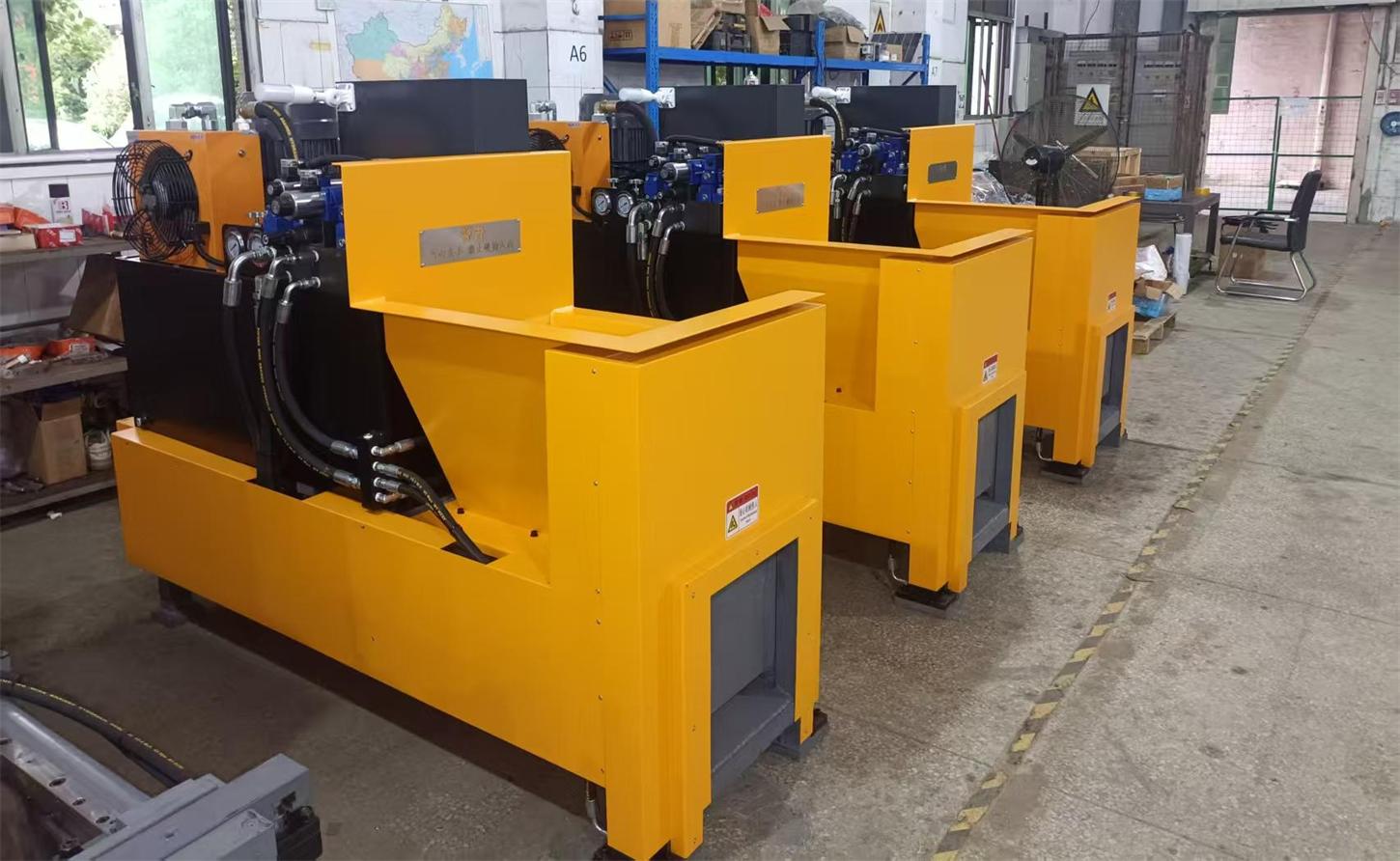
- Hydraulic system leaks: The hydraulic press machines equipment that powers filter presses is prone to seal degradation, leading to pressure loss and inconsistent performance.
- Frame misalignment: Over time, heavy loads can warp the filter press frame, causing uneven pressure distribution and premature wear on plates and membranes.
- Valve and pump failures: These components control slurry flow and pressure; a stuck valve or failing pump can disrupt the entire filtration cycle.
The costs of these failures are steep. A single unplanned shutdown of a filter press in a lead acid battery recycling plant can cost tens of thousands of dollars in lost production alone. Add in the expense of emergency repairs, environmental fines from non-compliant wastewater discharge, and the labor hours spent troubleshooting, and it's clear: reliability isn't just about keeping machines running—it's about protecting the bottom line.
From Reactive to Predictive: How Analytics Changes the Game
Predictive analytics shifts the paradigm from "fix it when it breaks" to "stop it before it breaks." At its core, it uses real-time data, machine learning, and statistical modeling to forecast when a filter press (or any piece of equipment) is likely to fail—giving teams the time to act proactively. Here's how it works in practice:
1. Data: The Foundation of Predictive Insights
Modern filter press equipment, especially those integrated into advanced recycling systems like lead acid battery breaking and separation systems, comes equipped with sensors that monitor key performance indicators (KPIs). These include pressure differentials across filter plates, flow rates, hydraulic fluid temperature, cycle time, and vibration levels. Even older systems can be retrofitted with IoT-enabled sensors, turning them into "smart" assets. This data is then aggregated in a central platform, where it's analyzed alongside historical maintenance records, process parameters (e.g., slurry viscosity, chemical composition), and environmental data (e.g., ambient temperature, humidity).
2. Models: Turning Data into Actionable Intelligence
Once data is collected, machine learning models get to work. These algorithms identify patterns that human operators might miss—for example, a 5% increase in hydraulic fluid temperature combined with a 2% drop in flow rate could signal an impending pump failure. Over time, the models "learn" from new data, refining their predictions and becoming more accurate. Common techniques include:
- Anomaly detection: Flagging deviations from normal operating conditions (e.g., sudden spikes in pressure that indicate a clogged plate).
- Regression analysis: Predicting remaining useful life (RUL) of components like filter cloths or hydraulic seals based on wear patterns.
- Classification models: Categorizing failure risks (e.g., "high," "medium," or "low") to prioritize maintenance tasks.
3. Action: Prescriptive Maintenance in Real Time
The final step is translating predictions into action. Predictive analytics platforms send alerts to maintenance teams when a component is at risk of failure, along with recommended actions (e.g., "replace filter cloths in 72 hours" or "Inspect hydraulic valve #3 for leaks"). This allows teams to schedule maintenance during planned downtime, minimizing disruption. For example, if the model predicts a filter plate will clog in three days, the team can swap it out during a night shift instead of letting it fail mid-production.
Comparing Maintenance Approaches: A Clear Win for Predictive Analytics
To quantify the impact of predictive analytics, let's compare it to traditional maintenance strategies. The table below highlights key differences in cost, downtime, and reliability for a typical filter press in a lead acid battery recycling facility:
| Maintenance Approach | Average Annual Downtime | Maintenance Cost (per year) | Failure Rate | Environmental Compliance Risk |
|---|---|---|---|---|
| Reactive (Break-Fix) | 150+ hours | $80,000–$120,000 | High (3–5 major failures/year) | High (risk of leaks/spills during downtime) |
| Preventive (Scheduled) | 80–100 hours | $60,000–$90,000 | Medium (1–2 major failures/year) | Medium (unplanned failures still possible) |
| Predictive (Analytics-Driven) | 30–50 hours | $40,000–$60,000 | Low (0–1 major failures/year) | Low (proactive fixes prevent compliance issues) |
These numbers aren't just theoretical. A 2023 case study from a leading lead acid battery recycling equipment manufacturer found that clients using predictive analytics on their filter press systems reduced unplanned downtime by 62% and maintenance costs by 38% within the first year. One plant in Ohio reported saving over $200,000 annually by avoiding just two major filter press failures.
Beyond Filter Presses: A Catalyst for Holistic Reliability
While filter presses are a focal point, the benefits of predictive analytics extend to the entire recycling ecosystem. In facilities that integrate multiple systems—such as lead acid battery recycling lines paired with air pollution control system equipment—predictive insights create a ripple effect. For example, a reliable filter press ensures consistent wastewater flow to water process equipment, reducing strain on downstream systems like effluent treatment machines. Similarly, in lithium-ion battery recycling, where precision is critical, predictive analytics on filter presses and breaking/separating equipment ensures that valuable metals like lithium and cobalt are recovered efficiently, boosting yields and profitability.
Another unexpected benefit? Improved safety. By predicting failures before they occur, predictive analytics reduces the risk of accidents like hydraulic leaks or pressure bursts, protecting workers and minimizing liability. For facilities handling hazardous materials—common in lead acid or CRT recycling—this peace of mind is invaluable.
Overcoming Barriers to Adoption
Despite its benefits, adopting predictive analytics for filter press equipment isn't without challenges. The initial investment in sensors, data storage, and analytics software can be daunting for small to mid-sized facilities. There's also the learning curve: maintenance teams accustomed to hands-on troubleshooting may need training to interpret data dashboards and act on alerts. Data security is another concern, as connected systems can be vulnerable to cyber threats.
But these hurdles are increasingly surmountable. Many equipment manufacturers now offer "smart" filter presses with built-in analytics capabilities, spreading costs over time through leasing or financing. Cloud-based platforms reduce the need for on-site IT infrastructure, and training programs are becoming more accessible. As for ROI, most facilities see payback within 12–18 months, thanks to reduced downtime and maintenance costs.
The Future of Filter Press Reliability
Looking ahead, predictive analytics will only grow more integral to filter press and recycling equipment management. Advances in AI and machine learning will make predictions more precise, while the rise of the Industrial Internet of Things (IIoT) will connect filter presses to other systems—like air pollution control machines or plastic pneumatic conveying systems—creating a fully integrated, self-optimizing recycling ecosystem. Imagine a facility where a filter press "communicates" with a hydraulic briquetter, adjusting its operation to match slurry output, or where analytics software automatically orders replacement parts when inventory runs low. This isn't science fiction; it's the direction the industry is heading.
For recycling facilities, the message is clear: reliability isn't optional, and predictive analytics isn't a luxury. It's a strategic imperative that drives efficiency, sustainability, and profitability. As one plant manager put it after implementing predictive analytics on their filter press: "We used to fear the unknown. Now, we see the future—and it's reliable."