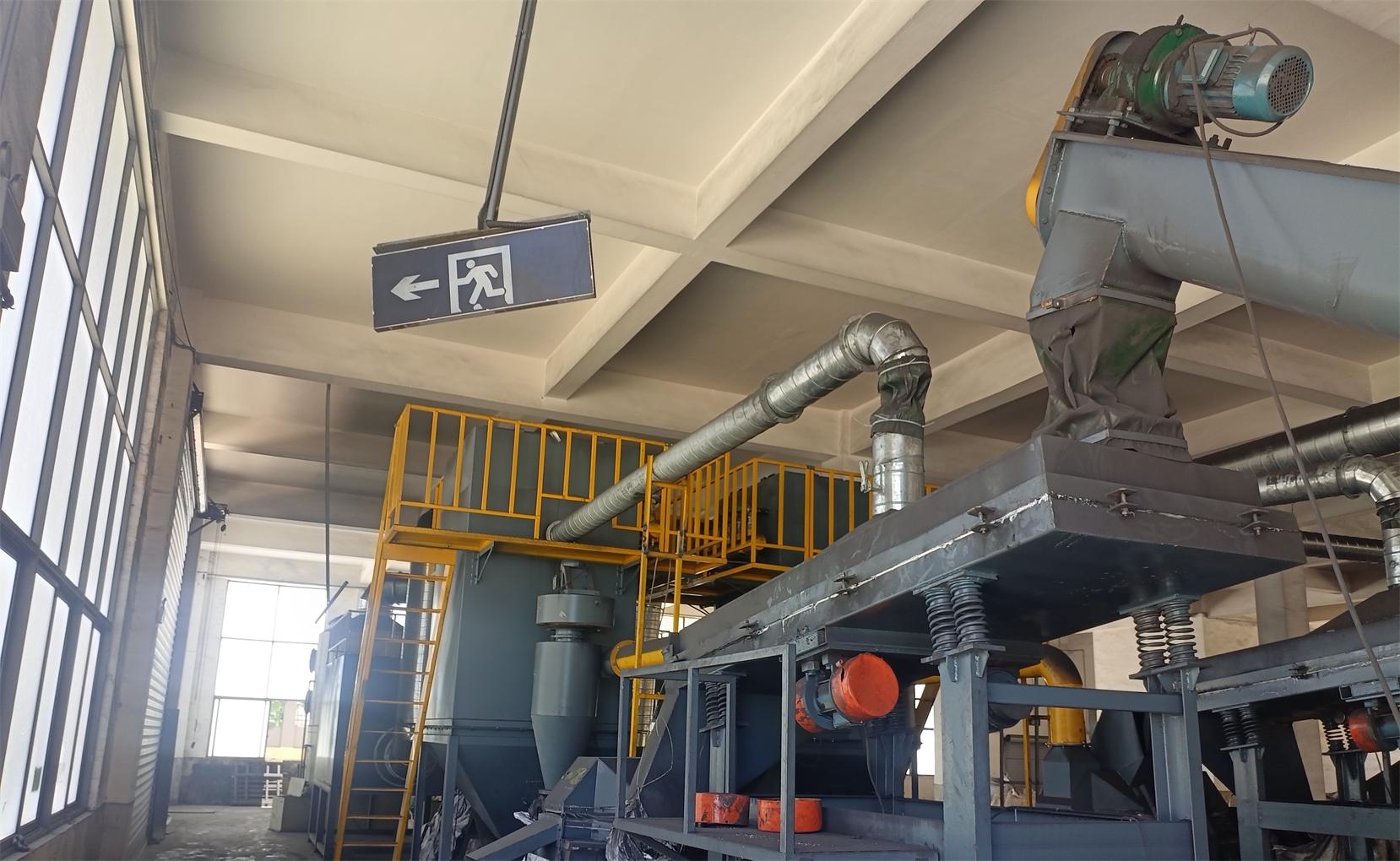
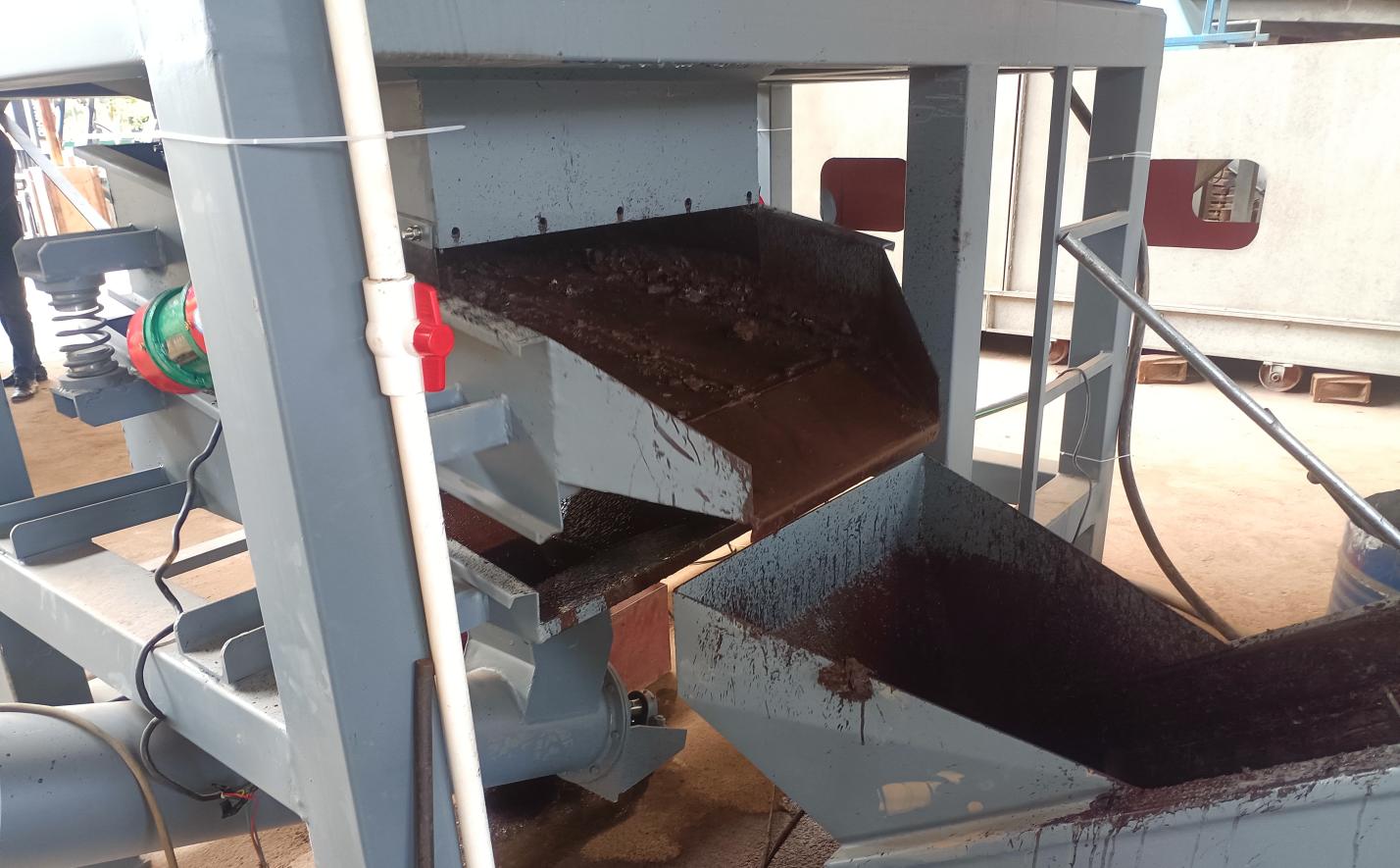
Walk into any lead acid battery recycling plant, and you'll hear the steady rhythm of machinery hard at work—shredders breaking down casings, separators sorting materials, and somewhere in the background, the quiet hum of de-sulfurization machines equipment. These unsung heroes play a critical role: they strip harmful sulfur compounds from emissions, ensuring the air stays clean and the plant meets strict environmental regulations. But like any hardworking team member, they need care to keep performing at their best. Ignore their maintenance, and you're not just risking a breakdown—you're gambling with production delays, skyrocketing repair costs, and even compliance issues. Let's dive into why proper maintenance is the lifeline of your desulfurizer, and how a little attention today can add years to its lifespan.
The Cost of Cutting Corners: When Neglect Hurts
It's easy to push maintenance to the bottom of the to-do list. After all, when the machines are running, why fix what isn't broken? But in the world of industrial equipment, "if it ain't broke, don't fix it" is a risky mantra. Take the example of a mid-sized recycling facility in Texas that handles 500 tons of lead acid batteries monthly. Their de-sulfurization unit had been chugging along for three years with only the bare minimum of checks. Then, one Monday morning, alarms blared: emission levels spiked, and the system shut down automatically. By the time technicians arrived, they discovered a nightmare: clogged spray nozzles had caused a buildup of corrosive byproducts, eating through a critical valve and damaging the reaction chamber. The repair? $65,000 and a week of downtime—all because daily filter checks and quarterly nozzle cleanings had been skipped to save "time."
Or consider a plant in Germany that specialized in lithium-ion battery recycling. Their air pollution control system equipment, which included a de-sulfurization module, was integral to meeting the EU's strict emission standards. But when budget cuts led to reduced maintenance staff, lubrication schedules fell by the wayside. Six months later, the system's fan motor seized, sending sulfur dioxide levels soaring above legal limits. The plant faced fines of €20,000 and had to halt operations for two weeks to replace the motor and retest compliance. The lesson? Maintenance isn't an expense—it's an investment in avoiding far costlier disasters.
What Makes Desulfurizers So Vulnerable?
To understand why maintenance matters, let's first look at what de-sulfurization machines equipment endures daily. In lead acid battery recycling, for example, these systems process exhaust loaded with sulfur dioxide, hydrogen sulfide, and other corrosive gases. They use chemical reactions (often with lime or ammonia) to neutralize these compounds, creating byproducts like gypsum that can build up over time. Add in high temperatures, constant vibration, and the wear and tear of moving parts—bearings, pumps, valves—and it's clear: these machines are operating in harsh conditions. Without regular care, even small issues (a loose hose, a dirty filter) can snowball into major failures.
The Maintenance Playbook: 7 Practices to Extend Lifespan
The good news? Extending your desulfurizer's lifespan doesn't require fancy tools or expert knowledge—just consistency and attention to detail. Below are the key practices that top plant managers swear by, organized by frequency to make them easy to implement.
| Maintenance Task | Frequency | Why It Matters | Pro Tip |
|---|---|---|---|
| Visual inspections for leaks, cracks, or corrosion | Daily (start of shift) | Catches small issues before they escalate—like a dripping hose or rust on a valve. | Use a flashlight to check hard-to-see areas; take photos of "normal" conditions to spot changes. |
| Filter cleaning/replacement | Weekly (or as needed if pressure drops) | Clogged filters restrict airflow, forcing the system to work harder and reducing efficiency. | Mark filters with installation dates to track lifespan; stock spares to avoid delays. |
| Lubrication of moving parts (bearings, hinges, pumps) | Monthly (or per manufacturer specs) | Reduces friction and wear, preventing seized motors or broken gears. | Use only the lubricants recommended by the manufacturer—wrong types can damage seals. |
| Descaling and cleaning of reaction chambers | Quarterly (or monthly for high-usage plants) | Removes mineral deposits (like gypsum) that block heat transfer and reduce efficiency. | Use mild acids (per manufacturer guidelines) to dissolve buildup; avoid abrasive tools that scratch surfaces. |
| Calibration of sensors and gauges | Bi-annually | Ensures accurate readings of temperature, pressure, and emission levels—critical for both performance and compliance. | Work with certified technicians to ensure calibrations meet local regulatory standards. |
| Replacement of wear parts (O-rings, gaskets, nozzles) | Annually (or as indicated by wear) | These small, affordable parts create seals that prevent leaks. Cracked O-rings can lead to fluid loss and corrosion. | Keep a stock of common wear parts on-site; label them with expiration dates (rubber parts degrade over time). |
| Full system audit by a specialist | Annually | A trained eye can spot hidden issues—like hairline cracks in welds or inefficient airflow—that daily checks might miss. | Choose auditors with experience in your specific industry (e.g., lead acid or lithium battery recycling) for targeted insights. |
Common Problems (and How to Fix Them Fast)
Even with regular maintenance, issues can pop up. Here's how to diagnose and address the most frequent headaches:
1. Reduced Efficiency (Higher Emissions or Chemical Usage)
If your desulfurizer is suddenly using more lime/ammonia than usual or failing to hit emission targets, the culprit is often a clogged component. Start with the spray nozzles: over time, gypsum or debris can block the tiny openings, unevenly distributing the neutralizing agent. Remove and soak them in a descaling solution (vinegar works for minor buildup; stronger acids for tough cases) and use a soft brush to clear holes. Next, check the air-to-liquid ratio in the reaction chamber—imbalances here can reduce contact between gases and chemicals. Adjust valves or consult the manufacturer's manual for optimal settings.
2. Strange Noises (Rattling, Grinding, or Whistling)
Unusual sounds are your machine's way of screaming for help. Rattling often points to loose bolts or misaligned parts—tighten connections and check for worn mounts. Grinding might mean a bearing is failing; shut down the system immediately to avoid motor damage, and replace the bearing. Whistling usually indicates an airflow leak—inspect hoses, gaskets, and seals for cracks. A quick patch with high-temperature sealant can buy time until a permanent fix is possible.
3. Leaks (Fluid or Gas)
Liquid leaks (coolant, neutralizing agent) are often due to failed O-rings or cracked hoses. replace the affected part and clean the area thoroughly to prevent corrosion. Gas leaks are trickier—they may not be visible but can be detected with a handheld gas detector or soapy water (bubbles form at leak points). For gas leaks in pipes or valves, shut down the system, relieve pressure, and repair with welding (for metal) or replace the component entirely.
Beyond Lifespan: The Hidden Benefits of Maintenance
Extending your desulfurizer's life is just the start. Proper maintenance unlocks a host of other wins:
- Lower Operating Costs: A well-tuned system uses 10-15% less chemicals and energy. Over five years, that adds up to tens of thousands in savings.
- Compliance Peace of Mind: Regular calibration and inspections mean you'll sail through regulatory audits, avoiding fines and shutdowns.
- Safer Work Environment: Leaks or emissions spikes put workers at risk of respiratory issues or chemical exposure. Maintenance keeps your team healthy.
- Higher Resale Value: If you ever upgrade, a well-maintained desulfurizer (with a detailed maintenance log!) will fetch a higher price on the used market.
The Bottom Line: Maintenance Isn't Optional
In the fast-paced world of recycling—whether you're processing lead acid batteries, lithium-ion cells, or e-waste—your equipment is the backbone of your operation. De-sulfurization machines equipment, in particular, is non-negotiable for keeping emissions in check and staying compliant. By prioritizing daily checks, scheduled upkeep, and quick fixes for small issues, you're not just extending its lifespan—you're ensuring your plant runs smoothly, safely, and profitably for years to come.
So, the next time you walk past that humming de-sulfurizer, take a moment to appreciate it. Then, grab your checklist and give it the care it deserves. Your bottom line (and your peace of mind) will thank you.