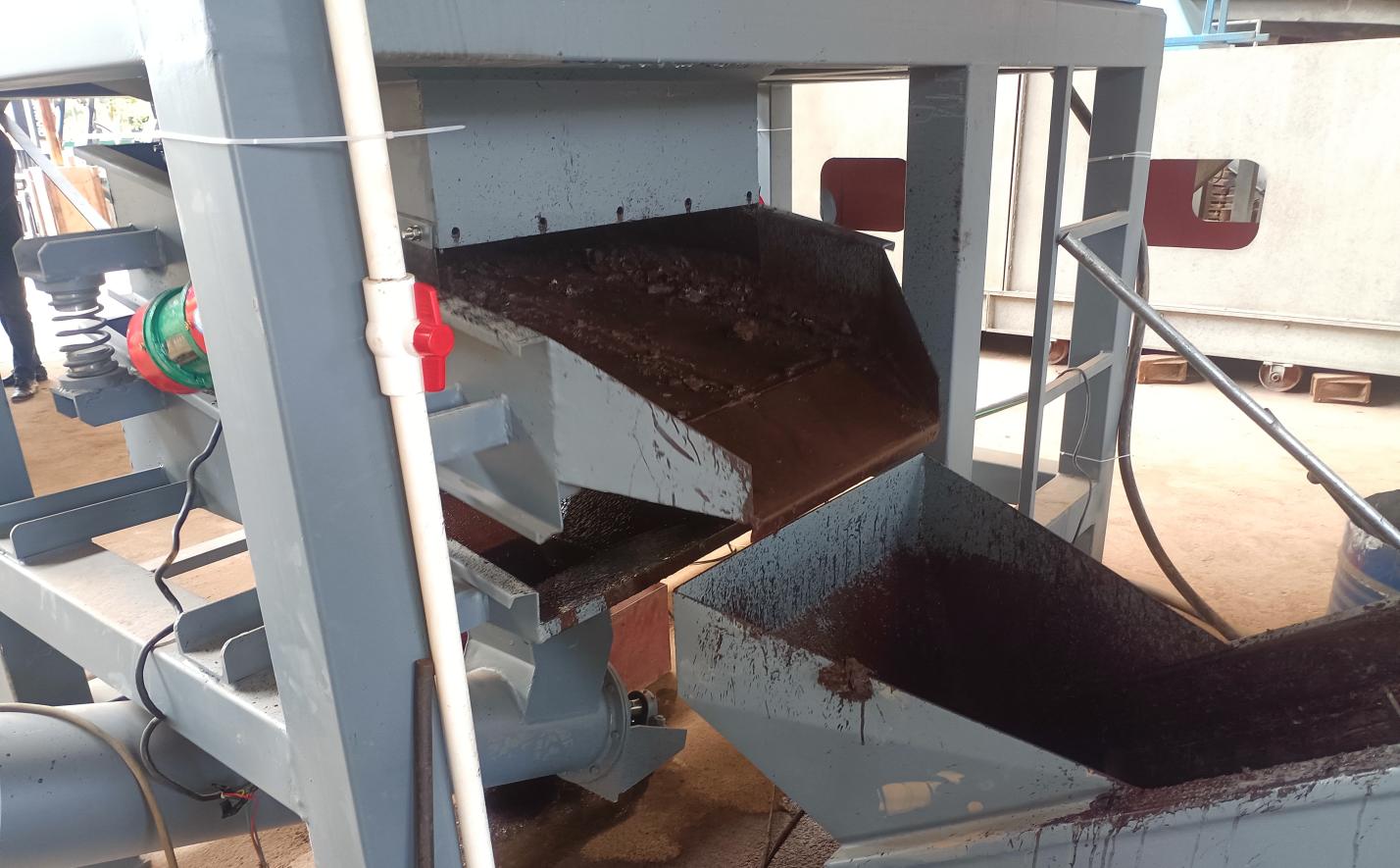
The global surge in electronic waste has created both an environmental challenge and a significant business opportunity. With millions of tons of discarded electronics, batteries, and cables generated annually, establishing an efficient e-waste recycling facility is no longer just an environmental imperative—it is a profitable venture. However, success depends heavily on choosing the right equipment and the right manufacturing partner.
Understanding the E-Waste Landscape
Electronic waste encompasses a wide range of materials, from used lead acid batteries and lithium-ion batteries to printed circuit boards (PCBs), scrap cables, and end-of-life appliances. Each material stream requires specialized processing technology to maximize recovery rates and ensure environmental compliance.
For instance, used lead acid batteries contain valuable lead and plastic components, but they also pose significant environmental risks if not handled properly. Similarly, lithium-ion batteries from electric vehicles and consumer electronics contain recoverable cobalt, nickel, and graphite, but require safe discharging and controlled crushing processes. Understanding these material characteristics is the first step in designing a facility that delivers both profitability and sustainability.
Essential Equipment for Modern Recycling Operations
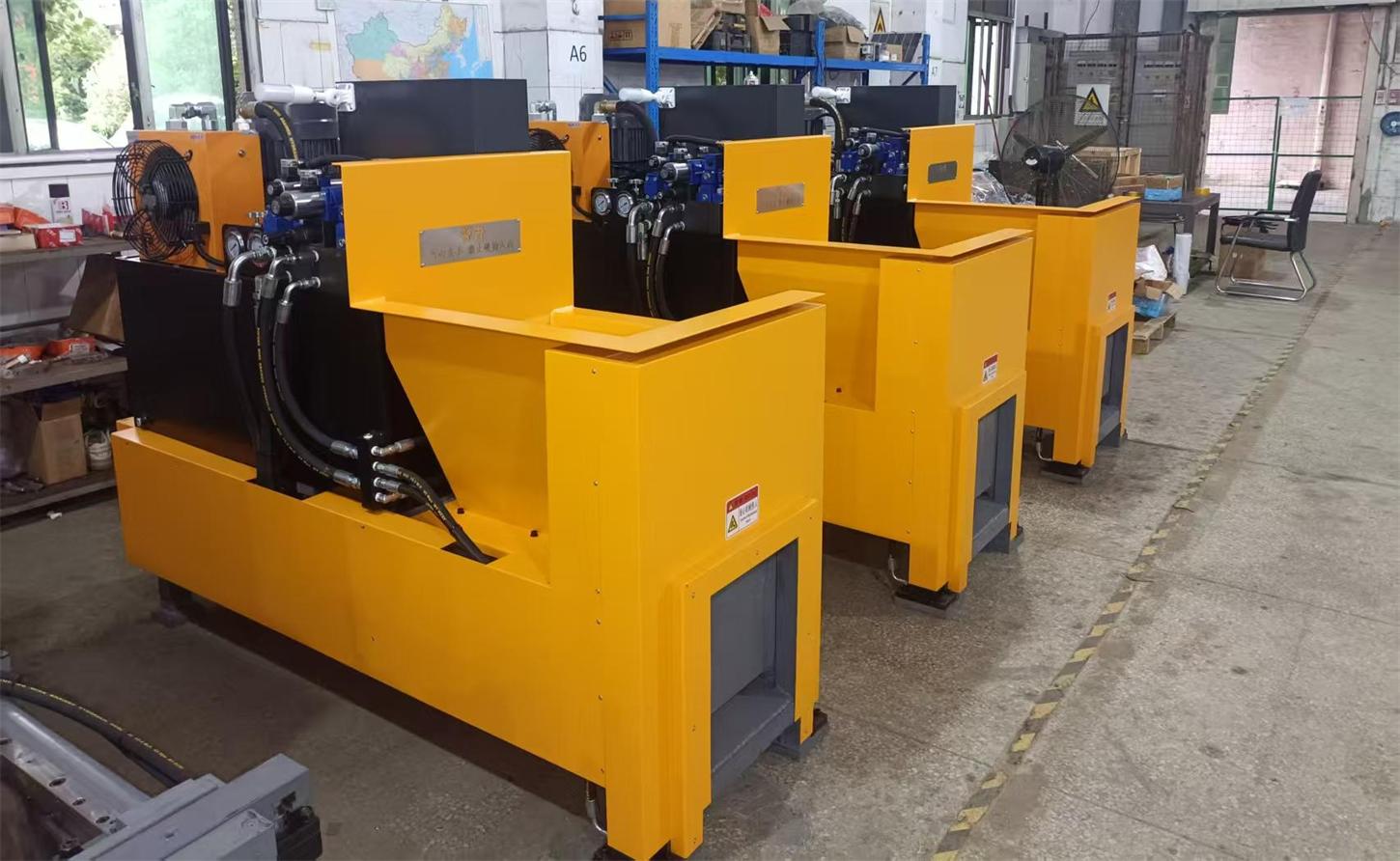
A well-equipped e-waste recycling facility typically integrates multiple processing lines, each tailored to specific waste streams. Here are the core systems that form the backbone of a high-performance operation:
Lead Acid Battery Recycling Systems
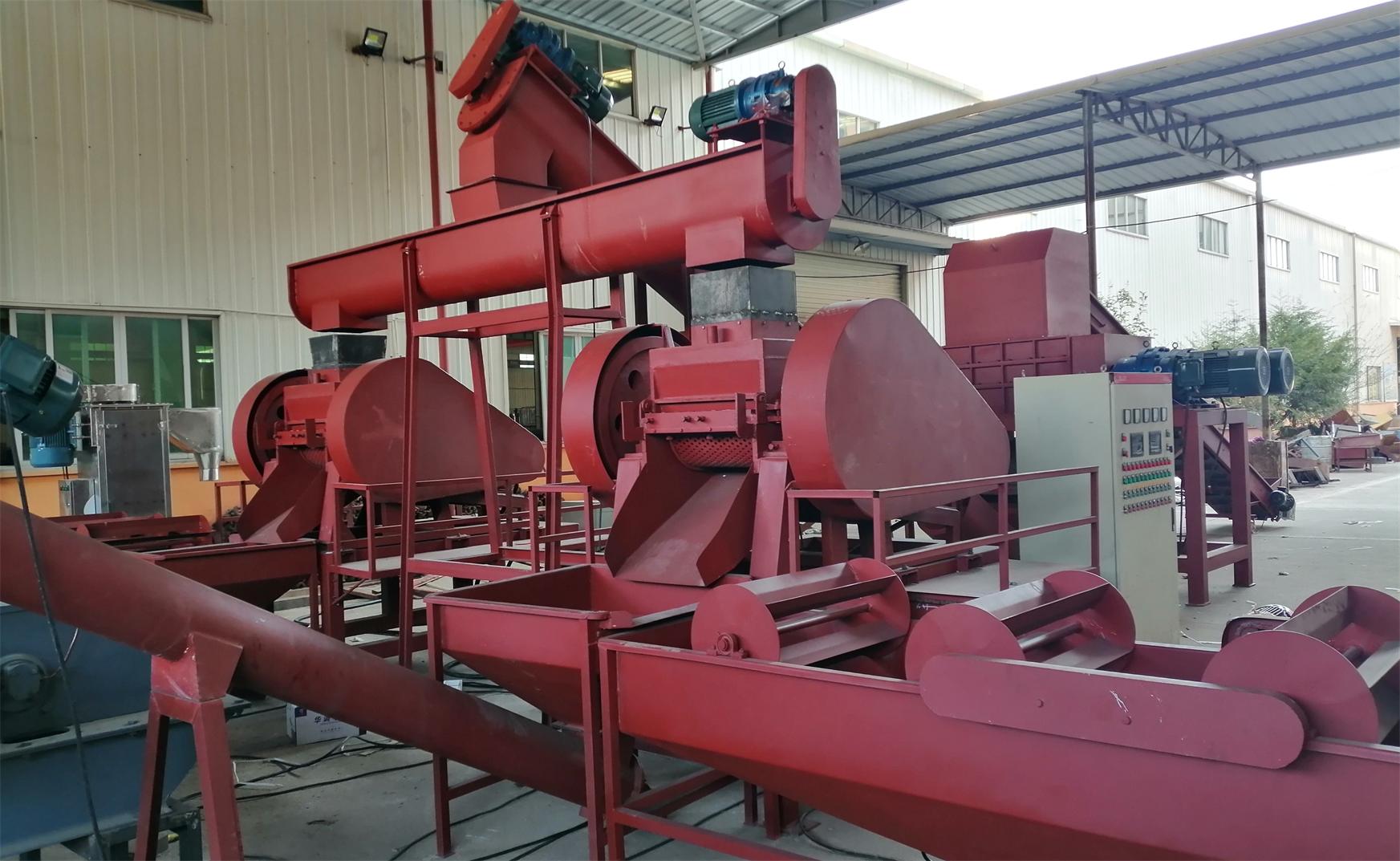
Used lead acid batteries represent one of the most recycled consumer products globally. A complete lead acid battery recycling equipment line typically includes battery breaking and separation systems, paste reduction furnaces, lead refinery kettles, and air pollution control systems. Modern plants can process 1–10 metric tons per hour, recovering lead grid, lead paste, plastic casing, and acid for reuse or safe disposal. Advanced systems also incorporate de-sulfurization units to reduce melting temperatures and minimize sulfur dioxide emissions.
Lithium Battery Recycling Plants
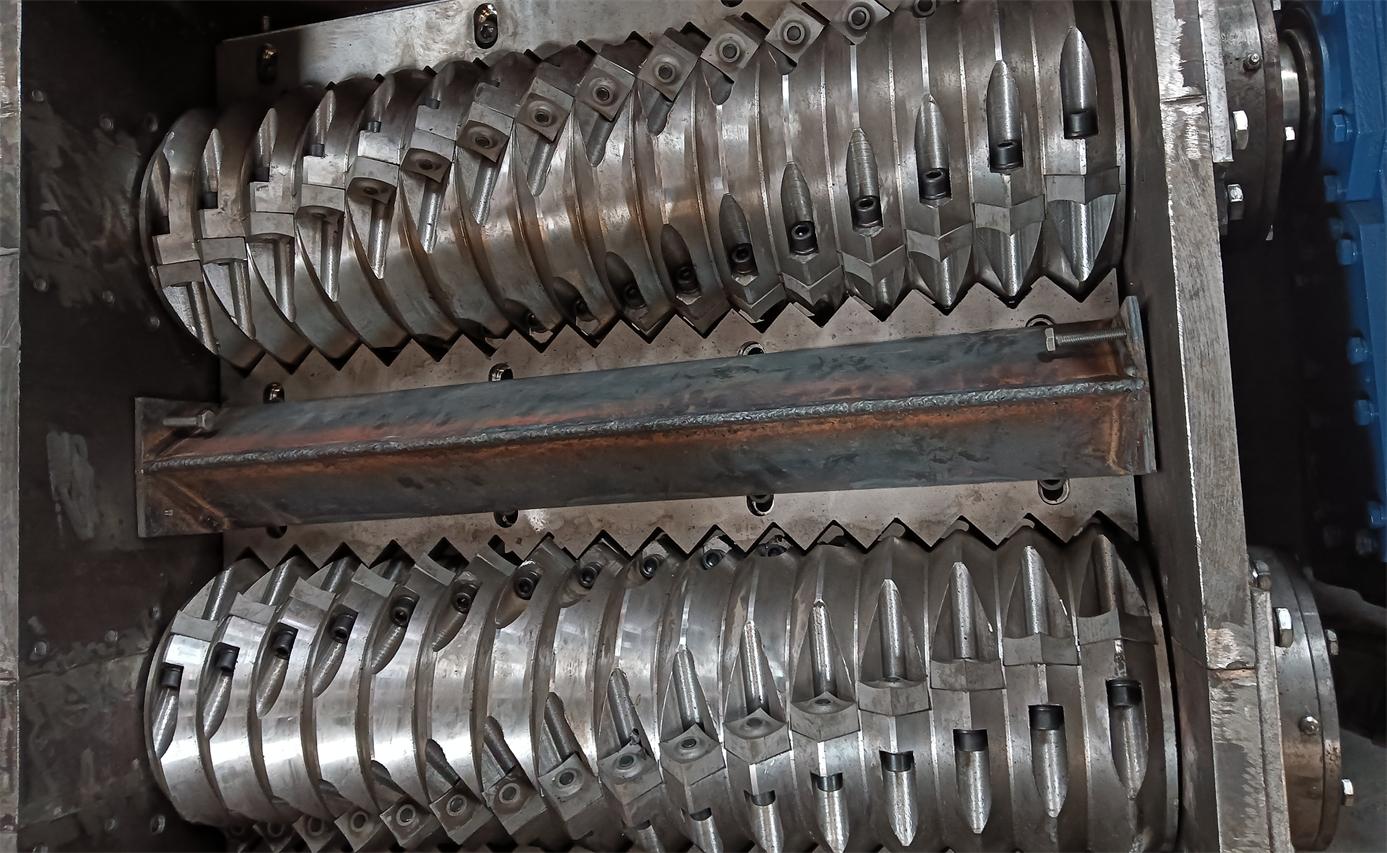
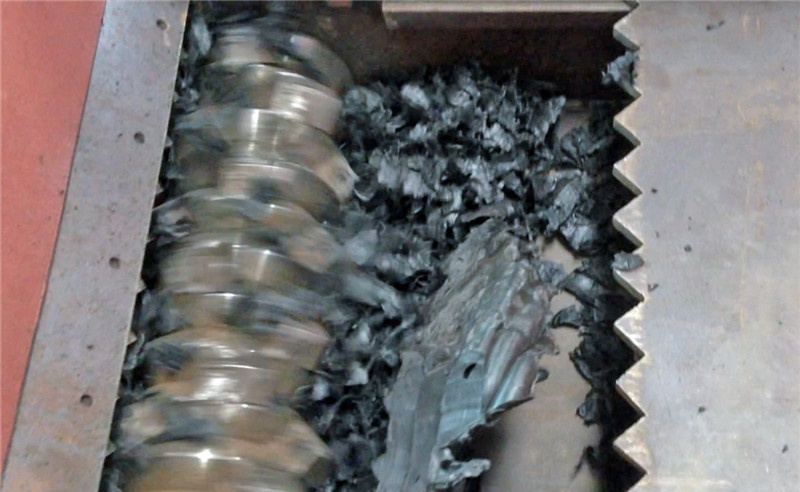
As electric mobility and portable electronics continue to expand, the demand for li battery recycling equipment has grown rapidly. These plants safely discharge, crush, and separate waste lithium batteries to recover black mass (containing nickel, cobalt, and graphite), copper, aluminum, and plastic separator film. Processing capacities typically range from 500 to 2,500 kg per hour, with integrated air pollution control systems to neutralize harmful gases emitted during crushing.
Circuit Board Recycling Equipment
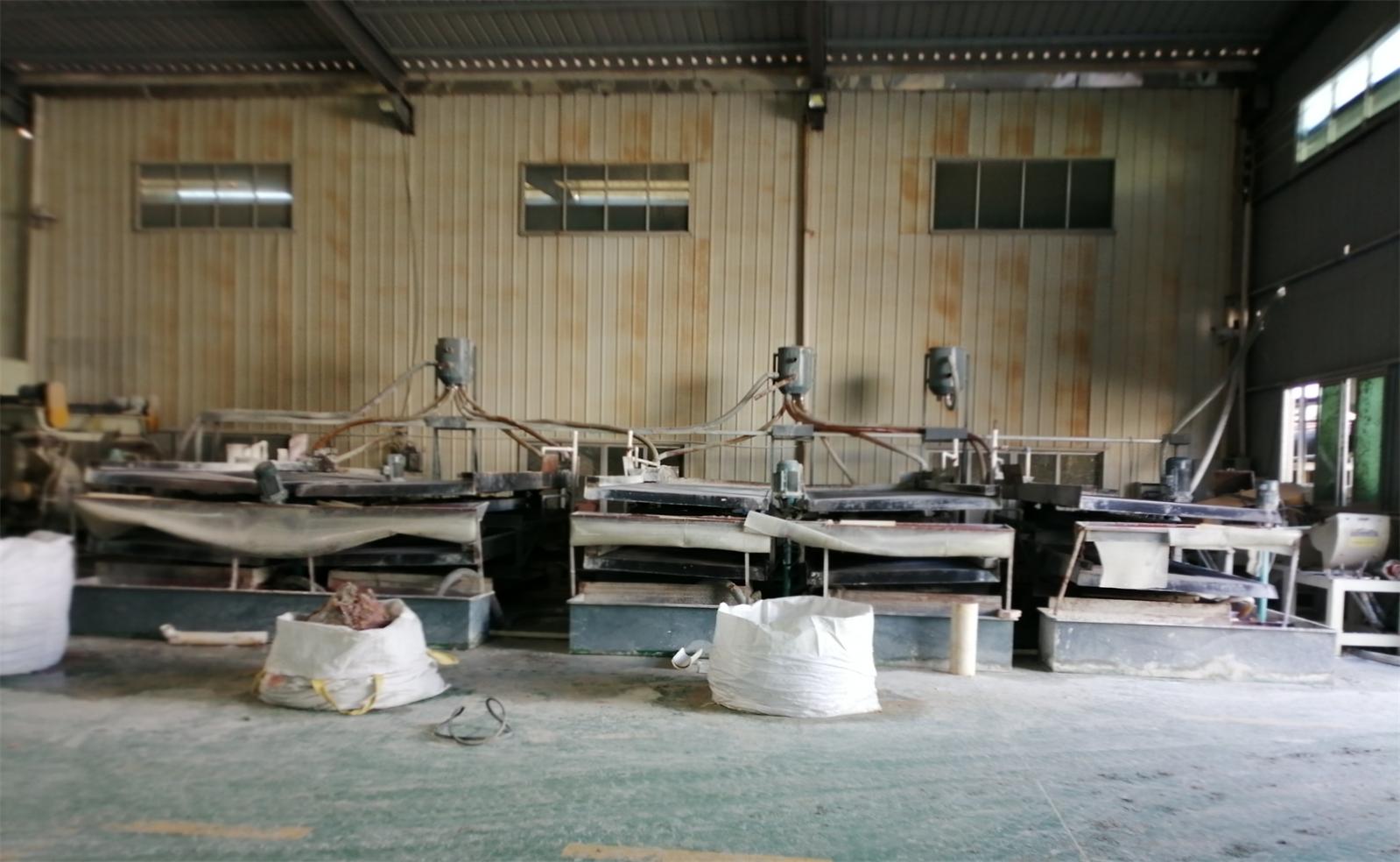
Printed circuit boards contain precious metals and copper that make them highly valuable recycling targets. Circuit board recycling equipment uses either dry separation (air separation, electrostatic separation) or wet separation (water metal separation) to recover copper powder with purities reaching 96–98%. Capacities range from 300 kg/hour for smaller operations to 2,000 kg/hour or more for industrial-scale facilities.
Cable Recycling Systems
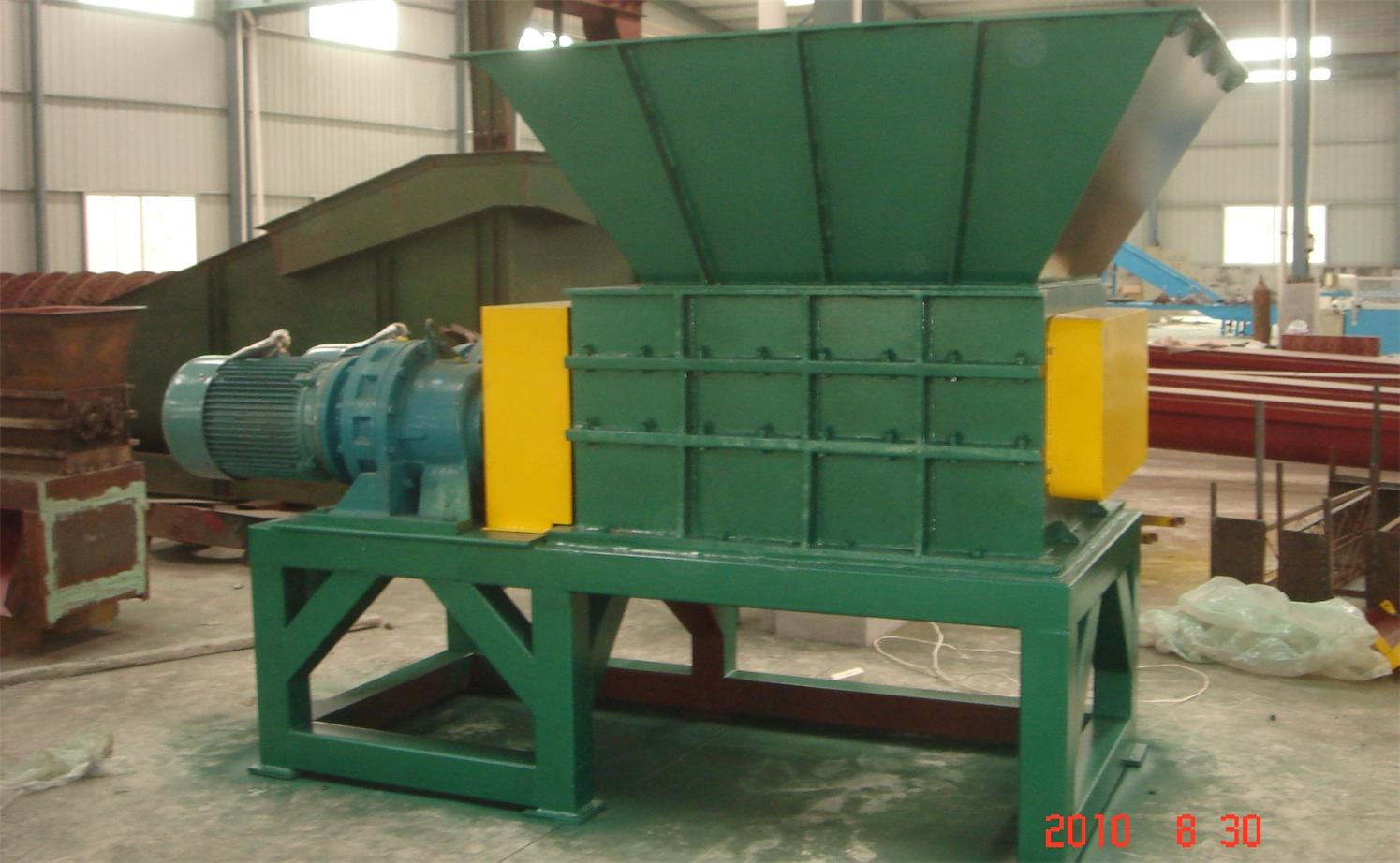
Scrap cables are a rich source of copper and aluminum. Cable recycling equipment uses granulators and dry separators to crush and separate metal conductors from plastic insulation. Additional equipment such as scrap cable strippers can handle cable diameters from 1.5 mm to 150 mm, preparing thick or armored cables for granulation and maximizing metal recovery.
What to Look for in an Equipment Supplier
Selecting the right equipment manufacturer is as critical as selecting the equipment itself. Here are key factors to evaluate:
Technical Expertise and Experience: Look for suppliers with deep engineering knowledge and proven experience in your target waste streams. Manufacturers with in-house mechanical engineering teams and over 15 years of field experience can provide more reliable equipment and better technical support.
Customization Capability: No two recycling operations are identical. Your supplier should offer customized design services based on your material composition, capacity requirements, workshop layout, and local environmental regulations.
Complete System Integration: The best suppliers deliver turnkey solutions—not just individual machines. This includes plant layout design, equipment integration, installation, commissioning, and operator training.
After-Sales Support: Downtime in a recycling plant directly translates to lost revenue. Choose a supplier that offers accessible spare parts, remote technical support, and on-site service capabilities.
Global Track Record: A supplier with customers across diverse markets demonstrates adaptability to different regulatory environments, material conditions, and operational requirements.
The Value of Turnkey EPC Solutions
Engineering, Procurement, and Construction (EPC) project delivery has become increasingly important in the recycling industry. An EPC approach means your supplier takes responsibility for the entire plant—from initial design and equipment manufacturing to installation, commissioning, and performance validation.
This model offers several advantages. First, it eliminates the complexity of coordinating multiple vendors. Second, it ensures system-level optimization rather than forcing you to integrate machines from different sources. Third, it accelerates project timelines because design, manufacturing, and site preparation can proceed in parallel.
Experienced EPC providers can also offer value-added services such as helping you source waste feedstock, connecting you with buyers for recovered materials (copper rice, lead ingots, etc.), and even assisting with investment partnerships for plant construction.
Planning for Long-Term Success
Building a recycling facility is a significant investment, and long-term profitability requires forward-thinking planning. Consider equipment modularity so you can expand capacity or add new processing lines as market conditions evolve. Evaluate energy efficiency—not only for operational cost savings but also to meet increasingly strict environmental standards.
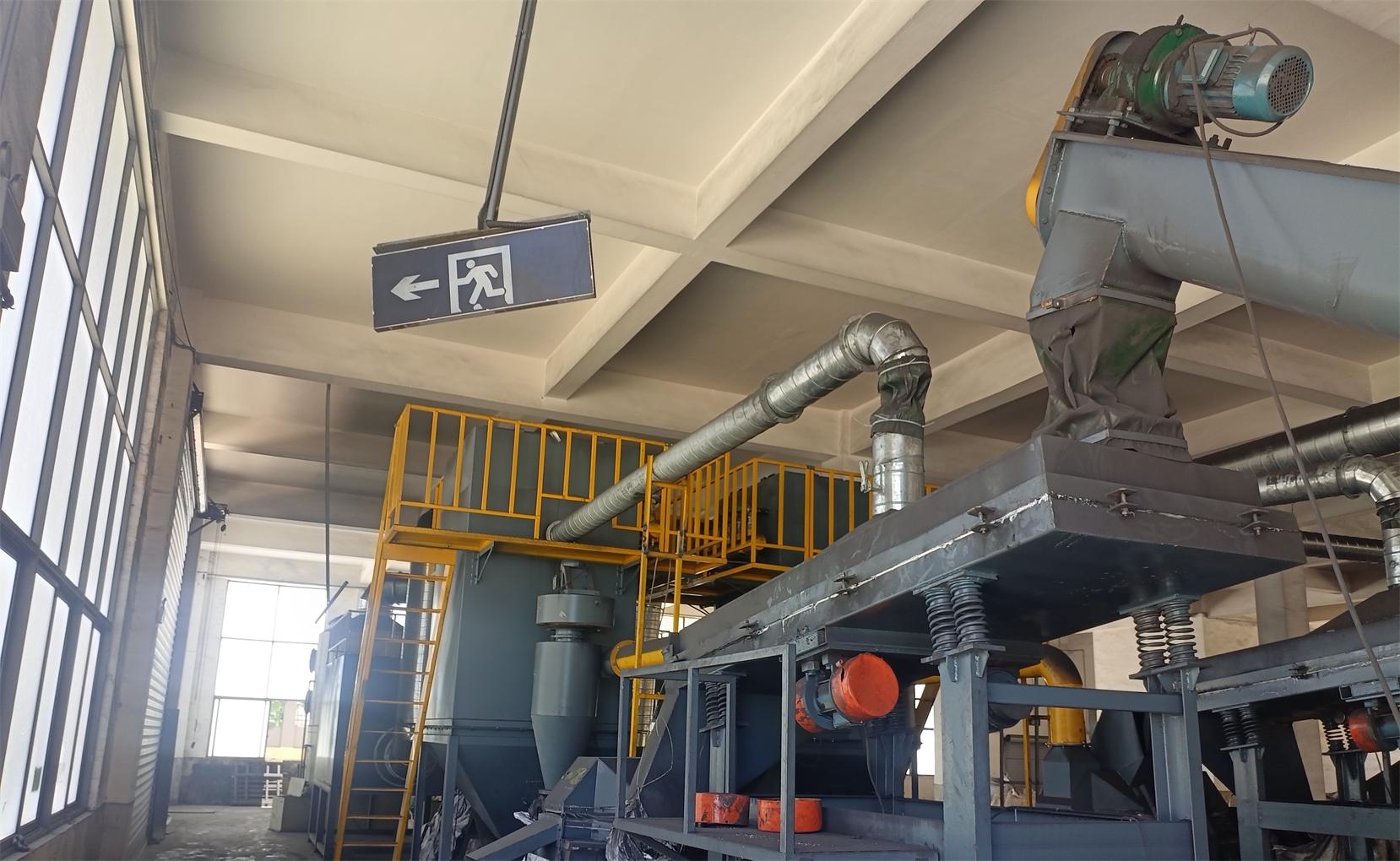
Additionally, ensure your plant design incorporates proper pollution control. Air treatment systems, water treatment plants, and dust collection equipment are not optional add-ons; they are essential components that protect your operating license and your community relationships.
Conclusion
The e-waste recycling industry offers substantial opportunities for entrepreneurs and established waste management companies alike. Success begins with understanding your material streams, selecting appropriately specialized equipment, and partnering with a manufacturer that offers both technical excellence and comprehensive project support.
Whether you are processing lead acid batteries, lithium-ion batteries, circuit boards, or scrap cables, the right combination of equipment and expertise will determine your recovery rates, operational costs, and ultimately, your profitability. Take the time to evaluate suppliers carefully, demand turnkey solutions, and plan for scalable growth. The environmental benefits are clear—and with the right approach, so are the financial returns.
Ready to start your e-waste recycling project? Contact San Lan Technologies Co., Ltd today to discuss your requirements and receive a customized equipment proposal. With over 15 years of experience and customers in 21+ countries, we provide turnkey recycling solutions—from concept to commissioning.
Email: info@san-lan.com | WhatsApp: +86 139 2377 4083 | Website: www.san-lan.com