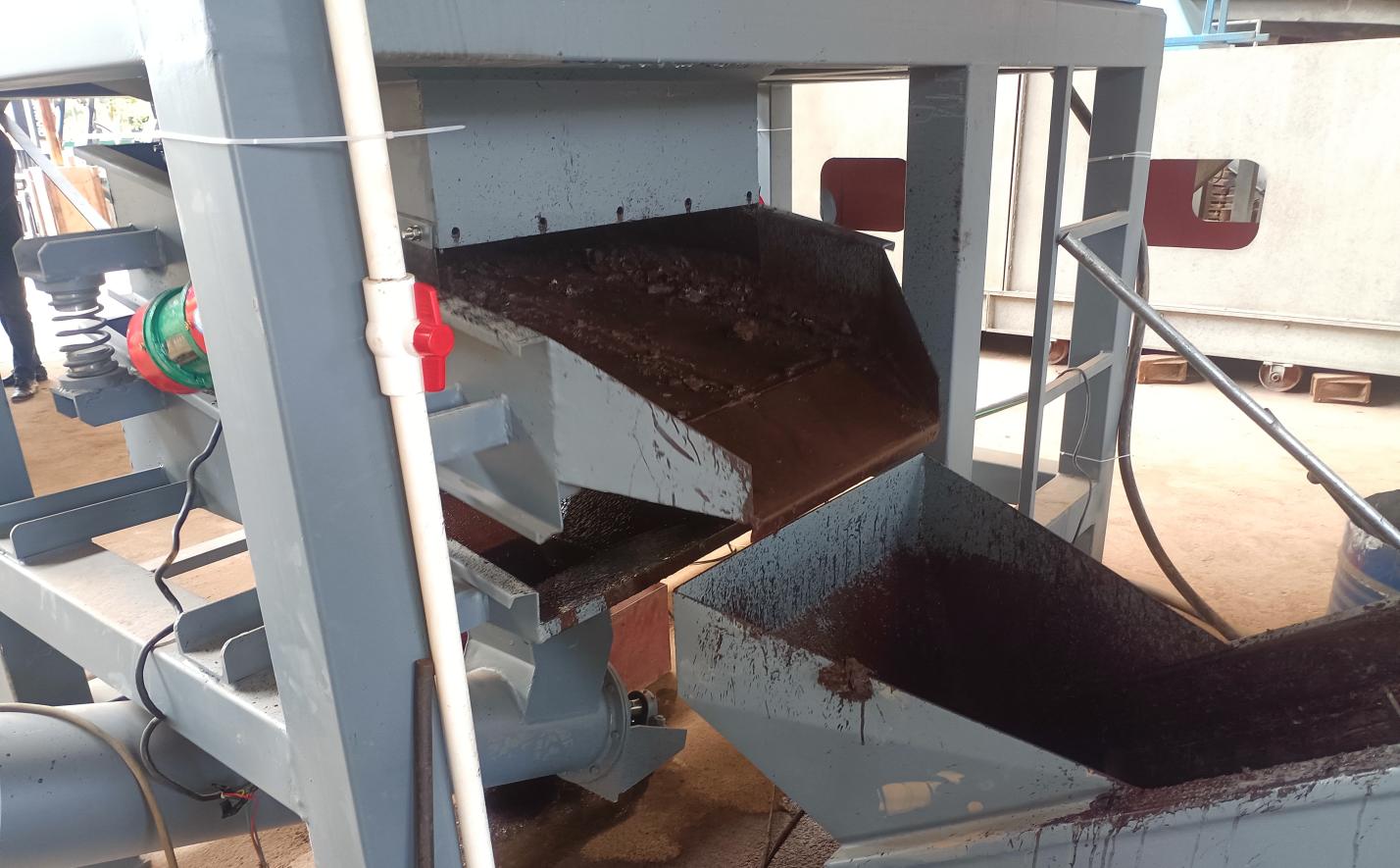
The global surge in electronic waste has created an unprecedented business opportunity. With over 50 million metric tons of e-waste generated annually and recycling rates still below 20% in many regions, entrepreneurs who enter this market with the right strategy and equipment stand to build highly profitable operations. But success in e-waste recycling depends heavily on one critical decision: choosing the right equipment partner.
Understanding the E-Waste Recycling Landscape
Electronic waste contains valuable materials like copper, gold, silver, lead, and lithium that can be recovered and resold. A single ton of discarded circuit boards can contain more gold than 17 tons of gold ore. The challenge lies in extracting these materials efficiently, safely, and in an environmentally compliant manner.
Modern e-waste recycling involves multiple processing stages: collection, dismantling, shredding, separation, and refining. Each stage requires specialized machinery designed for specific material streams. Whether you are processing lead acid battery recycling equipment, circuit boards, or scrap cables, the technology you choose directly impacts your recovery rates, operational costs, and profitability.
Key Factors When Selecting Recycling Equipment
Before investing in any recycling plant, consider these essential factors that separate successful operations from costly mistakes:
Processing Capacity: Match your equipment capacity to your available feedstock. Overbuilding capacity ties up capital unnecessarily, while underbuilding limits growth. Look for modular systems that can scale with your business.
Recovery Rates: The difference between 90% and 95% metal recovery translates directly to your bottom line. High-quality separation technology pays for itself quickly through increased material yields.
Environmental Compliance: Modern recycling plants must meet strict emission and waste disposal standards. Integrated pollution control systems are not optional—they are essential for legal operation and community acceptance.
Operational Complexity: Equipment that requires constant expert supervision creates ongoing costs and downtime. Automated systems with PLC controls reduce labor requirements and improve consistency.
After-Sales Support: Even the best machinery needs maintenance, spare parts, and technical guidance. Your equipment supplier should offer comprehensive support, including installation, commissioning, and operator training.
Core Equipment Categories for a Complete Recycling Operation
A comprehensive e-waste recycling business typically handles multiple material streams. Here are the primary equipment categories you should consider:
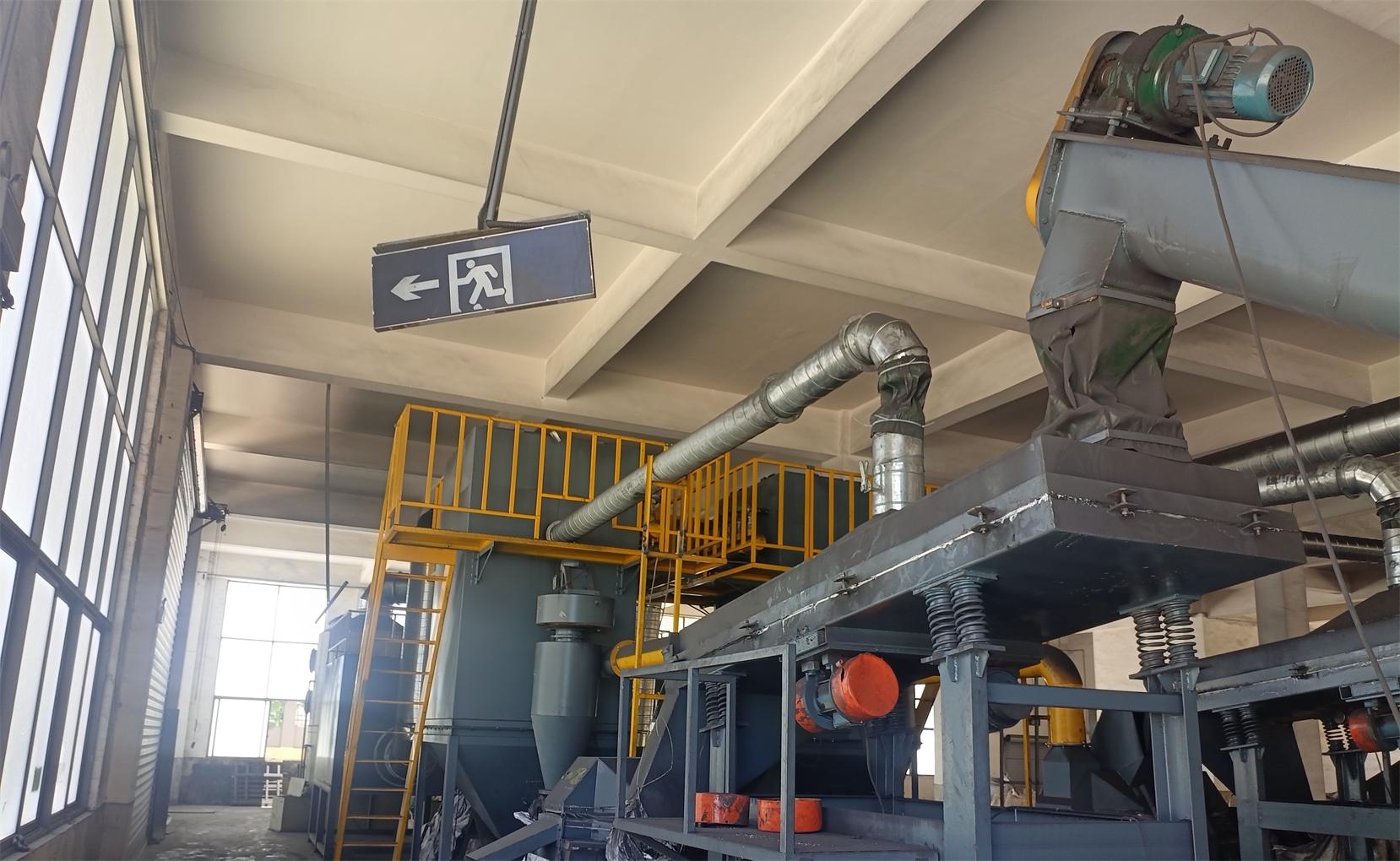
Battery Recycling Systems: With the explosion of electric vehicles and energy storage, lead acid battery recycling equipment and lithium battery processing lines are in high demand. Modern battery recycling plants break down used batteries to recover lead paste, lead grids, plastic casings, and acid for reuse. Advanced systems include breaking and separation units, desulfurization equipment, rotary furnaces for paste reduction, refinery kettles for producing 99.999% pure lead, and integrated water treatment and air pollution control systems.
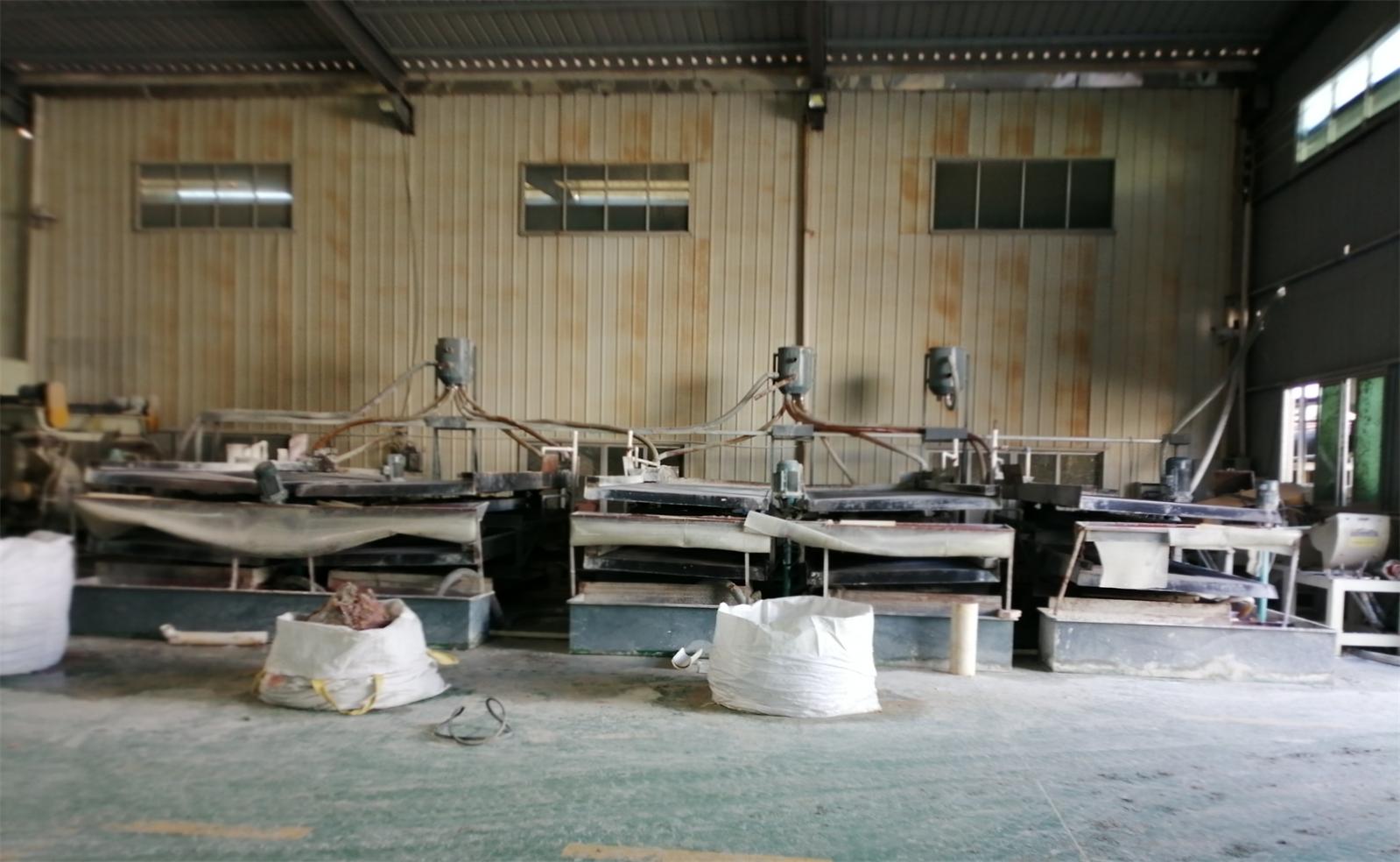
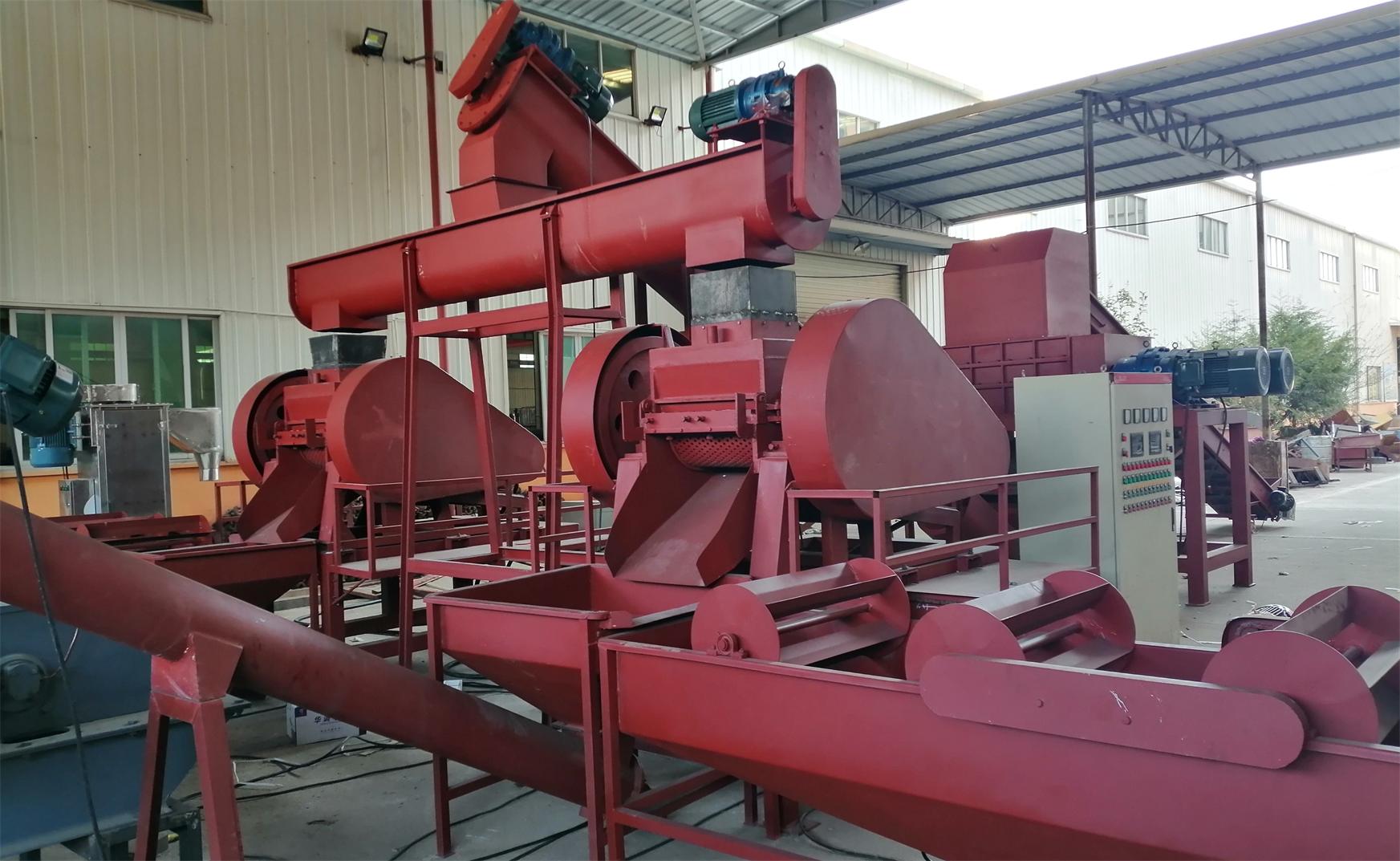
Circuit Board Processing: Circuit board recycling equipment uses mechanical crushing combined with air or wet separation to recover copper powder and precious metals. Capacity ranges from 300 kg/hour for smaller operations to 2000 kg/hour for industrial-scale plants. Copper powder purity typically reaches 96-98%, with overall recovery rates around 95%.
Cable and Wire Processing: Cable recycling equipment granulates scrap cables and separates copper or aluminum from plastic insulation. Systems range from compact granulators processing 100 kg/hour to large plants handling 1200 kg/hour. Pre-processing with scrap cable strippers improves efficiency for larger diameter cables.
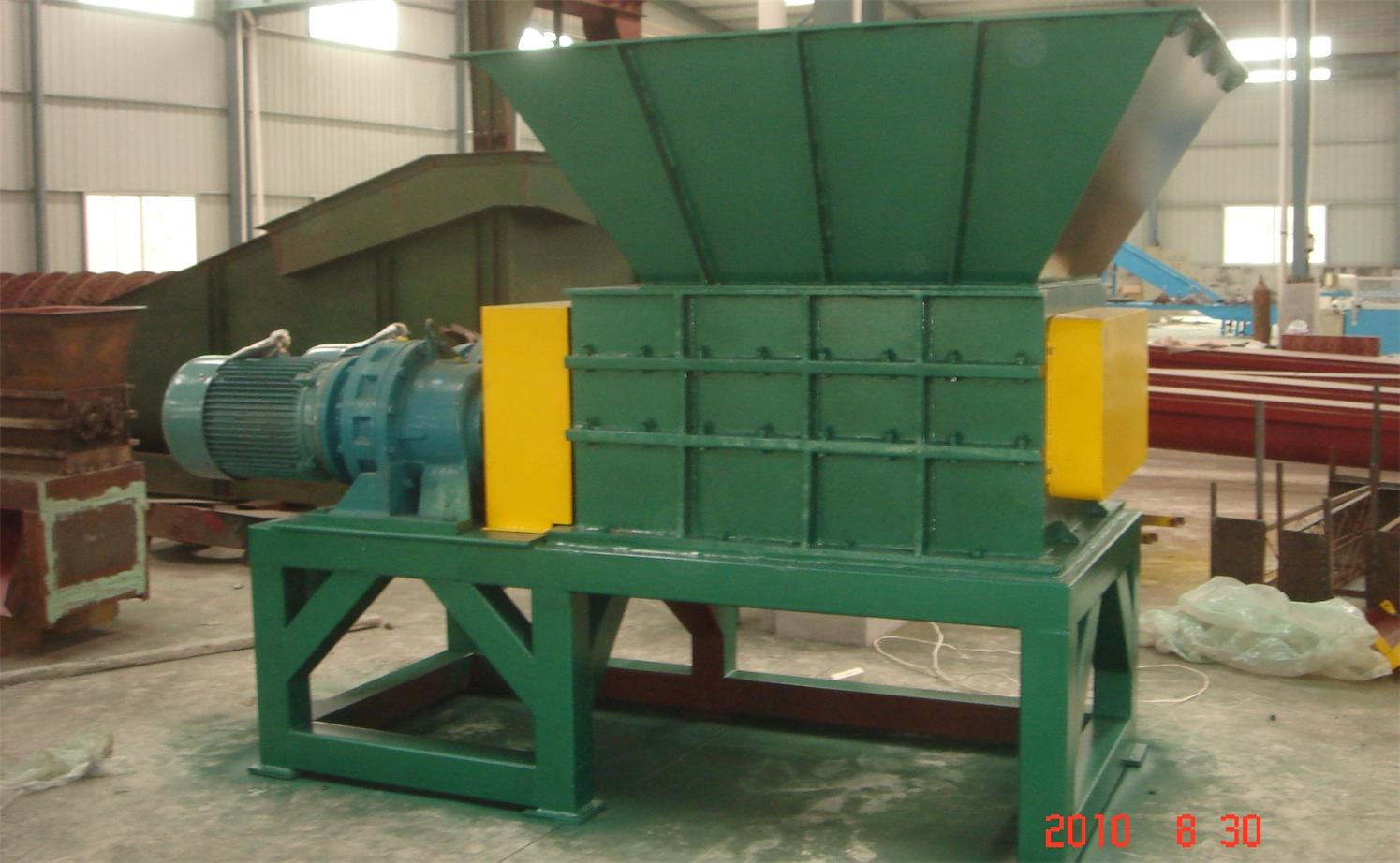
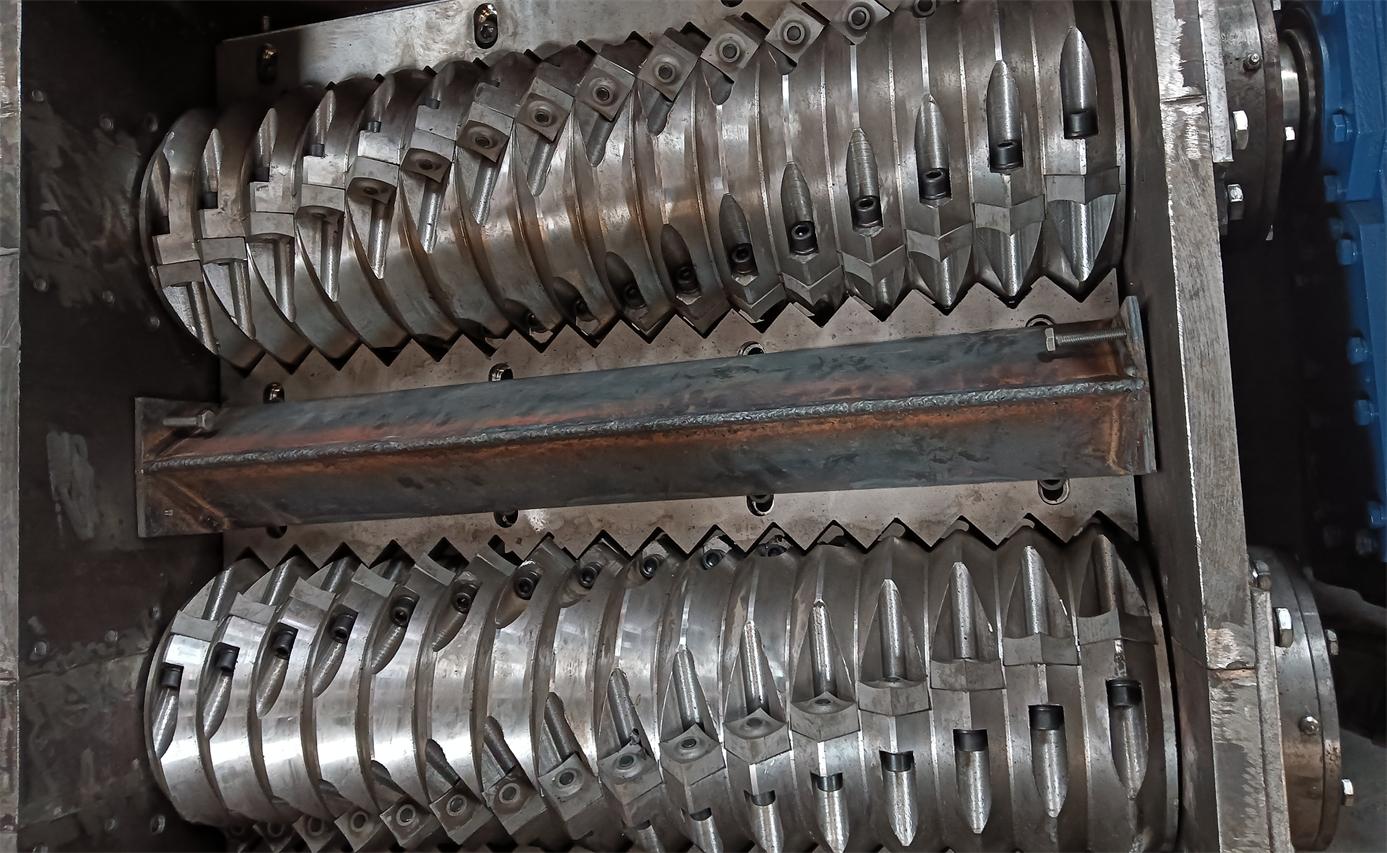
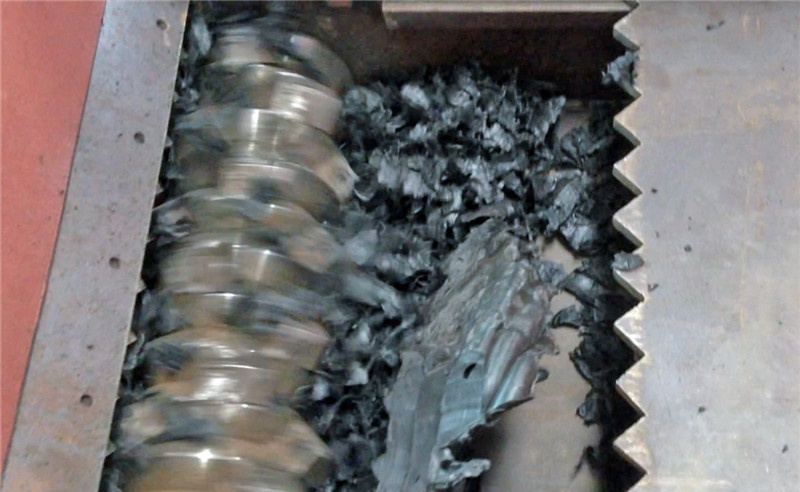
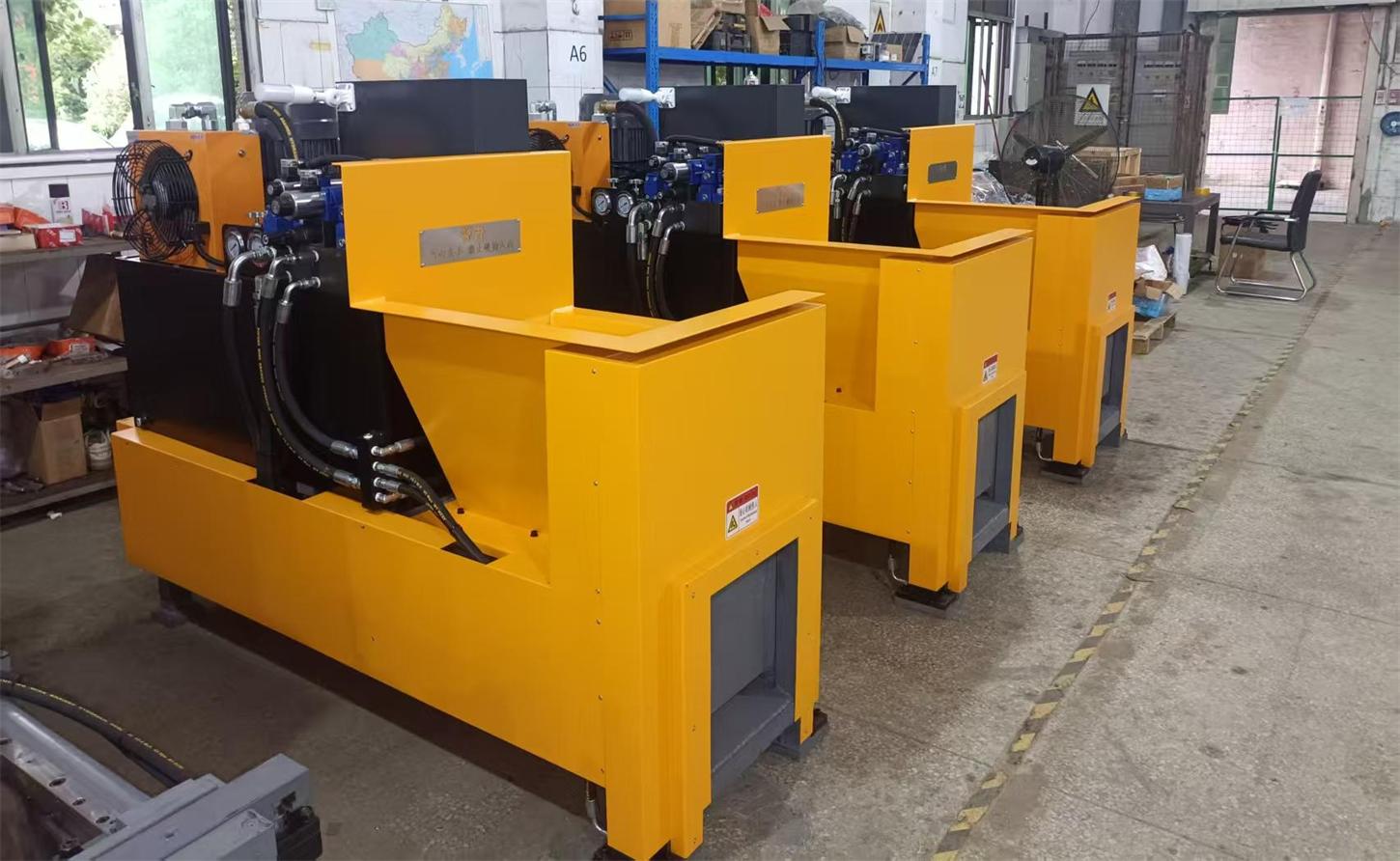
Additional equipment categories include shredders for pre-processing, hydraulic presses for briquetting metal chips, refrigerant recovery machines for appliance recycling, and motor dismantling equipment. The key is selecting equipment that matches your target material streams and market demand in your region.
Why Experience Matters in Equipment Manufacturing
The recycling equipment industry has no shortage of suppliers, but the quality gap between experienced manufacturers and newcomers is substantial. Companies with deep industry experience understand the practical challenges that operators face daily—from material variability to maintenance access to safety requirements.
San Lan Technologies, established in 2007, has spent nearly two decades refining its equipment designs based on real-world operating data from installations across 21 countries. This experience shows in details that less mature suppliers often miss: robust frame construction that withstands continuous vibration, wear-resistant components in high-abrasion zones, and thoughtful layout design that simplifies maintenance access.
Beyond hardware, experienced manufacturers offer something equally valuable: process knowledge. They can advise on optimal material flows, help troubleshoot recovery rate issues, and suggest process improvements based on what has worked for similar operations worldwide.
Beyond Equipment: The Value of Turnkey Solutions
For entrepreneurs entering the recycling industry, sourcing equipment is just one piece of a complex puzzle. Turnkey solutions that include plant design, installation, commissioning, and operator training dramatically reduce startup risk and time-to-production.
A true turnkey partner handles engineering design, equipment procurement, civil works guidance, electrical integration, pollution control system design, and performance testing. This integrated approach eliminates the coordination headaches of managing multiple vendors and ensures all system components work together optimally.
Some manufacturers extend their support even further, assisting with raw material sourcing, connecting operators with product buyers for recovered materials like copper rice and lead ingots, and even helping identify investment partners for plant construction. This ecosystem approach transforms equipment suppliers into genuine business partners invested in your long-term success.
Making the Right Investment Decision
Entering the e-waste recycling business requires significant capital, but the returns can be substantial for well-planned operations. When evaluating equipment suppliers, visit their manufacturing facilities if possible, speak with existing customers in your region, and request detailed performance guarantees in writing.
Request that potential suppliers provide reference installations you can visit, and ask specific questions about downtime frequency, spare parts availability, and the responsiveness of technical support. The cheapest equipment rarely delivers the lowest total cost of ownership when you factor in maintenance, downtime, and lower recovery rates.
Consider starting with one or two material streams rather than attempting to process everything immediately. Many successful recyclers begin with cable recycling equipment or battery processing lines, then expand into additional materials as their operation matures and cash flow stabilizes.
Ready to explore how professional recycling equipment can transform your business? San Lan Technologies offers a complete range of e-waste recycling machinery, from individual machines to fully integrated plants, backed by nearly two decades of manufacturing experience and installations in over 21 countries. Whether you need lead acid battery recycling equipment, circuit board processing lines, or cable recycling systems, our engineering team can help you design a solution matched to your specific materials, capacity requirements, and budget. Contact us today to discuss your project and receive a customized equipment proposal.