How to Build a Profitable E-Waste Recycling Business: The Equipment Guide for 2026
Every discarded smartphone, used car battery, and obsolete circuit board represents trapped value. The question is not whether e-waste recycling is a viable business. The question is whether you have the right equipment to turn that waste into recoverable copper, lead, lithium, and precious metals.
The E-Waste Opportunity: Why Now Is the Time to Invest
The global surge in electronic devices has created a parallel surge in end-of-life material. Batteries, cables, printed circuit boards, and refrigerators are piling up in landfills while the metals inside them become more valuable by the year. Copper prices remain elevated. Lithium demand is accelerating with the electric vehicle transition. Lead, properly recovered from used batteries, feeds a steady industrial market.
This is not an emerging market. It is an established market with established buyers. Recycling plants that can reliably separate metals from plastic and hazardous components have a ready customer base in foundries, battery manufacturers, and metal traders. The barrier to entry is not demand. It is having the right machinery and process design.
Lead Acid Battery Recycling: A Proven Revenue Stream
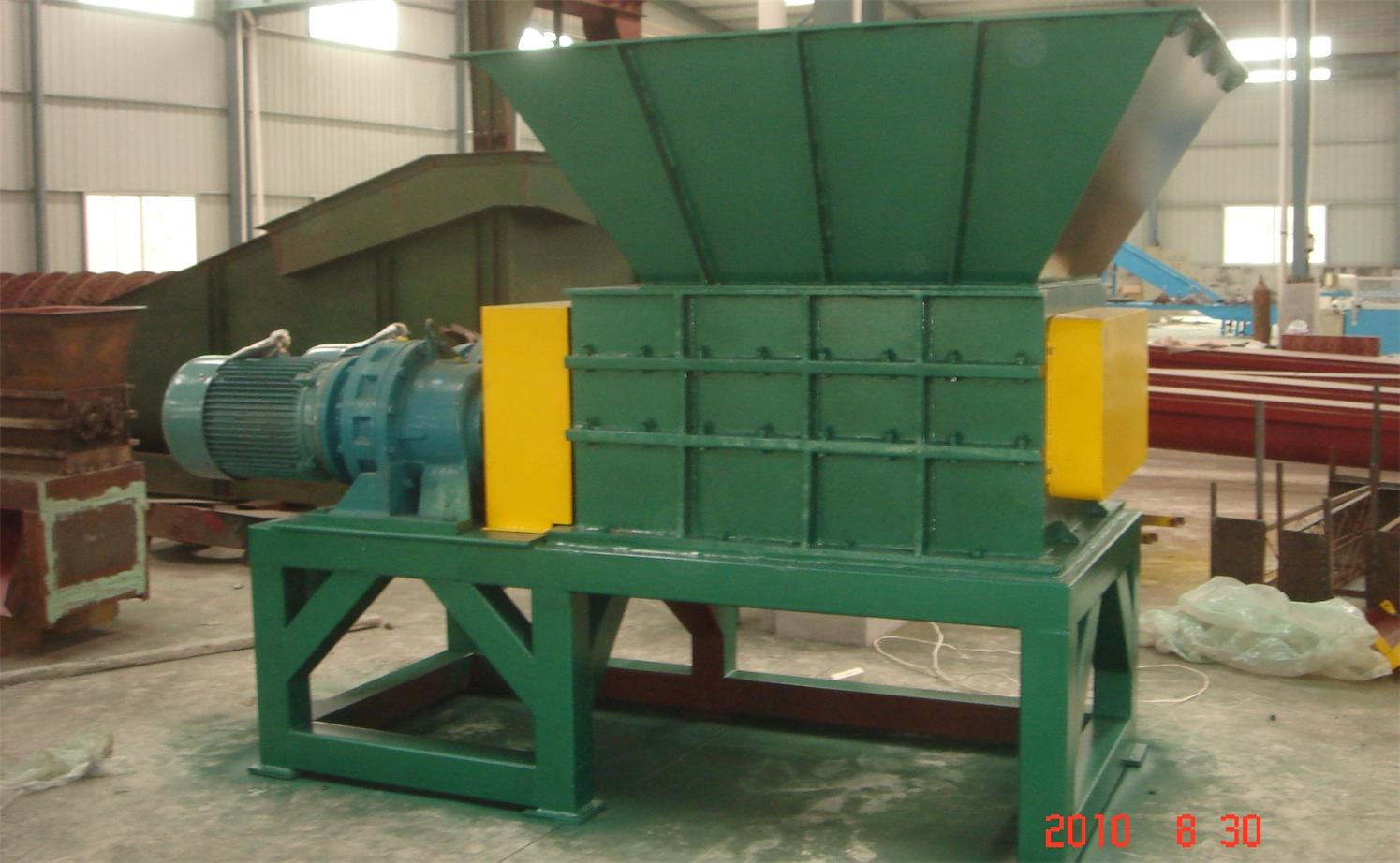
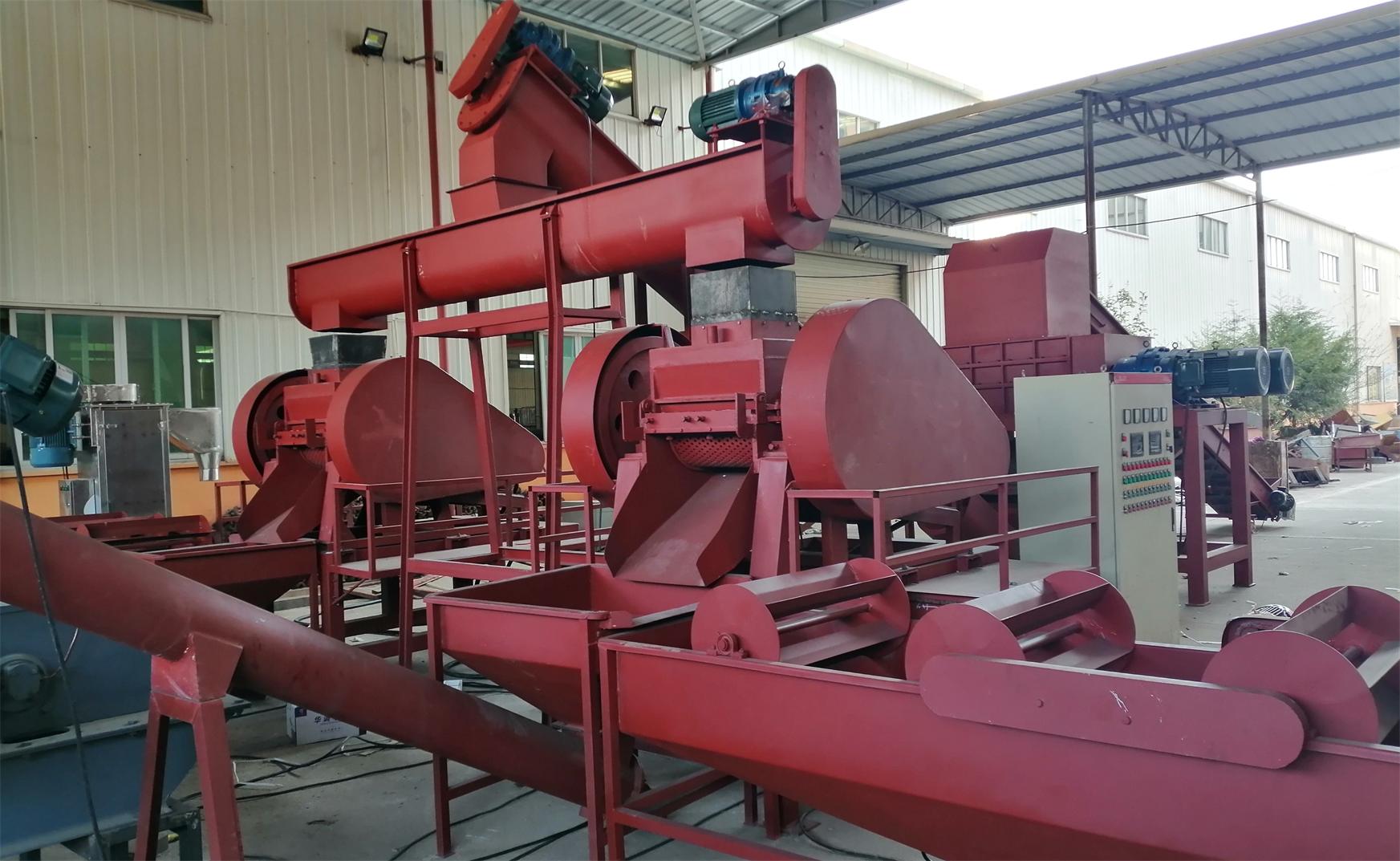
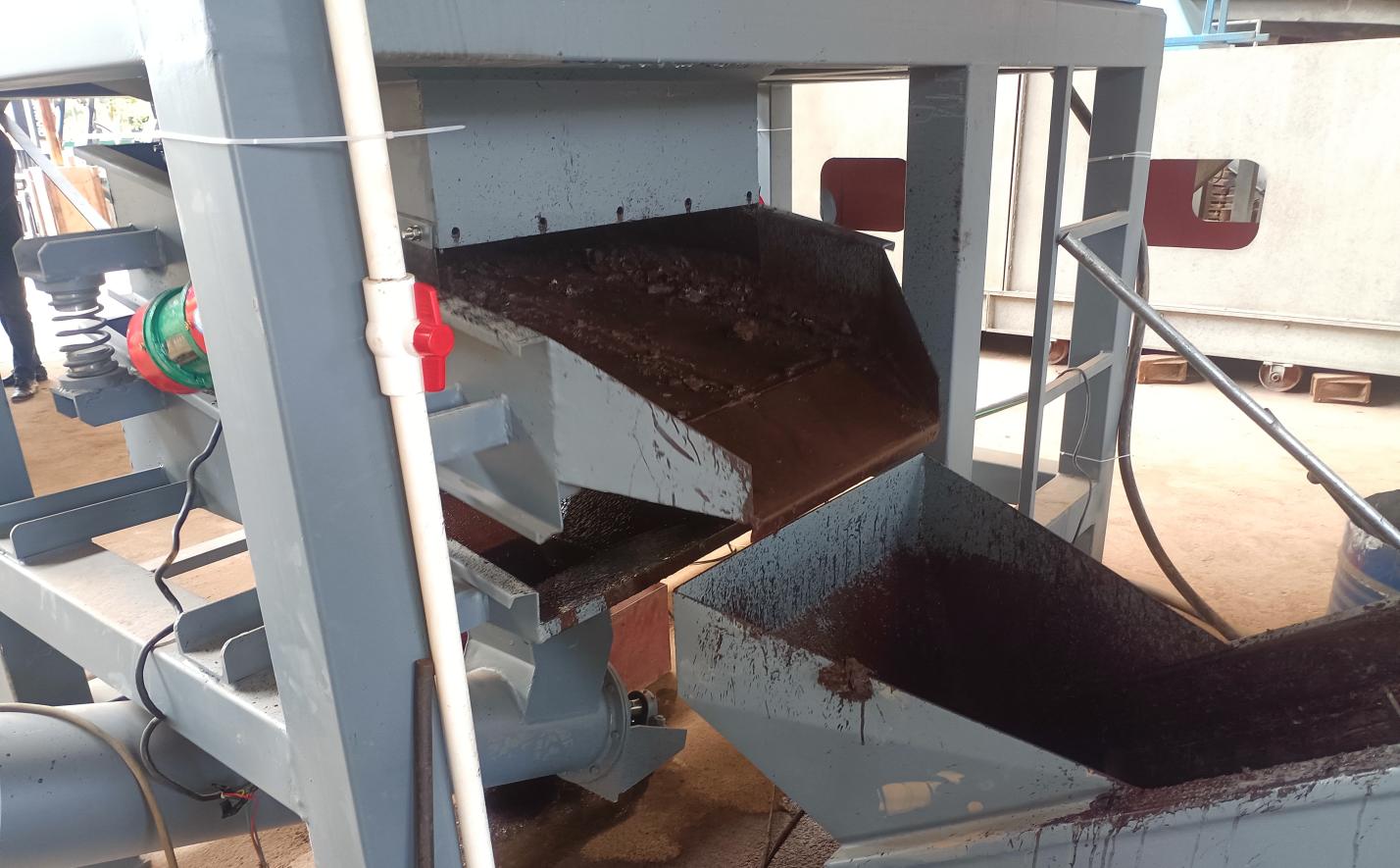
Used lead acid batteries are one of the most recycled products on earth, and for good reason. They contain lead paste, lead grids, plastic casing, and sulfuric acid. Each fraction has resale value when separated cleanly. A properly designed lead acid battery breaking and separation system can process 1 to 10 metric tons per hour, breaking batteries into four clean output streams: lead grid, lead paste, PVC or PP plastic, and hard rubber.
The key is in the downstream refining. Breaking and separation is only stage one. To maximize recovery, plants need de-sulfurization units to treat lead paste, rotary furnaces or blast furnaces for smelting, and refinery kettle furnaces to reach 99.999% purity. Air pollution control systems and water treatment plants are not optional extras. They are essential for meeting environmental compliance and keeping your operating license.
What to verify: A complete lead acid battery recycling line should include breaking and separation, paste filtration, de-sulfurization, smelting furnace, refinery kettle, effluent treatment, and exhaust gas purification. If a supplier only sells the crusher, you are buying a partial solution.
Lithium Battery Recycling: Capturing the EV Revolution
The transition to electric vehicles and energy storage has shifted the recycling spotlight to lithium-ion batteries. Unlike lead acid batteries, lithium batteries contain cobalt, nickel, manganese, graphite, copper, and aluminum. The black mass recovered from crushing and separation is a valuable feedstock for battery material refiners.
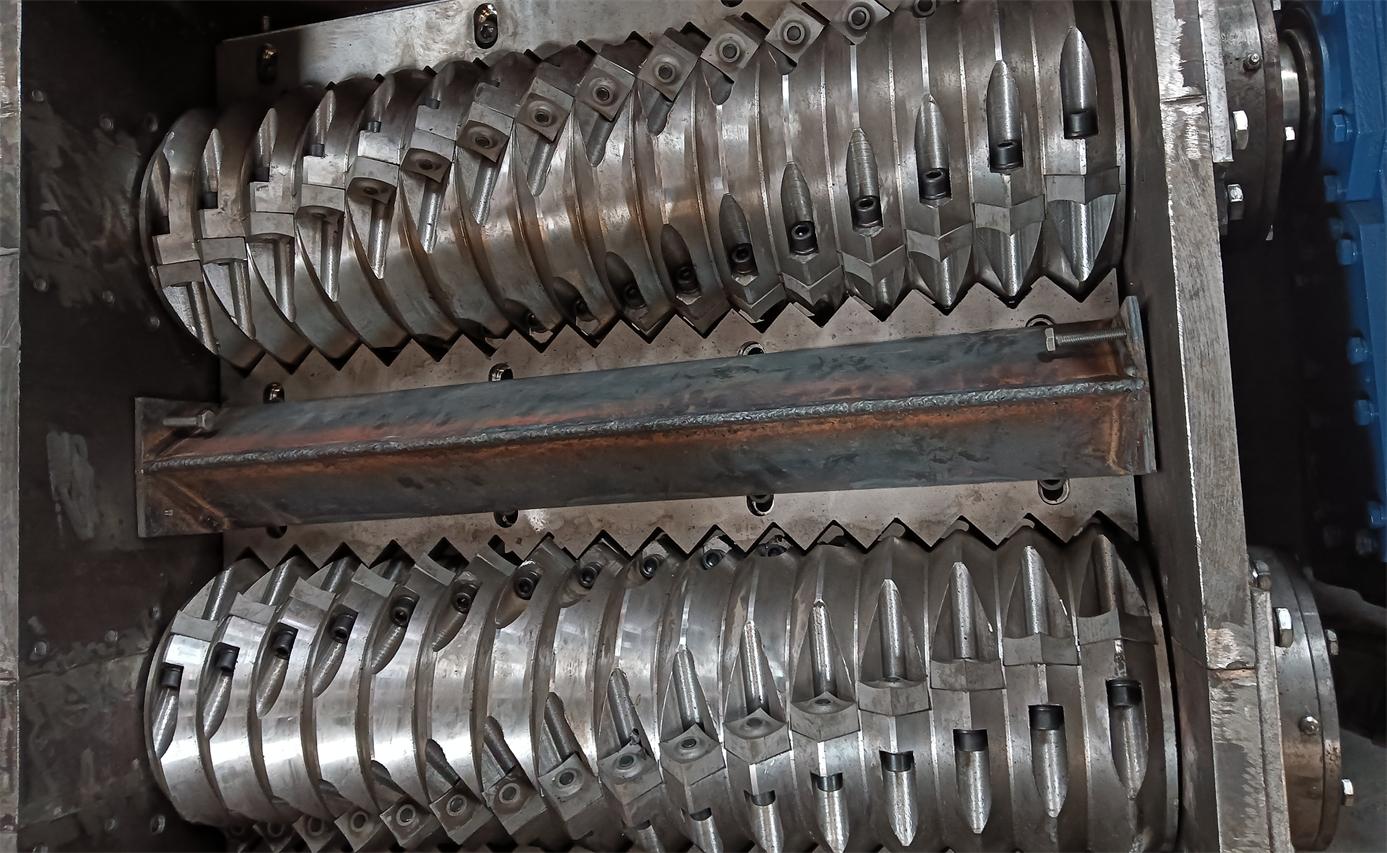
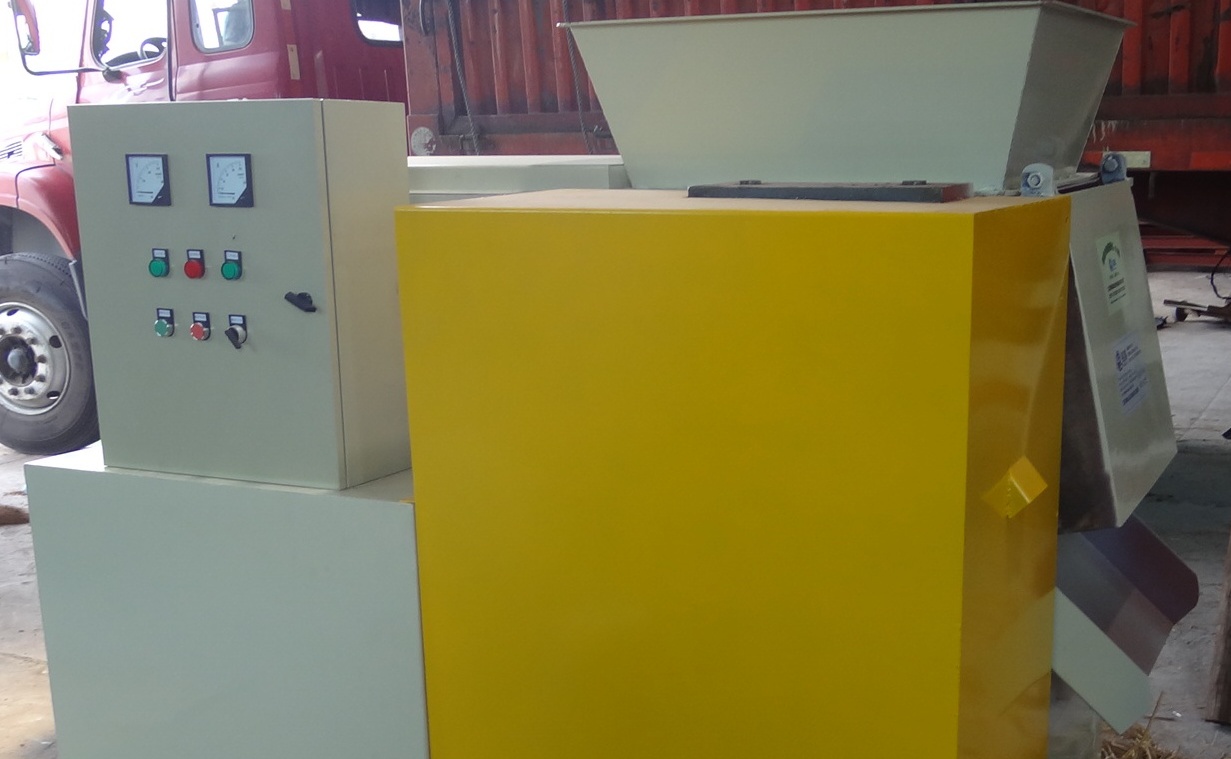
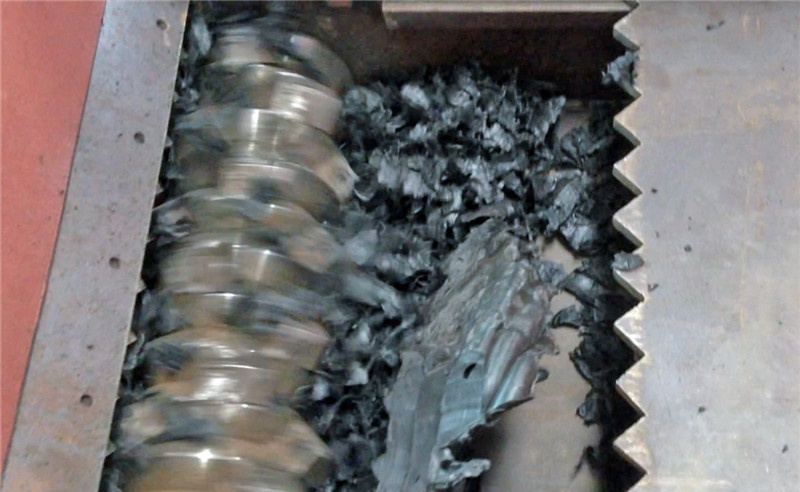
A modern lithium battery recycling plant with 500-2500kg/hour capacity handles the full sequence: battery discharge for safety, pre-crushing, secondary granulation, black powder separation, and magnetic separation of iron and steel. The output streams are black mass containing nickel, cobalt, and graphite; separated plastic film; and clean copper and aluminum fractions.
Safety systems matter enormously in lithium recycling. These batteries retain charge and can ignite if mishandled. Proper discharge equipment, inert atmosphere controls, and dust collection with gas neutralization are not afterthoughts. They are the difference between a profitable plant and a fire investigation.
Cable and PCB Recovery: Turning Scrap into Metal
Scrap cables are copper and aluminum wrapped in plastic insulation. The economics are simple: separate the metal from the plastic, and both become salable commodities. Cable recycling machines use dry or wet separation to produce copper granules or powder with high purity, ready for direct sale to smelters.
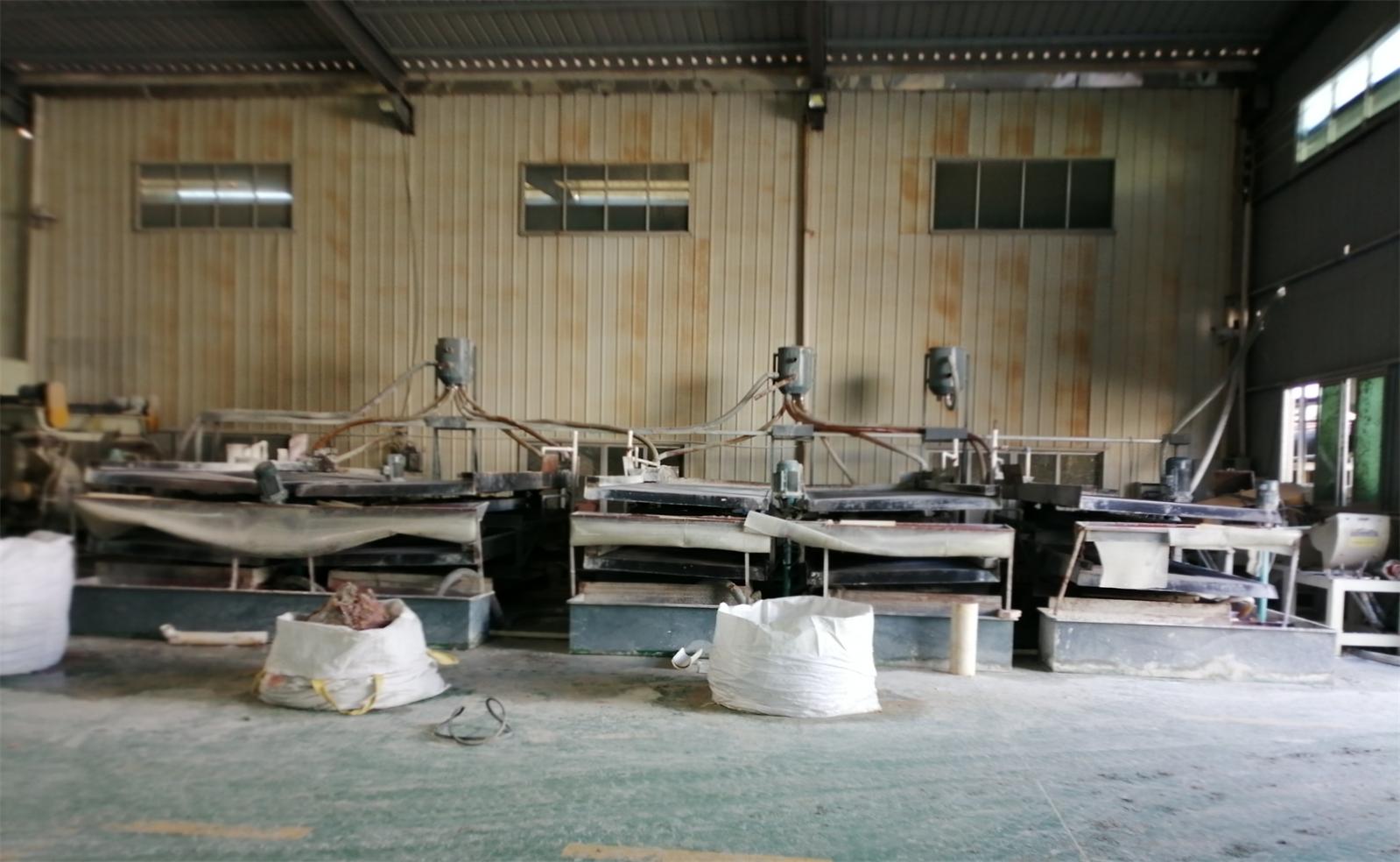
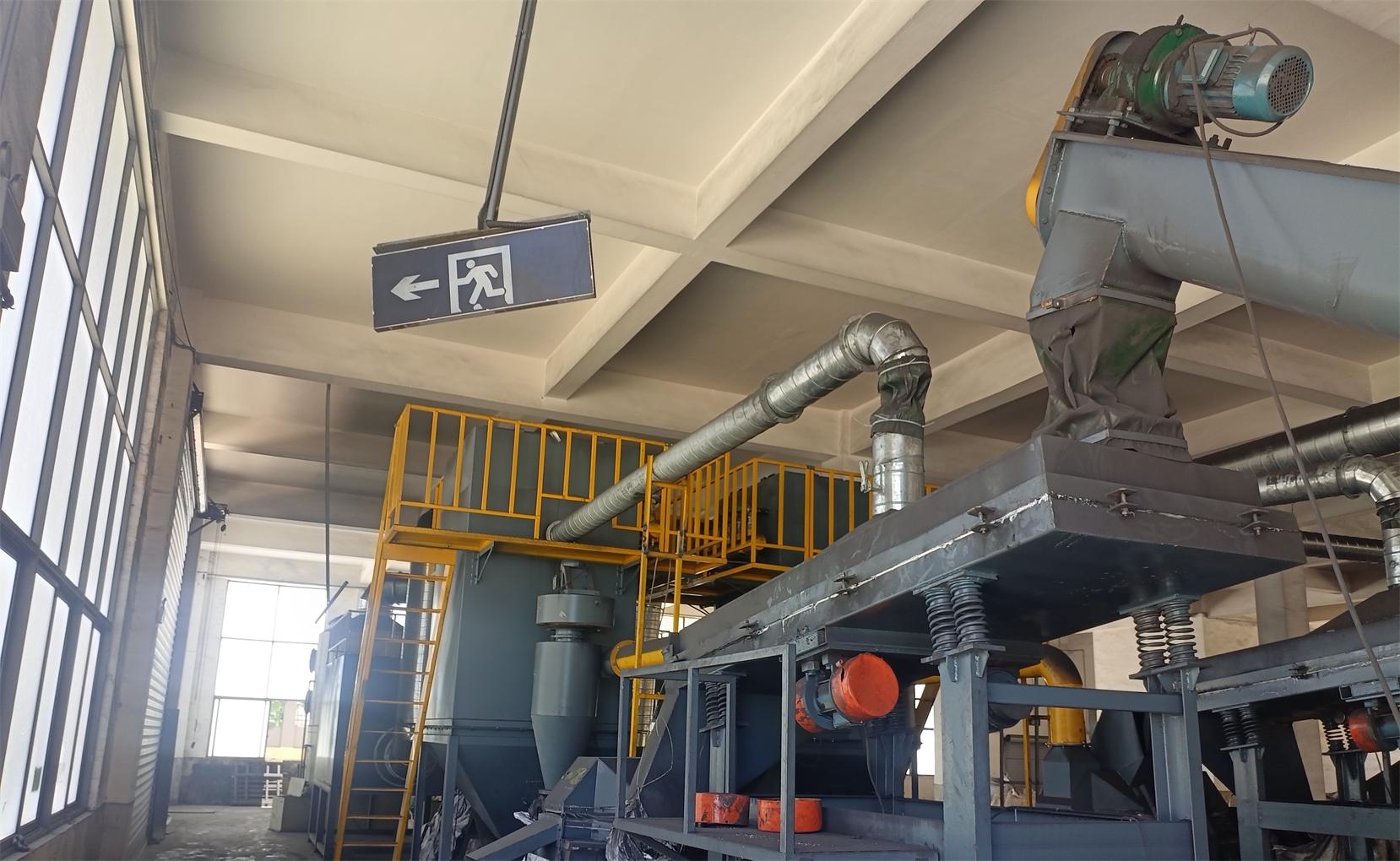
Circuit boards are more complex. They contain copper, precious metals, and fiberglass resin. Dry separation plants use air classifiers, electrostatic separators, and pulse dust collectors to recover copper powder with 96-98% purity. Wet separation systems can handle boards with components still attached, using water-based metal separation to avoid dust emissions entirely. The choice between dry and wet depends on your local environmental regulations and the type of feedstock you plan to process.
What to Look for in a Recycling Equipment Partner
Buying recycling equipment is not like buying a standard machine tool. Every feedstock is different, every regulatory environment is different, and every end-market has its own purity requirements. You need a supplier who understands the full process chain, not just the individual machines.
Here is what separates a reliable equipment partner from a mere vendor:
Process integration capability. Can they design the complete flow from raw material input to finished product output, including auxiliary systems like water treatment and air pollution control?
Customization experience. Do they offer custom design for your specific capacity, feedstock mix, and site constraints?
Installation and commissioning support. Will they send engineers to supervise installation, train your operators, and debug the line until it hits design capacity?
Material sourcing assistance. Can they help you find reliable suppliers of scrap batteries, cables, or PCBs to feed your plant?
Product offtake connections. Do they have relationships with buyers for your recovered copper, lead ingots, or black mass?
San Lan Technologies, established in 2007, has supplied e-waste recycling equipment to customers across more than 21 countries. The engineering team includes mechanical engineering specialists with over 15 years of experience in recycling plant design. Beyond manufacturing equipment, San Lan provides EPC project services, helps customers source waste material feedstock, and assists in selling recovered products to end buyers. That full-chain support matters when you are building a recycling business from the ground up.
Making the Numbers Work
A recycling plant is a capital investment, but the return drivers are straightforward: feedstock cost, recovery rate, metal price, and operating cost. The equipment you choose directly affects three of those four variables. Higher recovery rates mean more salable metal per ton of input. Better separation means lower contamination and better prices from buyers. Reliable automation means fewer operators and less downtime.
Before you commit to any equipment purchase, demand a clear process flow diagram, a realistic capacity guarantee based on your specific feedstock, and references from operating plants in similar conditions. Ask hard questions about spare parts availability and technical response time. A plant that sits idle waiting for a replacement part is a plant that is losing money.
Ready to explore your recycling plant project? San Lan Technologies designs and supplies complete e-waste recycling lines including lead acid battery recycling systems, lithium battery recycling plants, cable recycling machines, and circuit board recycling equipment. With experience in over 21 countries and full EPC project capability, we can help you move from concept to commissioned plant. Visit www.san-lan.com to view the full product range, or contact us directly to discuss your specific feedstock and capacity requirements.