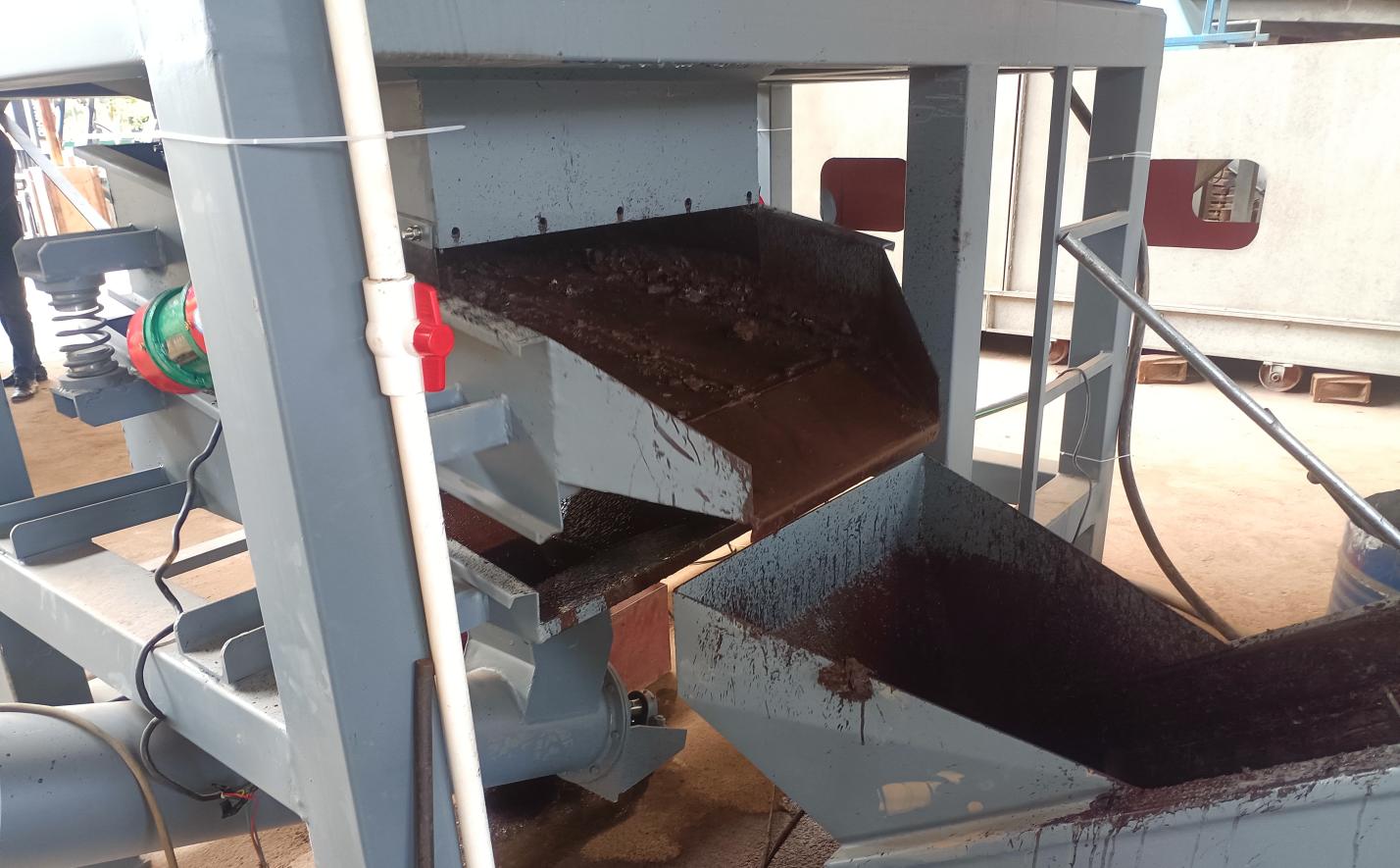
The global surge in electronic waste has created an unprecedented business opportunity. Every year, millions of tons of discarded batteries, circuit boards, and cables pile up in landfills, leaking hazardous materials while locking away valuable metals like copper, lead, gold, and lithium. For entrepreneurs willing to invest in the right technology, e-waste recycling is not just an environmental service — it is a highly profitable industrial venture.
Why E-Waste Recycling Is a High-Return Industry
Unlike traditional recycling, e-waste processing deals with materials that carry concentrated value. A single ton of discarded mobile phone circuit boards contains more gold than a ton of gold ore. Used lead-acid batteries are over 90% recyclable, yielding lead, plastic, and acid that can re-enter manufacturing streams. Scrap copper cables retain nearly all their metal value once separated from insulation.
Governments across the world are tightening regulations on landfill disposal and offering incentives for proper recycling. This policy shift ensures a growing supply of raw material and a ready market for recovered metals. The businesses that move early to establish efficient processing lines will capture the most profitable positions in the supply chain.
Three High-Value Streams Every Recycler Should Consider
1. Lead-Acid Battery Recycling
Used lead-acid batteries remain one of the most recycled commodities on earth. A well-designed plant can break and separate batteries into lead paste, lead grids, plastic casing, and sulfuric acid. With capacity ranging from 1 to 10 metric tons per hour, modern lead acid battery recycling equipment can handle large volumes while meeting strict environmental standards. The recovered lead can be refined to 99.999% purity, ready for battery manufacturers to reuse.
2. Printed Circuit Board Recovery
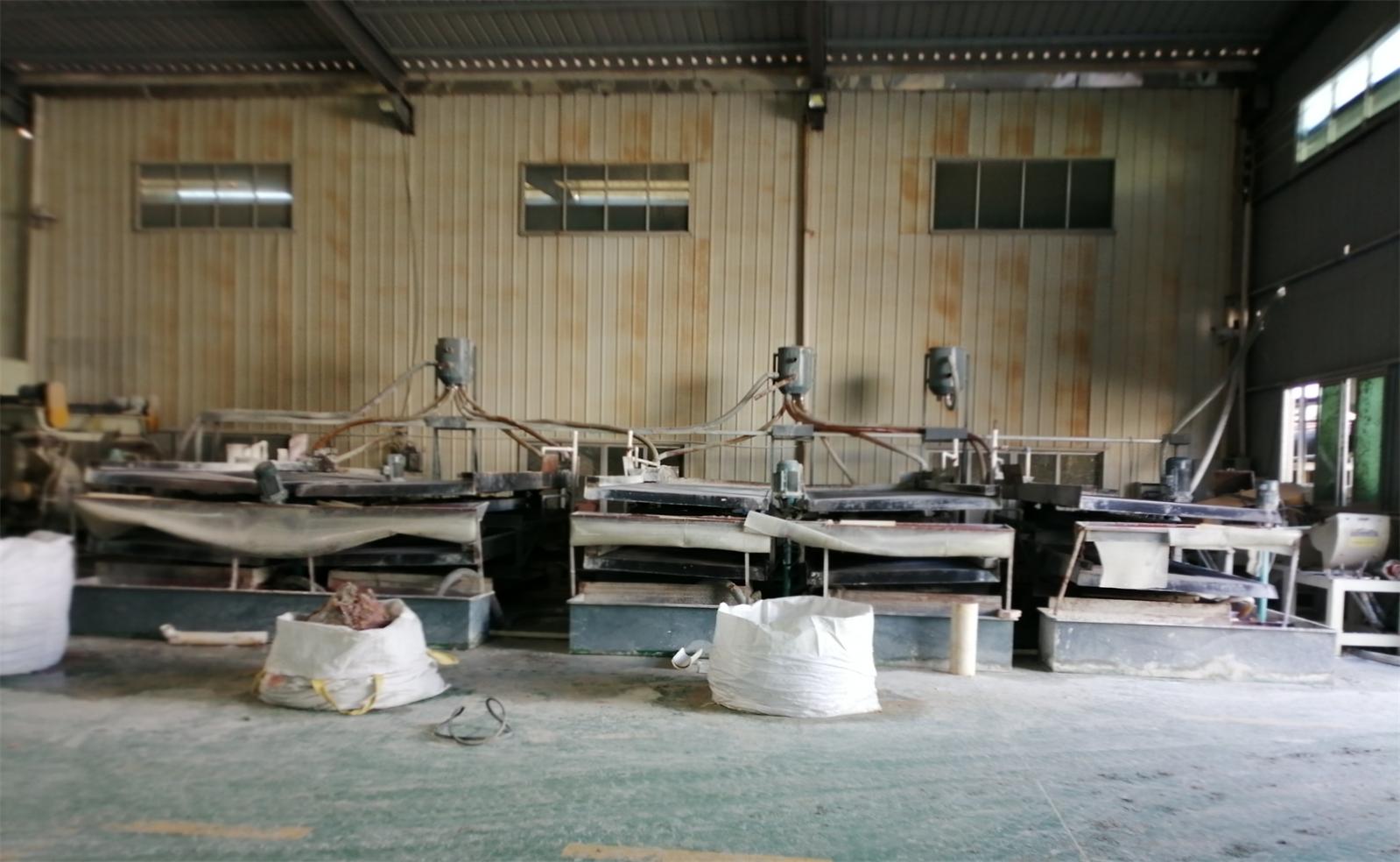
Circuit boards from computers, televisions, and communication devices contain copper, precious metals, and rare earth elements. Advanced circuit board recycling equipment uses either dry air separation or wet water separation to achieve copper powder purity between 96% and 98%, with overall recovery rates reaching 95%. Plants are available with capacities from 300 kg/hour up to 2000 kg/hour, making the technology accessible to both small and large operations.
3. Cable and Wire Granulation
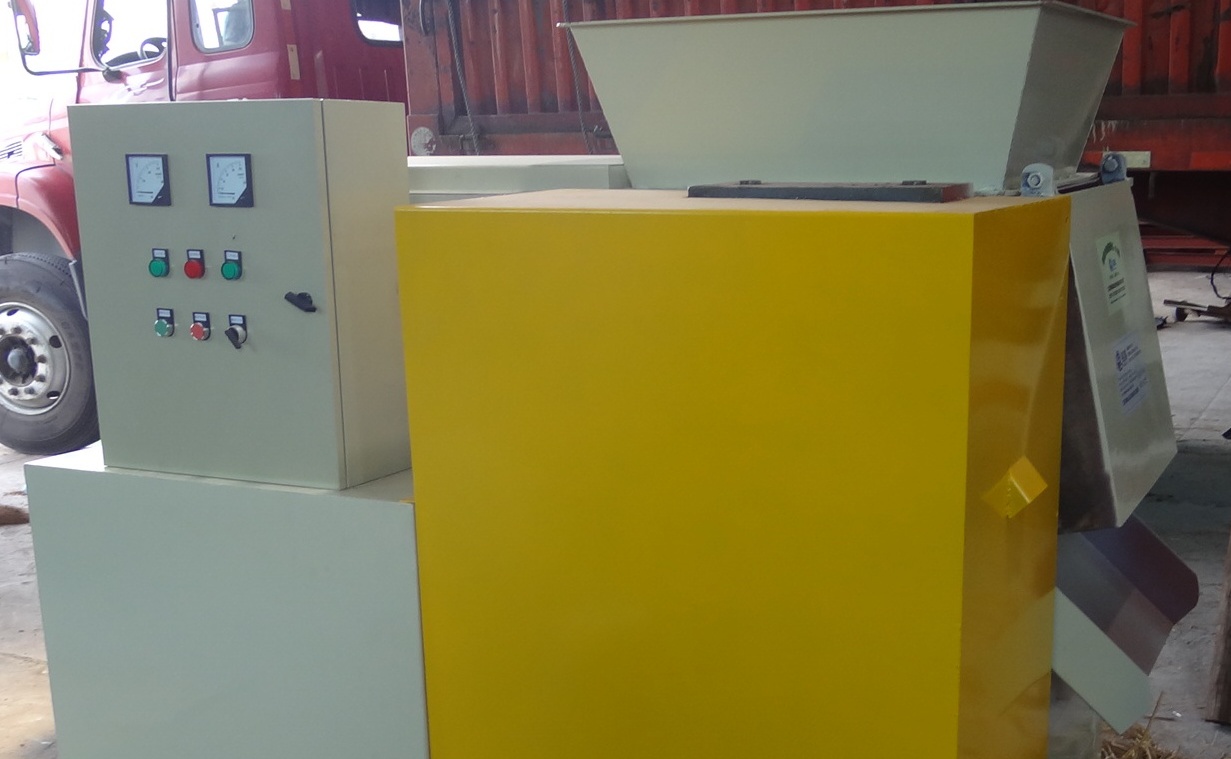
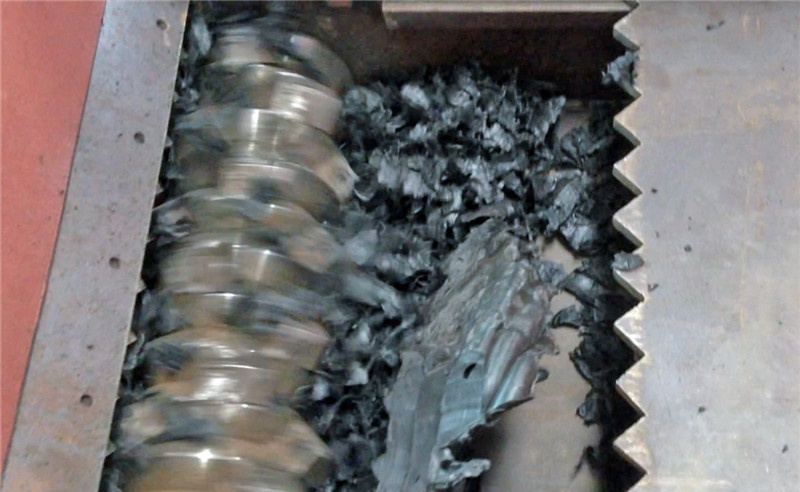
Scrap electrical cables represent one of the easiest entry points into the recycling business. Granulators strip and shred cable insulation to liberate copper or aluminum conductors. Depending on the model, cable recycling equipment can process anywhere from 100 kg to 1200 kg per hour, producing clean copper granules that command premium prices at metal exchanges. The plastic fraction can also be briquetted or pelletized for secondary sale.
Turnkey Solutions vs. Standalone Machines
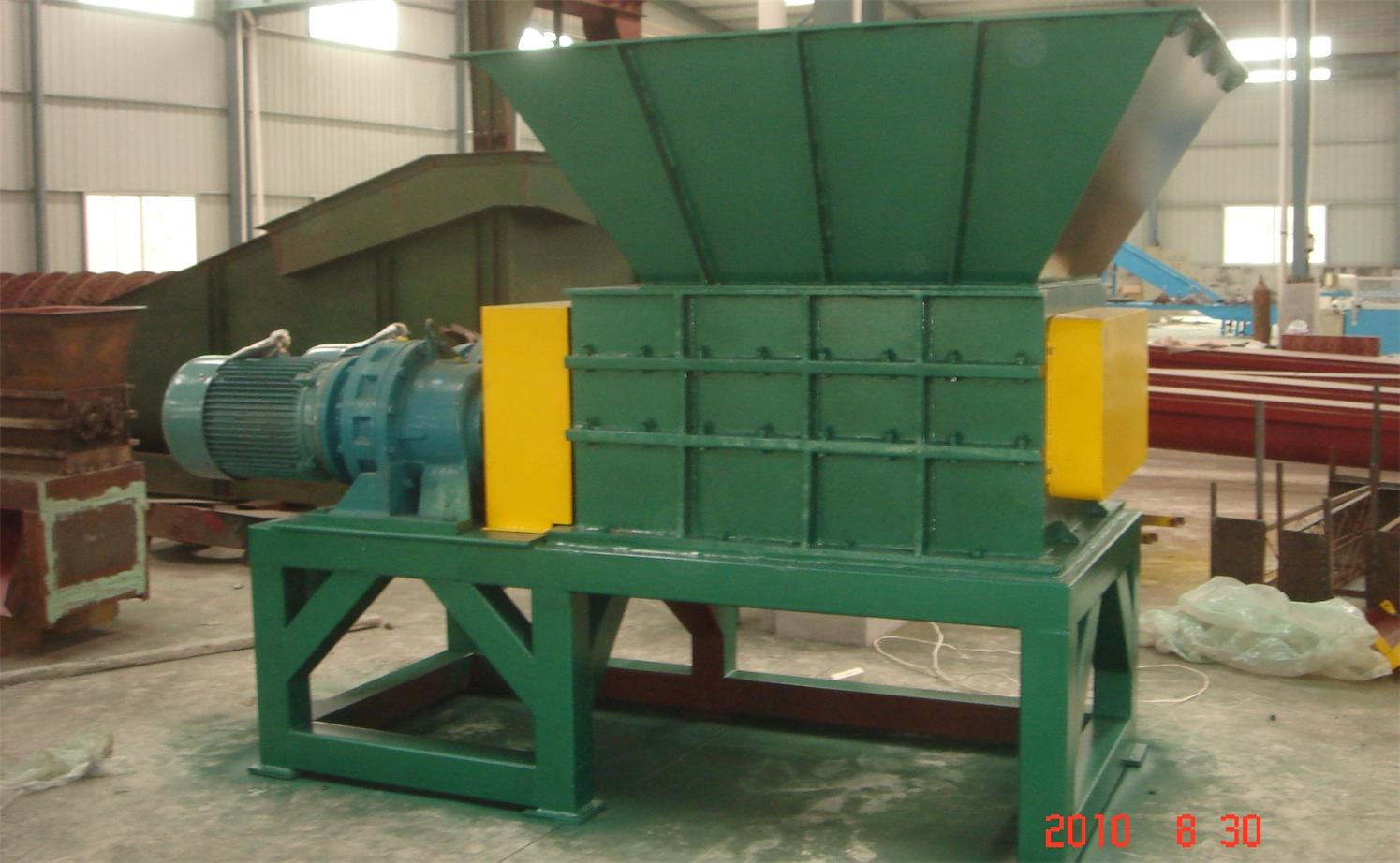
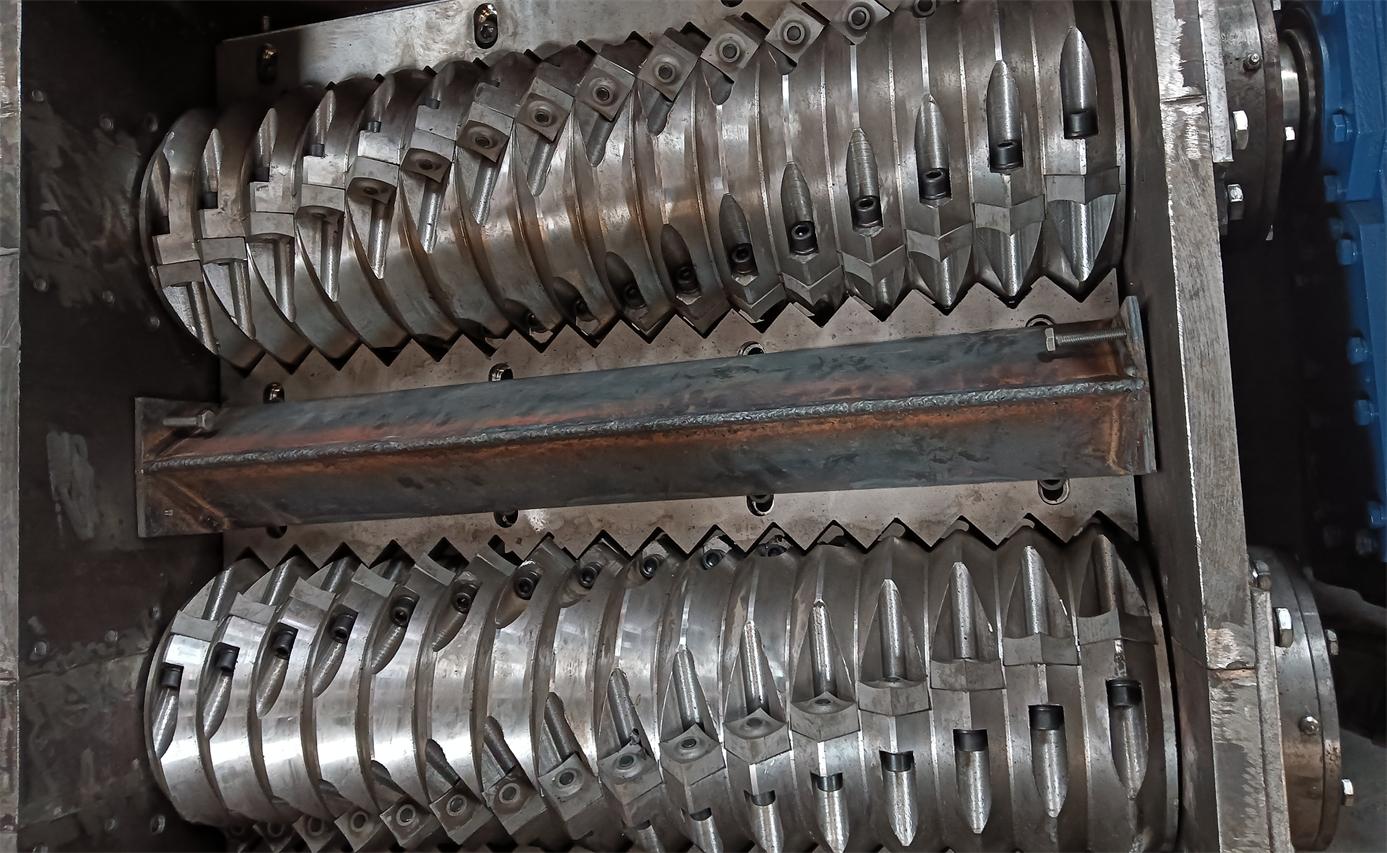
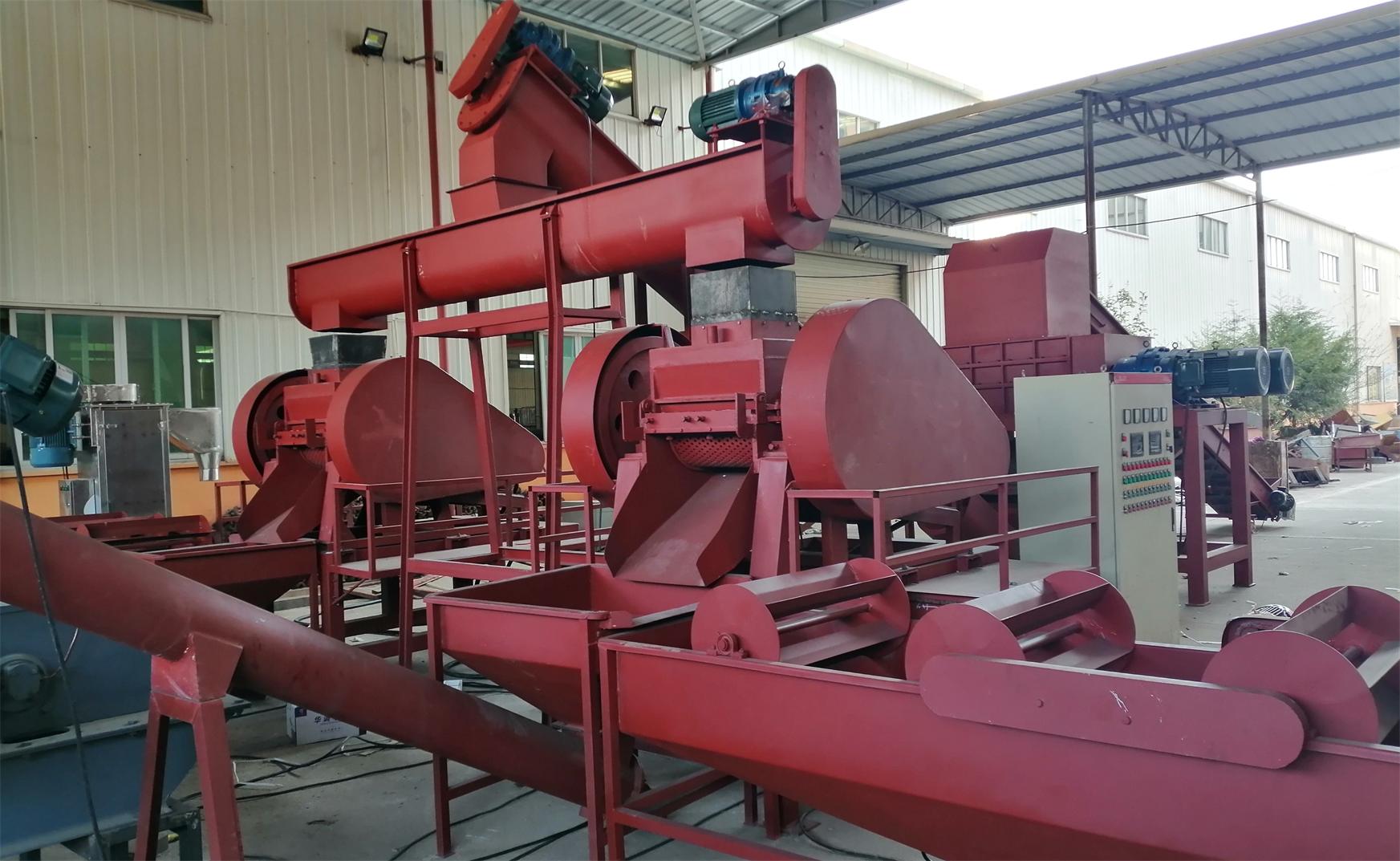
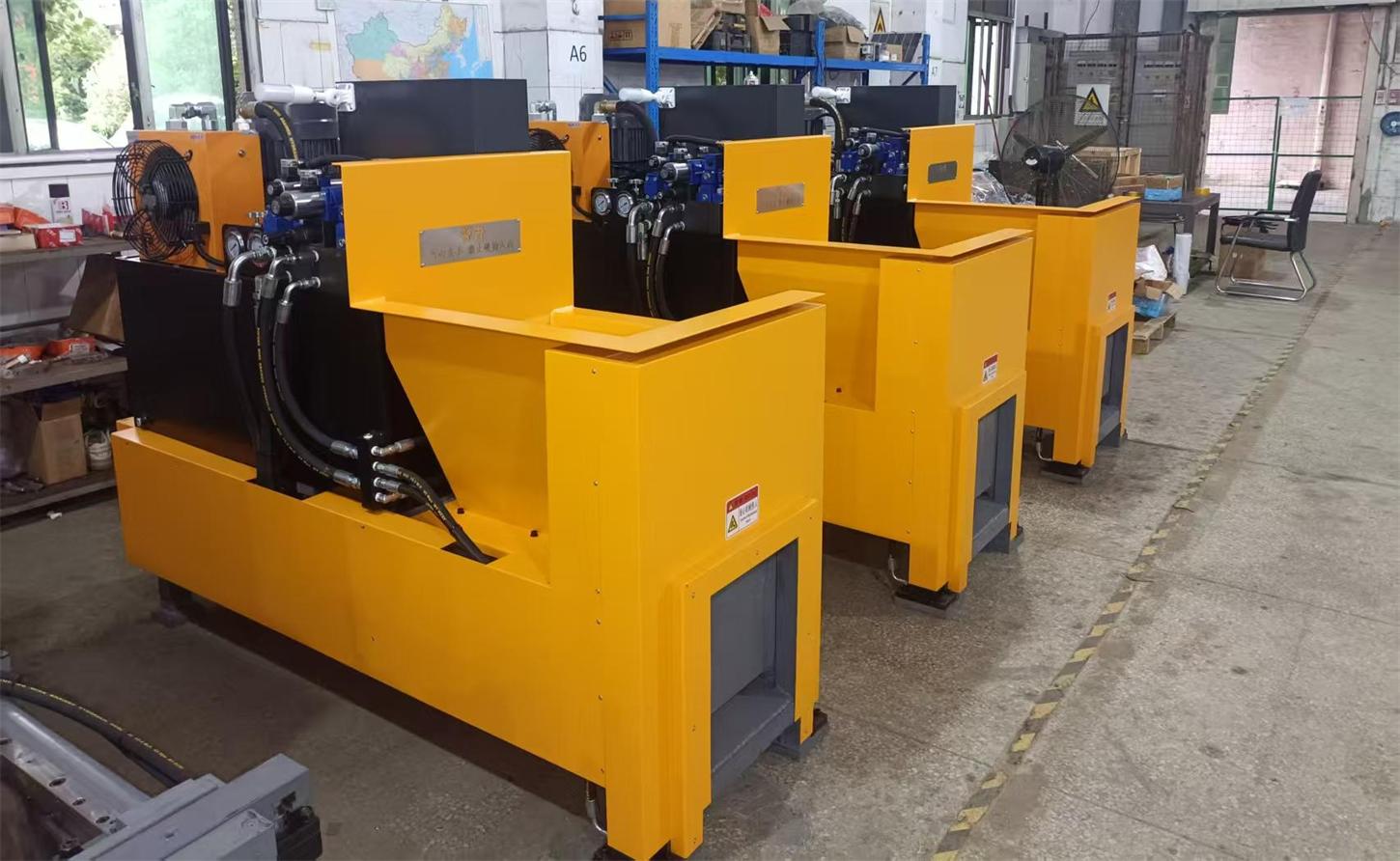
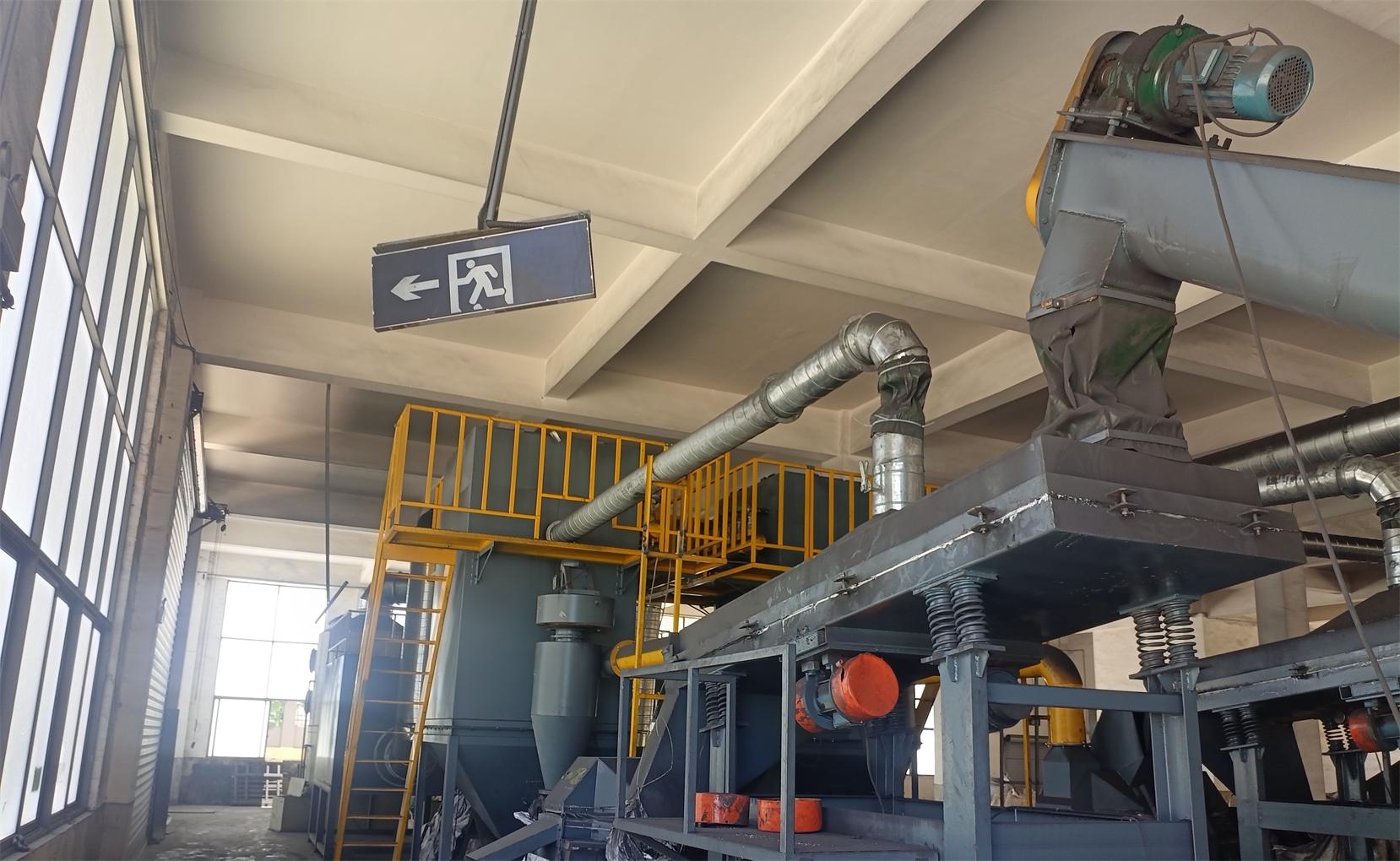
Many newcomers make the mistake of buying a single machine without considering material flow, dust control, wastewater treatment, and safety compliance. A profitable recycling plant requires an integrated system: shredders for size reduction, separators for material classification, dust collectors for air quality, and pollution control systems for exhaust gases.
Experienced suppliers now offer complete EPC — Engineering, Procurement, and Construction — packages. This means the supplier designs the entire plant layout, delivers all equipment, supervises installation, and commissions the system until it reaches guaranteed performance. Turnkey solutions eliminate the risk of mismatched components and shorten the learning curve for new operators.
What Separates a Reliable Supplier from the Rest
When evaluating equipment partners, look beyond catalog prices. A capable manufacturer should demonstrate:
- Technical depth: In-house engineering teams with mechanical engineering backgrounds and at least a decade of field experience.
- Customization ability: Willingness to adapt plant design to your local raw material mix, available space, and target capacity.
- After-sales infrastructure: On-site installation support, operator training, and spare parts availability.
- Value-added services: Assistance sourcing waste material, finding buyers for recovered metals, and even connecting investors for project financing.
- Proven export experience: A track record of successful installations across diverse regulatory and climatic environments.
Global Reach, Local Results
One indicator of supplier reliability is the geographic diversity of their installed base. Established manufacturers have shipped equipment to more than twenty countries spanning Southeast Asia, Latin America, Africa, the Middle East, and Eastern Europe. Each region presents unique challenges — from tropical humidity to desert dust — and only equipment that has performed reliably across these conditions can be trusted for your project.
Bilingual technical teams also matter. Clear communication during design, installation, and troubleshooting prevents costly misunderstandings and keeps projects on schedule.
Getting Started: A Practical Roadmap
Step 1: Define your feedstock. Will you focus on batteries, cables, circuit boards, or a mixed stream? This determines the core equipment set.
Step 2: Secure your supply chain. Sign agreements with local waste collectors, scrap yards, or manufacturers for consistent inbound material.
Step 3: Choose a supplier that offers pilot testing or material analysis. Validate recovery rates before committing capital.
Step 4: Plan for environmental compliance. Budget for air pollution control, wastewater treatment, and noise mitigation from day one.
Step 5: Negotiate offtake agreements for your recovered metals. Copper, lead, and precious metals have liquid global markets, but long-term contracts improve cash flow predictability.
Turn E-Waste into a Revenue Engine
The recycling industry rewards operators who combine sound planning with robust equipment. Whether you are starting with a single cable granulator or building a multi-line battery and board recycling complex, the right technology partner can mean the difference between marginal returns and a thriving, scalable business.
If you are evaluating lead acid battery recycling equipment, circuit board recycling equipment, or cable recycling equipment, reach out to discuss your material, capacity targets, and layout constraints. A detailed proposal — including process flow, equipment specifications, and investment estimate — is the first step toward turning waste into profit.