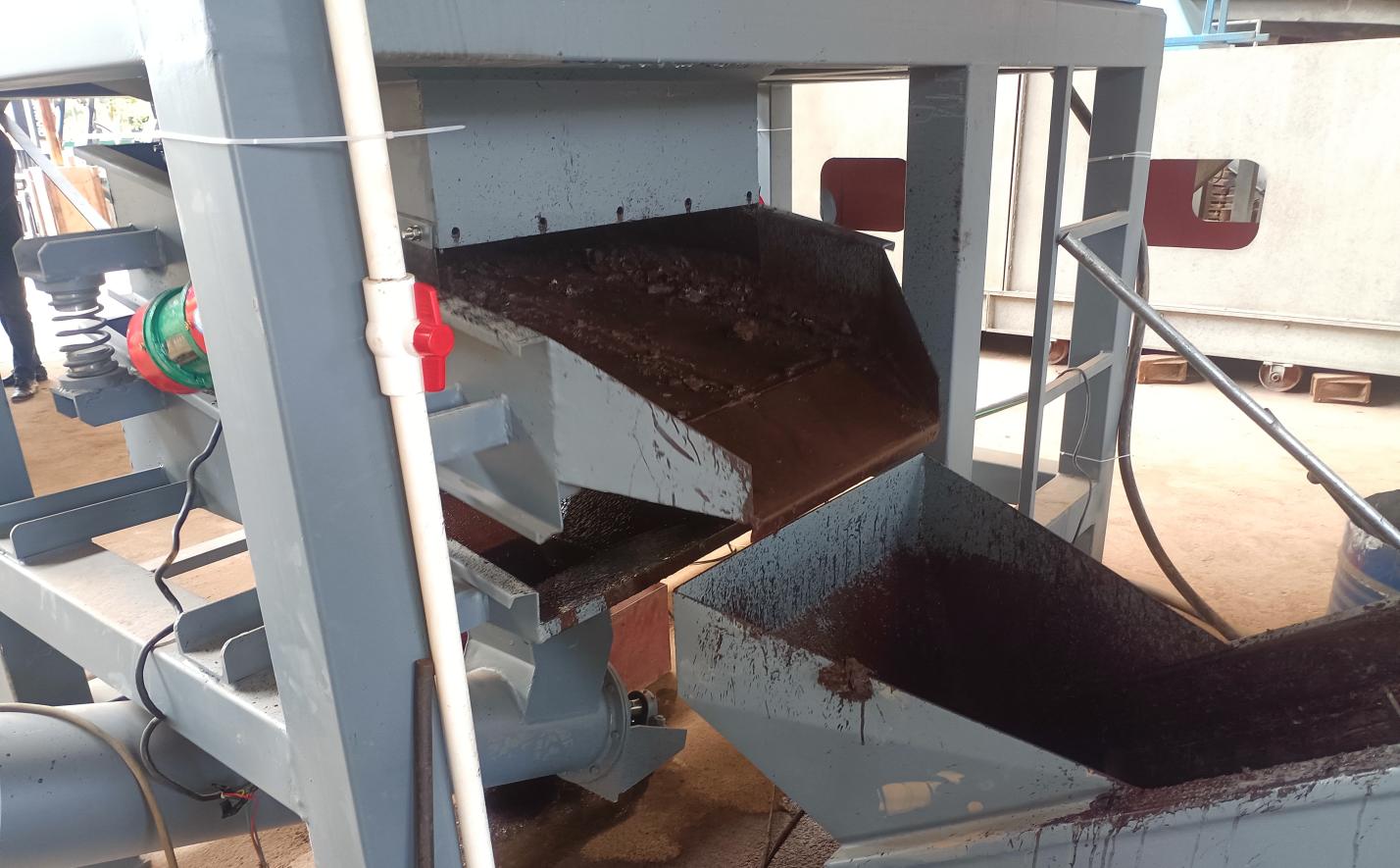
The global e-waste generation is surging past 60 million metric tons annually, yet less than 20% is formally recycled. For entrepreneurs and established recyclers alike, this gap represents both an environmental imperative and a significant business opportunity. The key to capturing this market lies in selecting the right recycling equipment tailored to your feedstock, capacity needs, and long-term growth strategy.
Why Invest in Professional Recycling Equipment Now?
Regulatory pressures are tightening worldwide. The European Union's Battery Regulation, updated EPA standards in the United States, and emerging extended producer responsibility (EPR) laws in Asia are driving demand for compliant recycling infrastructure. Simultaneously, volatile commodity prices for copper, lead, lithium, and precious metals make efficient recovery technologies more economically attractive than ever.
However, not all recycling machinery delivers the same return on investment. Equipment that lacks proper separation technology, environmental controls, or scalable design can quickly turn a promising venture into a costly liability. Understanding the core recycling streams and matching them with proven technology is the foundation of a profitable operation.
Lead Acid Battery Recycling: A Proven Revenue Stream
Despite the rise of lithium-ion technology, lead acid batteries remain indispensable for automotive starting, stationary power backup, and industrial applications. Over one billion lead acid batteries are produced globally each year, and nearly all are eventually recycled, making this one of the most mature and predictable recycling markets.
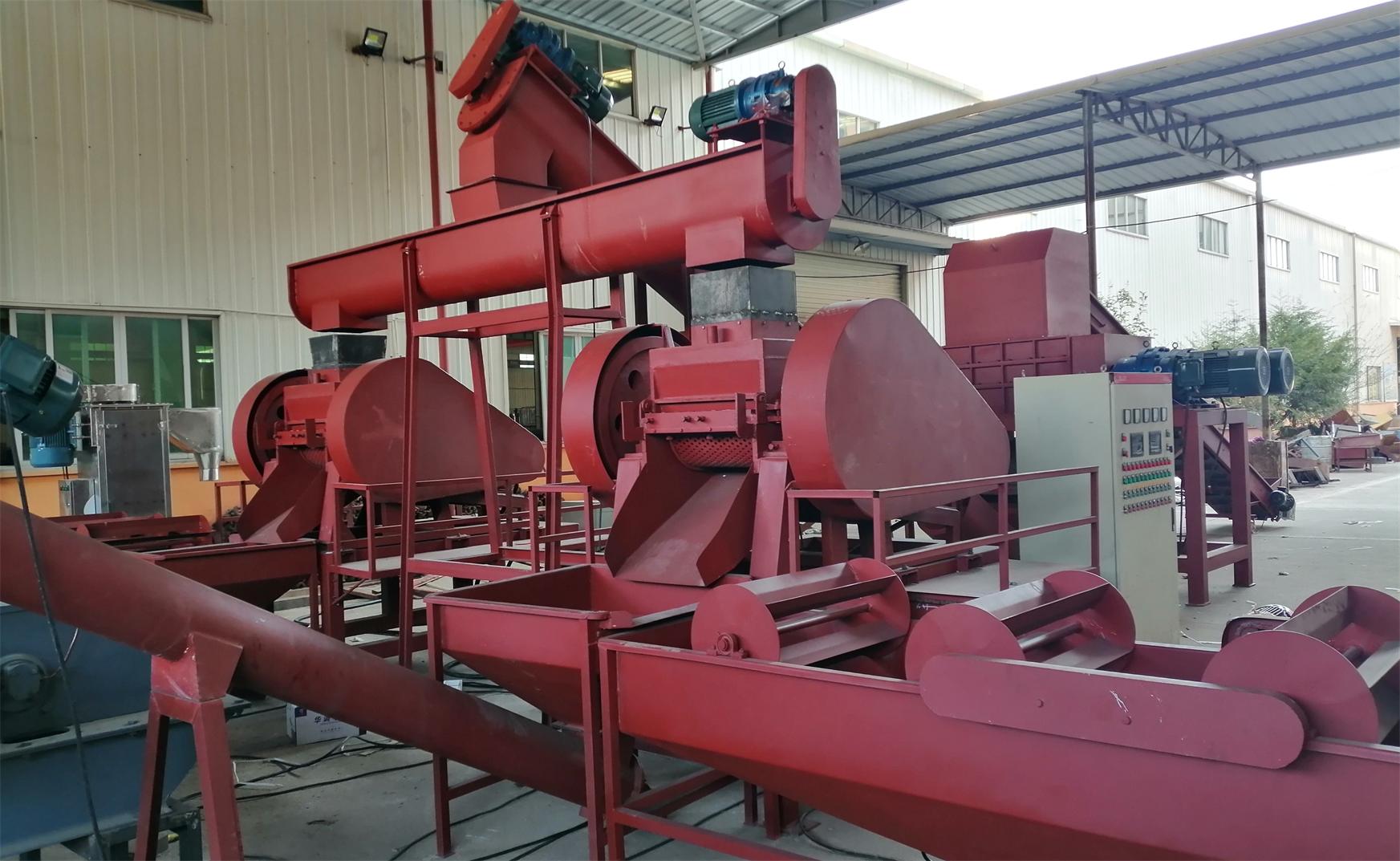
A complete lead acid battery recycling equipment setup typically includes a battery breaking and separation system, paste desulfurization unit, smelting furnace (rotary or blast furnace), lead refinery kettle, air pollution control system, and wastewater treatment plant. Modern plants can process 1 to 10 metric tons per hour, achieving lead recovery rates exceeding 95%.
Key Consideration: Pre-treatment matters. Efficient breaking and separation systems that cleanly segregate lead paste, lead grids, plastic casings, and sulfuric acid before smelting directly impact both recovery yields and environmental compliance. Plants equipped with de-sulfurization units can significantly reduce SO2 emissions and lower energy consumption during the melting phase.
Lithium Battery Recycling: Capturing the Energy Transition
The explosive growth of electric vehicles, consumer electronics, and grid-scale energy storage has created an unprecedented wave of end-of-life lithium-ion batteries. By 2030, analysts project that retired EV batteries alone will exceed two million tons annually. Recovering valuable materials such as nickel, cobalt, lithium, and graphite from these batteries is critical to reducing reliance on virgin mining and stabilizing supply chains.
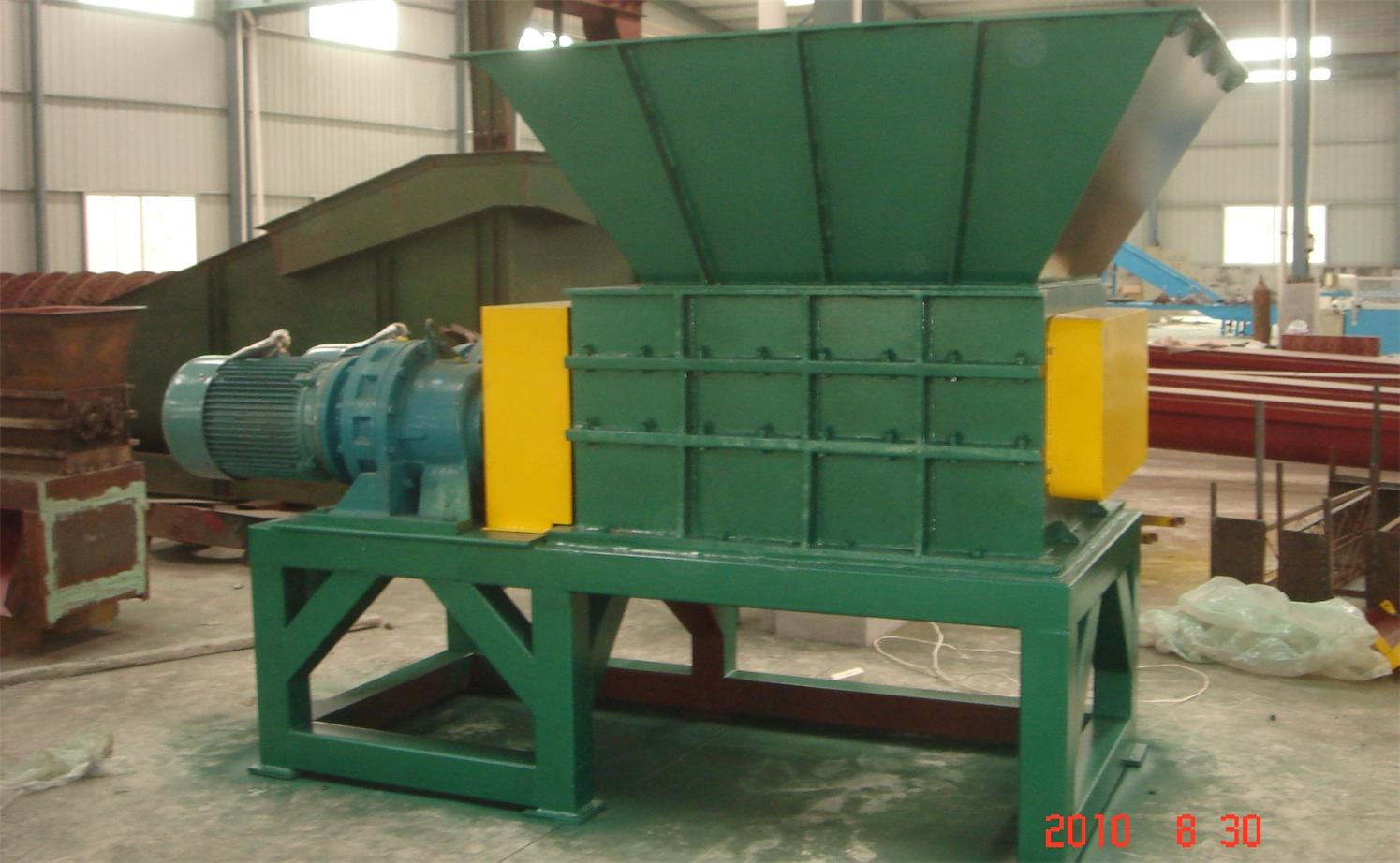
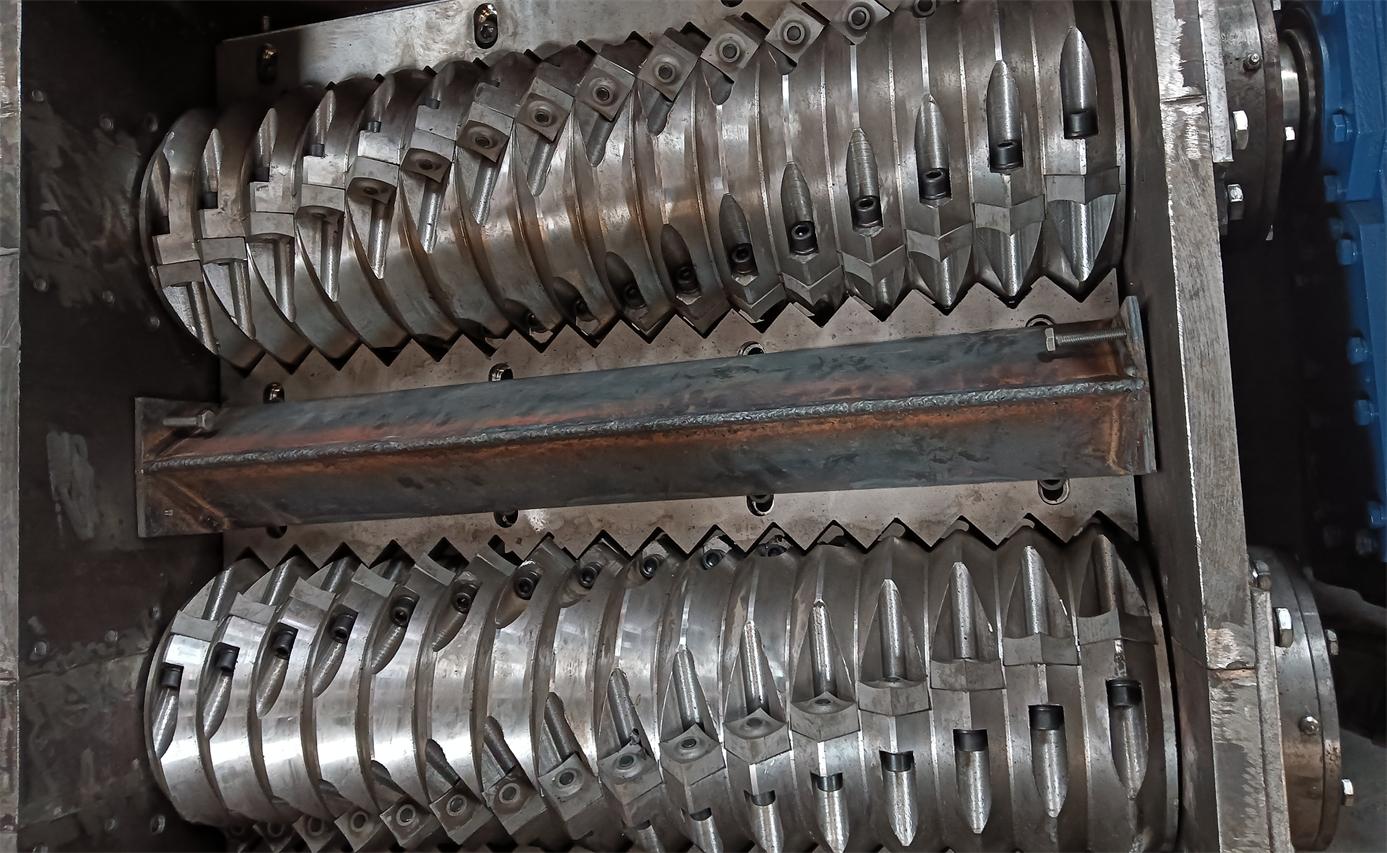
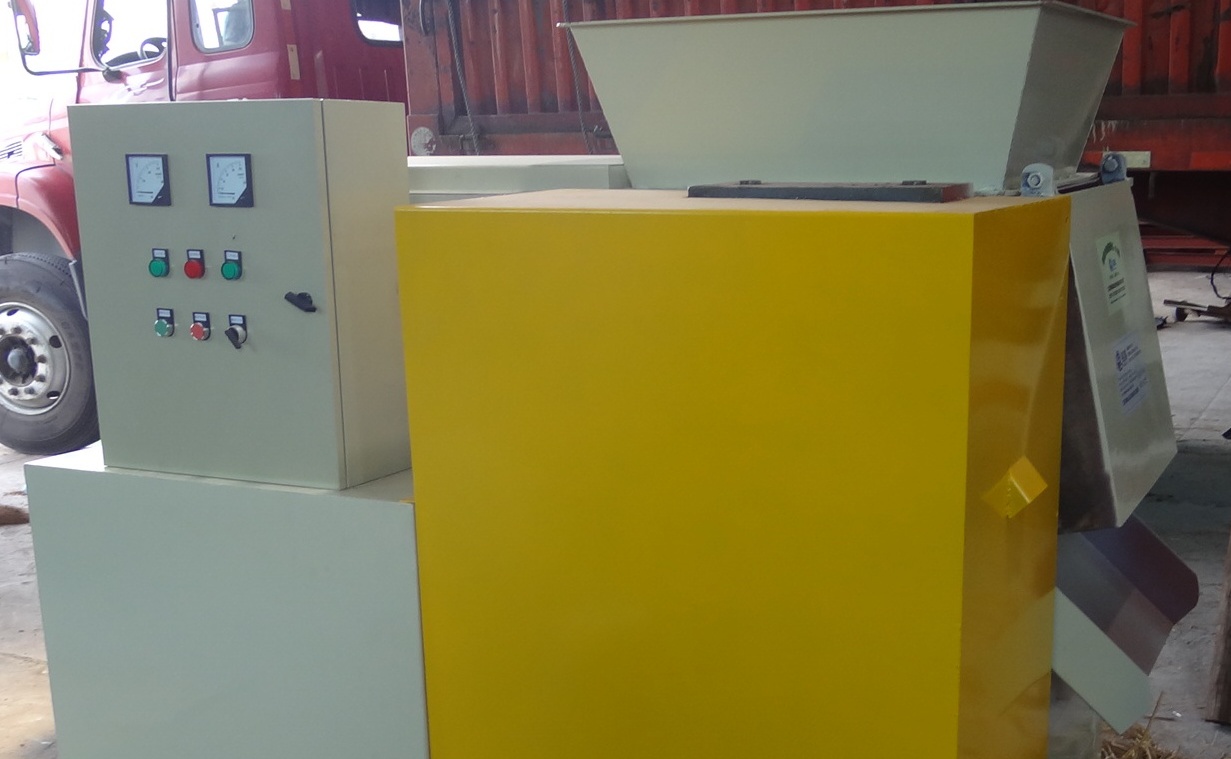
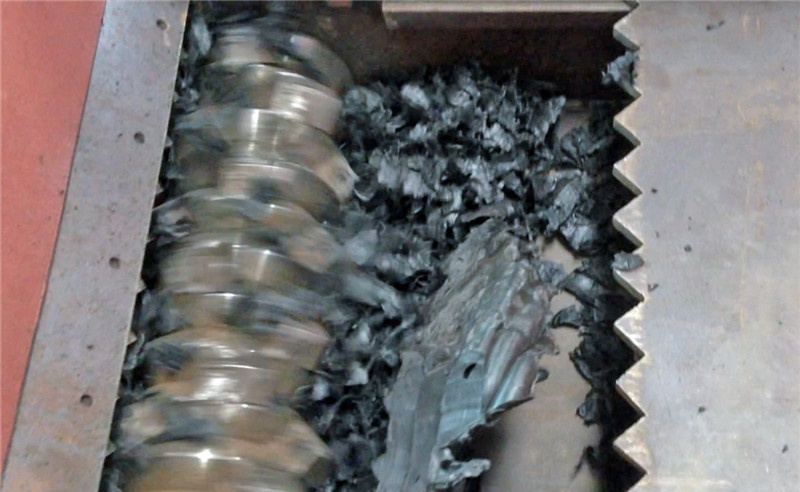
A comprehensive lithium battery recycling plant handles the full workflow from safe discharge and pre-crushing to secondary granulation, black mass separation, and magnetic recovery of ferrous metals. Capacities typically range from 500 to 2,500 kilograms per hour. Advanced systems incorporate air pollution control to neutralize harmful gases generated during crushing, ensuring emissions meet strict environmental standards.
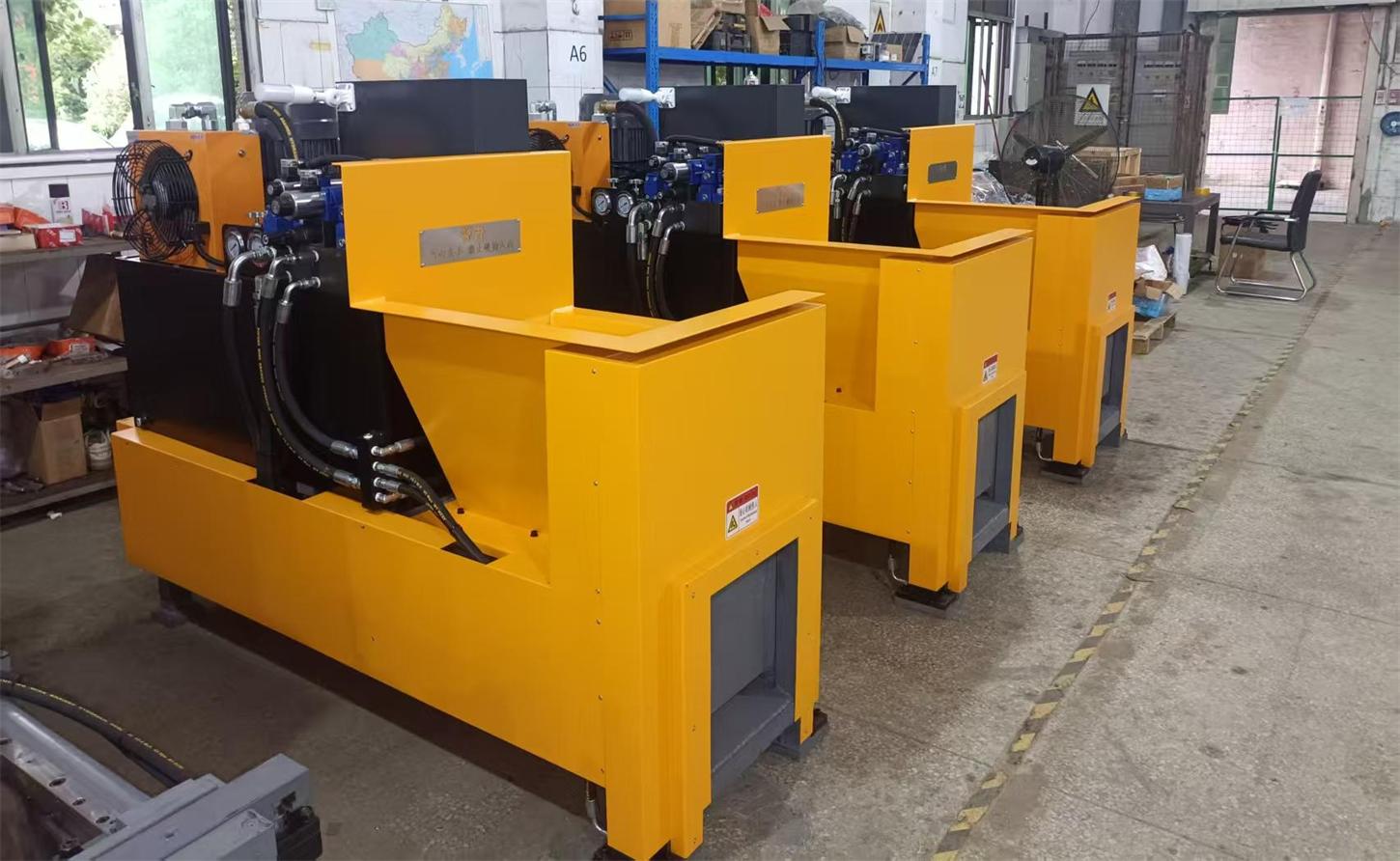
Unlike lead acid recycling, lithium battery processing requires careful management of multiple material outputs: black mass containing nickel, cobalt, and graphite; separated copper and aluminum fractions; and plastic separator films. Integrated pneumatic conveying and hydraulic briquetting systems can compress plastic films into dense blocks, reducing storage and transportation costs.
Cable and Circuit Board Recycling: The Foundation of Resource Recovery
Scrap cables and printed circuit boards (PCBs) represent two of the most accessible entry points into the recycling industry. Copper prices have remained historically strong, and PCBs contain trace amounts of gold, silver, and palladium that justify mechanical recovery even at modest scales.
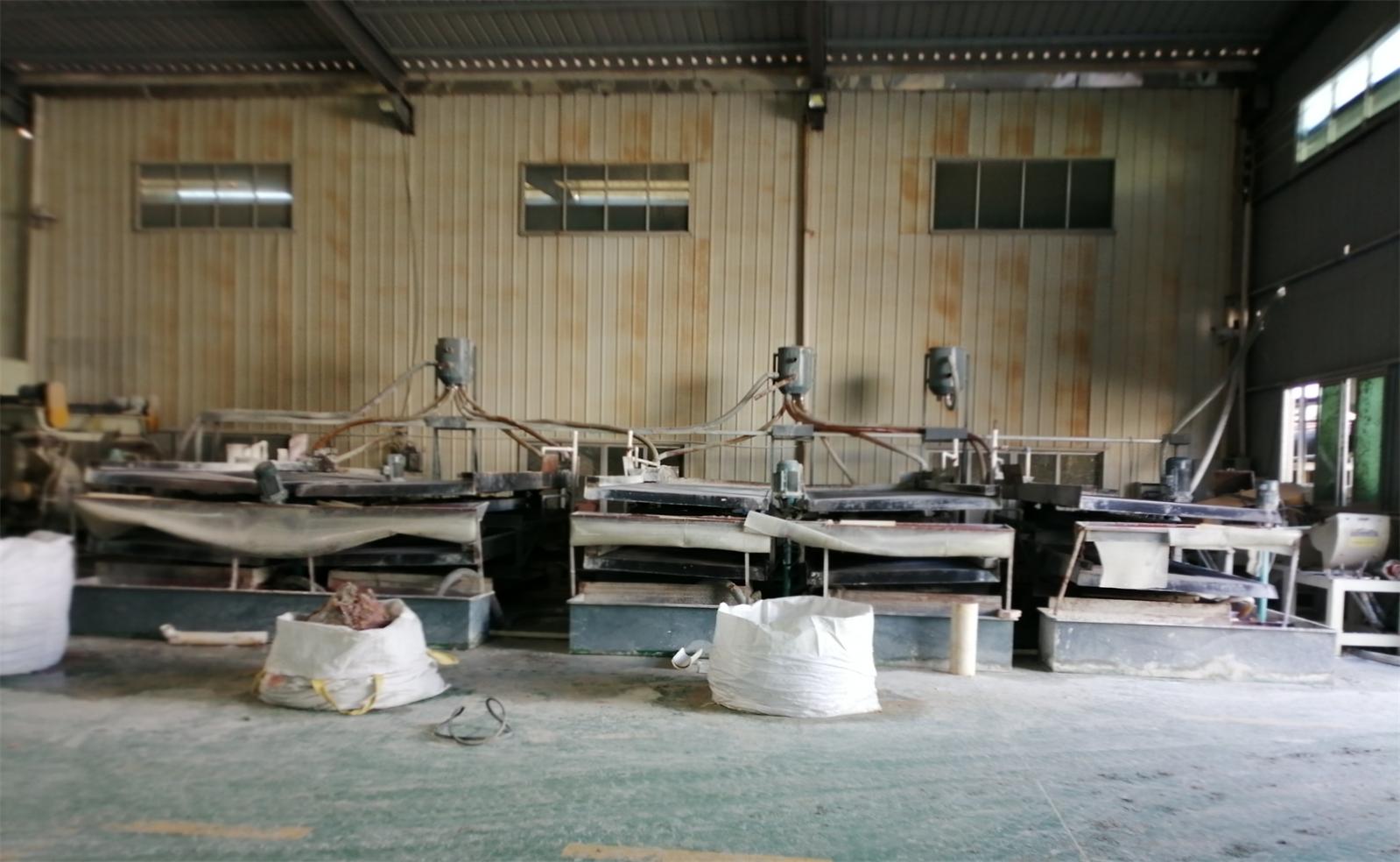
For cable processing, operators can choose between scrap cable strippers for larger diameter wires or compact granulators with dry or wet separators for mixed cable waste. Granulators with air separation achieve copper purity levels of 96% to 98% without water consumption, while wet separation systems can handle more complex cable types including jelly-filled telecommunications cables.
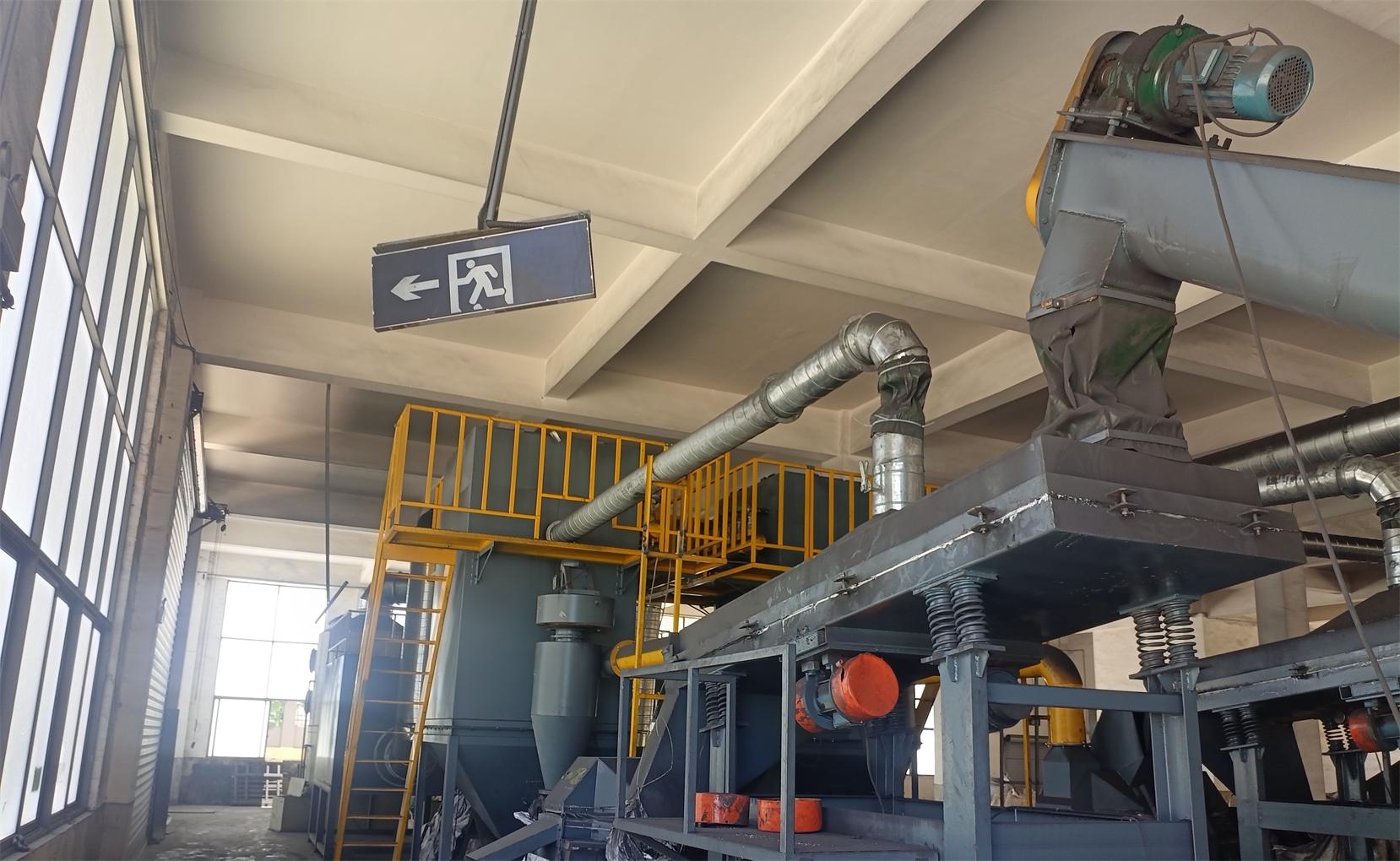
Circuit board recycling plants employ a combination of crushing, air separation, electrostatic separation, and dust collection to recover copper powder and precious metal concentrates. Capacities range from 300 kg/hour for smaller operations up to 2,000 kg/hour for industrial-scale facilities. Selecting between dry and wet processes depends on local water availability, environmental regulations, and the target purity of recovered metals.
One-Stop Solutions vs. Piecemeal Equipment Purchasing
A common pitfall for new recycling ventures is assembling equipment from multiple suppliers without considering integration. Incompatible feed rates, mismatched control systems, and gaps in material handling can cripple plant efficiency. An integrated approach, where a single experienced supplier designs the complete workflow from incoming material to finished product, eliminates these friction points.
Turnkey EPC (Engineering, Procurement, Construction) solutions offer additional advantages: customized layout design optimized for your facility footprint, unified installation and commissioning, consistent spare parts availability, and a single point of accountability for performance guarantees. For investors entering unfamiliar markets, this dramatically reduces technical risk and accelerates time to revenue.
What to Look for in a Recycling Equipment Partner
Experience matters. A supplier with over 15 years of hands-on expertise in e-waste recycling machinery brings practical knowledge that no brochure can convey. Look for engineering teams with advanced degrees in mechanical engineering and direct experience operating recycling plants, not just designing them.
Global deployment experience is equally important. A supplier that has successfully installed and commissioned plants across diverse regulatory environments from Southeast Asia to Latin America, Africa to the Middle East, demonstrates adaptability and reliability. References from 21 or more countries indicate a proven ability to handle variations in electrical standards, environmental regulations, and operator skill levels.
Beyond hardware, value-added services distinguish premium suppliers from commodity traders. These include assistance sourcing waste feedstock such as cable scrap, PCB scrap, or used lead acid batteries; support marketing recovered commodities like copper rice, lead ingots, or black mass; and even guidance on securing investment partners or structuring recycling plant joint ventures.
Expanding Your Recovery Portfolio
Diversification strengthens recycling businesses against commodity price fluctuations. Complementary equipment lines allow operators to process additional waste streams without building entirely new facilities. Consider adding refrigerator and air conditioner recycling lines to safely extract refrigerants and recover metals and plastics; CRT cutting systems to handle obsolete televisions and monitors; motor dismantling equipment to extract copper windings from electric motors; and lamp recycling machines to safely capture mercury from fluorescent tubes.
For operations near mining regions or with access to mineral processing tailings, lithium ore extraction plants offer an intriguing expansion path. Modern crude ore processing plants can convert low-grade lithium ore into 4% to 5% concentrate, while tailings extraction systems recover additional value from waste streams that traditional miners discard.
Ready to Build or Upgrade Your Recycling Operation?
San Lan Technologies Co., Ltd has manufactured cable recycling equipment, battery recycling plants, and complete e-waste processing solutions since 2007. With a professional technical team holding master's degrees in mechanical engineering and deep EPC project experience, San Lan delivers customized recycling plants to clients across more than 21 countries. From lead acid and lithium battery recycling to circuit boards, cables, and specialized e-waste streams, San Lan provides one-stop purchasing, installation, commissioning, and ongoing support. Contact the team today to discuss your project requirements and receive a tailored equipment proposal.
San Lan Technologies Co., Ltd has manufactured cable recycling equipment, battery recycling plants, and complete e-waste processing solutions since 2007. With a professional technical team holding master's degrees in mechanical engineering and deep EPC project experience, San Lan delivers customized recycling plants to clients across more than 21 countries. From lead acid and lithium battery recycling to circuit boards, cables, and specialized e-waste streams, San Lan provides one-stop purchasing, installation, commissioning, and ongoing support. Contact the team today to discuss your project requirements and receive a tailored equipment proposal.