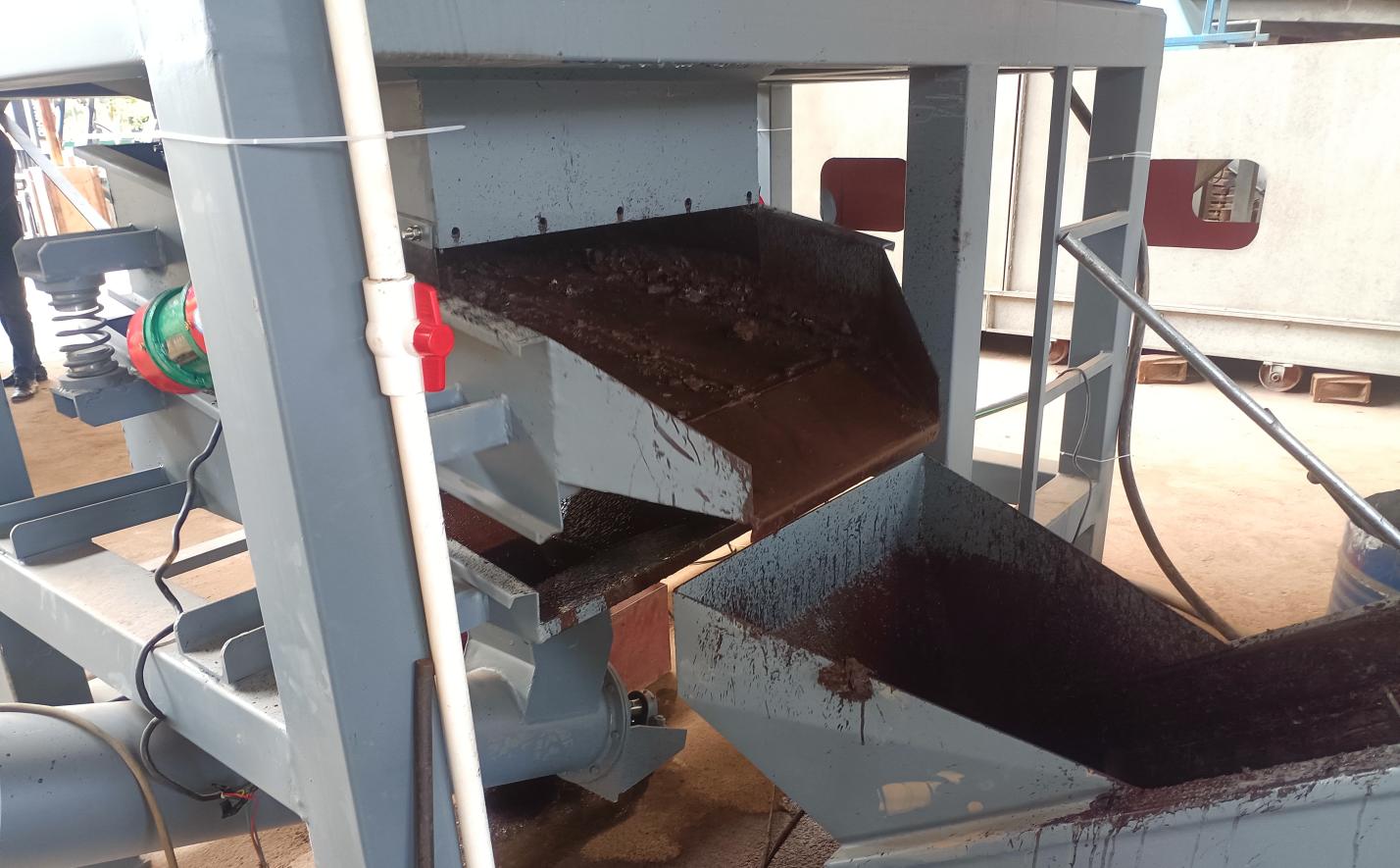
Discover the essential machinery and strategies to launch a successful recycling operation in today's growing e-waste market.
The global surge in electronic devices has created an unprecedented challenge: what happens when these products reach the end of their life? E-waste is now one of the fastest-growing waste streams worldwide, yet less than 20% of it is properly recycled. For entrepreneurs and established businesses alike, this represents a significant opportunity. Starting an e-waste recycling business is not just environmentally responsible; it can be highly profitable when equipped with the right technology and knowledge.
Success in this industry hinges on one critical factor: choosing reliable, efficient recycling equipment supplier partners who understand the complexities of material recovery. From batteries to circuit boards, each waste stream requires specialized machinery designed to maximize recovery rates while meeting strict environmental standards.
Lead Acid Battery Recycling: A Stable Revenue Stream
Lead acid batteries remain the most recycled consumer product globally, with automotive, industrial, and backup power applications generating massive volumes of spent units. The recycling process is well-established and economically viable because nearly every component has resale value. Acid can be neutralized, plastic cases can be pelletized, and lead can be smelted into ingots for reuse.
To enter this market, you need robust lead acid battery recycling equipment that can safely break and separate batteries into their constituent parts. A complete system typically includes a battery cutter to drain acid and slice cases, a breaking and separation unit to classify lead paste, lead grids, plastic, and rubber, followed by smelting furnaces to refine the recovered lead to 99.999% purity. Advanced plants also integrate air pollution control systems and water treatment facilities to ensure full environmental compliance.
The key to profitability lies in capacity and recovery efficiency. Modern systems can process 1 to 10 metric tons per hour, with lead recovery rates exceeding 95% when using rotary furnace technology. This makes lead acid battery recycling one of the most predictable revenue streams in the e-waste sector.
Lithium Battery Recycling: Capturing the Future Market
While lead acid batteries dominate today's recycling volumes, lithium-ion batteries represent the future. The explosive growth of electric vehicles, smartphones, laptops, and energy storage systems has created a tidal wave of spent lithium batteries that cannot be handled by traditional recycling methods. Unlike lead acid units, lithium batteries contain valuable metals like nickel, cobalt, and copper, as well as graphite, all of which command premium prices in the secondary materials market.
Investing in li battery recycling equipment positions your business at the forefront of this emerging market. The process begins with safe discharging, followed by pre-crushing and secondary granulation to separate black mass (containing nickel, cobalt, and graphite) from plastic separators, copper, and aluminum. Capacity typically ranges from 500 to 2,500 kilograms per hour, depending on the model and configuration.
Because lithium batteries can pose fire and safety risks if mishandled, equipment must include comprehensive air pollution control systems to absorb and neutralize harmful gases before emission. Working with an experienced supplier who provides end-to-end plant design, installation, and commissioning support is essential for safe and profitable operations.
Cable and Circuit Board Recycling: Maximizing Metal Recovery
Scrap cables and printed circuit boards (PCBs) are treasure troves of non-ferrous metals. Copper, in particular, maintains high market value, making cable and PCB recycling consistently profitable ventures. The challenge lies in efficiently separating these metals from plastic insulation, resin, and other non-metallic materials.
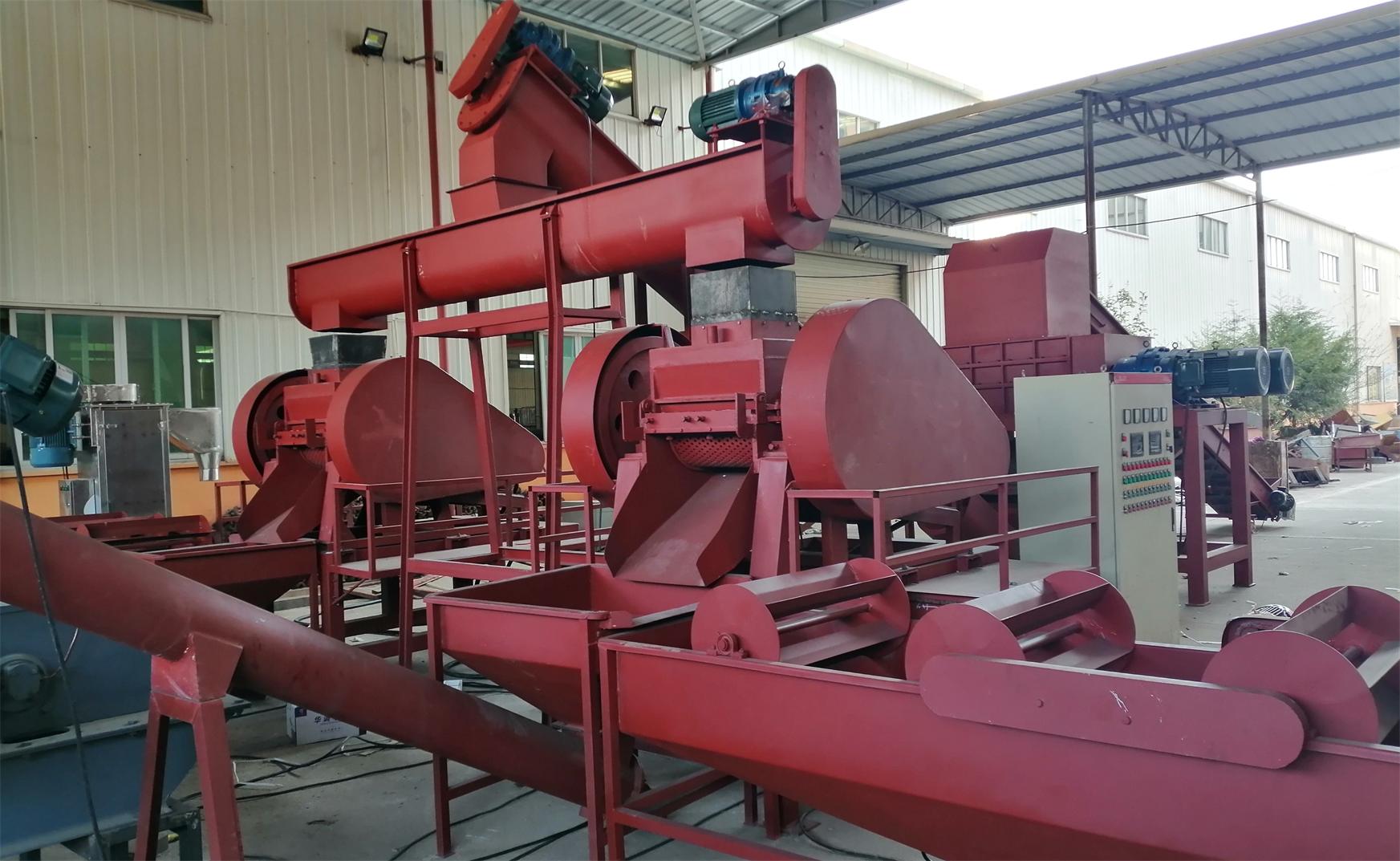
For cable processing, modern cable recycling equipment uses granulation combined with dry or wet separation to recover copper and aluminum with purity levels reaching 96% to 98%. Systems range from compact units processing 100 kilograms per hour to industrial-scale plants handling over 1,000 kilograms per hour. Pre-processing with scrap cable strippers can significantly improve efficiency when dealing with thick or armored cables.
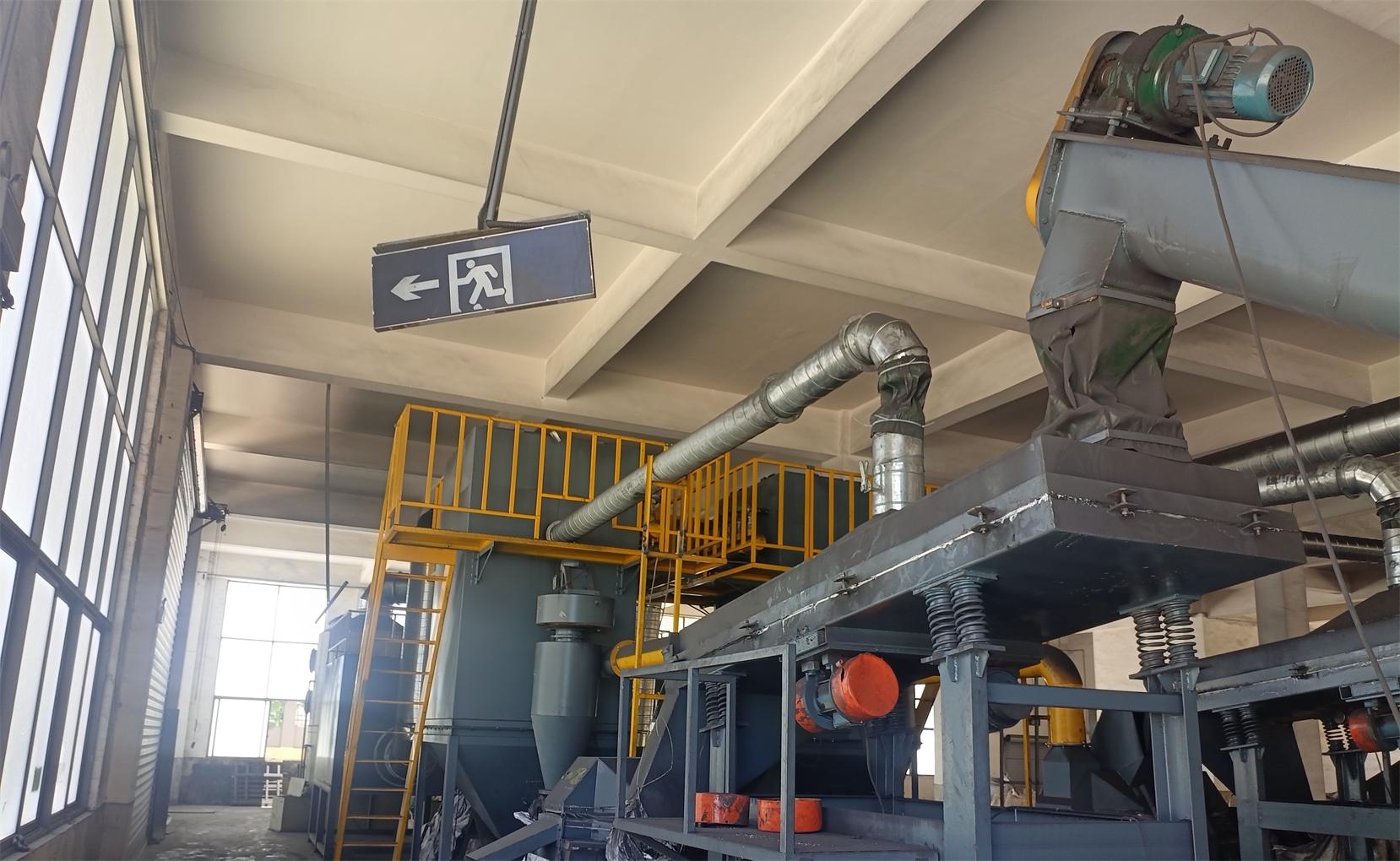
Circuit board recycling requires even more specialized technology. Circuit board recycling equipment employs a combination of crushing, air separation, electrostatic separation, and pulse dust collection to recover copper powder and precious metals while preventing environmental contamination. Wet separation systems can handle PCB waste with electronic components still attached, offering flexibility for mixed feedstock operations.
- Battery breaking and separation systems (lead acid and lithium-ion)
- Smelting and refinery furnaces for metal purification
- Cable granulators with dry or wet separators
- Circuit board recycling lines with dust control
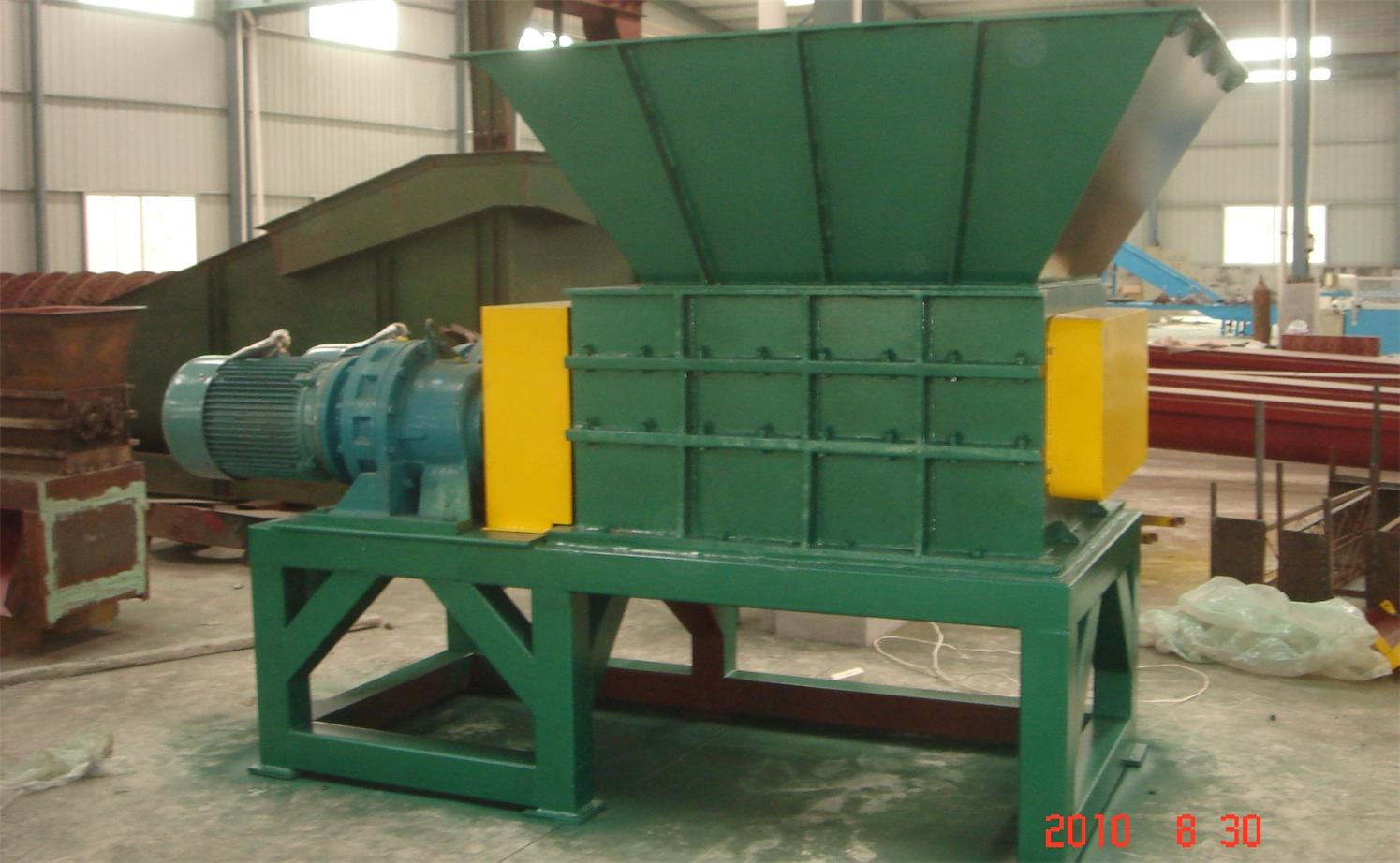
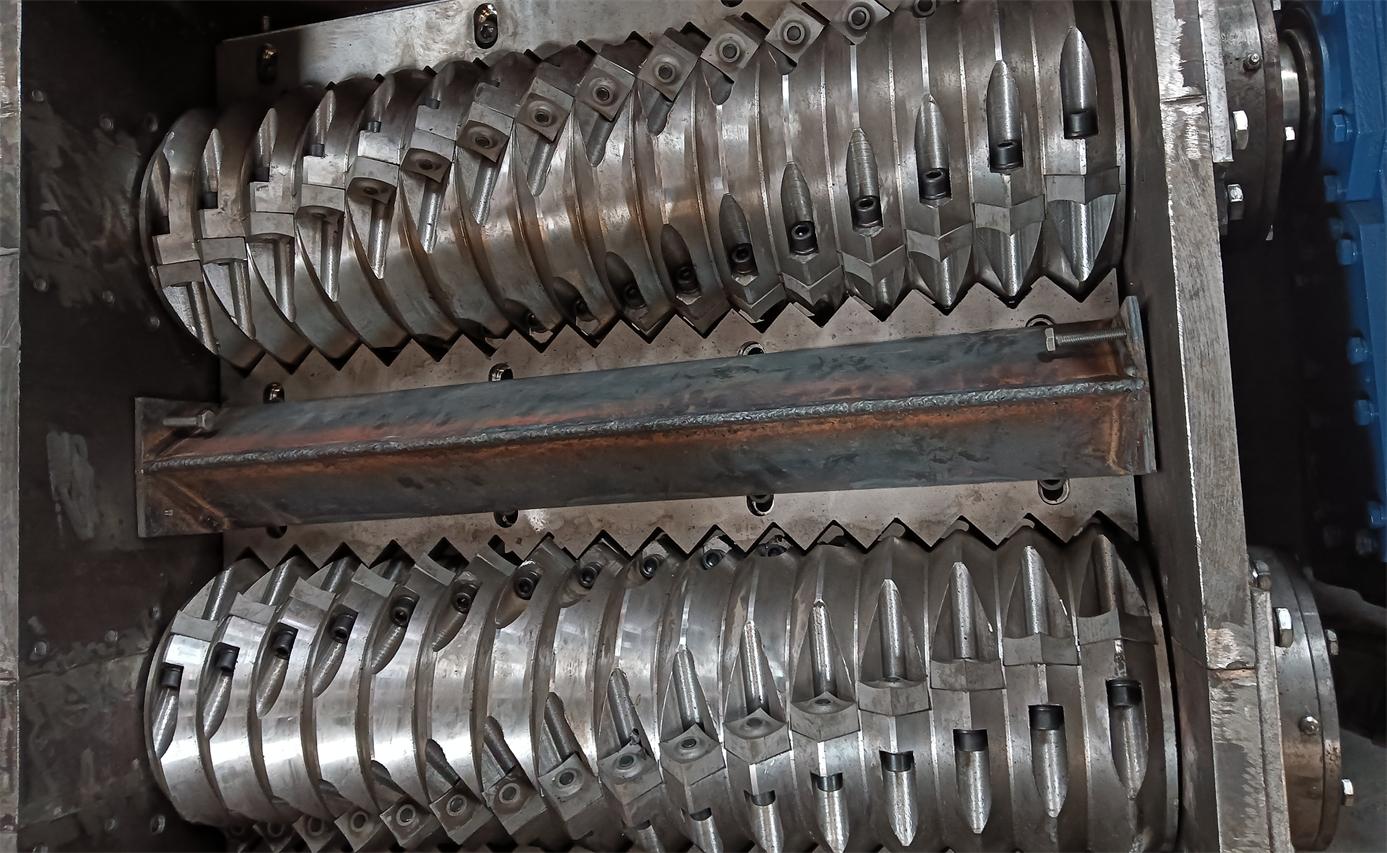
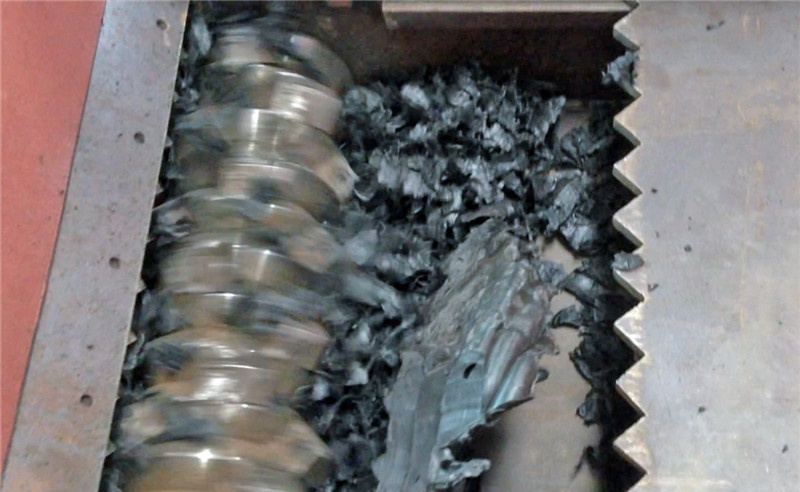
- Shredders and pre-choppers for size reduction
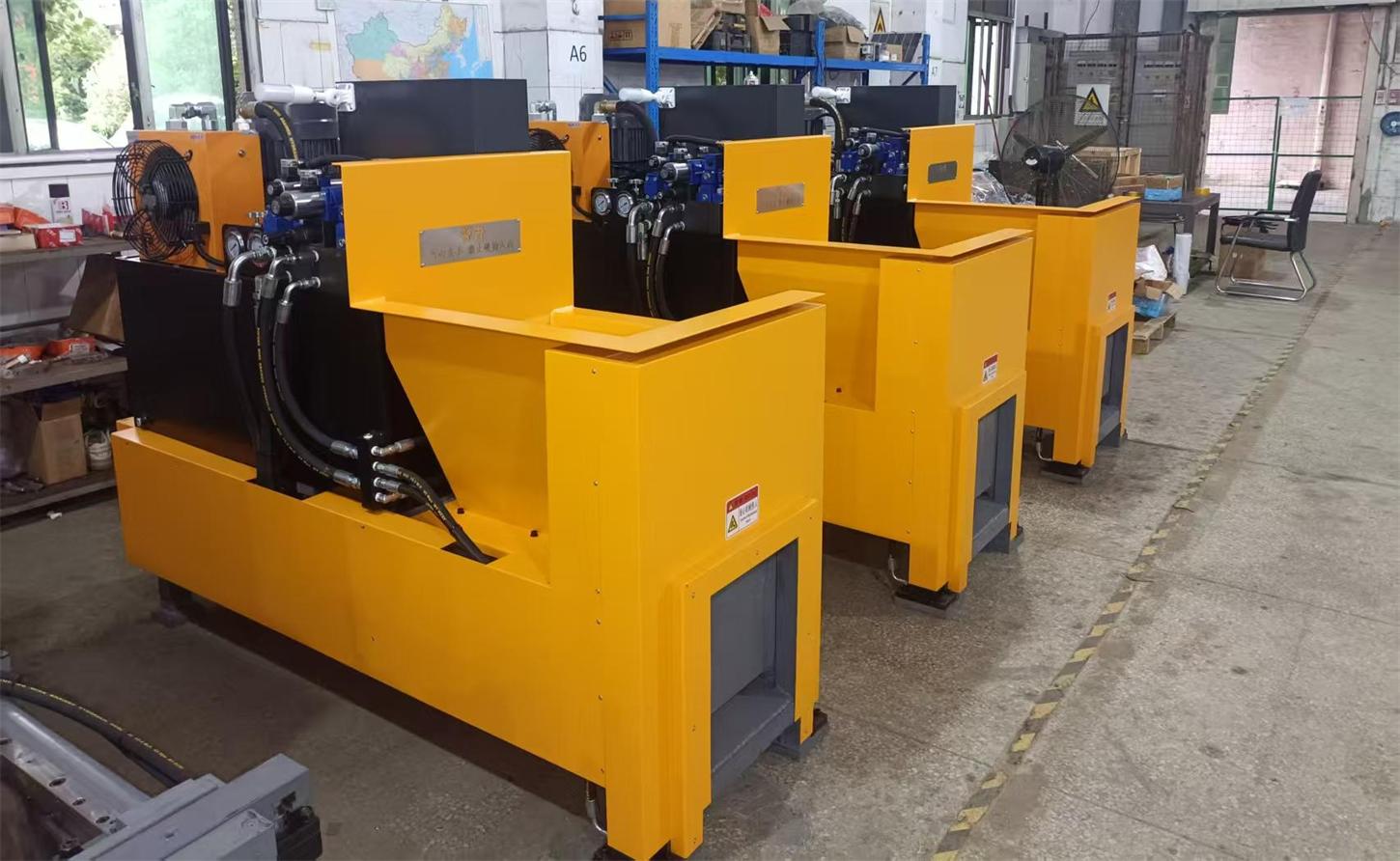
- Hydraulic briquetters and balers for material handling
- Air and water pollution control systems
What to Look for in a Recycling Equipment Partner
Not all equipment manufacturers are created equal. When evaluating potential suppliers, prioritize companies with demonstrated experience in engineering, procurement, and construction (EPC) projects. A supplier who can deliver customized plant design, assist with waste material sourcing, and even help market your recovered products provides far more value than a simple machine vendor.
Look for technical teams with deep expertise in mechanical engineering and over 15 years of hands-on experience in the e-waste recycling field. International project exposure matters too; suppliers who have successfully installed plants across 20 or more countries understand the regulatory, logistical, and operational nuances of different markets. Bilingual support and strong after-sales service capabilities can make the difference between a plant that struggles and one that thrives.
Additionally, consider whether the supplier offers auxiliary services such as help purchasing raw waste materials, connecting you with investors for plant construction, or assisting with the sale of finished products like copper rice, lead ingots, and aluminum granules. These value-added services can accelerate your path to profitability.
Conclusion: Turn E-Waste into a Sustainable Business
The e-waste recycling industry offers immense potential for businesses willing to invest in quality equipment and long-term partnerships. Whether you focus on lead acid batteries, lithium-ion cells, scrap cables, or circuit boards, the fundamentals remain the same: efficient machinery, environmental compliance, and reliable technical support are the cornerstones of success.
By selecting the right equipment for each waste stream and working with an experienced supplier who understands the full project lifecycle, you can build a recycling operation that generates consistent revenue while contributing to a cleaner, more sustainable planet.
San Lan Technologies Co., Ltd has been manufacturing e-waste recycling machinery and mining equipment since 2007. With customers in over 21 countries and a full range of solutions from battery recycling to cable granulation, we provide the equipment and expertise you need to succeed. Contact our team today to discuss your project requirements and receive a customized equipment proposal.
Contact Us Today