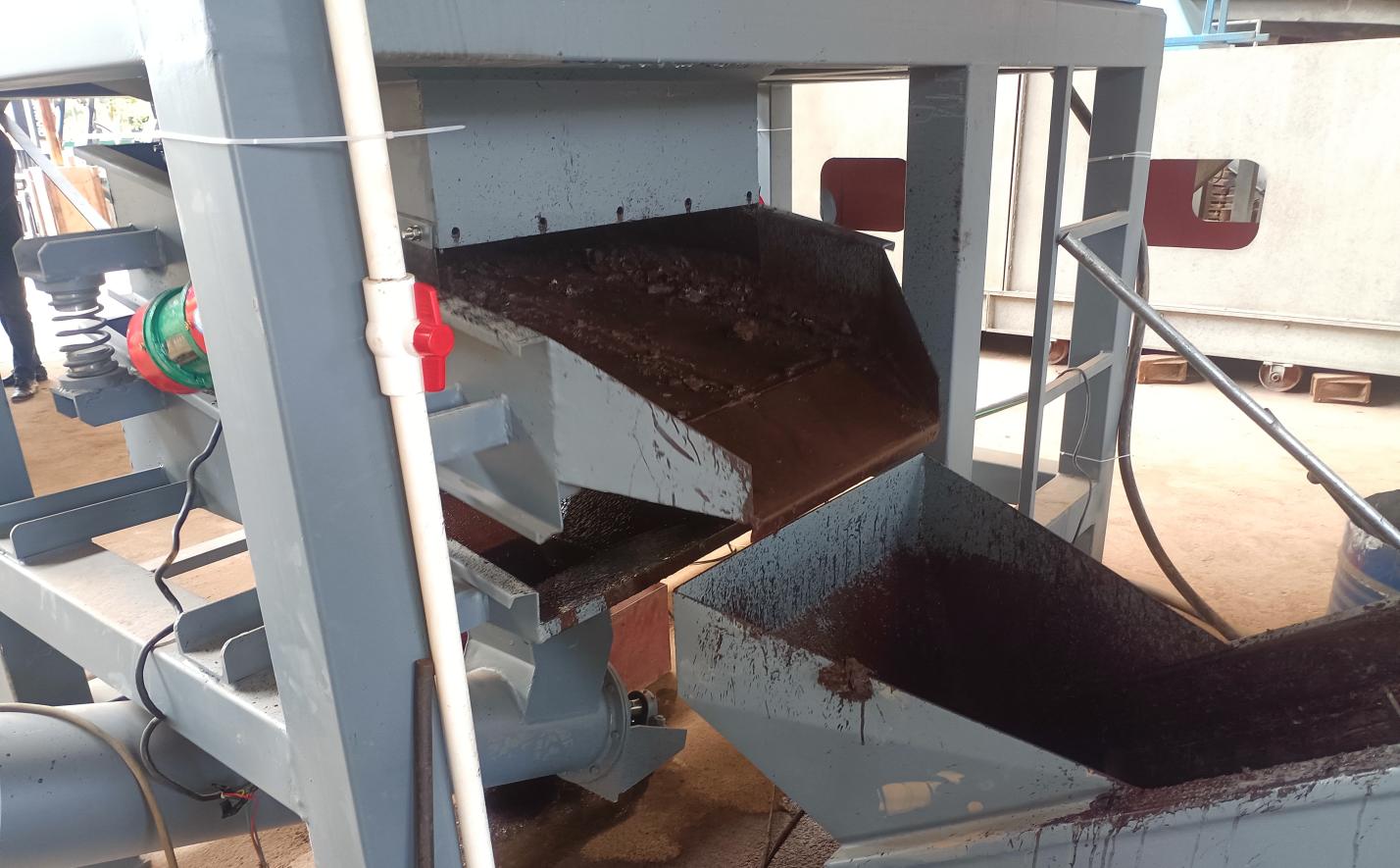
Every year, mountains of discarded electronics, spent batteries, and obsolete cables pile up in landfills. For savvy operators, this is not waste. It is inventory waiting to be converted back into raw materials. The difference between a marginal operation and a highly profitable recycling plant often comes down to one decision: choosing the right equipment from the start.
This guide walks through the core equipment categories that drive revenue in modern e-waste and metal recycling facilities, along with the practical questions buyers should ask before signing a purchase order.
Most profitable recycling plants concentrate on at least one of three high-value streams: batteries, cables, and printed circuit boards. Each stream demands specialized machinery, and each carries its own economics.
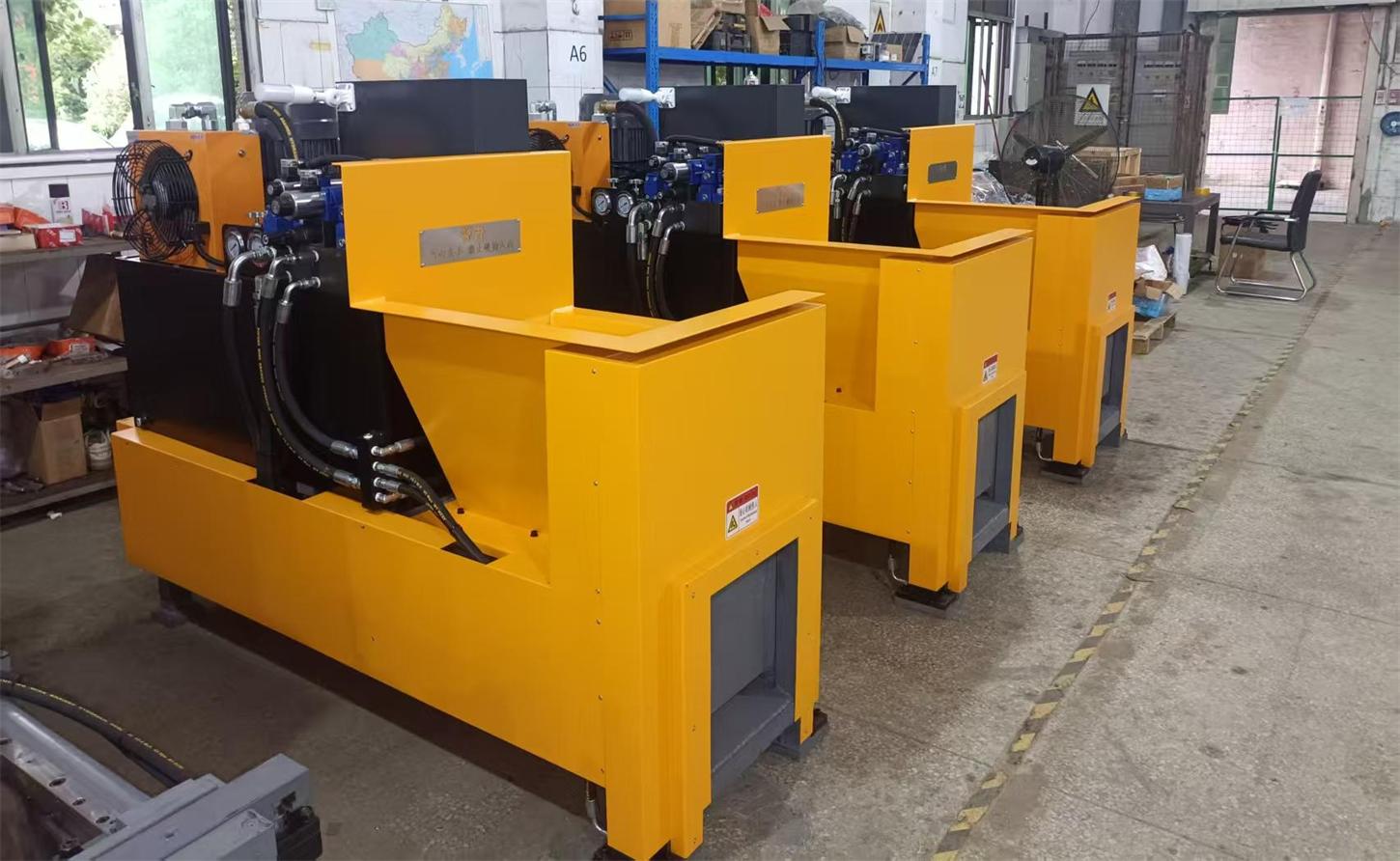
Used lead acid batteries remain one of the most recycled consumer products globally. A complete lead acid battery recycling equipment line typically includes a breaking and separation system, a desulfurization unit, smelting furnaces, and air pollution control. The goal is to recover lead paste, lead grids, plastic shells, and acid with minimal environmental emission. Capacity ranges from 1 to 10 metric tons per hour, and recovery rates for lead can exceed 95 percent when the right furnace technology is paired with proper pre-treatment.
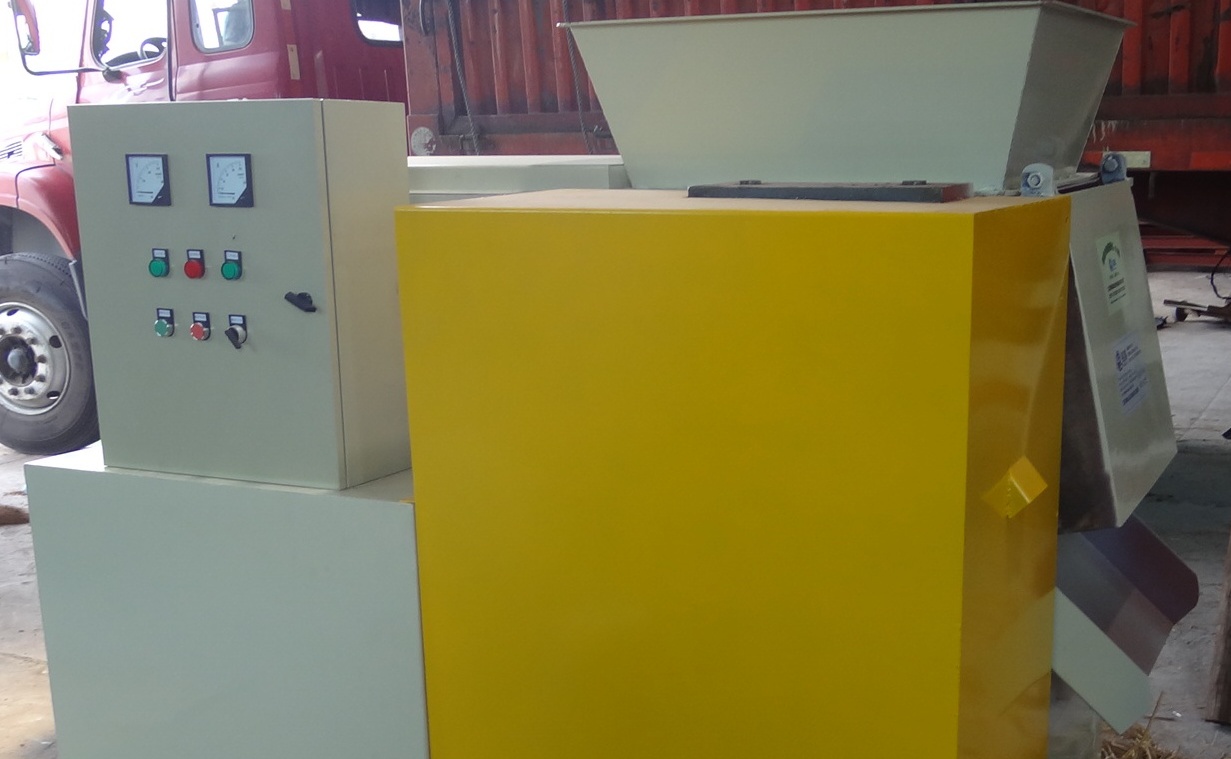
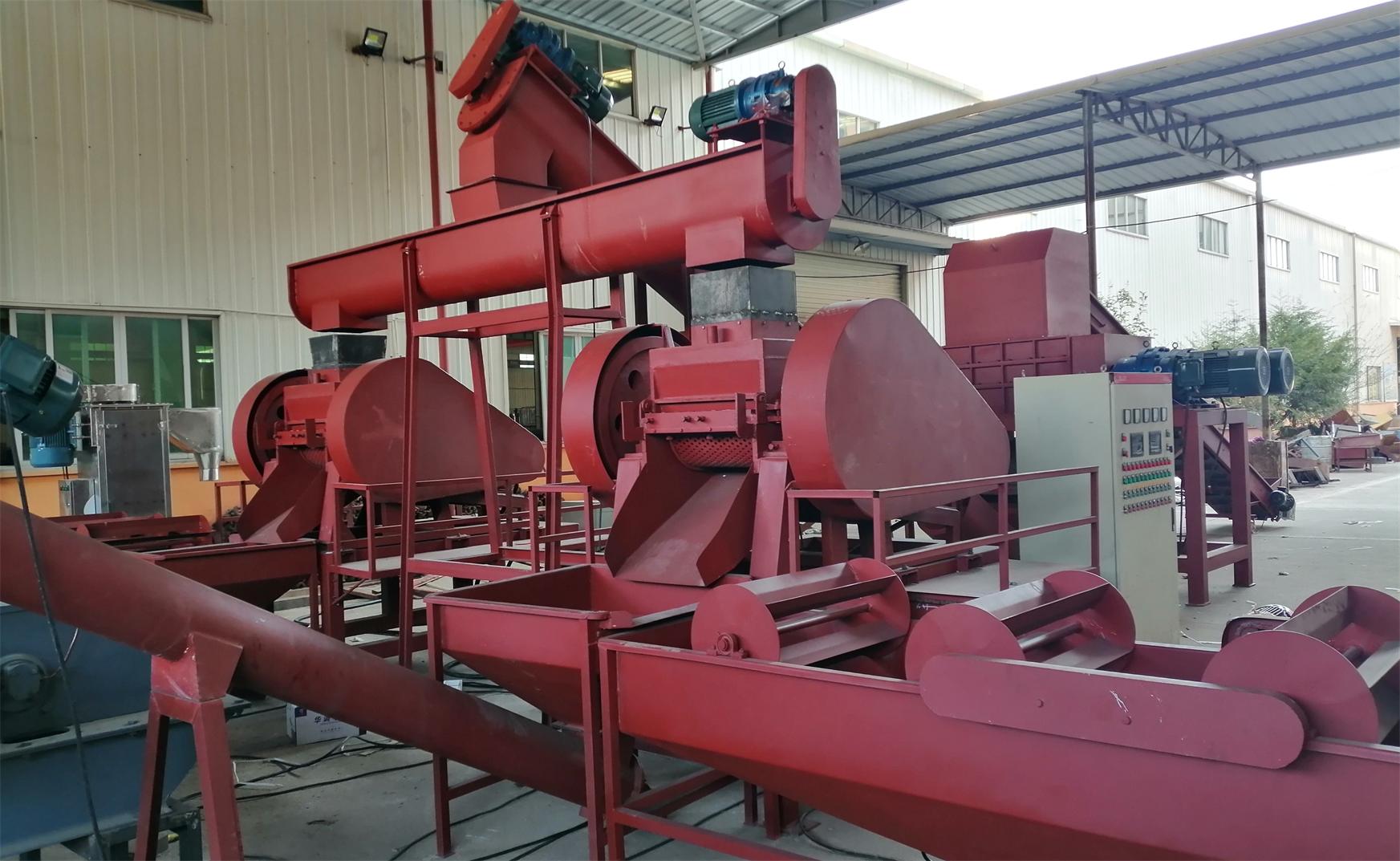
Scrap cable is essentially copper or aluminum wrapped in plastic. The right granulator and separator turn this mixed material into clean copper rice and separated plastic granules. Cable recycling equipment lines vary from compact 100 kg per hour units suitable for small yards, up to large 1,200 kg per hour plants serving industrial scrap generators. Dry separation systems using air classification and electrostatic separation avoid water treatment costs and are increasingly preferred for their lower operating overhead.
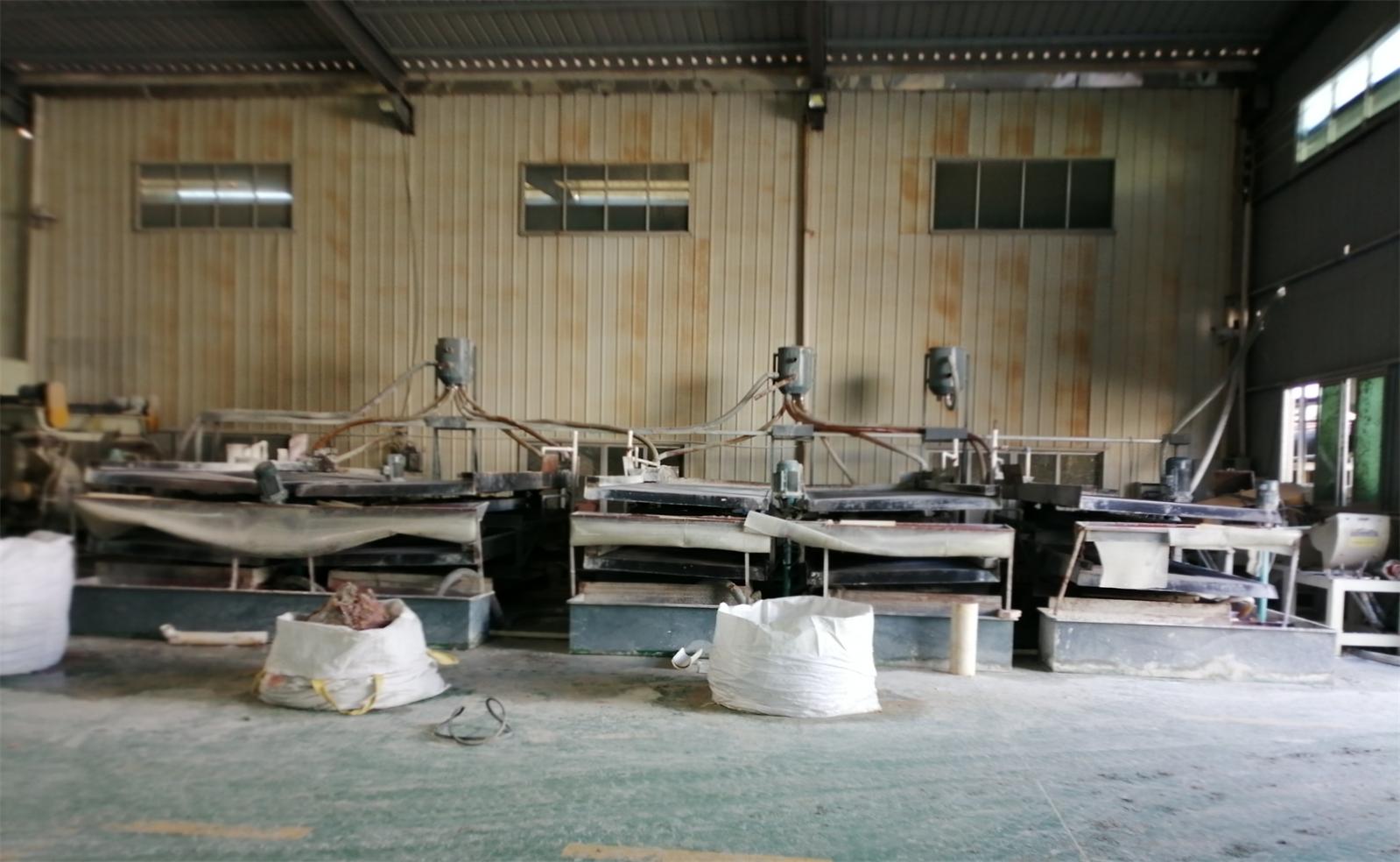
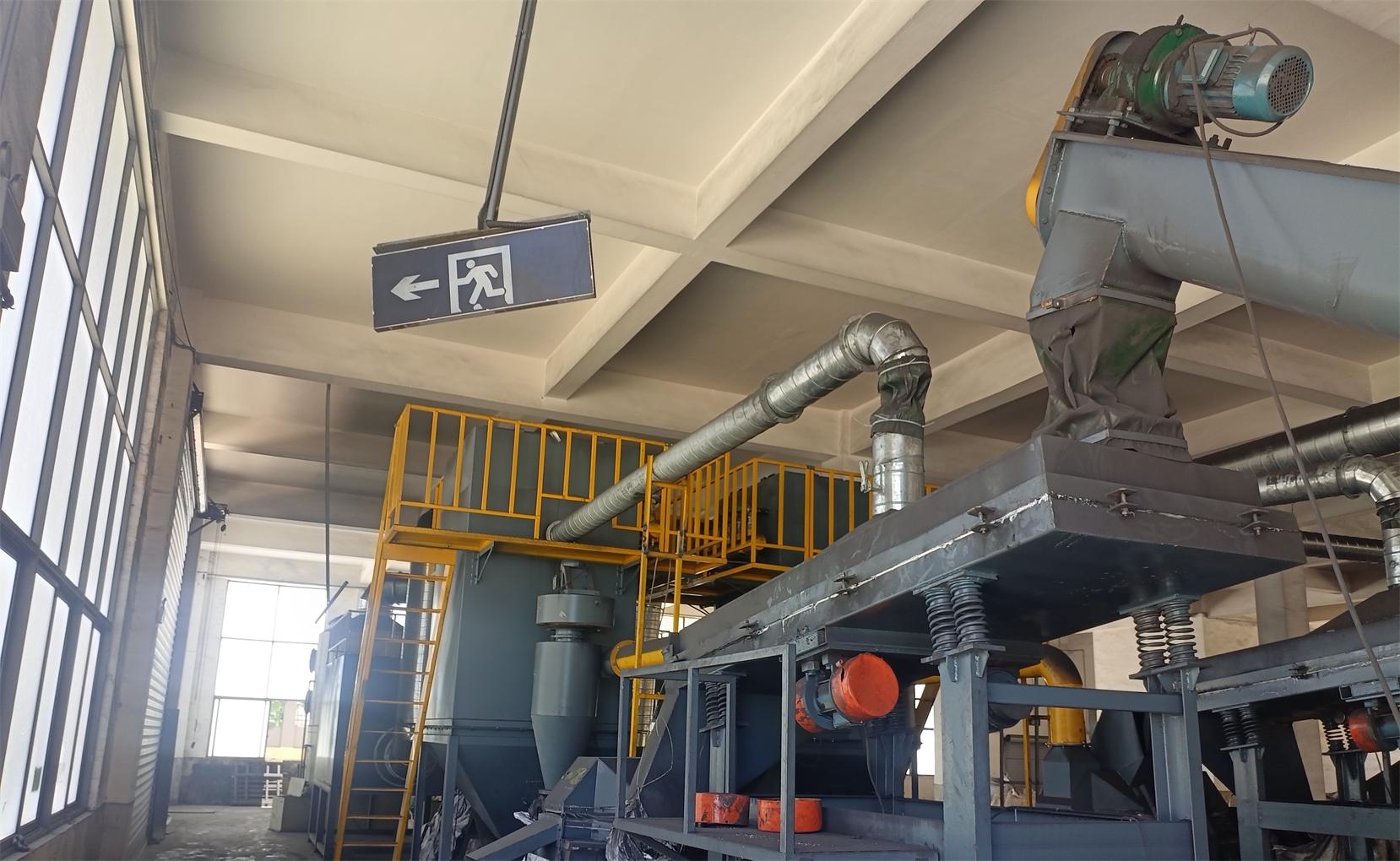
Printed circuit boards contain copper, precious metals, and resins. Processing them requires crushing, grinding, and then separating metal from non-metal. A circuit board recycling equipment plant with wet or dry separation can achieve copper powder purity of 96 to 98 percent. Buyers should pay close attention to dust collection and exhaust systems, because fine PCB dust is both an environmental concern and a lost revenue opportunity if not captured.
Price per ton of capacity is a tempting metric, but it hides the real cost drivers that determine whether a plant makes money or bleeds it. Here are the five factors experienced operators weigh before committing capital.
1. Separation efficiency, not just throughput. A machine that processes two tons per hour but loses 15 percent of metal to waste is less profitable than a slower line that recovers 98 percent. Ask suppliers for recovery rate guarantees and, if possible, arrange a trial run with your actual feedstock.
2. Environmental compliance built in, not bolted on. Air pollution control, wastewater treatment, and acid neutralization are not afterthoughts. They are license-to-operate items. Verify that emission control systems are sized for the full rated capacity of the line, not just a fraction of it.
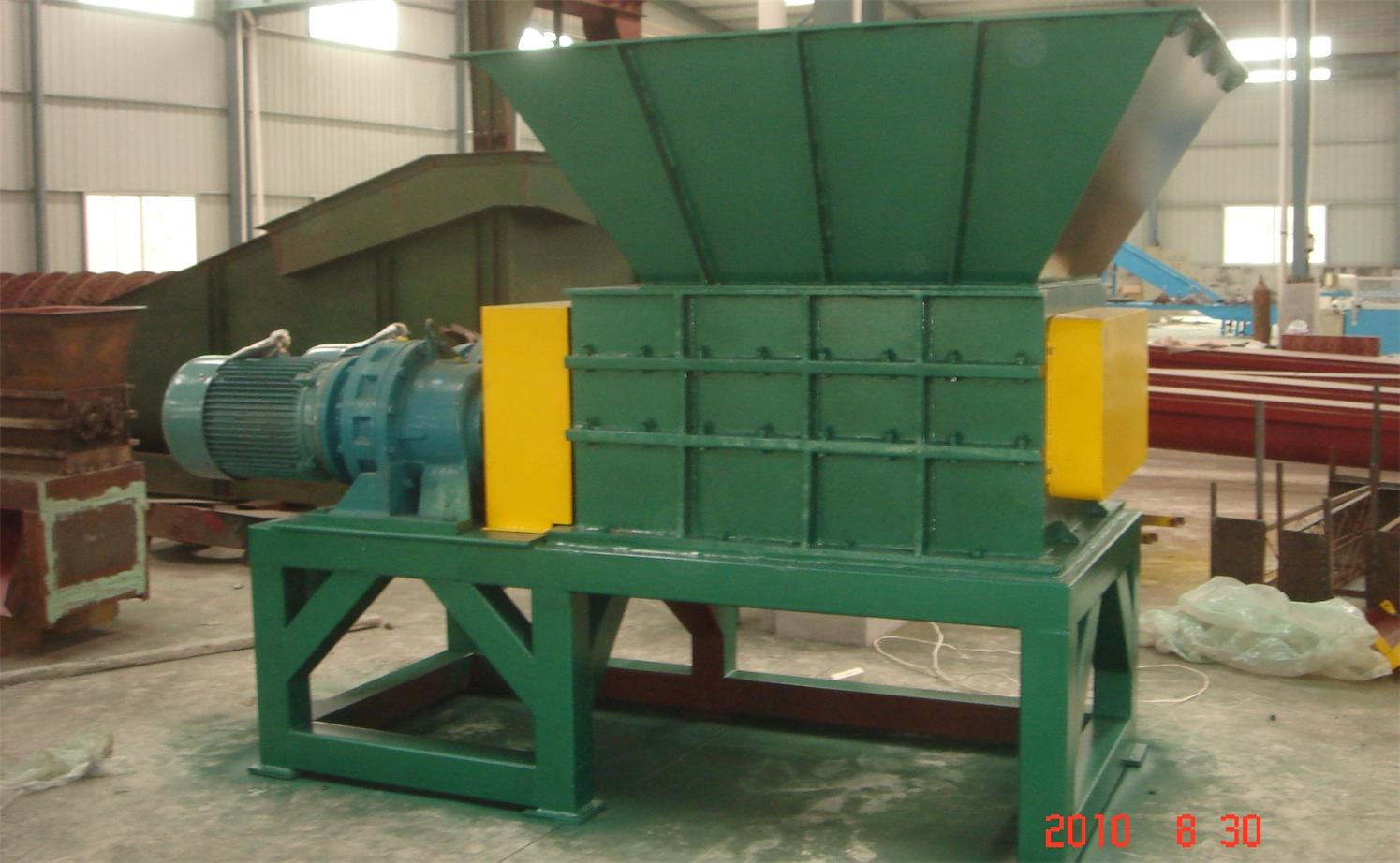
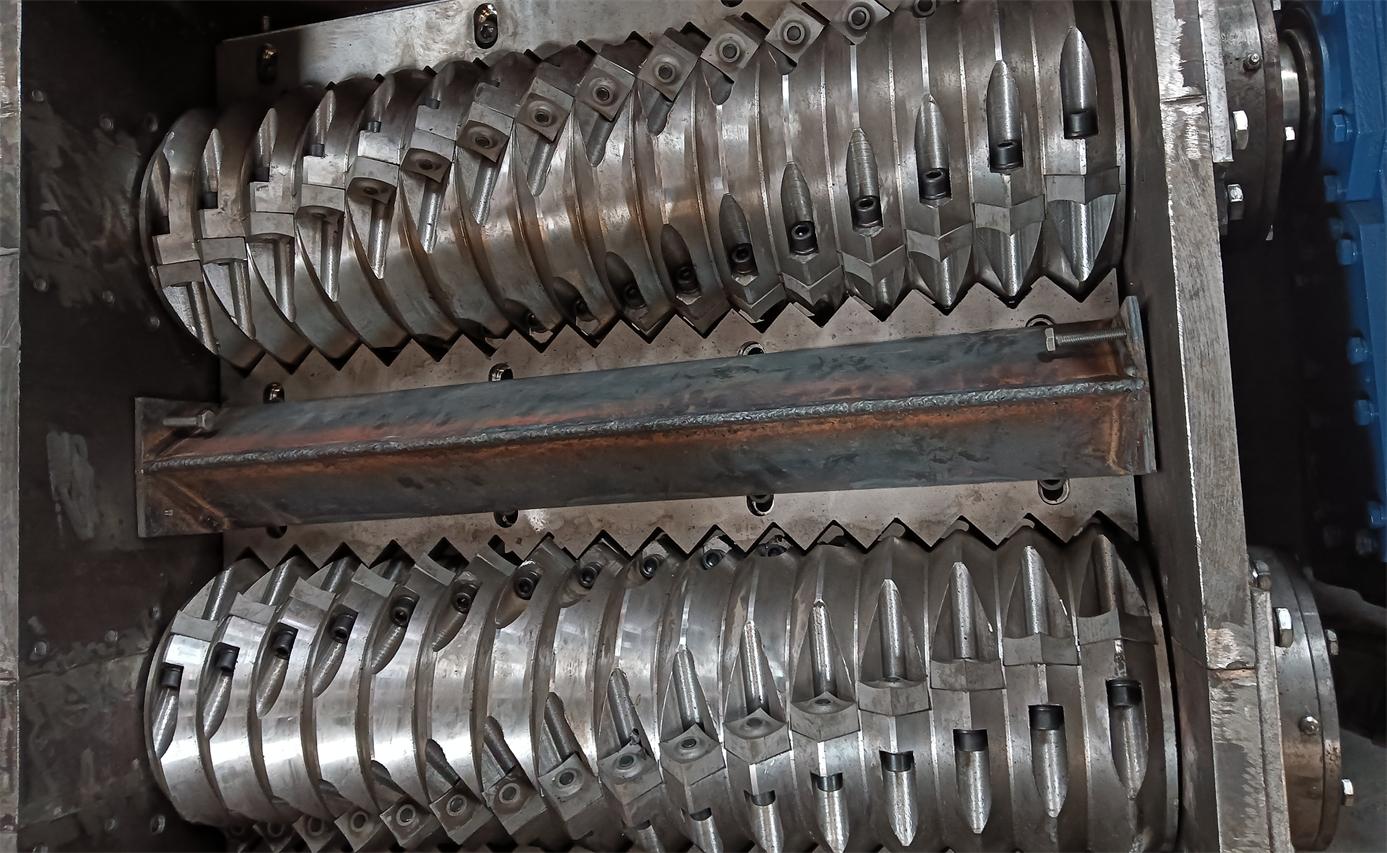
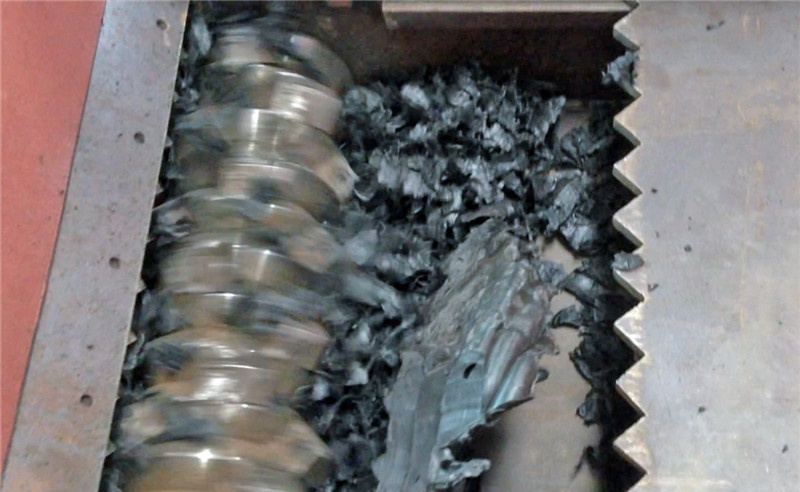
3. Mechanical durability in real conditions. E-waste is abrasive, corrosive, and unpredictable. Cutting chambers, shredder blades, and separation screens should use hardened steels with documented hardness ratings and expected wear life. Ask for spare parts pricing and lead times before you buy.
4. Integration and commissioning support. Buying a crusher from one vendor and a separator from another leaves you playing system integrator. A single-source supplier that delivers engineering, procurement, and construction support can reduce installation time and eliminate interface failures.
5. Downstream market access. The best equipment vendors do more than drop machines at your door. They understand where to sell copper powder, lead ingots, and recovered plastics. That knowledge can shorten your path to positive cash flow by months.
First-time plant investors often underestimate the complexity of bringing a recycling facility online. It is not just about the machines. It is about feedstock contracts, environmental permits, layout design, installation supervision, operator training, and product off-take agreements.
A supplier that treats your project as a full engineering partnership rather than a product sale can help source scrap materials, design the plant layout for your specific site constraints, commission the line, and even connect you with buyers for the recovered materials. That end-to-end support is especially valuable in regions where the recycling ecosystem is still developing.
San Lan Technologies Co., Ltd has been manufacturing recycling machinery and mining equipment since 2007. The company offers complete plant solutions across the full spectrum of e-waste processing, from lead acid and lithium battery recycling lines to cable granulators, PCB recovery plants, and auxiliary shredders and melting furnaces.
What distinguishes San Lan from catalog vendors is the depth of hands-on project experience. The engineering team includes mechanical engineers with over 15 years of direct experience in recycling machine design. The company has delivered equipment to operators in more than 21 countries, including Singapore, Colombia, Vietnam, Mexico, South Africa, India, and Saudi Arabia.
San Lan provides customized plant design, installation and commissioning, and can assist with feedstock sourcing and product marketing. For investors looking to build from scratch, the company also welcomes partnership and investment discussions for new recycling plant construction.
Ready to evaluate equipment for your recycling project? Browse the full range of recycling equipment at San Lan Technologies, or contact the team directly via email at info@san-lan.com or WhatsApp at +86 139 2377 4083 to discuss capacity requirements, layout options, and delivery timelines.