How to Build a Profitable E-Waste Recycling Plant: A Complete Equipment Guide
Global e-waste generation is accelerating, and the gap between discarded electronics and formal recycling capacity continues to widen. For entrepreneurs and established waste management companies alike, investing in the right recycling equipment is the single most important decision that determines whether a plant operates at a loss or generates steady returns. This guide breaks down the core machinery you need across the three highest-value material streams: lead-acid batteries, lithium-ion batteries, and mixed cable and circuit board scrap.
Lead-Acid Battery Recycling: The Volume Foundation
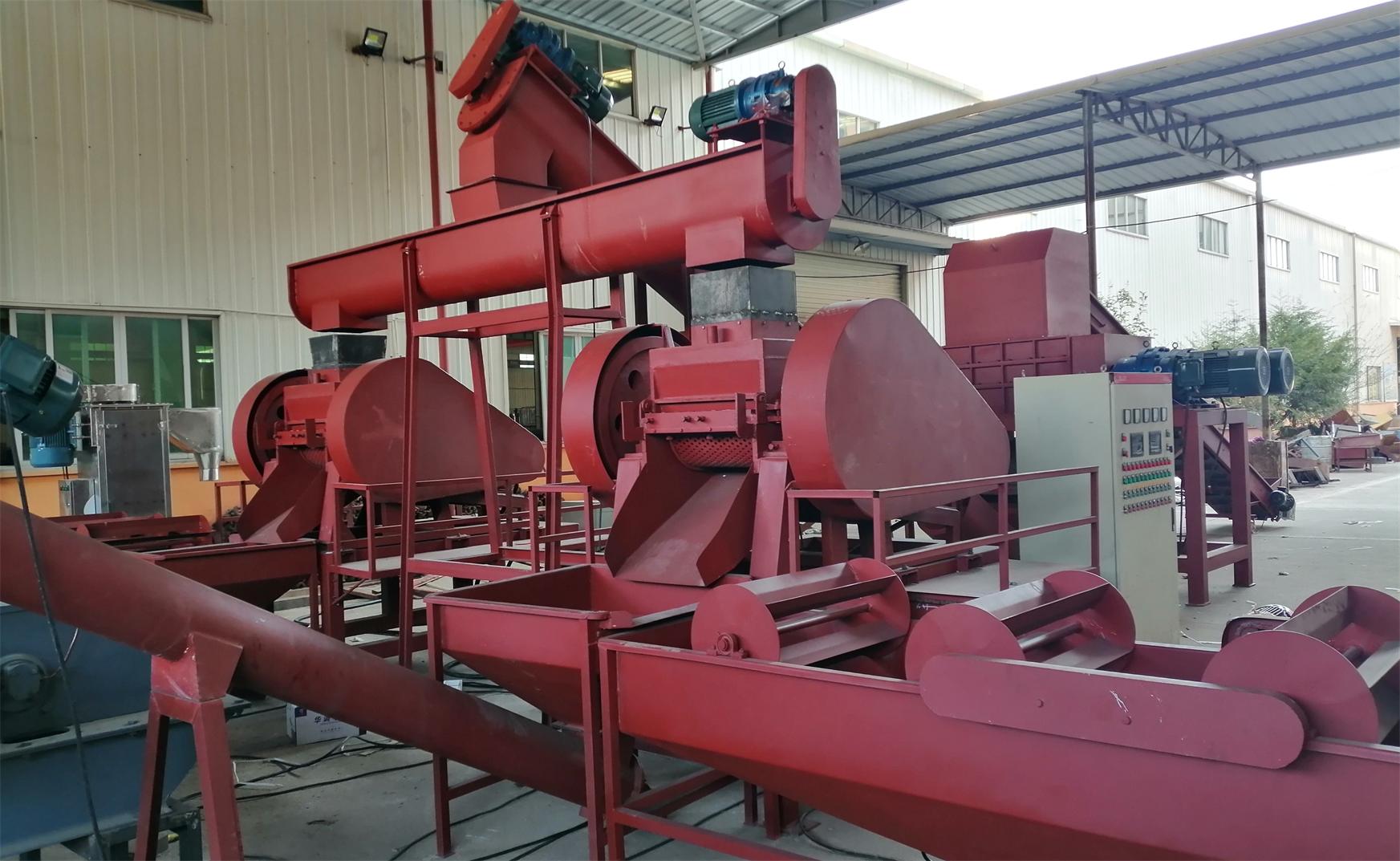
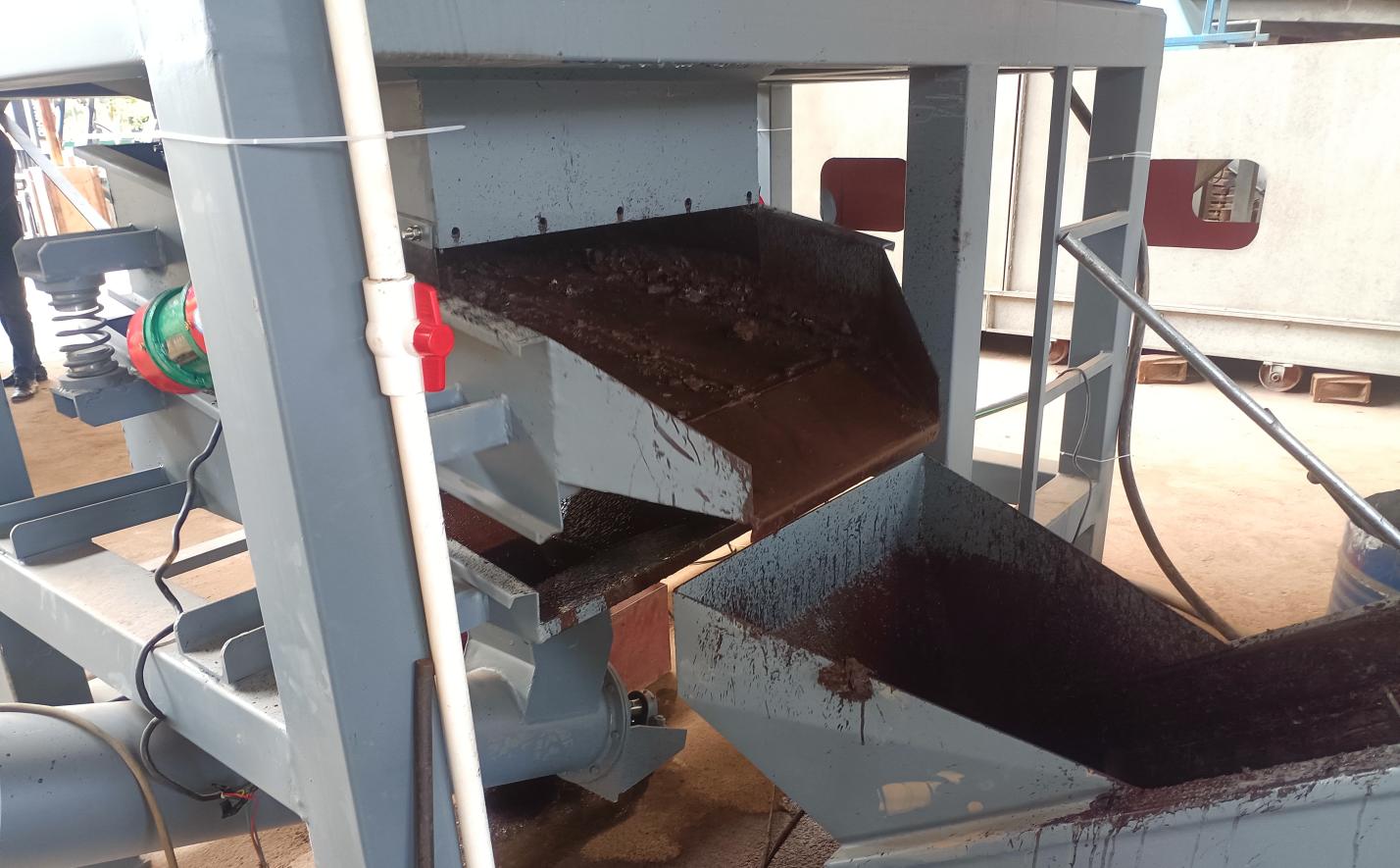
Lead-acid batteries remain the most recycled consumer product in the world, and for good reason. The chemistry is straightforward, the recovery economics are proven, and the end-market for secondary lead is deep and liquid. A well-designed lead acid battery recycling equipment line typically begins with a breaking and separation system that crushes intact batteries and classifies the output into four streams: lead paste, lead grids, polypropylene plastic, and neutralized acid.
From there, the lead paste moves to a de-sulfurization unit to remove sulfur content, which both reduces smelting energy consumption and cuts SO2 emissions. The desulfurized paste then feeds into a rotary furnace or blast furnace for reduction to crude metallic lead, which is subsequently refined in a kettle furnace to 99.999% purity. Modern electric refinery kettles using near-infrared heating can cut energy use by 30-50% compared with traditional fuel-fired designs. Throughout the process, air pollution control systems and water treatment plants keep the facility compliant with environmental regulations.
Key takeaway: Lead-acid recycling offers the shortest payback window for new entrants because equipment costs are lower, process technology is mature, and the output — lead ingot and plastic granules — sells into established commodity markets.
Lithium-Ion Battery Recycling: Capturing High-Value Materials
While lead-acid provides volume, lithium-ion delivers margin. As electric vehicle adoption grows, the pipeline of end-of-life lithium-ion cells is expanding rapidly. The objective of li battery recycling equipment is to recover black mass — the mixture of graphite, nickel, cobalt, and manganese powders — together with copper, aluminum, and plastic separators.
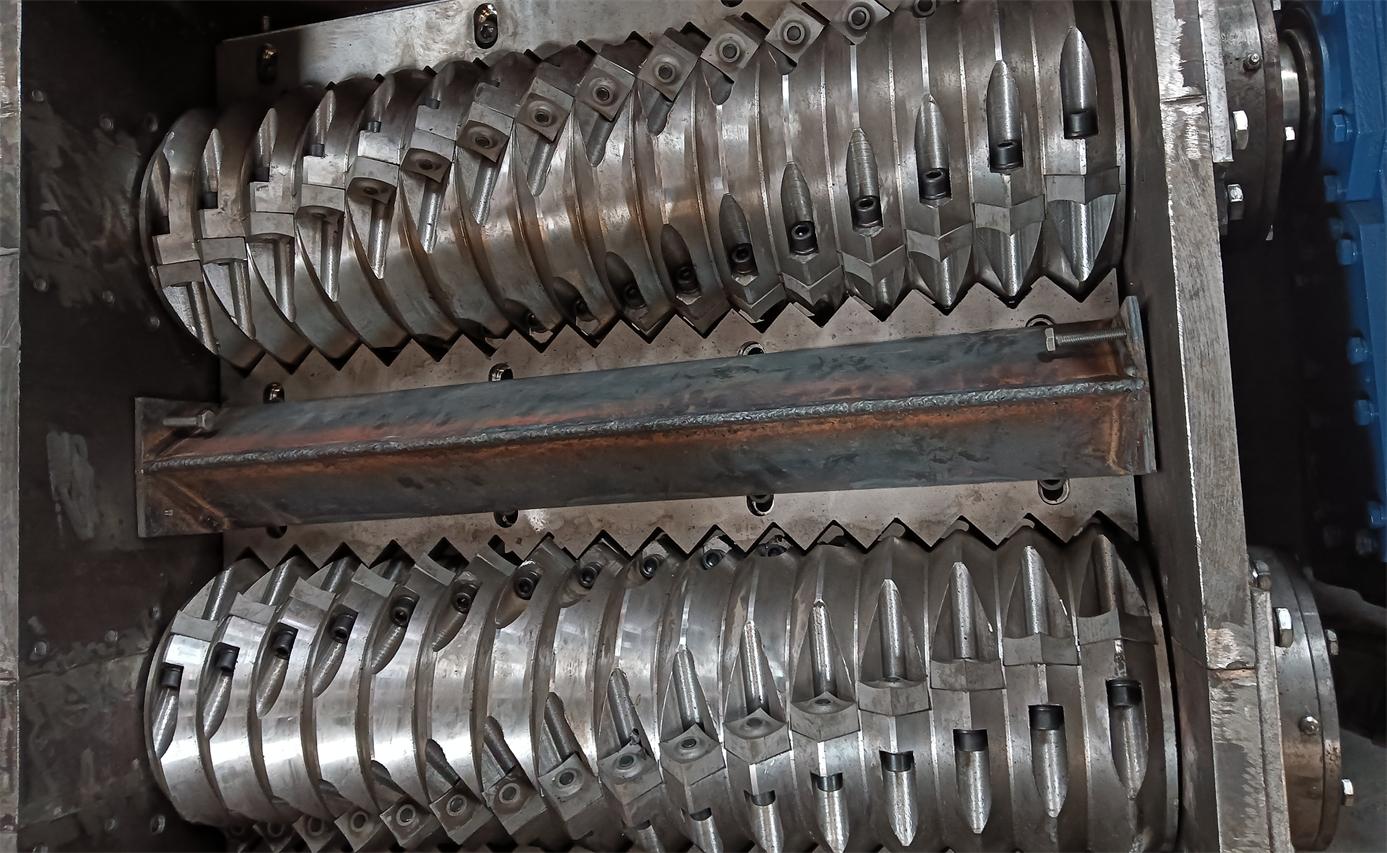
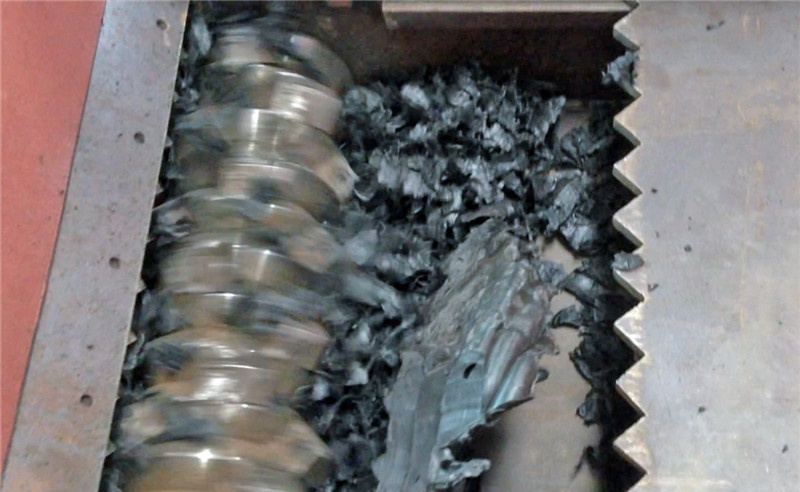
A typical lithium battery recycling plant starts with safe discharge and pre-crushing, followed by secondary granulation and multi-stage separation. Magnetic separation removes ferrous contaminants, while air classification and electrostatic separation split the light plastic fraction from the heavy metal fraction. The resulting black mass can be sold directly to downstream hydrometallurgical refiners, or further processed on-site to recover individual metals. Capacity requirements vary widely, but industrial lines commonly process between 500 and 2,500 kg per hour, depending on feedstock mix and automation level.
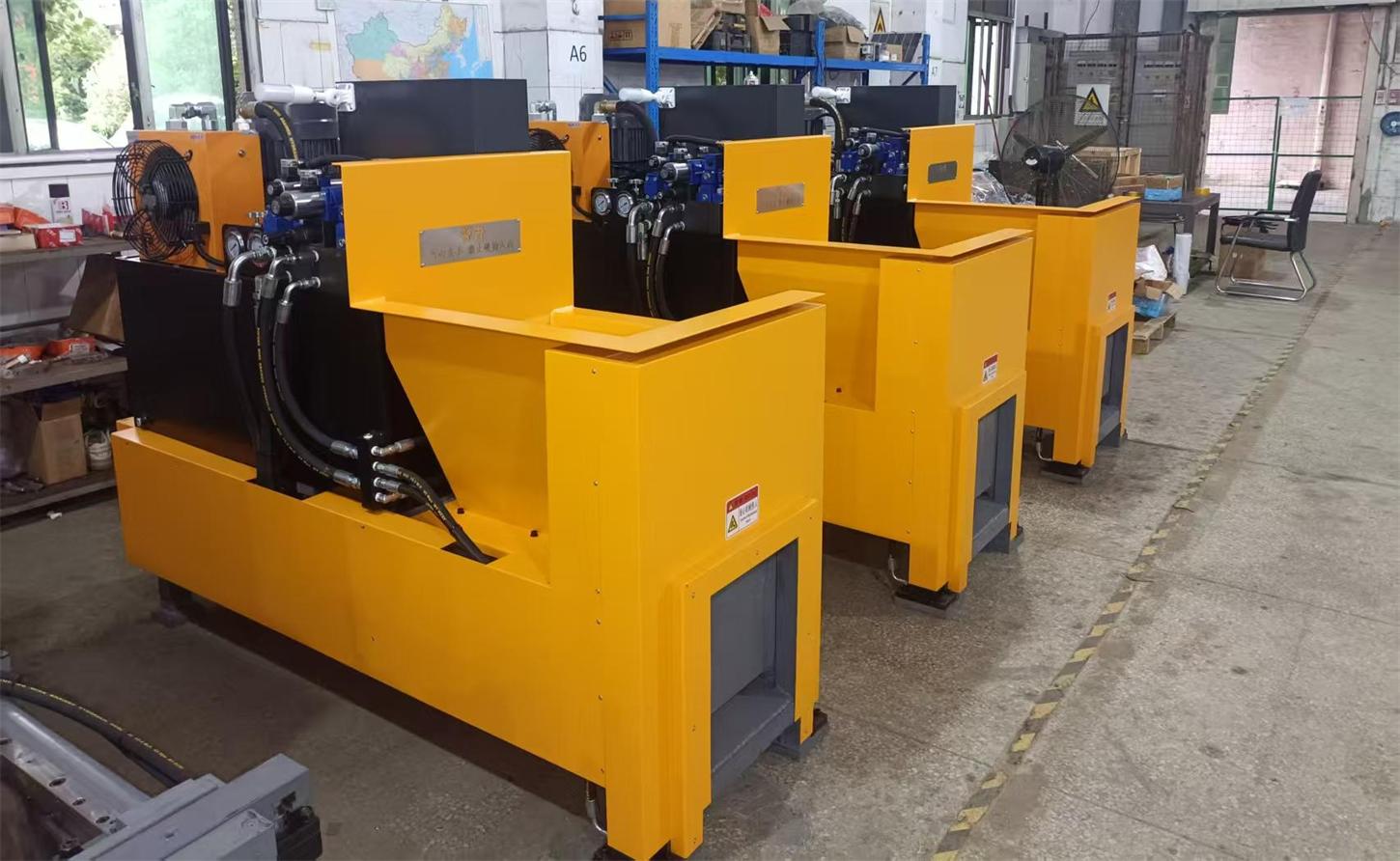
Safety infrastructure is non-negotiable for lithium-ion operations. Fire suppression systems, inert-gas environments during shredding, and dedicated air pollution control for fluorinated electrolyte vapors are essential. Plastic separator film can be pneumatically conveyed to a hydraulic briquetter, compressing the material ten-to-one for easier transport and storage.
Cable and Circuit Board Recovery: Maximizing Metal Yields
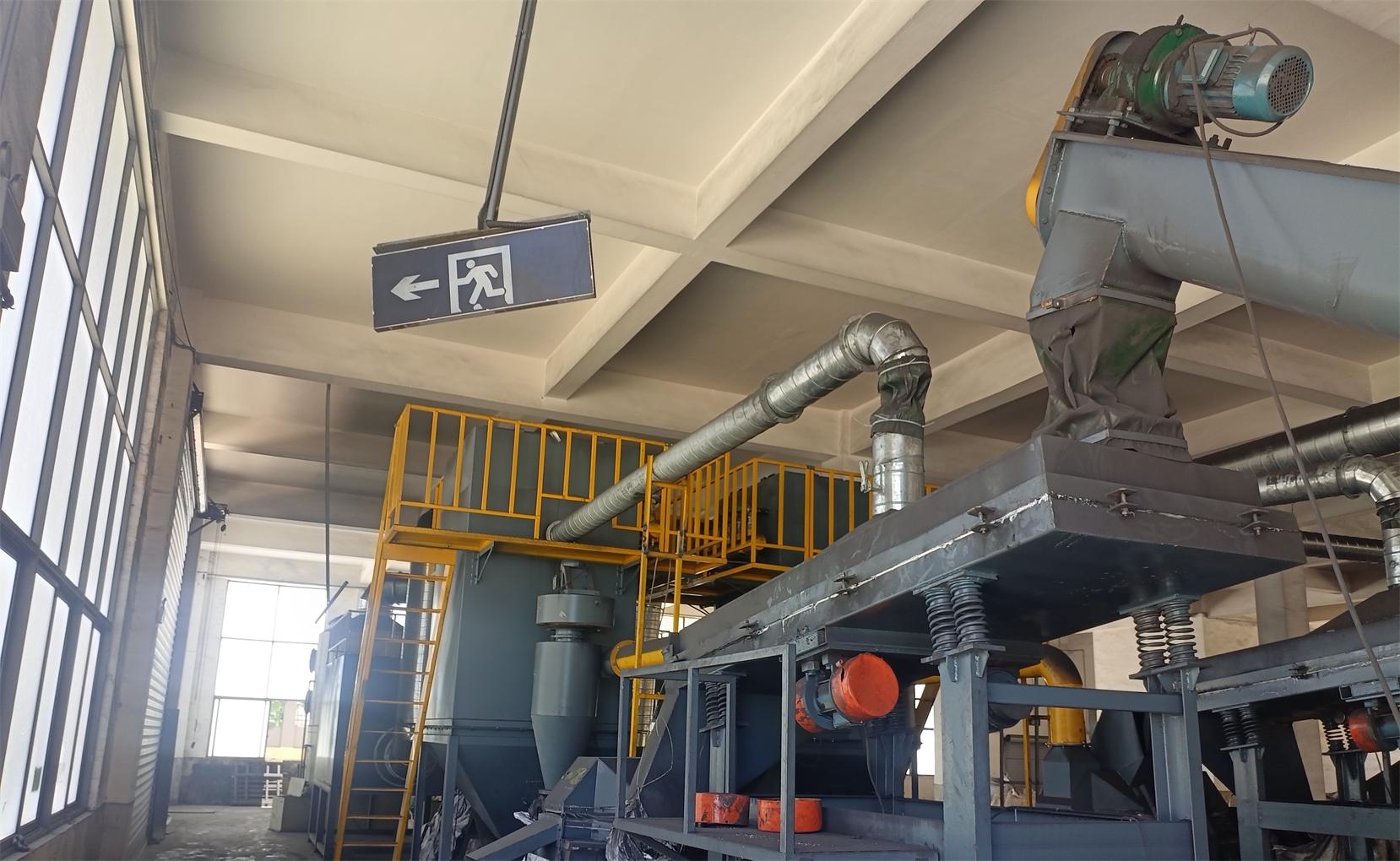
Scrap cable and printed circuit boards (PCBs) represent two of the most metal-dense waste streams in the e-waste category. For cable, the core challenge is cleanly separating copper or aluminum from the insulating plastic jacket without metal loss. Modern cable recycling equipment uses dry granulation combined with air or vibrating-screen separation to achieve copper purity of 96-98% and recovery rates above 95%.
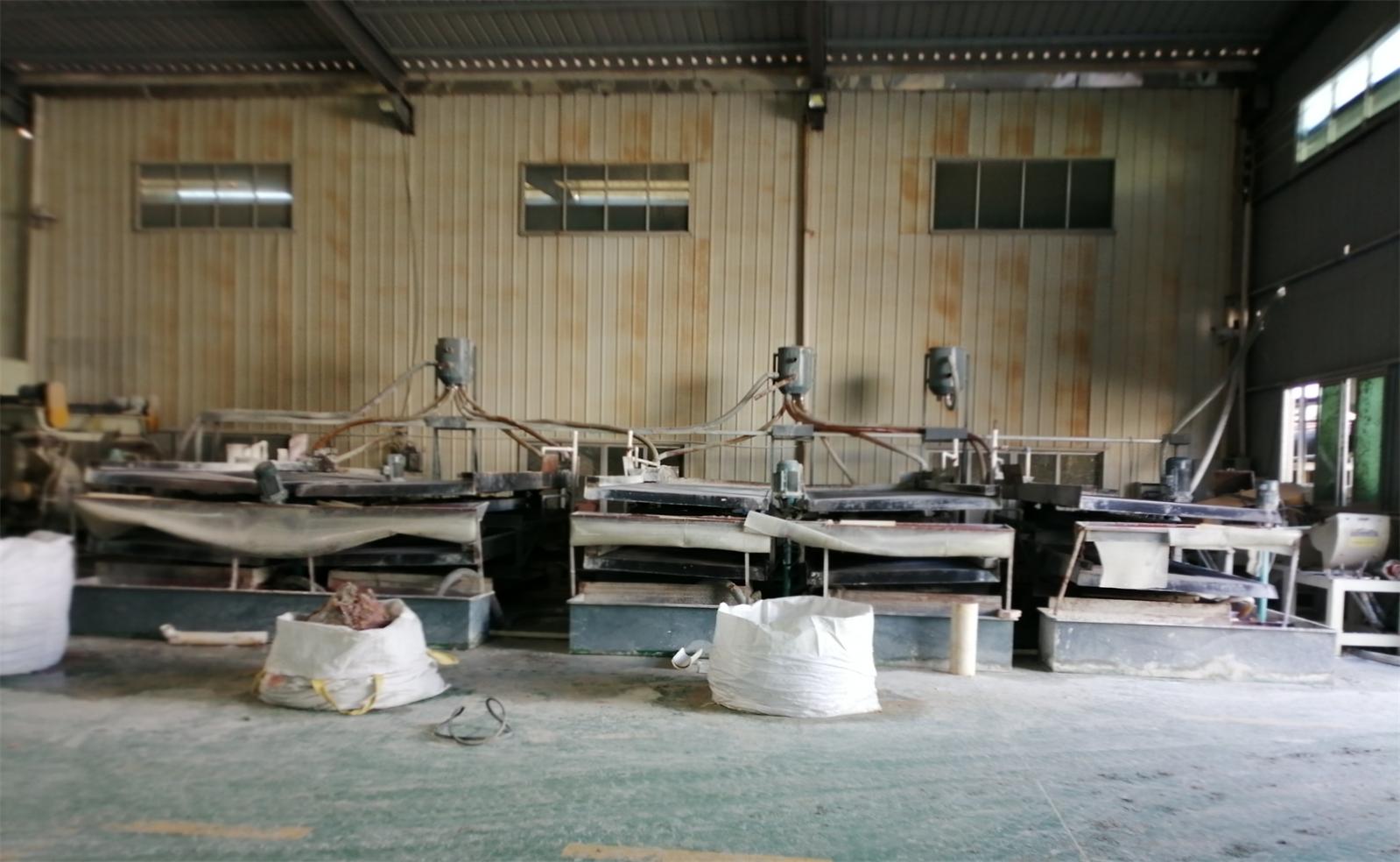
Circuit board recycling is more complex because PCBs contain a mixture of copper, precious metals, resin, and glass fiber. Dry separation plants use air classifiers, electrostatic separators, and pulse-bag dust collectors to recover copper powder while containing fine particulates. Wet separation alternatives can handle boards with components still attached, using water-based metal gravity separation to avoid dust generation entirely. Depending on capacity needs, plants range from 300 kg/hour bench-scale systems to 2,000 kg/hour industrial lines.
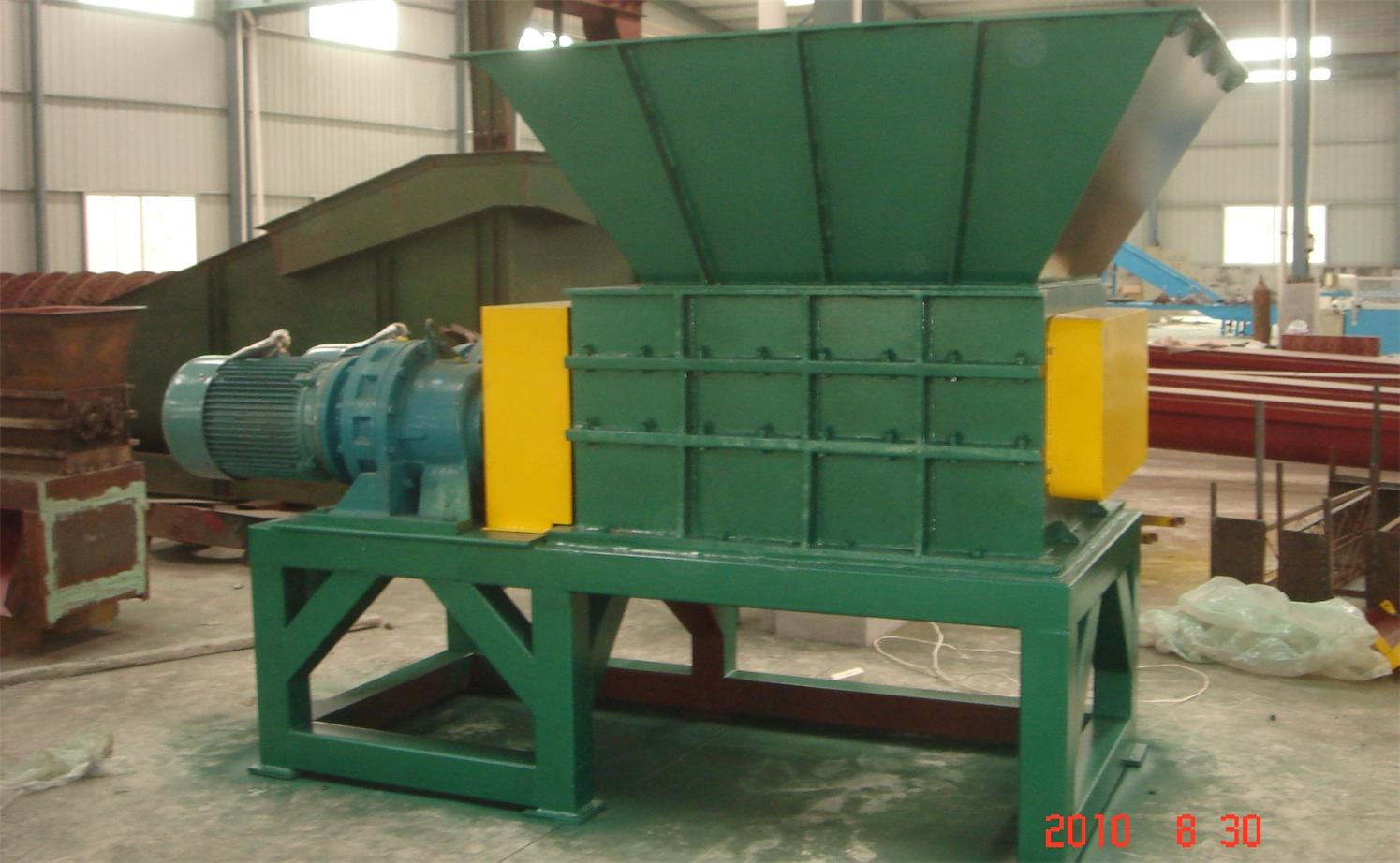
Key takeaway: Cable and PCB recycling lines often share upstream shredding equipment, so operators handling both streams can achieve economies of scale by integrating a multi-purpose shredder into their plant layout.
Choosing Between Modular and Turnkey Solutions
One of the first strategic decisions operators face is whether to buy standalone machines and integrate them independently, or to work with a supplier that delivers a complete turnkey plant. Modular purchases offer flexibility and can spread capital expenditure over time, but they place the burden of process design, installation, and commissioning on the buyer. Turnkey solutions, by contrast, provide a single point of accountability for performance guarantees, throughput targets, and environmental compliance.
For first-time entrants or operators expanding into a new chemistry, turnkey EPC — engineering, procurement, and construction — is usually the lower-risk path. An experienced supplier can customize layout for local building constraints, source auxiliary equipment such as weighing systems and safety infrastructure, and train local staff before handover.
What Defines a Reliable Equipment Partner
Not all recycling machinery is created equal. When evaluating suppliers, look beyond quoted price and consider the following:
1. Technical depth: Does the supplier have in-house mechanical engineering expertise and a track record of customizing designs for different feedstocks and climates?
2. After-sales support: Can they supply spare parts, remote diagnostics, and on-site maintenance over the full equipment lifecycle?
3. Value-added services: Do they assist with raw material sourcing, product offtake introductions, or investor partnerships?
4. Global experience: Have they successfully commissioned plants in your region or in comparable regulatory environments?
5. Environmental compliance: Do their designs include integrated pollution control and effluent treatment as standard, or only as optional extras?
San Lan Technologies, established in 2007, manufactures a full range of WEEE recycling machinery including lead-acid and lithium-ion battery recycling plants, cable granulators, circuit board recovery lines, shredders, and auxiliary equipment such as hydraulic presses and metal melting furnaces. With customers in more than 21 countries and an engineering team holding master's degrees in mechanical engineering, the company offers EPC project delivery, customized design, installation and commissioning, and commercial support ranging from waste material procurement to finished product sales.
Ready to scope your recycling plant? Whether you are entering the market with a lead-acid line, expanding into lithium-ion recovery, or adding cable and PCB capacity to an existing operation, selecting the right equipment partner determines your operational margin from day one. Contact San Lan Technologies to discuss your material stream, capacity targets, and layout constraints — and receive a customized equipment proposal tailored to your local market conditions.