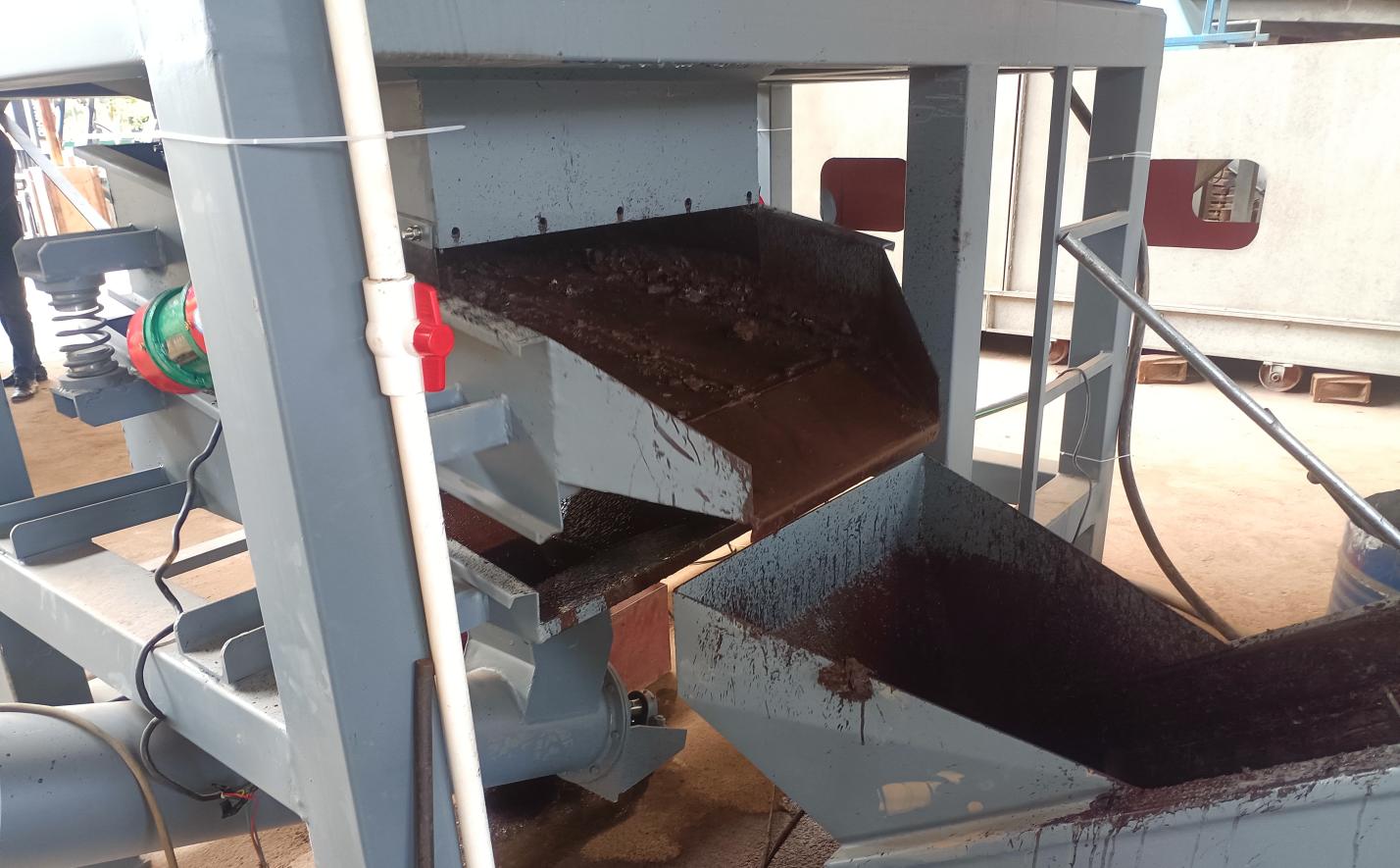
The global surge in electronic waste has created both an environmental challenge and a significant business opportunity. Every year, millions of tons of discarded electronics, batteries, and cables pile up in landfills, releasing hazardous materials into the soil and water. For entrepreneurs and established businesses alike, investing in a well-designed recycling plant is no longer just an ethical choice—it is a profitable one. The key to success lies in selecting the right equipment that maximizes recovery rates while minimizing operational costs and environmental impact.
Understanding the Core Recycling Processes
Before purchasing machinery, it is essential to understand the three most lucrative streams in e-waste recycling: lead-acid batteries, printed circuit boards (PCBs), and scrap cables. Each material requires specialized processing technology to extract valuable metals efficiently and safely.
Lead Acid Battery Recycling: Turning Waste into High-Purity Lead
Used lead-acid batteries represent one of the most recycled consumer products in the world, and for good reason. Over 95% of the material in a lead-acid battery can be recovered and reused. However, achieving this level of efficiency requires a complete lead acid battery recycling equipment setup that handles every stage of the process.
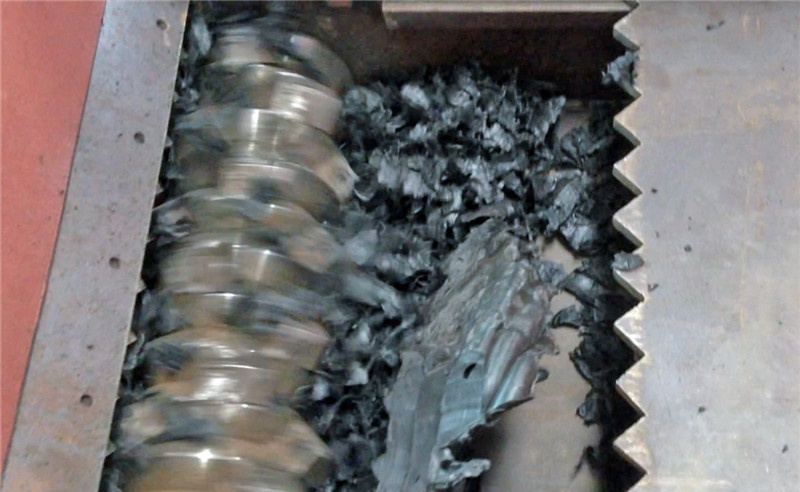
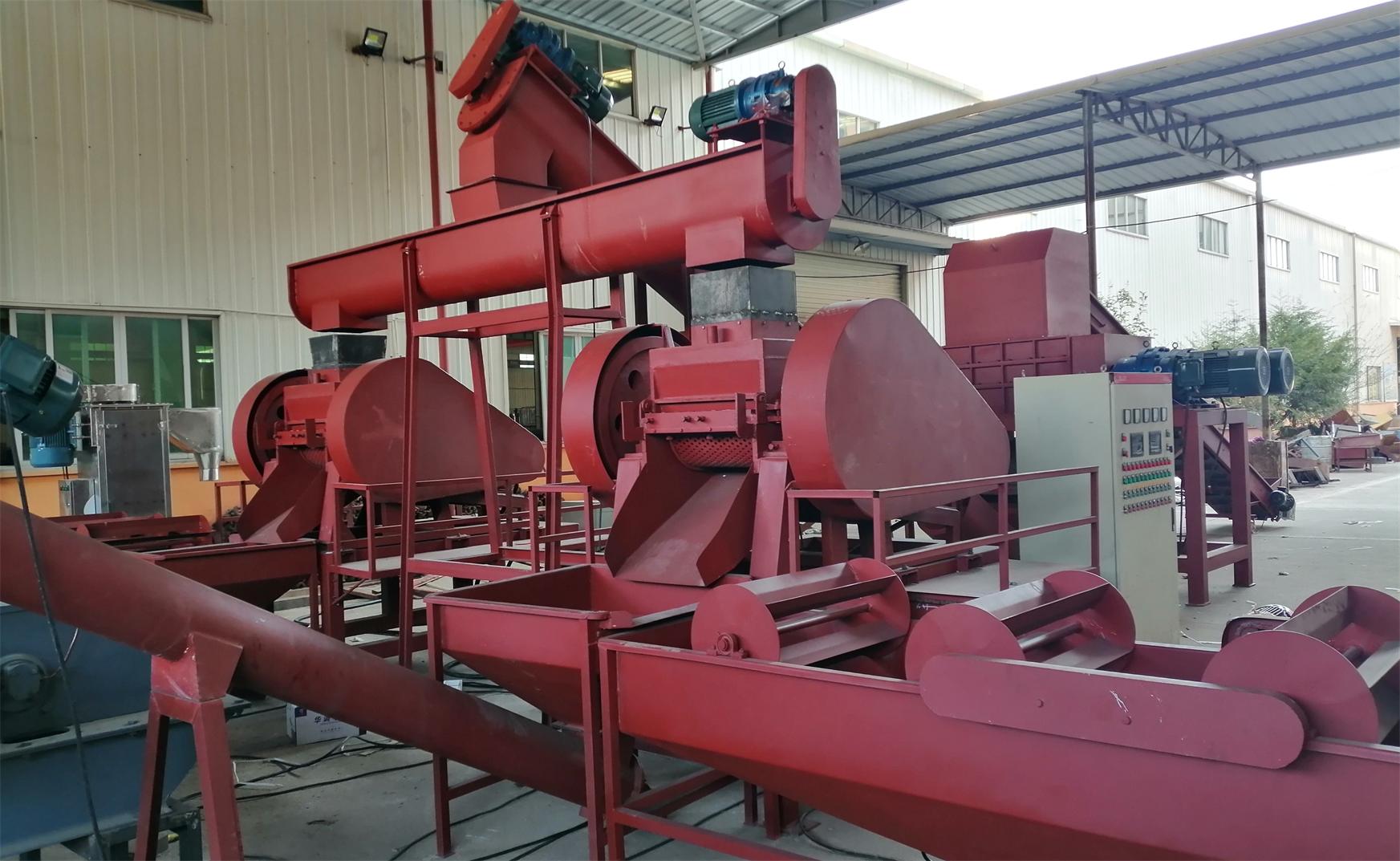
A modern lead-acid battery recycling plant typically begins with a battery cutter that safely opens the battery and empties the acid. The batteries then move to a breaking and separation system, which crushes them and classifies the output into four distinct products: lead grid, lead paste, plastic (PVC/PP), and hard rubber. The lead paste undergoes desulfurization to remove sulfur, significantly reducing melting temperature and cutting down on harmful emissions. Finally, smelting in a rotary furnace or blast furnace converts the paste into crude metallic lead, which a refinery kettle then purifies to 99.999% purity.
The financial and environmental benefits are substantial. Natural gas or diesel heated furnaces offer reliable performance, while electric heated refinery kettles with near-infrared heating technology can reduce energy consumption by 30% to 50%. A properly configured plant can process between 1 and 10 metric tons per hour, making it suitable for both small-scale operators and large industrial facilities.
Circuit Board Recycling: Recovering Copper and Precious Metals
Printed circuit boards are found in nearly every electronic device, from smartphones to industrial control systems. They contain significant amounts of copper, along with trace amounts of precious metals such as gold and silver. Recovering these materials profitably demands specialized circuit board recycling equipment that can separate metals from non-metallic components without causing pollution.
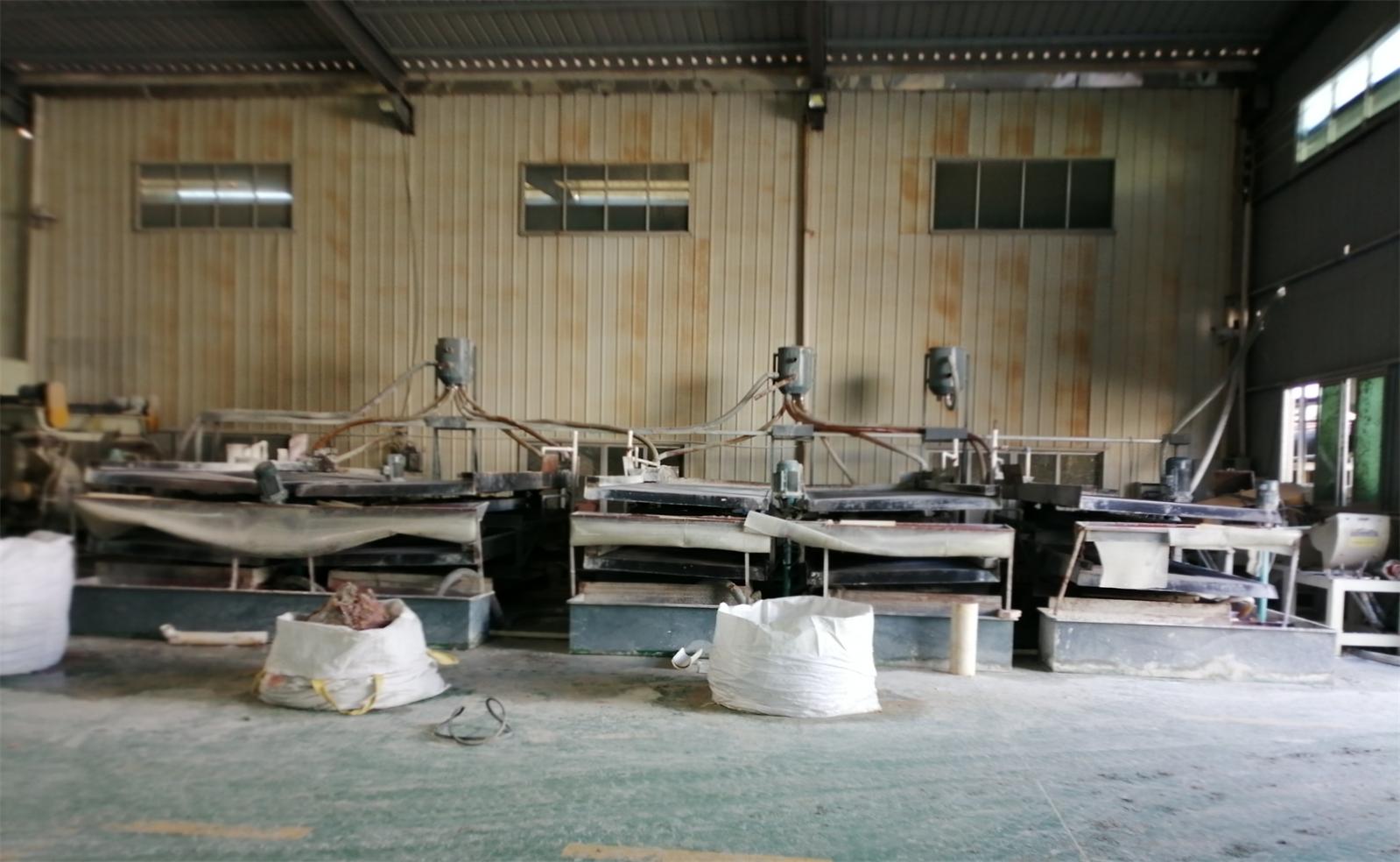
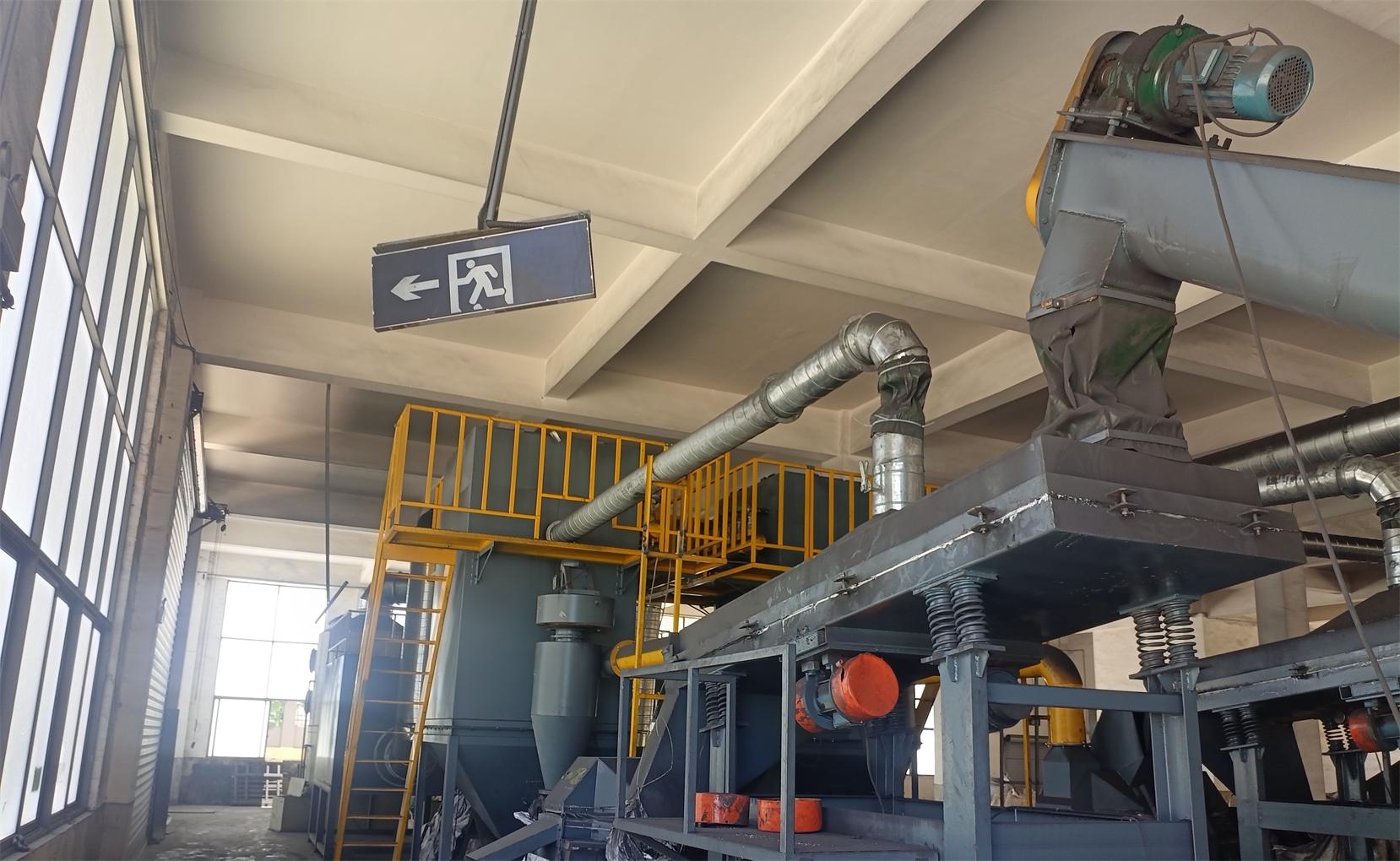
Two main separation technologies dominate the market: dry separation and wet separation. Dry separation plants use air separators, vibrating screens, and electrostatic separators to sort materials without water. These systems are ideal for regions where water conservation is a priority. Wet separation plants, on the other hand, use water-based metal separation to achieve extremely high purity levels. Both approaches can deliver copper powder with a purity of 96% to 98% and overall recovery rates around 95%.
Capacity options range from compact 300 kg per hour systems suitable for entry-level operations, to heavy-duty 2000 kg per hour plants designed for continuous industrial use. Advanced configurations also include pulse bag dust collectors and cyclone separators to ensure a dust-free working environment, keeping the facility compliant with strict environmental regulations.
Cable Recycling: Efficient Copper and Aluminum Recovery
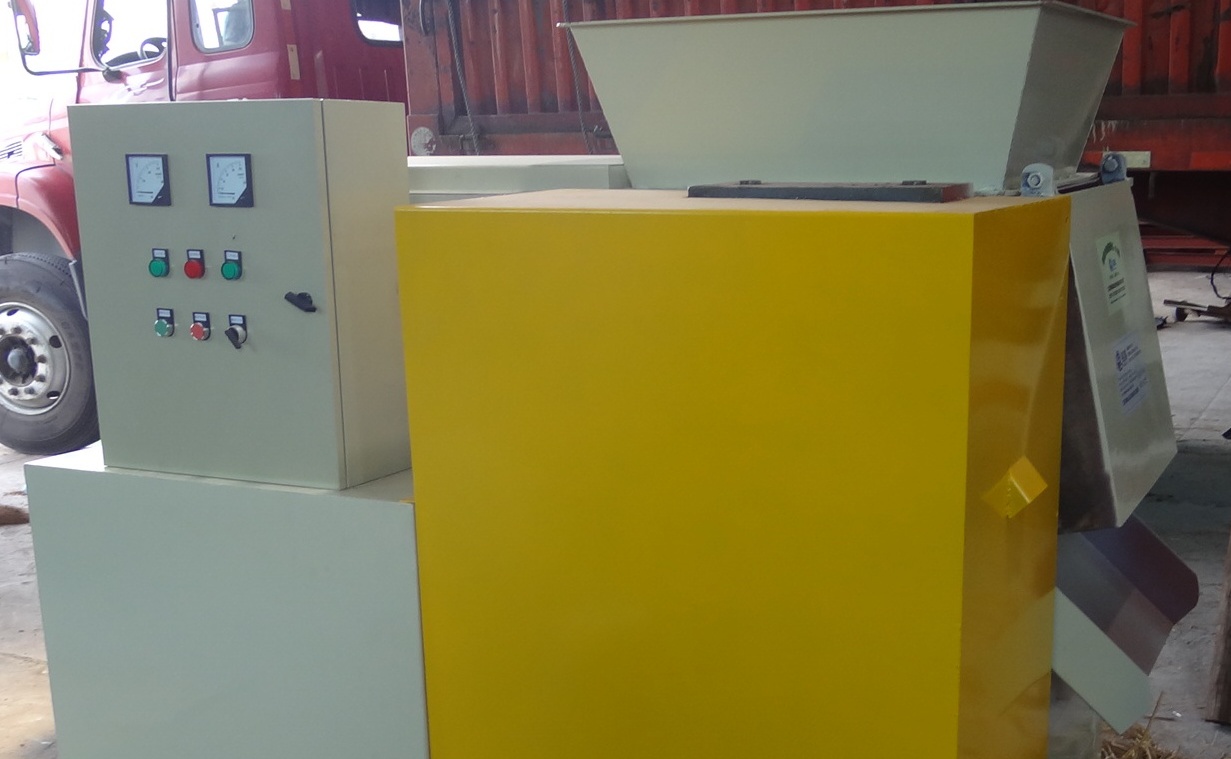
Scrap cable is one of the most accessible and profitable materials in the recycling industry. Copper and aluminum prices remain strong, and the separation technology required is well-established. A complete cable recycling equipment line generally includes scrap cable strippers for large-diameter wires and granulators with dry separators for finer cables.
Cable strippers can handle diameters ranging from 1.5 mm to 150 mm, removing the plastic insulation to expose clean copper or aluminum cores. For mixed or fine cable waste, granulators crush the material and use air separation to isolate the metal from the plastic. The result is high-quality copper rice or aluminum granules that command premium prices in the metals market. Depending on the model, cable recycling machines can process anywhere from 200 kg to 1200 kg per hour, allowing operators to scale their business according to available feedstock.
Beyond the Basics: Expanding Your Recycling Capabilities
While lead-acid batteries, circuit boards, and cables form the backbone of many recycling businesses, diversification can significantly improve long-term profitability. Lithium-ion batteries, for instance, represent the fastest-growing waste stream due to the electric vehicle revolution. A lithium battery recycling plant can recover black mass containing nickel, cobalt, and graphite, alongside copper, aluminum, and plastic. Capacities range from 500 kg to 2500 kg per hour.
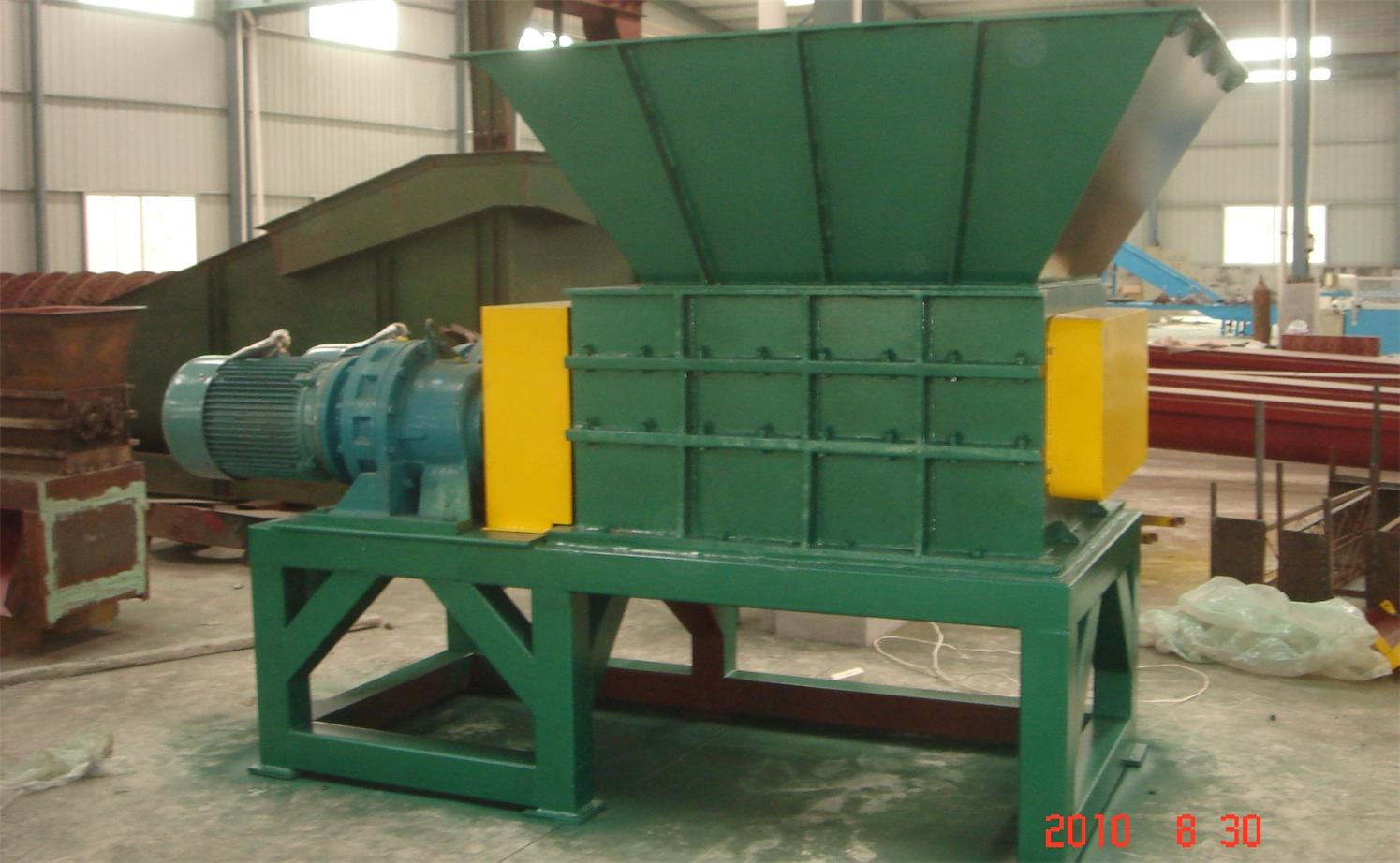
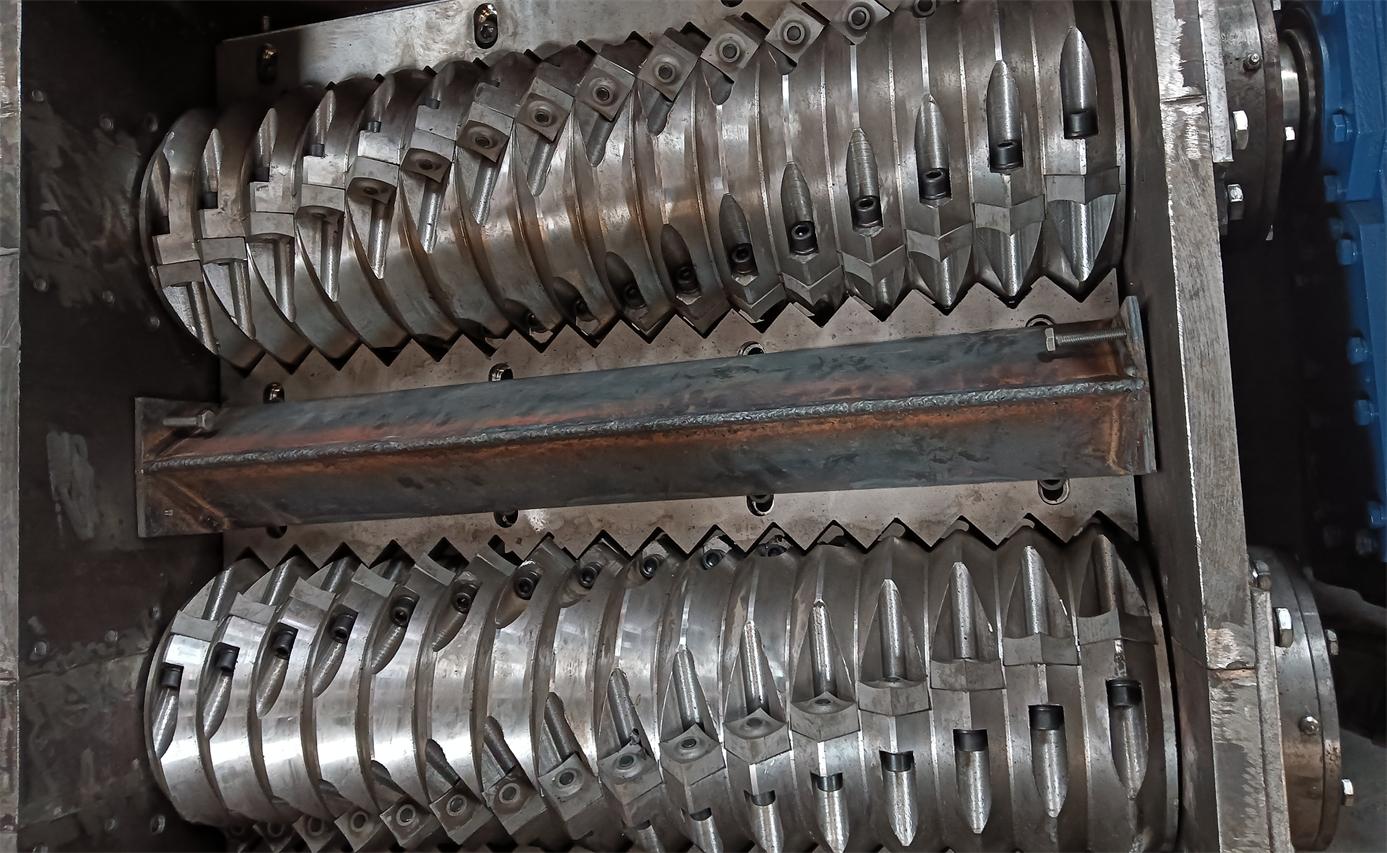
Other valuable additions include refrigerator and air conditioner recycling lines that safely extract refrigerants before shredding, CRT cutters that safely separate monitor glass and funnel components, and motor recycling machines that extract copper windings from stator cores. Pre-shredders and multi-shaft shredders prepare bulky e-waste for downstream processing, while hydraulic briquetting machines compress metal chips into dense blocks for easier transport and smelting.
The Value of a One-Stop Solution Provider
Building a recycling plant involves far more than buying individual machines. Successful projects require careful engineering, proper layout design, environmental compliance systems, installation, commissioning, and ongoing technical support. Working with a supplier that offers end-to-end Engineering, Procurement, and Construction (EPC) services can save months of planning and prevent costly mistakes.
Experienced manufacturers can also provide crucial added-value services such as helping clients source raw materials like cable scrap or used batteries, and assisting with the sale of finished products such as copper rice, lead ingots, or aluminum granules. This full-circle support transforms a simple equipment purchase into a sustainable business partnership.
Why Experience Matters in Equipment Selection
When evaluating potential suppliers, look for a proven track record. Companies with over 15 years of hands-on experience in mechanical engineering and e-waste recycling have typically refined their designs through real-world feedback. They understand the nuances of different feedstocks, the importance of robust dust and emission control, and the need for reliable after-sales support.
A strong international presence is another positive indicator. Suppliers with installations across more than 20 countries have demonstrated their ability to meet diverse regulatory requirements, adapt to different operational conditions, and communicate effectively across cultural and linguistic barriers. Bilingual support teams familiar with intercultural business environments can streamline negotiations, installation, and training.
Key Takeaway: The most profitable recycling plants are built on three pillars—high-efficiency equipment that delivers verified recovery rates, comprehensive support from design through commissioning, and a supplier relationship that extends to material sourcing and product offtake.
Making the Right Investment Decision
Entering the e-waste recycling industry does not have to be overwhelming. Start by identifying the most abundant waste streams in your region. Then, partner with a manufacturer that offers scalable, proven equipment backed by solid engineering expertise. Request detailed technical specifications, visit operating installations if possible, and verify that the supplier can provide customized solutions rather than one-size-fits-all packages.
Pay close attention to environmental compliance features. Air pollution control systems, water treatment plants, and dust collection units are not optional extras—they are essential components that protect your license to operate and the health of your workforce. A well-designed plant should meet or exceed local environmental requirements without sacrificing throughput or recovery rates.
Ready to Start Your Recycling Business?
San Lan Technologies Co., Ltd has been manufacturing WEEE recycling machines and mining equipment since 2007. With customers in over 21 countries and a full range of solutions from lead-acid battery recycling to lithium ore extraction, we provide the equipment and expertise you need to turn waste into profit. Contact us today to discuss your project requirements and receive a customized equipment proposal tailored to your budget and feedstock.