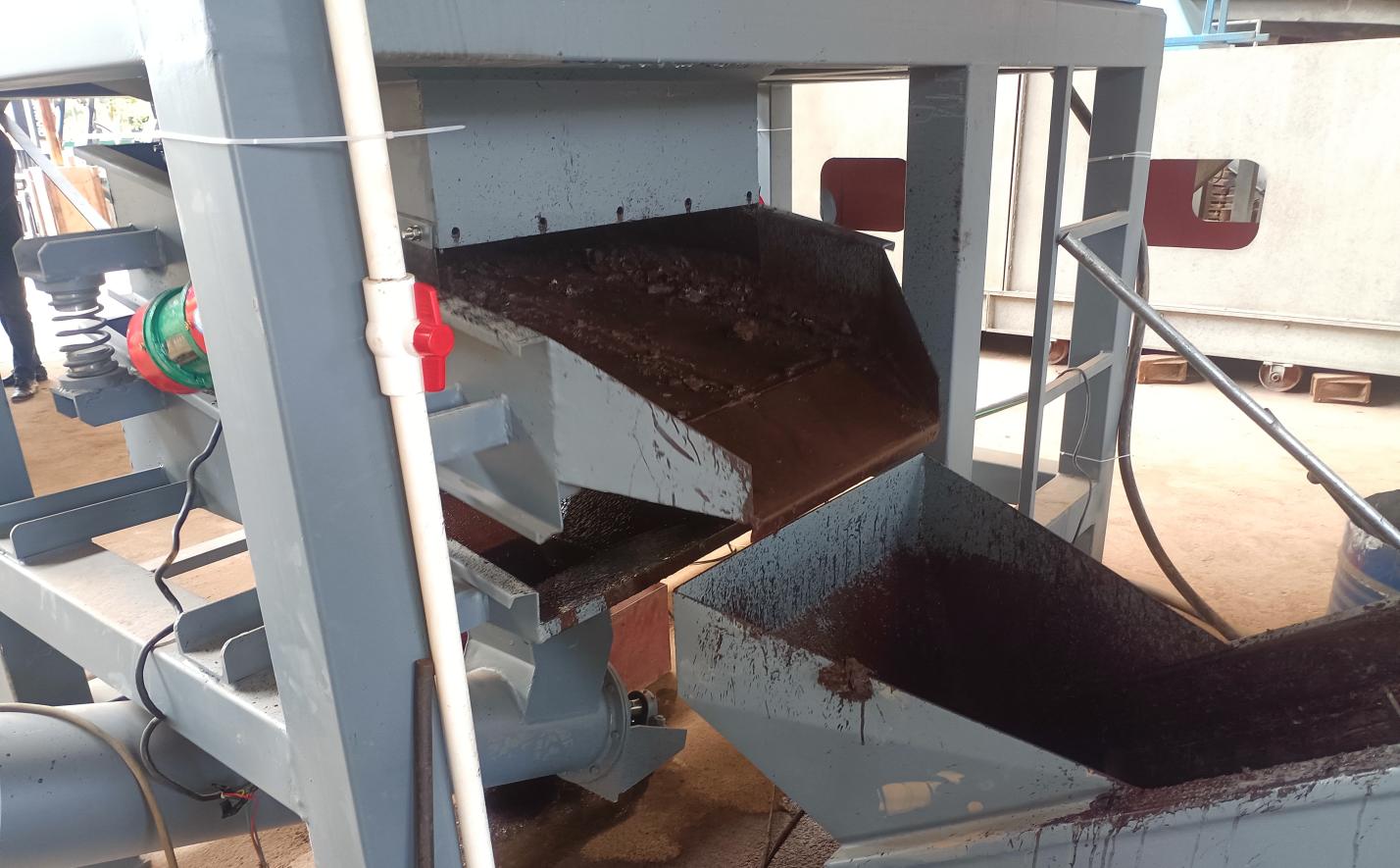
Electronic waste is one of the fastest-growing waste streams on the planet. Every year, millions of tonnes of discarded phones, computers, batteries, and cables end up in landfills, wasting valuable metals like copper, gold, silver, and lithium. For entrepreneurs and investors, this is not just an environmental problem — it is a business opportunity.
Starting an e-waste recycling plant can be highly profitable, but success depends heavily on choosing the right equipment. The wrong machines lead to low recovery rates, high downtime, and regulatory headaches. The right machines turn scrap into high-purity raw materials that command premium prices.
Understanding the E-Waste Recycling Value Chain
E-waste recycling is not a single process. It is a chain of operations that transforms discarded electronics into reusable materials. The typical flow includes collection, dismantling, shredding, separation, and refining.
Different feedstocks require different equipment. A plant processing used lead acid batteries needs crushers, separation systems, smelting furnaces, and pollution control units. A plant handling lithium batteries requires specialized breaking and separating machines that can safely recover black mass, copper, aluminum, and plastic. Cable recycling operations focus on granulators and separators that strip insulation and isolate pure copper or aluminum. Circuit board recycling equipment demands multi-stage crushing, air or water separation, and often electrostatic separation to recover copper powder and precious metals.
Understanding your feedstock is the first step. The second is matching that feedstock to the right machinery.
Key Equipment Categories for Modern Recycling Plants
Battery Recycling Systems
Used lead acid batteries and lithium-ion batteries represent two of the most valuable recycling streams. Lead acid batteries contain lead paste, lead grids, plastic shells, and sulfuric acid. A complete lead acid battery recycling equipment setup breaks and separates these components, then smelts the lead paste to produce crude metallic lead, which can be refined to 99.999% purity. Modern systems include de-sulfurization units to reduce emissions, filter presses to collect paste, and water treatment plants to handle acidic wastewater.
Lithium battery recycling is equally sophisticated. Waste lithium batteries must be discharged, pre-crushed, and then separated into black mass (containing nickel, cobalt, and graphite), plastic film, copper, and aluminum. Air pollution control systems are essential because lithium batteries can release harmful gases during crushing. Pneumatic conveying systems and hydraulic briquetters help compress plastic film for easy transport and resale.
Circuit Board Recycling Equipment
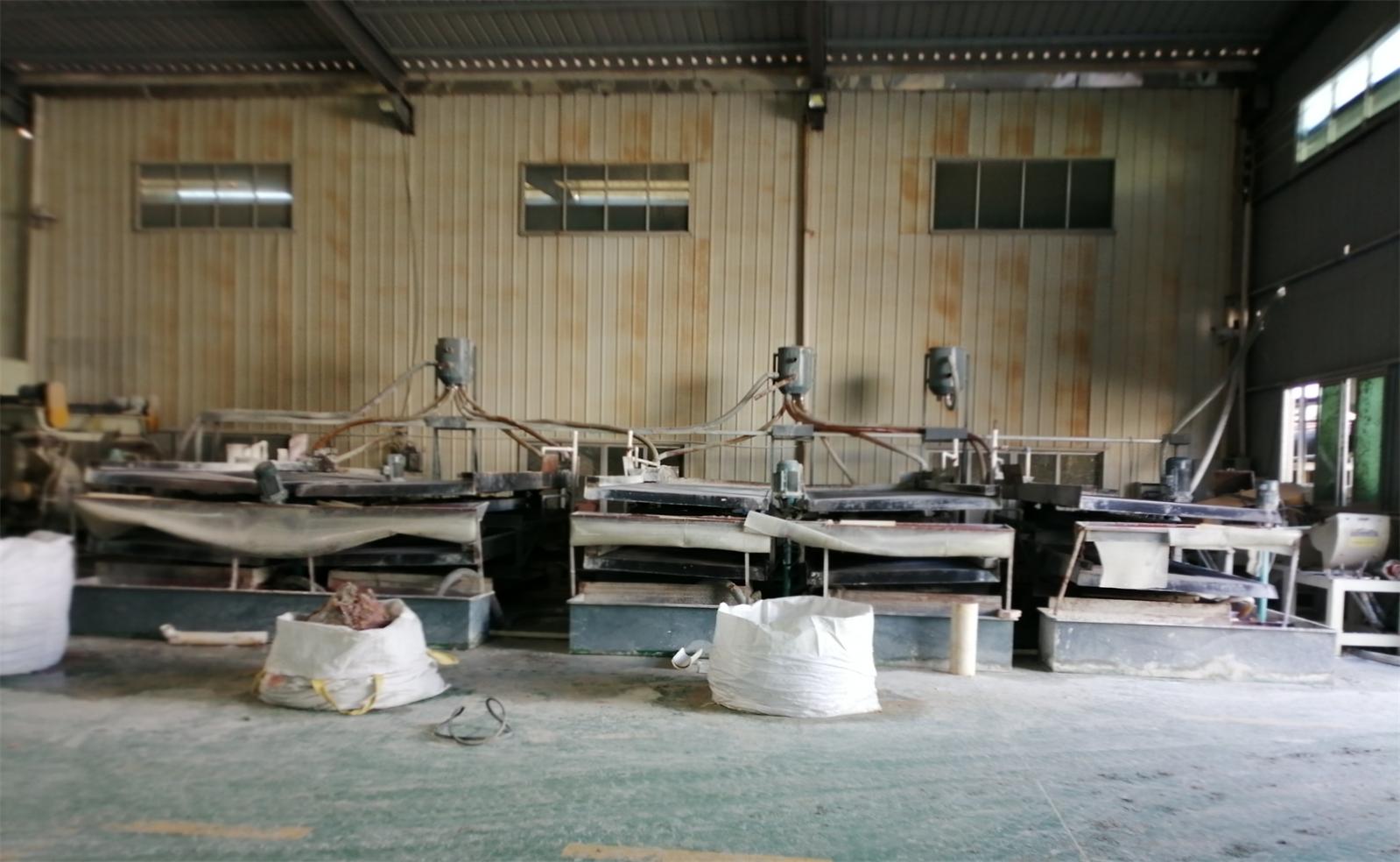
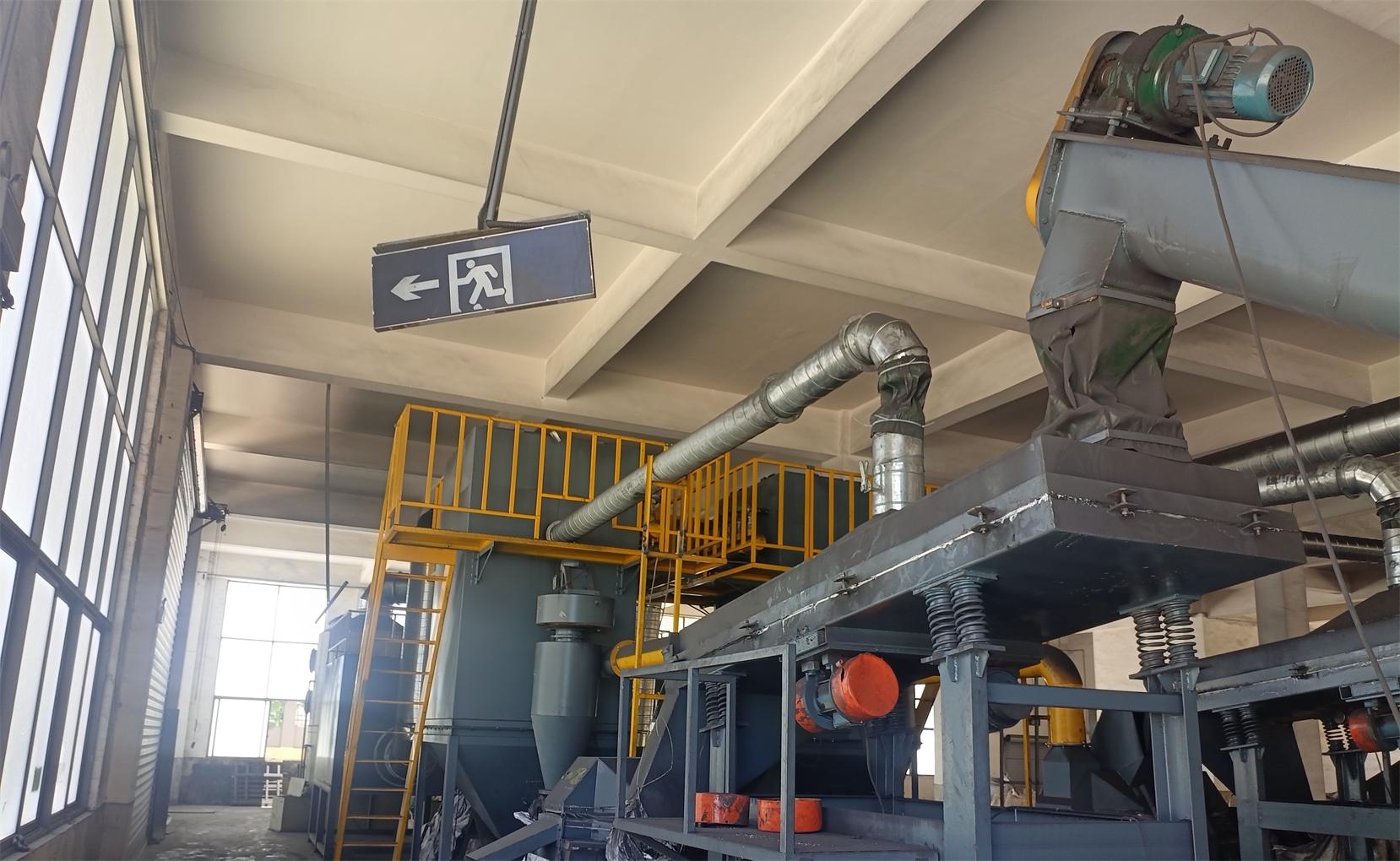
Printed circuit boards (PCBs) are rich in copper and precious metals. Depending on capacity requirements and local environmental regulations, operators can choose dry separation or wet separation systems. Dry systems use air separators, vibrating screens, and electrostatic separators. Wet systems use water-based metal separation to achieve high purity. Capacities range from 300 kg/hour to 2,000 kg/hour or more. Advanced plants can achieve copper powder purity of 96–98% with recovery rates around 95%.
Cable and Wire Recycling Machines
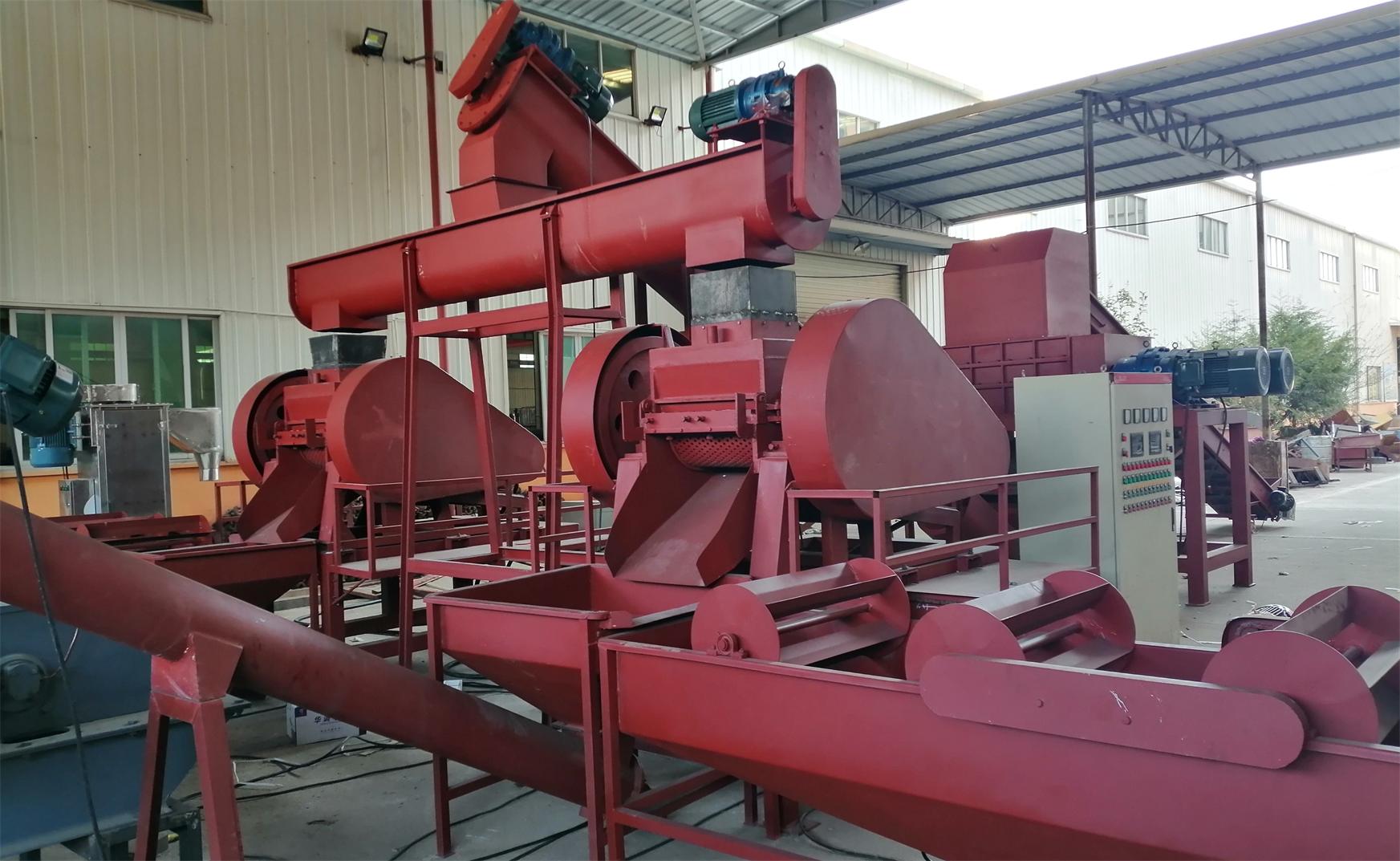
Scrap cable is one of the most accessible feedstocks for new recycling businesses. Cable recycling equipment, also known as cable granulators or wire separators, crush waste cables and separate the metallic core from plastic insulation. For large-diameter cables, scrap cable strippers are used first to remove the outer jacket before granulation. Output includes pure copper or aluminum granules and clean plastic pellets, both of which have strong resale markets.
Shredders and Pre-Choppers
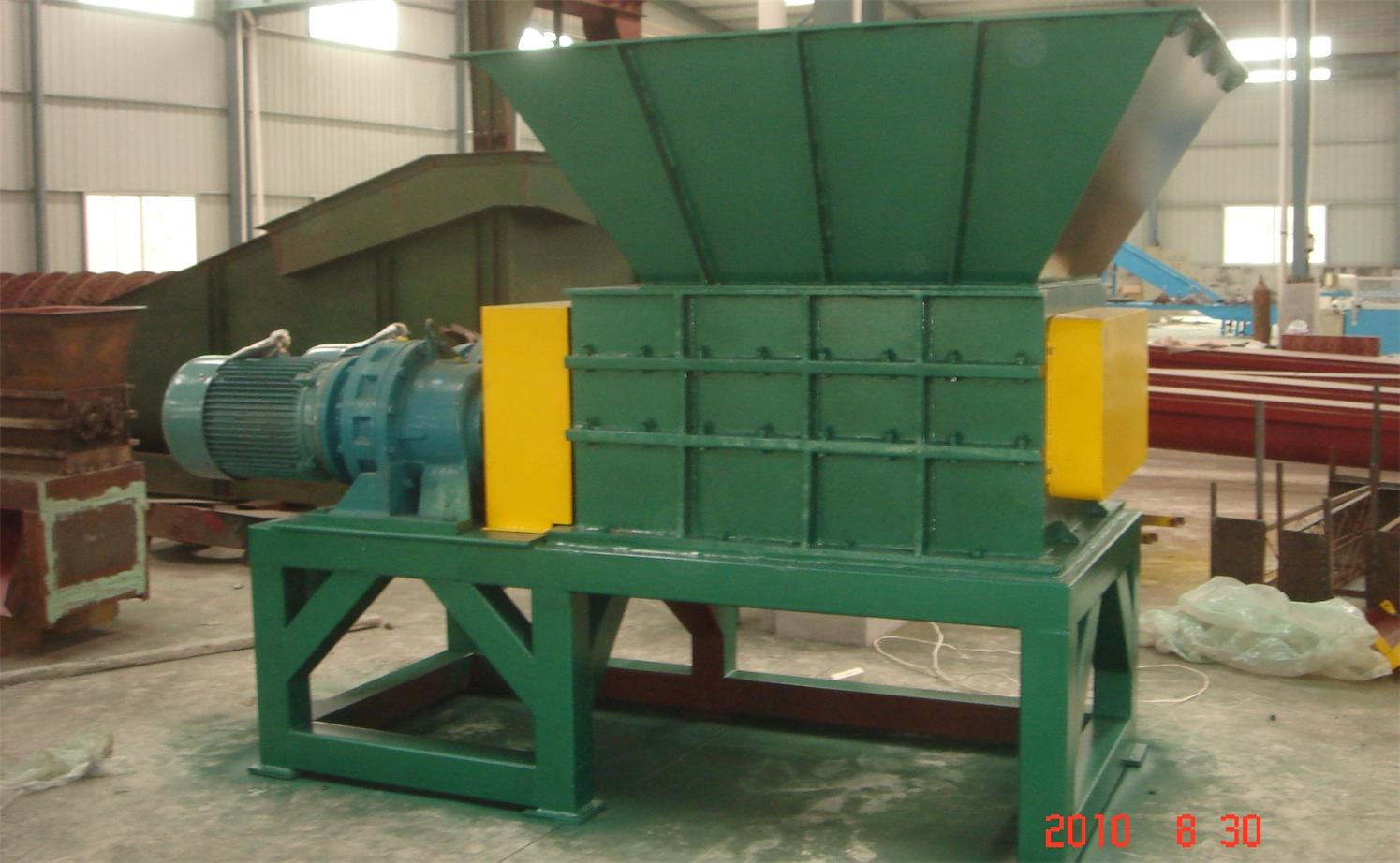
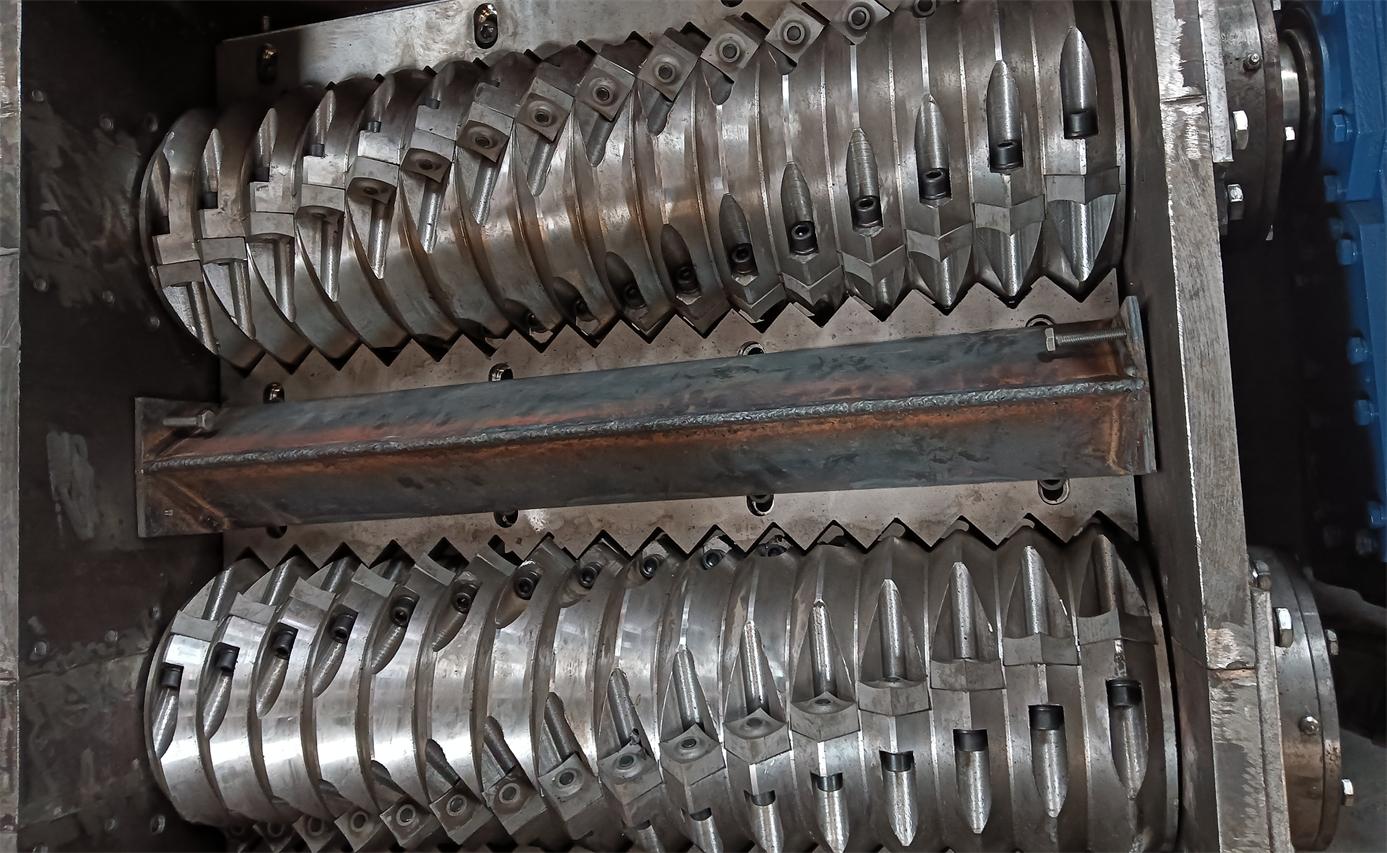
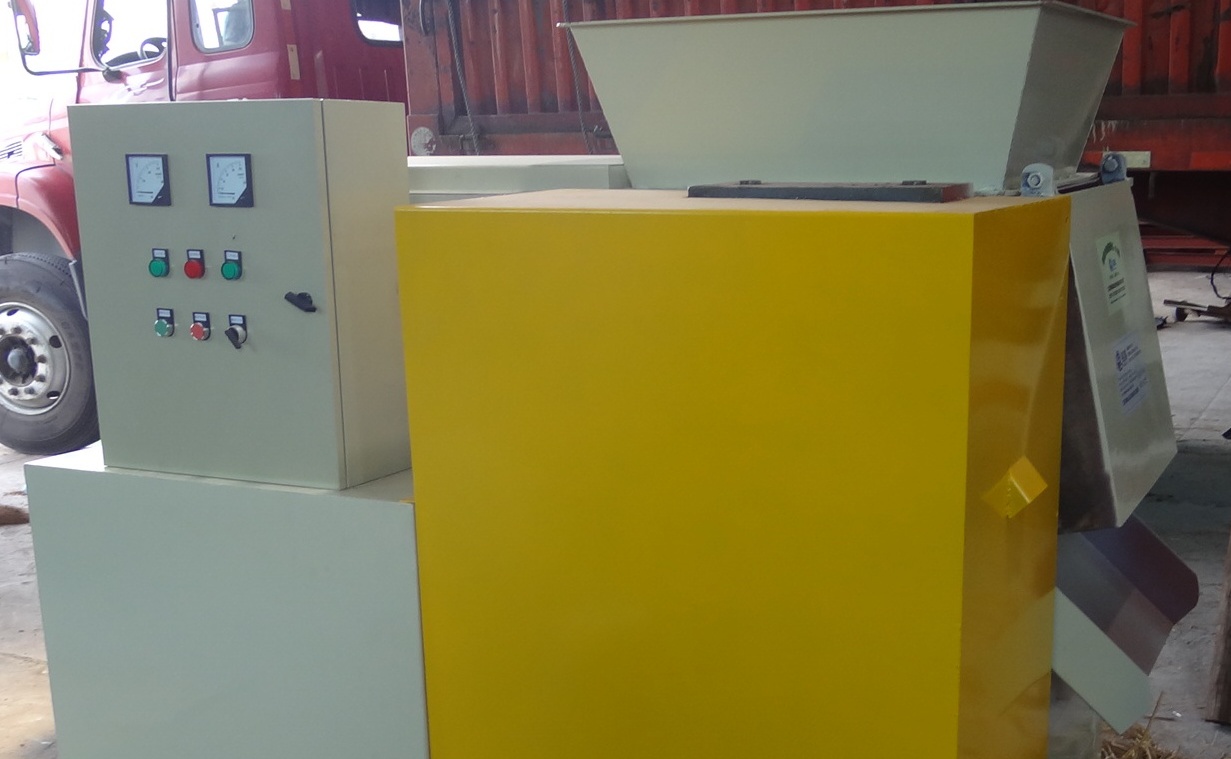
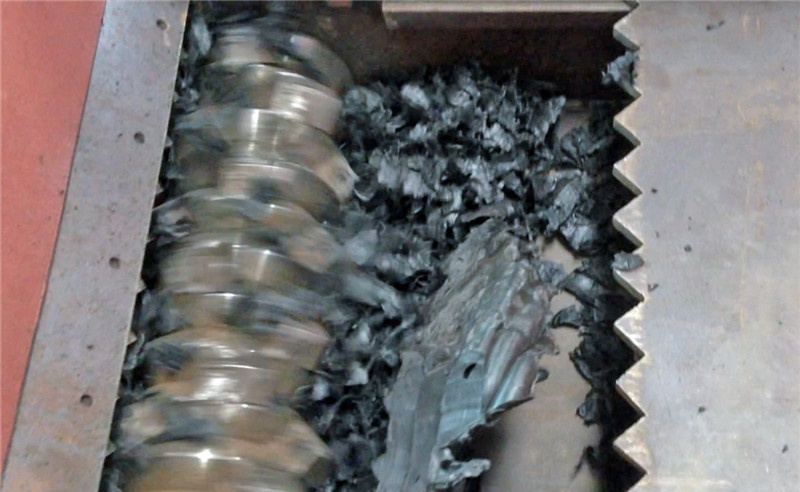
Before specialized processing, most e-waste needs size reduction. Shredders handle everything from circuit boards and cables to refrigerators and batteries. Single-shaft, twin-shaft, and four-shaft shredders offer different trade-offs between throughput, particle size, and energy consumption. Pre-choppers are often deployed upstream to prepare material for granulators and separators.
Auxiliary Equipment
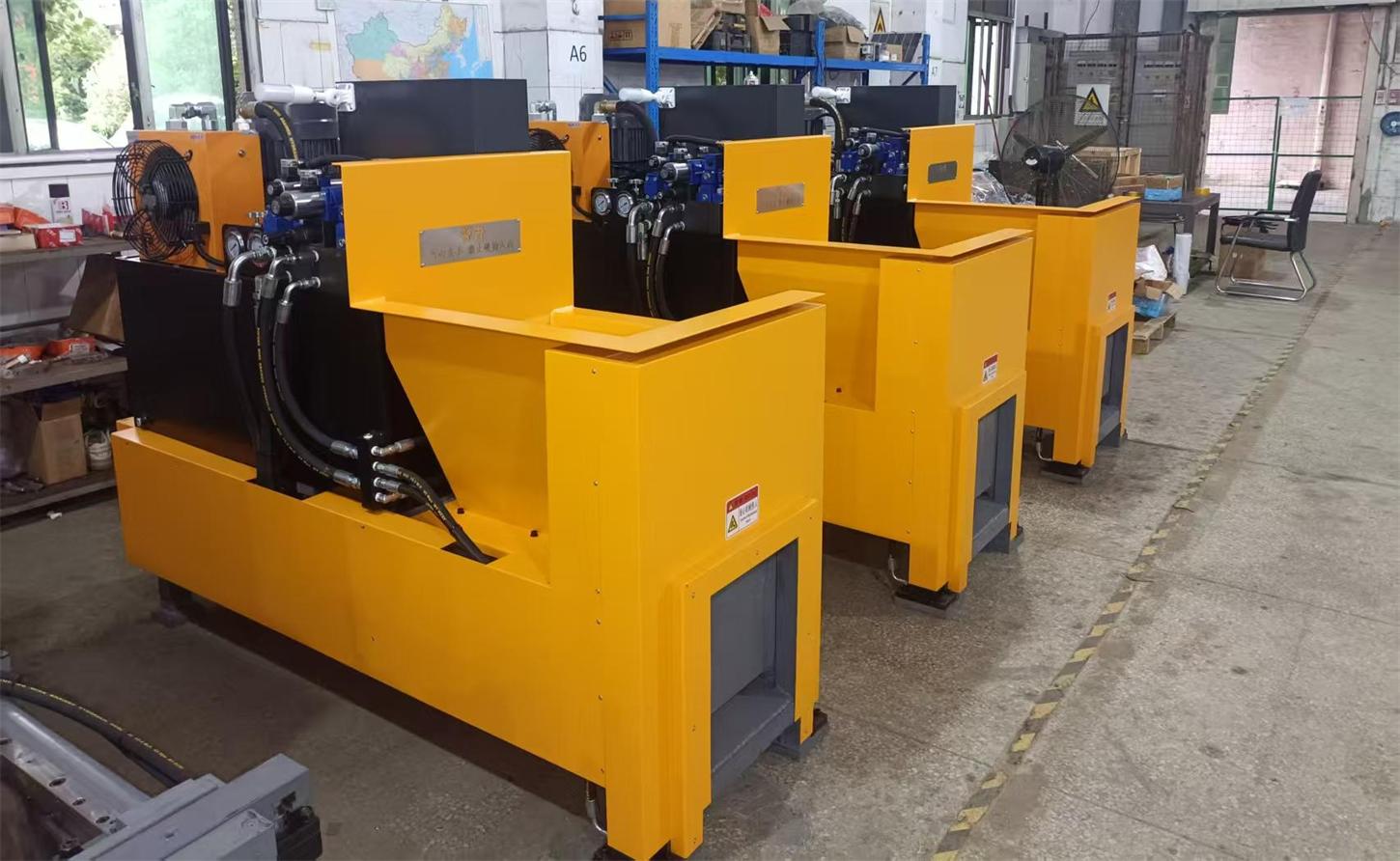
A complete plant also requires supporting systems. Hydraulic press machines compress metal chips into briquettes for easier smelting. Hydraulic balers compact plastic and other light materials. Metal melting furnaces turn recovered metals into ingots. Air pollution control systems and effluent treatment plants ensure compliance with environmental standards.
What to Look for in an Equipment Supplier
Choosing a supplier is as important as choosing the equipment itself. Here are critical factors to evaluate:
Technical Expertise and Experience
Look for suppliers with deep experience in your target feedstock. E-waste recycling involves mechanical engineering, metallurgy, and environmental engineering. A supplier with a technical team that includes mechanical engineering master's degrees and 15+ years of field experience can design systems that actually work in practice, not just on paper.
Customization and EPC Capability
No two recycling plants are identical. Feedstock composition, local regulations, available space, and budget vary widely. A supplier that offers EPC (Engineering, Procurement, Construction) services can deliver a turnkey plant tailored to your conditions. Customized design, one-stop purchasing, installation, and commissioning support reduce project risk significantly.
Proven International Track Record
A supplier with installations in 20+ countries has likely encountered and solved the logistical, regulatory, and operational challenges you will face. Ask for references or case studies in regions similar to yours.
After-Sales and Business Support
The best suppliers do more than sell machines. They help you source waste material, optimize your process flow, and even connect you with buyers for your recovered products. Some suppliers assist with finding investors or partners for plant construction, which is especially valuable for first-time operators.
Environmental Compliance
Environmental regulations are tightening globally. Ensure your supplier provides certified pollution control systems, including dust collectors, gas scrubbers, and wastewater treatment plants. Non-compliance can result in fines or shutdowns that far exceed the cost of proper equipment.
The Advantage of Partnering with an Established Manufacturer
San Lan Technologies Co., Ltd, established in 2007 and based in Jiangxi Province, China, has built a comprehensive portfolio of e-waste recycling and mining equipment. With customers in over 21 countries, San Lan offers everything from individual machines to complete turnkey plants.
Their product range covers the full recycling spectrum. For battery recyclers, they supply lead acid battery breaking and separation systems, lead smelting rotary furnaces, lead refinery kettle furnaces, and complete lithium battery recycling equipment setups. For PCB processors, they offer both dry and wet separation circuit board recycling plants with capacities from 300 kg/hour to 2,000 kg/hour. For cable recyclers, they manufacture cable granulators, scrap cable strippers, and complete cable recycling lines.
San Lan also produces the auxiliary equipment that ties a plant together: four-shaft shredders, hydraulic briquetters, hydraulic balers, metal melting furnaces, and air pollution control systems. This integrated product range means customers can source an entire plant from a single supplier, simplifying procurement, installation, and after-sales support.
The company's technical team combines mechanical engineering expertise with practical field experience. They offer EPC project delivery, customized plant design, and hands-on support for installation and commissioning. Beyond equipment, San Lan assists customers with waste material sourcing, product sales, and even investor partnership development.
Conclusion: Turn Waste into Profit with the Right Equipment
The global e-waste recycling market is expanding rapidly, driven by rising electronic consumption, shorter product lifecycles, and stricter environmental regulations. Success in this business requires more than good intentions. It requires reliable, high-recovery equipment and an experienced partner who can guide you from project concept to profitable operation.
Whether you are processing lead acid batteries, lithium batteries, circuit boards, or scrap cables, choosing the right machines is the foundation of your business. Evaluate suppliers on technical depth, customization capability, international experience, and after-sales support. The right partner will help you extract maximum value from every tonne of waste — and build a sustainable, profitable recycling business for the long term.