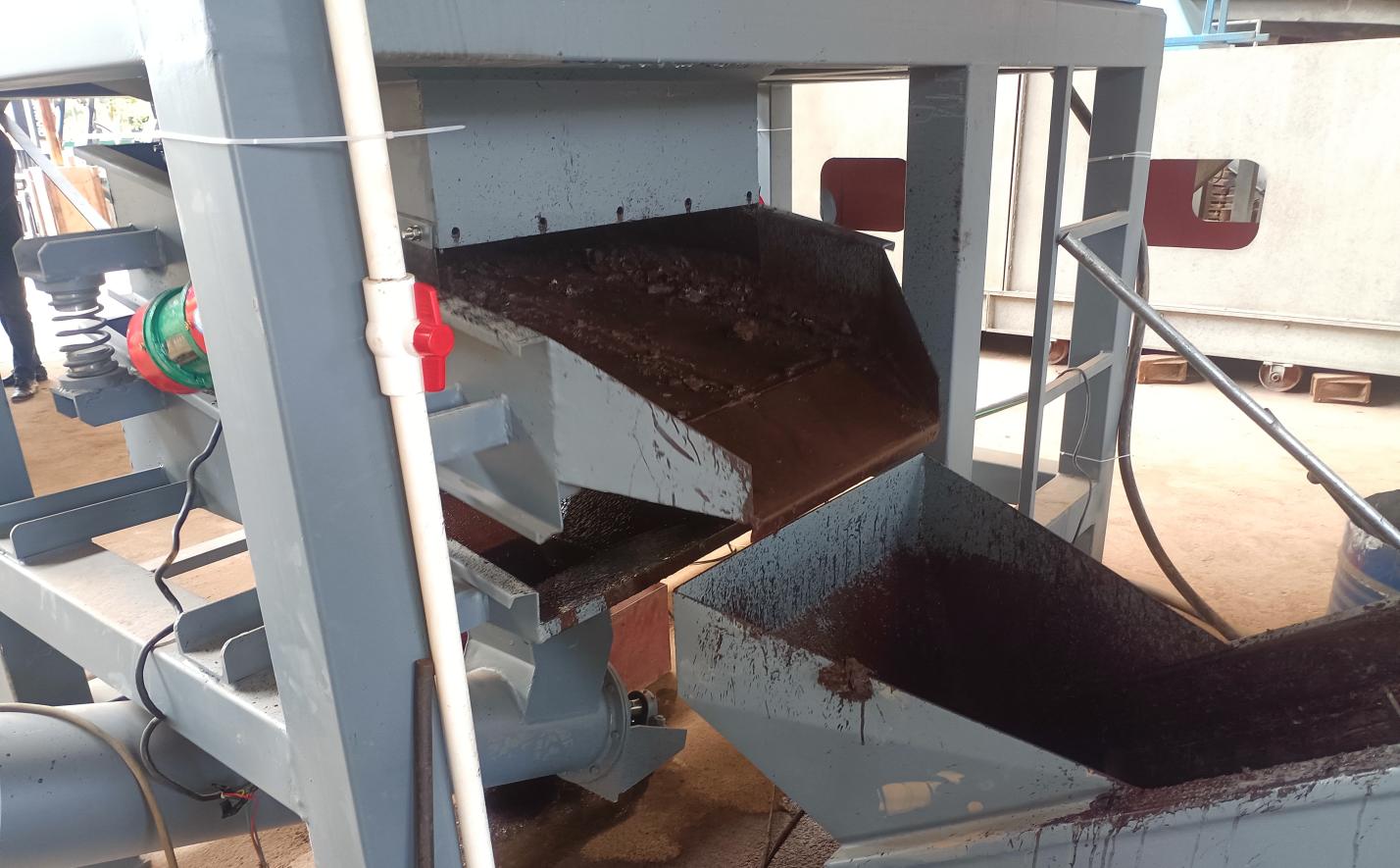
Global e-waste generation is surging, and regulations worldwide are tightening. For entrepreneurs and established waste management companies alike, this creates a rare convergence of environmental responsibility and strong profit potential. But entering the recycling business without the right equipment partner can lead to costly delays, compliance failures, and missed revenue. This guide explains the core recycling segments, what to look for in machinery, and how turnkey solutions can accelerate your path to production.
The E-Waste Opportunity Is Bigger Than Ever
Electronic waste is now one of the fastest-growing waste streams on the planet. Every discarded smartphone, laptop, car battery, and industrial cable contains recoverable metals that are often more concentrated than in raw ore. Lead, copper, lithium, cobalt, and precious metals locked inside these items represent billions of dollars in value that formal recycling can capture.
Governments across Asia, Africa, Latin America, and the Middle East are introducing Extended Producer Responsibility rules and import restrictions on raw materials. These policies push manufacturers and recyclers to invest in localized recovery infrastructure. The recyclers who move first, with reliable equipment and proven processes, will secure long-term feedstock contracts and premium pricing for recovered materials.
Four High-Value Recycling Segments to Consider
Not all e-waste is processed the same way. Your plant configuration depends on the feedstock available in your region and the metals you want to recover. Here are four of the most commercially viable segments:
1. Lead Acid Battery Recycling
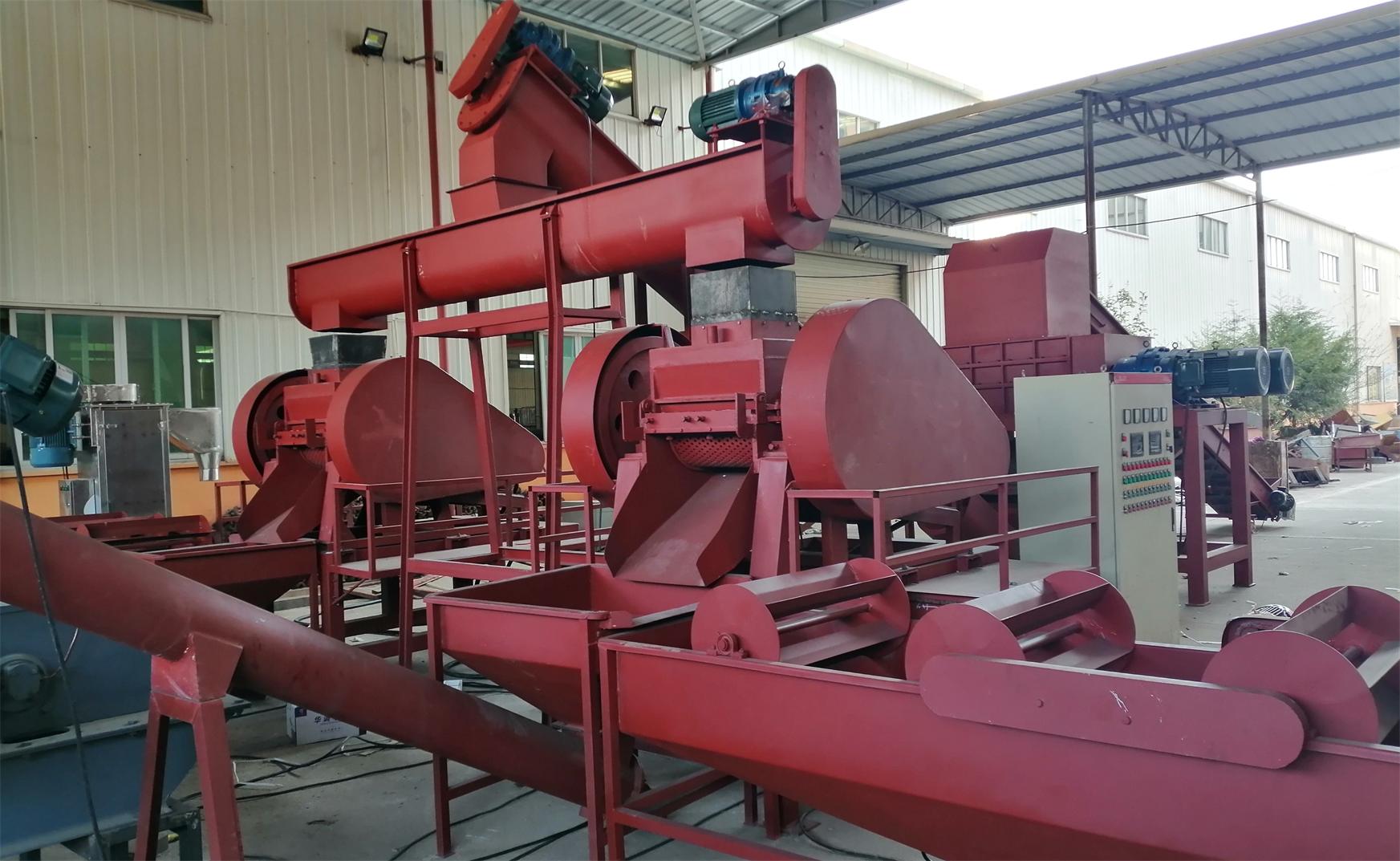
Used lead acid batteries remain one of the most recycled consumer products globally. A complete lead acid battery recycling equipment line typically includes battery breaking and separation systems, de-sulfurization units, rotary or blast furnaces for paste reduction, lead refinery kettles, air pollution control systems, and water treatment plants. Modern plants can process 1 to 10 metric tons per hour and recover lead paste, lead grids, plastic casings, and acid for resale or reuse.
Used lead acid batteries remain one of the most recycled consumer products globally. A complete lead acid battery recycling equipment line typically includes battery breaking and separation systems, de-sulfurization units, rotary or blast furnaces for paste reduction, lead refinery kettles, air pollution control systems, and water treatment plants. Modern plants can process 1 to 10 metric tons per hour and recover lead paste, lead grids, plastic casings, and acid for resale or reuse.
2. Lithium Battery Recycling
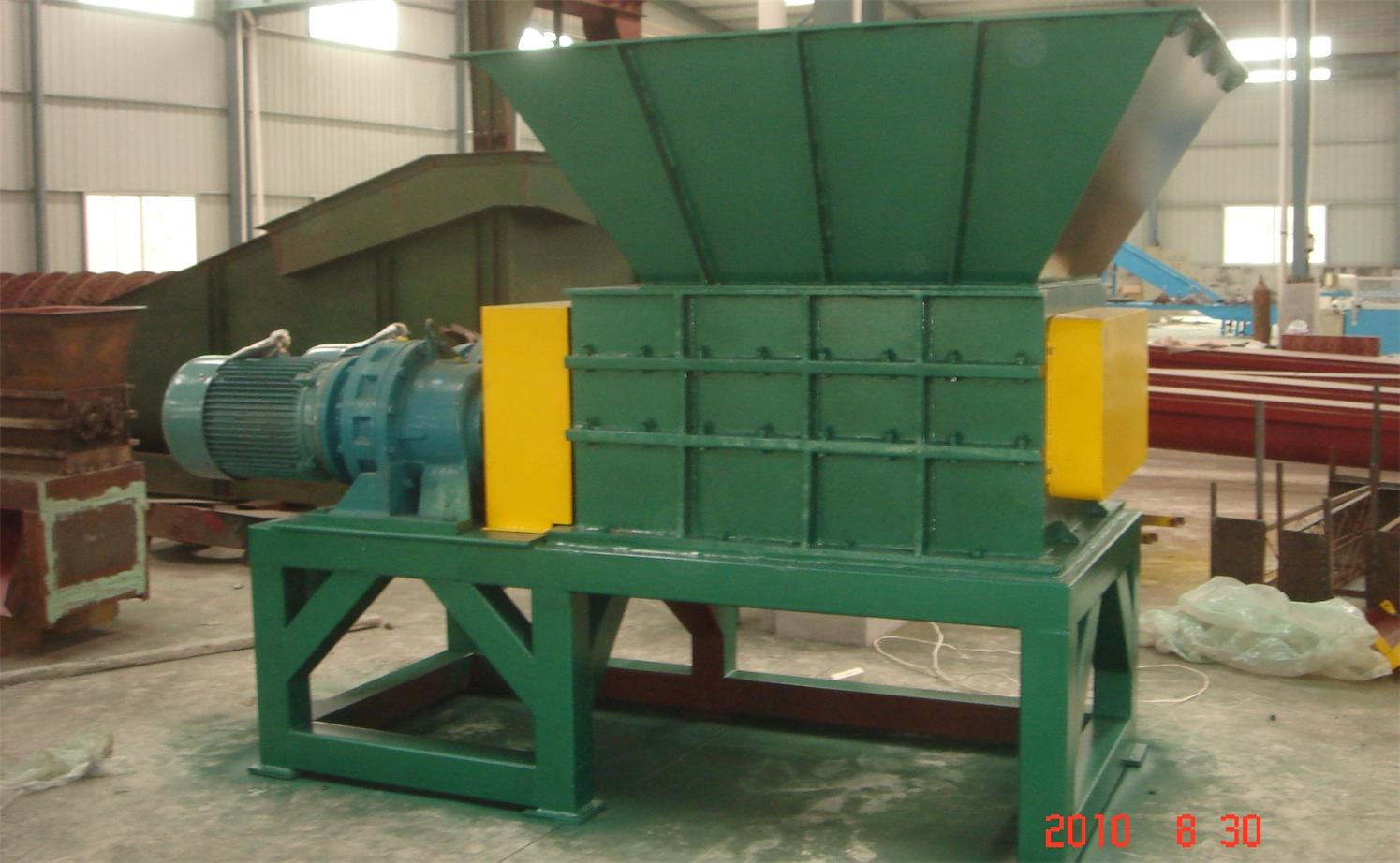
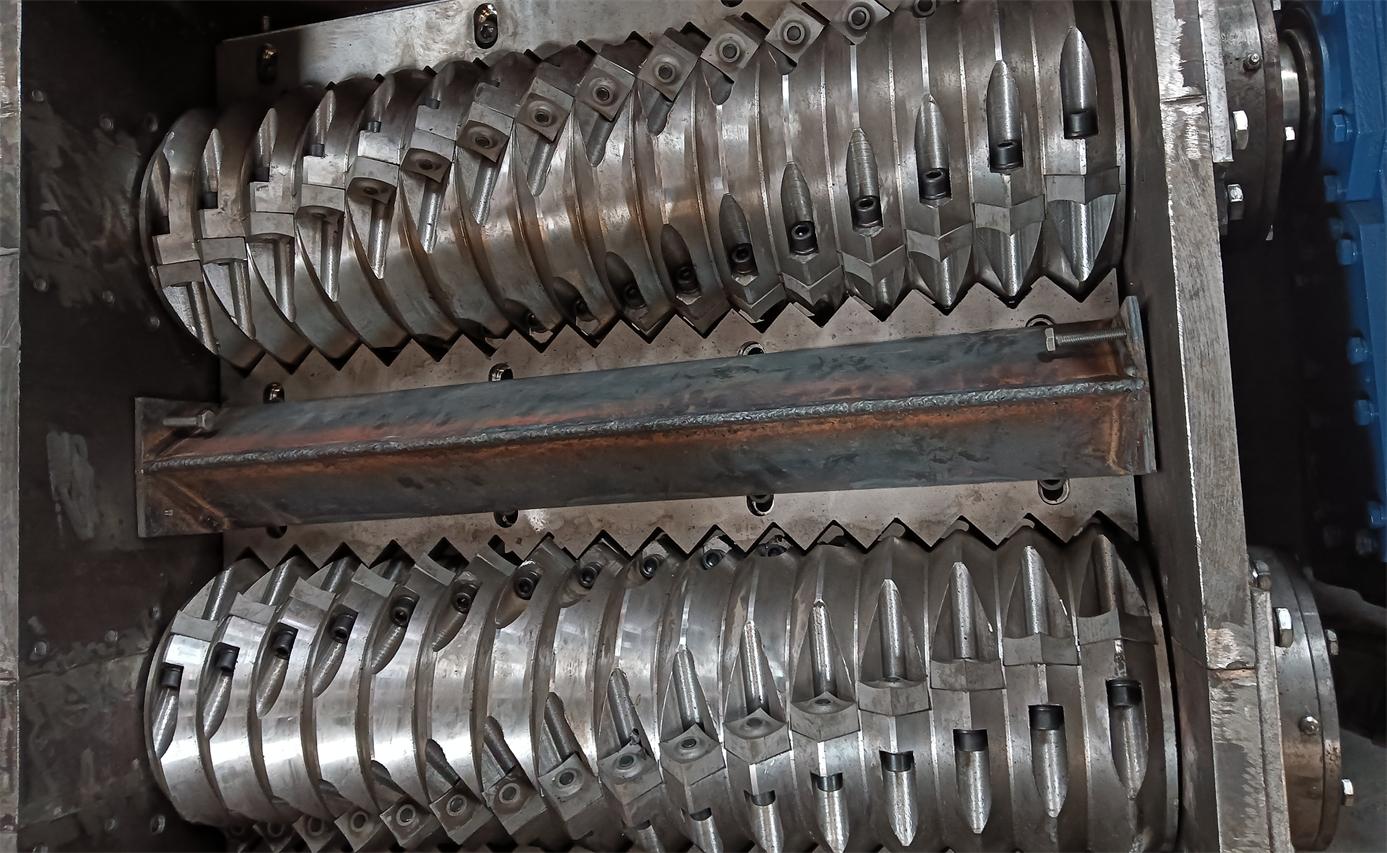
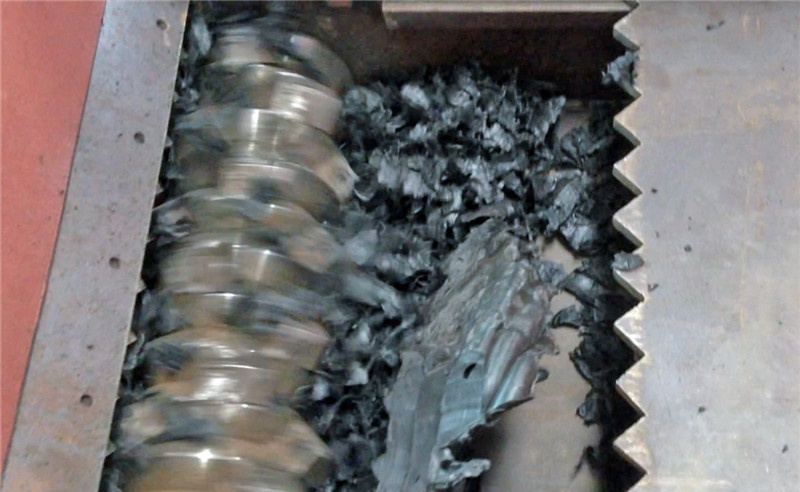
With the explosion of electric vehicles and portable electronics, spent lithium-ion batteries are becoming a critical secondary source of nickel, cobalt, graphite, and copper. A lithium battery recycling plant with 500 to 2,500 kg per hour capacity uses discharging, pre-crushing, secondary granulation, and magnetic separation stages to isolate black mass, plastic film, copper, and aluminum. Air pollution control is essential here due to electrolyte and fluor compound risks.
With the explosion of electric vehicles and portable electronics, spent lithium-ion batteries are becoming a critical secondary source of nickel, cobalt, graphite, and copper. A lithium battery recycling plant with 500 to 2,500 kg per hour capacity uses discharging, pre-crushing, secondary granulation, and magnetic separation stages to isolate black mass, plastic film, copper, and aluminum. Air pollution control is essential here due to electrolyte and fluor compound risks.
3. Circuit Board Recycling
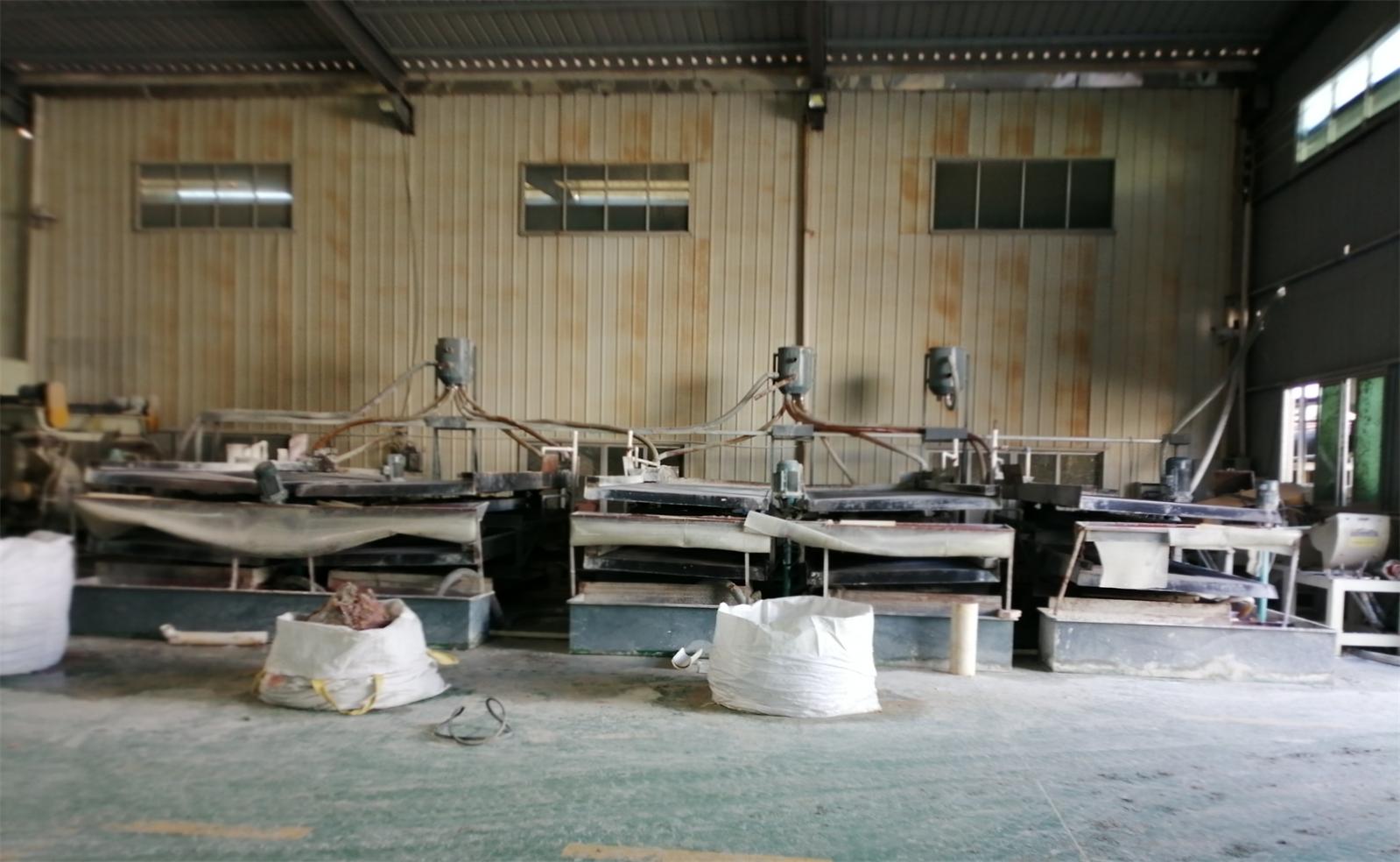
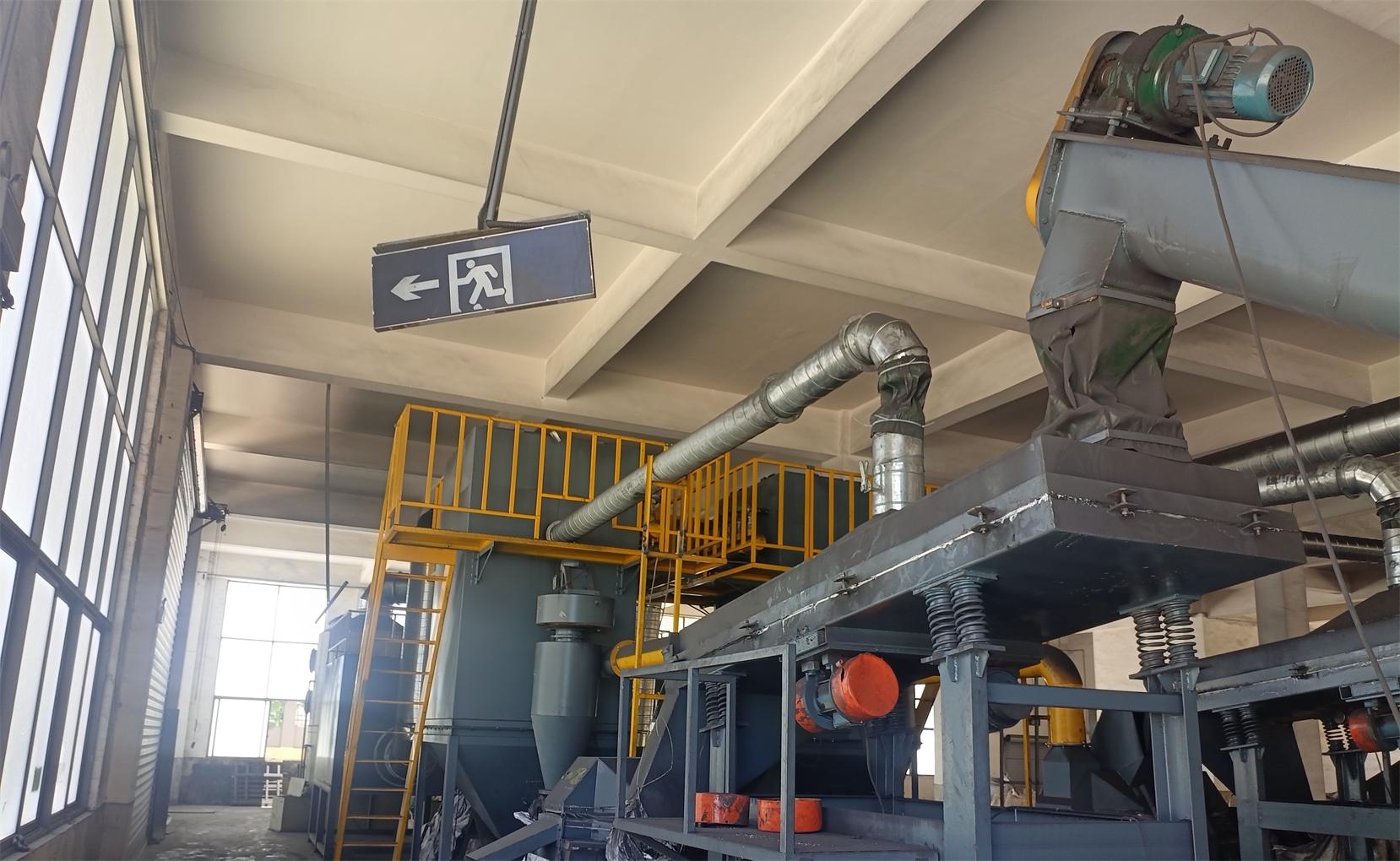
Printed circuit boards contain copper, gold, silver, and palladium in concentrations that far exceed natural ore grades. Circuit board recycling equipment uses either dry separation with air classifiers and electrostatic separators, or wet separation with water-based metal separation. Capacities range from 300 kg to 2,000 kg per hour, with copper powder purity reaching 96 to 98 percent and overall recovery rates around 95 percent.
Printed circuit boards contain copper, gold, silver, and palladium in concentrations that far exceed natural ore grades. Circuit board recycling equipment uses either dry separation with air classifiers and electrostatic separators, or wet separation with water-based metal separation. Capacities range from 300 kg to 2,000 kg per hour, with copper powder purity reaching 96 to 98 percent and overall recovery rates around 95 percent.
4. Cable Recycling
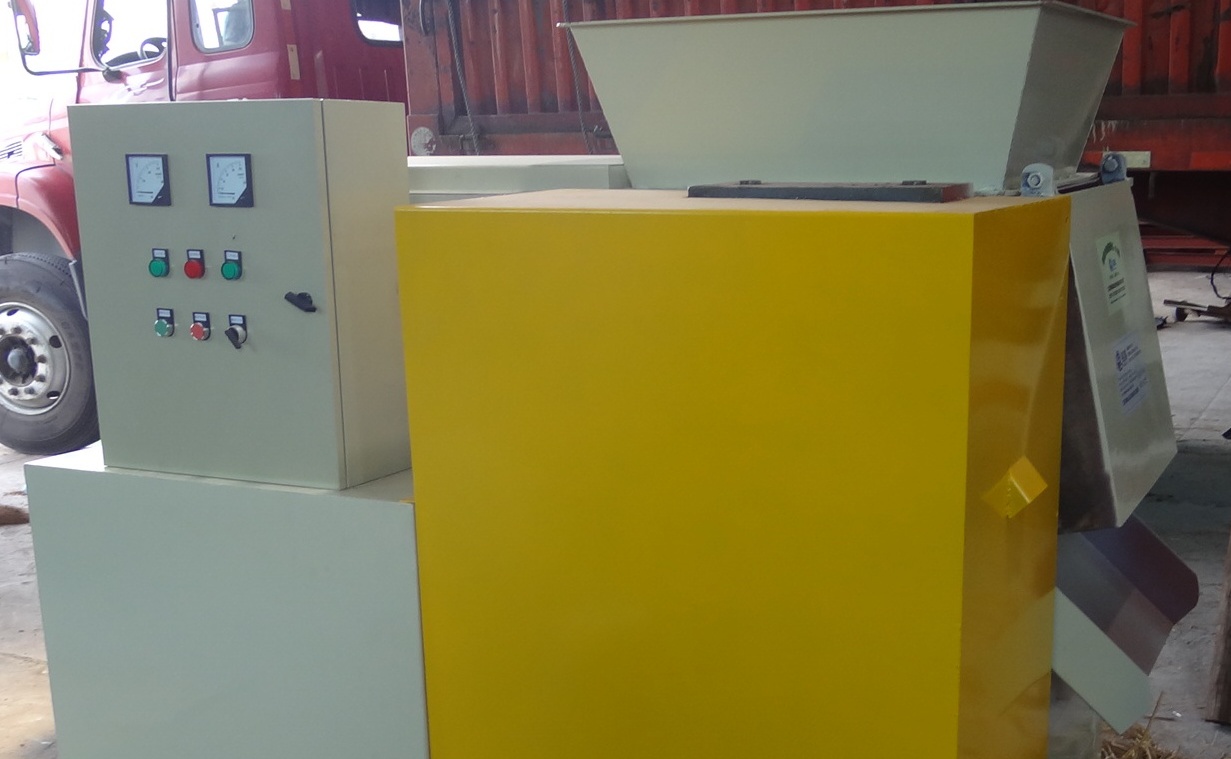
Scrap copper and aluminum cable is one of the most accessible feedstocks for new recyclers. Cable recycling equipment includes scrap cable strippers for large-diameter wire and cable granulators with dry separators for mixed or fine wire. Granulators process cable through crushing and air separation to produce clean copper or aluminum granules and plastic insulation pellets, both of which command strong market prices.
Scrap copper and aluminum cable is one of the most accessible feedstocks for new recyclers. Cable recycling equipment includes scrap cable strippers for large-diameter wire and cable granulators with dry separators for mixed or fine wire. Granulators process cable through crushing and air separation to produce clean copper or aluminum granules and plastic insulation pellets, both of which command strong market prices.
What to Look for in a Recycling Equipment Supplier
Choosing machinery is only part of the decision. The real risk for new entrants lies in integration, commissioning, and after-sales support. Here are the criteria that separate reliable partners from mere traders:
Proven EPC Experience: Look for a supplier that has delivered complete Engineering, Procurement, and Construction projects. Customized plant design, installation supervision, and commissioning support save months of trial and error.
Technical Depth: A supplier with an in-house technical team holding advanced degrees in mechanical engineering and over 15 years of field experience can diagnose problems faster and optimize your process flow.
Pollution Control Integration: Environmental compliance is non-negotiable. Your partner should supply integrated air pollution control, water treatment, and effluent handling systems, not just core processing machinery.
Value-Added Services: The best suppliers help you source feedstock, train your operators, and even connect you with buyers for recovered metals like copper rice, lead ingots, and aluminum granules.
Global Installation Track Record: A supplier with installations across diverse regions understands voltage standards, climate considerations, and local regulatory variations.
Technical Depth: A supplier with an in-house technical team holding advanced degrees in mechanical engineering and over 15 years of field experience can diagnose problems faster and optimize your process flow.
Pollution Control Integration: Environmental compliance is non-negotiable. Your partner should supply integrated air pollution control, water treatment, and effluent handling systems, not just core processing machinery.
Value-Added Services: The best suppliers help you source feedstock, train your operators, and even connect you with buyers for recovered metals like copper rice, lead ingots, and aluminum granules.
Global Installation Track Record: A supplier with installations across diverse regions understands voltage standards, climate considerations, and local regulatory variations.
Turnkey Solutions Reduce Time to Revenue
Building a recycling plant from scratch involves dozens of decisions: shredder sizing, separation technology selection, dust collection layout, electrical integration, and regulatory permitting. A turnkey approach consolidates these under one project manager, reducing interface risk and accelerating startup.
Experienced turnkey providers begin with feedstock analysis and end-product targets, then design the full process flow from receiving through final packaging. They source compatible equipment, supervise civil works and installation, commission each subsystem, and train local staff until the plant hits design capacity. This model is especially valuable for first-time investors and companies expanding into new waste streams where internal technical expertise is limited.
Why Experience and Global Reach Matter
Recycling machinery operates in harsh conditions: abrasive dust, corrosive chemicals, heavy vibration, and continuous duty cycles. Equipment designed by a team with deep practical experience will use thicker wear plates, better bearing sealing, and more accessible maintenance points. These details determine whether your plant runs 300 days per year or faces constant downtime.
A supplier serving customers across 21 countries including Singapore, Colombia, Vietnam, Mexico, Argentina, Korea, Malaysia, Indonesia, South Africa, India, and Saudi Arabia has accumulated practical knowledge about tropical humidity, desert dust, high-altitude electrical derating, and varying operator skill levels. That diversity translates into more robust machine designs and better documentation.
Moving from Decision to Production
The gap between deciding to enter recycling and achieving profitable production is where most projects stall. The key is to start with a clear feedstock assessment, match that to proven equipment configurations, and work with a partner who treats your startup timeline as seriously as you do.
Whether you are targeting lead acid batteries from automotive aftermarkets, lithium cells from electronics recyclers, circuit boards from IT asset disposition companies, or copper cable from demolition contractors, the right equipment and engineering partner will define your recovery rates, operating costs, and environmental compliance.
Ready to Plan Your Recycling Plant?
San Lan Technologies Co., Ltd has been designing and manufacturing e-waste recycling machinery and mining equipment since 2007. With a professional technical team, extensive EPC project experience, and installations in over 21 countries, we provide customized recycling plant solutions from initial design through commissioning. Contact us via email at info@san-lan.com or WhatsApp at +86 139 2377 4083 to discuss your feedstock, capacity targets, and project timeline.
San Lan Technologies Co., Ltd has been designing and manufacturing e-waste recycling machinery and mining equipment since 2007. With a professional technical team, extensive EPC project experience, and installations in over 21 countries, we provide customized recycling plant solutions from initial design through commissioning. Contact us via email at info@san-lan.com or WhatsApp at +86 139 2377 4083 to discuss your feedstock, capacity targets, and project timeline.