The global e-waste recycling market is experiencing unprecedented growth. With annual e-waste generation projected to reach 82 million tonnes by 2030, the industry presents a massive commercial opportunity for entrepreneurs and established businesses alike. However, building a profitable recycling operation requires more than just capital — it demands the right equipment, technical expertise, and a reliable manufacturing partner who understands your unique requirements.
Whether you are planning to recycle used lead acid batteries, lithium-ion batteries, circuit boards, or scrap cables, selecting the appropriate machinery is the single most important decision that will determine your recovery rates, operational efficiency, and long-term profitability.
The E-Waste Recycling Opportunity in Numbers
Despite these impressive figures, a significant gap remains between waste generation and processing capacity. In 2022, global e-waste contained approximately $91 billion in recoverable raw materials, yet only $19 billion was actually recovered. This gap represents a clear opportunity for new recycling plants equipped with modern, efficient machinery.
Core Equipment Categories for a Complete Recycling Operation
1. Battery Recycling Systems
Batteries represent one of the highest-value segments in e-waste recycling. A comprehensive battery recycling operation requires different equipment depending on the battery chemistry:
For lead acid batteries, a complete lead acid battery recycling plant typically includes battery breaking and separation systems, rotary furnaces for paste reduction, blast furnaces, lead refinery kettles, de-sulfurization units, and air pollution control systems. Modern plants can achieve lead recovery rates of 95% or higher while meeting strict environmental standards.
For lithium-ion batteries, the process involves discharging, pre-crushing, secondary granulation, and black powder separation. A complete lithium battery recycling plant can recover black mass (containing nickel, cobalt, and graphite), plastic separators, copper, and aluminum with capacities ranging from 500 to 2,500 kg per hour.
2. Circuit Board Recycling Equipment
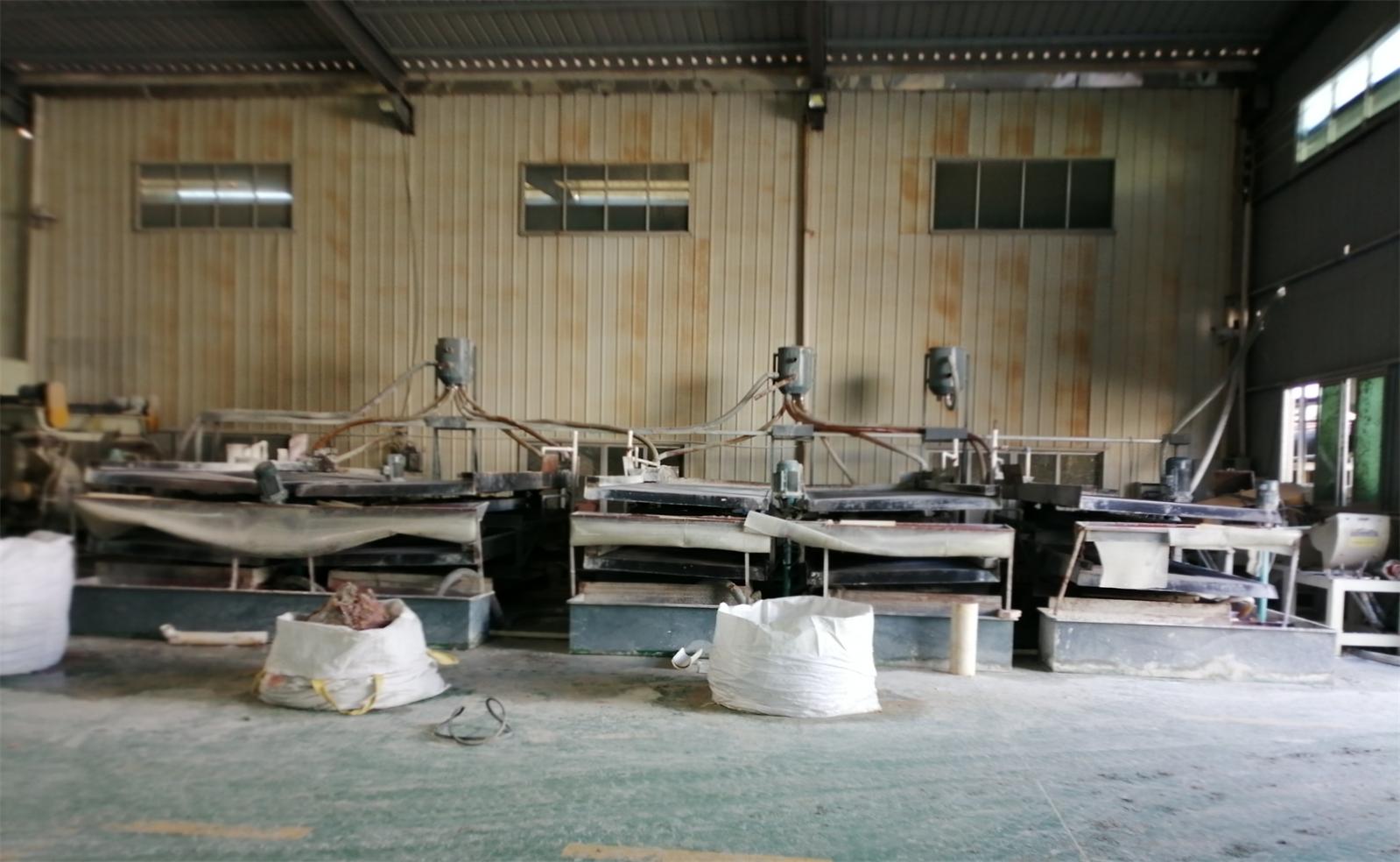
Printed circuit boards (PCBs) contain higher concentrations of precious metals than raw ore. One tonne of mobile phone PCBs contains more gold than a tonne of high-grade mined ore. Circuit board recycling equipment uses either dry separation (air separation and electrostatic separation) or wet separation (water-based metal separation) to recover copper powder with purity levels of 96–98% and overall recovery rates up to 95%.
3. Cable Recycling Machinery
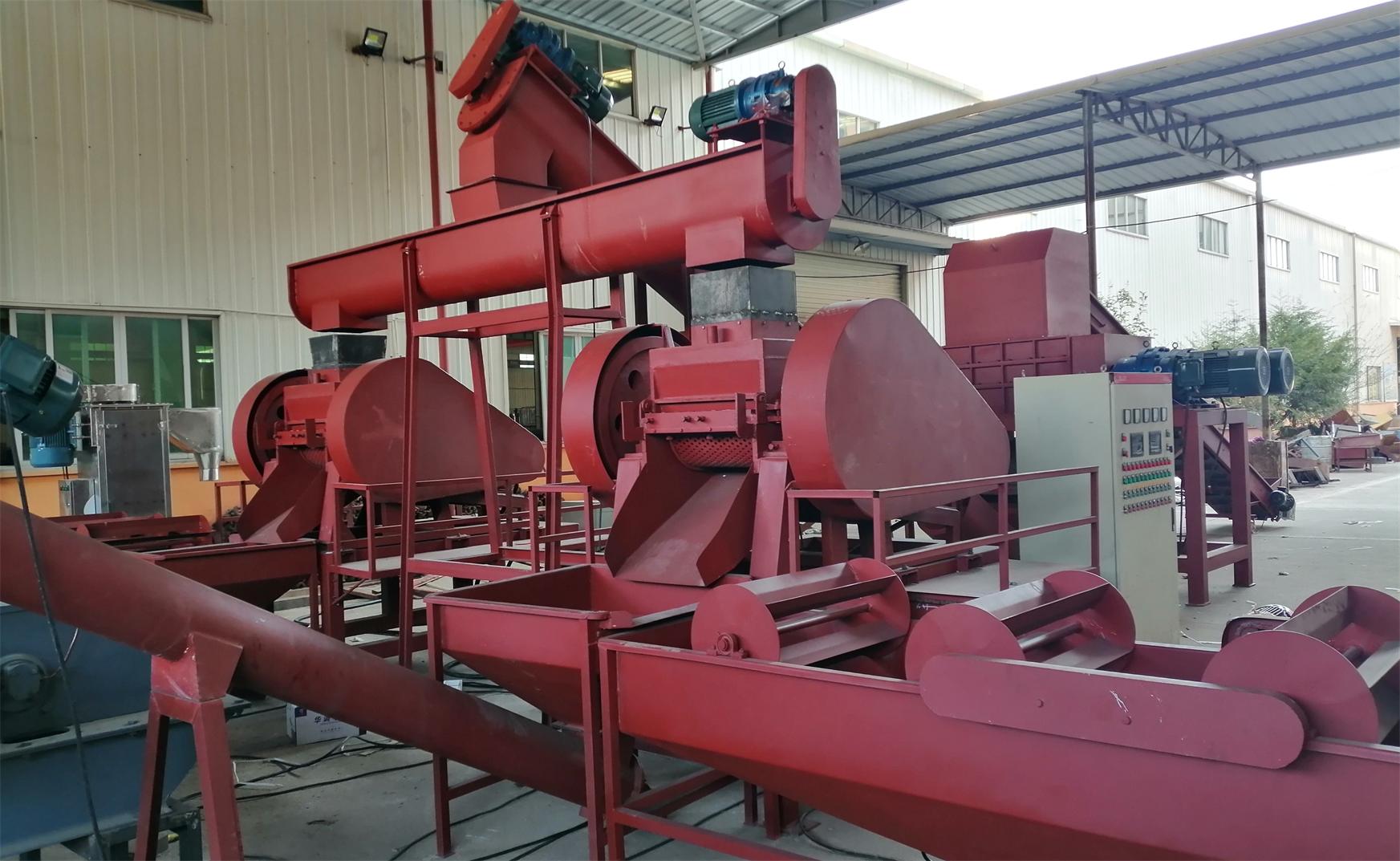
Scrap cables and wires are abundant feedstock in nearly every market. A cable recycling plant uses granulators and separators to recover copper or aluminum from plastic insulation. Depending on your scale, you can choose from compact granulators processing 100 kg/hour to large industrial plants handling 1,200 kg/hour or more.
What to Look for in Recycling Equipment
Not all recycling machinery is created equal. When evaluating equipment suppliers, consider these critical factors:
- Recovery rate and purity: Higher recovery rates directly translate to higher revenue. Look for equipment with documented recovery performance.
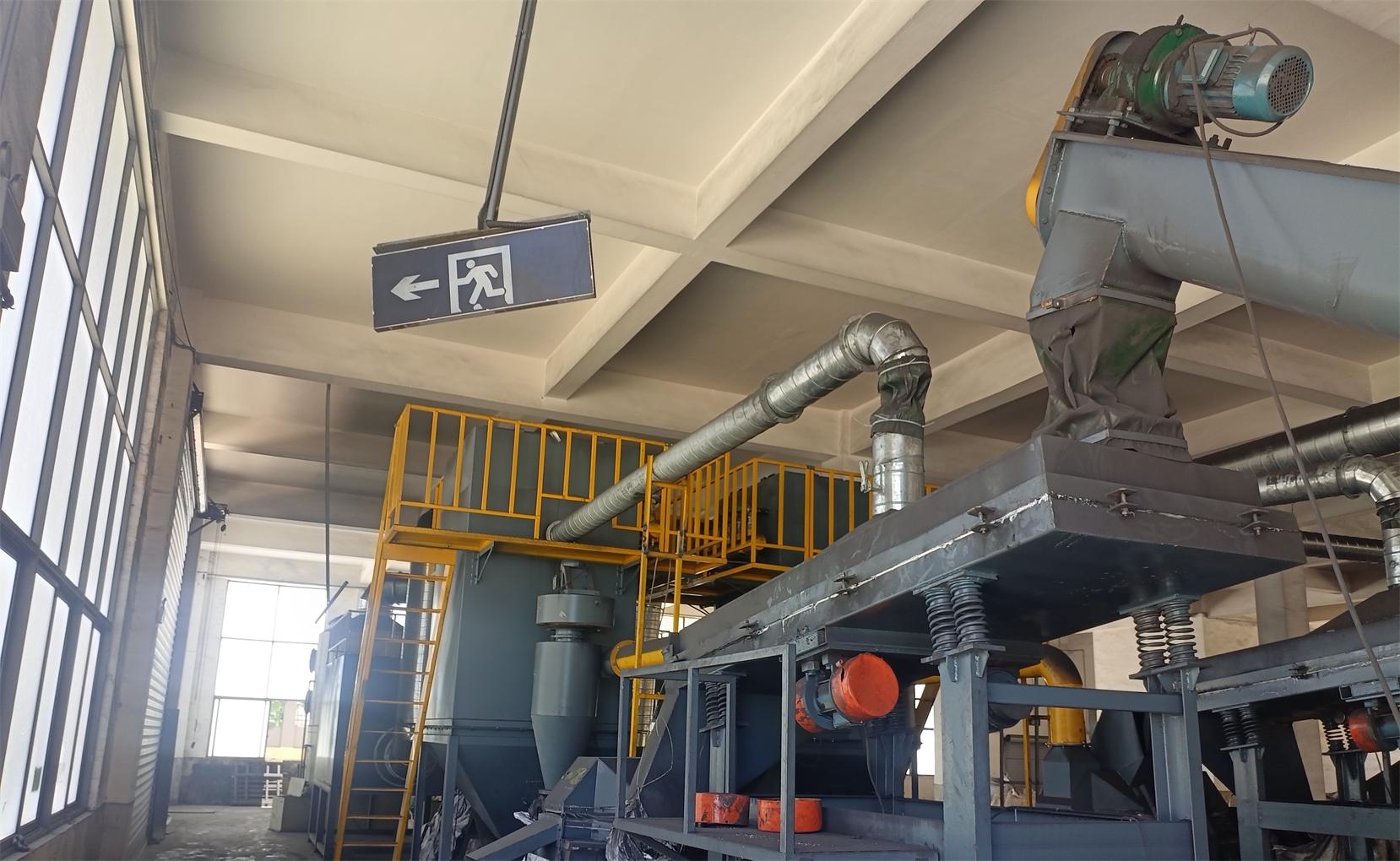
- Environmental compliance: Modern plants must include air pollution control systems, water treatment facilities, and noise reduction features.
- Automation level: Automated systems reduce labor costs and improve consistency.
- Customization capability: Your feedstock and local regulations are unique. The supplier should offer customized design services.
- After-sales support: Installation, commissioning, training, and spare parts availability are essential for long-term success.
- Turnkey solutions: A one-stop supplier who can provide the complete plant reduces coordination complexity and accelerates project timelines.
The Advantage of Working with an Experienced Manufacturer
San Lan Technologies Co., Ltd, established in 2007, has spent nearly two decades specializing in WEEE recycling machines and mining equipment. With customers in over 21 countries including Singapore, Colombia, Vietnam, Mexico, Argentina, Korea, Malaysia, and South Africa, the company has developed deep expertise in designing recycling plants that perform in diverse regulatory and operational environments.
San Lan's technical team includes master's degree engineers with over 15 years of direct experience in e-waste recycling machinery design and EPC project execution. This expertise enables them to offer not just equipment, but complete solutions including customized plant design, installation and commissioning, and even assistance with feedstock sourcing and product sales.
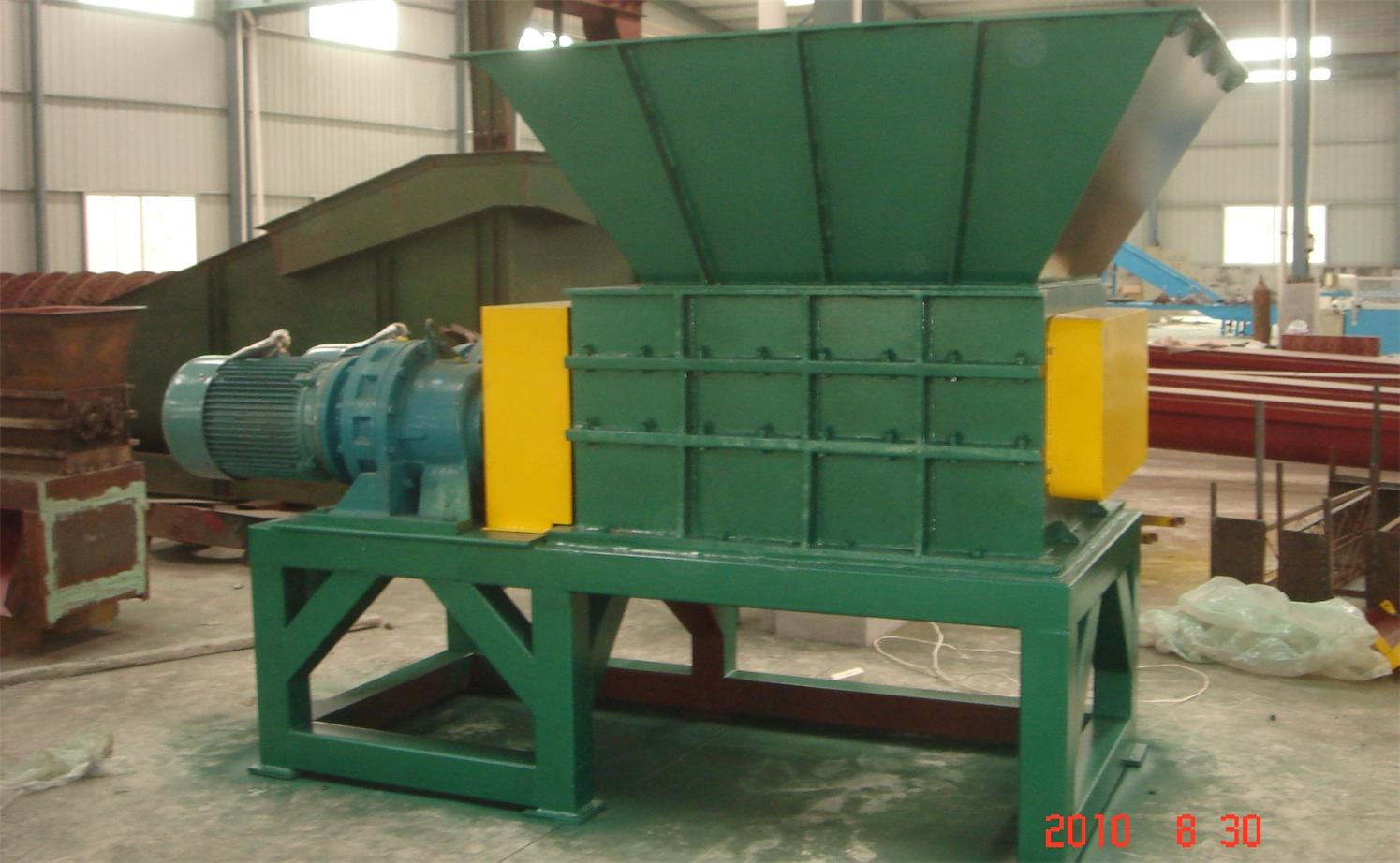
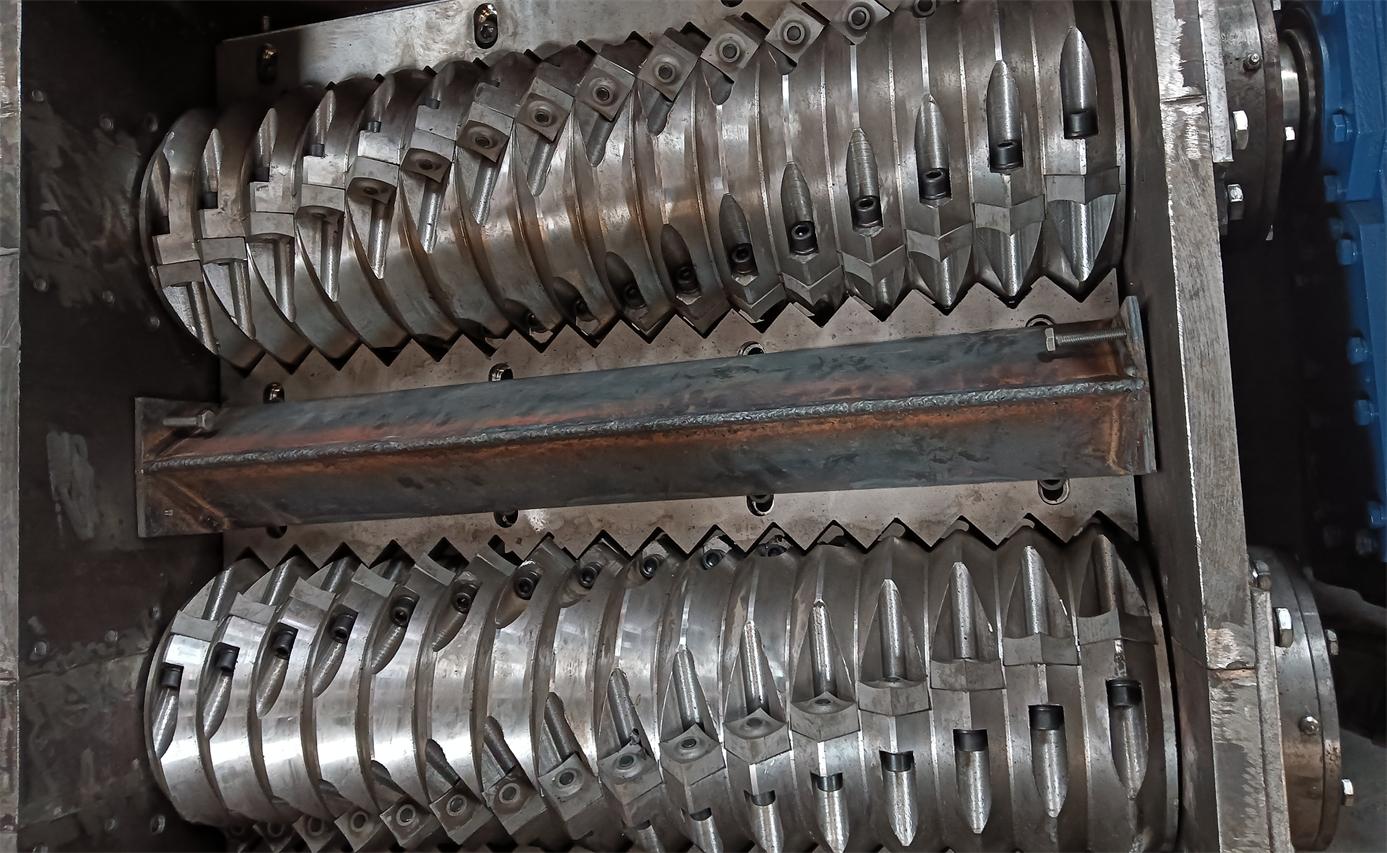
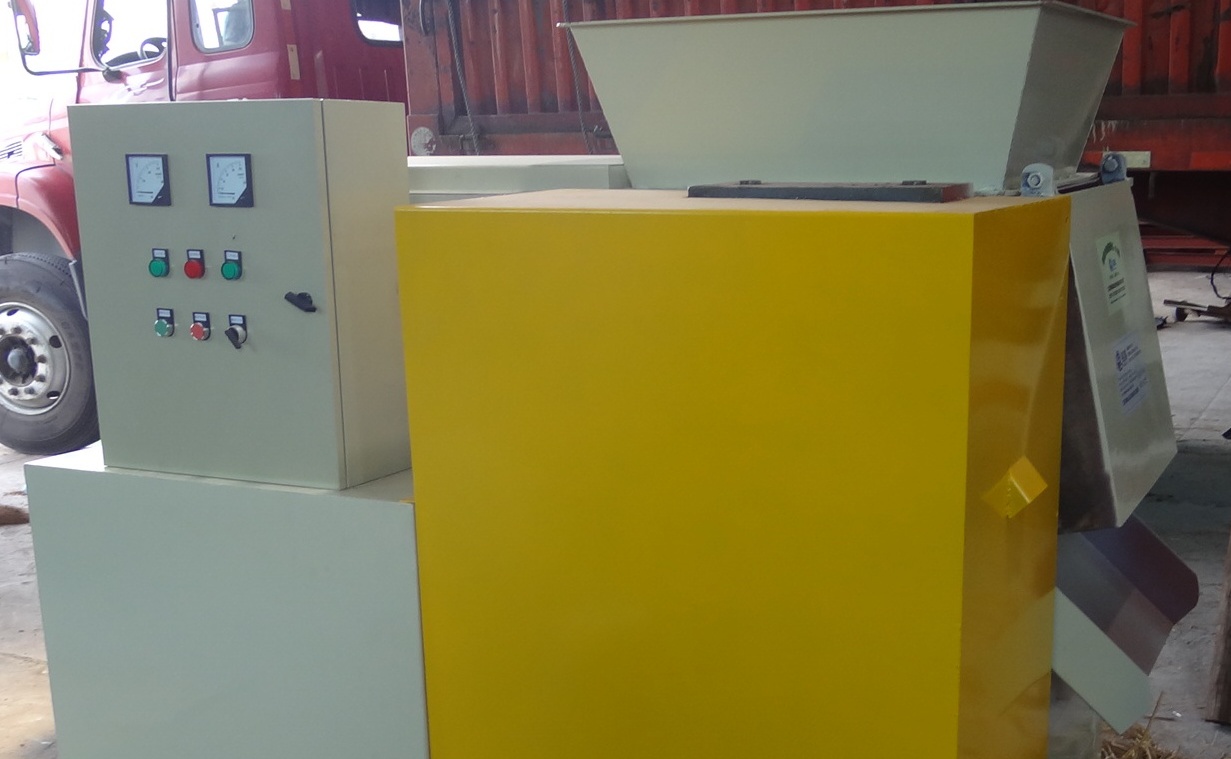
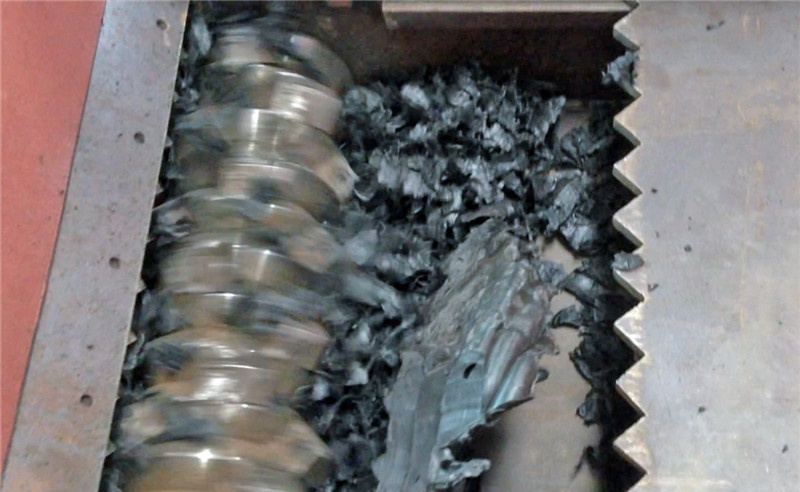
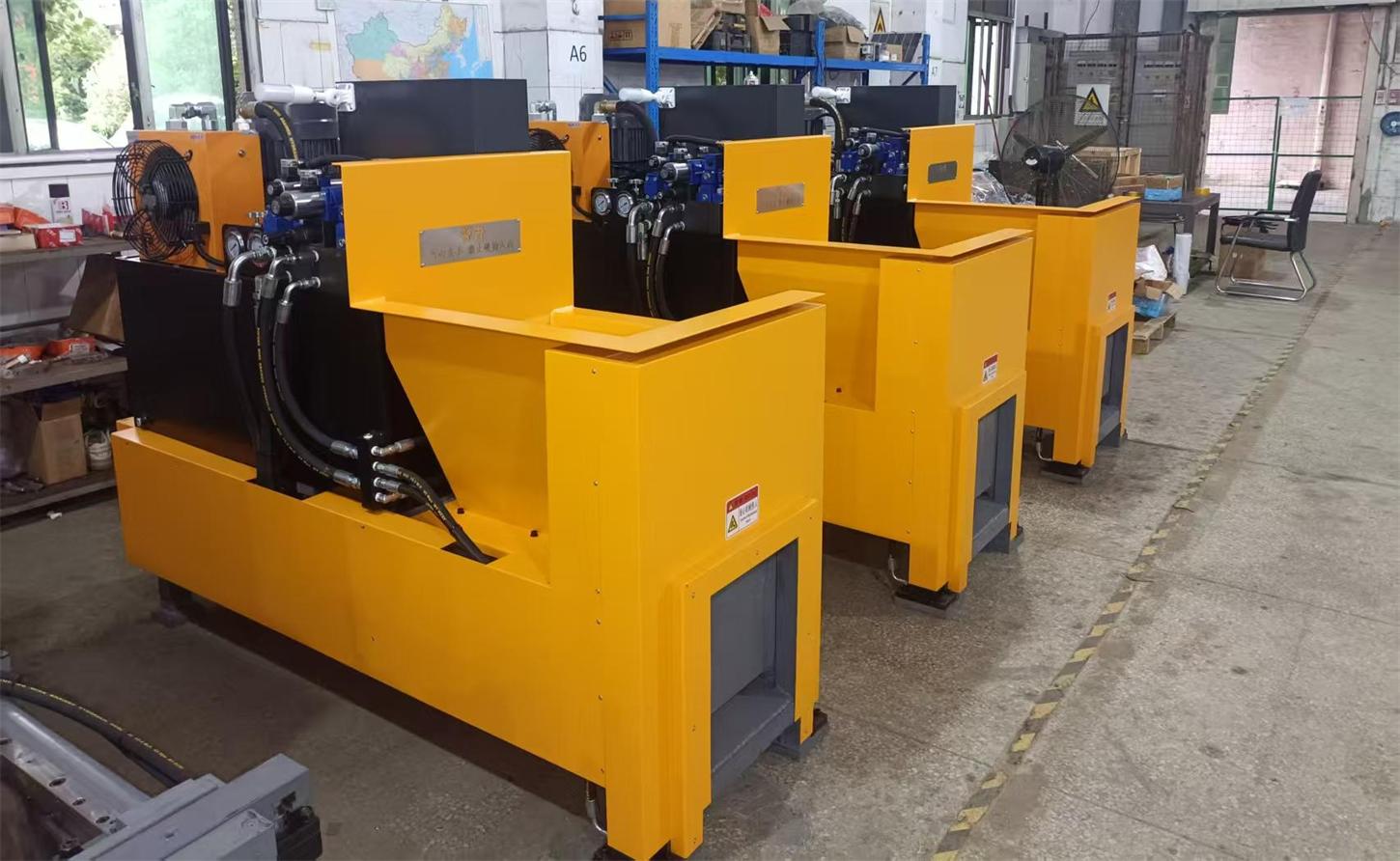
The company's product portfolio covers the full spectrum of e-waste recycling needs: from shredders and pre-choppers for size reduction, to specialized plants for batteries, circuit boards, cables, refrigerators, CRT monitors, and lamps, through to metal melting furnaces for producing finished ingots. This integrated product range allows customers to source their entire plant from a single supplier, ensuring compatibility and streamlined support.
Planning Your Recycling Plant: Practical Steps
Building a successful recycling plant follows a logical sequence. First, identify your primary feedstock based on local availability and market prices for recovered materials. Second, define your target processing capacity — start with a realistic volume that matches your capital and feedstock access. Third, select equipment that balances recovery rate with operational simplicity. Fourth, ensure your plant design includes proper pollution control and safety systems from the beginning.
Many successful operators begin with one or two core product lines — such as cable recycling or lead acid battery processing — and expand into additional streams as their business grows. This staged approach reduces initial capital requirements while allowing you to build operational experience before scaling.
Ready to Start Your Recycling Business?
Choosing the right equipment partner is the foundation of a profitable recycling operation. With nearly 20 years of manufacturing experience and installations across 21 countries, San Lan Technologies offers the technical expertise, product range, and project support to help you build a successful recycling plant from the ground up.
Contact our team today to discuss your project requirements, request a customized equipment proposal, or arrange a consultation with our engineering team. Let us help you turn e-waste into a valuable resource.
Email: info@san-lan.com | WhatsApp: +86 139 2377 4083
Website: www.san-lan.com