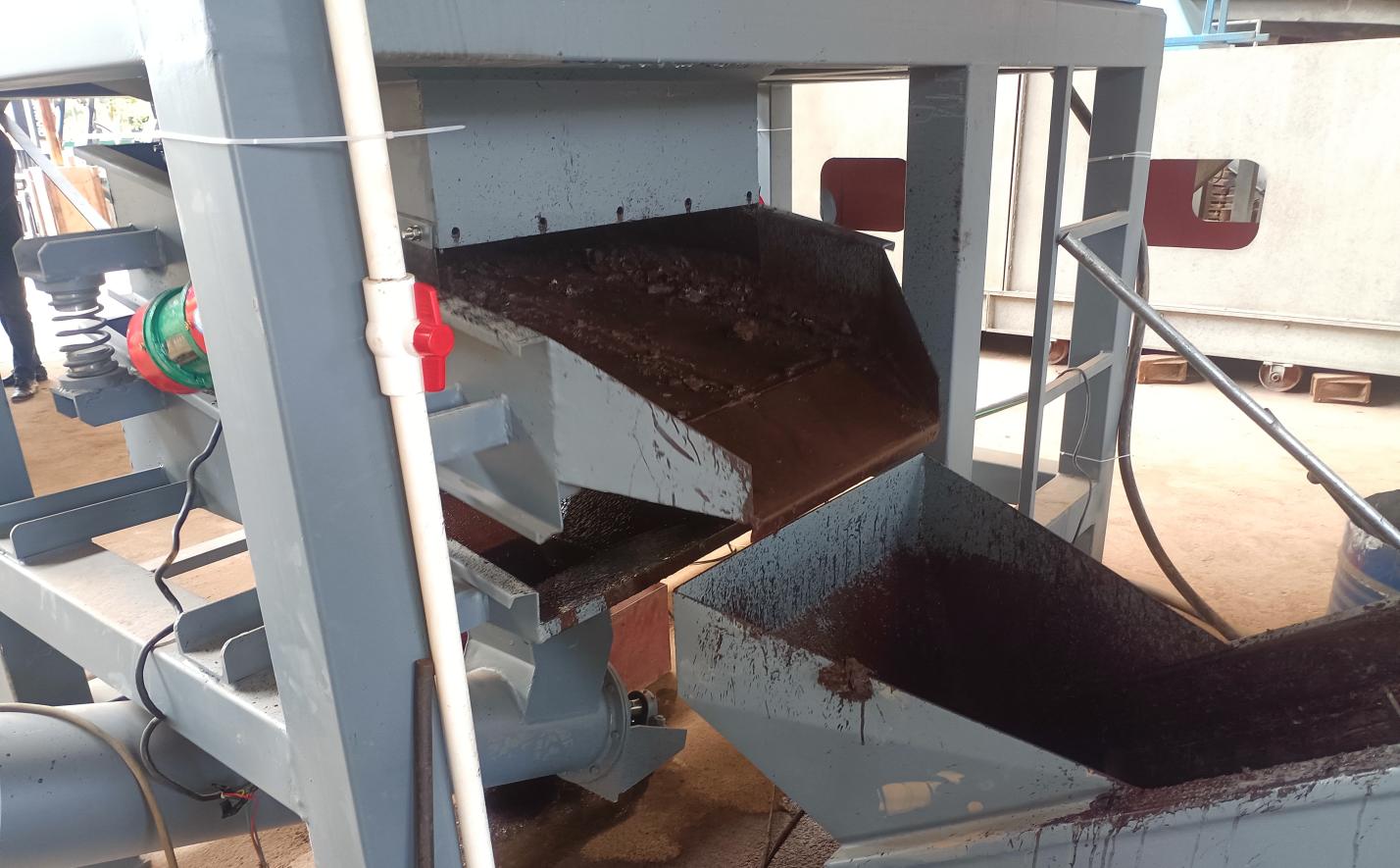
Every year, millions of tons of discarded electronics pile up in landfills, leaking hazardous materials into soil and groundwater. Yet buried within those discarded smartphones, car batteries, and industrial cables lies a fortune in recoverable copper, aluminum, lead, and precious metals. For entrepreneurs and established waste management companies alike, the question is no longer whether e-waste recycling is viable, but which recycling equipment will deliver consistent returns while keeping operations compliant with ever-stricter environmental regulations.
This guide walks through the core equipment categories, selection criteria, and supplier capabilities you need to evaluate before committing capital to a recycling plant project.
Why E-Waste Recycling Demand Is Accelerating
Government mandates across Southeast Asia, the Middle East, Africa, and Latin America are rapidly banning informal dumping and crude dismantling practices. Formal recycling plants now require mechanized systems that can process diverse waste streams without releasing toxic dust or wastewater. At the same time, global demand for secondary metals continues to rise, creating a reliable downstream market for recycled copper, lead ingots, and lithium concentrates.
The result is a widening gap between licensed recyclers who operate modern production lines and informal operators who cannot meet environmental standards. Investors who enter the market with properly configured equipment stand to capture long-term supply contracts from both government collection programs and industrial generators.
Four Core Equipment Categories Every Plant Should Evaluate
1. Lead Acid Battery Recycling Systems
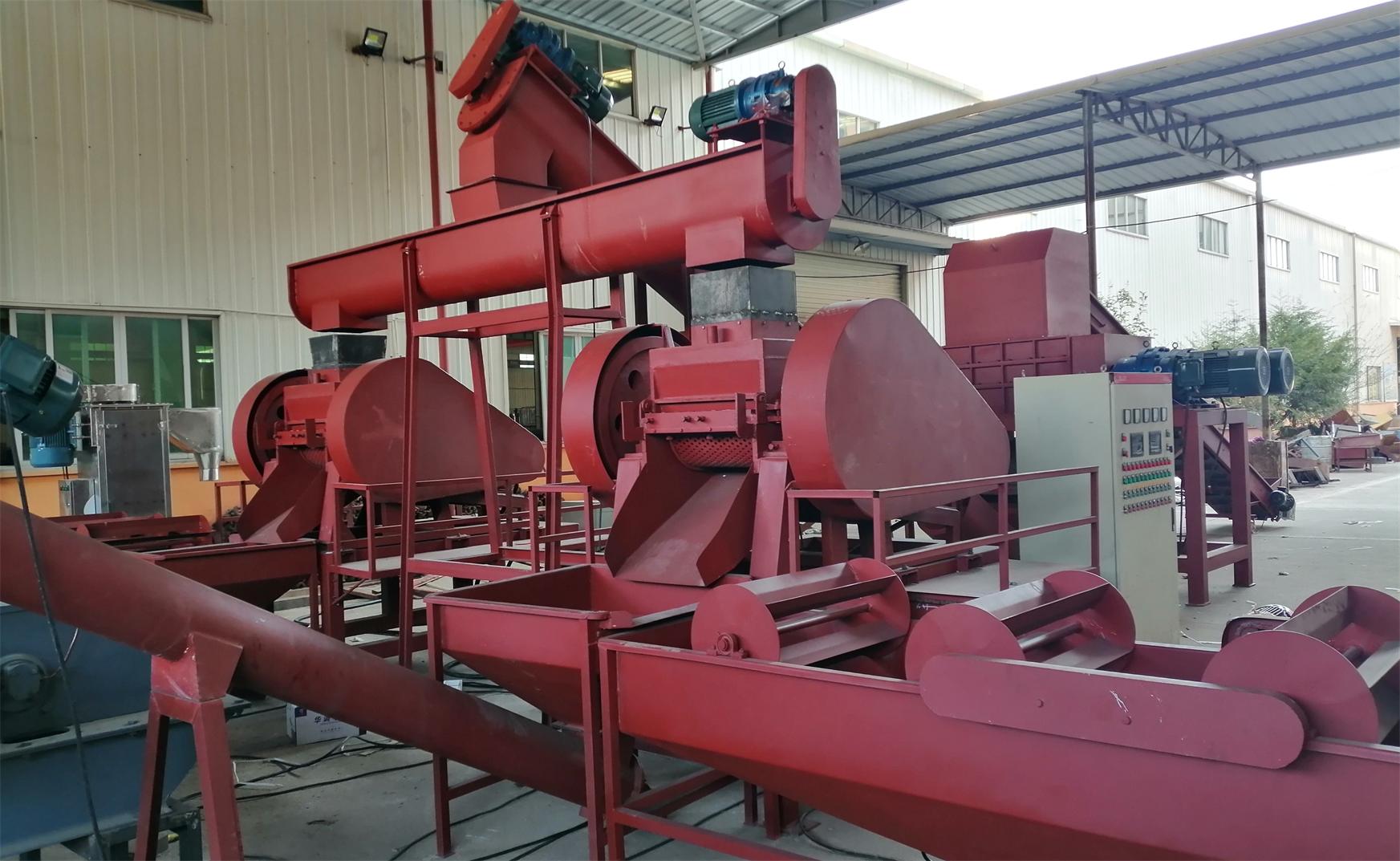
Used lead acid batteries remain one of the most profitable feedstocks because of their high metal content and established refining infrastructure. A complete lead acid battery recycling equipment line typically includes battery cutters, breaking and separation units, paste desulfurization systems, smelting furnaces, and air pollution control systems. Modern plants can achieve lead recovery rates of 95% while separating plastic casings and hard rubber for secondary sale. Capacities range from 1 MT to 10 MT per hour depending on feedstock volume and capital budget.
2. Circuit Board Recycling Lines
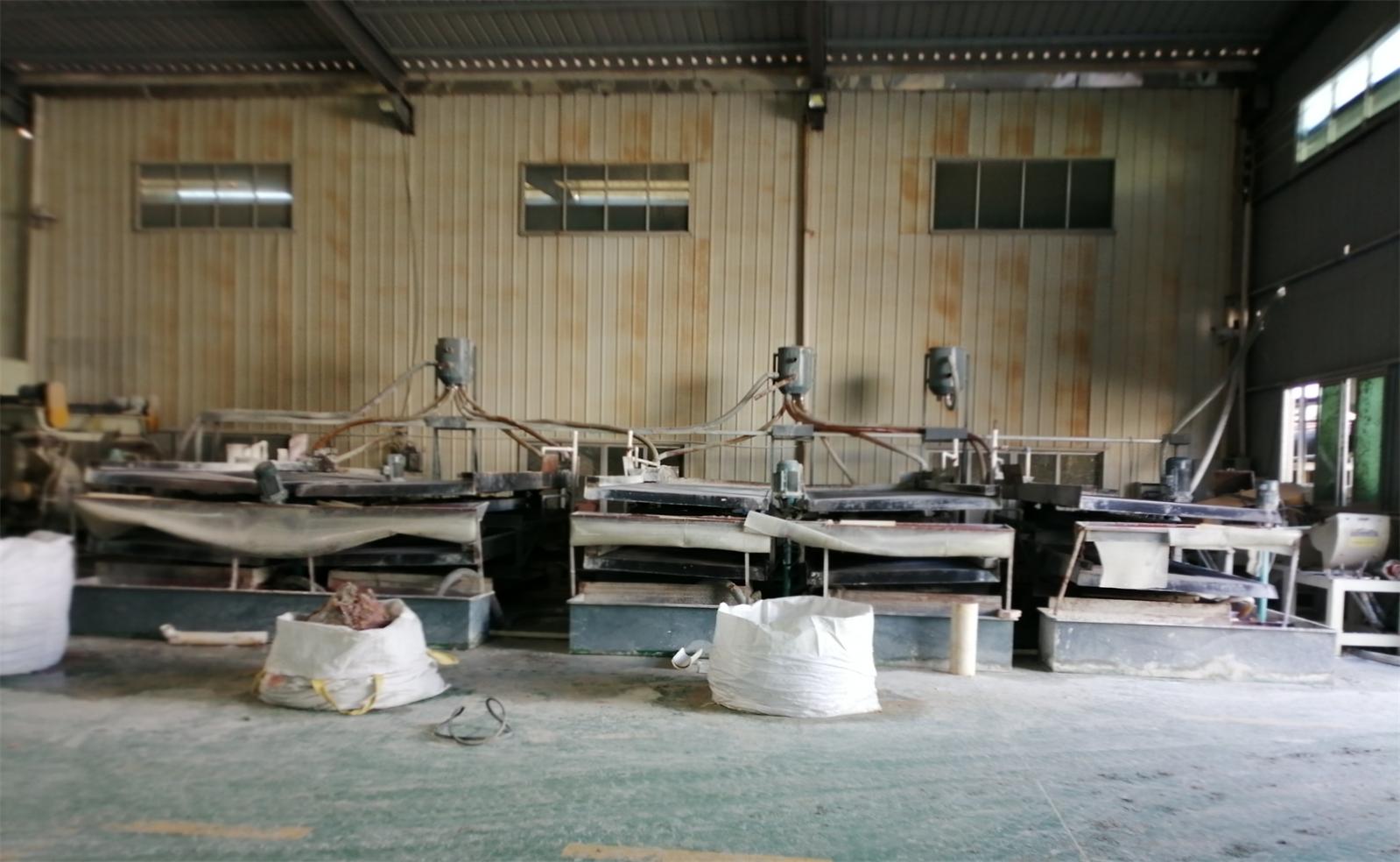
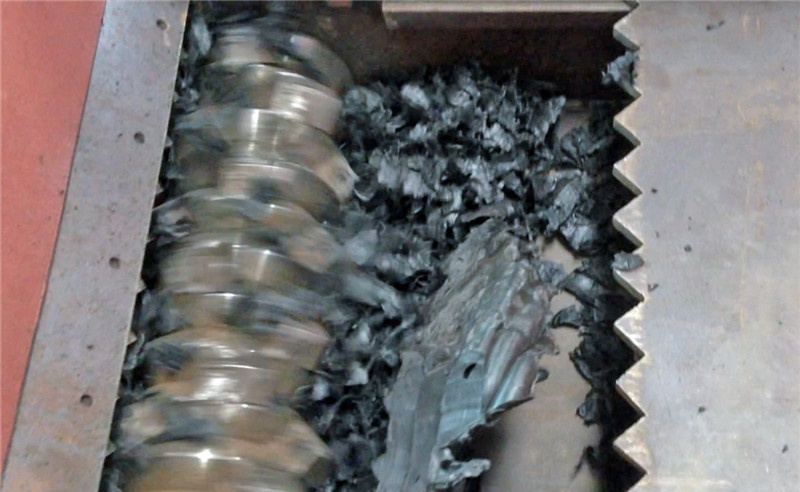
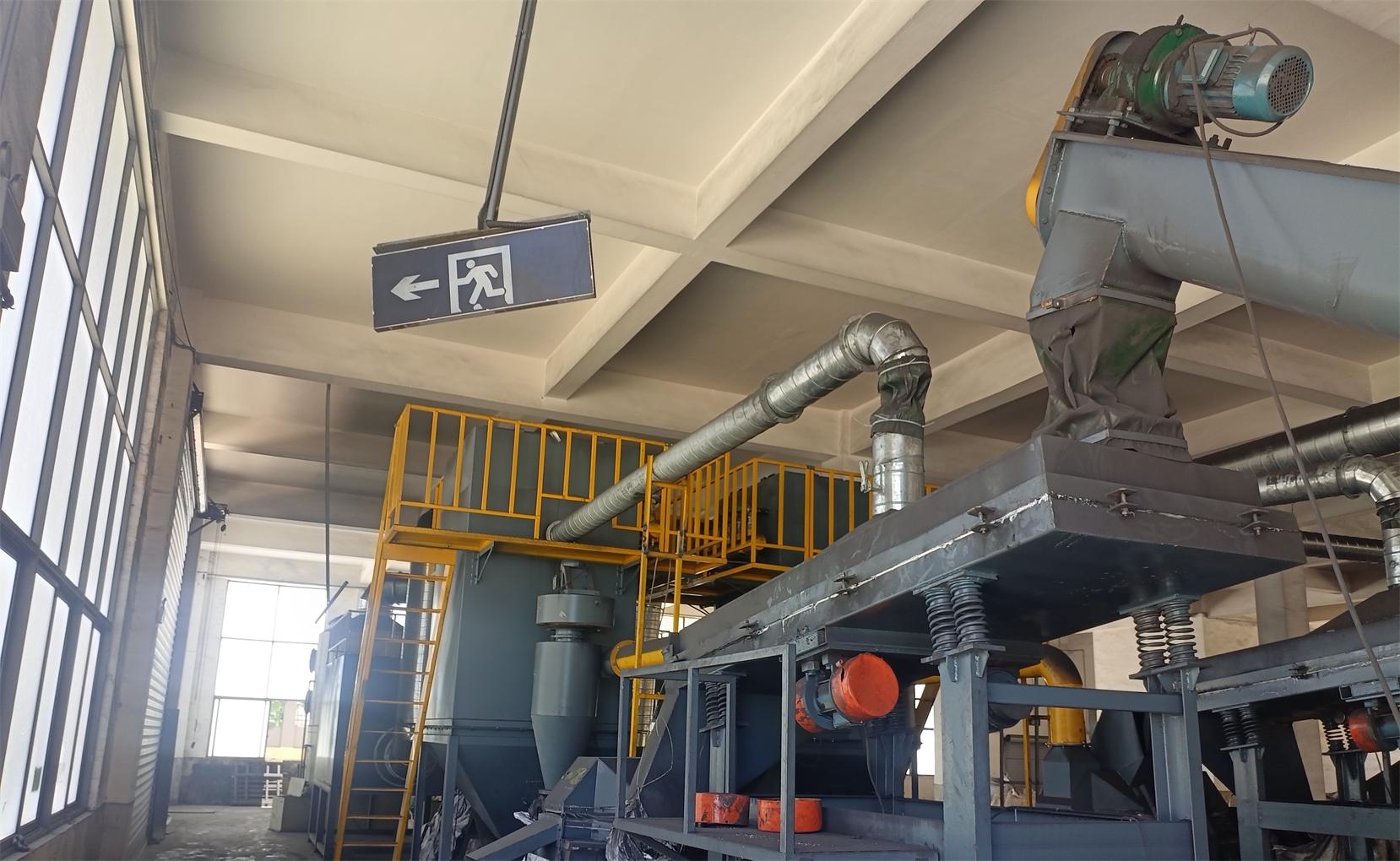
Printed circuit boards contain copper, gold, silver, and palladium, but they also require specialized handling because of embedded components and resin substrates. A well-designed circuit board recycling plant uses a combination of shredding, grinding, air separation, and electrostatic sorting to isolate metal powders from non-metallic dust. Advanced dry-process systems achieve copper powder purity between 96% and 98% without generating wastewater. Processing capacities typically span from 300 kg to 2000 kg per hour.
3. Cable and Wire Granulators
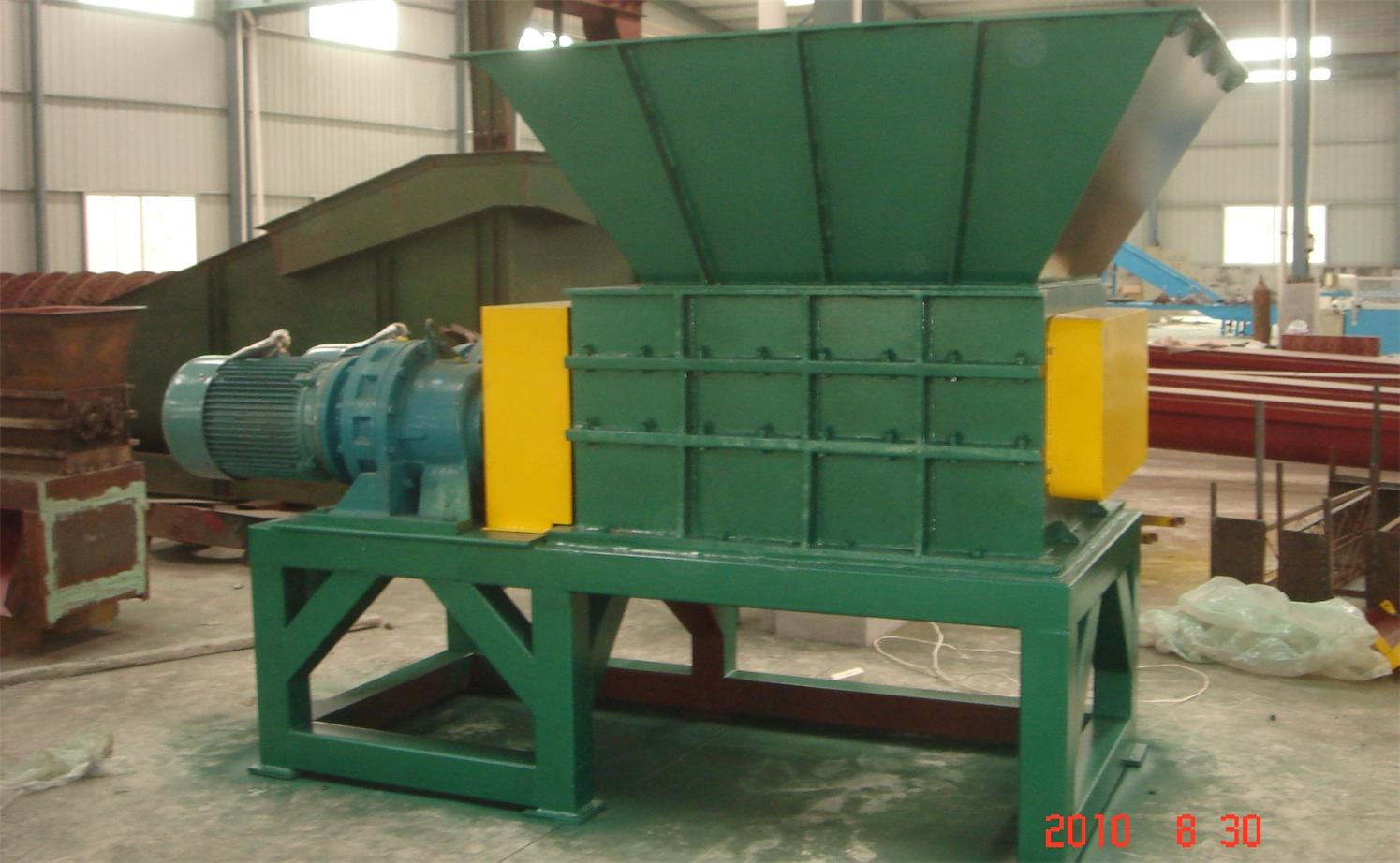
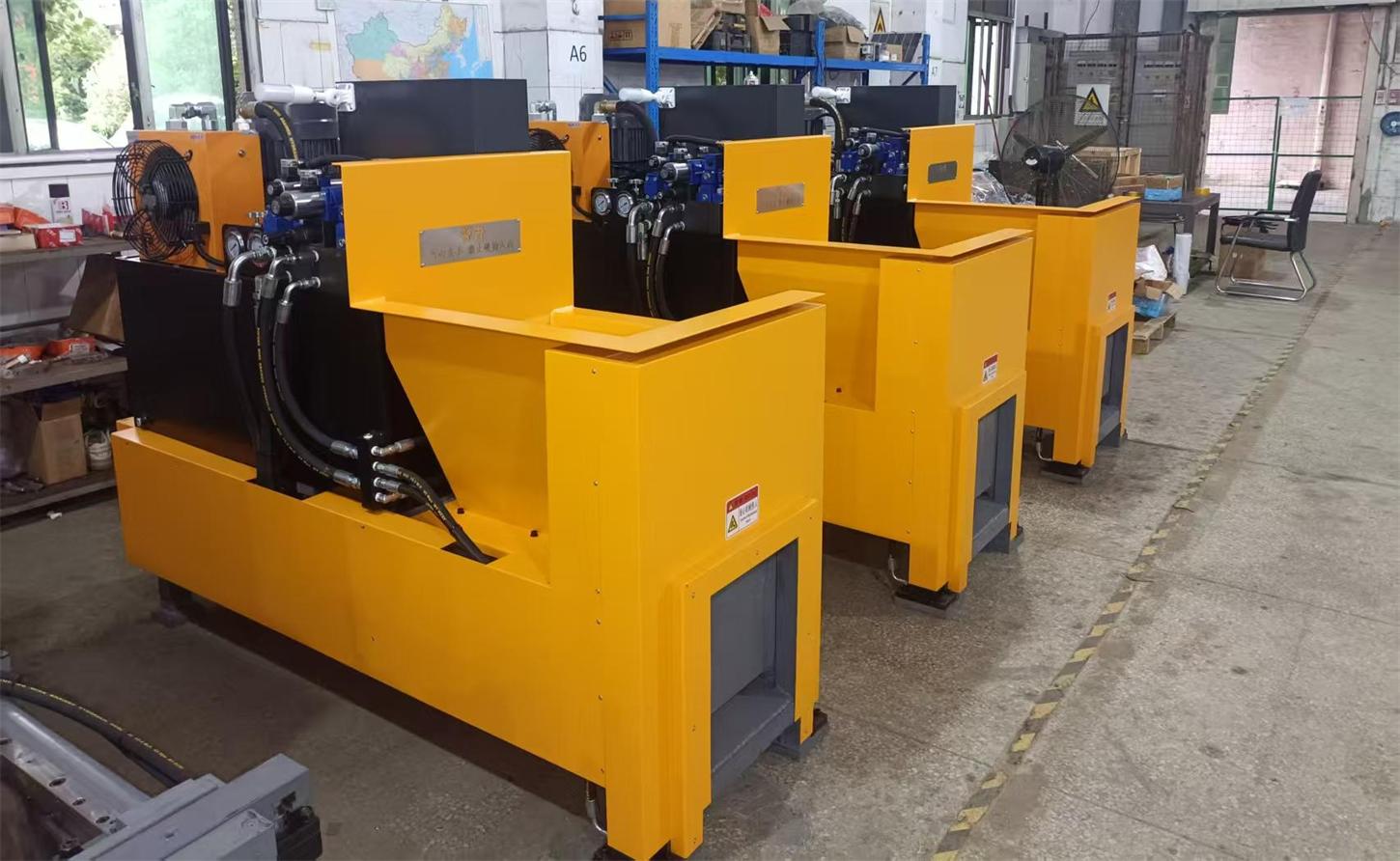
Scrap copper and aluminum cable represents a high-volume, steady feedstock for recycling operations. Cable recycling equipment uses granulators and separators to strip insulation and isolate pure metal granules, commonly called copper rice. Depending on cable diameter and type, operators may first use hydraulic strippers for large-diameter industrial cable before feeding smaller wire into automated granulators. The separated plastic insulation can also be compressed into briquettes for resale to plastic recyclers.
4. Lithium Battery Recycling Systems
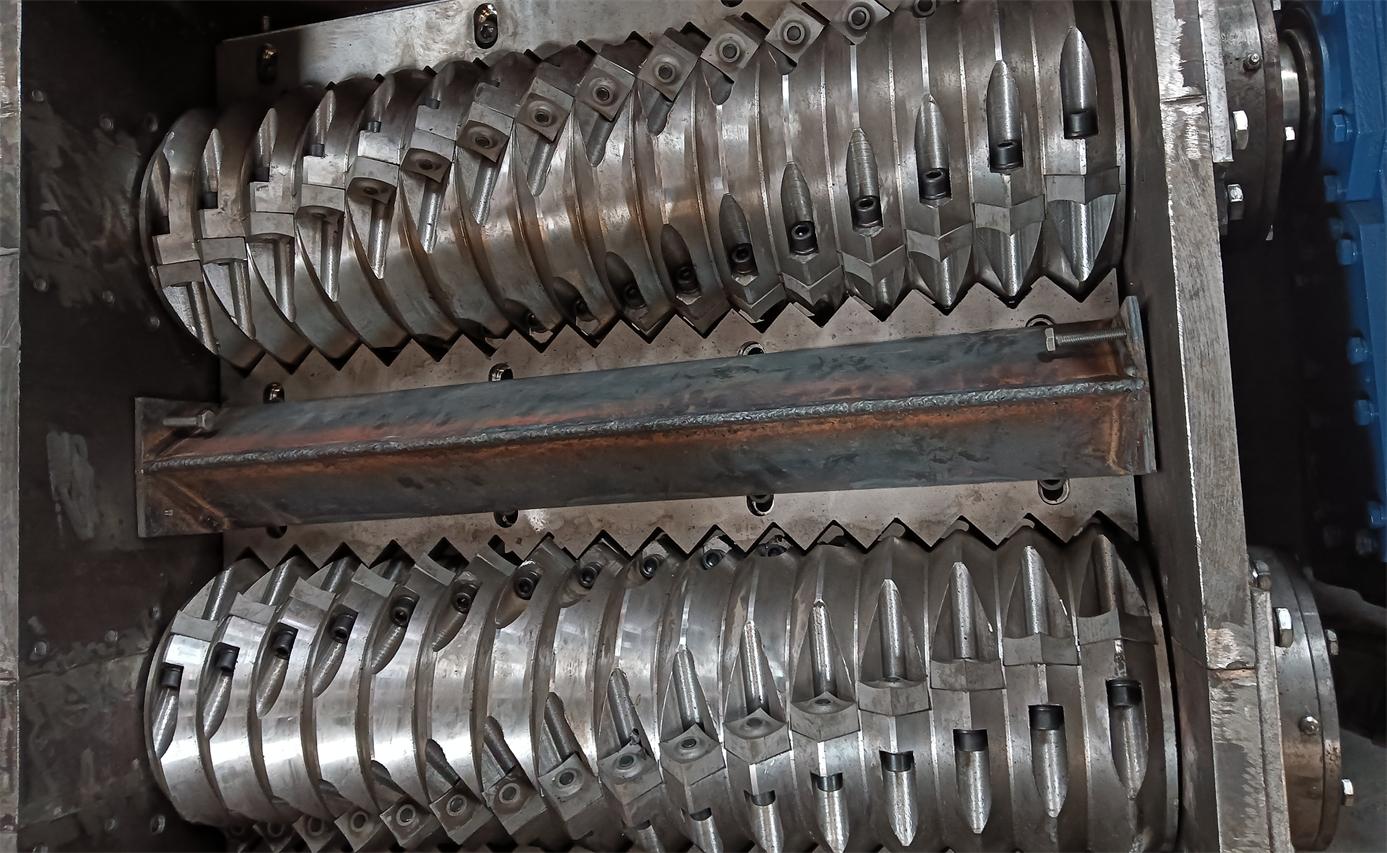
With electric vehicle adoption accelerating globally, spent lithium-ion batteries are becoming a critical feedstock. Recycling lines must safely discharge remaining energy before shredding and separating black mass containing nickel, cobalt, and graphite from copper foil, aluminum foil, and plastic separators. Because lithium batteries can release toxic fluorine compounds if improperly handled, integrated air pollution control systems are not optional, they are essential for worker safety and regulatory compliance.
Five Criteria for Selecting a Recycling Equipment Supplier
Not all equipment manufacturers can deliver systems that perform reliably under real-world conditions. Before signing a purchase contract, evaluate potential suppliers against these five benchmarks:
What Sets Established Manufacturers Apart
Suppliers who have operated in this industry for over a decade understand that recycling equipment is only one component of a profitable plant. San Lan Technologies, founded in 2007 and headquartered in Jiangxi Province, China, has shipped complete recycling lines to buyers across more than 21 countries including Singapore, Colombia, Vietnam, Mexico, South Africa, India, and Saudi Arabia.
Their engineering team includes mechanical engineering masters with over 15 years of specialized experience in e-waste recycling machine design. Beyond fabrication, they offer EPC project delivery, customized plant layout, installation supervision, and operator training. For first-time investors, they also provide guidance on waste material procurement and assistance connecting with metal offtake partners who buy copper rice, lead ingots, and other recovered outputs.
Key capability: Full bilingual support in English and Chinese, combined with deep experience in cross-border project management, makes complex international plant builds far smoother than working with suppliers who lack export project discipline.
Investment Outlook for 2026 and Beyond
The global push toward circular economy models is not a temporary policy trend. Every major manufacturing region is tightening extended producer responsibility laws, which force electronics and automotive manufacturers to ensure their products are properly recycled at end of life. This creates guaranteed feedstock flows for licensed recyclers who operate compliant facilities.
At the same time, volatility in primary metal prices makes secondary metal recovery increasingly attractive. A recycling plant that can reliably produce copper powder at 96% purity or lead ingots at 99.999% purity will find buyers even when commodity markets soften, because refiners always need quality secondary feedstock to blend with primary ore.
Ready to evaluate equipment for your recycling project? Whether you are planning a lead acid battery line, a circuit board separation plant, or a multi-stream e-waste facility, start with a supplier who understands both the mechanical engineering and the business economics of recycling. Contact San Lan Technologies to discuss your feedstock, target capacity, and local regulatory requirements. Their engineering team can provide a customized equipment configuration and project timeline tailored to your market.