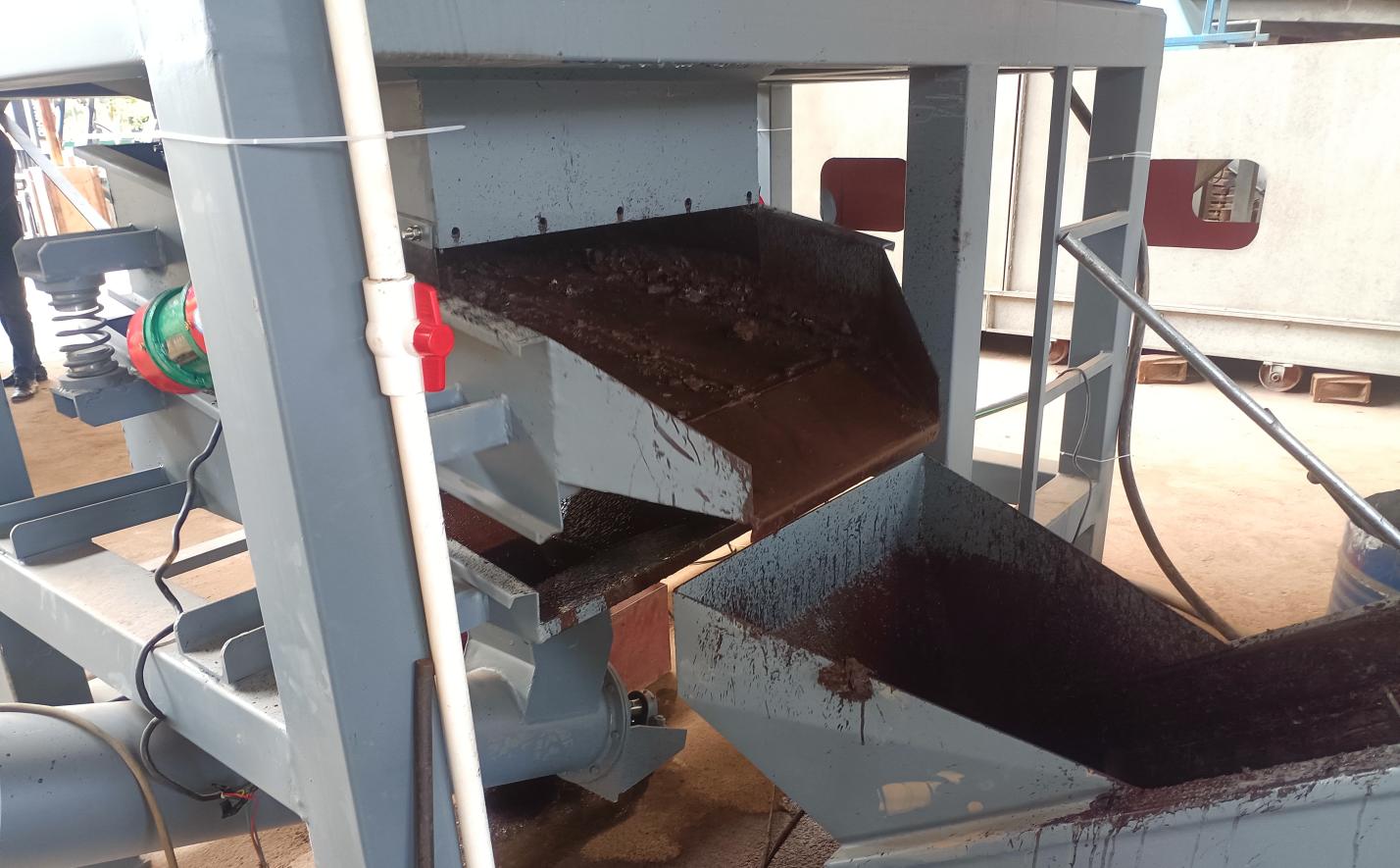
Every year, millions of tons of discarded electronics end up in landfills, taking valuable metals with them. Copper, lead, aluminum, and traces of precious metals sit buried under plastic and glass — resources that could be recovered and sold. For entrepreneurs watching this waste stream grow, the message is clear: e-waste recycling is no longer just an environmental necessity. It is a business opportunity with real profit potential. Turning that potential into reality, though, takes more than good intentions. It takes machinery that actually works, designed by people who have spent years figuring out what breaks and why.
The Three Streams That Pay
Not all e-waste is equally profitable. Smart operators focus on the material streams that deliver the best returns: printed circuit boards (PCBs), copper cables, and used lead acid batteries. Each contains metals worth recovering, but each demands a different approach. PCBs carry copper powder and traces of gold, silver, and palladium. Cables are essentially copper or aluminum wrapped in plastic. Lead acid batteries — still found in cars, trucks, and backup power systems everywhere — hold lead, plastic casings, and sulfuric acid that must be handled carefully.
The mistake many newcomers make is trying to process everything with one machine. It does not work. PCBs need shredding and separation. Cables need granulation and sorting. Batteries need breaking, desulfurization, and smelting. Understanding these differences before buying equipment saves money and prevents costly retrofits later.
Circuit Board Recycling Equipment: Recovering Hidden Value
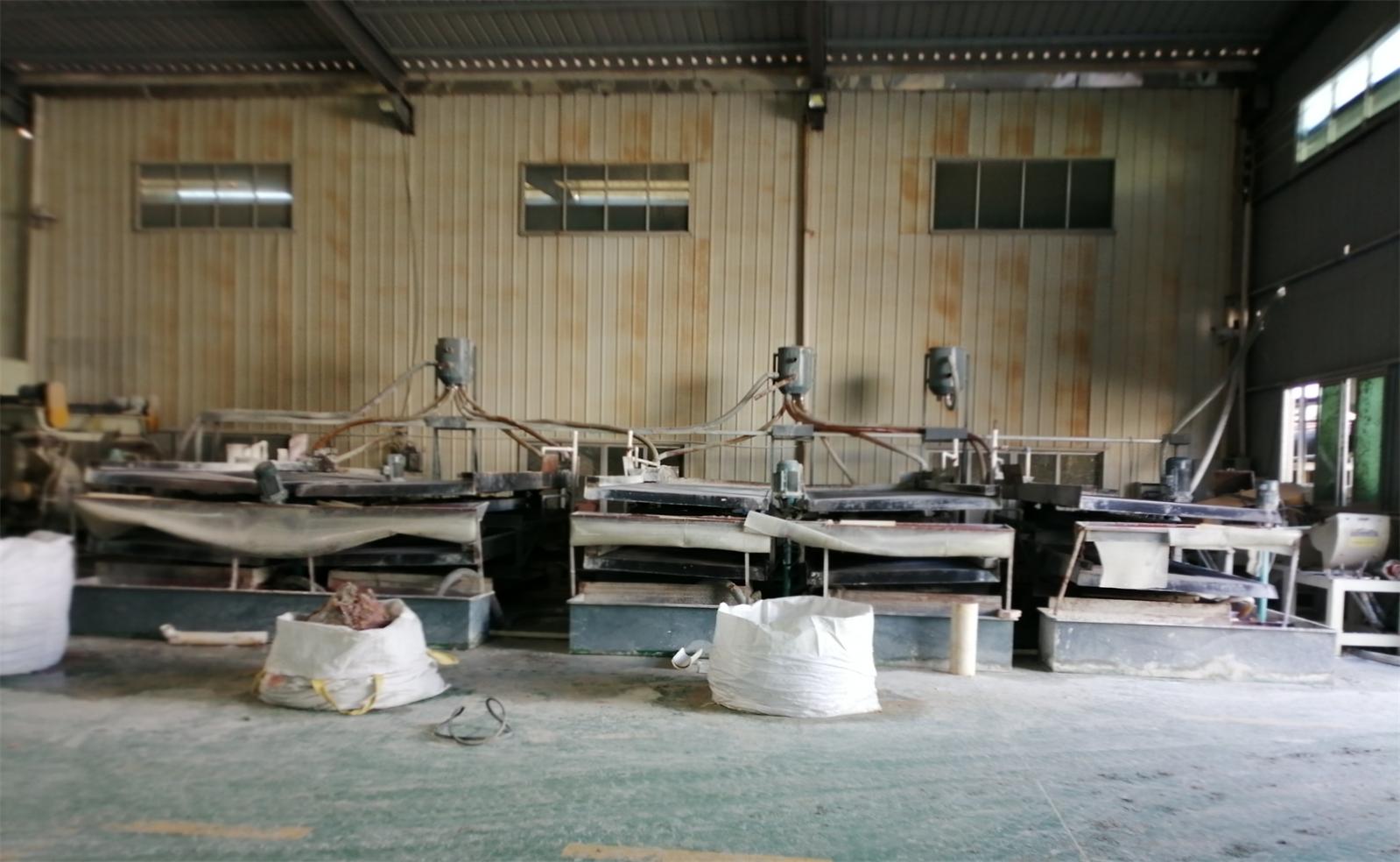
Circuit board recycling equipment forms the backbone of any serious e-waste operation. Modern PCB recycling plants use mechanical processes including shredding, grinding, and separation to recover copper powder and precious metal concentrates without harmful chemical treatments. The technology has evolved significantly, with advanced air separation and wet separation systems achieving copper powder purity levels of 96-98% and recovery rates around 95%.
When evaluating circuit board recycling machinery, operators should consider processing capacity, separation efficiency, and dust control capabilities. Systems range from compact units handling 300-500 kg per hour to industrial-scale plants capable of processing 2,000 kg per hour or more. The choice depends on feedstock volume, available space, and capital investment plans. Equally important is the environmental compliance of the system — effective dust collection and noise control are essential for meeting modern regulatory requirements.
Cable Recycling Equipment: Turning Scrap into Copper Revenue
Cable recycling equipment offers one of the fastest paths to positive cash flow in the recycling business. Scrap cables — whether from construction sites, telecommunications infrastructure, or end-of-life vehicles — contain valuable copper and aluminum that commands strong market prices. The key challenge is efficiently separating the metal from plastic or rubber insulation.
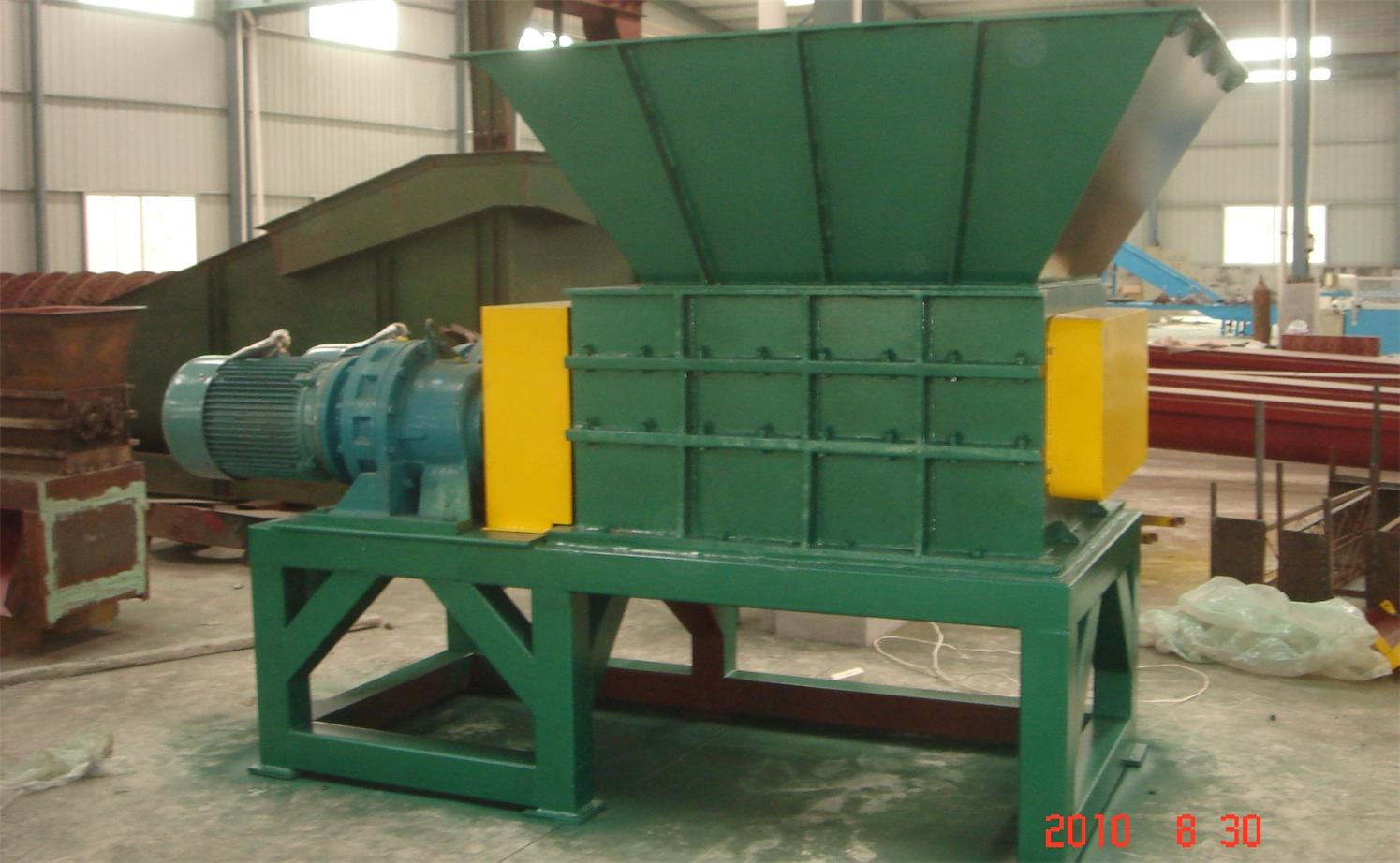
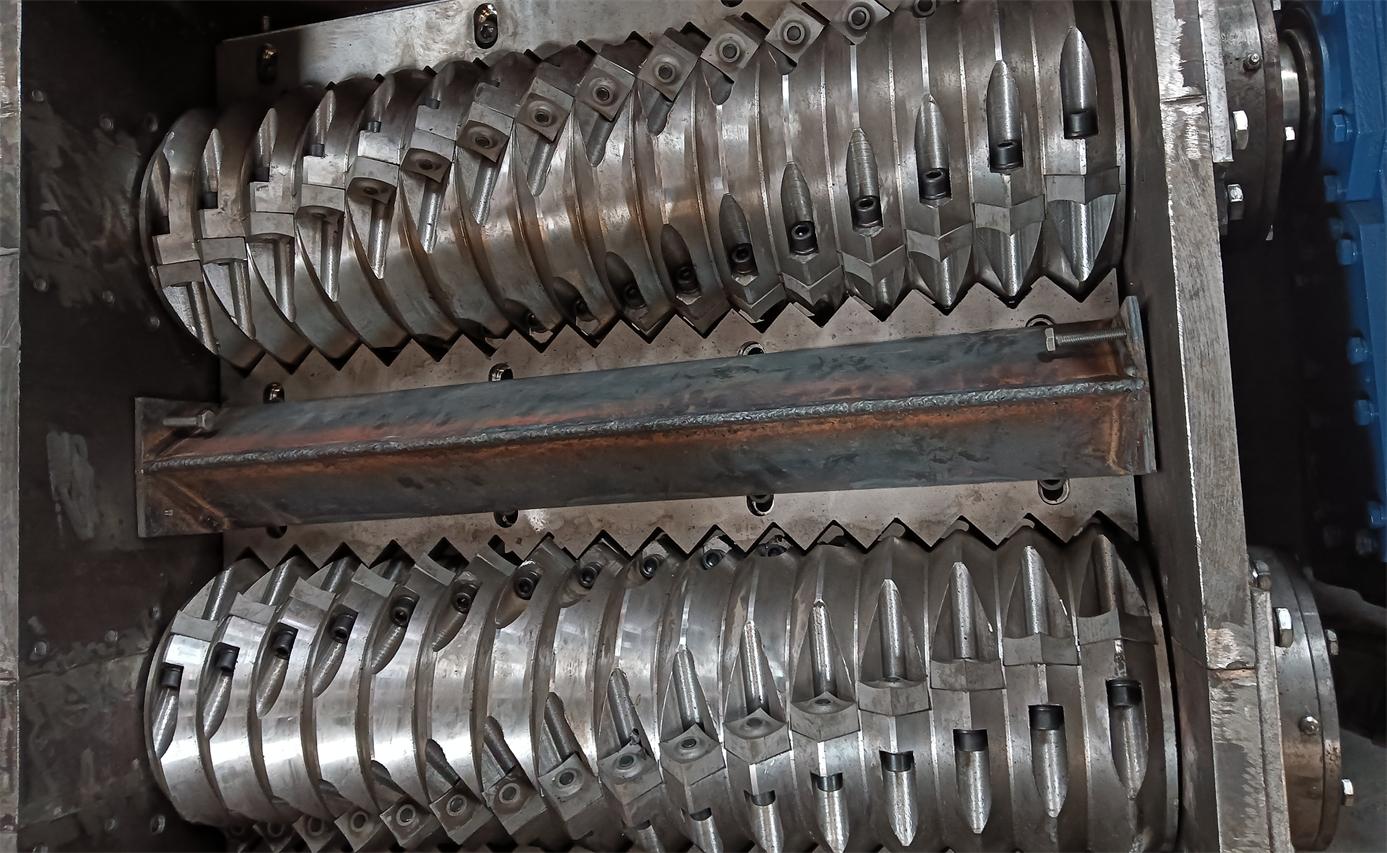
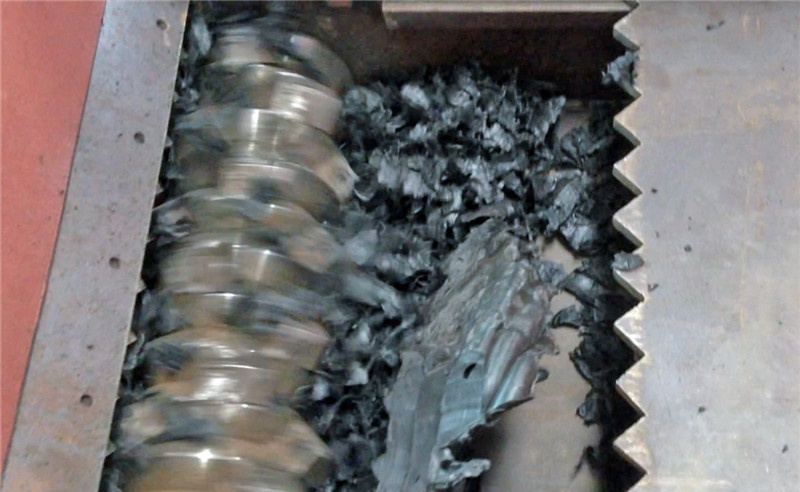
Modern cable recycling plants typically employ a combination of shredders or pre-choppers, granulators, and dry separation systems. The process begins with reducing cable length and liberating metal from insulation, followed by granulation to achieve particle sizes suitable for separation. Air separation or vibrating screen technology then sorts metal from plastic based on density and particle size differences. Some operations also employ wet separation for certain cable types where water-based density separation improves recovery.
For smaller operations or specialized applications, scrap cable strippers offer a cost-effective entry point. These machines mechanically strip insulation from larger diameter cables, producing clean copper or aluminum ready for direct sale to metal refiners. Stripping machines typically handle cable diameters from 1.5mm to 150mm, with processing capacities ranging from 200 kg to 1,500 kg per 10-hour shift.
Lead Acid Battery Recycling Equipment: Managing Hazardous Materials Safely
Lead acid battery recycling equipment addresses one of the most environmentally critical recycling challenges. Used lead acid batteries contain sulfuric acid, lead paste, lead grids, and plastic cases — all of which require careful handling to prevent soil and water contamination while recovering valuable materials. A complete lead acid battery recycling plant typically includes breaking and separation systems, smelting furnaces, refinery kettles, and pollution control equipment.
The process begins with breaking the batteries and separating the components: acid is collected for neutralization or reuse, plastic cases are washed and pelletized, lead grids are cleaned, and lead paste undergoes desulfurization before smelting. Modern plants incorporate rotary furnaces or blast furnaces for paste reduction, producing crude metallic lead that is then refined to 99.999% purity in refinery kettles. Air pollution control systems are essential throughout the process to capture lead dust and sulfur dioxide emissions.
Capacity for lead acid battery recycling plants typically ranges from 1 to 10 metric tons per hour, with lead recovery rates reaching 95% in well-designed systems. Operators must also invest in wastewater treatment facilities to handle acidic effluent from the breaking and cleaning processes, ensuring compliance with environmental discharge standards.
System Integration: From Individual Machines to Complete Plants
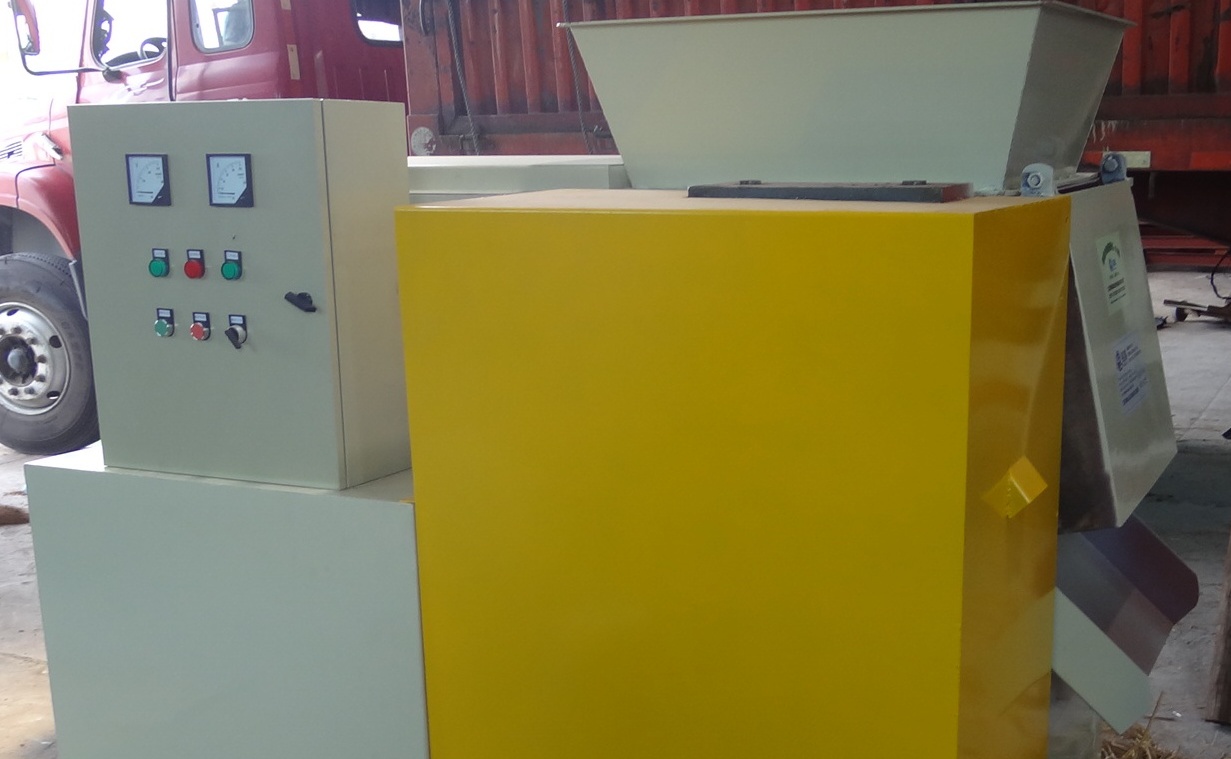
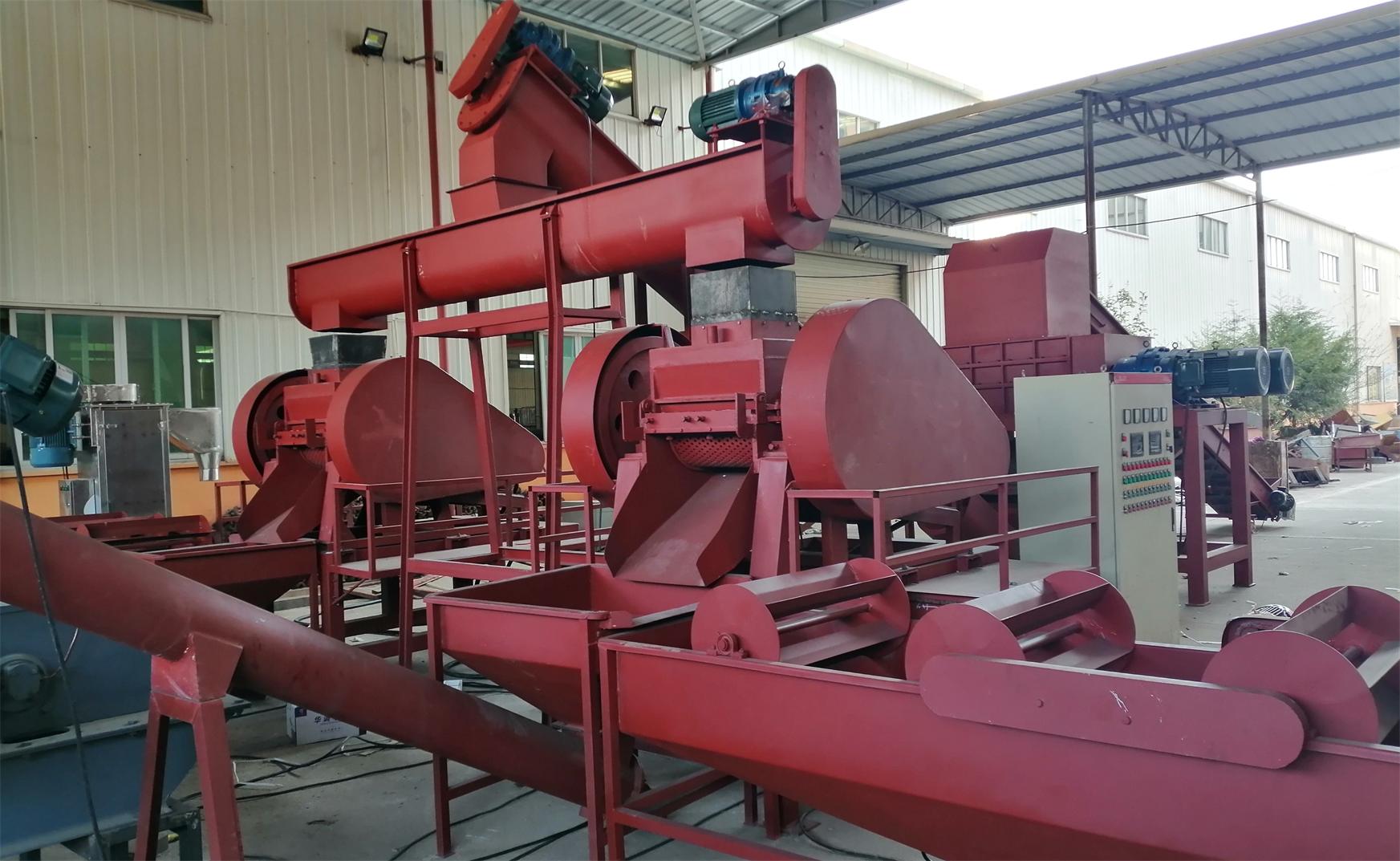
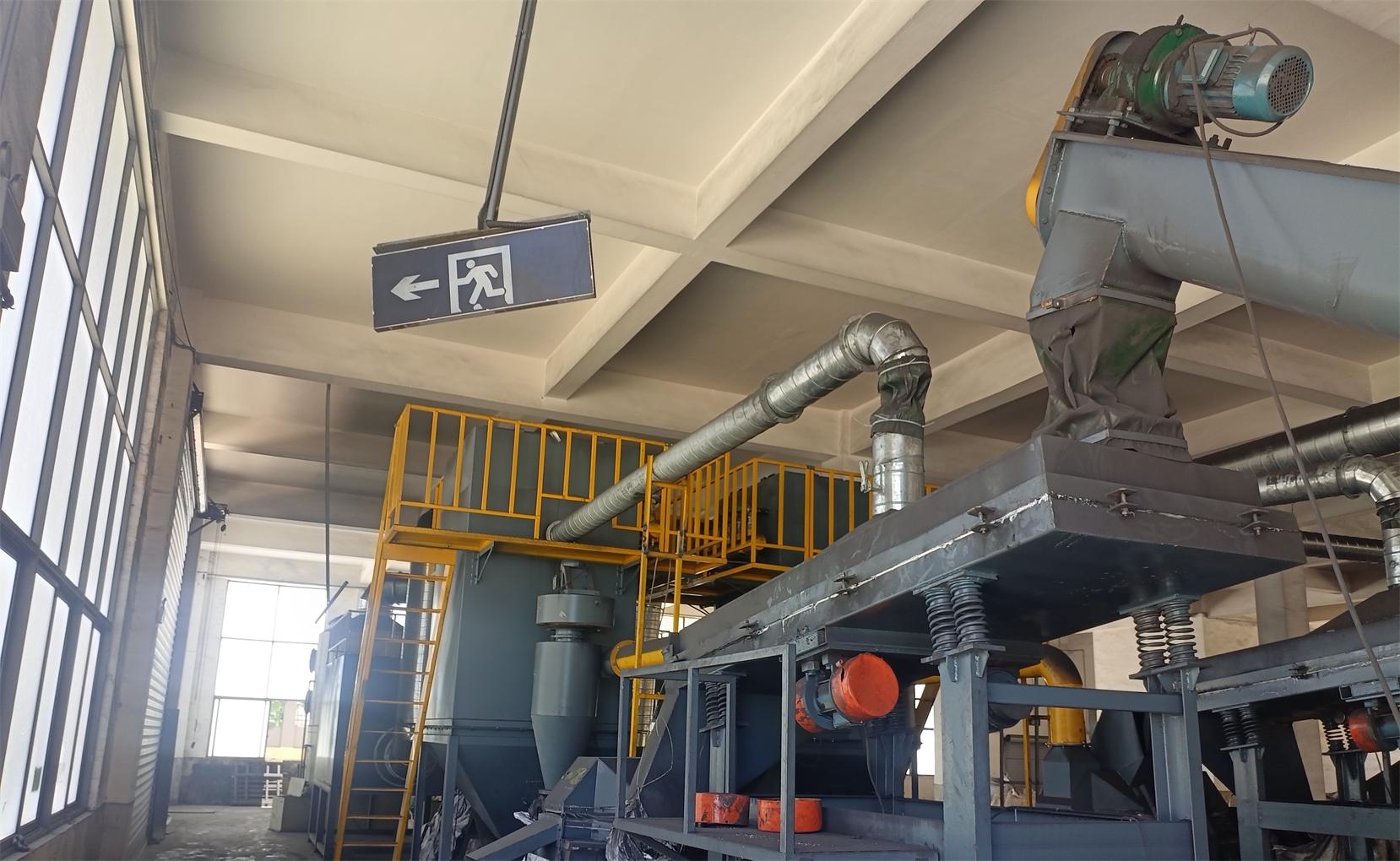
While individual machines can handle specific material streams, the most profitable recycling operations are built as integrated systems. A well-designed plant considers material flow, energy efficiency, labor requirements, and environmental compliance as interconnected factors rather than isolated concerns. Conveyor systems link processing stages, dust collection networks serve multiple machines, and centralized control systems monitor performance and safety parameters.
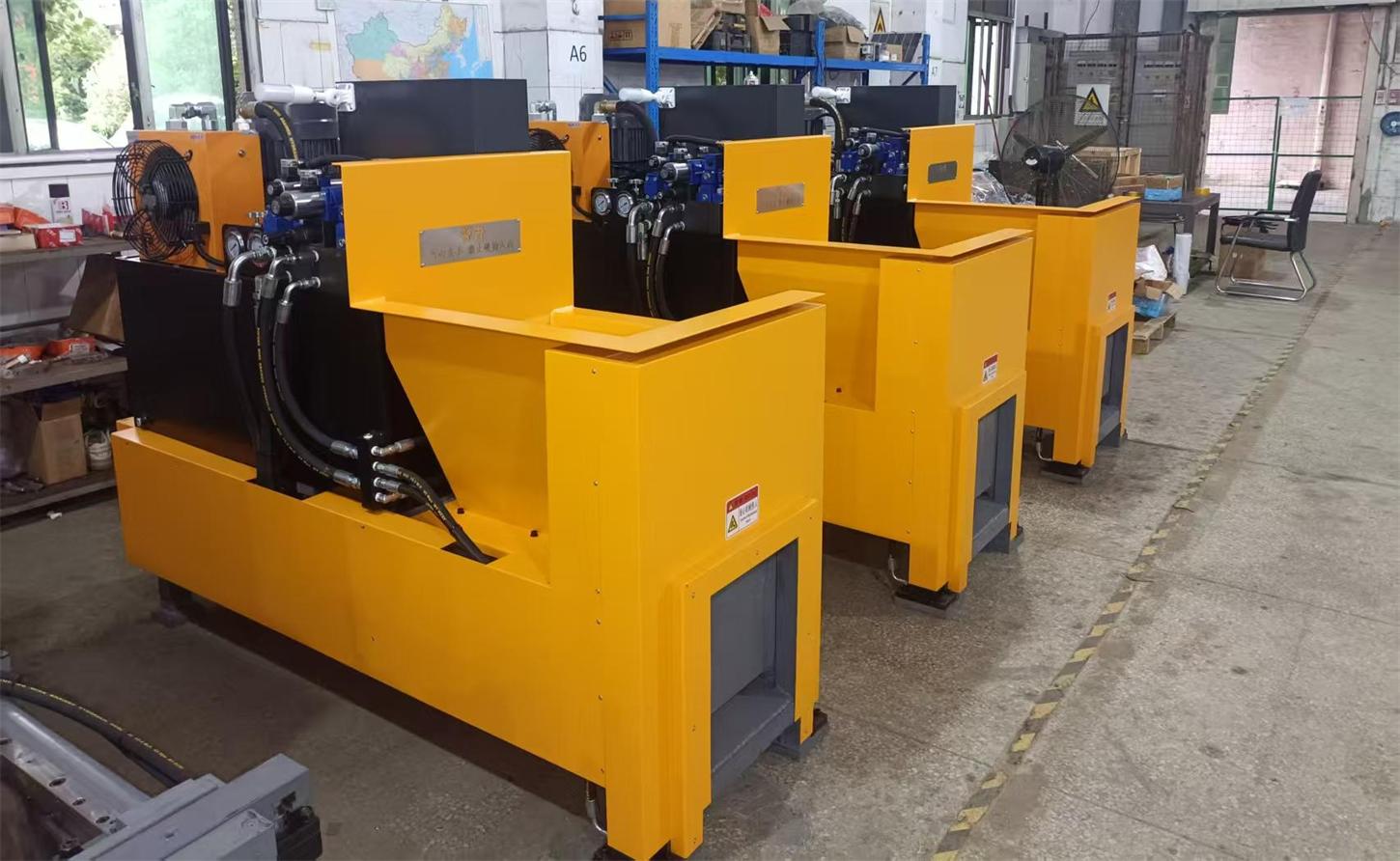
Integration also extends to auxiliary equipment. Shredders and pre-choppers prepare material for main processing lines. Hydraulic balers compress recovered plastics or metal chips for transport. Medium frequency induction furnaces melt recovered metals into ingots. Air pollution control systems protect workers and the environment. Water treatment plants ensure compliance with discharge regulations. Each component must be sized and positioned to support overall plant throughput targets.
What to Look for in a Manufacturer
Buying recycling equipment is not like buying a truck. A truck either runs or it does not. A recycling plant is a system where every piece affects every other piece. If the shredder is too aggressive, it damages valuable copper. If the separation stage is poorly calibrated, you lose metal to the waste stream. If the dust collection is undersized, you face regulatory shutdowns. The manufacturer you choose needs to understand these interactions, not just sell you a catalog of machines.
Questions to ask before signing a contract:
- Have they built and commissioned complete plants, or do they only supply individual machines?
- Can they customize the design based on your actual feedstock and target capacity?
- Do they offer installation support and operator training, or do they drop the equipment at your door?
- How quickly can they deliver spare parts when something breaks?
- Do they have experience with EPC projects — handling engineering, procurement, and construction together?
- Have their machines been tested in conditions similar to yours — your climate, your power supply, your labor skill level?
A manufacturer that has installed plants across multiple continents has learned things no engineering manual teaches. They know that humidity in Southeast Asia causes different screening problems than dust in the Middle East. They have adjusted motor specifications for unstable power grids. They have trained operators with varying levels of technical background. These lessons get baked into improved designs over time.
The Partnership Difference
Equipment is only part of the equation. After the machines are running, questions keep coming. Why is the separation efficiency dropping? How do you adjust for wet feedstock after monsoon season? Which buyer pays the best price for your copper powder this month? A supplier that disappears after delivery leaves you figuring these out alone. A real partner answers the phone.
Some manufacturers go further. They help you find reliable sources of scrap material to feed your plant. They introduce you to investors if you want to expand. They connect you with metal traders who buy recovered copper, lead, and aluminum. These services rarely appear in a quotation sheet, but they often determine whether a recycling business survives its first two years.
Ready to build your e-waste recycling operation? San Lan Technologies Co., Ltd. has been manufacturing WEEE recycling machines and mining equipment since 2007, with installations running in over 21 countries. The technical team holds master's degrees in mechanical engineering and brings more than 15 years of hands-on experience with e-waste recycling equipment. San Lan handles the full scope — customized design, manufacturing, installation, and commissioning — so you are not left coordinating multiple vendors.
Whether you need a complete circuit board recycling plant, a cable recycling plant, or a lead acid battery recycling plant, contact San Lan Technologies to discuss your project. Tell them your feedstock, your target capacity, and your budget — and get straight answers on what will actually work.