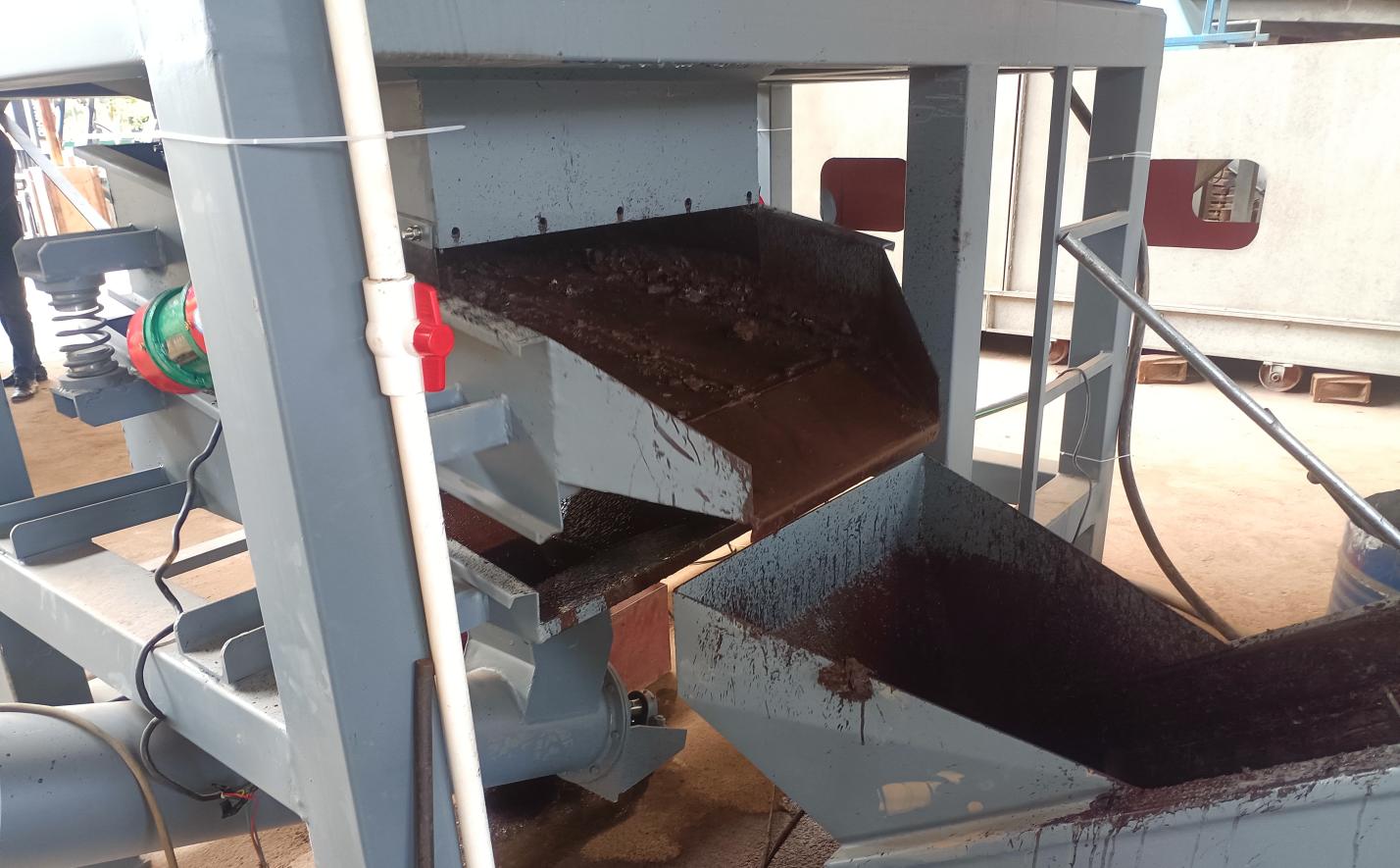
The global shift toward electrification has created an unprecedented surge in lithium-ion battery usage. From smartphones and laptops to electric vehicles and grid-scale energy storage, lithium batteries power the modern world. However, with this growth comes a pressing challenge: what happens to these batteries at the end of their life? Building a lithium battery recycling plant is not only an environmentally responsible venture but also a highly profitable business opportunity in today's circular economy.
The Growing Demand for Lithium Battery Recycling
The lithium-ion battery market is expanding at an exponential rate. Electric vehicle adoption alone is projected to grow significantly in the coming years, and governments worldwide are tightening regulations around battery disposal. Extended Producer Responsibility (EPR) mandates require manufacturers to ensure their batteries are properly recycled, creating a steady stream of feedstock for recycling facilities.
At the same time, the volatility of raw material supply chains — particularly for cobalt, nickel, and lithium — has made recovered battery materials increasingly valuable. A well-designed lithium battery recycling plant can recover black mass containing nickel, cobalt, and graphite, along with copper, aluminum, and plastic. All of these materials can re-enter the battery supply chain, reducing dependence on mining and creating a truly circular economy.
Core Equipment You Need for a Lithium Battery Recycling Plant
Setting up a lithium battery recycling operation requires specialized li battery recycling equipment that can safely and efficiently process end-of-life batteries. The essential machinery includes:
- Discharging system — Safely discharges residual electricity from batteries before processing to eliminate fire and explosion risks
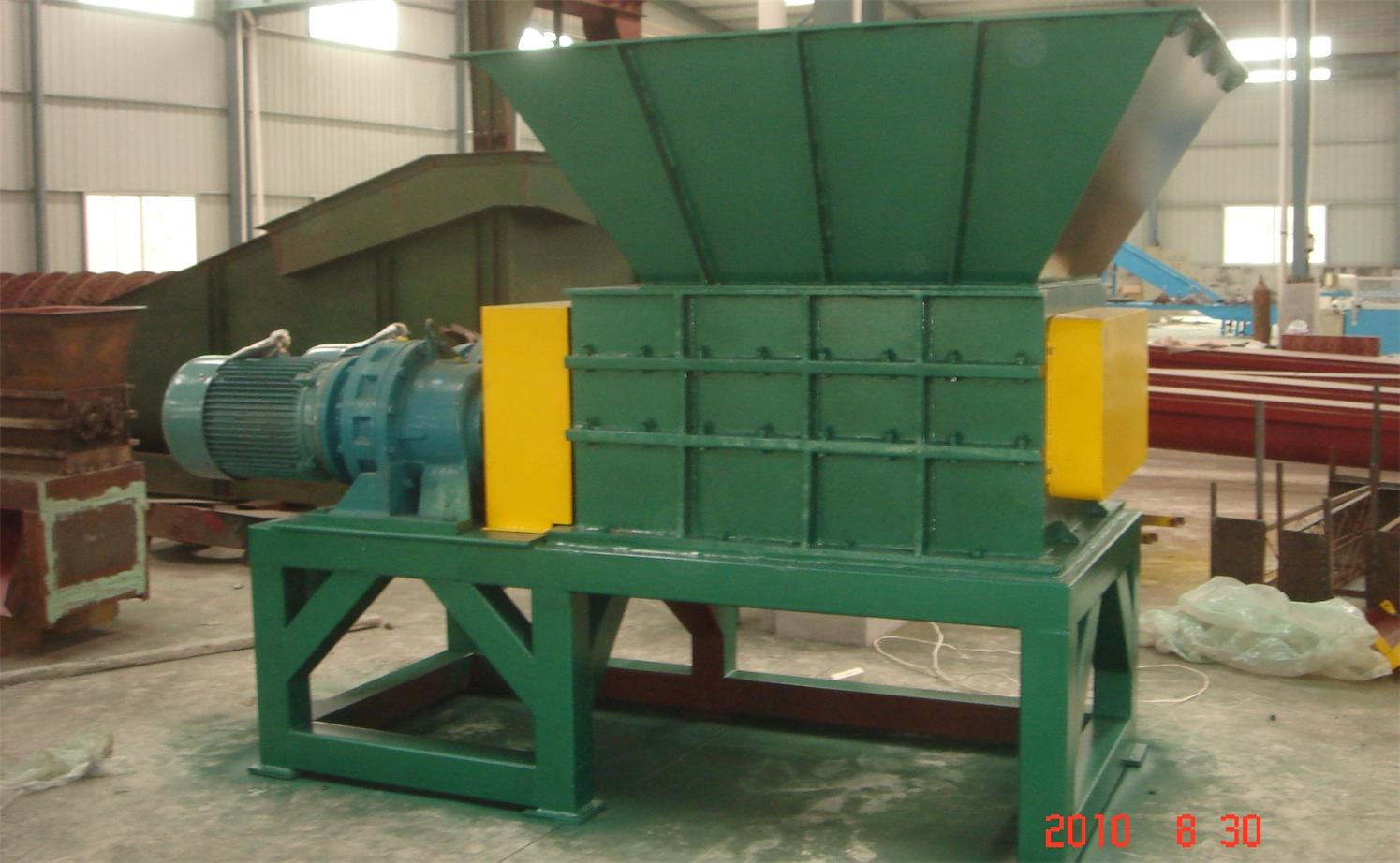
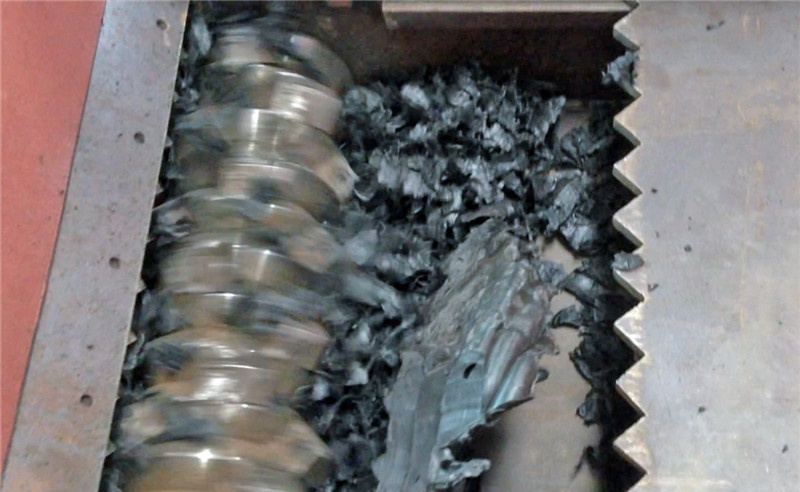
- Pre-crushing unit — Breaks down whole batteries into coarse fragments for further processing
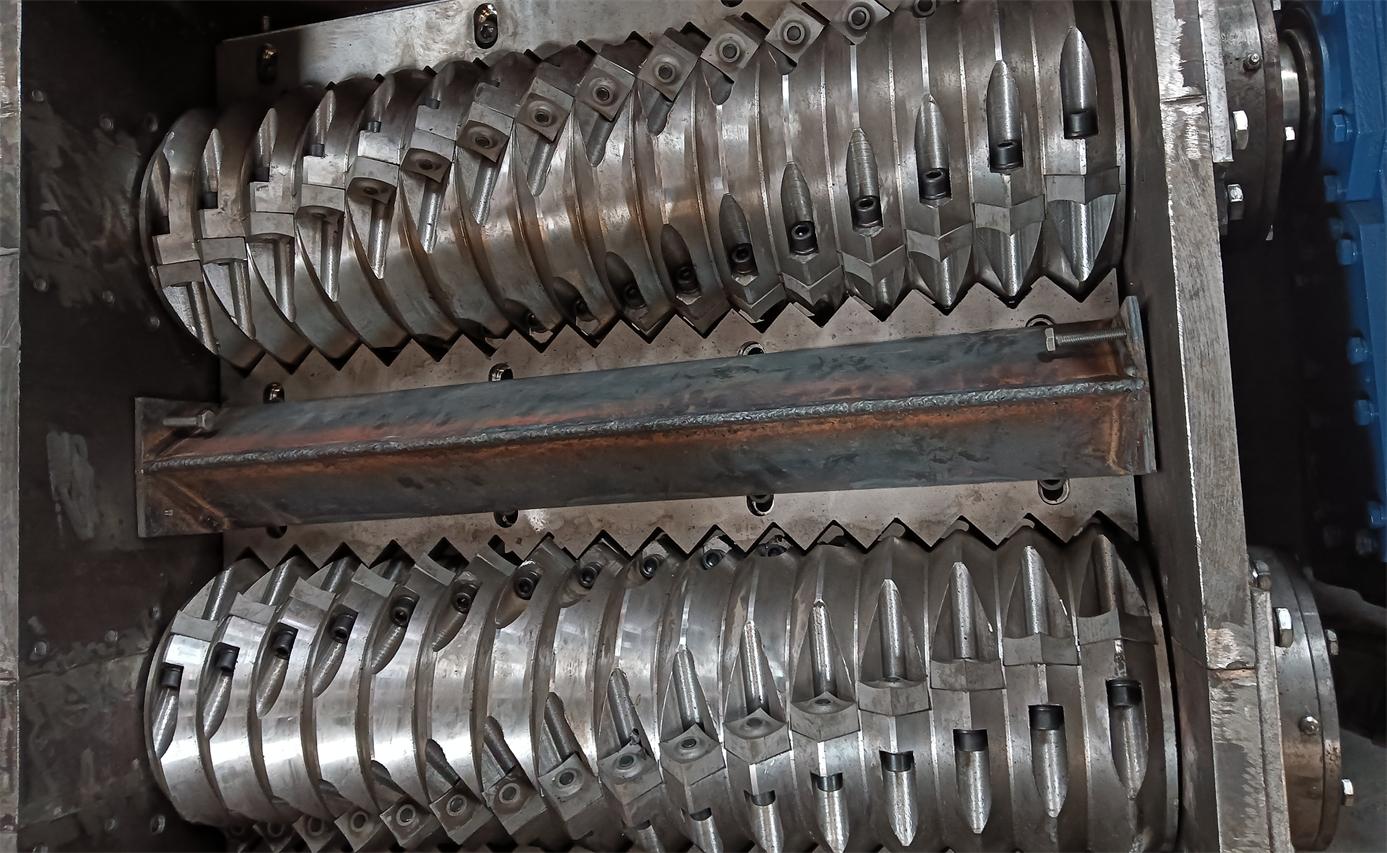
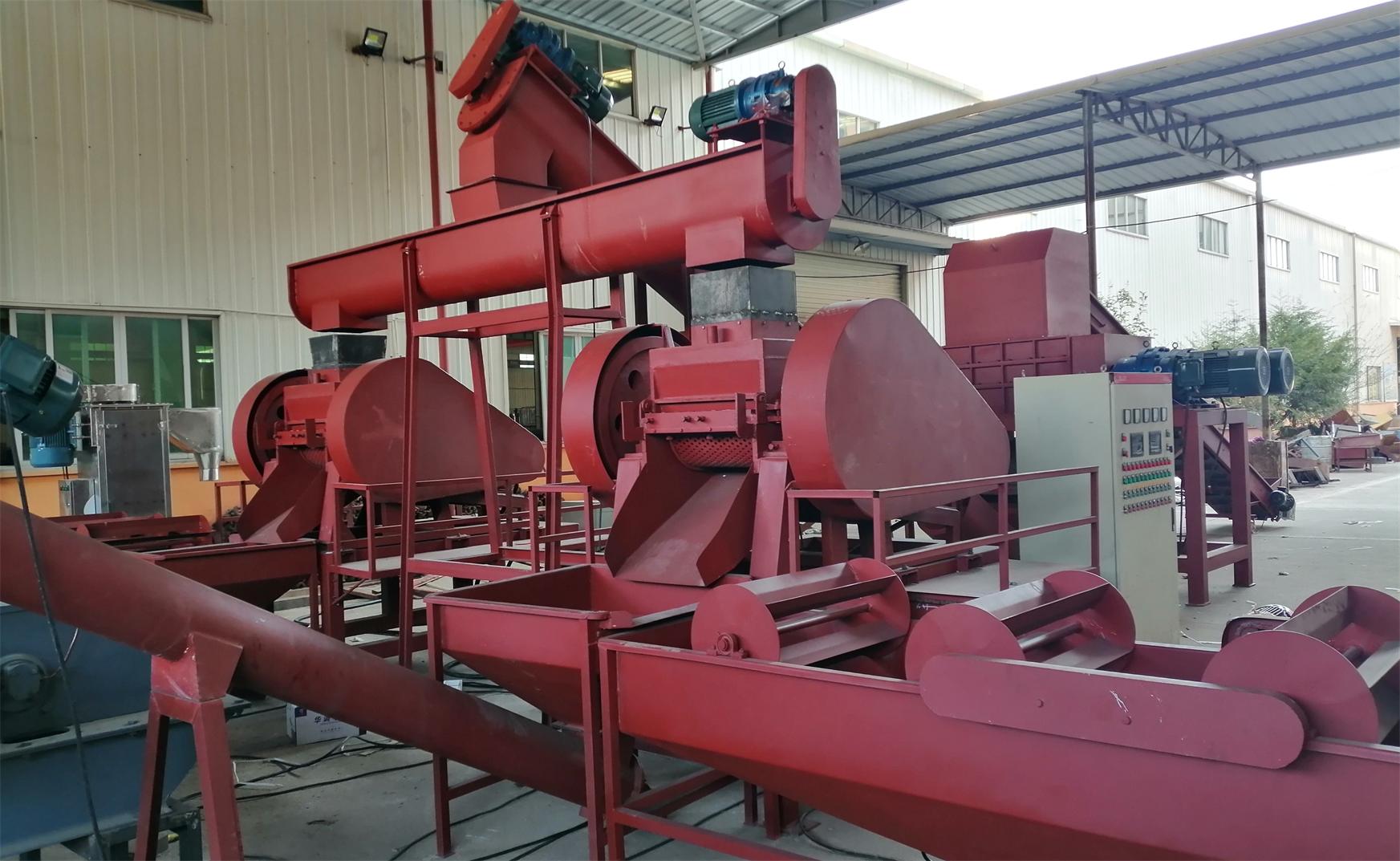
- Secondary granulation — Further reduces particle size to liberate individual components
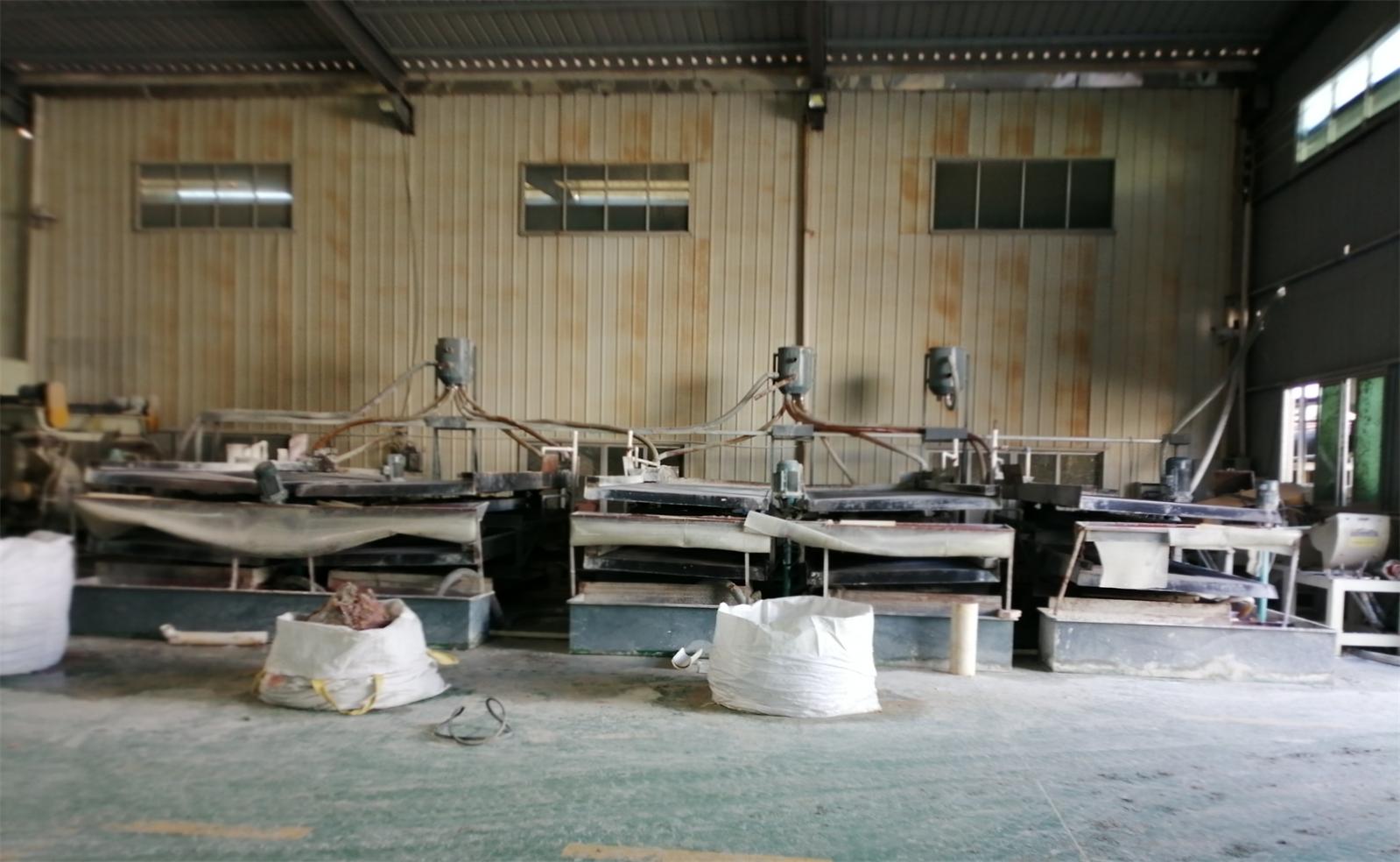
- Black powder separation system — Separates the valuable black mass (Ni, Co, graphite) from other materials
- Magnetic separation unit — Removes iron and steel fragments from the material stream
- Plastic pneumatic conveying system — Collects and transports lightweight plastic separator film
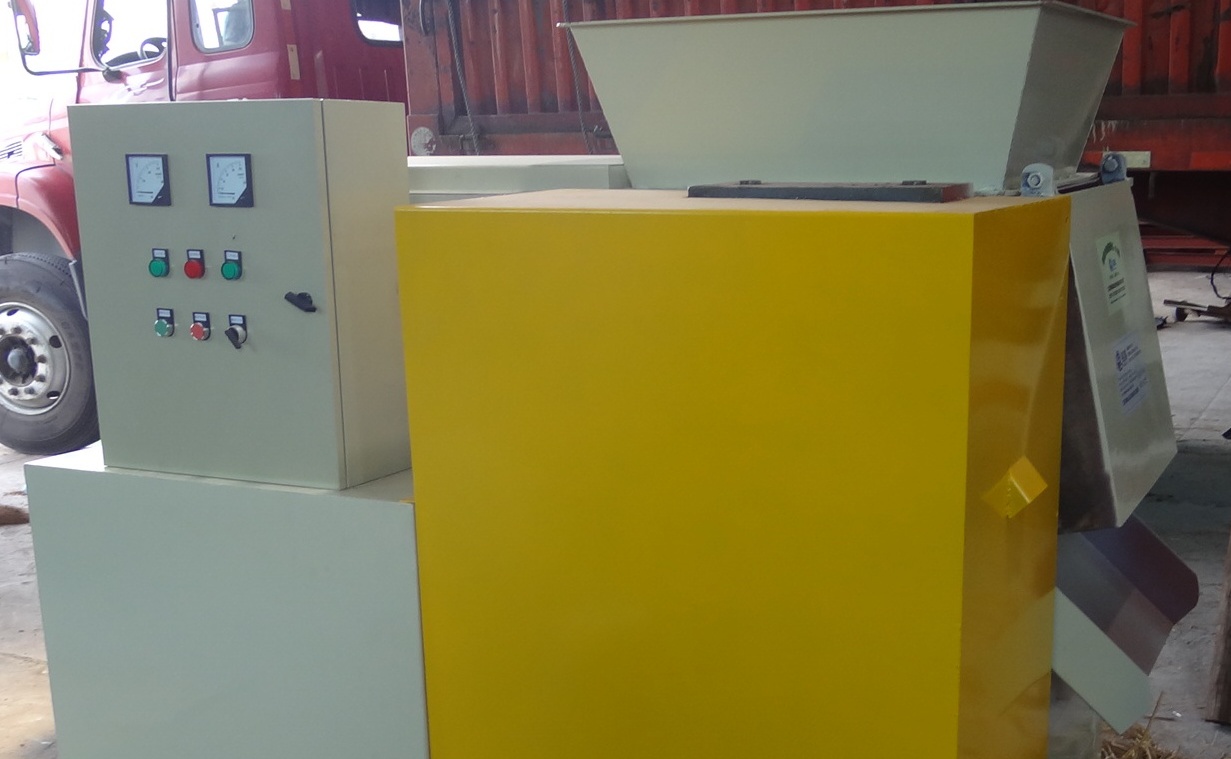
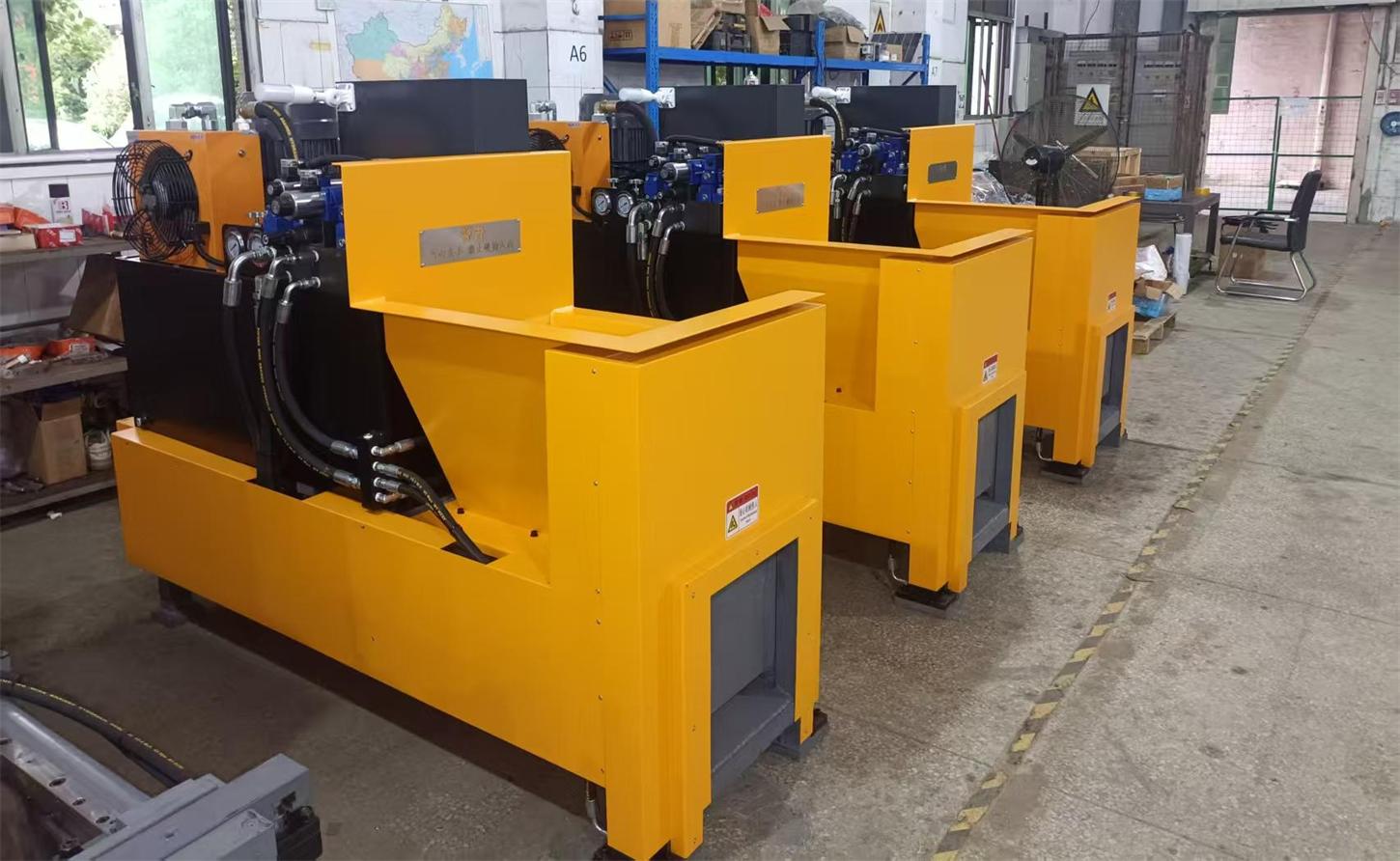
- Hydraulic briquetter — Compresses plastic film into dense blocks with a volume compression ratio of up to 10:1
A complete lithium battery recycling plant with a processing capacity of 500-2500 kg/hour can handle a wide range of battery types, including cylindrical cells, prismatic cells, and pouch cells from consumer electronics and electric vehicle battery packs. Custom design is available to match your specific feedstock and output requirements.
The Recycling Process: From Waste Battery to Valuable Materials
The mechanical lithium battery recycling process follows a systematic, environmentally friendly workflow that avoids high-temperature smelting or chemical leaching:
- Discharging — Batteries are fully discharged to eliminate electrical hazards and fire risks before entering the processing line.
- Pre-crushing — Whole batteries are fed into a shredder that breaks them into coarse fragments, exposing internal components.
- Secondary granulation — The coarse fragments are further ground to liberate copper foil, aluminum foil, plastic separator film, and black mass from each other.
- Multi-stage separation — A combination of air classification, magnetic separation, and vibrating screening isolates each material stream: black mass powder, copper granules, aluminum granules, plastic film, and steel casings.
- Material collection — Each recovered material is collected separately, ready for sale to smelters, battery material producers, or plastic recyclers.
The entire process is mechanical and closed-loop, generating minimal waste while maximizing material recovery rates. This approach aligns with the growing demand for sustainable, low-carbon recycling solutions.
Environmental Compliance and Air Pollution Control
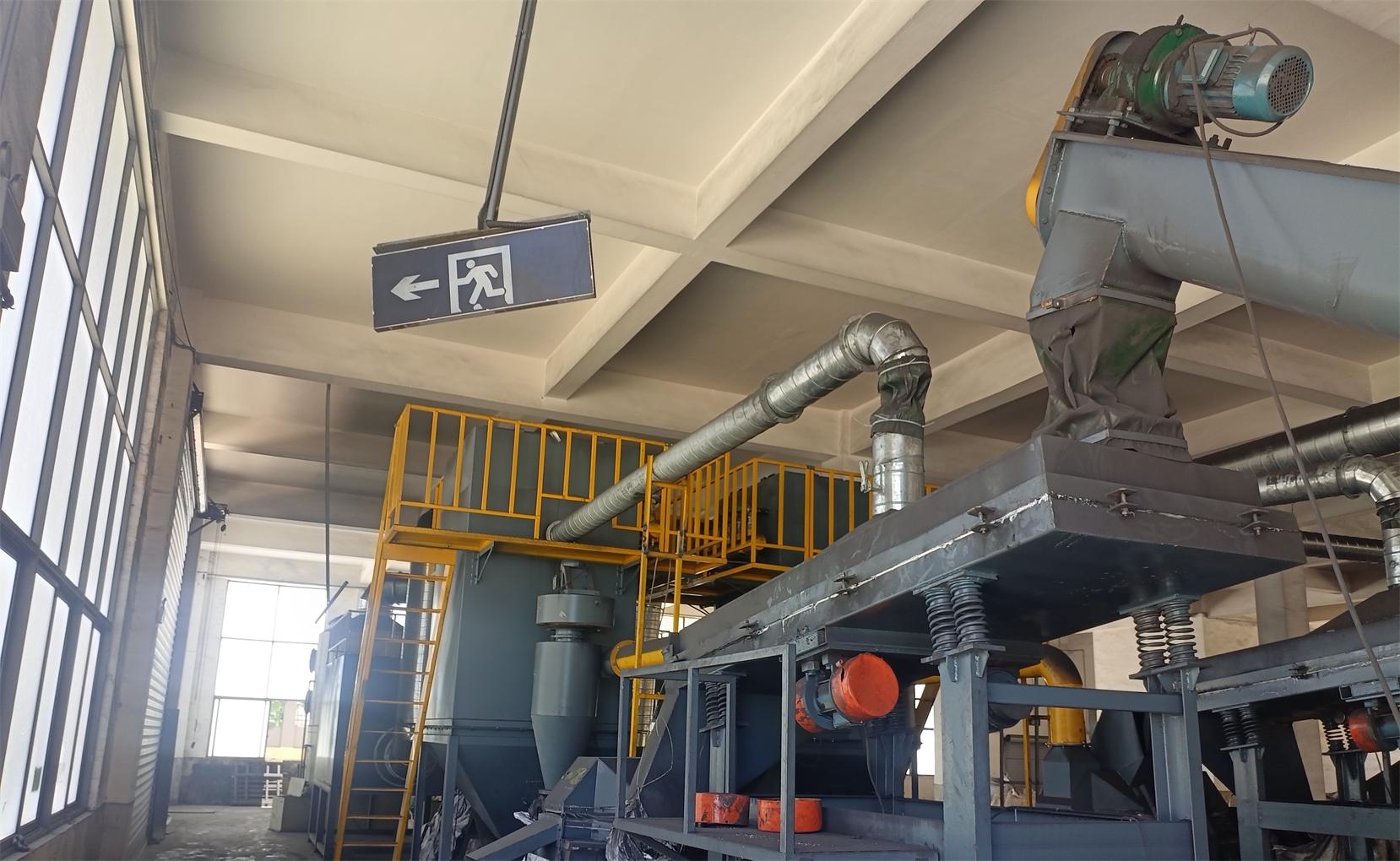
Environmental regulations are becoming stricter worldwide, and any recycling operation must meet air quality standards. During the crushing and separation of lithium batteries, organic electrolytes can release harmful volatile organic compounds. A properly designed air pollution control system equipment is essential to absorb and neutralize these emissions before they reach the atmosphere. This ensures the plant operates in full compliance with local environmental laws while protecting worker health and the surrounding community.
Beyond air quality, a well-engineered plant also incorporates water treatment and dust collection systems to create a fully compliant, zero-discharge operation. These environmental safeguards are not optional add-ons — they are integral to the long-term viability and social license of any recycling facility.
Choosing the Right Equipment Supplier
When investing in a lithium battery recycling plant, choosing the right recycling equipment supplier is critical to your long-term success. Here are the key factors to evaluate:
- Industry experience — Look for a manufacturer with at least 15 years of hands-on experience in e-waste recycling machinery, not a general machinery company that dabbles in recycling as a side business.
- International track record — A supplier with successful installations across multiple countries has proven their equipment can meet diverse regulatory and operational requirements.
- EPC capability — The best suppliers offer Engineering, Procurement, and Construction services — from customized plant design through to installation, commissioning, and operator training.
- After-sales support — Ongoing technical support, spare parts availability, and responsive communication are essential for minimizing downtime.
- Cross-cultural competence — For international projects, a supplier with bilingual capability and experience working across cultures reduces communication friction and project risk.
San Lan Technologies Co., Ltd, established in 2007 and headquartered in Ganzhou, Jiangxi Province, China, has been manufacturing e-waste recycling equipment for nearly two decades. With a professional technical support team holding master's degrees in mechanical engineering and over 15 years of working experience, San Lan offers solid EPC project capability for e-waste recycling plants. The company has served customers in more than 21 countries including Singapore, Colombia, Vietnam, Mexico, Argentina, Korea, Malaysia, Indonesia, South Africa, Tunisia, India, Kenya, Saudi Arabia, Philippines, Zambia, and Israel. Beyond equipment supply, San Lan also helps customers source waste materials, find investors and partners for plant construction, and sell end products such as copper powder and black mass — making them a comprehensive partner for your recycling business.
Ready to Start Your Lithium Battery Recycling Plant?
Building a lithium battery recycling plant is a forward-looking investment that combines environmental stewardship with strong financial returns. As the world produces more lithium batteries than ever before, the demand for efficient recycling solutions will only continue to grow. By partnering with an experienced equipment supplier, you can establish a profitable, compliant, and sustainable recycling operation that turns waste batteries into valuable resources.
Explore Li Battery Recycling Solutions →